Sangria lessons beat bar hopping. This small-group class with Kiki Rebel Tours is a hands-on, story-driven evening in Barcelona where you learn how sangria evolved and then you actually make it. I especially like the mix of two practical sangrias (not just one) and the fact you snack on classic Spanish tapas while you work, sip, and ask questions.
One thing to consider: because the workshop includes alcoholic beverages (local red wine) and ends with tasting, it’s not the pick if you’re trying to keep the night fully alcohol-free or plan an early morning right after.
In This Review
- Key takeaways before you go
- What makes this Barcelona sangria workshop different?
- The 7:30 pm rhythm: how the night flows
- What you’ll make: two fresh jugs, old roots to modern style
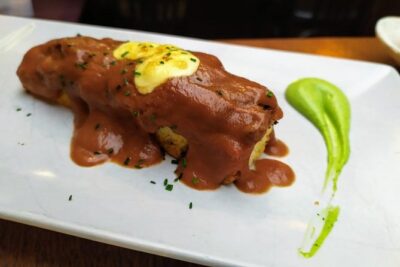
- The tapas pairing: olives, pan con tomate, tortilla, and patatas
- Why Kiki Rebel Tours works so well in a small group
- Price and value: why $83.27 can be a good deal
- Where to meet: Savour Academy in Sants-Montjuïc
- Who should book this (and who might skip it)
- Small details that make the difference
- Is it worth booking? My decision guide
- FAQ
- How long is the Sangria Cultural Workshop with Tapas?
- Where does the workshop meet in Barcelona?
- What time does the workshop start?
- What’s included in the price?
- Will I make sangria myself or just watch?
- How large is the group?
- Is the workshop offered in English?
- Can I cancel for a full refund?
- Are service animals allowed?
Key takeaways before you go
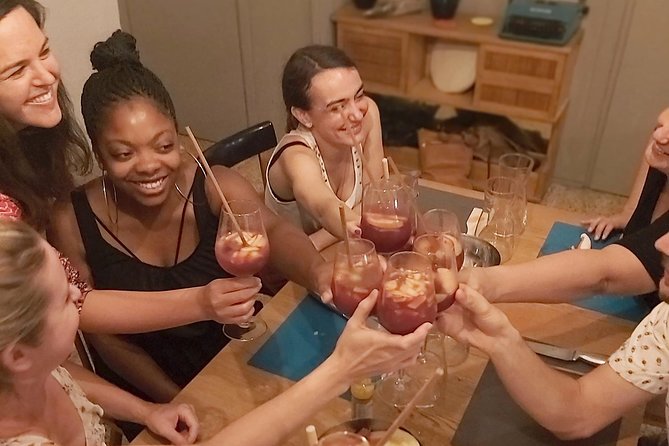
- Max 12 people means real attention and less standing around.
- Two jugs of fresh sangria using local fruit and eco wine.
- Traditional tapas included (olives, pan con tomate, Spanish tortilla, patatas).
- English-led, interactive format with plenty of back-and-forth.
- Meet in Sants-Montjuïc at Savour Academy, with the workshop ending back there.
What makes this Barcelona sangria workshop different?
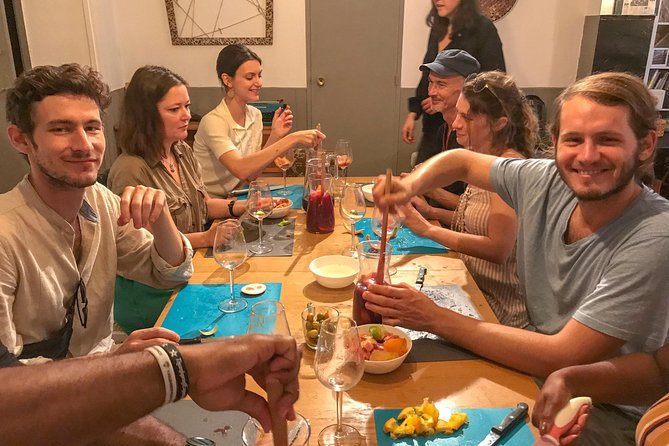
Sangria is easy to order in Barcelona. It’s harder to understand how it became what it is, and that’s the real payoff here. The evening is built around the idea that sangria has a timeline—starting with the earliest roots and moving toward later styles—so you’re not just repeating a recipe. You’re learning why people mix fruit, wine, and time together, and what changes as trends and tastes change.
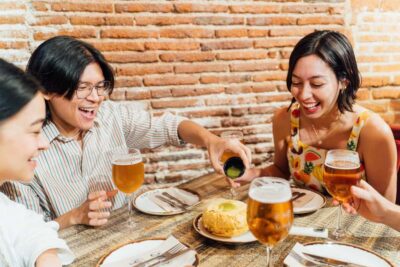
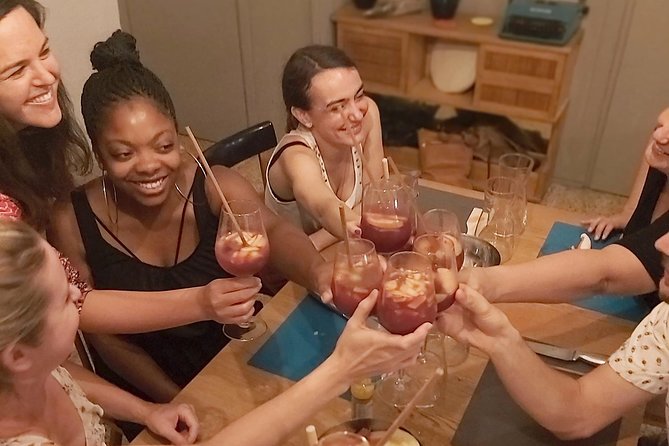
The class is also designed to feel relaxed. You don’t get a stuffy lecture. Instead, you’re hands-on from early on: measuring, mixing, and learning as you go. The group size stays small (up to 12), so Kiki can look at your work and help you correct small things—like getting the right balance and not overthinking it.
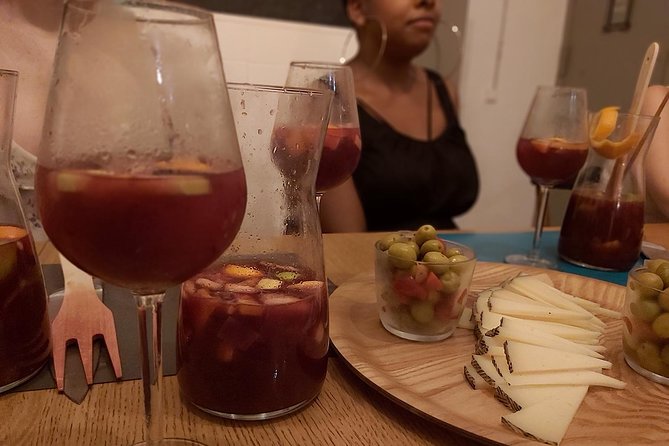
And yes, the tapas matter. They aren’t an afterthought or a random snack tray. You’ll have classic Spanish bites alongside your sangria, which makes the whole experience feel like a real Barcelona evening rather than a demo followed by a drink.
A few more Barcelona tours and experiences worth a look
The 7:30 pm rhythm: how the night flows
This is a 2 hours 15 minutes workshop that starts at 7:30 pm. That timing is smart in Barcelona. It’s late enough that you can enjoy dinner nearby if you want, but early enough that you’re not stuck stumbling home well after midnight—especially if you’re drinking.
The workshop is scheduled to end back at the meeting point, Savour Academy. That’s convenient. You’re not hunting for a second location after you’ve finished cooking, mixing, and tasting.
Also, confirmation comes through within 48 hours of booking (subject to availability). That’s helpful if your plans are changing and you like to keep some flexibility.
What you’ll make: two fresh jugs, old roots to modern style
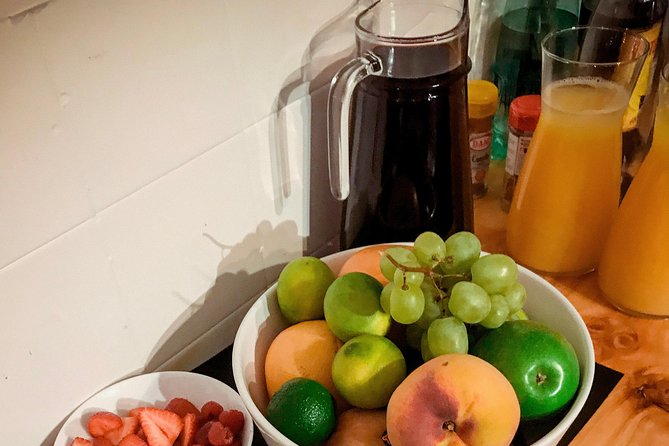
The headline here is that you make two different sangrias. You start with a more traditional approach—tied to origins that go way back (the workshop frames it around the earliest roots)—and then you move forward to a more modern-day style. The point is to show how sangria develops rather than treating it like one fixed drink.
You’re not left with a single “standard” formula. The workshop uses local, delicious fresh fruit and eco wine, then walks you through how the ingredients come together. That’s important for two reasons:
- Fresh fruit changes the flavor faster than people expect. Even with the same wine, the fruit choice and prep affect the final taste.
- The “why” behind each step helps you recreate it at home. If you understand what each component is doing, you can adjust next time without ruining the batch.
You’ll be making and then drinking your rewards. That’s the fun part, but it’s also practical: tasting while you learn is the fastest way to get your internal “sweetness vs. tart vs. wine” balance right.
The tapas pairing: olives, pan con tomate, tortilla, and patatas
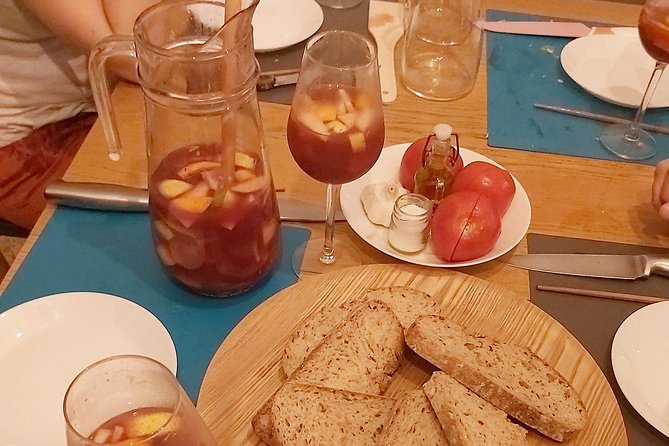
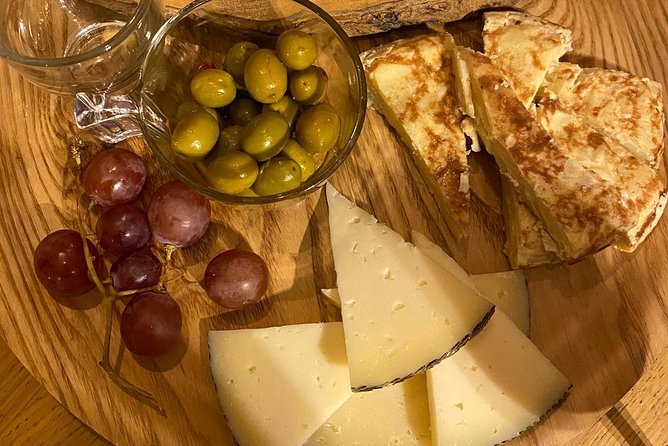
You don’t just get sangria. You also get a traditional Spanish snack spread during the class. The sample menu includes familiar comfort foods:
- olives
- pan con tomate (bread with tomato)
- Spanish tortilla
- patatas (potatoes)
This pairing is a big deal. Sangria works best when you’re eating something salty or savory alongside it. The tapas keep the fruit-and-wine flavors from feeling heavy or one-note. Plus, you get a taste of what a casual Spanish food night looks like, not just what a bar pours.
If you like the idea of having a structured plan for an evening—something you can’t easily replicate on your own without thinking—this tapas setup helps. You’re learning and eating at the same time, which makes the 2 hours 15 minutes feel like more of an event and less of a transaction.
Why Kiki Rebel Tours works so well in a small group
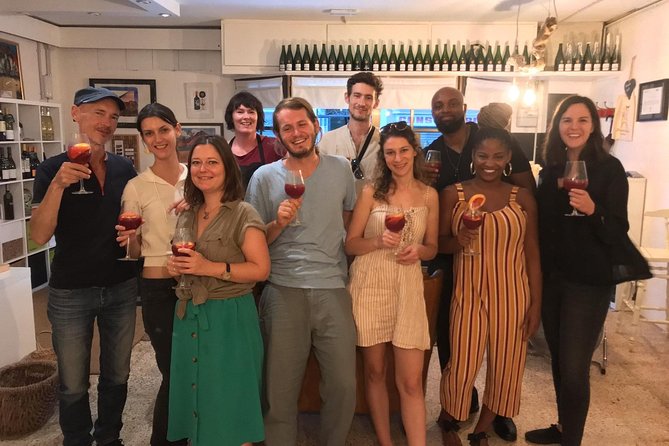
Kiki Rebel Tours leans hard into interaction. The instructor doesn’t hover behind a counter. You’re meant to talk, ask, and participate. That’s backed up by the way the class is limited to 12 travelers max, which keeps the tone personal.
From the experience descriptions, Kiki is the kind of host who mixes food teaching with Barcelona context. It’s not only about fruit and wine. You also get the stories that help you understand the drink’s place in Spain—plus playful moments that make the history feel like part of the night instead of something from a textbook.
There’s also a practical advantage: with a smaller class, you’re less likely to wait around for your turn. You can actually build confidence making the sangrias instead of standing on the sidelines.
And if you’re traveling with a family member, this format tends to work well because it’s active. Even if one person is more into the food and another is more into the drink, the class has enough momentum that it doesn’t drag.





Price and value: why $83.27 can be a good deal
At $83.27 per person, this isn’t the cheapest thing you can do in Barcelona. But it can still feel like good value because you’re getting more than a glass of sangria.
You’re paying for:
- an English-led interactive workshop
- ingredients and guidance to make two jugs
- local red wine included
- classic tapas included
If you try to recreate the experience on your own, it’s not only the cost of wine and fruit. It’s the mess and the learning curve. This class handles the recipe and the timing, and you leave knowing how the drink should taste. That matters if you host at home later. One of the most common outcomes people want from cooking classes isn’t just flavor—it’s confidence.
Also, using local fruit and eco wine is the kind of detail that adds quality. Even if you’ve made sangria before, learning a structured approach (and tasting as you go) is what upgrades the final result.
Where to meet: Savour Academy in Sants-Montjuïc
You’ll meet at Savour Academy, Carrer del Farell, 12, bajos, Sants-Montjuïc, 08014 Barcelona. The workshop starts at 7:30 pm and finishes back at that same location.
Two practical notes:
- The meeting point is listed as near public transportation, which is helpful because late-evening plans can get messy if you’re relying on a single route.
- The venue is described with a clear address and “bajos” (ground level), so you should be able to find it without too much stress.
If you’re arriving from central Barcelona, give yourself a little extra buffer. It’s not about being late—it’s about starting the class relaxed. You’ll enjoy the mixing more if you aren’t sprinting.
Who should book this (and who might skip it)
This is a great fit if you want an evening that’s social but not chaotic. It’s also ideal if you’re curious about Spanish food culture and you like learning by doing.
You’ll probably enjoy it most if you:
- like cooking and tasting experiences
- want to meet a small group rather than a big tour crowd
- enjoy tapas and don’t want to plan dinner and drinks separately
- want something hands-on to bring home to friends later
You might consider skipping it if you:
- need a fully alcohol-free evening
- want a purely sightseeing-focused night
- prefer long walking tours over seated instruction and tasting
For most people visiting Barcelona for the first time, this is a smart “food night” that adds variety to the typical museum-and-view routine.
Small details that make the difference
Even though the workshop is straightforward, a few choices can make your night smoother.
Bring your appetite. You’ll have tapas during the class, but it still helps if you’re not arriving completely stuffed. That way, you can taste what changes from one sangria to the next.
Pace your sips. Since local red wine is part of the experience, keep an eye on your comfort level. The class runs a bit more than two hours, and you’ll be drinking what you make.
Come ready to participate. This is meant to be interactive. If you’re shy, that’s okay, but you’ll get more from the night if you ask at least a few questions.
Use the mobile ticket. The workshop offers a mobile ticket, which cuts down on printed-paper hunting.
Is it worth booking? My decision guide
If you want an authentic Barcelona night built around food, not just drinking, I’d book it. The combination of two jugs of sangria, fresh fruit and local red wine, and classic tapas gives you a full experience in about a little over two hours.
This is also one of those activities where you leave with a skill, not just photos. You’ll know how the ingredients work together, and that makes it easier to repeat at home.
If you’re budget-sensitive, it might feel like a splurge compared to simply buying sangria in a bar. But if you value instruction, quality ingredients, and a small-group atmosphere, the price starts to look fair.
FAQ
How long is the Sangria Cultural Workshop with Tapas?
It lasts about 2 hours 15 minutes.
Where does the workshop meet in Barcelona?
The meeting point is Savour Academy, Carrer del Farell, 12, bajos, Sants-Montjuïc, 08014 Barcelona, Spain.
What time does the workshop start?
The start time is 7:30 pm.
What’s included in the price?
The price includes local red wine, everything you need to make sangria, and traditional tapas to accompany the sangria.
Will I make sangria myself or just watch?
You’ll learn to make two jugs of sangria during the workshop, with ingredients provided.
How large is the group?
The workshop has a maximum of 12 travelers.
Is the workshop offered in English?
Yes, it is offered in English.
Can I cancel for a full refund?
Yes, free cancellation is available. You can cancel up to 24 hours in advance for a full refund.
Are service animals allowed?
Yes, service animals are allowed.