REVIEW · BARCELONA
Viticulture and Wine-Tasting 3-Hour Trip from Barcelona
Book on Viator →Operated by Bodega J. Miquel Jane · Bookable on Viator
Wine comes with a field lesson. In Alt Penedès, this 3-hour tour pairs a vineyard walk with a winery cellar visit at Bodega J. Miquel Jané, then wraps it up with a proper tasting and snack time. You’ll get the rhythm of how grapes become wine, without turning it into a lecture.
I like the vineyard-focused viticulture portion, where you learn how growing decisions affect what ends up in your glass. I also like the cellar tour and ageing explanations, plus the tasting sequence that keeps you moving through the process from start to finish.
One drawback to plan for: transportation isn’t included, so you’ll need your own way to the meeting point near Guardiola de Font-Rubí. The good news is the meeting area is near public transportation, and the whole experience loops back to where you started.
In This Review
- Key Highlights I’d Prioritize
- Alt Penedès in 3 Hours: What This Tour Actually Delivers
- Getting There: Meeting Point, Timing, and Your No-Surprises Plan
- Vineyards of Bodega J. Miquel Jané: Viticulture You Can Picture
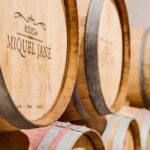
- Inside the Cellar: From Processing to Ageing Secrets
- The Wine Tasting and Aperitif: What You’ll Be Drinking
- The After-Tour Booklet: Turning a Visit Into Real Skills
- Price and Value: Is $42.99 a Good Deal?
- Who This Tour Fits Best (and Who Should Skip It)
- Smart Booking Tips for a Smooth Wine Day
- Should You Book This 3-Hour Viticulture and Wine-Tasting Trip?
- FAQ
- How long is the Viticulture and Wine-Tasting 3-Hour Trip?
- What time does the tour start, and where does it meet?
- Is transportation to and from the winery included?
- What’s included with the wine tasting?
- Is there a vegetarian option?
- Can I cancel for a full refund?
Key Highlights I’d Prioritize
- Alt Penedès vineyards with a local guide so the science stays practical
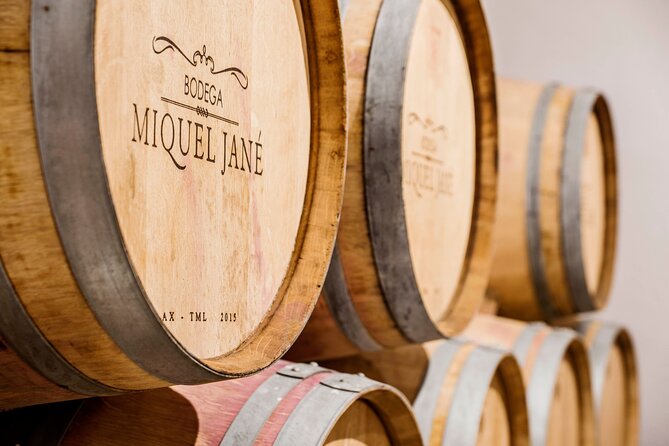
- Cellar visit with winemaking techniques and ageing processes
- Tasting multiple wines paired with an aperitif of local cheeses and hams
- A booklet after the tour with tips to help you taste more confidently
- Small-group feel with a max of 20 people
Alt Penedès in 3 Hours: What This Tour Actually Delivers
This is a straight-to-the-point wine experience: vineyard first, then winery cellars, then tasting. At 3 hours, it’s long enough to learn something real, but not so long that your day turns into a foggy blur of wine glasses and bus schedules.
The region matters. Alt Penedès is known for grape growing that’s very tied to place—sun, slope, and how the vines are managed. This tour translates that into what you can notice later when you taste, like why certain flavors show up, and why winemaking choices change the final character.
The pace feels designed for understanding, not just sampling. You’re not only tasting wine; you’re seeing where the choices happen.
You can also read our reviews of more food & drink experiences in Barcelona


Getting There: Meeting Point, Timing, and Your No-Surprises Plan
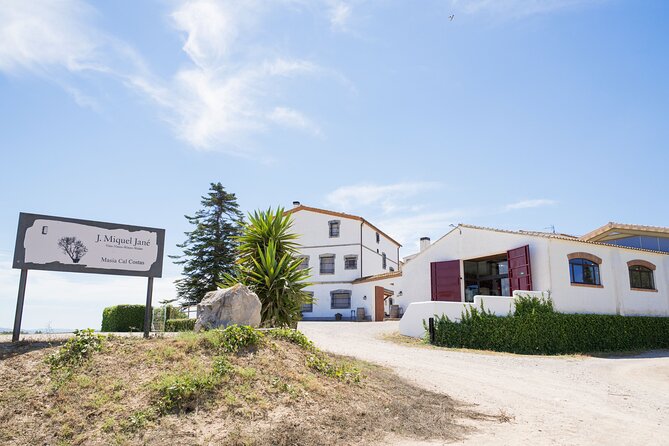
The meeting point is at Celler Miquel Jané Masia Cal Costas, S/N, 08736 Guardiola de Font-Rubí, Barcelona, Spain. The start time is 11:00 am, and the tour ends back at the same place.
Even though it’s marketed from Barcelona, transportation to and from the winery isn’t included. That’s common for winery tours outside the city. The practical move is to plan your arrival early enough that you’re not stress-scanning a map right at 11:00.
A few smart logistics tips:
- Wear comfortable shoes for vineyard surfaces.
- Use your mobile ticket when you check in.
- Keep an eye on public transportation access near the meeting point, then build in extra buffer time.
Vineyards of Bodega J. Miquel Jané: Viticulture You Can Picture
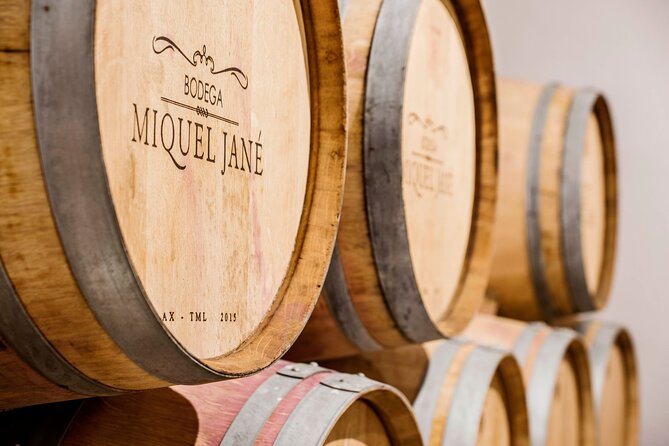
The tour begins at Bodega J. Miquel Jané, where you meet your local guide and head into the vineyards. This is the part I’d call the foundation.
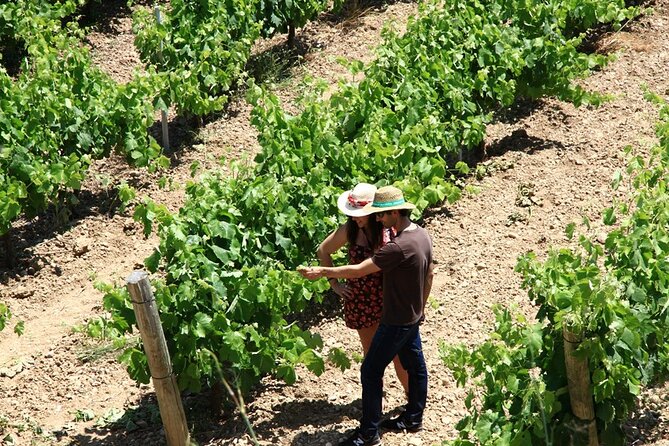
You’ll get a guided walk through the vines with viticulture tips—how grapes are grown and what decisions along the way affect the wine. The idea is simple: if you understand what happens to the grapes while they’re still on the plant, the later cellar steps make more sense.
You can also expect the experience to connect learning with real-world senses. One standout detail from the experience is that the tour may include a chance to taste grapes right there in the vineyard, with explanation. That kind of moment helps you compare raw grape flavors with what fermentation and ageing do afterward.
What to look for during the walk (so you actually get something out of it):
- How the vines are arranged and supported (it affects sunlight and airflow).
- What your guide says about timing and growing conditions.
- Any explanation about sweetness, acidity, and how they shift as grapes mature.
This vineyard segment is also where the tour becomes more than a tasting. You’re building a mental map of how grapes become wine, and that’s what makes the rest of the tour click.
Inside the Cellar: From Processing to Ageing Secrets
After the vineyard walk, you move into the winery area for a guided look at how wine is processed. This is where the tour gets more technical—without getting too lost in jargon.
You’ll see how wines are processed, learn about different winemaking techniques, and hear “secrets” about ageing processes. The most useful part of this section is that it explains what changes between grape and bottle. Even if you’re not a wine expert, you’ll start to connect:
- What happens during processing
- Why fermentation choices can affect flavor
- How ageing shapes structure and taste
Some tours in this style also include a look at how wine gets bottled. If that’s part of your visit flow, it adds a nice finishing step: you go from vineyard to aging to the final packaging that ends up in your hands.
Practical tip: take a few notes during the cellar walk. It’s easy to forget details once you start tasting. Even two lines—like what your guide emphasized about ageing—can make later tasting more meaningful.
The Wine Tasting and Aperitif: What You’ll Be Drinking
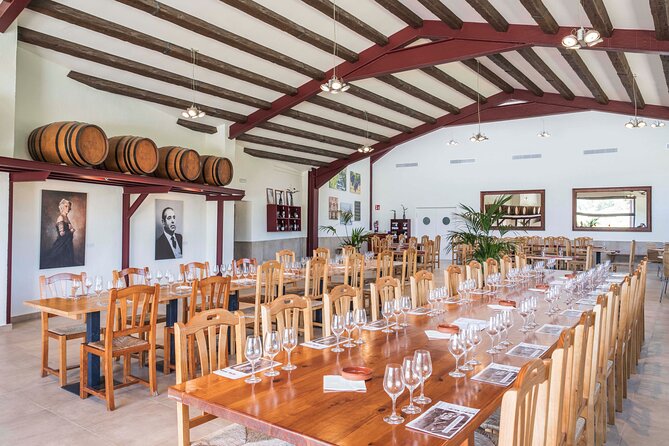
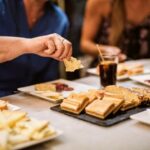
The tour includes wine-tasting with snacks. After the cellar portion, you’ll taste several wines and enjoy an aperitif of local cheeses and hams.
The tasting is one of the strongest parts of the experience because it’s tied directly to what you just saw and heard. That means you’re not only asking which wine you like best—you’re learning what your preferences correspond to.
A detail worth knowing: the tasting is often described as a focused set of wines (one experience highlighted tasting four wines as part of the tasting flow). Even if your exact pour count varies slightly by day, the structure stays the same: guided tasting, snack pairing, and explanations that help you learn how to taste rather than just drink.
About that aperitif:
- You’ll have a snack set that includes cheeses and hams.
- There is a vegetarian option available if you request it when booking, and you should also flag any dietary requirements ahead of time.
If you want to get more out of the tasting, use the booklet you receive after the tour (more on that next). It helps you keep your impressions organized instead of relying on memory.
You can also read our reviews of more wine tours in Barcelona





The After-Tour Booklet: Turning a Visit Into Real Skills
One feature I really appreciate on tours like this is the takeaway. You’ll receive a booklet with helpful hints and tips on the art of wine-tasting.
Why that matters: most wine tours end at the tasting table, and then you’re left trying to remember what the guide said while standing in a shop back home. A tasting cheat sheet lets you practice the same kind of thinking—what you smell, what you taste, how you compare wines—so the experience keeps paying off after you’re done with the day.
Use it this way:
- Write down which wines you liked and what you noticed (even a quick note).
- Match your notes to what the guide explained in the cellar.
- Keep it handy when you taste wine later, especially in Spain where variety can be wide.
Price and Value: Is $42.99 a Good Deal?
At $42.99 per person, this tour sits in the middle zone for winery visits. The value comes from what’s included, not just the price tag.
Here’s what you’re getting:
- A local guide
- A vineyard visit
- A winery/cellar tour with process and ageing explanations
- Wine tasting with snacks
- A booklet after the tour
What’s not included:
- Food and drinks beyond what’s specified in the tasting/snack portion
- Transportation to/from the winery
So the deal depends on you. If you’re already planning to get yourself to the winery area and you want a learning-focused tasting (vineyard + cellar + structured pours), the included guide and tasting format make it feel fair. If you were hoping for a full round-trip transport package from central Barcelona, you’ll need to add that yourself.
Group size is also a value factor. With a maximum of 20 travelers, you should have a better chance to hear explanations clearly and ask questions without feeling like you’re in a human shuffle.
Who This Tour Fits Best (and Who Should Skip It)
This tour makes the most sense if you want:
- A guided, educational wine experience in a short time
- A vineyard-and-cellar sequence that helps you connect grapes to wine
- A tasting that includes snacks and practical tasting tips afterward
It’s a good fit for couples, solo travelers, and small groups who like a tidy plan. The format also works well for people who feel intimidated by wine vocabulary. The tour is designed to teach you what to notice.
Who might feel less satisfied:
- If you want a long, sit-down meal experience, the 3-hour structure and the snack-and-tasting setup might not be enough.
- If you don’t want to arrange getting to the meeting point, you may prefer a tour that includes transportation.
One more note: the minimum age is 12, so it can work for older teens with interest in wine and food, but it’s still a winery environment with walking.
Smart Booking Tips for a Smooth Wine Day
If you’re deciding between this and another Barcelona-area wine option, here are the booking choices that actually matter:
- Request the vegetarian option if you need it, and flag dietary requirements at booking.
- Dress in smart-casual comfort—this is part winery tour, part tasting, so you want shoes that work outdoors.
- Since you’re arriving at 11:00 am and the experience ends back where it starts, plan your travel time so you don’t rush.
Also, check language needs. The tour is offered in English, and that’s a key factor if you want the explanations to land.
Should You Book This 3-Hour Viticulture and Wine-Tasting Trip?
I’d book this if you want a short, structured wine day that teaches you how grapes turn into wine—starting in the vineyards at Bodega J. Miquel Jané, then moving into cellar processes and ageing, and ending with a guided tasting plus an aperitif.
I would pause only if you strongly need included transportation from Barcelona, or if you’re looking for a heavier food-focused outing instead of a tasting-and-learning format.
If you’re the kind of traveler who likes to leave a tour with a skill you can use later, this one has a real advantage: the booklet and the vineyard-to-cellar flow help the tasting stick.
FAQ
How long is the Viticulture and Wine-Tasting 3-Hour Trip?
It lasts about 3 hours.
What time does the tour start, and where does it meet?
The tour starts at 11:00 am at Celler Miquel Jané Masia Cal Costas, S/N, 08736 Guardiola de Font-Rubí. It ends back at the same meeting point.
Is transportation to and from the winery included?
No. Transportation isn’t included, so you’ll need to arrange how to get to the meeting point.
What’s included with the wine tasting?
You’ll get wine-tasting with snacks. The experience includes the opportunity to taste several wines along with an aperitif of local cheeses and hams (with vegetarian option available if requested).
Is there a vegetarian option?
Yes. A vegetarian option is available if you advise them when booking.
Can I cancel for a full refund?
Yes. You can cancel up to 24 hours in advance for a full refund.