REVIEW · SEVILLE
Seville: Museum of Fine Arts Guided Tour
Book on GetYourGuide →Operated by Guides and Tours · Bookable on GetYourGuide
Art meets context in Seville’s old convent. In a small-group tour, I love how the guide ties Renaissance and Baroque art to life in Andalusia, and you’ll get standout stops like the Murillo-focused room and the cloisters of La Merced. One drawback: the pace is smart but brisk, so if you want to linger on everything, you’ll likely want extra museum time after.
For $23, you’re not just buying a ticket. You get an entrance ticket, a licensed guide in English or Spanish, and express security so you spend more time looking and less time waiting.
In This Review
- Key things you’ll notice on this tour
- Where to meet on time: Plaza del Museo (blue umbrella setup)
- La Merced Convent: the museum building is part of the show
- Your 2-hour walking route: what gets prioritized and why
- The cloisters: Claustro de los Bojes and Claustro Mayor
- Gothic to Renaissance: Torrigiano’s Saint Jerome Penitent
- Murillo’s room: a focused view of a Sevillian star
- Small group touring: better questions, less noise
- Skip-the-line express security: save time for real looking
- Price and value: why $23 can actually be a good deal
- What to know before you go (practical, not boring)
- Who should book this tour, and who might prefer solo time
- Should you book the Seville Museum of Fine Arts guided tour?
- FAQ
- How long is the Museum of Fine Arts guided tour in Seville?
- How much does the tour cost?
- What’s included in the price?
- Where do we meet the guide?
- Are tickets timed, and do I need to choose a time?
- Does the tour skip the line?
- What languages are available?
- Is the tour wheelchair accessible?
- Are pets allowed on the tour?
- What’s the cancellation window?
Key things you’ll notice on this tour
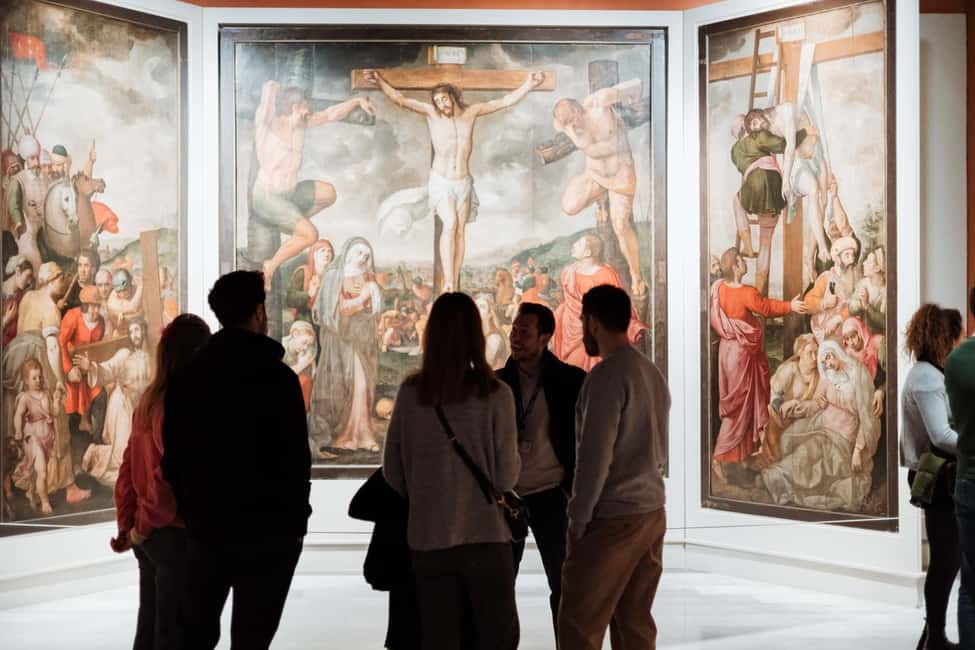
- A licensed local guide (often Julio) who explains the stories, symbolism, and historical context behind the works
- La Merced’s convent setting, where Renaissance and Baroque architecture becomes part of the experience
- Cloisters you actually walk through (Claustro de los Bojes and Claustro Mayor), not just stare at from a distance
- A focused 2-hour route that moves through Gothic, Renaissance, and Baroque highlights
- Small group size (max 8), which usually means better questions and more personal attention
Where to meet on time: Plaza del Museo (blue umbrella setup)
This tour starts in Seville’s historic core, with the guide meeting you at Plaza del Museo, right next to the statue of Murillo. You’ll spot your guide by a blue umbrella or a name tag that says Sevilla Guías & Tours.
Why I think this matters: if you’re even a little late, art tours lose time fast. A fixed meetup point makes it easier to coordinate, and it keeps the 2-hour visit from turning into a scramble. Since transportation isn’t included, build a little buffer into how you’ll reach the meeting area on foot or by taxi.
You can also read our reviews of more guided tours in Seville

La Merced Convent: the museum building is part of the show
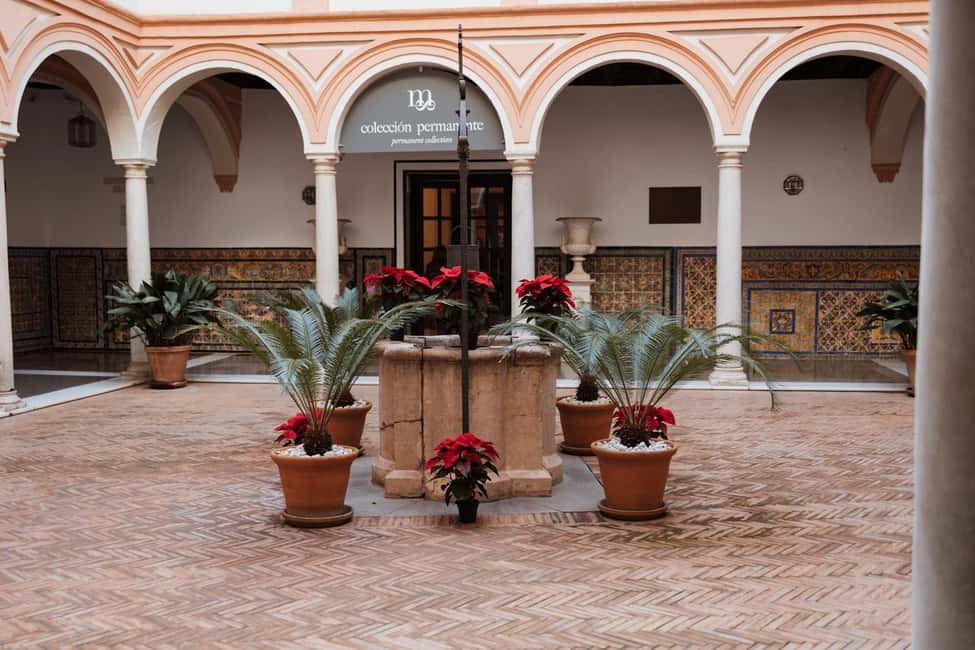
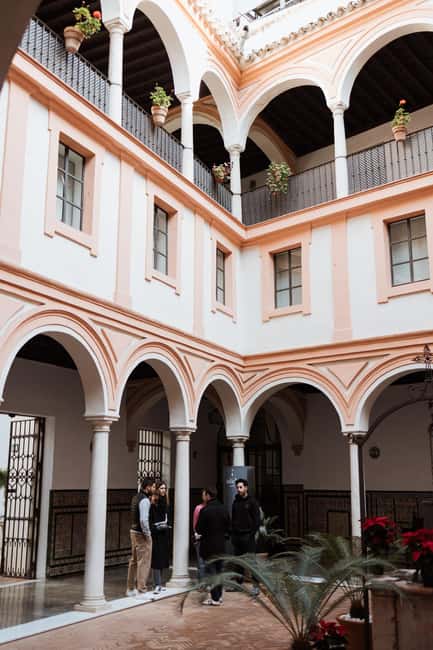
Before you even hit the galleries, the setting does its job. The Museum of Fine Arts of Seville is housed in the historic Convent of La Merced, and that means you’re walking through a place that already has drama—stone, light, and long cloister corridors.
From the tour’s focus on Renaissance and Baroque architecture, you should expect a museum visit that feels like more than a white-room collection. The building shapes your experience. You’ll see how the art fits the setting: religious spaces encouraged viewing, contemplation, and storytelling. Even if you’re not an art expert, the atmosphere helps you slow down and notice details.
Also, one review specifically calls out that the museum itself is a beautiful former convent—so if you’re the type who cares about architecture as much as paintings, you’ll feel like you’re getting two experiences for the price of one.
Your 2-hour walking route: what gets prioritized and why
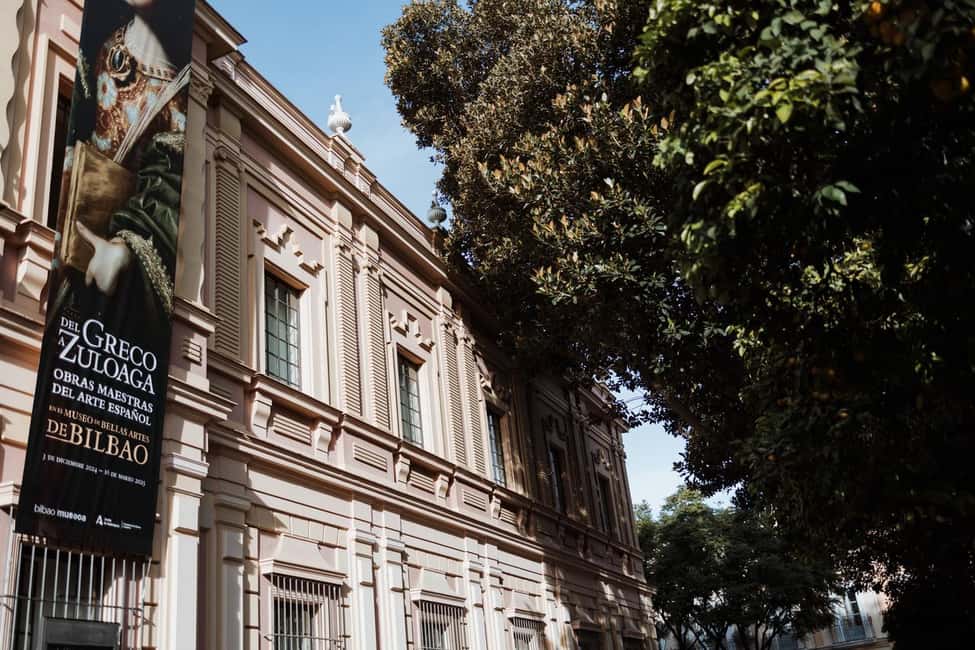
This is a guided highlight-style tour. That’s not a criticism; it’s the whole point. In about 2 hours, your licensed guide selects works across major eras, and connects them so you see patterns instead of a random gallery checklist.
Here’s what the route is built to cover:
- Sevillian Gothic pieces and works across Andalusia
- A jump into Renaissance masterpieces, including Saint Jerome Penitent by Torrigiano
- Baroque context and the Sevillian visual language of the period
- A dedicated look at Bartolomé Esteban Murillo’s works inside a room set aside for him
In plain terms, you’ll walk out with a map in your head: you’ll know why the museum’s art looks the way it does, and how Seville’s culture influenced what artists painted and sculpted.
One thing I like about this format: it’s guided, but it still leaves room for your eyes to do the work. You’re not stuck with a nonstop lecture. The best part is that the guide gives you entry points—stories, symbolism, and historical context—so your attention lands on the right details.
The cloisters: Claustro de los Bojes and Claustro Mayor
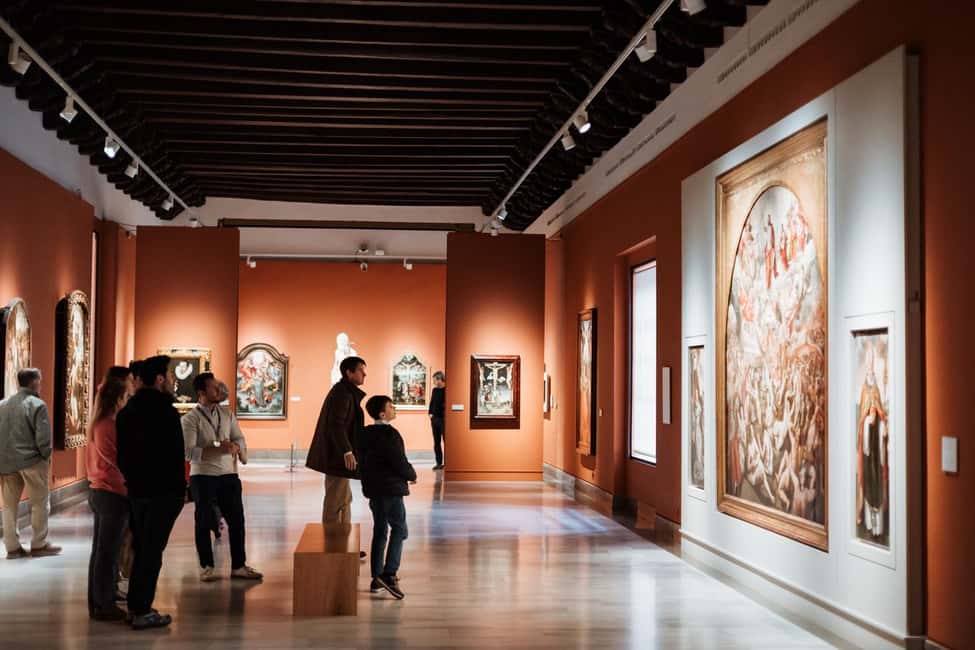
Art museums can sometimes feel like a series of “look, read, move.” Here, you get one of the most memorable parts of the entire building: the cloisters.
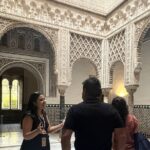
The tour includes time in Claustro de los Bojes and the Claustro Mayor. These spaces matter because they change the tempo. You’re outdoors or open to the sky, with natural light and quiet, and you can feel the architecture the way artists and religious communities would have experienced it.
If you care about how art is displayed, you’ll enjoy this part. Cloisters are built for walking and pausing. They encourage a slower pace than a standard gallery hallway. Plus, moving through Renaissance and Baroque spaces back-to-back helps you notice how style differences show up not just in paint, but in how space itself is designed.
Gothic to Renaissance: Torrigiano’s Saint Jerome Penitent
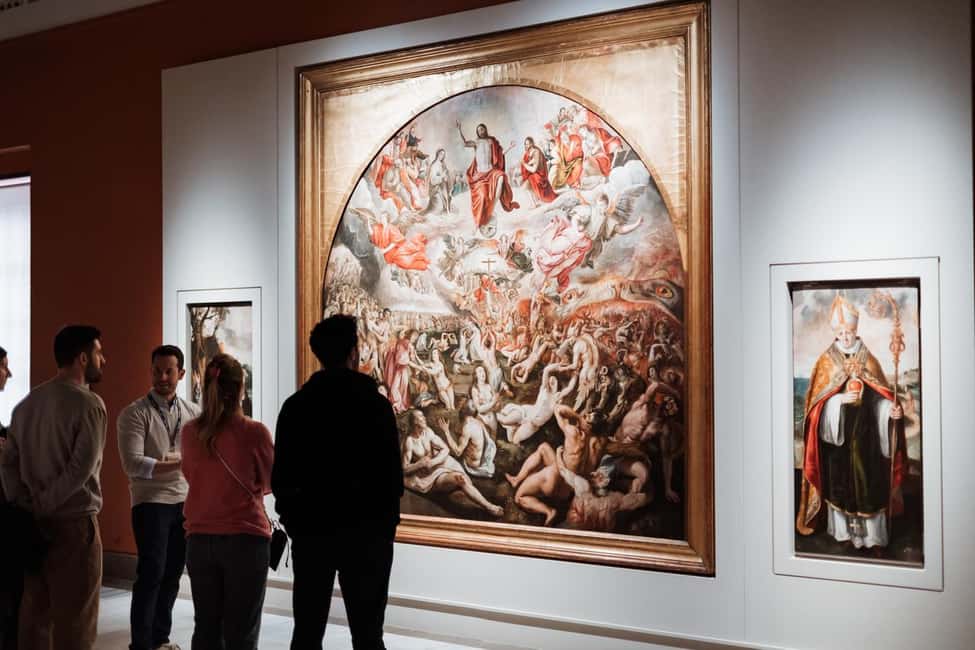
A key moment on the tour is the transition toward Renaissance art, including Saint Jerome Penitent by Torrigiano.
This stop is valuable because it gives your brain a timeline you can actually feel. Gothic art and Renaissance art can look “old” in the same way at first glance, especially if you’re not used to comparing styles. But when someone points out what shifts—pose, realism, iconography, and how emotion is presented—you start seeing the evolution instead of just the age.
And yes, your guide is likely to connect the artwork to why it was made and what it meant in Seville and wider Andalusia. Multiple guides have been praised for explaining symbolism and interpretation in a digestible way, which is exactly what you want when you’re standing in front of a painting and trying to figure out what to look at.
You can also read our reviews of more museum experiences in Seville



Murillo’s room: a focused view of a Sevillian star
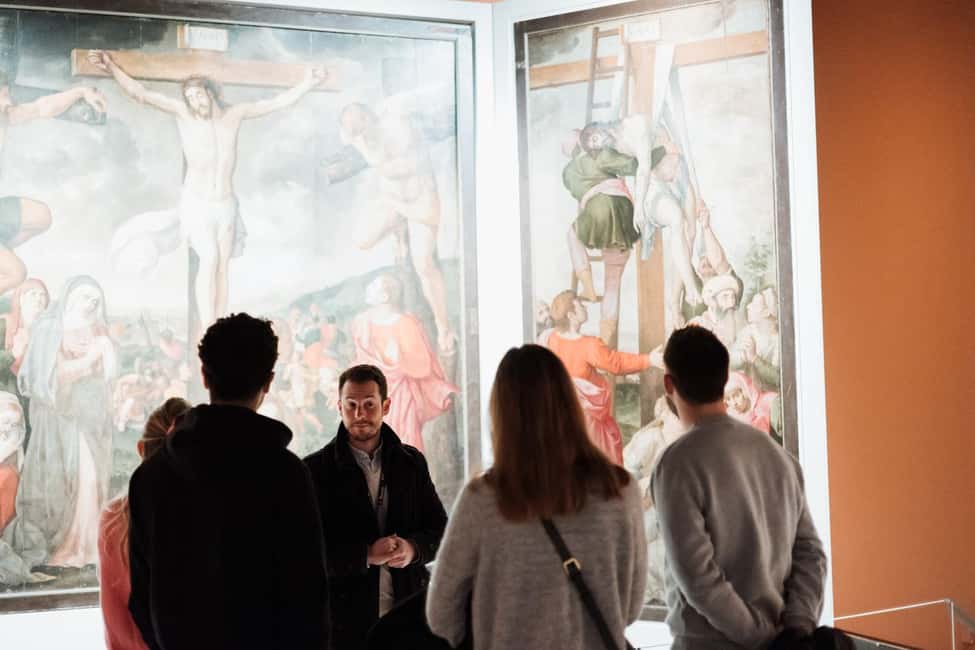
One of the strongest selling points here is the dedicated room for Bartolomé Esteban Murillo. The tour is specifically built to get you into that space, and it also includes selected works by other renowned Sevillian artists.
Murillo matters because he’s the Sevillian painter who helps you understand why Seville’s art became so identifiable. During the Murillo stop, you’ll likely get:
- How his subjects fit the social and religious atmosphere of Seville
- What recurring symbols and themes meant to audiences of the time
- How the style connects to broader Baroque tastes
This is also where the guide’s storytelling becomes especially useful. People often assume a guide will just translate labels. Here, the goal is to connect the artwork to the human reasons it was commissioned, painted, and displayed. If you’ve ever wandered a museum solo and felt like you missed the point, this structure helps you avoid that.
Small group touring: better questions, less noise
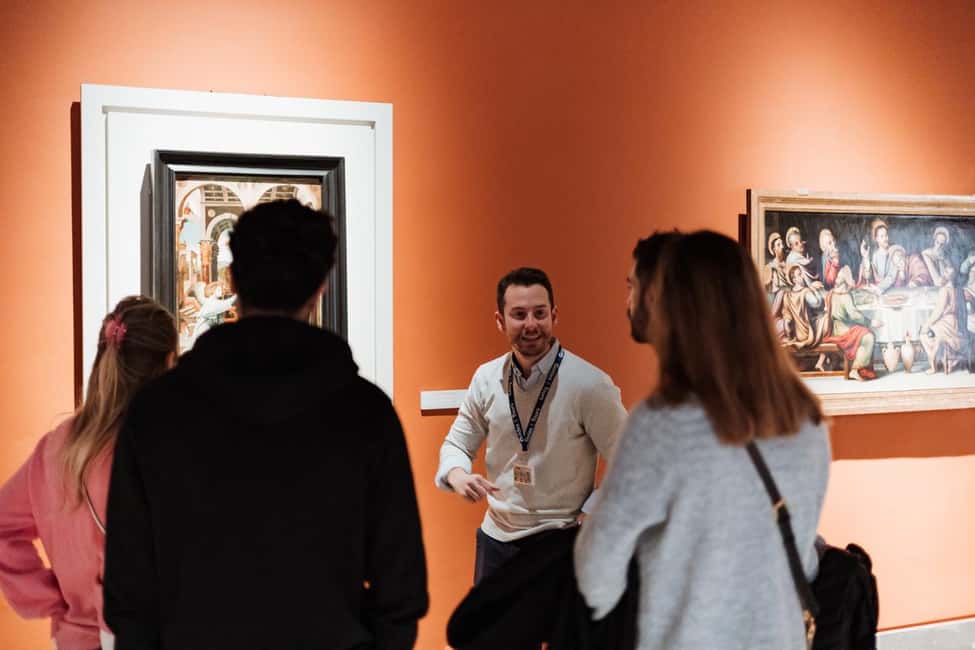
The tour is limited to 8 participants, which changes the experience more than you’d think. With a small group, the guide can pause for questions without the tour turning into a line of people walking around your conversation.
It also helps with attention. Art can be overwhelming—too much to process. A smaller group keeps the guide’s pacing controlled, so you get an actual sequence instead of just being herded through rooms.
One practical detail from past tours: an ear piece setup is mentioned as a big help for hearing the guide clearly without straining. That’s worth it in a museum where sound can bounce around.
Skip-the-line express security: save time for real looking
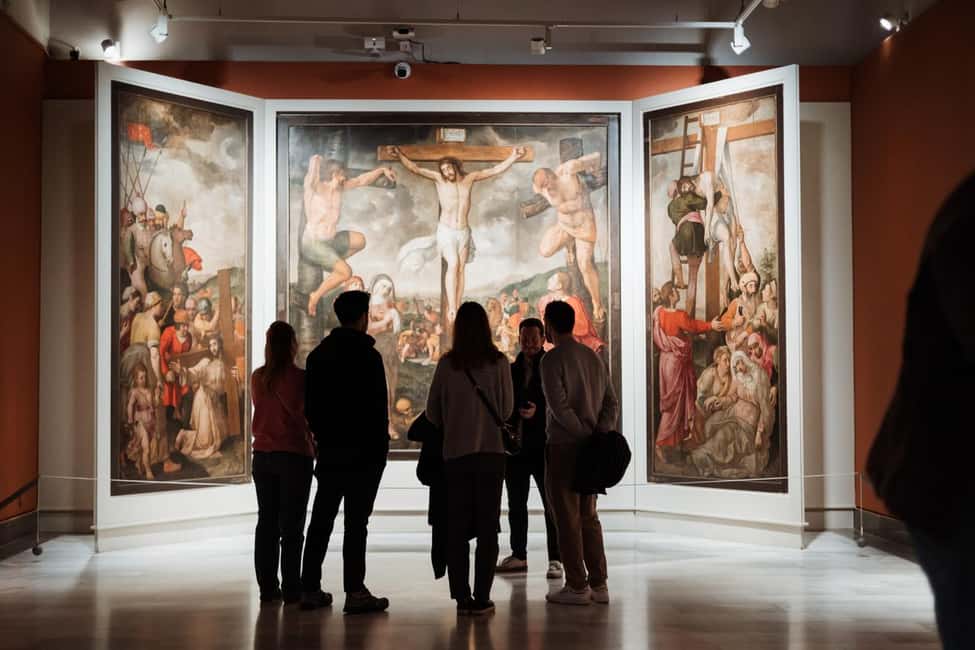
The tour includes skip-the-line through an express security check. That’s not flashy, but it’s smart value. Museums are often slow at entry points, and when you’re paying for a guided experience measured in hours, time matters.
You’ll still be spending most of the visit inside the museum, so the benefit is that you start viewing sooner. When a tour includes a fixed route, those minutes are the difference between a calm visit and a rushed one.
Price and value: why $23 can actually be a good deal
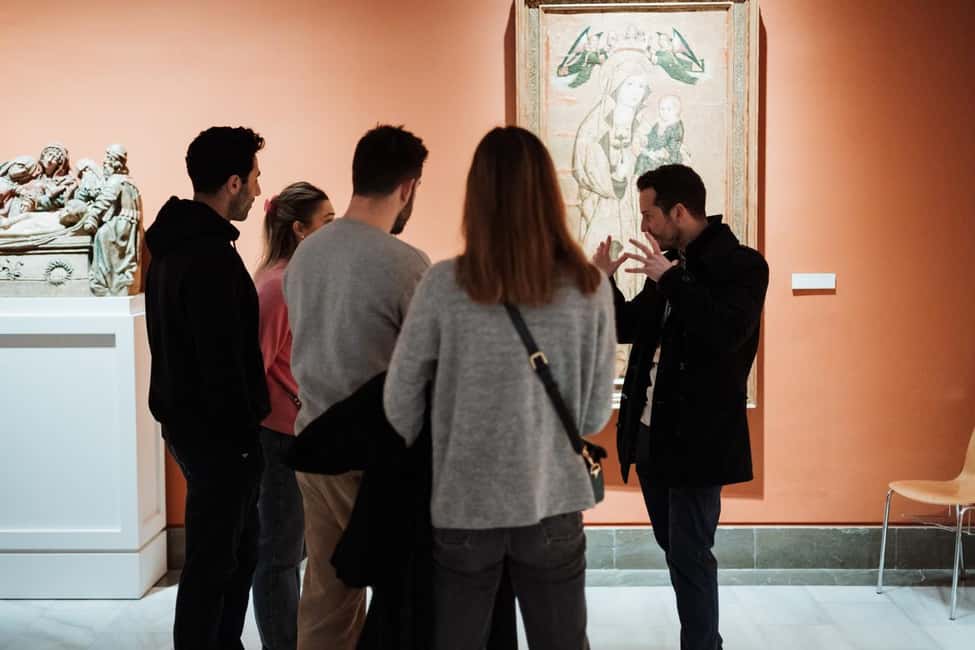
At $23 per person for a 2-hour guided visit, you’re paying for several things that add up:
- Entrance to the Museum of Fine Arts of Seville
- A licensed guide in English or Spanish
- A small group format (max 8)
- Express security to reduce wasted time
If you planned to go solo, you’d still have to find your way through the museum’s timeline on your own. The guide’s job is to reduce that effort—by picking key works and explaining what makes them important. Several of the highest ratings emphasize that the guide’s context made the art more meaningful, especially for people without an art background.
There’s one “value reality” to keep in mind: this tour is selective. If you want to spend hours on your favorite painting once you find it, plan to stay longer after the group portion ends (since the tour is only 2 hours).
What to know before you go (practical, not boring)
- Meeting point: Plaza del Museo, next to the Murillo statue (blue umbrella or Sevilla Guías & Tours name tag).
- Start and finish: you return to Asociación Amigos del Museo de Bellas Artes after the guided portion.
- Not included: transportation and food/drinks.
- Not allowed: pets.
- Wheelchair accessible: the tour is listed as wheelchair accessible, so you should be able to plan a visit with mobility needs in mind.
One more thing: if you’re very sensitive to walking time, remember this is a guided museum circuit plus movement through cloisters. It’s not described as extreme, but it does involve steady walking.
Who should book this tour, and who might prefer solo time
This guided tour is a great fit if:
- You want a clear art timeline across Gothic, Renaissance, and Baroque without spending your whole day reading labels
- You enjoy asking questions and getting direct answers rather than listening to a headset app
- You like Seville’s architecture as much as the paintings
It may be less ideal if:
- You’re the type who wants to linger for 30 minutes per painting and build your own pace
- You already know the museum deeply and prefer a self-led route
If you fall into the middle—new to the museum but ready to learn—this is one of the most efficient ways to get oriented fast.
Should you book the Seville Museum of Fine Arts guided tour?
Yes, I’d book it if you’re trying to make the most of limited time in Seville. For $23, you get the museum entrance, a licensed English or Spanish guide, and a 2-hour route that focuses on the works that help you understand how Seville’s art evolved across centuries.
The biggest reason to book is the guide quality. Past tours name Julio (including Julio Dean Del Junco) and Lorraine as standout examples of guides who explain context and symbolism in a way that works for different levels. Add the small group size, express security, and the convent cloisters, and the value feels real—not just on paper.
If you can spare extra time that day, pair this with a little solo wandering after so you can spend your own time where the guide’s stories spark your curiosity.
FAQ
How long is the Museum of Fine Arts guided tour in Seville?
The guided tour lasts 2 hours.
How much does the tour cost?
The price listed is $23 per person.
What’s included in the price?
You get entrance to the Museum of Fine Arts of Seville, an expert licensed guide (English or Spanish), and a small group tour. Express security is also included.
Where do we meet the guide?
You meet at Plaza del Museo, next to the statue of Murillo, where the guide waits with a blue umbrella or a name tag that says Sevilla Guías & Tours.
Are tickets timed, and do I need to choose a time?
You should check availability to see starting times, since the tour duration is fixed at 2 hours.
Does the tour skip the line?
Yes. The tour includes express security check to help you avoid longer entry waits.
What languages are available?
The guide is available in English or Spanish.
Is the tour wheelchair accessible?
Yes, the tour is listed as wheelchair accessible.
Are pets allowed on the tour?
No, pets are not allowed.
What’s the cancellation window?
You can cancel up to 24 hours in advance for a full refund.