REVIEW · SEVILLE
Birding & Photography Day Trip to Doñana from Seville
Book on Viator →Operated by Doñana Wings - Birding and Nature experiences near Seville and throughout Andalucía · Bookable on Viator
Birding at Doñana feels like stepping into wildlife. I love that this small-group tour keeps things focused (max 6 people), and that binoculars and a scope are included, so you’re not stuck squinting or guessing at distance. The day is built around real bird-watching and photography time in one of southern Spain’s most bird-friendly places.
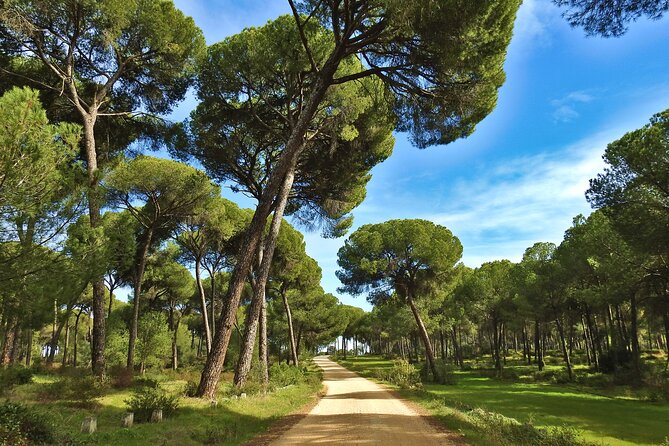
What makes it work is the mix of habitats. You’ll move through marshlands, an umbrella pine zone, and rice paddies areas, usually by a combination of short drives on minor roads and short walks when the action is close. Guides such as Maria, Vincent, and Sergio are repeatedly praised for spotting birds quickly and helping you watch calmly and understand what you’re seeing.
One consideration: food and drinks are not included. That means you’ll want to plan a snack and water so the long park day stays enjoyable, not grumpy.
In This Review
- Key points before you go
- Why Doñana birding feels different from casual birding
- Seville pickup at 8:30: simple morning, focused day
- Doñana National Park: how the main 8-hour birding block plays out
- Marshlands, umbrella pines, and rice paddies: what to expect in each habitat
- Marshlands
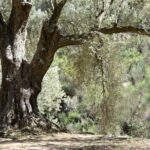
- Umbrella pine forest
- Rice paddies areas
- Guides like Maria, Vincent, and Sergio: spotting speed and calm explanations
- Binoculars and a scope: included tools that actually change your day
- Transportation inside the park: minor roads and short walks, not a full hiking day
- Price and value: what $150.85 buys you (and what it doesn’t)
- When flooding changes the route, you’re still getting a plan
- Who this Doñana Wings trip suits best
- Should you book this birding and photography day trip?
- FAQ
- How long is the Doñana birding day trip?
- What time does the tour start?
- Is hotel pickup and drop-off included?
- Are binoculars and a scope included?
- Is food or drinks provided?
- What language is the tour offered in?
- How many people are in the group?
- Can I cancel for a full refund?
Key points before you go
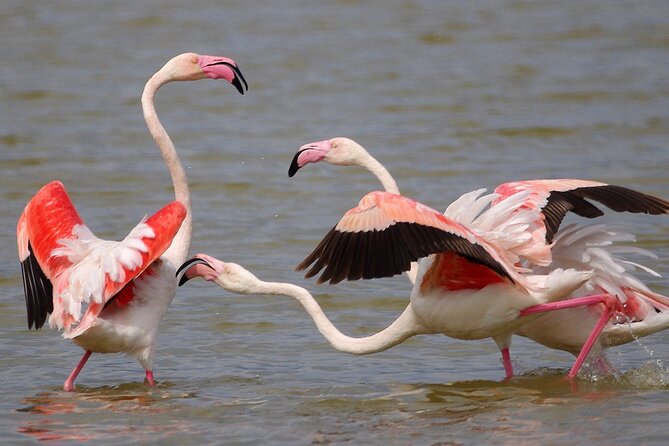
- Max 6 people keeps the pace easy and the spotting more precise
- 8 hours in Doñana (within a ~9-hour full day) for real time in the field
- Multiple habitats: marshlands, umbrella pine forest, and rice paddies areas
- Binoculars + scope included, so you can see behavior, not just shapes
- English-speaking guides with strong bird-spotting instincts and patient explanations
- Best areas depend on season and flooding, so your route may shift
Why Doñana birding feels different from casual birding
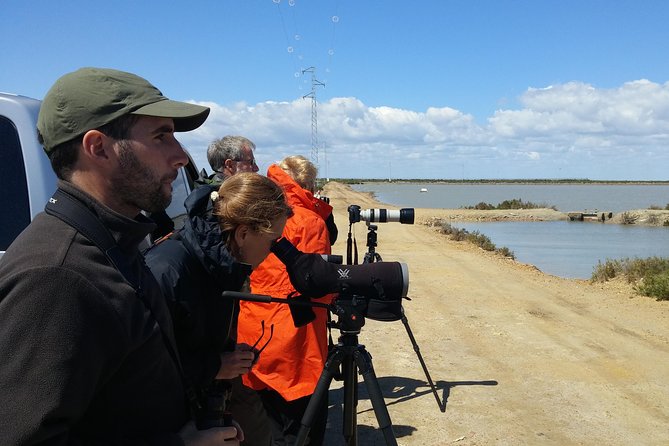
Doñana National Park is all about variety—and birding loves variety. Even if you’re not a hardcore birder, you’ll appreciate how the park settings change as you move: open water and marsh edges, thicker pine areas, and agricultural pockets like rice paddies. Those changes matter because birds don’t use space the same way. A marsh edge can pull in birds that forage near water, while a pine area is better for species that want cover and perching spots.
This trip is designed to chase that “different habitat, different birds” idea. Instead of one long bus ride to one view point, you’ll keep moving enough to reach the best bird-watching zones for the day. And the tour explicitly adjusts based on the time of year and flooding levels. That sounds like a logistical detail, but it’s actually a big part of why the birding can feel productive.
Also, you’re not just looking—you’re watching for behavior. The included scope and the way guides help you set up for viewing makes it easier to slow down. That’s where photography gets easier too. When you know where a bird is going and what it’s doing, you can frame the shot rather than firing in panic.
You can also read our reviews of more photography tours in Seville
Seville pickup at 8:30: simple morning, focused day
The experience starts at 8:30 am, with hotel pickup in Seville (or as close as possible). That “meet at your hotel” approach is a quiet quality-of-life upgrade. It means you don’t have to figure out buses, trains, or how to get to an out-of-the-way countryside departure point before your brain is fully awake.
You’ll also get a mobile ticket, which cuts down on paper fuss. Since the meeting point is near public transportation, it’s flexible if you’re staying somewhere that’s easy to reach.
For the day itself, plan like this is a long time outdoors. Binoculars and scope are provided, so you can travel a bit lighter on that front. But bring what you’ll need for your comfort:
- camera gear (and spare batteries if you shoot a lot)
- comfortable shoes for the short walks
- a layer for morning shade and later sun shifts
- snacks and water, since food and drinks aren’t included
If you do one thing, do this: arrive ready to wander a bit. The tour uses minor roads and brief walks when conditions are right, so you’ll get small bursts of movement rather than only “sit and look” time.
Doñana National Park: how the main 8-hour birding block plays out
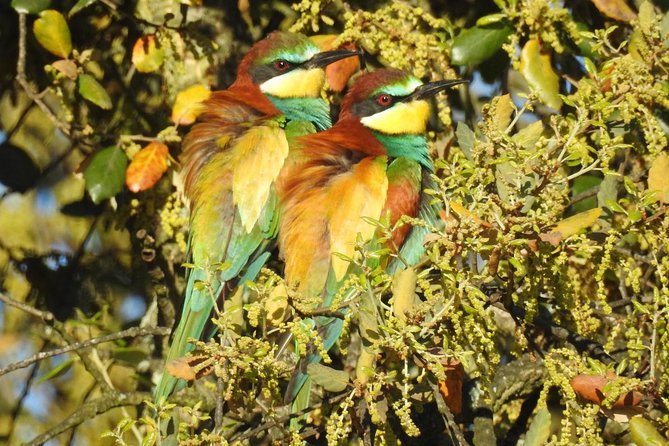
Your anchor stop is Parque Nacional de Doñana, with about 8 hours in the park and Doñana Natural Area. The tour is clear that the “best areas” can vary depending on season and flooding. That means you shouldn’t expect the exact same route every day, even if you’re traveling in the same month as someone else.
In practice, this makes the tour feel more alive. Birding isn’t static. Water levels change where birds feed and rest. Flooding can open up feeding grounds—or push birds to different edges and vegetation types. Umbrella pine areas, marsh edges, and rice paddies zones can all become more or less productive depending on conditions.
You’ll likely spend time combining:
- short drives on smaller roads to reposition quickly
- short walks when birds are close enough to make the effort worth it
- pauses designed for watching, not rushing
One thing I like about this structure is that it doesn’t treat photography like an afterthought. The tour is explicitly about bird-watching and bird photography, so the pacing tends to support both. You’re not just collecting sightings—you’re observing carefully enough to get something usable on camera.
Marshlands, umbrella pines, and rice paddies: what to expect in each habitat
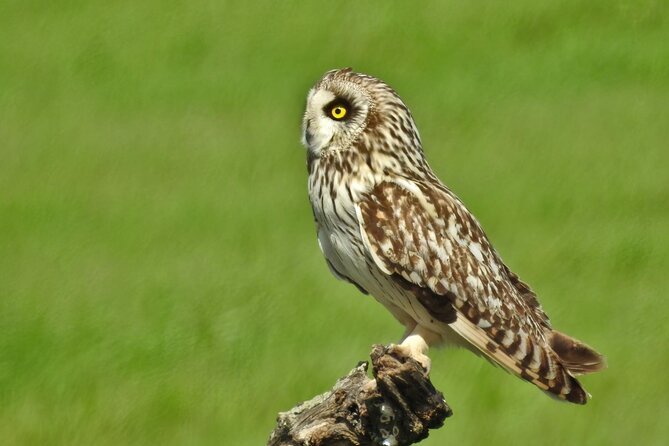
The highlights call out three main habitat types you’ll move through: marshlands, an umbrella pine forest area, and rice paddies zones. Even without getting species-specific (because conditions change), these habitats tell you what kind of bird opportunities you’re chasing.
Marshlands
Marshy areas usually reward patience. Birds that feed at or near water often show up where shallow edges create easy foraging. You may get long stretches where you scan, then a sudden burst of activity when a bird lands or walks along the bank.
For photography, marshlands can be tricky in a good way. You may have reflected light or uneven backgrounds. The scope use matters here because it helps you locate movement at distance before you commit to a shot.
A few more Seville tours and experiences worth a look

Umbrella pine forest
Pine zones tend to change the viewing rhythm. Birds might be higher, quieter, and more dependent on cover. This is where careful positioning and guide help become important, because you can easily miss a bird if you only scan at ground level.
Also, pine areas can be great for teaching yourself how to read behavior. When you see a bird hop between perches, you start predicting where it will reappear.
Rice paddies areas
Rice paddies are a classic place where wild birds and human-managed water meet. Expect opportunities that feel a bit more open and structured than dense forest, with feeding areas that can pull birds in close.
If you enjoy photos with context—water, rows, and natural edges—this is often where you get them. Just keep in mind that paddies are working landscapes, so you’ll want to stay where your guide directs and avoid interfering with any activity.
Guides like Maria, Vincent, and Sergio: spotting speed and calm explanations
This is a small-group tour, and that matters because birds don’t wait for everyone to catch up. With a maximum of 6 travelers, guides can keep an eye on the whole group, not just the fastest people.
Guides leading this experience include names like Maria, Vincent, and Sergio—and the consistent theme is how they handle the whole “spot it, then teach you to see it” loop. Some guides have a way of making even first-timers feel like they’re getting somewhere quickly. That’s not magic; it’s good birding technique paired with clear explanations.
Vincent, for example, is described as setting up his scope so you can observe birds at leisure, not just for a quick look. Sergio is praised for taking people to excellent sites with a strong variety of birds and helping you along with what to do and how to look. Maria is highlighted for bringing strong bird know-how and making the experience feel like a relaxing break from the usual sightseeing rush.
What I think you’ll appreciate most is the combination of efficiency and patience. Fast spotting gets you to birds when the chances are highest. Then calm viewing gives you time to actually study the bird’s behavior—useful for both understanding and photography.
Binoculars and a scope: included tools that actually change your day
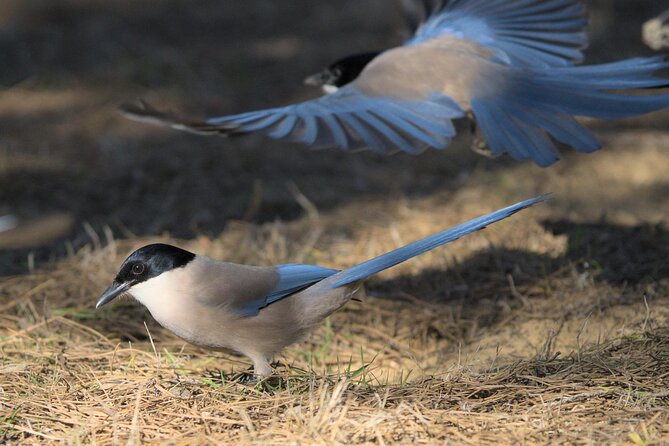
A lot of tours say they’re “great for photography,” but then you’re stuck on your own. Here, the included binoculars and scope are part of why the experience can feel productive even if you’re a casual birder.
Binoculars help you scan through vegetation and open areas. A scope helps you go from “I saw something” to “I can tell what it’s doing.” Behavior matters because it’s what turns a photo from a lucky blur into a meaningful frame.
Practical advice: if you’re new to scopes, don’t assume you’ll get it instantly. Ask your guide to show you a comfortable setup and how they prefer to track. With a small group, there’s more chance of real, hands-on help rather than a quick demo and then everyone scatters.
Also, scope viewing pairs nicely with bird behavior learning. You start noticing patterns: how birds pause before stepping, how they react to nearby movement, and how feeding usually happens in predictable phases. That’s the stuff that makes you better fast.
Transportation inside the park: minor roads and short walks, not a full hiking day
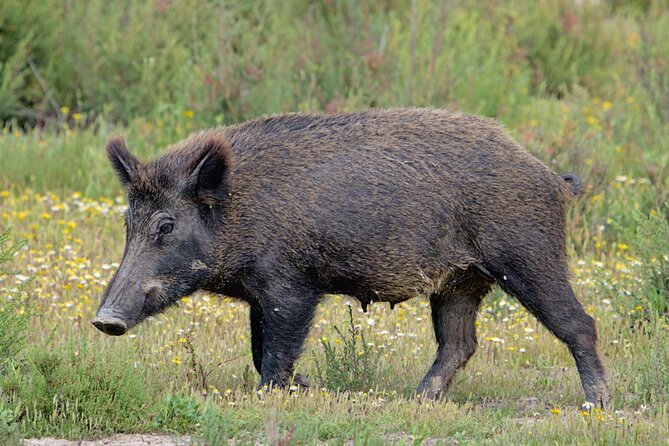
The tour is structured to keep you moving but not exhausting you. It uses minor roads to reach productive areas, plus short walks for moments when wildlife is close enough to make walking worthwhile.
That mix is ideal if you want to see a lot without committing to a long, hard trek. It’s also a good way to keep photography realistic. You can stop, set up, and shoot without constantly recalculating your route like you’re leading a hike yourself.
If you do plan to bring walking-heavy shoes, remember the walks are described as short rather than all-day treks. So focus on comfort and stability more than rugged hiking gear.
Price and value: what $150.85 buys you (and what it doesn’t)
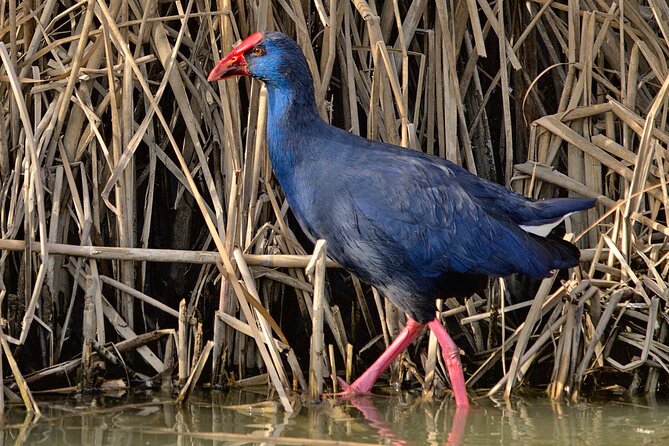
At $150.85 per person, this isn’t a budget “hop on a bus” outing. But the value is fairly clear when you break down what’s included:
- Hotel pickup and drop-off
- Admission ticket included for the park time
- Binoculars and scope
- A guided day built around bird-watching and photography time
- Small group size (max 6)
You’re paying for access plus expertise plus time. Doñana is not a place you just wander around efficiently on your own without some planning. The included admission and the guide-driven route adjustments based on flooding help reduce guesswork.
What’s not included is equally important: food and drinks. If you eat out without planning, it can soften the overall value. The fix is easy—pack a snack and water and treat any additional food as a bonus rather than a requirement.
If you compare this style of trip to spending all day traveling independently and then renting gear or buying admission separately, you can usually see where your money went: less hassle, better optics, and more guided time in the field.
When flooding changes the route, you’re still getting a plan
One line in the tour description matters more than it first looks: the “best areas” may vary depending on the time of year and level of flooding.
That means you should treat this as a flexible birding strategy, not a promise of one exact itinerary. In birding, flexibility is often a feature. When water levels shift, birds shift too. A good guide plans around that reality.
So if you’re the type who likes certainty down to the minute, you might feel slightly uneasy. But if you like wildlife experiences that respond to nature, this adjustment is part of the appeal.
Who this Doñana Wings trip suits best
This is a great match if you:
- want an organized birding and bird photography day trip from Seville
- enjoy seeing multiple habitats in one outing
- want help spotting birds quickly, then watching them properly
- prefer small groups over crowded tours
- are okay with a no-food-included format (you can plan around it)
It also works well as a “reset day.” Some people come to Seville and spend all week on monuments. This kind of trip is a different pace: more quiet scanning, more nature breaks, and fewer lines.
Should you book this birding and photography day trip?
Book it if you want a guided, small-group day in Doñana that focuses on how birds behave—not just on ticking boxes. The included scope/binoculars, the park admission, and the hotel pickup make it feel like a genuinely packaged experience, not a half-guided walk.
Skip it or rethink it if you hate long outdoor days without food provided, or if you’re expecting a rigid, never-changing route. Here, seasonal conditions influence where you go, and the day runs on that natural rhythm.
If you fit the first group, this is an easy yes.
FAQ
How long is the Doñana birding day trip?
It lasts about 9 hours in total.
What time does the tour start?
Pickup starts at 8:30 am.
Is hotel pickup and drop-off included?
Yes. The tour includes hotel pickup and drop-off in Seville (or as close as possible).
Are binoculars and a scope included?
Yes. Use of binoculars and a scope is included.
Is food or drinks provided?
No. Food and drinks are not included.
What language is the tour offered in?
The tour is offered in English.
How many people are in the group?
The tour has a maximum of 6 travelers.
Can I cancel for a full refund?
Yes. Free cancellation is available up to 24 hours in advance for a full refund.