REVIEW · BARCELONA
Barcelona Paella Cooking Class with Market Visit, Tapas & Sangria
Book on Viator →Operated by Gastronomic Arts Barcelona · Bookable on Viator
If you only do one food workshop, make it this. You’ll pair a Boqueria market visit with a hands-on paella cooking class plus tapas and sangria, all in about three hours. It’s limited to 12 people, so you’re not stuck watching from the sidelines.
Two big wins: you learn how to pick ingredients in a real local market, and you leave with the recipe so you can cook again later. One thing to factor in: the market portion can get visually loud and crowded, and depending on where you stand, it may be harder to hear your chef clearly.
In This Review
- The Barcelona Paella Plan: what you’re really signing up for
- From Boqueria to the stove: the value behind this class
- Mercat de la Boqueria: shopping like you actually belong
- La Rambla walk: a quick “set the stage” moment
- Tapas and sangria: the break that keeps the class fun
- The paella cooking class: learning the method, not just the meal
- Dessert: Tarta de Santiago and why it’s a smart finish
- What makes the small group feel different (in a good way)
- Timing, practical comfort, and what to pack
- Who this paella class is for (and who might want something else)
- Quick value check: what you’re getting for the money
- Should you book this Barcelona paella class?
The Barcelona Paella Plan: what you’re really signing up for
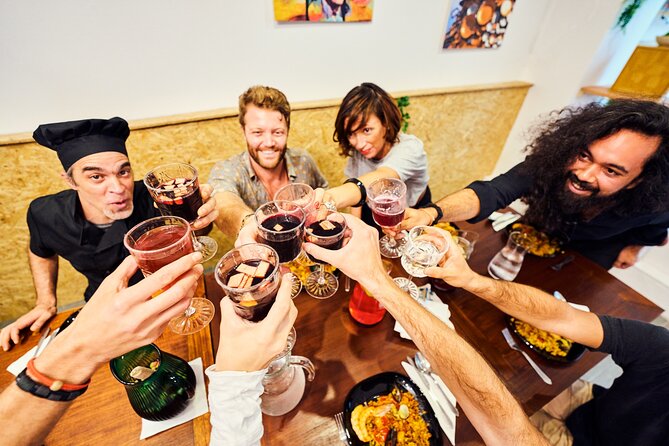
Small-group format (max 12): easier questions, more chopping time, and more chance to actually cook—not just observe.
Boqueria market visit first: you’ll see how locals shop and get ingredient tips you can use later.
Tapas + sangria included: a break between market browsing and the main event.
Paella is hands-on: you make it together, with options for seafood, chicken, or vegetarian.
Recipe copy to take home: so this doesn’t turn into a one-day food memory.
From Boqueria to the stove: the value behind this class
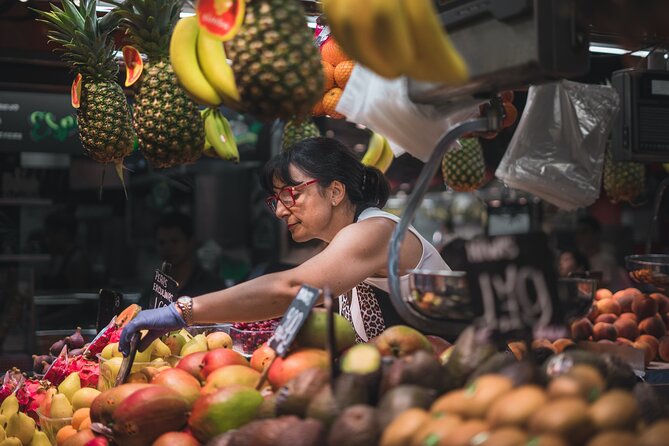
This class works because it follows the logic of cooking in Spain. Start with the ingredients—then build your meal with real guidance. You’re not just “making food.” You’re learning a method: what to look for at the market, how the flavor base works, and how to pull off paella without turning it into a rice science project.
At $114.88 per person for roughly three hours, the price isn’t just for a recipe. You get the market experience (with an included market tour), an instructor-led cooking session, tapas and drinks along the way, and dessert instruction. For Barcelona, that’s a fair package—especially because it’s capped at 12 people, which keeps it active instead of chaotic.
Also, it’s in English, you use a mobile ticket, and the meeting point is right in Ciutat Vella (near La Rambla), so you’re not spending your entire time hunting for an address.
If you’re the kind of person who wants to understand what you’re eating (not just eat it), this is a great fit.
You can also read our reviews of more shopping tours in Barcelona

Mercat de la Boqueria: shopping like you actually belong
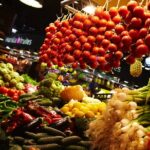
Your class kicks off at Mercat de la Boqueria, one of Barcelona’s most famous food markets. The key is that this isn’t a quick photo-stop. You walk the stalls with your chef and get practical ideas for what matters when ingredients are fresh.
Here’s what this part is best for:
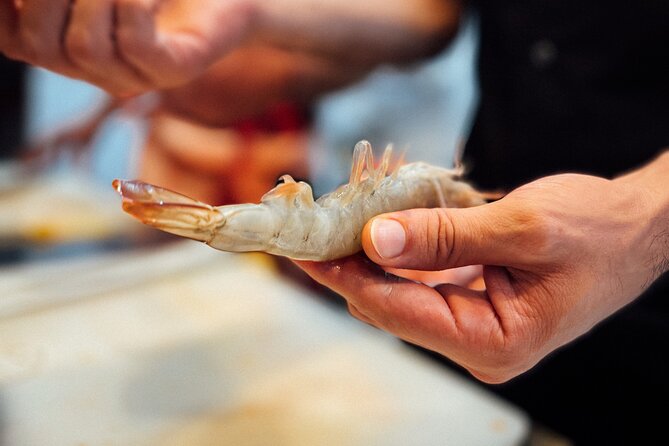
- learning what “good seafood” means in real life, not on a menu
- picking ingredients with an eye for cooking (not just buying pretty items)
- hearing small tips that help you shop later when you’re on your own
Several instructors are cited in reviews—Maria, Hugo, Alex, Mateo, and others—so you might hear different stories and preparation tips depending on who leads your session. But the core value stays the same: you get taught to think like a cook.
One caution, though: the market can be loud and busy. One review notes that it was difficult to see and hear the chef in the market, and the fix suggested was rotating positions so everyone gets a clear view. So if you’re near the back or blocked by people, try to angle yourself toward the instructor early.
When the market is closed, the experience changes. This tour notes the Boqueria market visit excludes Sundays and public holidays because the market is closed those days.
La Rambla walk: a quick “set the stage” moment
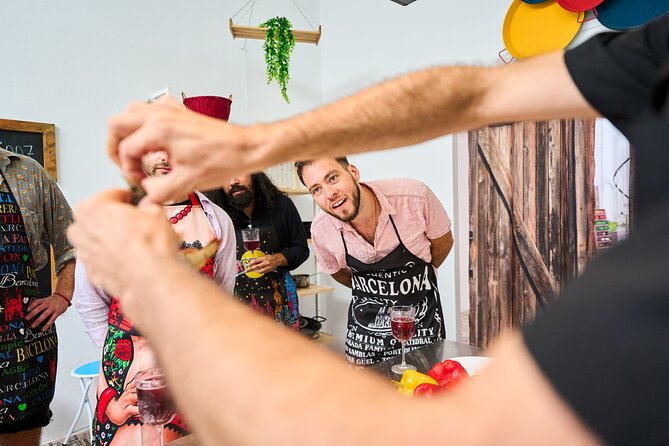
You also get a walk that includes La Rambla. This isn’t the main event, but it helps you orient yourself in Barcelona’s center and shifts you from market mode to kitchen mode.
Why it’s worth it:
- it breaks up the market shopping with a short change of pace
- it keeps the tour connected to the central city experience instead of feeling like two unrelated activities
The timing matters here. You’re on a schedule, and the whole point is to get you to the kitchen with enough time to cook, eat, and still finish without feeling rushed.
Tapas and sangria: the break that keeps the class fun
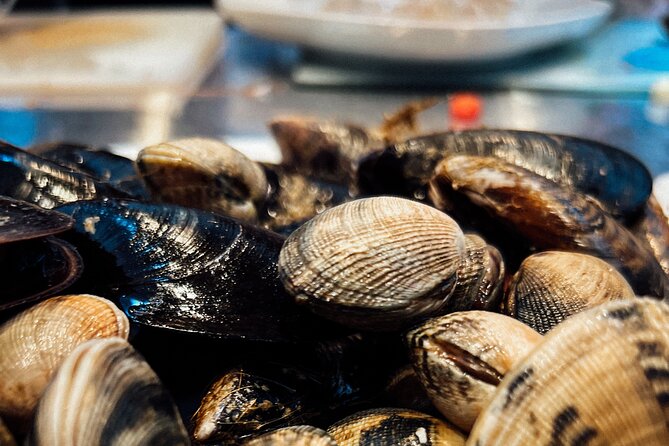
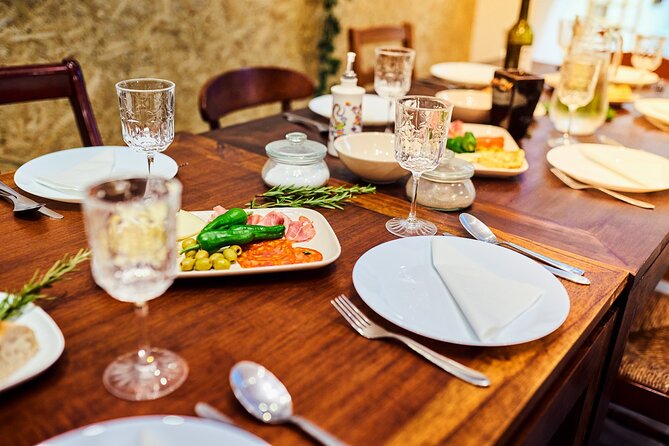
After the market, you head back and start eating with tapas and sangria. The tapas selection is seasonal and can vary, and it may include things like cured meats, cheeses, pimientos de padrón, pan con tomate, and olives.
This is more than snack time. Tapas is the social rhythm of Spain: small plates, shared bites, and a chance to loosen up before the paella work begins. You’ll also learn while you eat, because tasting helps you connect ingredients to flavors.
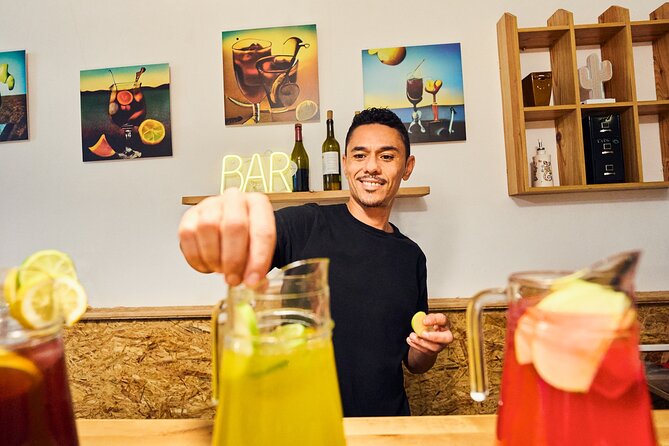
For drinks, sangria is part of the experience, and the class provides beverages like sangria, red wine, bottled water, and juice. There’s also an option for non-alcoholic sangria, which matters if you want the same ritual without the alcohol.
One more practical detail: the class collects food allergies and preferences at the start. Reviews also highlight accommodations such as a non-alcoholic version for younger participants and support for allergy concerns.
The paella cooking class: learning the method, not just the meal
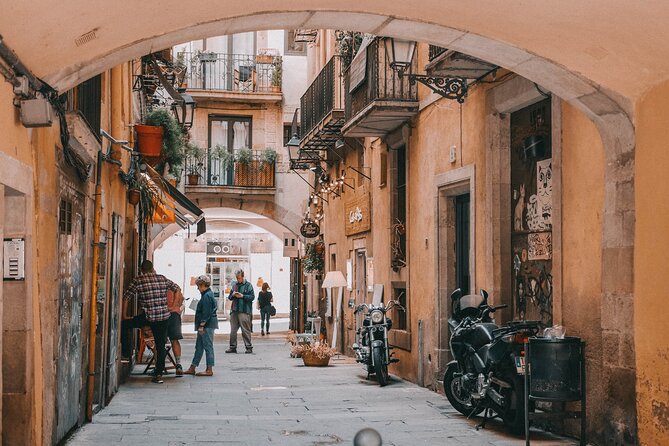
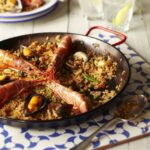
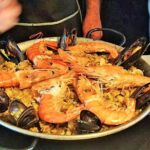
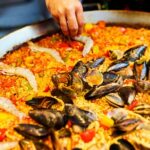
Now for the centerpiece: your hands-on paella. You’ll work with a local chef in a professional kitchen, and you’ll make the paella together with guidance. This is where the small-group setup really pays off. With only up to 12 people, you get more direct help, and it’s easier to ask questions when something feels unclear.
You’ll make paella using one of these options:
- Seafood paella
- Chicken paella
- Vegetarian paella
They say chicken or vegetarian options are available, and you’ll get your preference handled when allergies and preferences are collected at the start of the class.
If you’re worried you’re not a “cook,” don’t be. Multiple reviews mention people learning step-by-step even with basic cooking experience. One family even highlights learning seafood handling, and another says the class felt like cooking at a friend’s house—so it’s not just technique, it’s comfort.
What you’ll likely learn that you can use later:
- how to think about seafood quality before it hits the pan
- how ingredients and cooking order build flavor
- how to keep the process moving so everyone gets to eat together
And yes, you actually eat what you cook. That’s huge. A lot of “classes” end with you standing around while someone else plates. Here, your meal is the final goal.
A few more Barcelona tours and experiences worth a look
Dessert: Tarta de Santiago and why it’s a smart finish
To wrap things up, you get Tarta de Santiago, an almond cake from Galicia. It’s not just a sweet ending. It’s a classic Spanish dessert style that gives you a different flavor profile from the savory meal you’ve just cooked.
There’s also mention of a gluten-free almond dessert being handled for dietary needs. So if you have constraints, it’s worth flagging them right away during the class intake.
What makes the small group feel different (in a good way)
This isn’t a huge bus-to-a-factory kind of activity. It’s capped at 12, and many reviews highlight how easy it is to chat with your group while you cook.
That group mix can include couples, singles, and families. One review even calls out the class as great for different kinds of groups, with the cooking station supported enough that people felt included rather than stuck waiting their turn.
You’ll also notice something else: the chefs’ personalities show up. Reviews repeatedly mention instructors like Maria, Hugo, Nestor, Yaya, Matteo, Bebe, Andreas, Alberto, and Gabe as fun, animated, and invested in keeping the class running smoothly. Even if your chef isn’t one of these exact names, the pattern you should expect is clear: the teaching style is friendly, not stiff.
Timing, practical comfort, and what to pack
You’re looking at about three hours total, starting at a set time you choose during booking. It’s designed so you walk from market to kitchen and stay fed throughout: tapas and sangria mid-way, paella as the main meal, then dessert.
For comfort, think like you’re spending time standing and moving through a market:
- wear shoes you can stand in
- bring a light layer if you get chilly in the kitchen space
- if you’re sensitive to smells, remember seafood markets have a scent footprint
Also note: service animals are allowed, and the tour lists minimum drinking age 18. Non-alcoholic sangria is available, but the class includes alcohol options, so plan accordingly.
Who this paella class is for (and who might want something else)
This class is a strong match if you want:
- a hands-on paella experience (not just eating it)
- a market visit where you learn how to choose ingredients
- a compact activity that still feels culturally grounded
It’s also a good choice if you like cooking, or you want a “skill souvenir” you can bring home.
You might consider a different option if:
- you hate crowded, noisy market areas (Boqueria can be intense)
- you’re expecting a slow, long-form food tour (this is fast, focused, and timed)
But if you want a single afternoon that mixes Barcelona food culture with real cooking technique, this is a solid bet.
Quick value check: what you’re getting for the money
Here’s the honest way to see the value:
- Market tour time with ingredient guidance
- Paella cooking instruction and a meal you make
- Tapas tasting
- Sangria-making and drinks included
- Dessert instruction (Tarta de Santiago)
- Recipe copy after
You’d have to pay for a lot of those separately in Barcelona. The class bundles them and uses the market-to-kitchen flow to teach you why things taste the way they do. And because it’s small-group, you’re less likely to feel like you’re just watching.
Should you book this Barcelona paella class?
Book it if you want an afternoon where you can taste, cook, and learn in one flow. The market visit adds context, tapas and sangria make the class feel like a proper Spanish meal, and the hands-on paella part is the main event.
Skip it or look around if market crowds stress you out, or if you only want a sit-and-eat experience with zero cooking. This one is built for people who want their hands involved.
If you book, do one smart thing: tell them your allergies and preferences at the start, even if you think it’s obvious. The class is set up to collect that information, and multiple reviews mention thoughtful accommodations.
In short: if you want a practical, fun way to experience Barcelona food culture and come home with a skill, this paella class with the Boqueria market stop is a strong choice.