REVIEW · VALENCIA
GRAND CITY Private Guided Tour on Bike, E-Bike, E-Step or Segway
Book on Viator →Operated by Pelican Bike Rentals · Bookable on Viator
Valencia looks easy to wander, until you realize you need a few smart links to connect it all. This private ride strings together the city’s top sights into one action-packed route, with stops for history, photo moments, and local tips along the way. You’ll move through medieval squares, slip into park calm, then end at the mind-bending modern complex people come from all over to see.
I really like how the tour is built for orientation: you get a guided path through the parts of Valencia most first-timers miss, without spending your whole day bouncing between far-flung neighborhoods. I also love the stop-and-tell format—your guide keeps explaining what you’re seeing at each landmark, from the old-town towers to the architecture at the edge of the Turia park.
One thing to consider: the experience depends on good weather, and not everything you pass is included (the Oceanogràfic and one palace stop have admissions that aren’t included). If you want to go inside every building, plan a little extra time and budget.
In This Review
- Key things to know before you ride
- How this Valencia highlights ride helps you get oriented fast
- Bike, e-bike, e-step or Segway: picking the right option
- Meeting point in Ciutat Vella and what 3 hours feels like
- Start: Placa de la Mare de Deu (a thousand years in one square)
- Placa de la Reina: getting the Cathedral’s long story
- Palacio del Marques de Dos Aguas: the photo stop without included entry
- Placa del L’ajuntament: the civic heart of Valencia
- Plaza del Mercat: Silk Exchange and the Central Market cluster
- Torres dels Serrans: fortress remains and watchtower energy
- Jardí del Turia: the long park stretch where the city breathes
- City of Arts and Sciences: Calatrava’s shapes and Candela’s engineering
- Oceanogràfic Valencia: seeing the oceanarium complex without entry
- Pelican Bike Rentals: returning to base and turning the tour into a plan
- Price and value: what you’re really paying for
- Who should book this tour, and who might skip
- Quick weather check and practical tips
- Should you book this Pelican private bike highlights tour?
- FAQ
- What is the duration of the Valencia private guided highlights tour?
- How much does the tour cost per person?
- Where do I meet the guide?
- Does the tour end back at the starting point?
- Is this tour private or shared?
- What language is the tour offered in?
- What admissions are included versus not included?
- What’s included in the price?
- What happens if the weather is bad?
- Is the ticket mobile?
Key things to know before you ride
- Private guide, your group only: no squeezing in with strangers
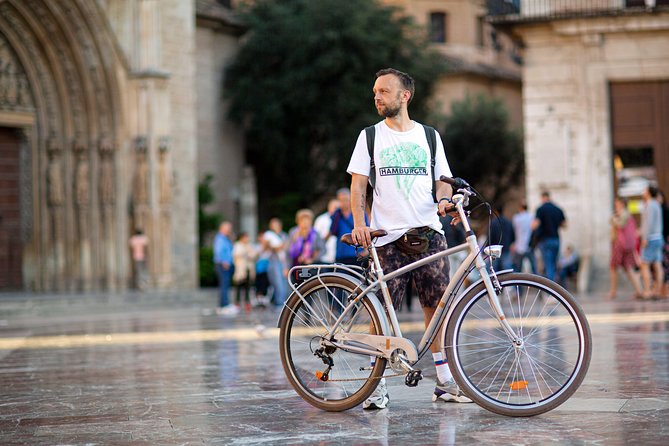
- Choose your ride: bike, e-bike, e-step, or Segway (use what fits your comfort level)
- Old Town to modern Valencia, in one route: squares, markets, fortress remains, then Calatrava/Candela architecture
- Photo and story stops: you pause long enough to actually understand what you’re looking at
- Oceanogràfic area is ticketed separately: you’ll see it, but entry isn’t included
- Good-weather dependent: expect a reroute or refund if weather cancels the tour
How this Valencia highlights ride helps you get oriented fast
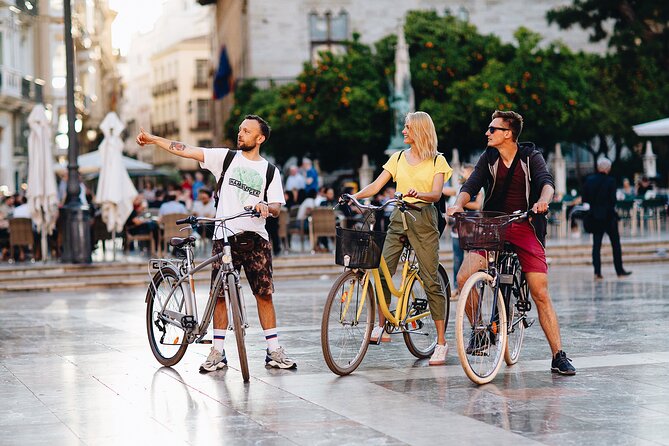
The big win with this tour is simple: it connects the city in a way that makes sense. You start in Ciutat Vella (old town), work through classic squares where Valencia’s identity shows up in stone and layout, then you shift gears into the green ribbon of the Turia. After that, you reach the modern showpiece area—where Valencia swaps medieval streets for bold shapes and engineering you can spot from across the water.
If you’ve ever arrived in a new city and felt like you were walking randomly, this kind of route is the fix. You come away with mental landmarks: where the market cluster sits, how the fortress area relates to the park, and why the City of Arts and Sciences looks like it belongs to another planet.
You can also read our reviews of more cycling tours in Valencia

Bike, e-bike, e-step or Segway: picking the right option
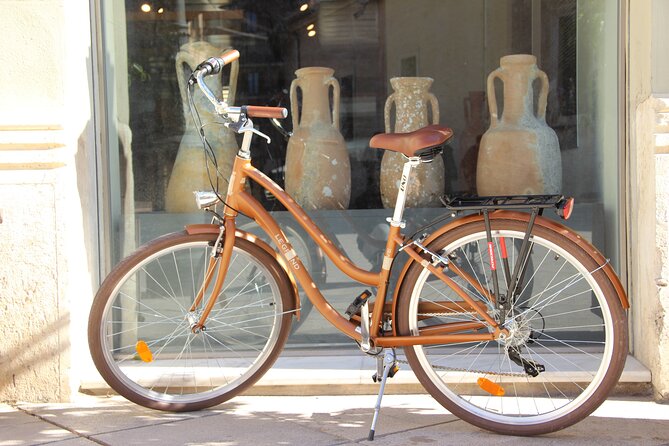
You can choose your ride style, and that matters more than people think. On a standard bike you’ll feel the movement and rhythm of the streets; an e-bike or e-step can make the same route feel relaxed, especially if you want to spend more energy on photos and questions than on pedaling. A Segway can also be a good fit if you’re comfortable with it and want an easy glide through the ride segments.
The route includes a mix of short stops and longer park/complex segments (for example, you spend about 40 minutes in Jardí del Turia and about 40 minutes in the City of Arts and Sciences area). That’s plenty of time to pause, listen, and reset your legs—so don’t stress about being a cycling machine.
Practical tip: wear shoes you like for walking. Even if you’re on two wheels, you still hop off for most stops, and you’ll likely stand and take photos more than you expect.
Meeting point in Ciutat Vella and what 3 hours feels like
You meet at Carrer de l’Herba, 4, in Ciutat Vella (46003 Valencia). The tour runs about 3 hours, and it ends back at the meeting point. That loop is a comfort advantage: you’re not stuck negotiating your way home right after a tour.
Included basics are handled for you: you get bottled water and bike support (there’s 1 pump per group). Since this is a private tour, you don’t have to worry about the group constantly regrouping or getting slowed down by strangers—your guide can pace things around your questions and photo needs.
Also, you’ll use a mobile ticket, and confirmation happens at booking. The meeting point is near public transportation, which is helpful if you’re coming in from elsewhere in the city.
Start: Placa de la Mare de Deu (a thousand years in one square)

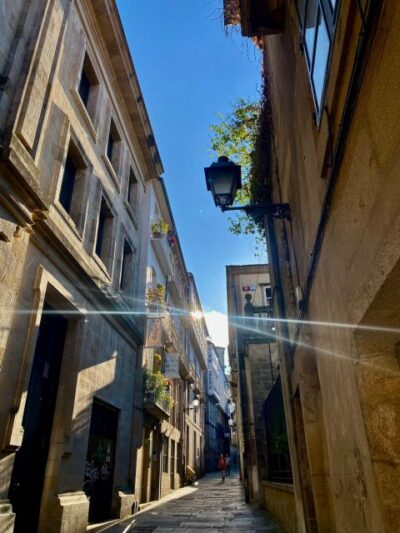
Your first stop is Placa de la Mare de Deu, an old-town square with a history stretching back about a thousand years. This is the warm-up stop, and it’s a smart one: you learn how the old city’s layout tells a story, and you get the “why” behind what you’re looking at before the tour gets more dramatic.
Time here is about 10 minutes, so it’s not a long lecture—more like a guided orientation. You’ll likely spot details in the surrounding streets that make later stops easier to place.
What to watch for: look at the way the square connects to the surrounding lanes. It’ll help you understand why Valencia’s old center feels walkable even when it’s dense.
Placa de la Reina: getting the Cathedral’s long story

Next comes Placa de la Reina, where you’ll get a short, focused stop of about 5 minutes. This square is about context for the Cathedral area—why it matters, how the story of Valencia evolved, and what it means that the city’s religious and civic identity grew here.
This is the kind of stop that benefits from listening closely. In five minutes you don’t memorize dates, but you do walk away knowing what to connect: which buildings tie to what eras, and why people have been gathering in this general zone for centuries.
Photo tip: try for one angle that shows the square itself, not just a single façade. The square shape is part of the lesson.
You can also read our reviews of more guided tours in Valencia





Palacio del Marques de Dos Aguas: the photo stop without included entry
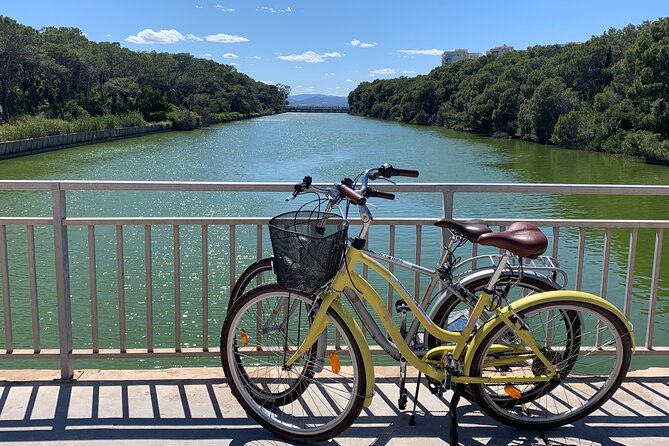
Then you reach Palacio del Marques de Dos Aguas, one of the city’s eye-catching buildings. You’ll have about 5 minutes here. The key practical thing: the admission ticket is not included, so you’re mostly viewing from the outside during this guided stop.
This works anyway because the building is visually distinctive, and the guide’s commentary helps you read the details. You’ll likely leave with a sense for why it’s considered attractive and why it shows up so often in Valencia imagery.
Consideration: if you’re the type who wants to go inside everything, make a plan for a separate ticket visit later. This stop is timed for a quick, high-impact view.
Placa del L’ajuntament: the civic heart of Valencia
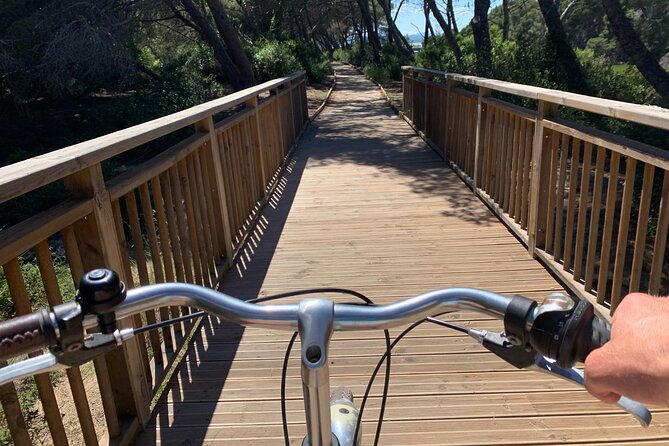
Stop four is Placa de L’ajuntament, the heart of the city. You get about 10 minutes here, and it’s a good shift from the Cathedral-side feel to the civic center energy.
This stop is valuable because it helps you understand Valencia as more than monuments. You’re learning how the city organizes itself around public space—where people historically gathered, where authority and daily life intersected, and how the old-town vibe stays legible even today.
If you like cities that reward attention to detail, this is one of your best listening moments of the route.
Plaza del Mercat: Silk Exchange and the Central Market cluster
At Plaza del Mercado (Placa del Mercat), you’ll spend about 10 minutes. This is where the tour earns its value for food and culture lovers, because this area ties two different ages together: the Silk Exchange and the Central Market.
You may not be doing a full market stroll (time is limited), but you’ll get the orientation. That makes it much easier later to decide whether you want to return for a meal, browse stalls, or just take your time photographing the architecture.
What to consider: markets can be busy. If you prefer quiet photos, ask your guide when the best moments are during your time slot, and keep your camera ready when you move into open angles.
Torres dels Serrans: fortress remains and watchtower energy
Next: Torres dels Serrans, with about 15 minutes. This is the stop that turns the tour from “pretty sightseeing” into “history you can see.” You’re looking at remnants of the old fortress area, including watchtowers.
This is also a great point in the ride to slow down mentally. You’re past the most central square-hopping, and this landmark helps you map how the old city protected itself—how it grew, where defense sat, and how those walls shaped later streets.
Photo angle idea: try to frame the towers with the street direction behind you. It helps you visualize the original fort layout.
Jardí del Turia: the long park stretch where the city breathes
Now for a major shift: Jardi del Turia. You’ll have around 40 minutes here, and that’s long enough to actually feel the change from stone to shade.
This park is described as beautiful with a large abundance of exotic trees. In practice, the value is more than scenery: the Turia park is your transition zone. You reset after old-town stops, you get a calmer stretch for taking photos without the same density of buildings, and your guide can connect the city’s old identity to its modern public life.
If you’ve been walking all day, this is also the spot where the bike route earns its keep. You keep moving, but the environment feels different—less pressure, more breathing room.
City of Arts and Sciences: Calatrava’s shapes and Candela’s engineering
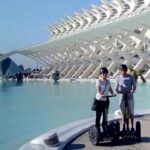
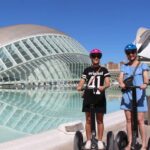
The next big destination is Ciudad de las Artes y las Ciencias, at about 40 minutes. This is one of those stops where the guide’s explanations change how you see it.
The complex was designed by Valencian architect Santiago Calatrava and structural engineer Félix Candela. Construction began around 1996, and Palau de les Arts Reina Sofia opened later (noted as the last building inaugurated as part of the 12 Treasures of Spain concept). Even if you don’t go inside, you’ll learn what you’re looking at and why these buildings feel so intentional.
Why this part matters for your money: without guidance, this area can feel like a distant postcard. With commentary, you understand the logic behind the shapes and how Valencia brands itself through architecture and science.
Practical suggestion: bring your phone fully charged. You’ll want wide-angle shots, and you’ll also want close-ups on structural details.
Oceanogràfic Valencia: seeing the oceanarium complex without entry
You then reach Oceanogràfic Valencia for about 10 minutes. It’s an oceanarium integrated into the City of Arts and Sciences complex. The design is credited to Félix Candela, and it opened on 14 February 2003.
Here’s the practical catch: the admission ticket is not included, so you’re viewing the exterior/area during the stop. If Oceanogràfic is on your must-do list, you’ll likely want to purchase tickets separately and add dedicated time for the exhibits.
Consideration: if you’re hoping to see everything during the 3 hours, you might feel slightly capped here. But as an orientation stop, it works well—your guided look helps you decide later if you’re going back.
Pelican Bike Rentals: returning to base and turning the tour into a plan
You finish at Pelican Bike Rentals (the tour ends back at the meeting point), with about 25 minutes for the return leg and wrap-up.
This is more than just clocking off. A good guide leaves you with follow-up ideas—things to check out later based on your interests. If you’re the kind of traveler who wants to keep the momentum going, ask a couple of pointed questions at the end:
- Which neighborhoods are best at the time of day you plan to roam next?
- What should you do if you want something active versus something slower?
- Are there nearby stops you should add if you love architecture or markets?
Guides from this program are known for strong storytelling. I’ve heard names like David and Santiago associated with fun, informative commentary, and that energy matters because it turns a list of sights into a city you can actually navigate after the tour.
Price and value: what you’re really paying for
At $78.44 per person for about 3 hours, the price looks reasonable when you think about what you get: a private guide, a pre-planned route across multiple key areas, and included essentials like bottled water and bike use (plus a pump per group).
You’re paying for time-saving and decision-making. Instead of building your own route from scratch—then realizing you picked the wrong order, missed connections, or didn’t understand what you were looking at—you’re getting a guided sequence that links old town, park life, and the modern science-architecture zone.
If you’re traveling solo, this still can be worth it because it’s private. If you’re a couple or a small group, it becomes even more attractive since you’re not trying to “win” a shared group schedule.
Big value note: some admissions aren’t included (like Palacio del Marques de Dos Aguas and Oceanogràfic). You’re not paying for entries inside every stop—you’re paying for orientation and guided access to the highlights you can see and understand in a limited time.
Who should book this tour, and who might skip
This tour fits best if you want:
- A first-time feel for Valencia’s main zones without spending hours on route planning
- A mix of classic sights and modern landmarks in one morning or afternoon
- A guide who can explain what you’re seeing while you take photos and keep moving
You might skip or swap this style if:
- You want a heavy focus on museum-style indoor time (since some ticketed admissions aren’t included and the stops are time-limited)
- You’re traveling on a day where weather is uncertain and you’d be very unhappy if the tour needs to change or cancel
If you do book, pick the ride type that matches your energy level. That small choice can make the difference between feeling tired afterward versus feeling energized.
Quick weather check and practical tips
This experience requires good weather. That doesn’t just mean comfort—it affects whether the tour runs as planned. On rainy days, the good move is to dress for quick stops and keep your essentials dry enough for handling photos and listening without constant fuss.
Since the route includes park time and modern complex areas, wear:
- Comfortable shoes for off-bike moments
- Layers you can manage if the temperature shifts
- A plan for rain protection if your forecast looks iffy
And because the tour is private and English is offered, it’s worth bringing one or two questions you actually care about—architecture, food areas, or best next stops after the tour.
Should you book this Pelican private bike highlights tour?
I’d book it if you want a clean, efficient way to learn Valencia’s structure fast. The route makes sense, the stops are timed so you can absorb the city without feeling rushed, and the guide-driven commentary is a major part of the value—especially at the fortress remains and the City of Arts and Sciences area, where understanding what you’re looking at truly changes the experience.
Skip it only if your top priority is entering every major venue during the tour. Since some admissions aren’t included, you’ll get the sights and context, then you’ll still need separate planning for things like Oceanogràfic.
FAQ
What is the duration of the Valencia private guided highlights tour?
It runs for about 3 hours.
How much does the tour cost per person?
The price is $78.44 per person.
Where do I meet the guide?
The meeting point is Carrer de l’Herba, 4, Ciutat Vella, 46003 València, Valencia, Spain.
Does the tour end back at the starting point?
Yes, the activity ends back at the meeting point.
Is this tour private or shared?
This is a private tour/activity, so only your group participates.
What language is the tour offered in?
The tour is offered in English.
What admissions are included versus not included?
Some stops are free to view, while certain admissions are not included, including Palacio del Marques de Dos Aguas and Oceanogràfic Valencia.
What’s included in the price?
Bottled water is included, along with use of a bicycle, plus 1 pump per group.
What happens if the weather is bad?
The experience requires good weather. If it’s canceled due to poor weather, you’ll be offered a different date or a full refund.
Is the ticket mobile?
Yes, it uses a mobile ticket.