REVIEW · SANTONA
Guided Tour of the Factory + Anchovy Museum
Book on GetYourGuide →Operated by Conservas Ana Maria S.L. · Bookable on GetYourGuide
Anchovies have a soundtrack in Santoña. I like the live factory production when it’s running, and I love the seabed-style anchovy museum where you don’t just look—you hear, smell, and taste. One thing to plan for: the tour runs with a Spanish-speaking guide, and there’s no English option listed.
This is also great value. For $8 per person you get a short guided visit that connects the work behind Cantabrian anchovies to what ends up on your plate—plus you’ll have a chance to buy products at the end. The main drawback is timing: the live factory part is only in the morning on working days.
In This Review
- Key Highlights You’ll Remember
- Arriving at the Ana María Anchovy Art Gallery (Santoña Anchovy Museum)
- What the Museum Does Differently: Sound, Smell, Taste, Touch
- Watching Anchovies Get Made: Morning Factory Visits Only
- The Octavillo Moment: Tin Containers, Craft, and Practical Food Science
- The Ending You’ll Actually Care About: Tasting Conservas Ana María
- Price and Value: Why This $8 Tour Works
- Timing That Won’t Confuse Your Day
- Who This Tour Suits Best (and Who Might Want a Different Plan)
- Should You Book This Guided Factory + Anchovy Museum Tour?
- FAQ
- Where do we meet for the tour?
- How long is the experience?
- Is the live factory visit always available?
- What is included in the guided experience?
- Do we get to taste anchovies?
- What is the sensory part of the museum?
- What language is the guide?
- Is the tour wheelchair accessible?
- What does the price cover?
- Can I cancel if my plans change?
- Is payment required right away?
Key Highlights You’ll Remember
- Live production (morning only): Watch artisans working on the anchovy process when the factory is open.
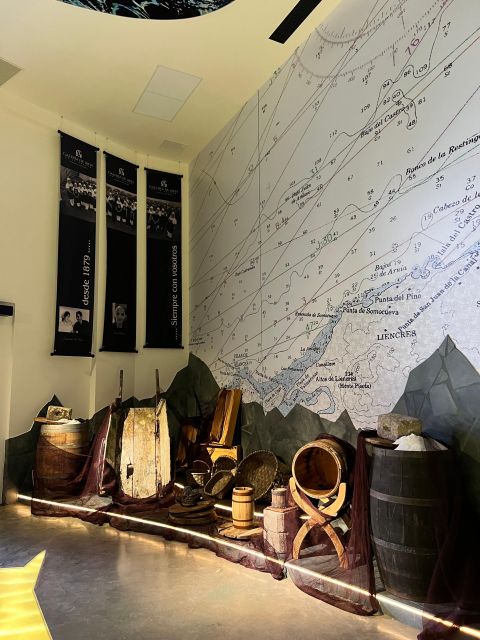
- Santoña museum as a sensory set: You’ll hear the market sounds, see maritime details, and end with tasting.
- Octavillo made live: You’ll see how the tin container for anchovies is made.
- Auction-sound introduction: The tour begins with the three sirens that signal fish auction time.
- Tasting from Conservas Ana María: A prize-winning brand’s anchovies are served at the end.
- Shopping stop included: You can purchase canned goods and related products right after the visit.
Arriving at the Ana María Anchovy Art Gallery (Santoña Anchovy Museum)
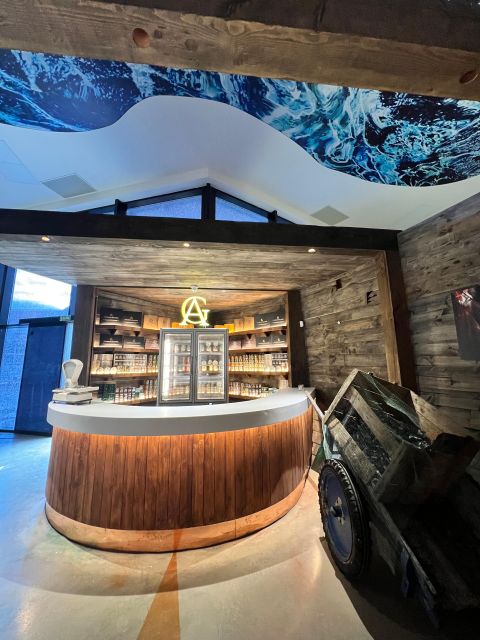
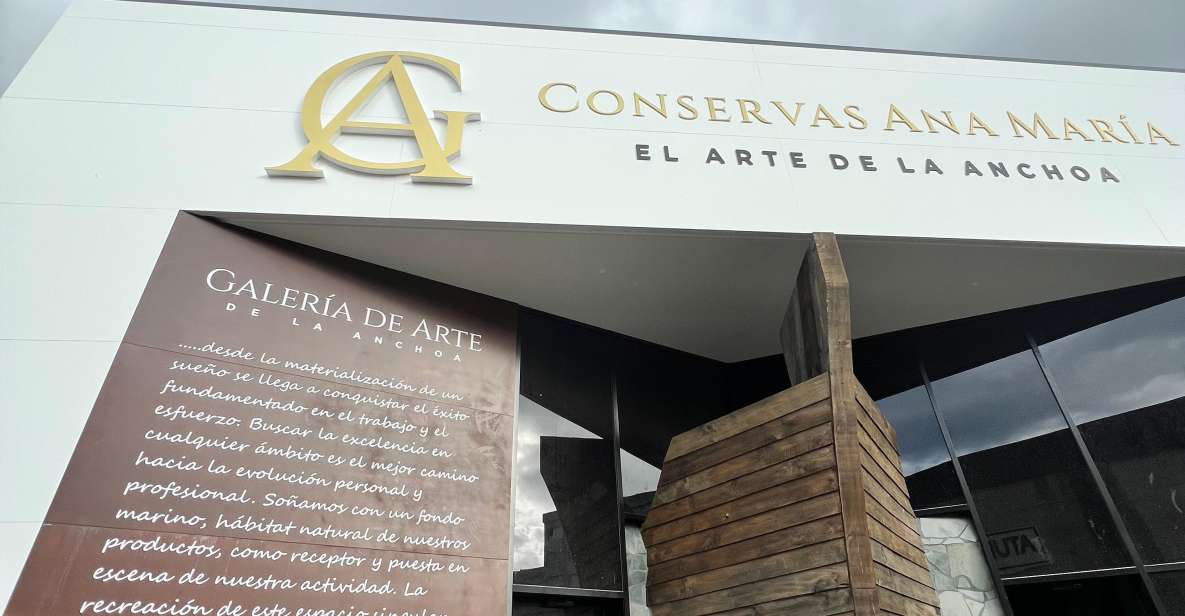
You’ll meet at C. Baldomero Villegas, 38, at the Ana María Canned Food Anchovy Art Gallery—also known as the Santoña Anchovy Museum. This is a good starting point because it sets expectations fast: this isn’t a dry history lecture. It’s designed to teach you how anchovies are processed and preserved, using a setting that feels tied to the sea.
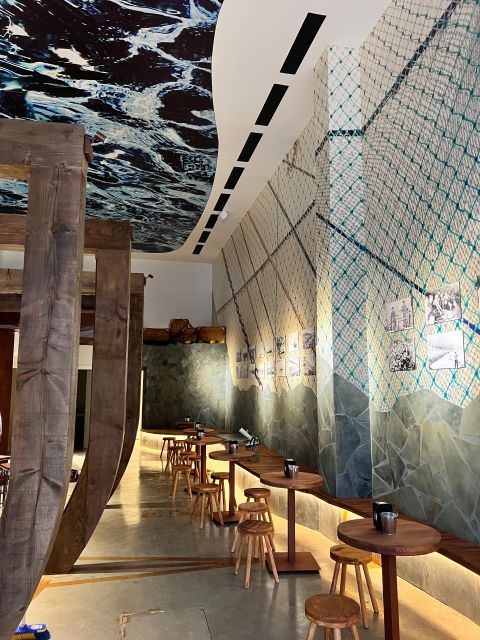
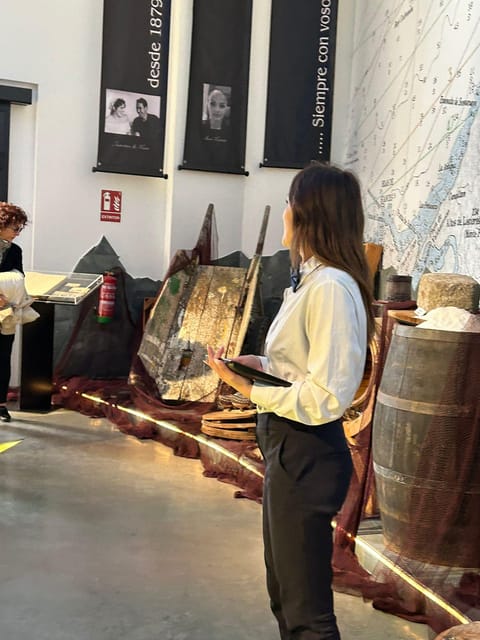
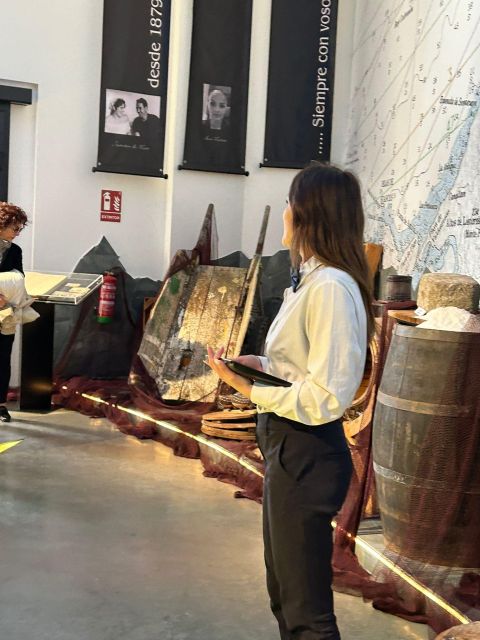
The building recreates a seabed environment. That matters because it changes how you experience the story. Instead of seeing random objects in a room, you’re walking through the preservation world as if you’re part of the coastline ecosystem. You’ll also find elements like the remains of a stranded ship you can explore during the visit.
One practical tip: the address is listed, but at least one past visitor pointed out that the street number may not be obvious on the building. I’d recommend using your phone map to locate the gallery pin before you go, so you’re not hunting around Santoña’s streets while the group is forming.
What the Museum Does Differently: Sound, Smell, Taste, Touch
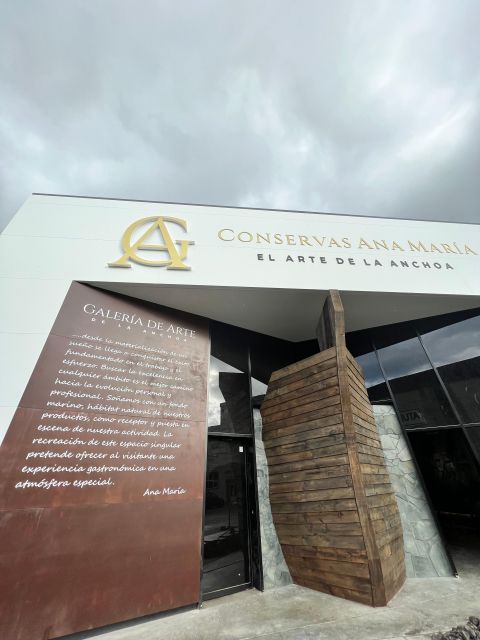
The museum experience is built as a full set of senses. You’ll be guided through areas that work as you go—so it’s not just eye-candy. The plan includes moments where you’ll hear key sounds, see tools and scenes from older times, and then later move into food tasting.
The tour starts with an audio moment tied to real local routine: an auction sound marked by three sirens from the Santoña fish market, which indicate when fish is going to be sold. It’s a clever way to place the process in context. Before you learn preservation, you feel the moment when the catch turns into raw material that needs careful handling.
From there, you’ll explore utensils from the last century used for fishing and preserving Cantabrian anchovies. Even if you already know canned anchovies are a big deal here, this part helps you understand how much effort sits behind the final product. You’re not just buying a jar; you’re buying a chain of labor.
The museum then moves into a projection room with a video explaining the path anchovies follow—from fishing at sea to preservation in a jar or can. This is where the story connects the older tools to the modern reality you’ll see when you visit the factory portion (when available).
Watching Anchovies Get Made: Morning Factory Visits Only
If you can visit in the morning on a working day, this is the part that feels most real. The live factory production is only available Monday to Friday when artisans are working, with the specific morning time stated as 12:30 p.m. and subject to the working calendar.
So here’s how you should think about planning: if you book a later time or a day when the factory isn’t operating, you may miss the live hands-on production view. The museum will still be the museum experience, but the “live” part depends on the schedule.
When the factory visit is running, you’ll join the anchovy-making process live and get a guided explanation of the entire flow. Expect observation of the production process—not just a peek from a doorway. For many people, this is the moment the word craft turns from marketing into something you can actually picture.
Even if you’ve eaten anchovies your whole life, seeing production helps you understand why the details matter. Canning and preserving aren’t automatic. They depend on timing and handling right after fishing, and on careful preparation so the fish ends up stable, flavorful, and consistent.
The Octavillo Moment: Tin Containers, Craft, and Practical Food Science
A highlight of the museum tour is a live demonstration by a craftswoman showing how an octavillo is made. The octavillo is the tin container used to preserve anchovies.
This part is easy to underestimate if you think “it’s just a can.” But the container is part of the preservation method and the product identity. Watching the octavillo being made adds a layer of respect for the whole system: it’s not only about the fish; it’s about how the fish gets housed, protected, and prepared for shelf life.
In other words, you’ll stop thinking of canned anchovies as a generic shelf item. You’ll start seeing them as a designed product—packaging included.
The Ending You’ll Actually Care About: Tasting Conservas Ana María
The tour ends with a tasting of anchovies from Conservas Ana María. The brand is described as having received various national and international prizes for best anchovy in the Cantabrian Sea in recent years, and that sets expectations without overhyping.
Even if you’re not sure you’re an anchovy person, this tasting tends to work for most visitors because it’s offered as the finish line after you understand the steps. You’ll have context for the flavor and texture, and the food makes the lessons stick.
Also, the tour includes a small bite on the cannery side: anchovy and wine pintxo. That’s another nice touch for value, because it keeps the experience connected to how locals actually eat—anchovy isn’t just “food science,” it’s also a snack you can enjoy casually.
Price and Value: Why This $8 Tour Works
At $8 per person, the key question is: what do you get for the money? You’re not paying for a long day trip. You’re paying for a guided snapshot with multiple stages:
- a guided cannery visit with observation of live production when the schedule allows
- a museum visit with a sensory format
- a short food moment: anchovy and wine pintxo
- a tasting of anchovies from Conservas Ana María at the end
- and a built-in chance to buy products on-site
For many travelers, the price feels fair because the experience combines three things that usually cost more separately: a factory-style explanation, an educational museum path, and food sampling. You can also treat it as a low-risk way to learn whether you even like Cantabrian anchovies before committing to a shopping spree.
The biggest value win is timing clarity. If you go during the morning window when production is actually happening, you get a stronger story than just looking at exhibits. If you go when the factory isn’t running, you still get the museum and the food, just without the live workshop moment.
Timing That Won’t Confuse Your Day
The activity is listed as 45 minutes, but the museum visit is described as lasting about one hour. In practice, expect the schedule to feel tight or expandable depending on the session flow and whether the live factory part is available.
To keep your day smooth, I’d plan for around 1 to 1.25 hours total for the experience, then leave buffer time after. It’s the easiest way to avoid stress if the group moves a touch slower through the sensory exhibits.
Also remember: the live production visit only happens on weekday mornings when artisans are working, with the morning time referenced as 12:30 p.m. and subject to the working calendar.
Who This Tour Suits Best (and Who Might Want a Different Plan)
This tour is a strong fit if you:
- love food that comes with a real process behind it
- want a quick, guided way to understand anchovies in Cantabria
- enjoy hands-on craft demonstrations, like the octavillo making moment
- like museums that use sound and smell, not just display cases
You might want to consider another option if:
- you don’t speak Spanish and you’re looking for an English-led experience (the tour is listed with Spanish guidance)
- you’re only free on days or times outside the morning factory window, because the live factory part depends on when the artisans are working
Should You Book This Guided Factory + Anchovy Museum Tour?
Yes—if you can align with a weekday morning when the factory is running, book it. That live production element is the difference between learning about anchovies and actually seeing the workflow behind them.
Even without factory production, the Santoña Anchovy Museum portion looks worth your time: seabed-themed exhibits, auction-sound start, maritime relics like the ship remains, a video that connects the process from sea to can, and a tasting that ends the tour on something you can judge immediately.
If you’re aiming for a fast, value-heavy cultural food stop in Cantabria, this is one of the most straightforward choices: meet at the gallery, get a guided story in a sensory museum, and end with tasting Conservas Ana María.
FAQ
Where do we meet for the tour?
You meet at C. Baldomero Villegas, 38.
How long is the experience?
The tour is listed as about 45 minutes, while the museum visit is described as lasting approximately 1 hour.
Is the live factory visit always available?
No. The live factory visit is only available in the morning on Monday to Friday, and it depends on the artisans working and the working calendar (the morning time listed is 12:30 p.m.).
What is included in the guided experience?
It includes a guided tour of the cannery, a guided explanation of the production process, observation of the anchovy/bonito production process, an anchovy and wine pintxo, and the chance to purchase products at the end.
Do we get to taste anchovies?
Yes. The visit ends with a tasting of anchovies from Conservas Ana María.
What is the sensory part of the museum?
The museum is described as a total sensory experience where you can hear, see, smell, taste, and touch.
What language is the guide?
The tour guide is listed as Spanish.
Is the tour wheelchair accessible?
Yes, it is wheelchair accessible.
What does the price cover?
The price is listed as $8 per person for this guided experience.
Can I cancel if my plans change?
Free cancellation is available up to 24 hours in advance for a full refund.
Is payment required right away?
You can reserve now and pay later, with the option to book your spot and pay nothing today.