REVIEW · BARCELONA
Pyrenees & Medieval Towns Small Group Tour from Barcelona
Book on Viator →Operated by Explore Catalunya · Bookable on Viator
Medieval towns plus a mountain railway? Yes. This full-day tour from Barcelona pairs Vic’s old streets and cathedral with the big wow of the rack railway up to Vall de Núria, where the scenery feels like a postcard you can walk through. My two favorite parts are the mix of guided history and real free time to roam, plus the comfort of getting there by minivan instead of buses. The main downside is that it’s a long day with a lot of driving and riding, so you’ll want layers and solid shoes.
You’ll travel with a professional English-speaking guide and a max group of 16, which keeps the stops from feeling rushed. You’ll also get clear options for different hiking levels once you reach the valley. If you hate long itineraries, or you’re traveling with very small kids, you may find the schedule demanding.
In This Review
- Key highlights you’ll feel the moment you arrive
- Barcelona to the Pyrenees: the tour’s big idea
- The Montseny Natural Park drive: a view lesson on the way north
- Vic: medieval cathedral styles and a Roman temple tucked in the old quarter
- Queralbs and the rack railway: the route becomes part of the story
- Vall de Núria: choose your adventure level without stress
- The second Queralbs stop: storybook stone houses and a fairy-tale church
- Timing and logistics: how to survive an 11-hour day
- Value: does the $143.91 price make sense?
- Who should book this Pyrenees and medieval towns tour?
- Should you book this tour?
- FAQ
- Where do I meet the guide in Barcelona?
- What time does the tour start, and how long is it?
- Is the tour offered in English?
- What does the ticket include, and are admissions covered?
- How much walking should I expect?
- How big is the group?
- What happens if the rack railway is closed in late November?
- Is food and drink included?
- Can I cancel for a full refund?
Key highlights you’ll feel the moment you arrive
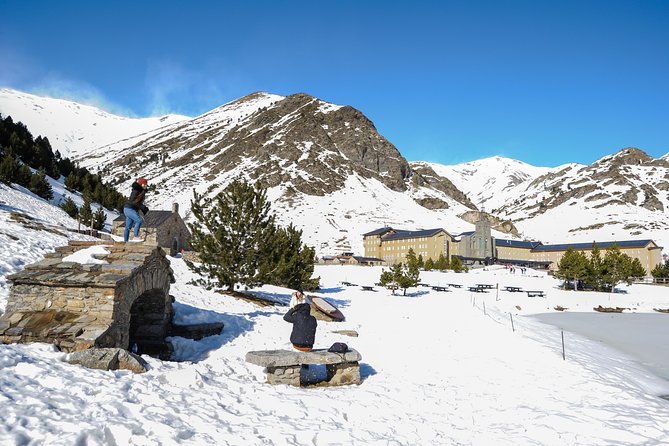
- Rack railway views up to Vall de Núria: tunnels out of Queralbs, then suddenly open valleys.
- Vic’s medieval core at walking pace: guided cathedral and Roman-era remnants in the old quarter.
- Queralbs = stone village time: a small place with church details that feel storybook-level.
- Free time that’s actually useful: you can hike, eat, or just wander when you want.
- Small-group feel (up to 16): easier conversations with the guide and faster coordination at stops.
Barcelona to the Pyrenees: the tour’s big idea
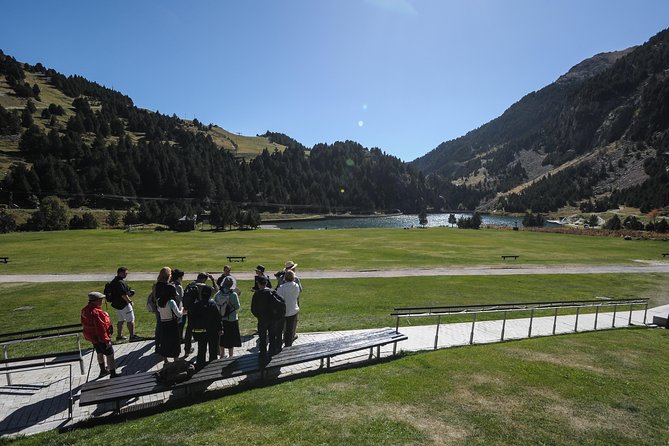
This is a classic “escape the city” day. You start in central Barcelona near the Palau de la Música, then head north into the hills with a guided ride that doesn’t waste the travel time. The day is built around three places—Vic, Queralbs, and Vall de Núria—but it also gives you downtime so you’re not stuck on a schedule the whole day.
The minivan is air-conditioned, and that matters. A mountain day can start warm in the city, then cool off quickly as altitude climbs. You’ll see how fast the weather changes, especially around the valley, so plan for temperatures that are lower than Barcelona.
One practical plus: the tour runs on a mobile ticket. If you like things friction-free, that small detail helps.
You can also read our reviews of more tours and experiences in Barcelona.

The Montseny Natural Park drive: a view lesson on the way north
Before you reach the Pyrenees, you pass Montseny Natural Park, a protected area of mountains, forests, and high moors. This stretch is more than scenery; it’s a guided setup for what you’re about to see, including wildlife and the mix of forests you’d otherwise miss from just driving on your own.
You’ll also get short history and context on the region as you go. It’s not a lecture-heavy day, but you’re also not left staring out the window with no sense of what you’re looking at. This matters because the Pyrenees are huge; a little framing helps you appreciate the scale once you’re in the valleys.
Vic: medieval cathedral styles and a Roman temple tucked in the old quarter
Your first real stop is Vic, an old market town with a medieval core. The guided portion takes you through the heart of town, including the cathedral, where you’ll see a blend of styles—Romanesque to neoclassical—and also Renaissance and Baroque buildings around it.
One standout detail is the ancient Roman Temple hidden between buildings. That kind of “wait, where is it?” discovery is why I like guided walking stops in towns like Vic. Even if you just glance around for a few minutes on your own, you tend to miss the good stuff without a local pointing you toward it.
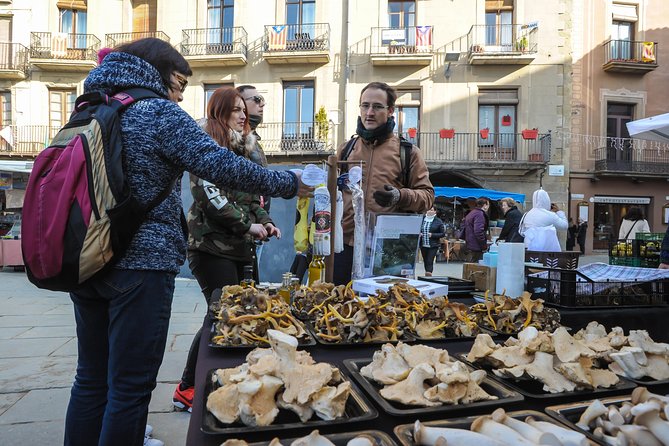
Then you get free time—about two hours—to do what fits your morning. If it’s market day, that old-school atmosphere is extra fun. If it’s not, you can still eat well and wander the arched square where community life has long centered.
Tip: if you want breakfast in Vic, use the guided time to get your bearings, then keep your free time flexible. You can grab a coffee, choose a bakery, or simply walk the lanes slowly.
Queralbs and the rack railway: the route becomes part of the story
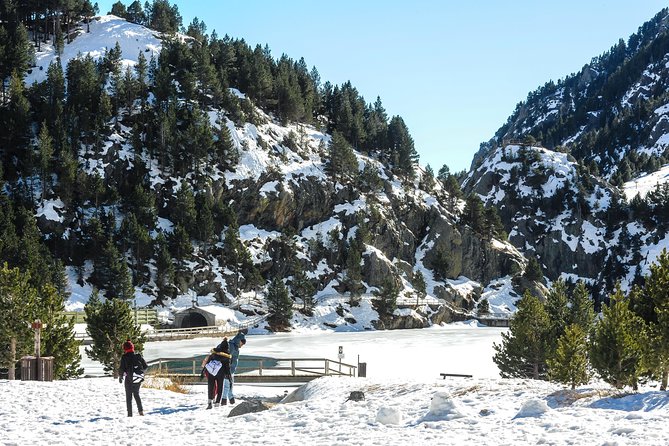
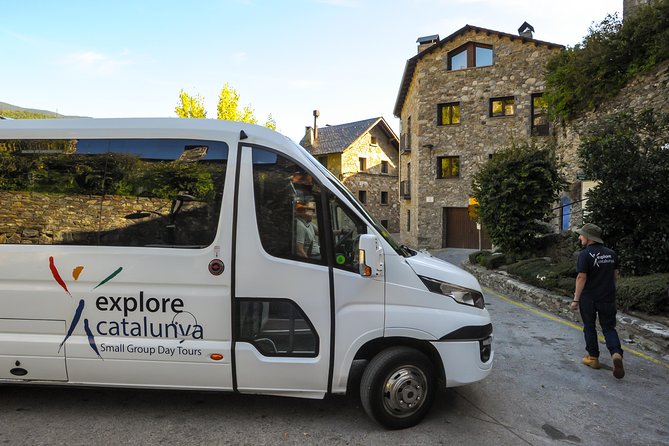
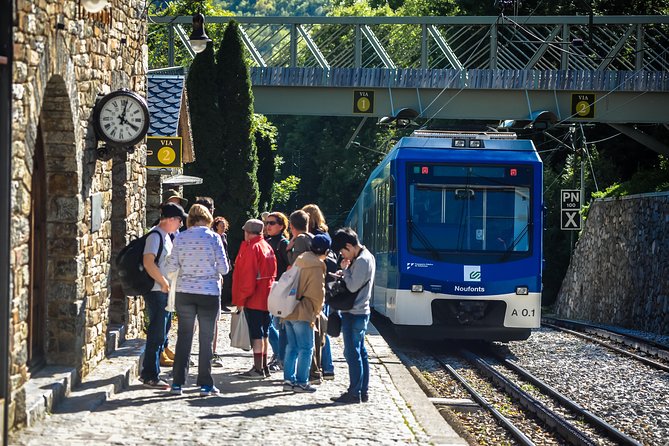
After Vic, you head to Queralbs, a stone-built mountain village and the last stop reachable by road. Then the day hits its most memorable transport moment: you leave the minivan and ride the rack railway up toward Vall de Núria.
This isn’t a normal train ride. Expect some tunnels and then a shift into open views as the landscape rises. In the feedback I’ve seen for this tour, people repeatedly highlight that the train feels modern and comfortable—and that it’s not scary. That’s a big point for families and first-timers who worry about “railway up a mountain” sounding intense.
The rack railway also changes the pace. Instead of rushing from viewpoint to viewpoint, you’re watching the valley unfold at train speed. It’s a built-in “movie scene” moment that you don’t have to plan or fight crowds to get.
Vall de Núria: choose your adventure level without stress
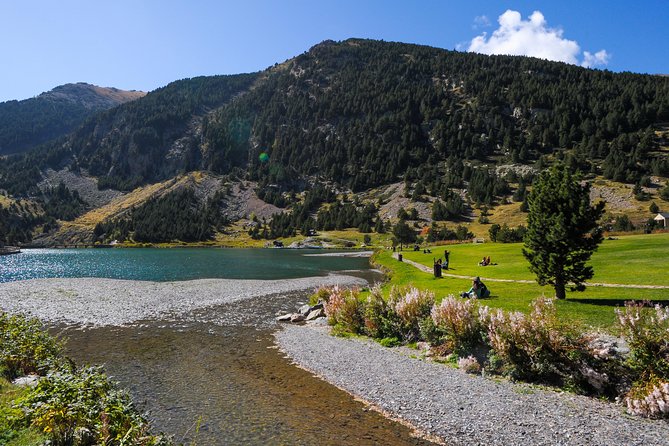
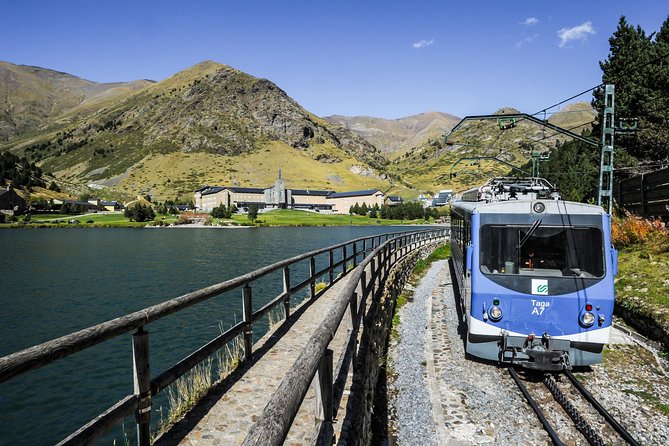
Once you arrive in Vall de Núria (Vale de Núria), you get several hours to explore your way. This is where the Pyrenees feel like an art poster in real life: a lake, bright green pastures, and high peaks around you.
You have options depending on your walking comfort:
- If you want an easier day, you can stick to relaxed strolling and the areas near the valley.
- If you want a hike, there are routes like the paths up to Valley Coma de Vaca.
The tour doesn’t require strong fitness for everyone, but if you specifically want the Coma de Vaca trails, you’ll need a reasonable level. In other words: you can come for the scenery even if you’re not a hardcore hiker, but don’t pretend every trail is stroller-friendly.
You can also spend time on local activities at your own expense—things like horseback riding or boating—or simply take a meal break at traditional Catalan restaurants.
Extra tip from experience on days like this: pack something warm even if Barcelona is sunny. Mountain temperatures can drop, and the valley air can feel cooler once you’re standing outside longer.
And yes, there’s often interest in taking a cable car up higher for wider views of the area. If that’s on your mind, it’s the kind of optional add-on that can turn a good visit into a great one—just make sure you have time and weather for it.
The second Queralbs stop: storybook stone houses and a fairy-tale church
You head back down and return to Queralbs again in the late afternoon. This part is shorter—about an hour—but it’s worth it because the village feels like a living snapshot of mountain life. It’s tiny, with only a couple hundred permanent residents, and the stone houses cling to the hillside in a way that looks carefully preserved even though life keeps going.
There’s also a church stop: Sant Sadurní de Fustanyá. It’s described as having stones so perfectly hewn that local legend says it was built by fairies and witches that lived in nearby caves. Even if you don’t buy the legend (fair), the church and the setting give you that “everyone slows down here” feeling.
Then it’s time to head back toward Barcelona.
Timing and logistics: how to survive an 11-hour day
This tour runs around 11 hours total, starting at 8:30am. You’ll spend a chunk of the day in transit, plus guided walking in Vic, then the longer valley exploration window.
Here’s how that usually plays out:
- Morning is about leaving the city and getting to the medieval stops.
- Midday is your shift into the mountains and the train ride.
- Afternoon is for the village atmosphere and returning before dinner.
At around 7:00pm, you’re back in Barcelona with time to eat. The guide can help you with the nearest metro or taxi, and you can ask for restaurant suggestions if you want a simple plan.
Practical advice so this doesn’t feel like a grind:
- Wear sturdy walking shoes (stone streets and uneven ground happen).
- Bring warm layers for the valley even if your day starts hot.
- Add sun protection—high altitude + strong light is real, even when it feels cool.
- Use the restroom break at the start point. It’s small, but it reduces stress later.
Value: does the $143.91 price make sense?
At about $143.91 per person, you’re paying for more than just “getting out of the city.” You’re buying:
- A professional guide who adds context during the drive and walking stops
- An air-conditioned vehicle for the long ride between regions
- A small group setup (max 16) that keeps the day manageable
- Transport that includes the rack railway up to the valley (the tour details mark related admissions as free within the itinerary)
Food isn’t included unless specified, so you’ll spend on at least one meal (breakfast is noted as your own expense in Vic, and meals in the valley are also your choice). But the big-ticket parts—guide time and the key transport experiences—are covered in the tour structure.
In plain terms: if you’d otherwise rent a car, plan train access, and manage timing across multiple towns, this price can feel fair. If you already like independent hiking and you’re traveling on a tight schedule with minimal meal spending, you might compare alternatives. But for a one-day introduction to Vic + Queralbs + Vall de Núria, this tour is built to deliver.
One last note on quality: the guide experience comes through strongly in the feedback. Names like Marta and Sergio show up often, and many people praise how guides keep the group together and explain what matters at each stop. That’s the difference between “a day trip” and an actually enjoyable day.
Who should book this Pyrenees and medieval towns tour?
Book it if you want:
- A big scenery day without planning every connection yourself
- Mix of medieval towns + mountain valley time
- A day that includes guided moments, but still gives you room to roam
- Comfort: air-conditioned transport and a guided rhythm that helps you feel oriented
Skip it (or think twice) if:
- You hate long days with early starts
- You’re relying on the rack railway every day no matter what (there are contingency changes if it’s closed in late November or if maintenance affects the line)
- You’re traveling with very young kids (it’s not recommended for children aged 4 and under)
If you’re a hiker who wants choices, it works. If you’re more of a wanderer, you can still enjoy the valley without tackling the tougher trails.
Should you book this tour?
If this sounds like your kind of day—Barcelona history-lite in the morning, medieval lanes in Vic, and then the rack railway to Vall de Núria—I’d book it. The value is strong for a one-day “best of” in the region, and the small group size keeps it from feeling chaotic.
Just plan smart: bring warm layers, wear real shoes, and accept that you’re trading a calm morning for a full Pyrenees day.
FAQ
Where do I meet the guide in Barcelona?
You meet at Carrer del Palau de la Música, right by the Palau de la Música (C/ Palau de la Música, Ciutat Vella, 08003 Barcelona).
What time does the tour start, and how long is it?
It starts at 8:30am and runs for about 11 hours (approx.).
Is the tour offered in English?
Yes. This tour is in English only.
What does the ticket include, and are admissions covered?
The tour includes a professional guide, an air-conditioned vehicle, and a small group tour. The tour details also list admission tickets as free for the main stops, while food and drinks are not included unless specified.
How much walking should I expect?
You can enjoy the day with easy-to-moderate walking, and you’re not required to be a serious hiker. If you want to take the Coma de Vaca trails, the tour notes that you’ll need a reasonable fitness level.
How big is the group?
The maximum group size is 16 travelers.
What happens if the rack railway is closed in late November?
Annual maintenance closes the rack railway between Mondays and Fridays from November 1 to November 30. On those days, the tour uses an alternative itinerary that accesses the mountain valleys by road or by lower-height hiking, without taking away from the Pyrenees experience.
Is food and drink included?
No. Food and drinks aren’t included unless specifically stated. Breakfast in Vic and meals in the valley are listed as your own expense.
Can I cancel for a full refund?
Yes. You can cancel up to 24 hours in advance for a full refund.