REVIEW · MALAGA
Guided Tour to the only coffee farm in Europe
Book on Viator →Operated by Manolo Mateos · Bookable on Viator
A coffee farm in Europe feels impossible.
This guided tour in La Herradura takes you through what the organizers call the only coffee plantation in Europe, with a walk lined by tropical fruit trees and real talk about sustainable growing practices. You’ll also have a chance to spot wildlife like chameleons and birds while you learn how the finca works, in English.
I love how small-group the experience feels, and how much the guide, Manolo Mateos, can explain without making it stiff. He’s described as entertaining, multilingual (at least five languages in one review), and great at keeping both adults and kids engaged.
One thing to weigh: there’s a steep slope, so you’ll want closed shoes, good hydration, and to avoid the hottest part of the day. If you have seasonal plant or pollen allergies, it’s also not recommended.
In This Review
- Key things to know before you go
- La Herradura’s coffee plantation: why this detour makes sense
- What you’ll actually see on the walk (and what’s realistic)
- Coffee plus tropical fruit: how the itinerary keeps it from feeling repetitive
- Sustainable farming talk you can connect to real plants
- Meeting Manolo Mateos: multilingual, story-driven, and very human
- Price and value: why $18.15 can still feel like a bargain
- Getting there and planning the timing near Malaga
- Who this tour suits best (and who should think twice)
- Quick planning checklist before you book
- Should you book this coffee-in-Europe tour?
- FAQ
- How long is the Guided Tour to the only coffee farm in Europe?
- How much does the tour cost?
- Where does the tour start and where does it end?
- Is the tour offered in English?
- What’s included in the price?
- Is there a limit on group size?
- Is there a steep climb involved?
- Is it suitable for people with moderate physical fitness?
- Is the tour recommended if I have pollen allergies?
- What happens if weather is poor or plans change?
Key things to know before you go
- Europe’s only coffee plantation: you’re not just tasting coffee, you’re seeing it growing here in Spain.
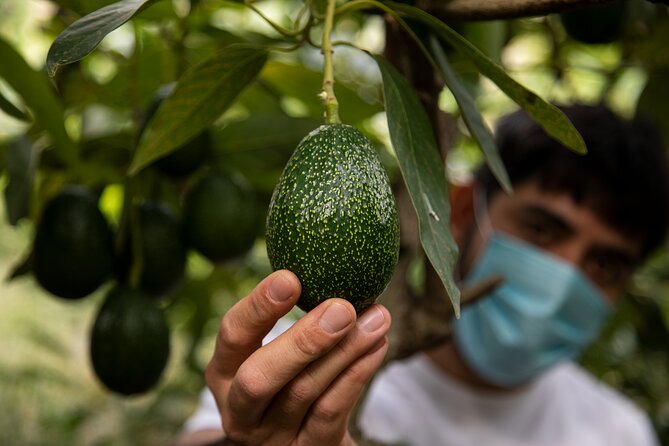
- Up to 30 tropical fruit types: the walk compares fruit trees side by side, so it’s more than a coffee stop.
- Sustainable farming explanations: the tour connects the farm’s practices to water and biological balance.
- A guide who can switch languages: Manolo Mateos is frequently praised for communicating smoothly.
- Max 15 travelers: you won’t feel lost in a crowd.
- Steep terrain: it’s a hike on a slope, so plan for comfort and heat.
La Herradura’s coffee plantation: why this detour makes sense
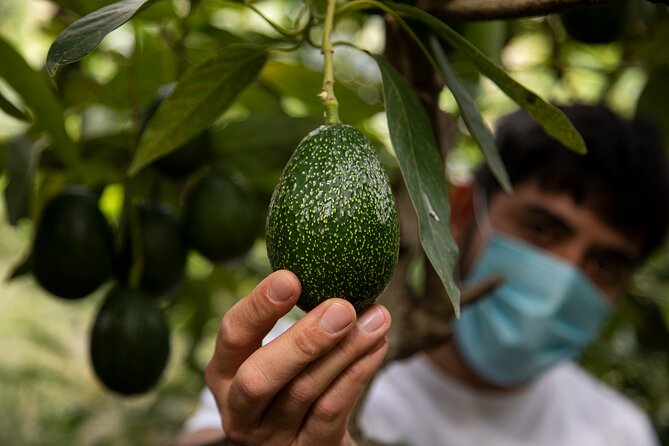
If you’re based around Malaga and you like travel that feels a bit different from the usual museum-and-meal routine, this is one of those rare tours that starts with a surprise. The whole premise is that you can visit the only coffee farm in Europe, and the day is built around walking through the finca in La Herradura while you learn why coffee can grow here at all.
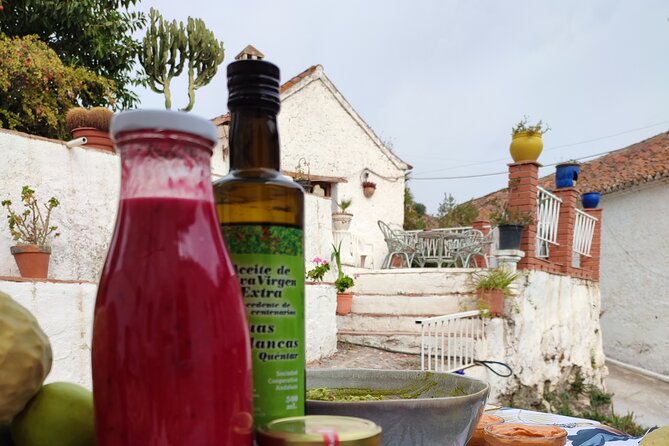
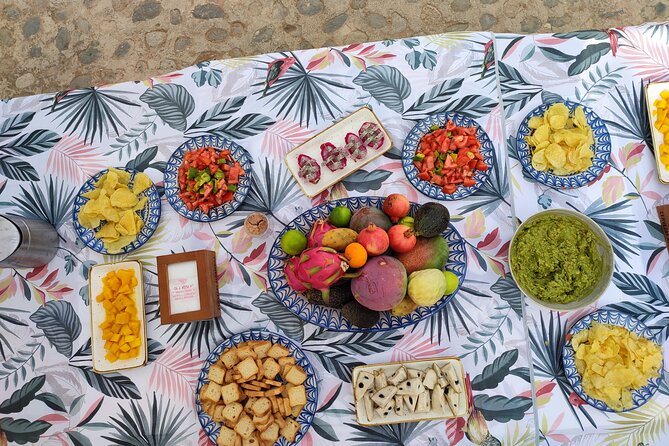
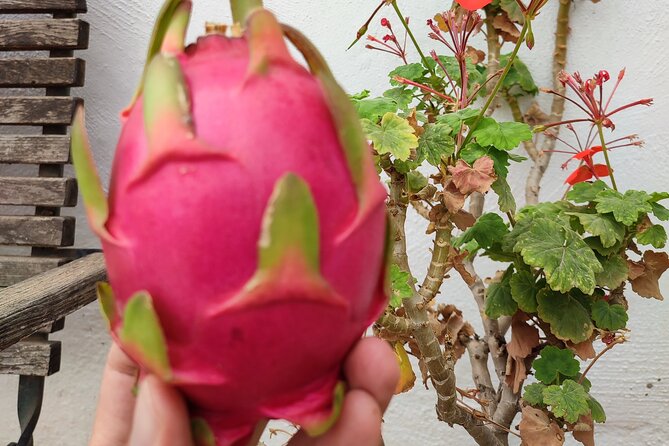
What makes the concept practical is that the tour isn’t only about coffee beans. You also get a guided look at tropical fruit trees, including avocados, mangoes, custard apples, lychees, red bananas, macadamias, pitayas (dragon fruit), and more. That matters because it gives you context. Even if you don’t care about coffee as a hobby, you’ll likely care about fruit growing, soil, water, and plant variety once you’re on the slope and seeing how it’s arranged.
The other reason this feels worth it is that the guide’s style is repeatedly mentioned as fun and inspiring, not just instructional. People bring kids, and they leave talking about fruit and coffee in a way that doesn’t happen on every tour.
You can also read our reviews of more guided tours in Malaga
What you’ll actually see on the walk (and what’s realistic)
The tour’s main action happens during the La Herradura walk. Expect an open-air stroll on a finca with steep areas. You’ll be shown coffee plants and many tropical trees, with explanations of how they grow and how the farm manages the balance between production and the surrounding ecosystem.
Here’s what you can realistically look forward to, based on what the tour describes and what people say they experienced:
- Coffee, right in the field: you’re not just in a shop pretending coffee grows somewhere else. You’ll see the plantation and hear how it’s maintained.
- Tropical fruit education that sticks: the guide points out multiple fruit varieties, and the comparisons make it easier to remember. Many visitors especially like learning what a fruit plant needs to thrive.
- Wildlife spotting, if you’re lucky: with a bit of luck, you may see things like chameleons, eagles, partridges, owls, wild goats, and wild boars. You’re not guaranteed wildlife, but the fact that the walk happens in a real agricultural habitat is what makes it possible.
One practical note: because it’s a slope, you’re walking on uneven ground. The tour specifically recommends avoiding the hottest hours, wearing comfortable closed shoes, and hydrating properly. That’s not a “suggestion for safety” line. It affects how much you enjoy the tour.
Coffee plus tropical fruit: how the itinerary keeps it from feeling repetitive
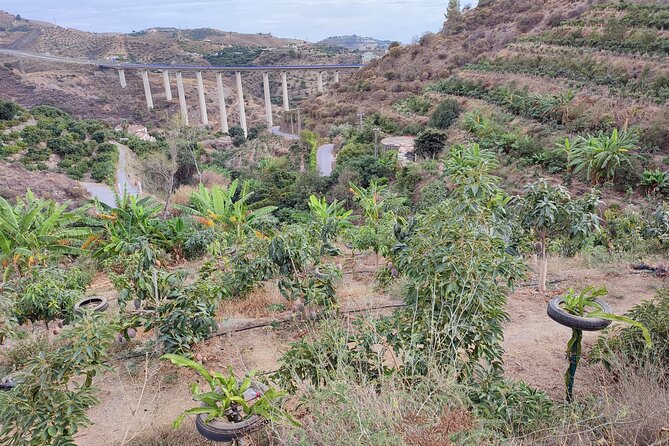
Even though there’s just one stop, it doesn’t feel like one-track sightseeing. The tour is built to layer three things:
1) The coffee plantation
2) The tropical fruit orchard system
3) The farm’s sustainability logic
At first, that might sound like a lot to cram into roughly 1 hour 10 minutes to 1 hour 30 minutes. In practice, the structure works because the guide moves you tree to tree and coffee to coffee while explaining the same themes in different forms: water use, biological balance, and closing the circle of water and matter.
The tropical fruit variety also changes your experience as you go. One moment you’re seeing trees tied to familiar flavors like mango and avocado. The next you’re learning about less common fruit plants, like custard apples, lychees, and pitayas. Several visitors say their kids started out curious and left loving the idea of eating fruit directly from the plant.
If you came for coffee only, you’ll still get coffee context. But if you’re the type of traveler who enjoys learning how food is grown, the fruit component is a big part of the value.
Sustainable farming talk you can connect to real plants
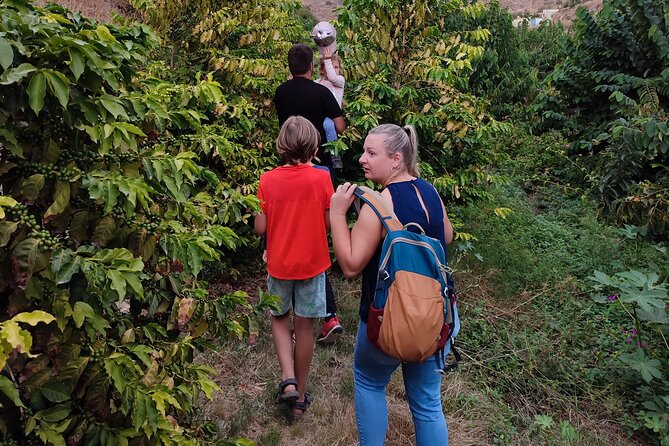
The tour promises sustainable agricultural practices and biological balance, plus an explanation of how the farm manages water and matter cycles. That’s the part I like most when these kinds of tours are done well: you don’t want a lecture that could happen anywhere.
Here, the sustainability themes are tied to what you can see in the plantation. You walk the ground, you notice how trees are organized, and the guide explains the approach while you’re there. People mention feeling respect for the challenges of running an ecologically responsible tropical farm, which makes sense because tropical farming can be demanding: water management, soil health, and keeping pests and balance in check without turning the landscape into something sterile.
It’s also a good fit for travelers who get turned off by purely “marketing” farm tours. You’re learning how the system works, not just being told it’s great.
Meeting Manolo Mateos: multilingual, story-driven, and very human
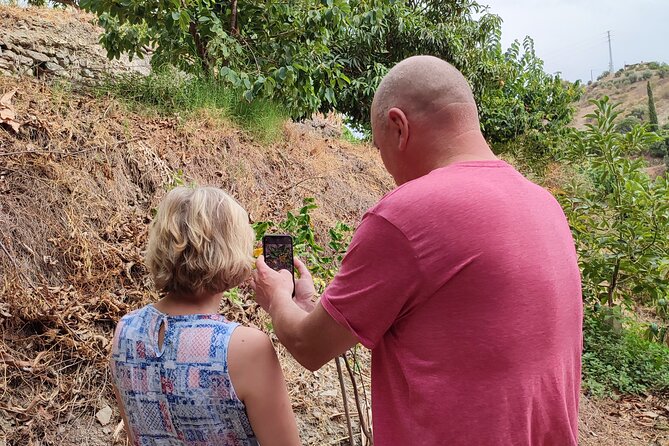
You’ll meet the owner-guide, Manolo Mateos. Many people specifically praise his personality: engaging, entertaining, and able to explain the farm in a way that feels hopeful rather than preachy.
A few practical details from the experience that help you get the most out of it:
- Language support matters: the tour is offered in English, and Manolo is repeatedly praised for speaking multiple languages. If you’re traveling with anyone who prefers a different language, this is a major comfort factor.
- He handles questions well: people describe laughter mixed with learning, which usually means you’re encouraged to ask stuff.
- Kids feel included: multiple families mention bringing young children and feeling that the guide kept them involved rather than treating them as an interruption.
There’s also a nice “real person” element to how people describe the visit: it’s not just a staff member checking boxes. It feels like you’re touring with someone who lives the project.



Price and value: why $18.15 can still feel like a bargain
At $18.15 per person, this is priced as an easy add-on day activity. The duration of about 1 hour 10 minutes to 1 hour 30 minutes means you’re not surrendering half your holiday to one booking, and the group limit of 15 travelers helps keep it personal.
What you get for the price:
- Guided walking tour in English
- Access to the coffee plantation and tropical fruit variety explanations
- A 15% discount on fruit purchases (so if you want something to take home, the tour actively helps you get better value)
What’s not included:
- Local wine and tapas (so don’t build your budget as if lunch is part of the deal)
How I’d frame the value: if you want a coffee-focused tour that also teaches you about tropical fruit agriculture and sustainability, this is a strong deal. If you only want to drink coffee and leave, you might feel like you wanted more tasting or a longer time in a café setting. The experience is primarily a guided walk, with farm purchasing possible at the end.
Getting there and planning the timing near Malaga
The tour starts in La Herradura (meeting point listed as Q723+V5 La Herradura) and ends at an address in the area of Granada (diseminado Rio Jate Pol). That end point matters because you may not finish back where you started.
Here’s the practical advice I’d follow:
- Start early-ish if you can. The tour warns about the steep slope and recommends avoiding the hottest hours.
- Plan your return transport in advance. One clear note from experience on this route: there is no Uber service for the return. You’ll want to organize a lift to the main town or book a local taxi before you get dropped off at the farm.
- If you arrive by taxi, notify the guide ahead so he can meet you and handle the uphill access. The tour is on a slope, and people say that advance coordination helps.
You can also pair it with other nearby time. If you want beach towns after, the area around La Herradura and Almuñécar is a natural match.
Who this tour suits best (and who should think twice)
This is one of the better tours for people who like hands-on learning. You’ll likely enjoy it most if you:
- Want a break from typical city sightseeing
- Like food agriculture and want to see how it’s grown
- Travel with kids and want them engaged by something visual and sensory
- Appreciate sustainability when it’s connected to a place
You might think twice if you:
- Have seasonal pollen allergies. The tour isn’t recommended for seasonal pollen allergy sufferers.
- Don’t feel comfortable with moderate physical activity. The guidance says travelers should have moderate physical fitness due to the slope.
- Need a fully flat, stroller-friendly route. It may be doable for some families with planning, but steep terrain is part of the deal.
Good news for mobility planning: the tour does say service animals are allowed.
Quick planning checklist before you book
- Wear comfortable closed shoes for a steep, outdoor walk.
- Bring water and plan to avoid the hottest hours.
- If you’re allergy-prone, contact the tour beforehand.
- Expect a guided walk that mixes coffee + tropical fruit + sustainability more than it mixes food service.
Should you book this coffee-in-Europe tour?
Book it if you want something memorable, educational, and not too long. The combination is rare: a coffee plantation angle plus tropical fruit diversity plus sustainability talk, all delivered by a guide who’s known for being engaging in multiple languages.
Skip it (or ask questions first) if you’re uncomfortable with a slope or you know seasonal pollen triggers you. Also, set expectations: this is not primarily a wine-and-tapas stop. The tour is centered on the plantation walk, with farm purchases and discounts as a natural ending point.
If you’re the kind of traveler who loves learning by walking through the real thing, this is the type of short tour that makes a day feel special without taking over your whole schedule.
FAQ
How long is the Guided Tour to the only coffee farm in Europe?
It runs about 1 hour 10 minutes to 1 hour 30 minutes.
How much does the tour cost?
The price is $18.15 per person.
Where does the tour start and where does it end?
It starts in La Herradura (meeting point listed as Q723+V5 La Herradura) and ends at a location listed in the Rio Jate Pol area near Granada.
Is the tour offered in English?
Yes, it’s offered in English.
What’s included in the price?
You get the guided tour experience, and there’s a 15% discount on fruit purchases.
Is there a limit on group size?
Yes. The maximum number of travelers is 15.
Is there a steep climb involved?
Yes. The tour is described as having a steep slope, and closed shoes plus hydration are recommended.
Is it suitable for people with moderate physical fitness?
Travelers should have a moderate physical fitness level.
Is the tour recommended if I have pollen allergies?
It’s not recommended for seasonal pollen allergy sufferers.
What happens if weather is poor or plans change?
The experience requires good weather. If it’s canceled due to poor weather, you’ll be offered a different date or a full refund. Cancellation is free, with full refunds available if you cancel at least 24 hours in advance.