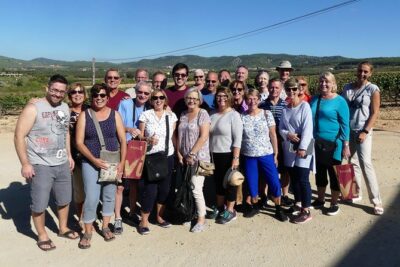
REVIEW · LA HERRADURA
La Herradura Coffee Farm: tour in Europe’s only plantation
Book on GetYourGuide →Operated by Almuñécar Mateos Invest SL · Bookable on GetYourGuide
La Herradura Coffee Farm turns a short walk into a real lesson in how food grows in Andalusia, not just what it tastes like. You’ll get to see coffee plants and a surprising mix of tropical fruit growing together in a warm coastal microclimate, with a guide who loves explaining the details. It’s a compact tour, but it covers planting, harvest, and roasting basics in a setting that feels like a small greenhouse turned into a hillside orchard.
I especially like two things. First, the farm is genuinely unusual in Europe—coffee is grown here close to Nerja—so the whole visit feels purposeful, not touristy. Second, you’re walking through organic fruit and coffee systems side by side, including older, named plantings like a centennial chirimoya and a long-lived mango tree.
One thing to plan for: the route has two steep areas. They build in pauses and there are chairs, but this isn’t a flat stroll, and it’s not suitable for wheelchair users or people with low fitness.
In This Review
- Key things to notice before you go
- Europe’s Only Coffee Plantation Close to Nerja
- The 70-Minute Walking Route: What You See and Why It Matters
- Coffee Plants Up Close: More Than a Coffee Photo Op
- Tropical Fruits Everywhere: 30+ Varieties in One Place
- Organic + Permaculture + Water Planning: The Farm’s Real Theme
- The 300-Year-Old Cortijo Stop: Shopping with a Story
- Price and Value: Why $17 Works Here
- Who This Tour Suits (and Who Should Skip It)
- Practical Tips: Shoes, Pauses, and Meeting the Right Place
- Should You Book La Herradura Coffee Farm?
- FAQ
- How long is the La Herradura Coffee Farm tour?
- Where do I meet the guide, and does it differ from where I end?
- Is hotel pickup and drop-off included?
- Are food and drinks included?
- Can I buy coffee or fruit at the end?
- Is the tour mostly flat or does it include steep parts?
- Is it suitable for wheelchair users or people with mobility impairments?
- What languages are the tours offered in?
- What should I bring?
- What is the cancellation policy?
Key things to notice before you go
- Europe’s only coffee plantation experience so coffee is the star, not a side story
- Organic, pesticide-free growing plus hands-on explanations of how the farm works
- 30+ exotic fruit types thriving thanks to the local Mediterranean conditions
- A 70-minute guided walking route that ends with purchases at a historic cortijo
- A guide-led format that stays lively, practical, and family-friendly in the right way
Europe’s Only Coffee Plantation Close to Nerja
If you’re already in the Costa del Sol for beaches and viewpoints, this is the kind of stop that adds a different flavor: dirt under the fingernails, in a good way. La Herradura Coffee Farm is about 10 minutes from Nerja, and it’s also close to La Herradura beach—so you can combine it with a sea day without losing your whole morning.
The big reason I think it’s worth your time is simple: this is an actual coffee farm in Europe, not a museum display. When you’re standing among productive coffee plants, the details about growing make instant sense. The guide points out how the plants fit into the broader orchard, where tropical fruit thrives nearby.
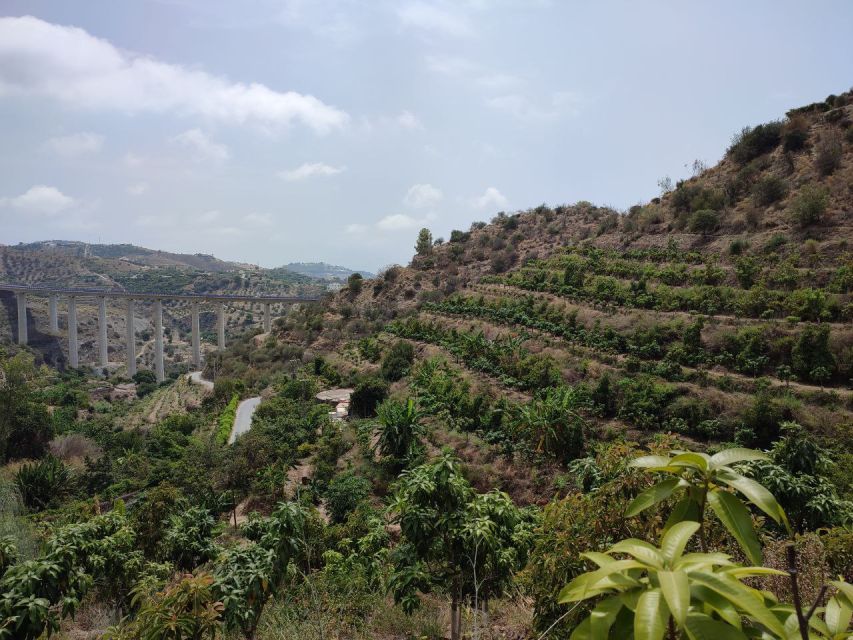
And because the farm sits in La Herradura, you’re not just walking between rows. You get that Mediterranean hillside feel—warm air, sea views at certain angles, and a microclimate that helps explain why this orchard can support so many crops together.
You can also read our reviews of more tours and experiences in La Herradura.



The 70-Minute Walking Route: What You See and Why It Matters
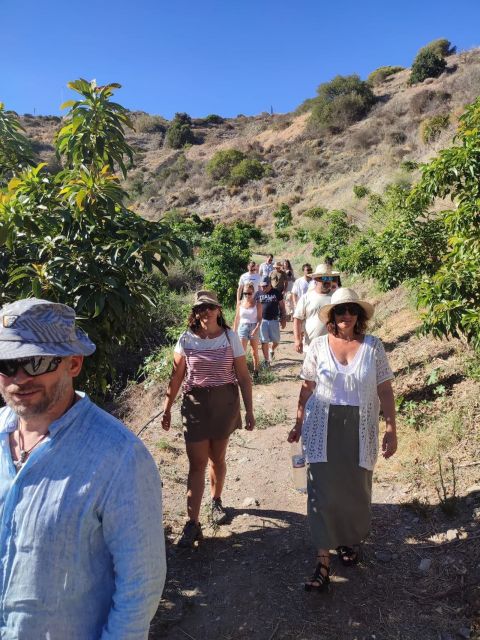
This is a 70-minute guided walking tour, and it’s built around moving at a comfortable pace through the plantation. You’ll start at one of the two meeting options, then head into the coffee-and-fruit areas where the guide explains how cultivation works.
Expect a route with a couple of steep sections. The tour includes pauses, and there are chairs available, which makes a difference if you need to catch your breath. Still, wear comfortable shoes and plan on a bit of effort—especially in the warmer parts of the day.
During the walk, you’ll focus on three things:
- Organic cultivation of coffee and what makes growing it challenging
- How harvest and roasting fit into the farm’s workflow (you’ll get the basics, not a factory tour)
- How the farm combines coffee and tropical fruit, so you can see a full system rather than isolated plants
You end at a 300-year-old Andalusian cortijo, which helps the tour land in a memorable way. It’s not just a return-to-your-start moment. It’s where the farm’s story becomes real in practical form: seasonal fruit, local products, and roasted coffee available for purchase.
Coffee Plants Up Close: More Than a Coffee Photo Op

Coffee on the Mediterranean coast sounds exotic, but the tour makes it clear it’s also agricultural work—careful, patient, and dependent on conditions. You’ll walk past productive coffee plants and hear how the farm approaches the crop through organic methods.
This is where I like the tour’s tone. The guide doesn’t treat coffee like a magic ingredient. Instead, you learn how coffee fits into the farm’s broader strategy, including water planning and soil regeneration. When you connect those dots, you understand why a coffee farm can exist here at all.
Also, coffee isn’t shown alone. You’re surrounded by other crops, which makes the explanation easier to follow. You can see the “forest and orchard” idea, where different plants share the same weather patterns and the farm’s organic approach.
Tropical Fruits Everywhere: 30+ Varieties in One Place

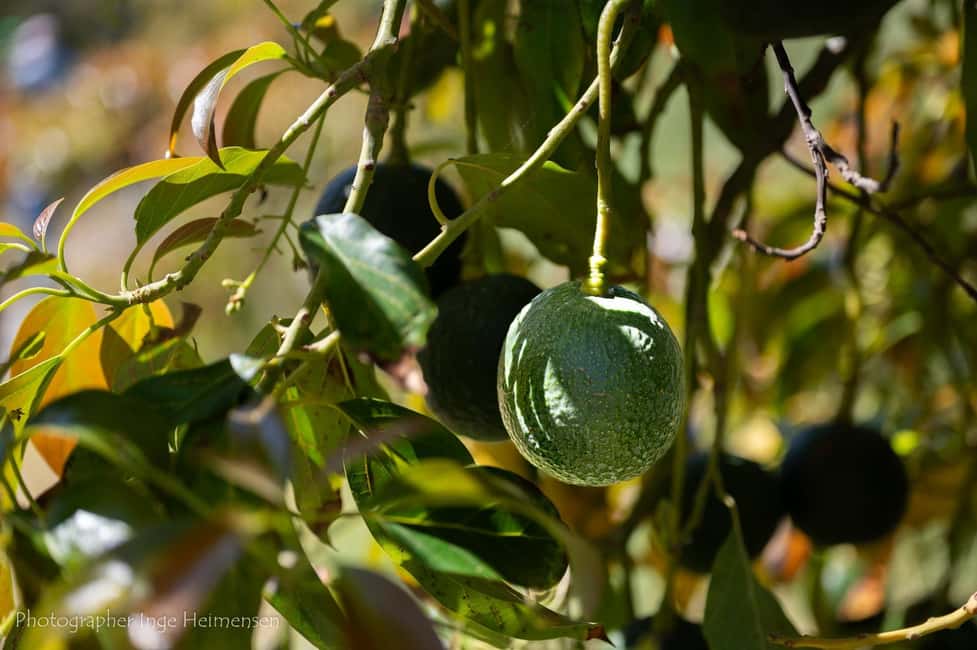
The farm’s second big draw is the fruit orchard. You’ll see up to 30 different types of exotic fruits growing in the same general area, which is a lot to take in during a short tour. If your brain loves variety—mangoes, avocados, dragon fruit, chirimoya—you’ll feel like you’re walking through a botanical quiz.
Some of the standout plants you can expect to hear about include:
- Spain’s oldest mango tree
- Centennial chirimoyas
- Dragon fruit plants
- Sugar cane
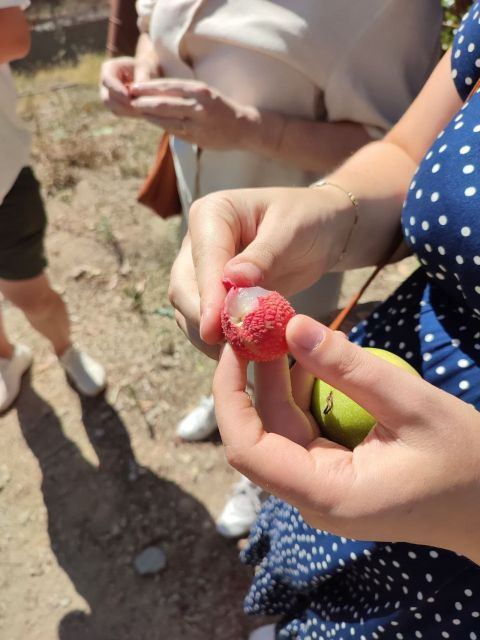
- Lychees
- A low-water avocados planting area
What I find useful for planning is how the guide frames it: it’s not random planting. The farm’s layout and plant choices are tied to organic practice, permaculture thinking, and how to handle water in this environment.
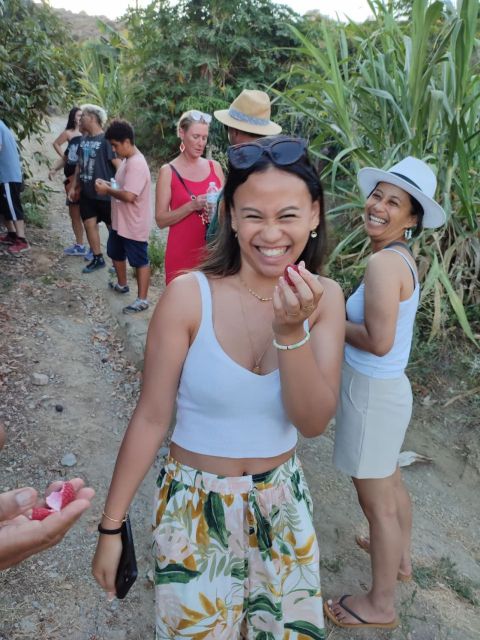
And yes, there’s a sensory side. The air around flowering plants and lush orchards is part of the experience, and you may get chances to sample some fruit from the farm. One review even highlights tasting and smelling fruits and leaves, which is the kind of detail that makes this feel like more than a sightseeing walk.
Organic + Permaculture + Water Planning: The Farm’s Real Theme
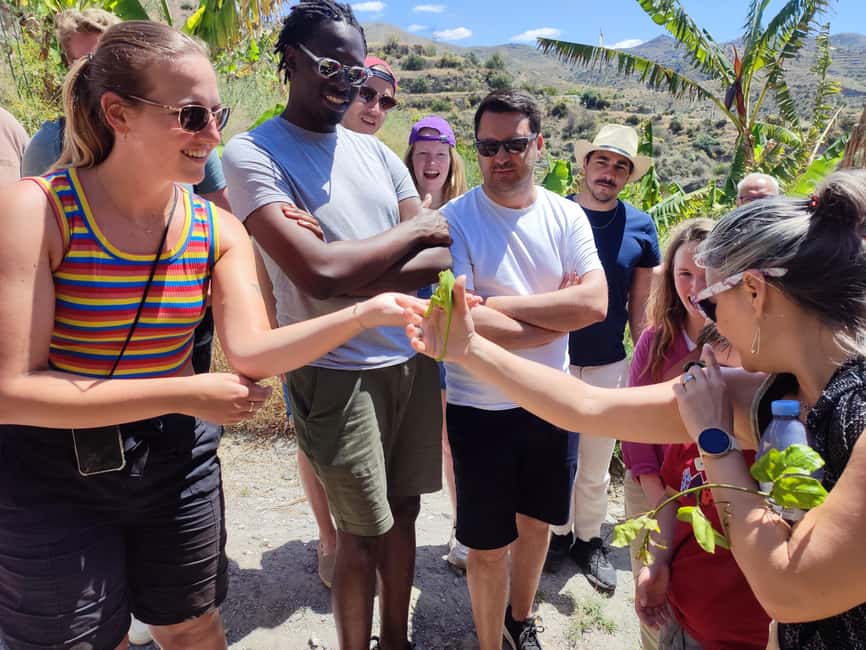
Here’s what separates this tour from a basic orchard visit: you get the farming “why,” not just the plant “what.”
The guide explains the challenges of developing an organic farm in the local climate. That includes avoiding pesticides, supporting healthy soil, and using methods that help the farm stay productive without relying on quick fixes. You’ll also hear about permaculture and soil regeneration, plus how they manage water optimization.
For me, this is where the experience becomes practical. You come away understanding that “organic” isn’t a brand label here—it’s a set of decisions about water, soil health, and long-term plant care. In a place where summer heat and coastal conditions shape everything, the farm has to think ahead.
The tour also connects those lessons back to what you can see. When you notice different growth habits and plant groupings, it starts to feel like a living plan rather than a collection of trees.

The 300-Year-Old Cortijo Stop: Shopping with a Story
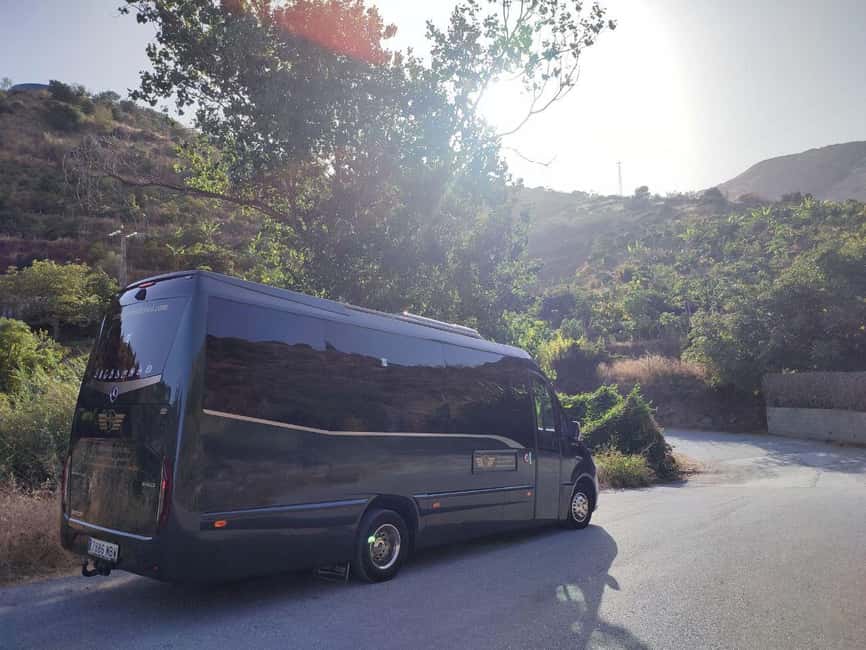
The tour ends at a 300-year-old Andalusian cortijo, and this is more than a nice historic backdrop. It’s the place where the farm turns into something you can take home.
You’ll have the chance to buy:
- Seasonal fruit from the farm
- Local products
- The farm’s roasted coffee
This is also where the guide’s personality matters. Many visits are led by the owner—often named Manuel or Manolo in the guide stories people share—and the explanations tend to feel personal, not scripted. If you ask a question on cultivation or fruit ripeness, you’re more likely to get an actual answer than a rehearsed line.
One small thing to consider: a few people wish there were more built-in tastings during the walk. The good news is that the farm experience still delivers with fruit you can sample and products you can purchase at the end. If tasting coffee is a top goal, focus on the roasted coffee sales stop and ask your guide what’s available that day.
Price and Value: Why $17 Works Here
At about $17 per person for roughly 70 minutes, the value comes from a rare combination:
- a short walk that covers multiple crops (coffee plus tropical fruits)
- a small, specialty setting (Europe’s only coffee plantation experience)
- a real end-stop where you can buy directly from the farm
If your Costa del Sol trip already includes beaches, this tour fills a different space in your day. You’re not paying for a view only—you’re paying for access to a working agricultural project and the explanations behind it.
It’s also a good “learn while you move” outing. You’re getting practical agriculture concepts—organic farming, water planning, permaculture—without needing a whole-day excursion. At this length and price point, it fits easily into a half-day plan.
Who This Tour Suits (and Who Should Skip It)
This tour makes sense if you like hands-on learning and unusual agriculture. It’s also a great fit for families who enjoy nature, since the orchard setting and the variety of crops tend to keep kids curious.
You’ll want to skip it (or choose a different activity) if you have mobility limitations or you’re using a wheelchair. The route includes steep areas, and the tour isn’t intended for low-fitness walkers. Also, it’s not suitable if you have insect allergies or heart problems, so don’t assume you can “power through.”
If you’re sensitive to heat, plan your timing and wear breathable clothes. The experience includes walking in an outdoor hillside farm setting, and that’s part of why you’ll enjoy it.
Practical Tips: Shoes, Pauses, and Meeting the Right Place
Do two things before you go: wear comfortable shoes and confirm the meeting point you booked, since it can vary. The end point is different from the starting location, so you don’t want to guess and accidentally arrive at the wrong place.
Bring what you need for an outdoor walk:
- Comfortable shoes (non-negotiable here)
- Sunscreen is a smart idea in Andalusia; one guide reminder people share is to not forget it
Also, follow the farm rules: no littering, no making fire, and no smoking. It’s a working organic plantation, and those rules help keep the environment stable.
For the steep sections, don’t stress. The tour includes pauses and chairs, but you should still expect some uphill movement.
Should You Book La Herradura Coffee Farm?
Book it if you want an authentic, compact farm visit with a real point of difference: coffee grown in Europe, plus a big tropical fruit mix in an organic system. For the price, it’s one of those outings that feels educational without getting heavy, and it ends with practical take-home options like roasted coffee and seasonal fruit.
Skip it if your priority is a fully flat, low-effort stroll. With steep parts and clear suitability limits, this is better for people who can handle a short hike-style walk.
If you’re going to Nerja or La Herradura anyway, this is one of the best ways to add agriculture and local farming into your day—without turning it into a half-day logistics puzzle.
FAQ
How long is the La Herradura Coffee Farm tour?
The tour lasts about 70 minutes.
Where do I meet the guide, and does it differ from where I end?
The meeting point can vary depending on which starting option you book. The ending location is different, and it’s at Herradura Coffee and Fruit Farm, Finca La Herradura, with a visit to Almunécar.
Is hotel pickup and drop-off included?
No. Hotel pickup and drop-off are not included.
Are food and drinks included?
Food and drinks are not included.
Can I buy coffee or fruit at the end?
Yes. The tour ends at a 300-year-old Andalusian cortijo where you can buy seasonal fruit, local products, and roasted coffee.
Is the tour mostly flat or does it include steep parts?
There are two steep areas. The guide includes pauses and there are chairs available, but it still involves uphill walking.
Is it suitable for wheelchair users or people with mobility impairments?
No. It is not suitable for people with mobility impairments or wheelchair users.
What languages are the tours offered in?
The live tour guide is offered in English, French, Spanish, and German.
What should I bring?
Wear comfortable shoes.
What is the cancellation policy?
You can cancel up to 24 hours in advance for a full refund. There is also an option to reserve now and pay later.