REVIEW · LANZAROTE
Lanzarote: Sea Safari Experience
Book on GetYourGuide →Operated by Sea Safaris Lanzarote S.L · Bookable on GetYourGuide
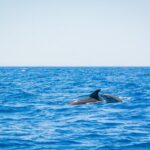
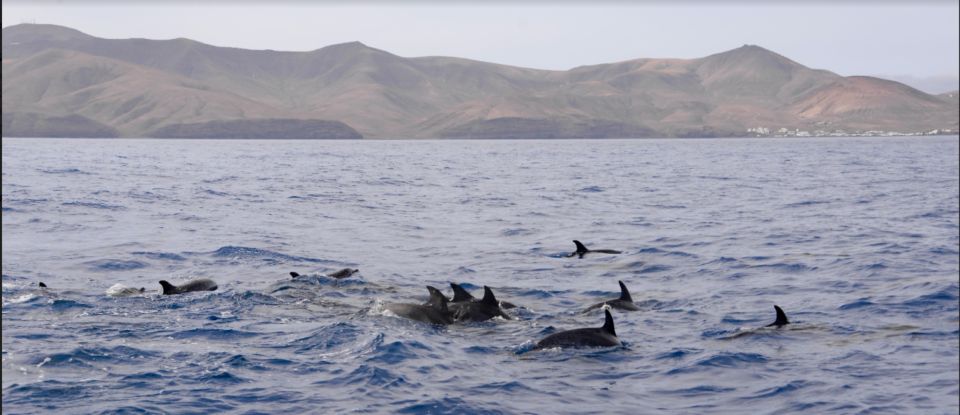
Whales and volcanic cliffs share the same horizon. This Lanzarote sea safari mixes a real chance of seeing dolphins and whales with a front-row view of the island’s dramatic, dormant-volcano shoreline. The ride out along sheer volcanic cliffs feels like you’re seeing Lanzarote from a whole different planet.
What I really like is the way you’re not just scanning the water—you learn on board with a skipper plus a marine/cetacean expert guide (and if your crew includes Maria and Jorge, people are clearly impressed by the energy and spotting skills). The boat is a small 10-person setup, with life jackets and even a hydrophone for cetacean listening. One drawback to consider: the boat is relatively small and there’s no mention of onboard toilets, so if you’re sensitive to motion, plan for a potentially bouncy ride.
In This Review
- Key things that make this sea safari click
- A 3-hour sea safari with Lanzarote’s wild coast as the backdrop
- Your motor trimaran: fast, stable-ish, and built for spotting
- Who you’ll learn from: skipper + marine expert + cetacean focus
- How whale and dolphin searching actually works (and why you’ll care)
- Volcanic cliffs, dormant volcano shapes, and the views you don’t get from shore
- Comfort and motion: what to bring, what to skip, and how to avoid a miserable ride
- Price and value: is $71 a fair deal for Lanzarote marine life?
- Who should book (and who should think twice)
- Quick tips for the day: where to meet and how to not miss the boat
- Should you book this Lanzarote sea safari?
- FAQ
- How long is the Lanzarote Sea Safari Experience?
- Where do I meet the Sea Safaris team?
- What’s included in the ticket price?
- What’s not included?
- How big is the group?
- What languages are offered on the tour?
- What should I wear or bring?
- Are there any rules about footwear or smoking?
- Is the tour suitable for everyone?
Key things that make this sea safari click
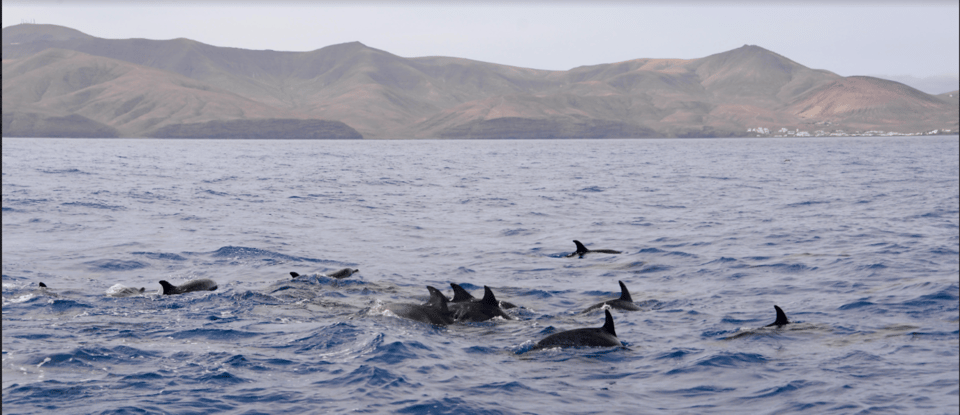
- Small group, up close spotting: Limited to 10 participants, so you’re not stuck behind a crowd.
- Expert help with cetaceans: Skipper plus marine expert and cetacean focus on board.
- Real Lanzarote coastline views: Volcanic cliffs and coast angles that you can’t get from shore.
- Hydrophone on board: You may get a chance to listen for cetacean activity.
- Modern, powerful trimaran: 8.6-meter OLBAP TR8 with a 250 H.P. Mercury Verado engine and navigation tech.
- Simple, no-food format: Great for a quick morning or afternoon outing—just plan meals/drinks separately.
A 3-hour sea safari with Lanzarote’s wild coast as the backdrop
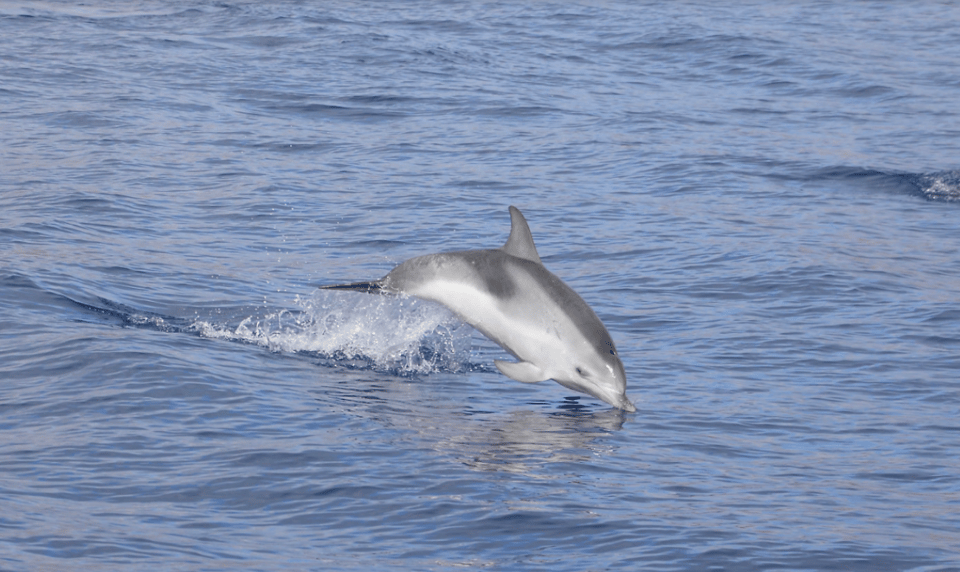
This is the kind of trip that makes sense the moment you picture Lanzarote properly: black-and-brown volcanic rock, rugged coastlines, and the Atlantic doing what the Atlantic does. You spend around 2–3 hours on the water (the activity is listed as 3 hours), cruising out with a motorized trimaran and a team trained to spot marine life.
In practical terms, that time window is ideal. It’s long enough to get out into productive waters and search for cetaceans, but not so long that you’ll be mentally exhausted when you’re still chasing your best sighting. If you’re staying in Lanzarote for only a few days, this also slots easily into a day without eating your whole itinerary.
The vibe is very “on the water, not in the museum.” You’re learning as you go, scanning for spouts and fins, and then shifting gears to enjoy the coast views when the sea goes quiet. That balance is what makes the experience feel worth it even on a slower day.
A few more Lanzarote tours and experiences worth a look
Your motor trimaran: fast, stable-ish, and built for spotting
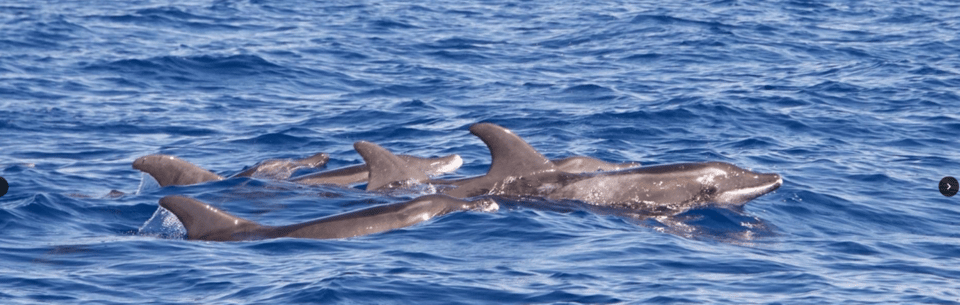
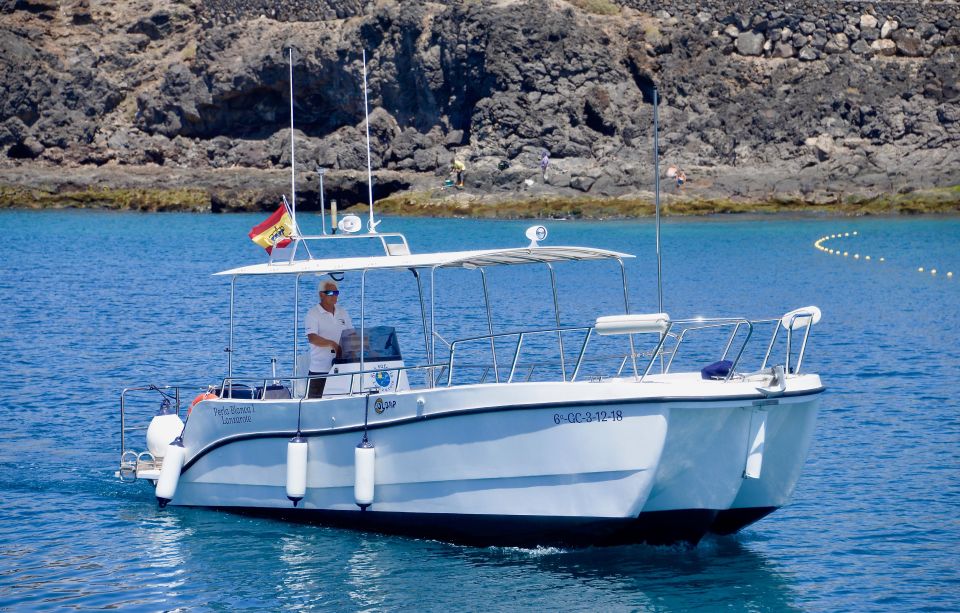
The boat is a modern 8.6-meter OLBAP TR8 motor trimaran, licensed to carry up to 15 people. It’s powered by a Mercury Verado 250 H.P. four-stroke outboard, and it comes with practical safety/navigation gear like autopilot and an electronic chartplotter plus two VHF DSC radios. Translation: this isn’t an old-school “hope the skipper knows the sea” setup. They’ve got the hardware and the experience.
A trimaran usually helps with stability compared to a single-hull boat, and a powered motorcat keeps the trip moving efficiently when sightings are reported or when they need to adjust course. Still, keep expectations realistic. One review-style concern that matters to you: a few people felt the boat motion was strong enough to trigger seasickness. So if you’re the type who gets queasy, don’t ignore that.
Onboard, you’re also set up to learn. You’ll have life jackets, and the boat carries a hydrophone designed for listening to cetaceans. Even if you don’t hear anything clearly (marine sound depends on conditions), it’s a great reminder that this trip isn’t just visual—there’s a science angle here.
Who you’ll learn from: skipper + marine expert + cetacean focus
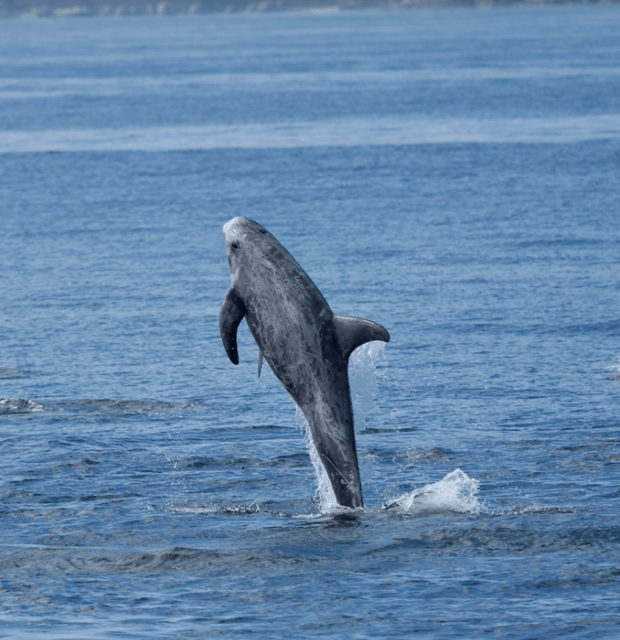
The experience is run by a family-owned operator with over two decades sailing around Lanzarote’s coastal waters. That kind of local time matters because coastal spotting isn’t just “try your luck.” It’s pattern recognition: water conditions, wind direction, where food may be, and how dolphins and whales behave offshore versus closer to shore.
What makes the difference for most people is the team aboard: an experienced skipper, a marine expert guide, and cetacean-focused instruction. You should expect a mix of practical and educational talk while you cruise—how to look for signs, what behaviors to watch for, and what species might be in the area when conditions line up.
The best sightings tend to come from more than luck. You want a guide who knows how to interpret the sea. Based on the way guests describe the spotting, the captain’s scanning range and timing are a big part of success—finding groups of dolphins and positioning the boat so you can actually see what you came for. If you get a team like the ones named Maria and Jorge in past trips, you’re likely to hear a lot of clear, upbeat guidance.
How whale and dolphin searching actually works (and why you’ll care)
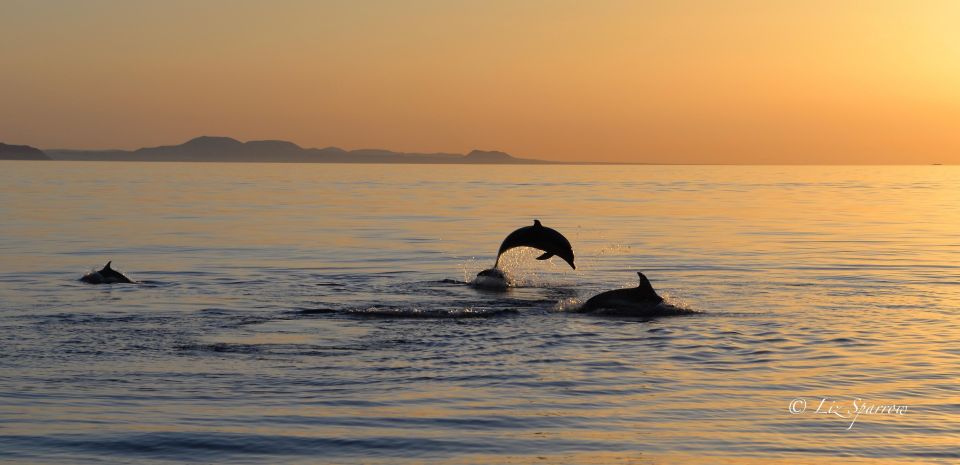
When you’re at sea looking for whales and dolphins, your brain wants to check the same areas over and over. The smart approach is to search efficiently and then react quickly. This tour is built around that: you cruise along the coast, and when sightings are possible, the skipper can adjust course while the marine/cetacean expert helps you read what you’re seeing.
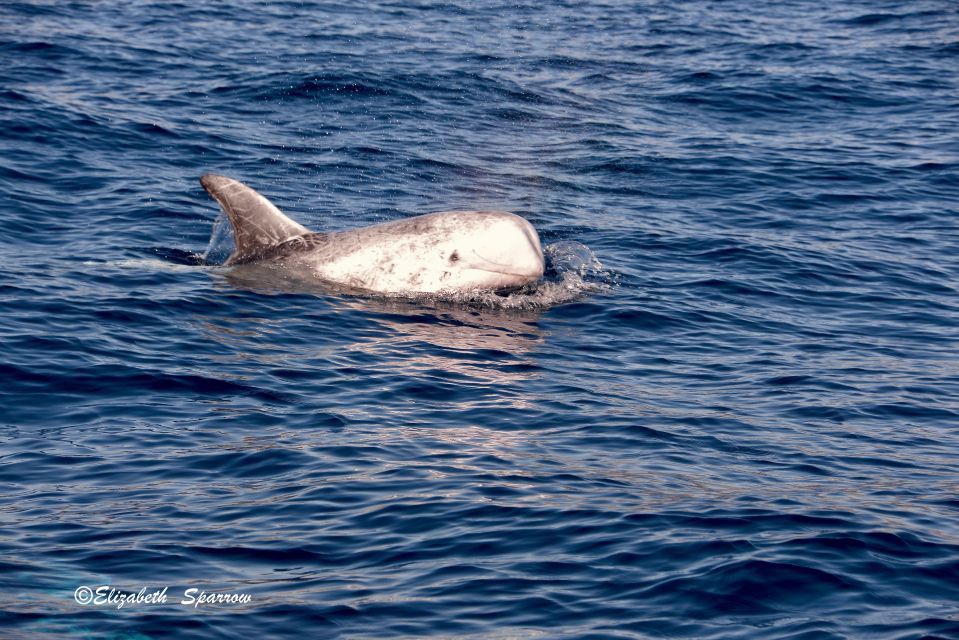
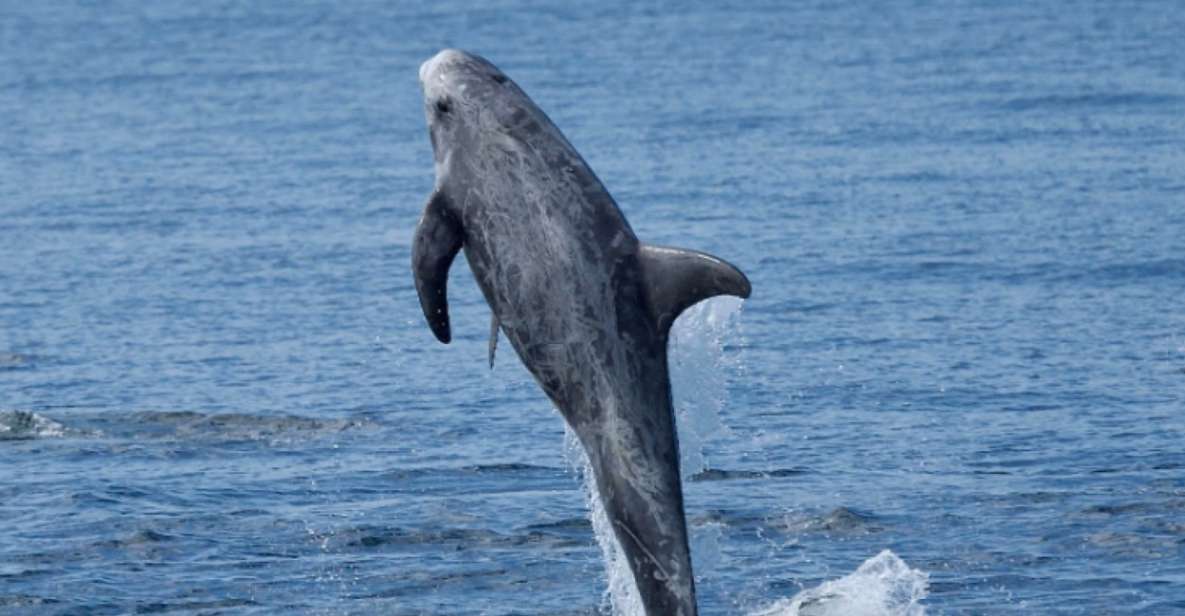
You’re not promised a specific animal count, but the mission is clear: discover whales, dolphins, and marine life in their natural habitat. In real-world terms, that means your experience is shaped by Atlantic conditions. On a calm, sunny morning, visual spotting can be easier. In rougher water, you may spot less—or you may still spot just fine, but you’ll feel it more in your body.
There’s also a learning payoff that kicks in when sightings happen. When the team explains what you’re seeing—how dolphins move in groups, what different behaviors can indicate, or what the hydrophone can reveal—it helps the sighting stick in your memory. It’s not just a fleeting “saw a fin” moment. You get context, which is why people talk about certain encounters feeling magical.
Volcanic cliffs, dormant volcano shapes, and the views you don’t get from shore
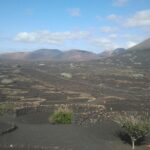
Lanzarote’s coast isn’t just pretty—it’s geology doing its best drama. As you cruise, you’ll take in the coastline with sheer volcanic cliffs and the unique topography created by dormant volcanoes. From the water, you see how deep the coastline cuts, where lava rock meets sea, and how the island’s shape changes as the coastline bends.
This part matters even if wildlife spotting is slower. Why? Because you’re getting a rare viewpoint. Most people stand on the promenade and look out. Here, you’re moving along the edge of the island while the Atlantic opens up around you, and that changes your sense of scale fast.
Also, the “coast cruising” segment helps with timing. It’s not constant staring at the water. You get those coast views, a chance to reset, and then you shift back into spotting mode. That rhythm makes the tour feel more relaxed than a pure chase.



Comfort and motion: what to bring, what to skip, and how to avoid a miserable ride
This is where I’d be practical about your day.
What to bring
- Comfortable shoes (you’ll be on a boat; footing matters)
- Comfortable clothes (conditions can change quickly at sea)
The activity specifically says high-heeled shoes aren’t allowed, and there’s no smoking or vaping on board. That’s less about rules and more about keeping the shared space pleasant when the boat is moving.
Now the motion question. Because this is a small trimaran, it can feel lively. A past guest described strong motion and quick seasickness. You can’t control the ocean, but you can control your preparation:
- If you’re prone to motion sickness, consider taking medication before you go (ask your pharmacist what’s safe for you).
- Wear layers you can adjust, since wind and spray can change comfort fast.
- Try to sit where the ride feels smoothest (your skipper will guide you as you board).
Also, don’t plan on snacks or drinks to carry you through. Food and drinks aren’t included, so bring what you need to feel good during the tour, or plan to eat before/after.
Price and value: is $71 a fair deal for Lanzarote marine life?
At $71 per person, this trip sits in a mid-range zone for sea safari experiences. Whether it’s a good value comes down to what you want from the day.
If your top goal is wildlife and you prefer learning on board, the value is strong. You get:
- a small-group format (limited to 10 participants),
- an expert guide team (skipper + marine/cetacean focus),
- and purposeful time on the water (about 3 hours).
That combination increases your odds of a satisfying viewing experience compared to bigger, more crowded boats where people can’t see, or where the crew can’t respond quickly.
If your top goal is guaranteed sightings, the sea doesn’t work like that. Nature has its own schedule. But even then, the Lanzarote volcanic coastline views and the educational approach help the trip feel complete. This is a good bet if you’re flexible and you enjoy the search as much as the final sighting.
So I’d call it good value for the setup: small group, expert-led spotting, and a modern boat designed for coastal marine work.
Who should book (and who should think twice)
This sea safari is a great fit if you:
- love animals but also like explanations,
- want a few-hour marine outing without a full-day commitment,
- and enjoy getting out on the Atlantic rather than staying landlocked.
It’s also well-suited to groups of friends or couples because the format is small group and the focus stays on what’s happening around you.
Who might think twice:
- Children under 2 years are not suitable.
- Pregnant women are not suitable.
- If you’re very sensitive to motion, it’s worth planning extra carefully, since the boat is smaller and some guests reported strong motion.
If you’re in any of those categories, you can still enjoy Lanzarote, but you’ll probably want a different style of tour—something calmer or more spacious.
Quick tips for the day: where to meet and how to not miss the boat
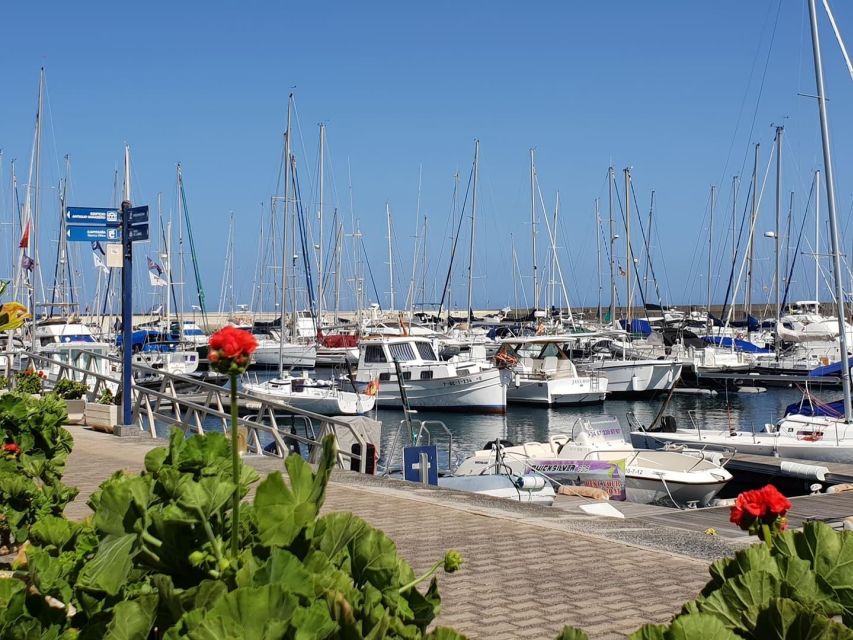
This is one of those tours where being early is your friend. Meet at the sea safaris board at the top of pontoon H. Plan to arrive 15 minutes before departure so you have time to get organized and settled.
The languages listed—Spanish, English, and German—also matter. You should expect guidance that works for your language, not just a checklist of facts.
And here’s the simple rule that keeps the day smooth: wear comfortable clothes, skip high heels, and keep the boat area smoke-free.
Should you book this Lanzarote sea safari?
I think you should book it if you want a compact, expert-led way to experience the Atlantic off Lanzarote. The mix of cetacean searching, marine learning, and volcanic coastline views is the kind of combination that makes a short trip feel like a full memory.
You should reconsider if you’re extremely prone to seasickness, you need onboard restroom access (not listed), or you’re in a category marked as not suitable. For everyone else—especially if you can handle a few hours outdoors and you’re excited about seeing dolphins and possibly whales—the odds are good that you’ll leave with great stories.
FAQ
How long is the Lanzarote Sea Safari Experience?
The tour duration is listed as 3 hours (it also notes tours last about 2–3 hours depending on the departure times).
Where do I meet the Sea Safaris team?
Meet at the Sea Safaris board at the top of pontoon H.
What’s included in the ticket price?
Included items are life jackets and the boat safari.
What’s not included?
Food and drinks are not included.
How big is the group?
The group is small, limited to 10 participants.
What languages are offered on the tour?
The live tour guide is offered in Spanish, English, and German.
What should I wear or bring?
Bring comfortable shoes and comfortable clothes.
Are there any rules about footwear or smoking?
High-heeled shoes aren’t allowed, and smoking and vaping are not allowed.
Is the tour suitable for everyone?
It’s not suitable for children under 2 years and pregnant women, based on the activity’s guidance.