REVIEW · LANZAROTE
Whale & Dolphin Observation on Silent Catamaran with Hydrophone
Book on Viator →Operated by WeWhale · Bookable on Viator
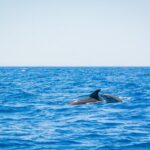
A whale and dolphin trip that’s actually quiet. On this silent and emission-free catamaran, you sail from Puerto Calero and get a chance to listen via hydrophone while you watch for spouts. I especially like the small group size (lots of room on a 14-meter boat) and the onboard snacks and drinks that make the time feel easy. One possible drawback: the hydrophone isn’t necessarily used the whole trip, since it’s meant for moments when whales or vocalizing dolphins are nearby.
If you’re choosing this in Lanzarote, think of it as a mix of wildlife viewing and sound-focused sightseeing. You leave from Puerto Calero around 9:00 am and return after about 3 to 4 hours, usually with time to settle in, watch the horizon, and enjoy the calm pace.
In This Review
- Key highlights worth planning around
- Puerto Calero Morning: Quiet Sailing on a 14-Meter Catamaran
- How the Hydrophone Actually Fits the Whale-Watching Plan
- Searching the Open Sea: What Responsible Viewing Looks Like
- Comfort Onboard: Snacks, Drinks, and What to Wear
- Price and Value: Why This Costs More Than a Basic Whale Cruise
- Best-Fit Travelers: Who Will Enjoy This Most
- Tips That Help You Get More Out of Every Minute
- Should You Book This Whale and Dolphin Tour from Puerto Calero?
- FAQ
- How long is the whale and dolphin observation cruise?
- Where is the meeting point, and what time does the tour start?
- What is the maximum group size?
- Is the hydrophone used during the entire trip?
- Are snacks and drinks provided?
- Is the tour offered in English?
- What happens if the weather is poor?
- Can I cancel for a full refund?
- Are service animals allowed, and is it suitable for most people?
Key highlights worth planning around
- 100% silent, emission-free sailing: less noise out on the water, which fits the whole listening idea.
- Hydrophone on board (when conditions fit): you may get whale and dolphin calls, but it depends on animal behavior.
- Max 12 people on a 14-meter catamaran: you’ll feel the difference versus crowded tours.
- Snacks and drinks during the cruise: practical comfort for a few hours at sea.
- Responsible wildlife approach: the crew doesn’t chase animals, so sightings can be farther away.
Puerto Calero Morning: Quiet Sailing on a 14-Meter Catamaran
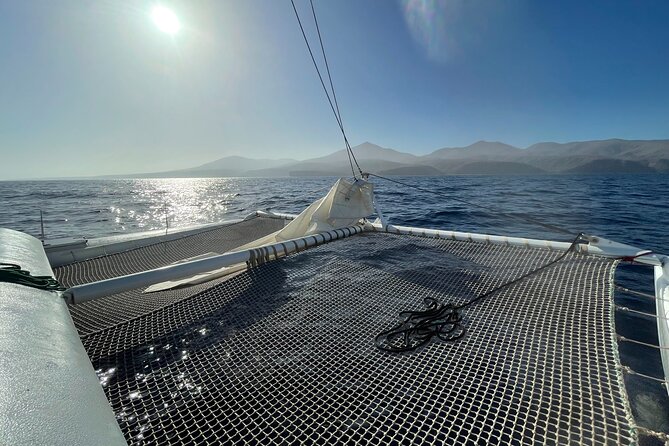
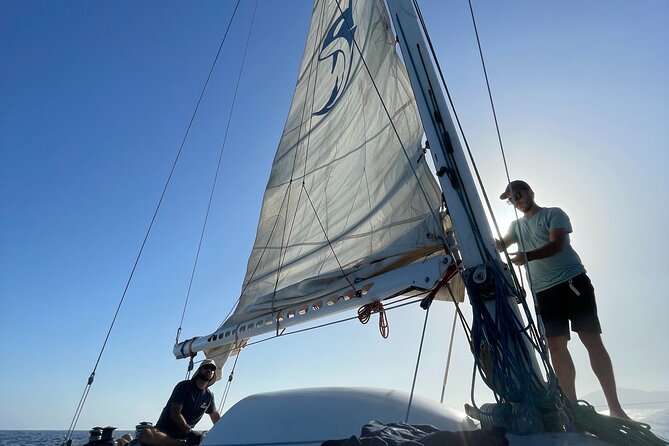
This is a straight-up catamaran day out on the open sea, timed for a relaxed morning. You meet at WeWhale Lanzarote on C. Pantalanes in Puerto Calero, and the trip starts at 9:00 am. Expect about 3 to 4 hours total, with sailing out and then heading back to the same meeting point.
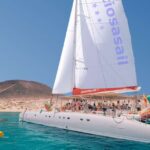
What makes this feel different right away is the boat itself. The cruise runs on a silent, emission-free setup, and that matters more than you might think. In busy harbors, you hear plenty of engine and traffic noise. Out past that, a quieter ride helps set expectations: you’re here to look for wildlife, yes, but also to listen. If you’re sensitive to noise or you just like a calmer experience, this style of sailing is a win.
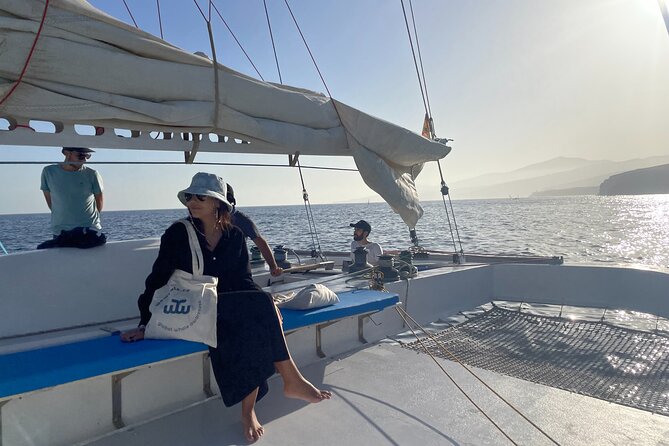
The other thing I appreciate is the scale. The tour keeps things capped at 12 travelers on a 14-meter long catamaran. That translates into more personal space, easier movement on deck, and less “all shoulder-to-shoulder” waiting when you spot something far off. For many people, that alone makes a whale trip feel worth it.
One more small planning note: you’re on open water, so temperature swings can hit. Even in a sunny departure, you can get wind and chill once you’re underway. Bring layers so you’re comfortable during the search phase, not just during the first hour.
You can also read our reviews of more boat tours in Lanzarote


How the Hydrophone Actually Fits the Whale-Watching Plan
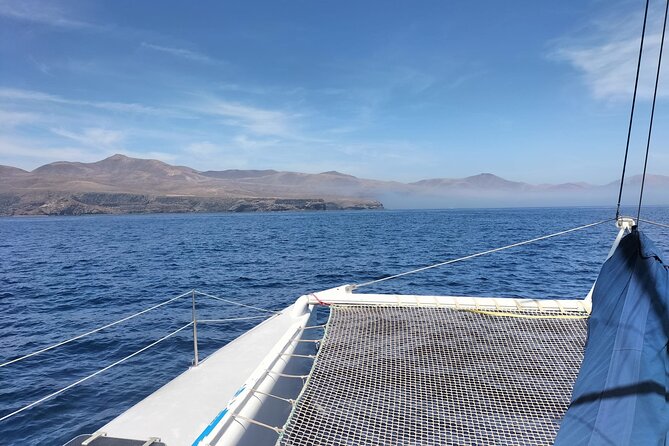
Here’s the part you should understand before you go: the hydrophone is carried on board, but it’s used when the animals are likely to be vocalizing at close enough range. The goal isn’t to crank it randomly in open water and hope for the best. It’s about matching sound playback to the moments when the calls matter.
So what does that mean for you in real life?
- You’re not guaranteed to hear whales or dolphins nonstop for the full cruise.
- You are more likely to hear more distinct animal sounds when the crew finds an active group.
- If you only get a brief encounter, you may hear less than you imagined.
I like that the operator aims for a realistic, behavior-driven approach. But I also think you should go in with flexible expectations. If your main dream is to hear calls all trip long, you might be disappointed on a day when sightings happen quietly or animals stay at a distance.
Also, the hydrophone isn’t the same thing as seeing. Even when you do get audio, visuals can still be tricky. Whales can surface quickly, and dolphins don’t always give you long, easy views. That’s why the spotting approach and the viewing tools matter.
The good news: the boat runs as a sound-and-sight experience, not just another “spot and sprint” ride. Even if you don’t hear much, you’ll still be in the right setting to notice behavior: surface timing, spout direction, and changes in the water that can hint at what’s beneath.
Searching the Open Sea: What Responsible Viewing Looks Like
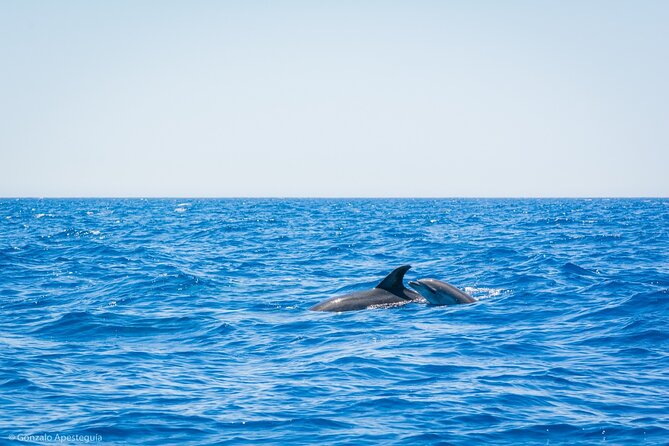
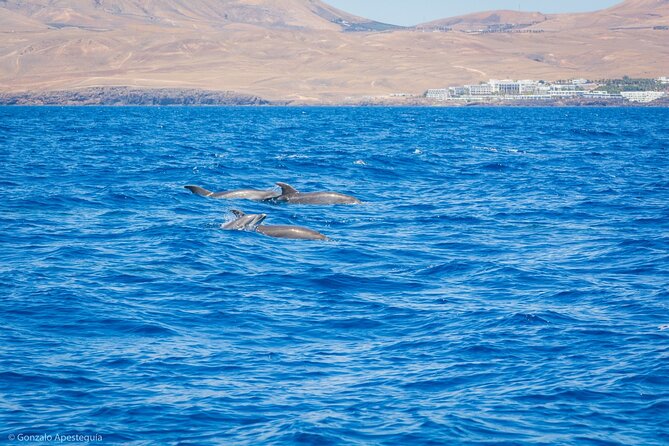
On this tour, the crew sails out from Puerto Calero and scans the open sea for whales and dolphins, then returns after roughly three to four hours. The searching time is where you learn what kind of day it is. Some cruises feel like a long horizon-watching session. Others feel like the ocean rewards patience faster.
The big rule is responsible viewing. The operator prioritizes respectful distance and doesn’t chase animals. That’s the right policy for wildlife, and it keeps the experience sustainable. The tradeoff is simple: you might not get the tight, close-up look that some people expect from wildlife tours.
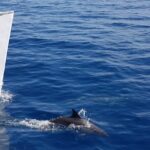
If the animals decide to stay farther away, you’ll likely watch from a distance and rely on the crew’s spotting. On one less-than-perfect day, a Bryde’s whale was reported, but it was far enough that the view wasn’t satisfying. The cruise still followed the responsible approach, but it highlighted a key reality: distance affects how clear the details look.
This is also why binoculars are part of the story. There are binoculars on board, and you can use them if you want a better look. If no one points them out at the start of the trip, ask early. A quick reminder from the crew can make a world of difference, especially when the action is small or far off.
One more tip: focus on scanning patterns, not just a single look. Dolphins can move fast and change direction. Whales might surface and then disappear. If you keep your eyes moving with the crew’s search rhythm, you’ll catch more than if you stare at one spot and hope it comes to you.
Comfort Onboard: Snacks, Drinks, and What to Wear
This is a 4-hour-ish trip, so comfort is not a minor detail. The cruise includes snacks and drinks throughout the time on board. That’s more than a perk. It changes the feel of the outing. Instead of worrying about hunger or timing a meal back in town, you can stay present and keep watching.
The weather is the other practical factor. This is an open-sea cruise, and wind can flip the temperature fast. Bring layers even if Lanzarote looks warm when you leave port. A light jacket or sweater can be the difference between feeling cozy and feeling impatient while you wait for a sighting.
What about motion? The catamaran layout generally helps with stability compared with some smaller boats, but you should still expect normal sea movement. If you’re prone to motion sickness, take your usual precautions ahead of time. This isn’t something the tour can control, but you can control your comfort.
One more comfort detail: because the group is capped at 12 people, you can usually find a spot for watching that works for you. If you prefer the side views, take them early. If you like a warmer spot, claim it before the deck gets busy.
Price and Value: Why This Costs More Than a Basic Whale Cruise
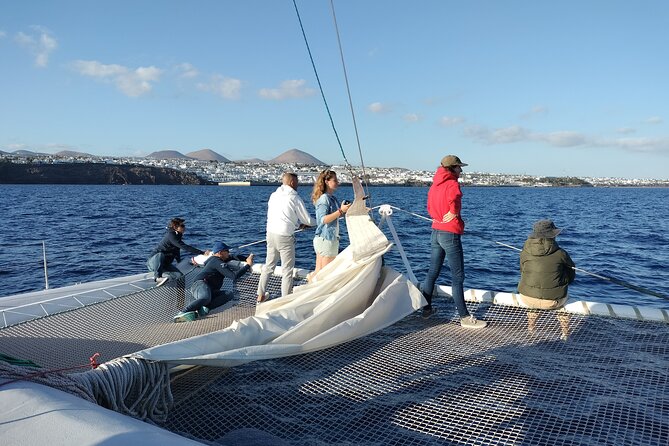
At $114.65 per person, this sits in the “not cheap, not outrageous” range for Lanzarote. You’re paying for several things working together:
- A silent, emission-free catamaran style ride
- A hydrophone setup meant for meaningful sound moments
- A small group cap of 12
- Snacks and drinks onboard
- Conservation support via the WeWhale association
That last one matters for value thinking. A portion of your ticket supports marine conservation campaigns developed with the WeWhale Association, including a campaign mentioned for the Iberian Orca. Even if you never see your impact directly, it’s still part of why this kind of tour can feel more “purposeful” than a basic outing.
Now, here’s the fair balance: the hydrophone is not a guaranteed audio show the entire time. And wildlife viewing is never 100% predictable. If your expectation is a full-time audio channel plus close-up visuals, you could feel like you didn’t get the full promise. On the other hand, if you like responsible, calmer wildlife watching and you’re open to the idea that animals set the timing, this price can feel justified.
For me, the best way to judge value is this: would you rather pay for a quieter boat and smaller group, even if the animals decide to stay farther out? If yes, you’ll likely feel good about the cost. If you want guaranteed close sightings and constant “wow” audio, you may want to look at other options.
You can also read our reviews of more sailing experiences in Lanzarote

Best-Fit Travelers: Who Will Enjoy This Most
This tour is a strong match if you fall into one of these categories:
- You want a quieter, more considered whale-and-dolphin experience than typical speedier boats.
- You enjoy the idea of listening for animals, not just watching for spouts.
- You prefer small groups and more room on deck.
- You’re the type who brings layers, asks questions, and stays patient.
It may be less ideal if you’re going primarily for a guaranteed hydrophone performance. The hydrophone is there, and it can be amazing when it’s used well, but it depends on vocal activity and the animals being close enough for the crew to lower it in.
If you’re traveling with kids, this could work nicely because of the snacks, the calmer boat style, and the small group. Still, keep in mind that wildlife watching can be slow. Bring something to keep attention focused while the boat searches.
And if you’re wondering about participation: the tour notes that most travelers can participate, and service animals are allowed. Weather can also play a role, since it’s listed as requiring good conditions.
Tips That Help You Get More Out of Every Minute
You’ll get more from the experience if you treat it like a search and listen day, not a guaranteed show.
- Ask about binoculars early. They’re on board and you can use them, but you might not automatically get them offered.
- Wear layers. Wind on open water can make it nippy, even when the morning starts mild.
- Stay flexible about the hydrophone. It’s best when the crew lowers it in during the right kind of animal activity.
- Watch what the crew watches. If they shift position, follow the scanning, don’t freeze in one place.
- Pick a comfortable deck spot before the action. With 12 people max, you can choose a good view without drama.
And one last mindset shift that helps: distance is not always a failure. A responsible approach means you might not get the closest view, but you’re also reducing stress on the animals. When you can’t see much, you can still learn from behavior and sound cues.
Should You Book This Whale and Dolphin Tour from Puerto Calero?
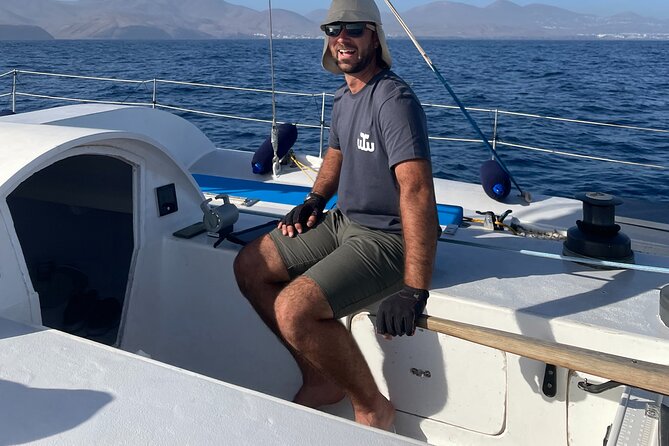
I’d book it if you want a small-group, quieter catamaran with a real focus on marine conservation and the chance to hear animal calls through a hydrophone when conditions allow. For the price, you’re getting more than a standard spotting cruise because you’re paying for the boat style, the listening concept, and the on-board comfort.
I’d hesitate if you need close-up visuals and constant hydrophone audio to feel satisfied. This is wildlife. Animals set the schedule. Some days give you dolphins and whales clearly. Other days give you a far-off spout and quieter moments.
If you’re the type to show up prepared, dress in layers, and go with a responsible, patient mindset, this one is a solid choice from Lanzarote.
FAQ
How long is the whale and dolphin observation cruise?
It lasts about 4 hours (approximately), including sailing out from Puerto Calero and returning after the observation time.
Where is the meeting point, and what time does the tour start?
You meet at WeWhale Lanzarote, C. Pantalanes, 35571 Puerto Calero, Las Palmas, Spain. The start time listed is 9:00 am, and the trip ends back at the meeting point.
What is the maximum group size?
This experience has a maximum of 12 travelers on board.
Is the hydrophone used during the entire trip?
The hydrophone is carried on board, but it is typically used when the crew is in the presence of vocalizing whales or dolphins. It may not be deployed in open waters all the time.
Are snacks and drinks provided?
Yes. You’ll have snacks and refreshing drinks during the cruise.
Is the tour offered in English?
Yes, it is offered in English.
What happens if the weather is poor?
The experience requires good weather. If it’s canceled due to poor weather, you’ll be offered a different date or a full refund.
Can I cancel for a full refund?
You can cancel for free up to 24 hours in advance for a full refund. If you cancel less than 24 hours before the start time, the amount paid is not refunded.
Are service animals allowed, and is it suitable for most people?
The tour indicates that service animals are allowed and that most travelers can participate.