REVIEW · LLORET DE MAR
Lloret de Mar: Scuba Diving Experience no License Required
Book on GetYourGuide →Operated by Dolphins Diving Center · Bookable on GetYourGuide
Your first breaths underwater happen fast. This no-license scuba intro off Lloret de Mar is built for beginners, with a real instructor and clear steps from land to water. I love the small-group attention that keeps things calm and controlled, and I also like how you practice in stages before going out of the bay. The main thing to consider is that it’s not a good fit if you’re prone to seasickness or have certain health concerns.
In about 2 hours, you’ll learn the basics of breathing with the regulator, get comfortable with the equipment, and then swim outside the bay to meet marine life around Costa Brava. If you want a first-time underwater experience without paperwork or stress, this format is a smart way to test the waters.
In This Review
- Key things that make this experience work
- First Breath Underwater: what the 2-hour structure really does for beginners
- Where to meet and what to bring so you feel ready
- Theory and gear check: the lesson that keeps the water from feeling chaotic
- Practicing your first breaths in the calm bay (no pressure, just reps)
- Swimming outside the bay: marine life time up to 12 meters
- Safety and instructor support are the headline here
- Cost and value: is $118 worth it for a no-license try?
- Best fit: who should book (and who should skip)
- Quick booking advice: how to choose confidence before you go
- Should you book this no-license scuba intro in Lloret de Mar?
- FAQ
- Do I need a scuba license for this experience?
- How long is the scuba introduction in Lloret de Mar?
- What’s the maximum depth you reach?
- Is it suitable for complete beginners?
- What’s included in the price?
- What should I bring?
- Are photos and videos included?
- What languages will the instructor speak?
- Is the activity wheelchair accessible?
- Who should not book this experience?
Key things that make this experience work
- No license required: it’s structured for first-timers, not certified divers.
- Small group (max 10): you get more hands-on coaching during the tricky parts.
- Two-step water practice: calm bay breathing first, then a short swim outside the bay.
- Max depth 12 meters: enough to feel like scuba, without going too far.
- Safety-focused instruction: instructors guide you closely, and people talk about how they respond when someone needs extra help.
- Equipment included: you don’t have to shop, rent, or figure out what fits.
First Breath Underwater: what the 2-hour structure really does for beginners
The biggest challenge for first-timers isn’t the ocean. It’s the moment your brain has to switch gears: breathe underwater through a regulator, stay relaxed, and follow simple hand cues. What I like here is the way the session is staged so you’re not thrown into the deep end—literally or mentally.
You start with a theory and equipment session, then you move to a controlled, pool-like setting in a bay to practice your first breaths. After that, you swim a bit farther outside the bay, with marine-life time and a maximum depth of 12 meters. That step-by-step design is what makes the experience feel achievable.
One more practical benefit: because it’s only 2 hours, you’re learning fast and returning to land before fatigue or overthinking takes over. For a first try, that time window often feels like the right “try it, get out, and decide” pace.
You can also read our reviews of more tours and experiences in Lloret De Mar.



Where to meet and what to bring so you feel ready
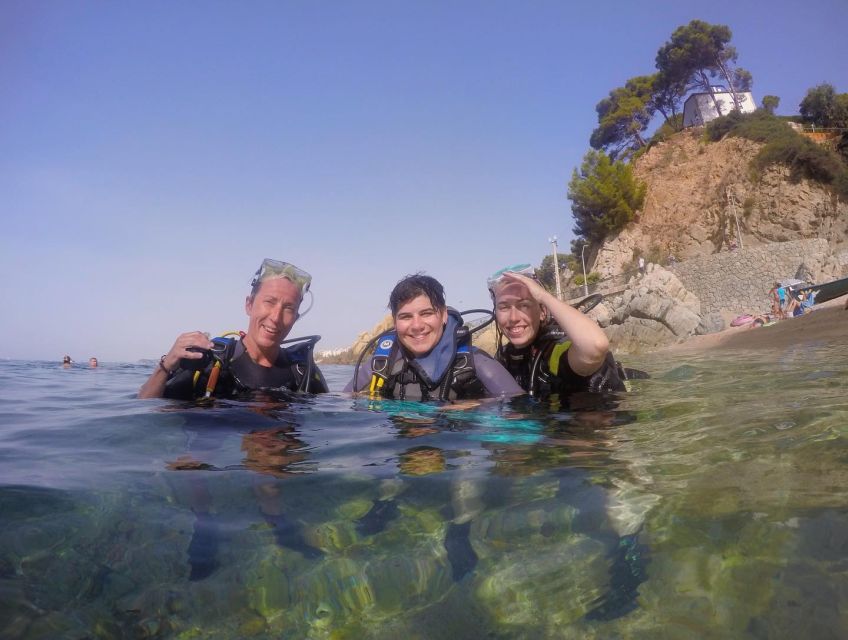
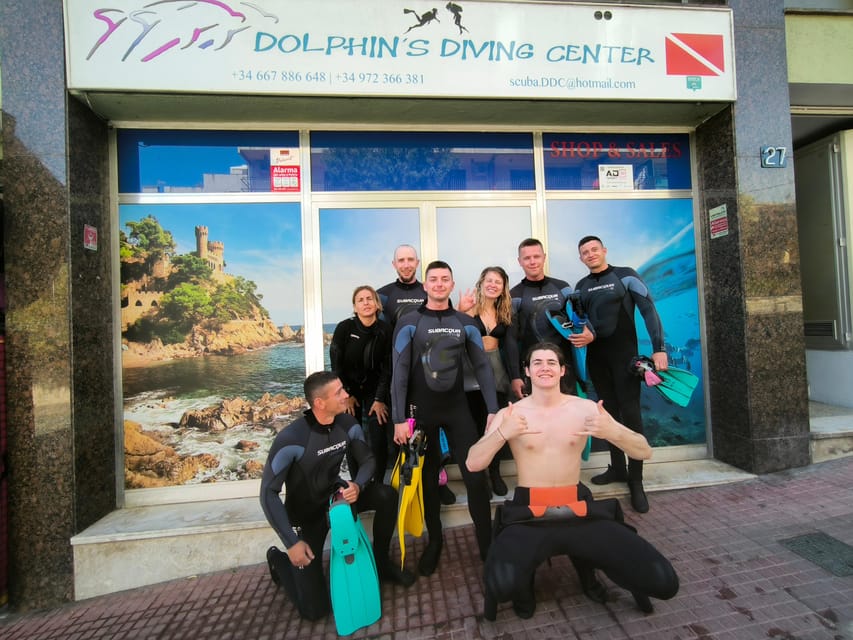
You’ll meet your instructor at the activity provider’s office at the Dolphins Center (the scuba operator based in Lloret de Mar). Expect a quick check-in and gear setup, since the whole point is that you show up, suit up, and start learning.
Bring swimwear and a towel. That’s it. Keep it simple: no complicated packing, no extra gear hunting. Also, plan to skip anything that could interfere with safety—this experience doesn’t allow alcohol or drugs, and it’s not a place for animal-feeding.
If you’re the type who likes to reduce uncertainty, show up a bit early. When you start in calm conditions and you’re not rushing, it helps your first breaths feel smoother.
Theory and gear check: the lesson that keeps the water from feeling chaotic
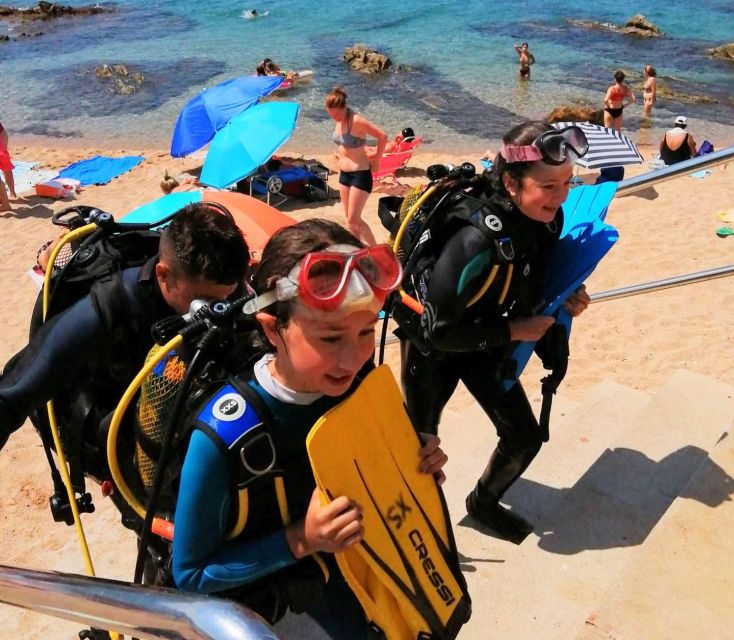
Before you get wet, you’ll get a short theory session and a full equipment explanation. This matters more than people expect. Most first-timer nerves come from not knowing what each piece does—what you’re supposed to do with it, how it connects, and what normal underwater sensations feel like.
You’ll be guided through how scuba gear works and how you’ll breathe. The goal is simple: get familiar with the equipment so you can focus on staying calm and comfortable rather than troubleshooting.
Then comes the practical part: you’re not just told what to do. You practice it under instructor supervision. That’s the difference between reading scuba basics online and actually learning the motions in real time.
Practicing your first breaths in the calm bay (no pressure, just reps)
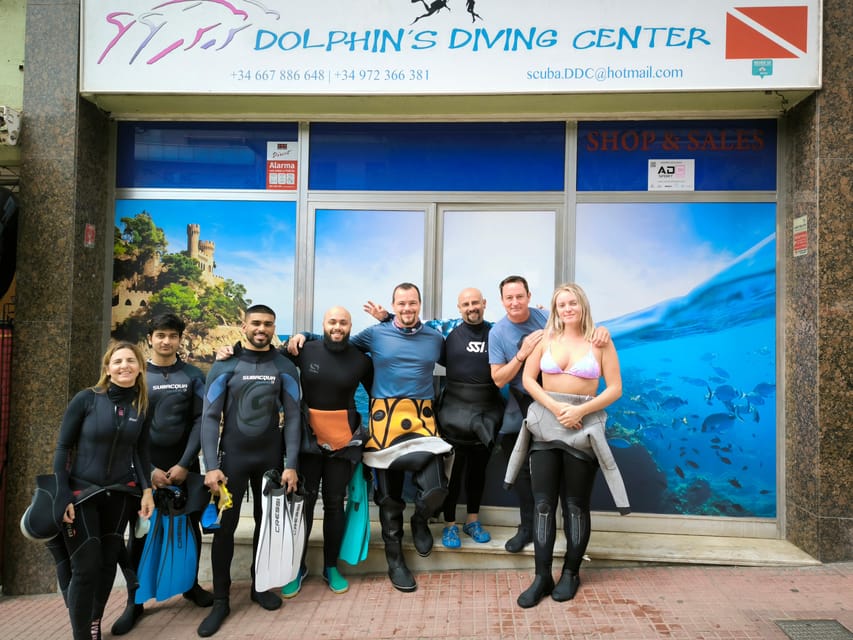
Next you move to a calmer, pool-like bay area where you can concentrate on the fundamentals. This is where you’ll get comfortable using the scuba gear and breathing underwater without the extra variables that come from open water.
For many people, this is the moment it clicks. The water feels controlled, the instructor is close, and you’re allowed to build confidence through repetition. If you’re anxious (and yes, plenty of people are), a steady practice zone is a huge deal. It gives your brain proof that you can handle the sensations.
You should expect guided coaching on posture, breathing rhythm, and what to do if something feels off. Since the session is instructor-led and you’re “well looked after,” you’re not expected to figure it out alone.
Swimming outside the bay: marine life time up to 12 meters
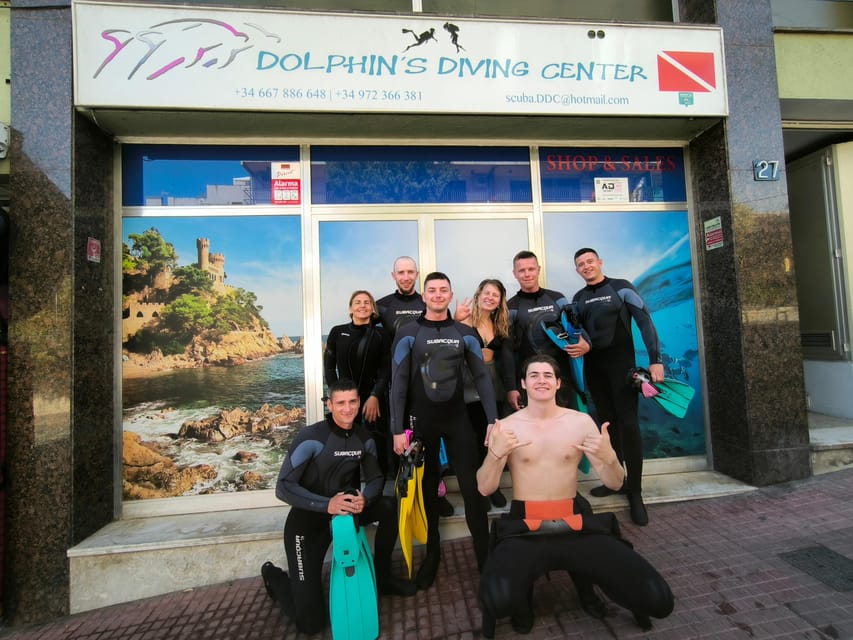
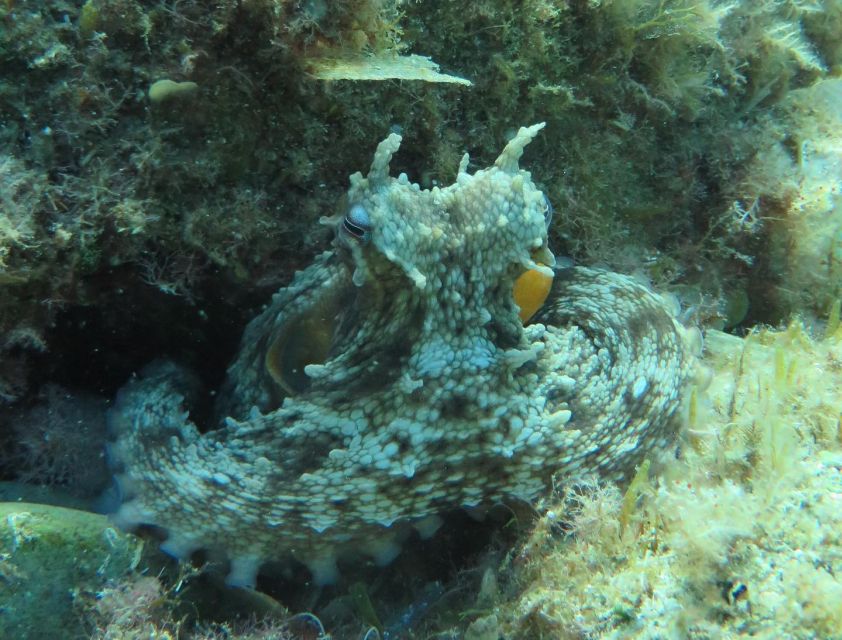
After you’ve practiced your first breaths and basic comfort, you’ll take a few steps further and swim outside the bay. This is the portion that gives you the real wow-factor: suddenly it’s not just breathing practice—you’re experiencing the underwater world off Costa Brava.
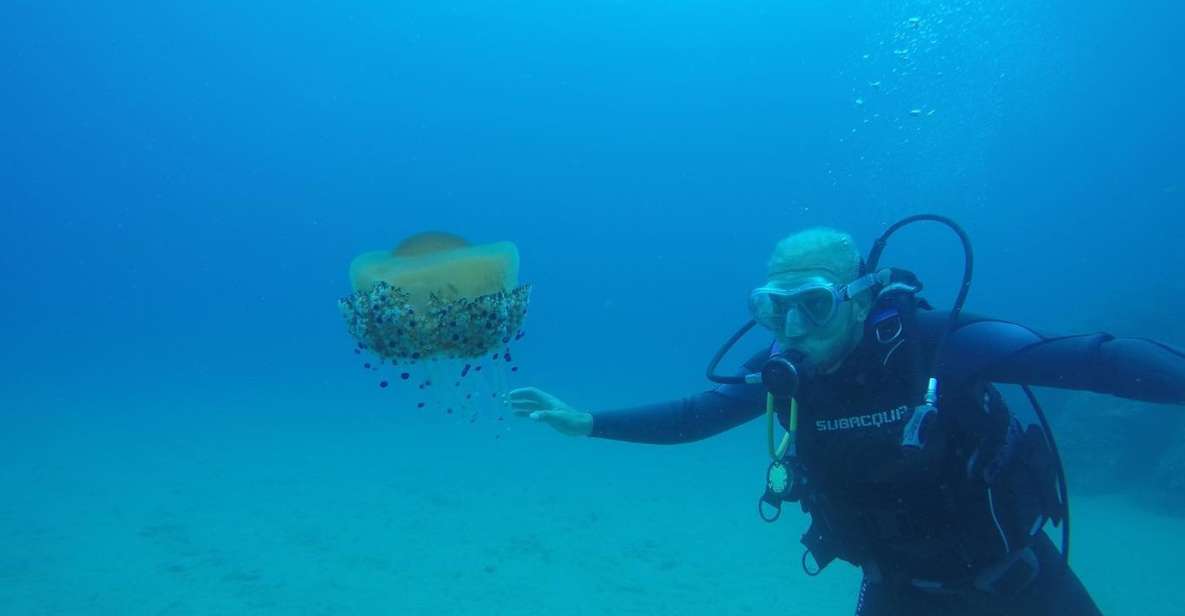
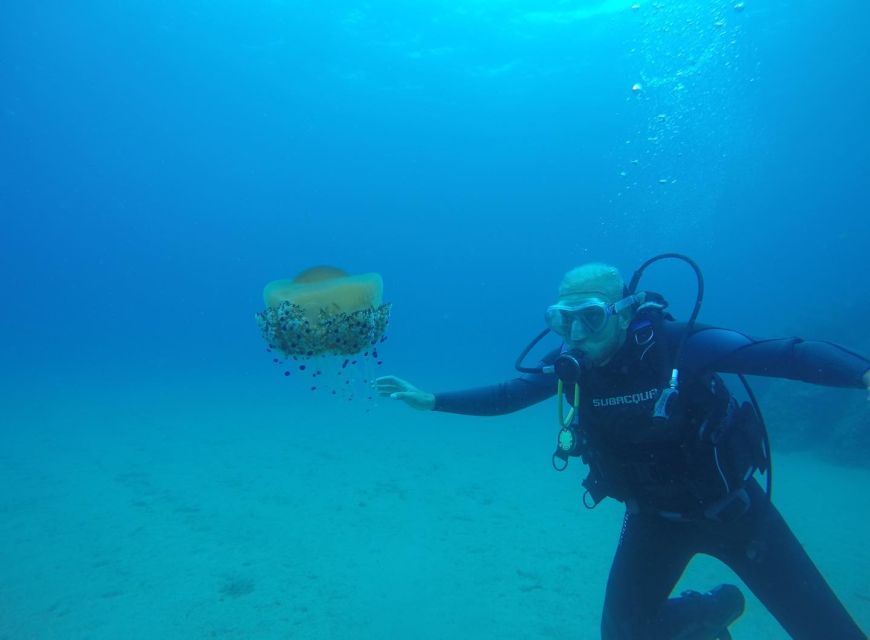
The experience includes time with marine life near the coast, with a maximum depth of 12 meters. That depth is meaningful, but it’s also a deliberate cap that keeps the session focused on first-timer success.
If you’re wondering what to expect visually: plan for a mix of coastal marine life and the general feeling of being underwater in open space. The instructors keep things structured, which helps if you get overwhelmed by all the new sensations at once.

Safety and instructor support are the headline here
What keeps this experience from feeling risky is the instructor style. People often highlight how well the team explains things, how strongly safety is emphasized, and how quickly support happens if someone struggles.
In one family group, instructors Valentin and Sergio stood out for being both professional and upbeat, with a strong focus on safety and good communication. In another case, the staff response helped a first-time diver who was dealing with anxiety and needed reassurance during the underwater portion. The takeaway for you: this is not a hands-off “good luck” session. It’s guided.
If you’re someone who wants confidence—not just equipment—this approach matters.
Cost and value: is $118 worth it for a no-license try?
At about $118 per person for a 2-hour introductory session, the value comes from what’s included, not just the sticker price.
Here’s what you get in the price:
- Entrance fees
- Guided instruction
- All necessary scuba equipment
For many first-timers, the biggest hidden costs are equipment and hiring the right instruction. This package handles both, which is why it can be good value compared with piecing together rentals plus unclear lessons.
What’s not included:
- Food and drinks
- Photos/videos
- A personal trainer fee (listed as 30 GBP)
So your real budgeting question is this: do you want to pay extra for photos/videos? If you care about remembering the moment, ask ahead what’s offered and when you’ll receive files—since options can vary and you don’t want surprises.
Also, because it’s no license required, you’re paying for a trial experience rather than committing to a long training pathway immediately. If your goal is to test whether scuba is for you, this format can be a smart first step.
Best fit: who should book (and who should skip)
This experience is open to everyone above 10 years old, with notes that it’s not suitable for children under 8. The minimum age requirement is clear enough that you can plan confidently with family.
You should consider booking if you:
- Like water and want a first “breathing underwater” experience
- Want structured instruction in a small group
- Prefer clear pacing: lesson → practice → short swim outside the bay
You should skip it if you have any of the listed concerns, including heart problems, high blood pressure, or if you’re prone to seasickness. It also isn’t suitable if you weigh over 331 lbs (150 kg).
If you’re on the fence, take the health limits seriously. Scuba equipment and underwater breathing can change your comfort and breathing patterns, so you want the session to be safe and not something you’re forcing.
Quick booking advice: how to choose confidence before you go
If you want the best shot at enjoying your first session, do three things:
- Go in rested. Anxiety and fatigue combine fast underwater.
- Wear swimwear you’ll feel comfortable moving in. You’ll be suiting up and practicing breathing, so choose what feels secure.
- Be honest with your instructor. If you feel nervous, say so early. The whole setup is designed to keep you supported, and that support is part of what people remember most.
This is also a good option if you’re traveling solo or as a couple. With a group capped at 10, you get more attention than you would in a large crowd.
Should you book this no-license scuba intro in Lloret de Mar?
Book it if you want a structured, beginner-friendly first-time scuba experience with equipment provided, close instructor guidance, and a clear path from theory to a calm-bay practice to a short swim outside the bay (max 12 meters). At this length and format, it’s a practical way to learn what underwater breathing actually feels like without committing to a longer certification track.
Skip it if you’re affected by the listed health limits or if seasickness is a problem for you. And if photos/videos matter to you, plan ahead so you know what’s available and how delivery works.
If you fit the safety guidelines and you like water, this is the kind of trip that can turn curiosity into a real hobby—or at least give you the satisfying answer of I tried it and I know what it’s like.
FAQ
Do I need a scuba license for this experience?
No. It’s an introduction for people with no previous experience, and no license is required.
How long is the scuba introduction in Lloret de Mar?
The experience lasts 2 hours.
What’s the maximum depth you reach?
The session includes underwater time up to a maximum depth of 12 meters.
Is it suitable for complete beginners?
Yes. No previous experience is required. You just need to like water.
What’s included in the price?
Entrance fees, a guided tour, and all necessary scuba diving equipment are included.
What should I bring?
Bring swimwear and a towel.
Are photos and videos included?
Photos and videos are not included.
What languages will the instructor speak?
The instructor can speak Spanish, English, French, Russian, and Dutch.
Is the activity wheelchair accessible?
Yes, it’s listed as wheelchair accessible.
Who should not book this experience?
It’s not suitable for children under 8, people with heart problems, people prone to seasickness, people over 331 lbs (150 kg), and people with high blood pressure.