REVIEW · MALAGA
Malaga: The Ultimate Tapas Workshop with Market Visit
Book on GetYourGuide →Operated by Kulinarea · Bookable on GetYourGuide
Tapas turns into a skill, not a show. This Malaga workshop starts at the Atarazanas Food Market and then moves into interactive cooking with a local chef and guide. You’ll learn what tapas really means in daily life, not just how to plate food.
I love the hands-on format where you actually cook, and I love the market context explained by guides like Felipe as you go. It feels more like learning a local habit than following instructions.
The main catch: it is not suitable for vegans, and you’ll need to tell them about dietary needs before the class so adaptations can be planned.
In This Review
- Key highlights worth your attention
- Atarazanas Market Walk: shopping for tapas, not postcards
- Kulinarea’s kitchen in Malaga: everyone gets a real job
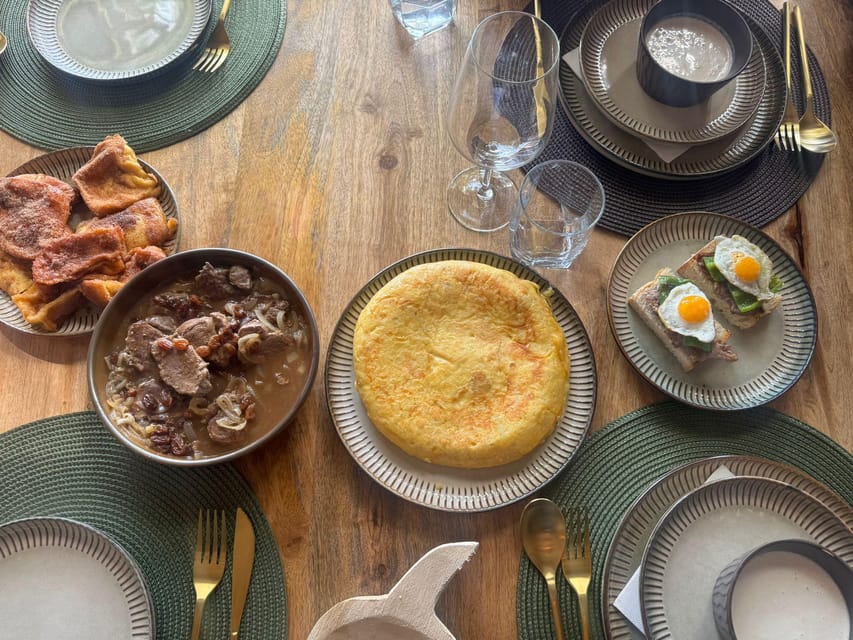
- The tapas menu: classic plates with real technique
- Sangría
- Fideos tostados (crispy noodles)
- Tortilla de patatas (traditional Spanish omelette)
- Solomillo al Pedro Ximénez (sirloin with Pedro Ximénez sauce)
- Churros
- Pairing drinks with your plates: how the tasting fits the lesson
- The point of “interactive” cooking: confidence you can repeat
- Take-home apron and recipes: practical souvenirs, not clutter
- Timing, logistics, and how to plan your 3 hours
- Who should book this Malaga tapas workshop
- Should you book it?
- FAQ
- How long is the Malaga tapas workshop?
- Is there an Atarazanas Market visit?
- What does the class cost?
- What drinks are included?
- Is pick-up or drop-off provided?
- What languages is the tour guide?
- Is it suitable for vegans?
- What’s included besides the cooking?
- Where do I meet, and is parking available?
- Can I cancel for a refund?
Key highlights worth your attention
- Atarazanas Food Market stop on daytime sessions (when it’s open) so you shop for what you’ll cook
- Interactive class format where you’re not stuck watching others cook
- Chef-led cooking plus English guidance, with guides such as Carmen, Alba, Javier, and Felipe showing the ropes
- Wine pairings and included drinks, including sangría with the menu
- Take-home gift: the Kulinarea apron plus the recipes for recreating the dishes at home
Atarazanas Market Walk: shopping for tapas, not postcards
The big advantage here is that you start with food, not a lecture. On Monday through Saturday morning sessions, you take a short stroll to the Atarazanas Food Market. This matters because tapas in Spain isn’t a single dish. It’s a way of choosing ingredients, mixing flavors, and sharing small plates with people you’re with.
I like how the guides build context as you walk. Names that come up in the experience include Felipe and Carmen, and the teaching style is practical: you get explanations tied directly to what ends up in your kitchen prep. If you’ve ever tried to recreate Spanish food at home but didn’t know where to start, this is the fix. Seeing and talking through the ingredients makes the recipes feel less random.
There’s also a nice pacing difference between “market tour” and “market tour that actually feeds you.” In this workshop, the market is part of your plan. You’re not just looking for photos; you’re gathering ideas you’ll use in the cooking steps later.
One timing note: for Sunday sessions, and for evenings and national holidays, the market is closed. On those departures, you go straight to the kitchen location rather than doing the market walk. Same idea, just less shopping.
You can also read our reviews of more shopping tours in Malaga
Kulinarea’s kitchen in Malaga: everyone gets a real job
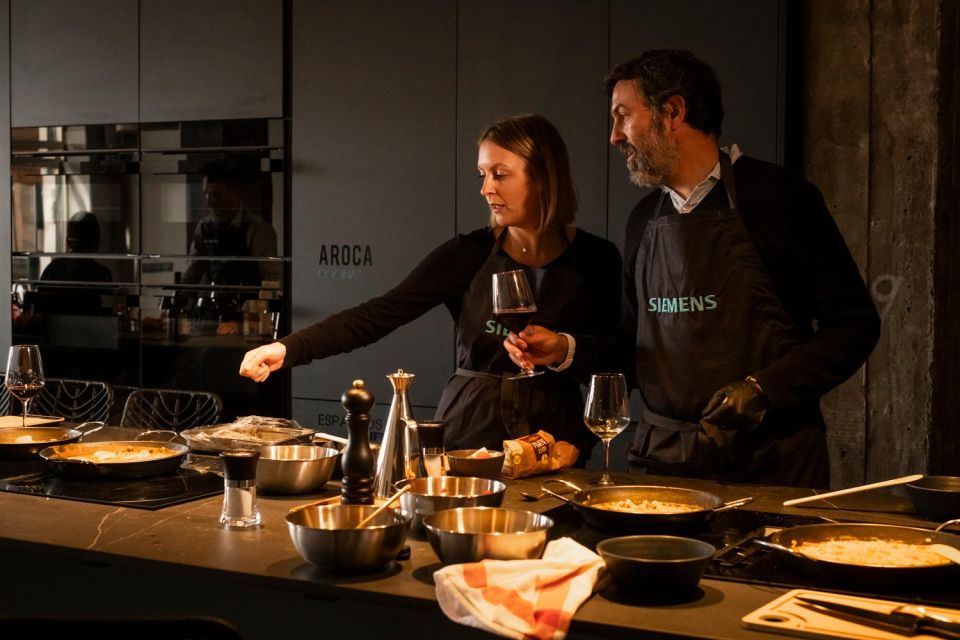
You meet at Kulinarea at Av Manuel Agustín Heredia 24, with underground parking called Parking de La Marina right in front. So if you’re driving or renting a car, you’re not guessing where to leave it.
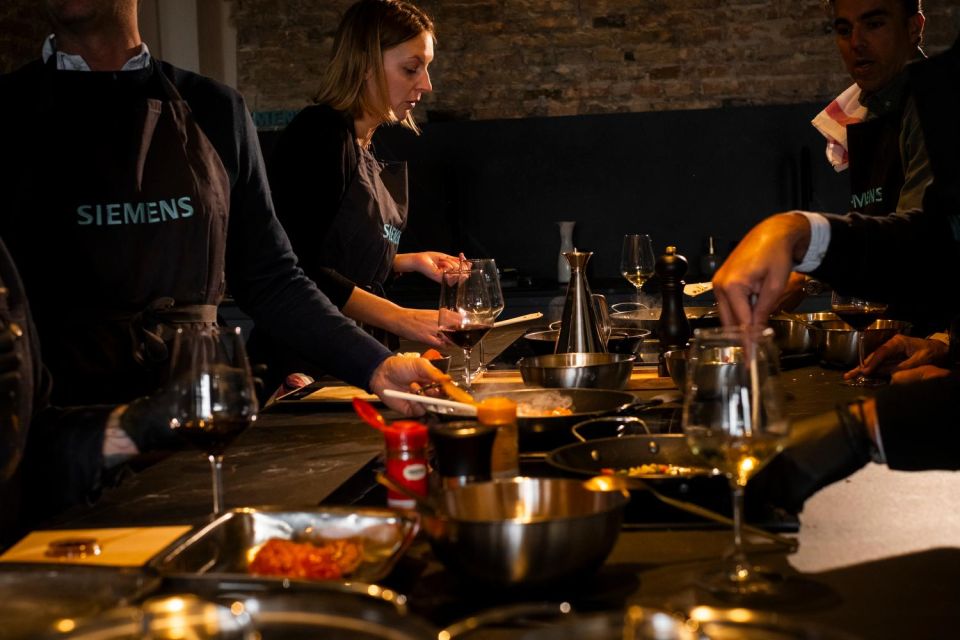
Once you’re in, the tone shifts from walking to doing. The chef and the local guide lead the class, and the goal is interactive cooking. That shows up in how the experience is run: people aren’t stuck at the sidelines. Multiple participants specifically praised that everyone gets involved, with guides like Javier and Alba making sure instructions are clear and that the cooking stays organized.
One detail I appreciate: this is designed as a group experience for conversation. A review described the atmosphere as relaxed and fun, even when everyone starts as strangers. That’s not just nice energy; it also helps you ask questions without feeling rushed. When you’re working with knives, sauces, and timing, a calm room makes your results better.
Practical rules are part of the deal. Baby strollers, bikes, baby carriages, and bare feet aren’t allowed. If you’re traveling with kids, you’ll want to plan for that in advance.
The tapas menu: classic plates with real technique
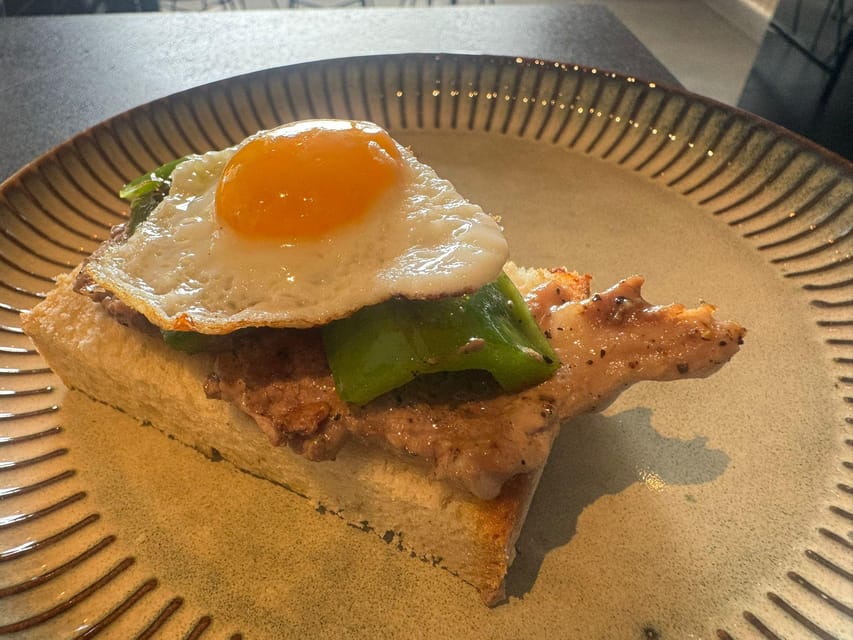
Your menu is listed as a sample, and it can change based on season and dietary restrictions. That’s good news because it means the class isn’t pretending every ingredient is available all year. It also means you’re more likely to get flavors that match what’s good right now in Malaga.
Even though the exact items can vary, the workshop focuses on the meaning and making of tapas—everything from Ajoblanco Malagueño to Tortilla de Patatas. In the sample menu, you’ll see these familiar tapas-style hits:
Sangría
You’ll start with sangría included in the experience. This is more than a drink ticket. In Spain, sangría often shows up as part of the social rhythm of meal times and get-togethers, so it sets the mood for tapear—sharing and snack-style dining.
Fideos tostados (crispy noodles)
Crispy noodles teach you a different kind of tapas timing: heat control and texture. You’re aiming for crunch, not softness. It’s a great starter because it’s quick enough to learn, but specific enough to be worth practicing.





Tortilla de patatas (traditional Spanish omelette)
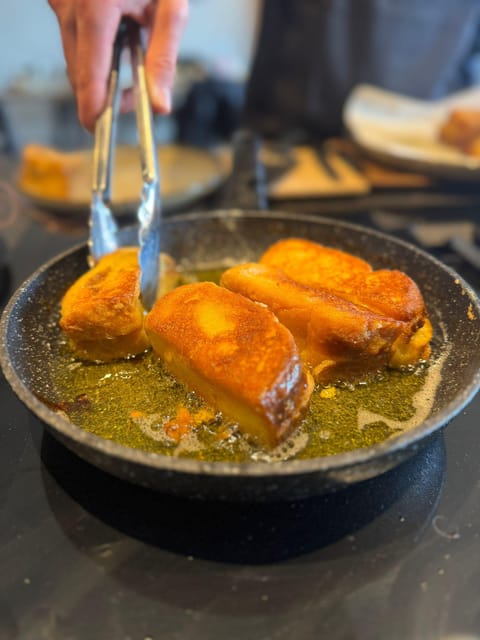
This is the one I’d pay attention to. Tortilla is simple on paper, but it’s technique on the pan: potatoes, eggs, and the patience to avoid turning it into breakfast scramble. Even participants who called out the tortilla as a standout dish described the confidence it gave them afterward to replicate it at home.
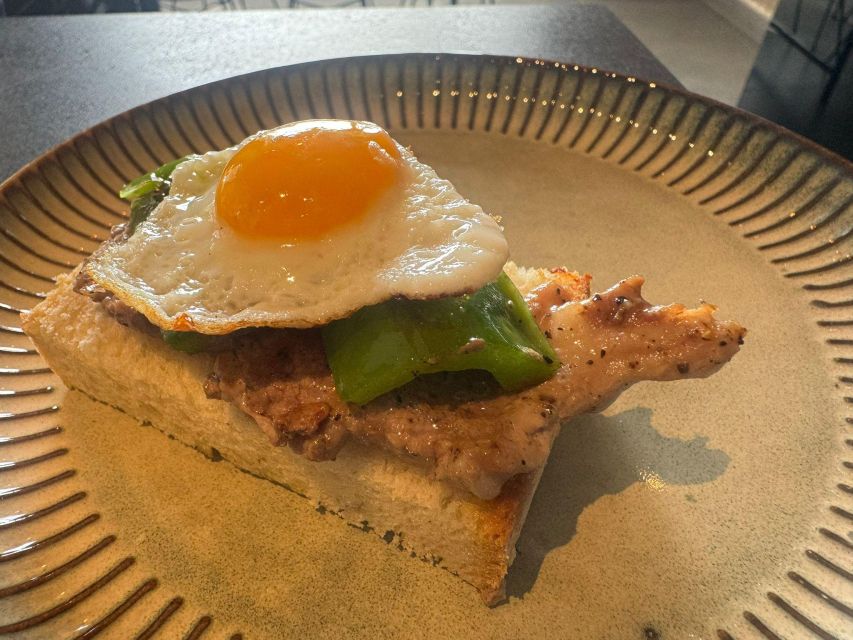
Solomillo al Pedro Ximénez (sirloin with Pedro Ximénez sauce)
Pedro Ximénez sauce is deep and sweet, and it can make a meat course feel more like a polished tapas plate than a heavy entrée. If you want the workshop to change what you think of Spanish cooking beyond the basics, this is where you’ll feel it.
Churros
Churros close the loop with a classic finish. Even if your class includes other dessert moments, this is the named end point in the menu sample.
Dietary adaptations can happen. For example, one vegetarian participant had recipes adapted so they could cook and eat. Another review noted the team accommodated an allergy and handled cross-contamination concerns. Still, the key is that you must tell them about your dietary needs before the class so they can plan.
Pairing drinks with your plates: how the tasting fits the lesson
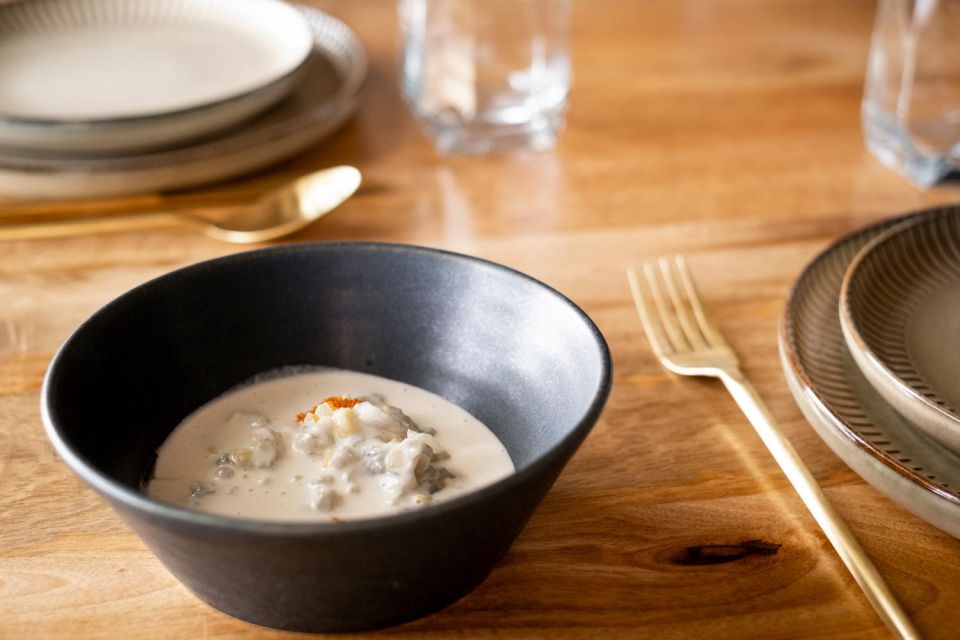
Food tastes better when it’s paired with the right drink—and here the pairing is built in. Selected local wines are included to match the menu, and drinks are part of the package (wine, beer, or soft drinks are included). Sangría is also included.
You might think the drinks are just there for fun. But in a well-run tapas class, pairing helps you notice differences that you’d otherwise miss. The team’s choices are meant to complement the flavors you’re cooking—eggs and crisp textures, sweet-sauce meat, and a dessert finish.
If you’re curious, ask the guide about what they’re pairing and why. You don’t need a sommelier speech. Even one clear explanation can help you recreate pairings later when you’re cooking at home.
The point of “interactive” cooking: confidence you can repeat
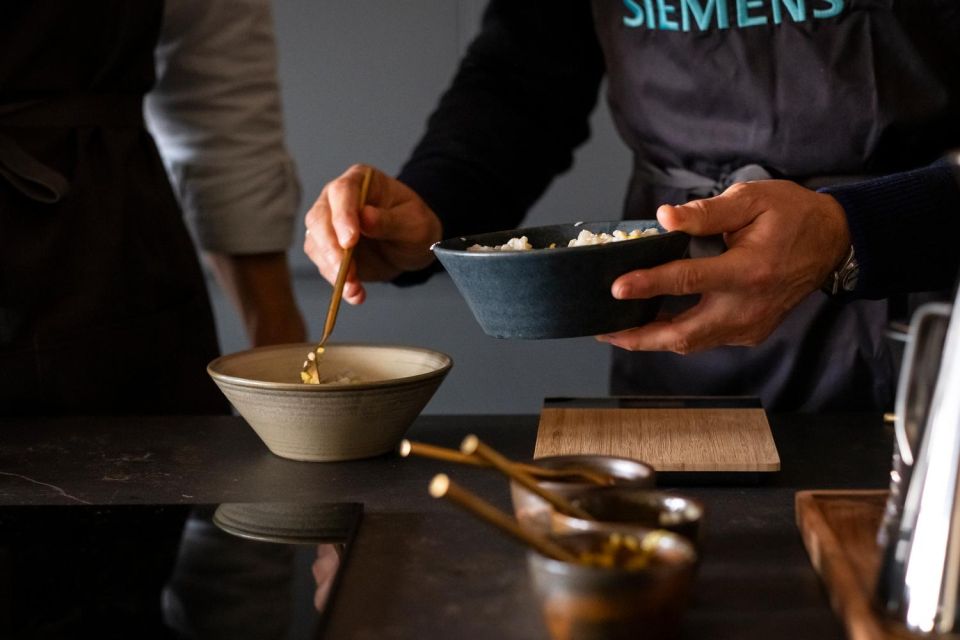
A lot of cooking classes let you chop something, then hand your plate off to the chef. This experience is set up differently. Participants praised that it took the step beyond prep into actually cooking the tapas yourself—and then eating the result.
That’s the real value. When you cook the dishes, your brain files them under muscle memory. Later, when you see potatoes, eggs, noodles, or dessert ingredients at a shop back home, you remember how the class handled them: what to watch for, what “done” looks like, and how the flavors come together.
It also helps that the kitchen setup supports participation. Reviews highlighted the equipped kitchen space and a smooth flow led by the chef and helpers, with guides stepping in to make sure everyone could follow along.
And yes, you eat what you make. That turns the class into a full experience: learn, cook, taste, and then leave with recipes.
Take-home apron and recipes: practical souvenirs, not clutter
Here’s a souvenir that actually earns its place on your shelf. At the end of the class, you receive a Kulinarea apron. On top of that, all recipes are included, so you’re not stuck with blurry phone notes and guesswork.
This matters for value. A $78 price tag is easier to justify when you get real output: shopping context, instruction, all ingredients/equipment to cook, included drinks, the finished meal, and materials you can use again. If you’ve ever taken a food tour and wished it came with a way to cook the same dishes later, this is that difference.
One participant even pointed out the confidence they gained to replicate the menu at home, which is exactly what the recipes and hands-on teaching are meant to support.
Timing, logistics, and how to plan your 3 hours
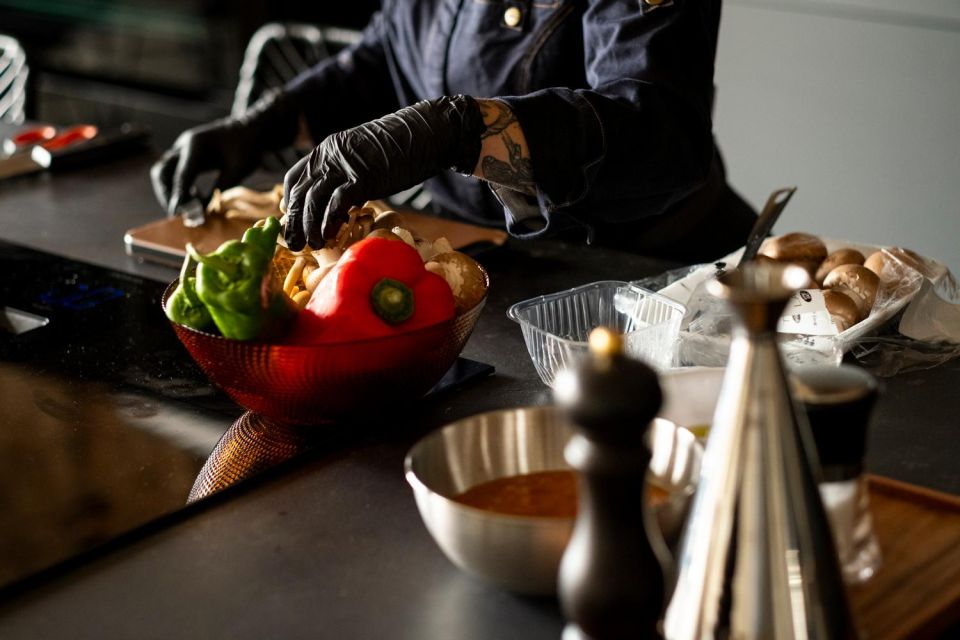
The class lasts 3 hours, with starting times depending on availability. Morning sessions run Monday to Saturday. Sundays and evening classes skip the market visit because it’s closed, so you go straight to the kitchen area.
You should plan to arrive at the meeting point on your own—pickup and drop-off aren’t included. If you’re dealing with parking, Parking de La Marina is available in front of the meeting point, which makes the start easier.
English is the live guide language. That’s helpful if you want clear explanations and not just kitchen directions.
Finally, bring your dietary questions before you arrive. The experience explicitly asks you to let them know about dietary requirements beforehand.
Who should book this Malaga tapas workshop
This is a strong fit if you want:
- A hands-on tapas lesson instead of watching a cooking demo
- Market context that helps you understand ingredients, not just follow steps
- Wine and sangría included with your meal
- Recipes and an apron as take-home tools for cooking later
It’s also a good choice for solo travelers and pairs because the format encourages interaction. Reviews described a relaxed atmosphere where even groups of strangers ended up socializing.
The one clear mismatch: it is not suitable for vegans. If you eat vegetarian, there’s evidence that the menu can be adapted, and if you have allergies, the team has shown they can make ingredient changes and manage contamination concerns—but you must notify them ahead of time.
Should you book it?
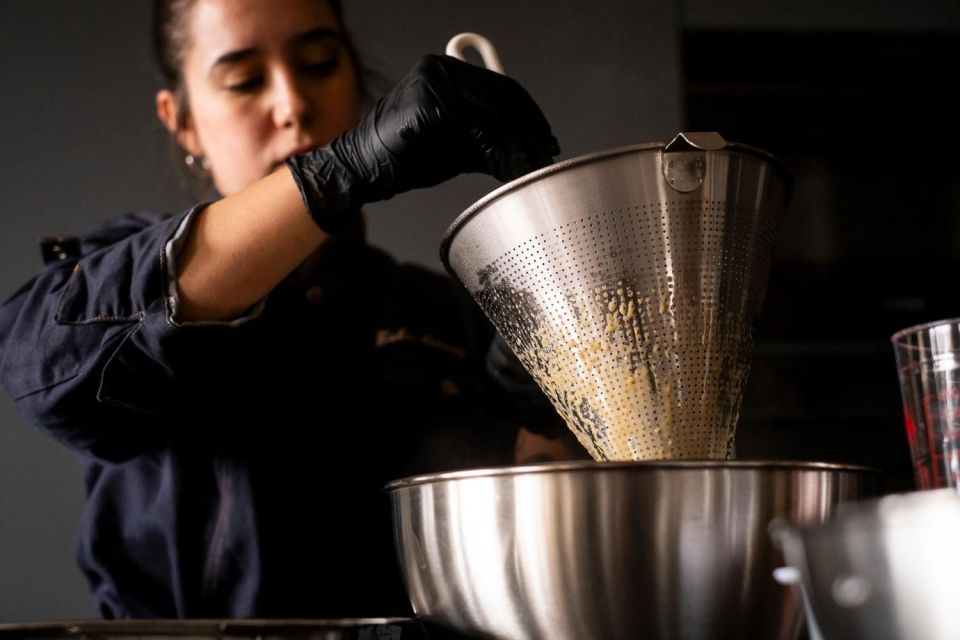
Yes, I’d book this if you want a Malaga food experience that turns into skills. The market visit plus interactive cooking plus included drinks is a tidy package for $78, and the take-home apron and recipes make it more than a one-time meal.
Skip it if vegan eating is required, or if you can’t comply with the basic kitchen rules like no bare feet and no strollers. Also, if you hate market walking and prefer pure cooking time, consider that Sunday and evening classes won’t include the Atarazanas stop.
If you’re in Malaga and you like tapas as a way of eating, not just a list of dishes, this workshop is a smart use of a few hours. You’ll leave with food in your stomach, technique in your head, and a plan for cooking tortilla and tapas back home.
FAQ
How long is the Malaga tapas workshop?
It lasts 3 hours.
Is there an Atarazanas Market visit?
Yes, for daytime sessions it includes a visit to the Atarazanas Food Market. Evenings and national holidays it is closed, and on Sundays the class goes straight to the kitchen.
What does the class cost?
The price is $78 per person.
What drinks are included?
Sangría is included, and you’ll also have wine, beer, or soft drinks included with the experience.
Is pick-up or drop-off provided?
No. Pickup or drop-off isn’t included.
What languages is the tour guide?
The live tour guide speaks English.
Is it suitable for vegans?
No, it is not suitable for vegans.
What’s included besides the cooking?
You get the Atarazanas market visit when open (daytime), all ingredients and necessary equipment to make your own tapas, Sangría, drinks, the Kulinarea apron, the recipes, and you eat what you cook.
Where do I meet, and is parking available?
You meet at Kulinarea, Av Manuel Agustín Heredia 24. There is underground parking in front called Parking de La Marina.
Can I cancel for a refund?
Yes. Free cancellation is available up to 24 hours in advance for a full refund.