REVIEW · CORDOBA
Cordoba: Medina Azahara Museum and Archaeological Site Tour
Book on GetYourGuide →Operated by Córdoba Única · Bookable on GetYourGuide
Medina Azahara surprises you fast. This guided walk pairs a museum of excavation finds with a 3D reconstruction, so the stones start making sense. You’ll spend time indoors, then outdoors, and finish with a film that makes the scale click.
I also appreciate the way the tour frames what you’re seeing in the big picture of the Caliphate of Córdoba. You get the story of a palace-city commissioned by Abd al-Rahman III, plus the legends and ideas that grew around it over time.
One heads-up: this experience is not suitable for mobility impairments, and baby carriages aren’t allowed. There’s real walking involved in archaeological terrain, so wear shoes you trust.
In This Review
- Key highlights you’ll feel right away
- Why Medina Azahara feels different from other Córdoba ruins
- Reception center to museum: the quickest way to make sense of what follows
- The guided walk through the archaeological site (and why the setting matters)
- The museum doesn’t replace the ruins—your understanding connects them
- The 20-minute 3D reconstruction: the part that clicks everything together
- Price and value: what you’re really paying for at $11
- Getting there and staying comfortable: the practical stuff that saves time
- Who this tour suits best (and who should think twice)
- Best way to enjoy Medina Azahara: pace, questions, and photo timing
- Should you book this Medina Azahara tour?
- FAQ
- How long is the Córdoba Única Medina Azahara tour?
- Where do I meet the guide?
- Is the shuttle bus included?
- What language is the tour guide in?
- Is an audio guide included?
- What happens at the end of the visit?
- Is the tour suitable for people with mobility impairments?
Key highlights you’ll feel right away
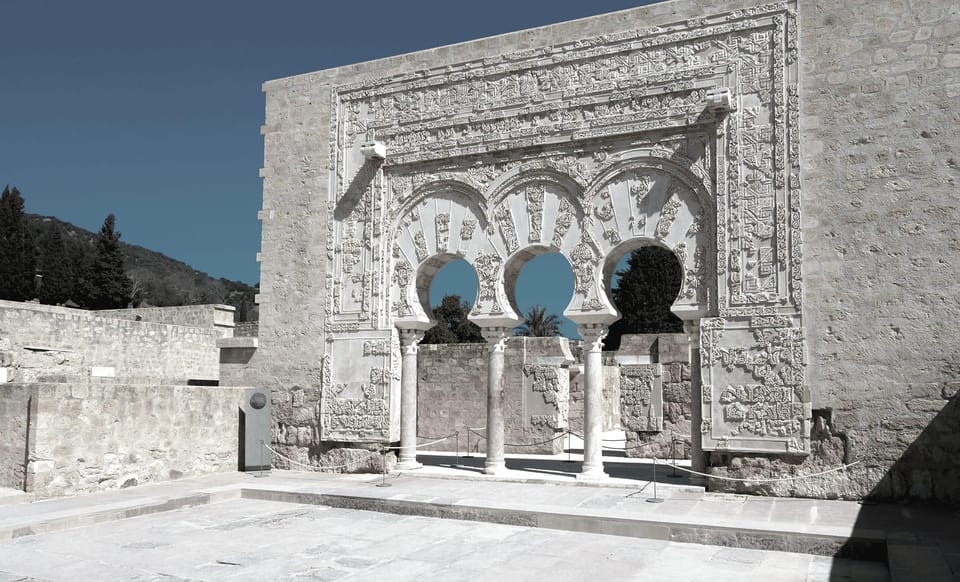
- Museum artifacts that turn ruins into a place people lived
- A guided visit that explains the city’s legends and purpose
- Ruins set in nature, so the site feels peaceful even with crowds
- Two hours on-site, with time for photos and guided sightseeing
- A 20-minute 3D film shown on the hour and half-hour
- Headphones/radio help when groups run big (10+ people)
Why Medina Azahara feels different from other Córdoba ruins
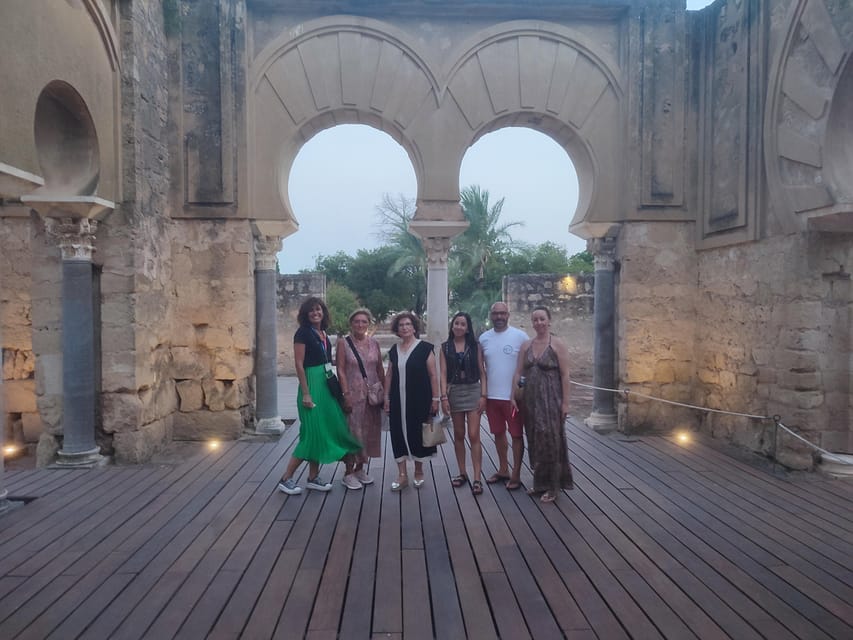
Most archaeological sites are basically a lesson in absence: you see what’s left, and you guess what used to be there. Medina Azahara cuts that problem down hard, because the visit is built to recreate the lost city in your mind.
The setting also matters. You’re not trudging through a flat, urban lot. The site sits in a privileged environment in the middle of nature, so the atmosphere changes as you move from museum space to open air ruins. That contrast helps you understand why a ruler would want a “dazzling” capital here.
And the story has weight. Medina Azahara was commissioned by Abd al-Rahman III, described as the first caliph of al-Andalus in the tour’s framing. When your guide talks about ambition, politics, and display, the stones stop being random and start acting like architecture with a job to do.
You can also read our reviews of more tours and experiences in Cordoba.
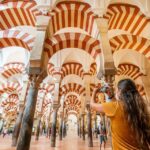
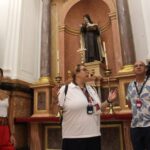
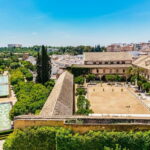
Reception center to museum: the quickest way to make sense of what follows
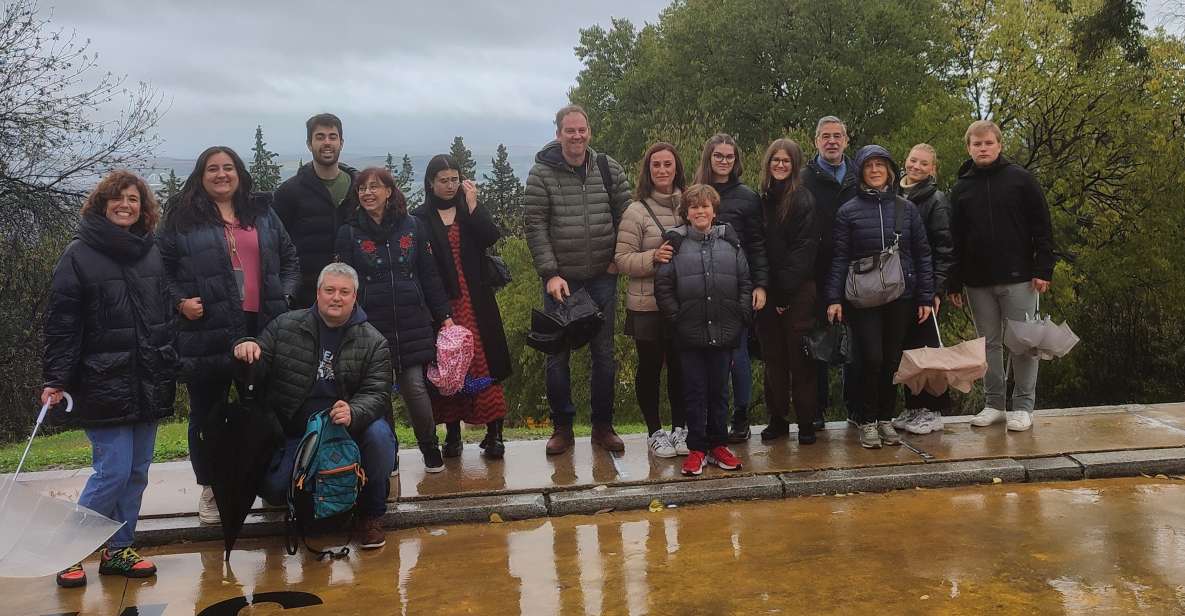
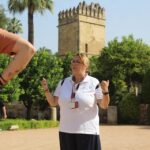
You begin at the Aparcamiento Autobuses Centro de Visitantes area and meet the guide in the Medina Azahara parking lot, identifiable with the Córdoba Única accreditation. From there, you’ll register at the reception center before heading into the museum.
The museum visit is short—about 30 minutes—but it’s a smart use of time. Instead of starting you straight among broken foundations, it hands you “anchors”: pieces pulled from excavations that help you picture daily life, ceremony, and the visual language of a major palace city. If you’re the type who likes to understand context before you wander, this structure is exactly what you want.
Look out for the way your guide connects objects to the bigger narrative. A small decorative find can suddenly feel meaningful when it’s tied to status, trade, or the city’s design choices. That’s where the tour earns its value: it turns a walk through ruins into a guided interpretation.
If you end up with a Spanish guide (the live tour is Spanish), don’t worry if your pace is slower. The included audio guide is also Spanish, and the headset setup can help you keep up. Guides like Ángela and Elena come up repeatedly in the feedback for making explanations clear and enjoyable, with names like Paula also noted.
The guided walk through the archaeological site (and why the setting matters)
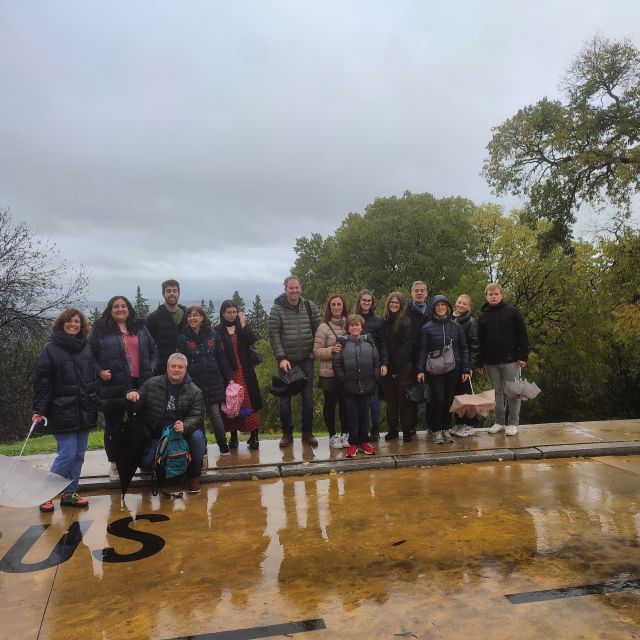
After a short 5-minute coach ride, you reach the archaeological area. There’s a photo stop, then you settle into the guided portion on-site for about 2 hours, with time for guided sightseeing and questions along the way.
What you’re walking through is the exact place where the shining city once stood. The ruins don’t look like a finished museum display. They’re still “in progress” as a historical puzzle: foundations, traces of structure, and spaces that feel larger than you first expect once you’re actually standing there.
This is also where the nature setting quietly does you a favor. Medina Azahara isn’t just another stop in a city crawl. The greenery and outdoor light make it easier to shift from sightseeing mode to “imagine mode.” When your guide explains how Abd al-Rahman III’s court shaped the space, the openness around you helps you understand scale.
One practical note: you’ll do plenty of walking. Comfortable shoes are not optional. The terrain is archaeological and uneven by nature, and the tour isn’t designed for people who need mobility assistance.
The museum doesn’t replace the ruins—your understanding connects them
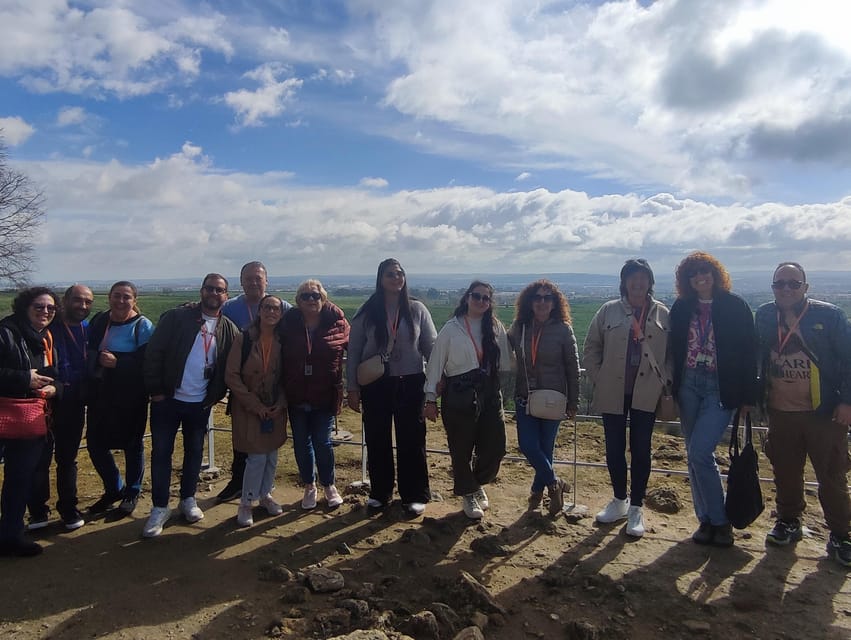
A common mistake at archaeological sites is treating museum time and outdoor time like two separate visits. Medina Azahara solves that by making the transition feel like a single thought process.
In the museum, you learn the types of objects that survived excavation. Outdoors, you see how those objects fit into the physical city layout your guide describes—where power would have been staged, where movement might have guided visitors, and how a palace-city could feel designed for drama.
If you’re thinking of skipping the guided format, you’ll probably want to reconsider. Without guidance, ruins can feel like scenery. With guidance, they become a story you can follow. That’s especially true for a place this old, where details matter and nothing comes with a big “this is where X happened” sign.
The 20-minute 3D reconstruction: the part that clicks everything together
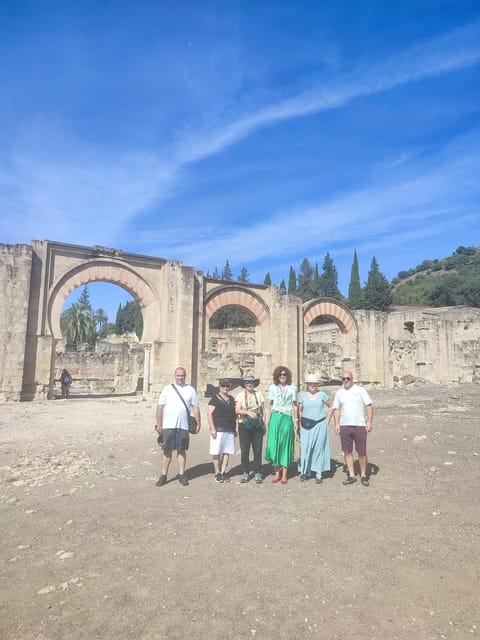
After your time outdoors, you finish in an auditorium with the 3D recreation of the city’s former glory. The film lasts about 20 minutes. It’s screened on the hour and half-hour, and you go in after the guided portion—so you’re not pulled into a rush at the end.
This film is the tour’s secret weapon. Ruins are hard to judge in isolation because your brain wants a full structure that isn’t there. A 3D reconstruction gives your mind permission to “complete the picture,” then your earlier museum and site explanations start snapping into place.
If you’ve ever left ruins thinking, I saw a lot, but I don’t know what I’m really looking at, this is where you fix that feeling. The 3D view helps you understand why Medina Azahara earned a reputation as a dazzling vision—what the buildings likely looked like, how the space could have been arranged, and how the scale of the city would have overwhelmed visitors in its heyday.

Price and value: what you’re really paying for at $11
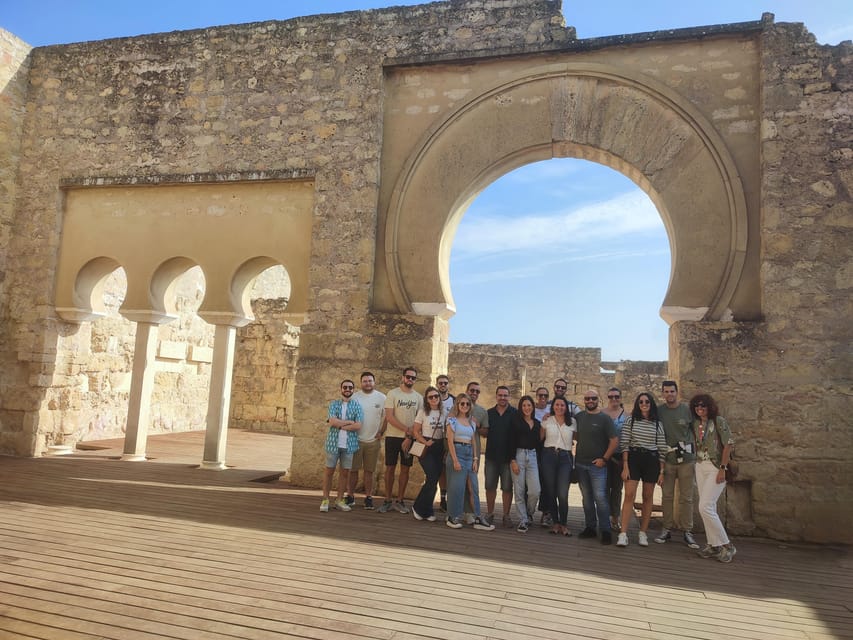
At around $11 per person for a roughly 2.5-hour experience, this tour is priced like a budget-smart way to add real interpretation. You’re not just paying for access to ruins. You’re paying for:
- A live Spanish guide
- Museum time with explanation
- Headset support when groups are larger than 10 people
- An included 3D film finish
Now, watch two costs that can affect your total. The shuttle bus is not included and costs €3 round trip. Also, EU citizens get free entry, which can seriously improve value if that applies to you.
If you’re visiting on a tight schedule, the time also matters. You get a structured flow without spending half your day figuring out what matters. Two and a half hours is long enough to learn something, short enough to keep your day moving.
Getting there and staying comfortable: the practical stuff that saves time
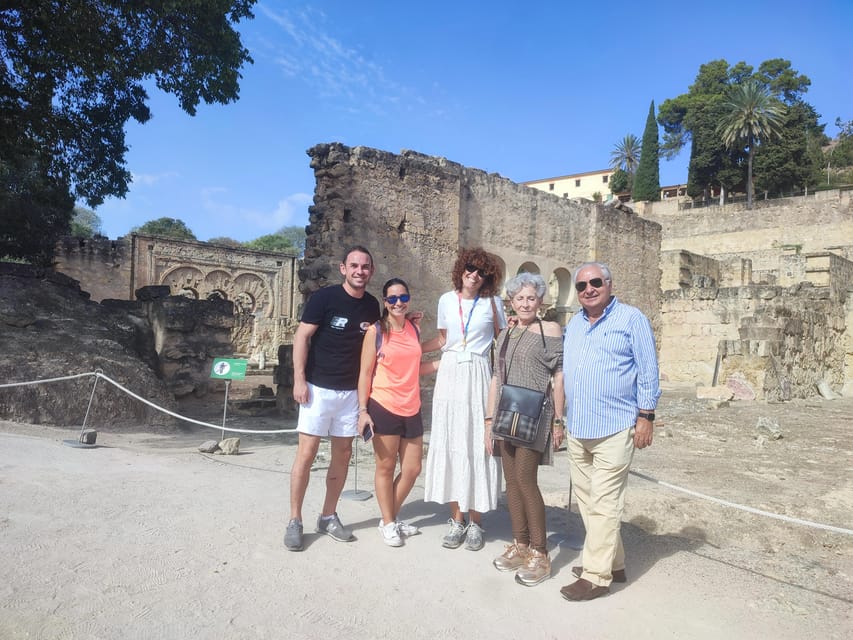
This tour has an easy starting setup: meet the guide in the Medina Azahara parking area, and look for the Córdoba Única accreditation. Bring comfortable shoes—seriously. You’ll be walking outdoors for a good chunk of the visit.
Bring cash too. The tour info explicitly calls that out, so plan to have it available rather than guessing.
One more practical consideration: baby carriages aren’t allowed. If you’re traveling with kids who need a stroller, you’ll want to plan an alternative.
And if your group is large, headphones and radio guidance are provided when it exceeds 10 people. That’s a comfort factor that can make the tour feel easier to follow.
Who this tour suits best (and who should think twice)
This works best for you if you want guided context without spending hours bouncing between separate tickets and viewpoints. It’s ideal if you like:
- Seeing excavation finds explained in plain language
- Watching how a site story comes together step-by-step
- Getting that “now I get it” moment from a 3D reconstruction
It’s also a good fit if Spanish is workable for you, since both the live guide and the audio guide are Spanish.
You should think twice if you have mobility challenges, since the tour is not suitable for people with mobility impairments. And if strollers are part of your everyday routine, you’ll have to adjust because baby carriages aren’t allowed.
Best way to enjoy Medina Azahara: pace, questions, and photo timing
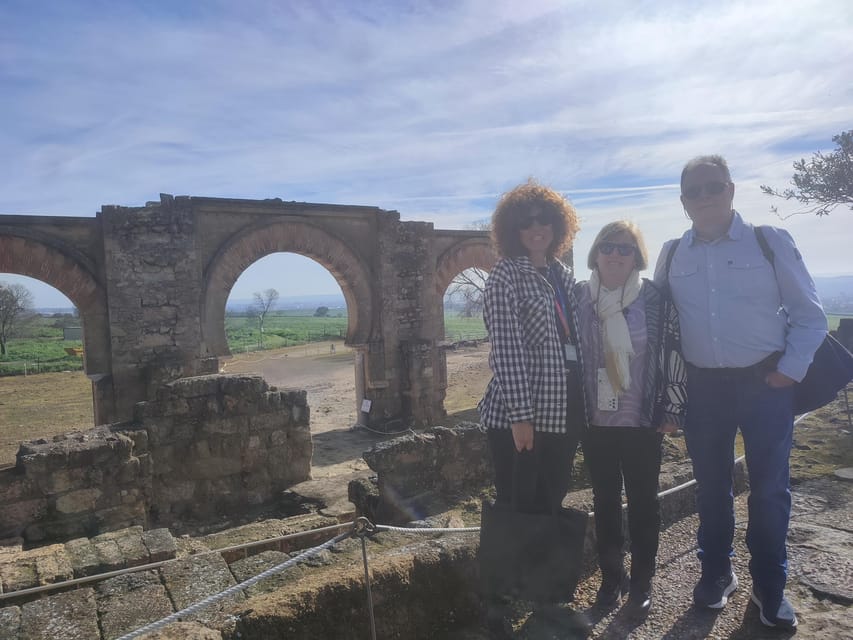
You’ll likely get the most out of the experience if you treat it like a guided lesson with breaks, not a long hike with a speaker. Give your guide the chance to explain before you move too far ahead. Then when you’re at the archaeological area, slow down for the photo stop and for the guided parts rather than sprinting for views.
Also, plan to use the 3D film as your “wrap-up tool.” If you’ve been taking notes or watching your guide’s clues at the ruins, the film is when those clues start making sense.
And if you care about guide quality, pay attention to the pattern in the feedback: Ángela, Elena, and Paula are repeatedly named for explanations that feel engaging and easy to follow. That’s a strong indicator that the guiding style is a major part of the experience.
Should you book this Medina Azahara tour?
I’d book it if you want the site to feel understandable, not just impressive-from-a-distance. For the low price, you get a complete package: museum context, guided time on the ruins, and a 3D film that stitches it all together.
Skip it only if Spanish isn’t your strength and you know you’ll struggle without translation support, or if mobility limitations mean you can’t handle an archaeological walking experience. If you’re in the “I want to get it” camp, this is one of the more cost-effective ways to turn Medina Azahara into a real story you’ll remember.
FAQ
How long is the Córdoba Única Medina Azahara tour?
The tour lasts about 2.5 hours.
Where do I meet the guide?
You meet the guide in the Medina Azahara parking lot, and the guide is wearing Córdoba Única accreditation.
Is the shuttle bus included?
No. The shuttle bus costs €3 round trip.
What language is the tour guide in?
The live tour guide is Spanish.
Is an audio guide included?
Yes. Audio guides are included, and they are in Spanish. Headphones and radio guides are also provided when the group exceeds 10 people.
What happens at the end of the visit?
You go into an auditorium for a 20-minute 3D recreation film. The film is screened on the hour and half-hour.
Is the tour suitable for people with mobility impairments?
No. The activity is not suitable for people with mobility impairments, and baby carriages are also not allowed.