REVIEW · CORDOBA
Olive Oil tasting breakfast & Tour in Cordoba
Book on Viator →Operated by Bag in Box. Tastings and more · Bookable on Viator
Olive oil tasting can be a real eye-opener. This Córdoba experience mixes a quick market look, a miller-style breakfast, and guided tastings that explain why oils taste so different.
I love the small-group limit of 10, because it keeps things relaxed and lets you ask real questions. I also love how the session starts with olives first, then moves into oils, so you can connect flavor to the fruit before bread gets involved.
One thing to consider: the breakfast is light and more “snack-style” than a full meal, so plan accordingly if you need a substantial start or have dietary timing concerns.
In This Review
- Key takeaways before you go
- Cordoba’s olive oil lesson starts with your palate
- Meeting at C. Carlos Rubio, then heading into the tasting rhythm
- Plaza de la Corredera: the quick “get your bearings” moment
- Mercado de la Corredera: the local food market primer
- Breakfast Molinero Style: traditional work break, modern taste education
- The tasting format: from olives to oils, with guided comparisons
- What to pay attention to while you taste
- Where the experience shines (and who it fits best)
- Possible drawbacks: small market, light breakfast, and the basement factor
- The breakfast may feel small
- The market can be limited
- The tasting space can be simple
- If your primary goal is tasting purity
- Value for $25.34: when the price makes sense
- Should you book the Olive Oil tasting breakfast & Tour in Córdoba?
- FAQ
- How long is the Olive Oil tasting breakfast & Tour in Córdoba?
- What price is it, and what’s included for that price?
- How many people are in the group?
- Is the tour offered in English?
- Where does the tour start?
- What should I expect for breakfast?
- What happens if the weather is bad?
Key takeaways before you go
- Market + tastings in one short morning: you get a feel for local food culture and then taste your way through it.
- A guide who teaches as you sip and smell: expect practical explanations about production and how to taste the differences.
- Olives first, then olive oils: you taste varieties early, which makes the later oil tasting easier to understand.
- Small group, max 10: you’ll likely get personal attention and time to ask questions.
- Breakfast is traditional, not heavy: think tea/coffee and bread-and-olive style, not a big plated brunch.
Cordoba’s olive oil lesson starts with your palate
Córdoba is famous for its history, but this tour focuses on something you can taste right now. The vibe is simple: you meet at a local tasting room, then you’re guided through olives, olive oils, and a traditional worker-style breakfast. It’s a smart way to experience Andalusian food culture without turning it into a checklist.
If you like food tours that explain the why, this one fits well. The teaching approach is built for taste education, not just pouring oil and hoping you guess the notes. You’ll get a framework for what to pay attention to in smell, bitterness, peppery finish, and fruitiness.
And because the group stays small (up to 10), it doesn’t feel like you’re stuck watching from the back. That matters a lot in tasting experiences, where questions and quick comparisons make the whole thing click.
You can also read our reviews of more food & drink experiences in Cordoba

Meeting at C. Carlos Rubio, then heading into the tasting rhythm
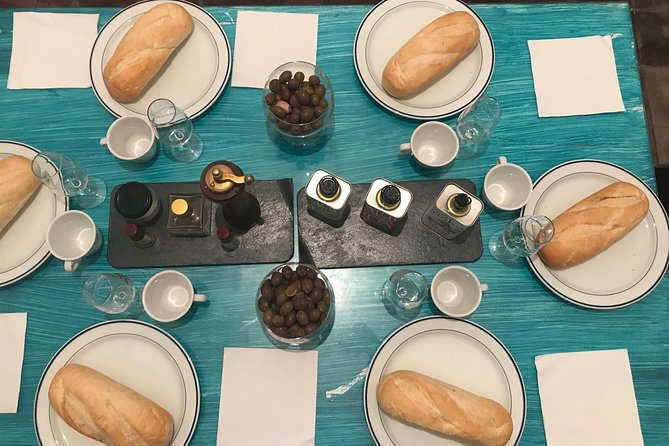
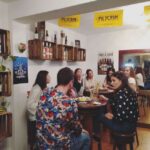
Your morning begins at Things to Do Córdoba, C. Carlos Rubio, 11, local, Centro (look for the black door on the right). You’re then set up for the tasting flow right away, which keeps the 1 hour 15 minutes feeling focused rather than rushed.
This isn’t one of those tours where you spend half the time waiting in the street. It starts at the tasting room area, then moves out to see the local food scene. If you prefer clear structure to open-ended wandering, you’ll appreciate that.
Also, this is offered in English and uses a mobile ticket, so you’re not juggling printed paperwork. And yes, service animals are allowed, which is always useful to know.
Plaza de la Corredera: the quick “get your bearings” moment
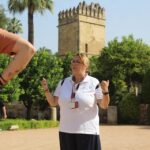
The first stop is Plaza de la Corredera. Think of it as your orientation point. You’re not there for a long photo session. Instead, it sets the tone for the rest of the morning: local life, food, and neighborhood rhythm.
This is also where a good guide can make the place make sense. Some guides on this experience (like José, mentioned in reviews) are described as sharing city context as you walk. Even when the main event is olive oil, this little bridge between city and food culture helps you feel grounded instead of dropped into a tasting room.
Mercado de la Corredera: the local food market primer
Next up is Mercado de La Corredera. The market stop is short, but it’s there for an important reason: it prepares you for what you’re about to taste. You’ll see typical Córdoban foods and get pointers on what’s local and what’s worth noticing.
Two practical notes based on how the experience can land in real life:
- The market is described as small, so don’t expect the scale of a major regional market.
- Market hours can affect what you see. One review mentioned the market being limited or even closed, and the tour still proceeded with the tasting part.
So if you’re booking mainly for the market stroll, go in with flexible expectations. The tastings and the guided teaching are the core value.
Breakfast Molinero Style: traditional work break, modern taste education
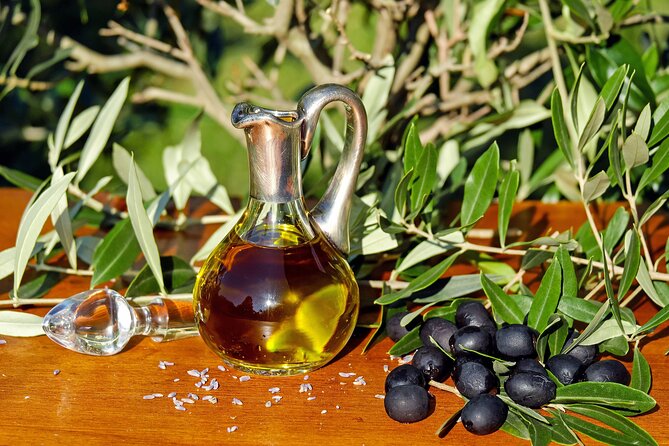
After your early taste rounds, breakfast enters the picture. In Spain, they call this style Desayuno Molinero (from the mill). The idea is tied to olive oil workers and their daily break: simple food, practical flavors, and oil as part of the routine.
Here’s what you should expect to eat:
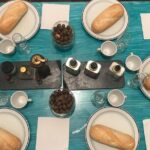
- Coffee or tea
- Bread (often used for dipping)
- Olives
- And olive oil poured for tasting with the bread
Some reviews describe the breakfast as light and focused on soaking up olive oil rather than a full brunch plate. One person noted instant coffee (Nescafé) and that the bread can make it harder to taste certain oils at their most subtle level.
That last point is key for you as a diner. If your goal is to detect the full range of oil personality—especially peppery or stronger notes—bread can blur the edges. The bread works great for casual enjoyment. It’s just not always the best tool for “pure tasting” comparisons.
If you arrive hungry, you’ll probably leave satisfied enough for an early morning activity. If you need a substantial meal for meds or a dietary routine, treat this as a snack-style breakfast and consider eating a bit before you go.


The tasting format: from olives to oils, with guided comparisons
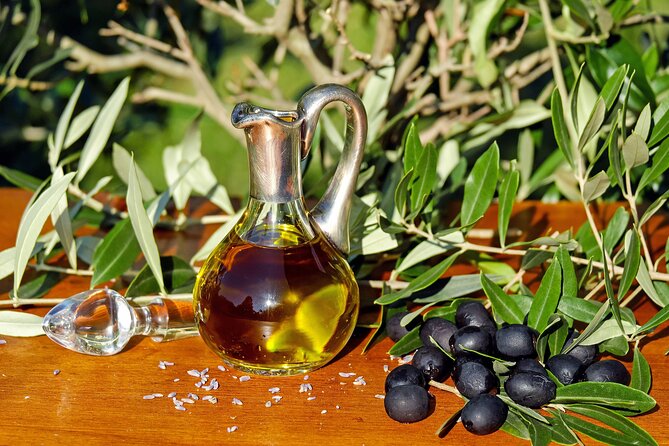
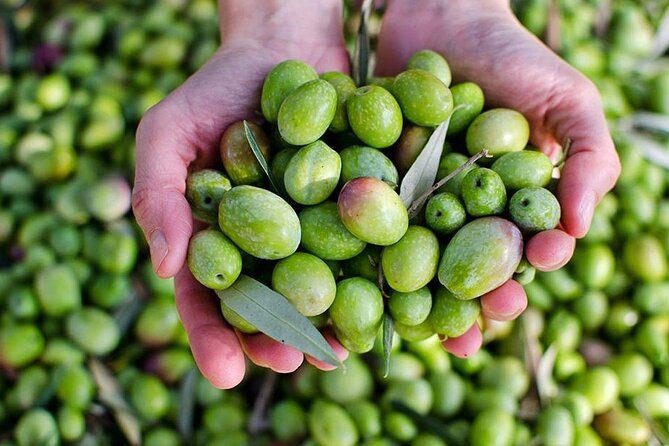
The session begins with tasting 3 different varieties of olives. This is a smart start. Olives set the stage because they teach you what the fruit tastes like: salty, green or ripe notes, and a general sense of intensity.
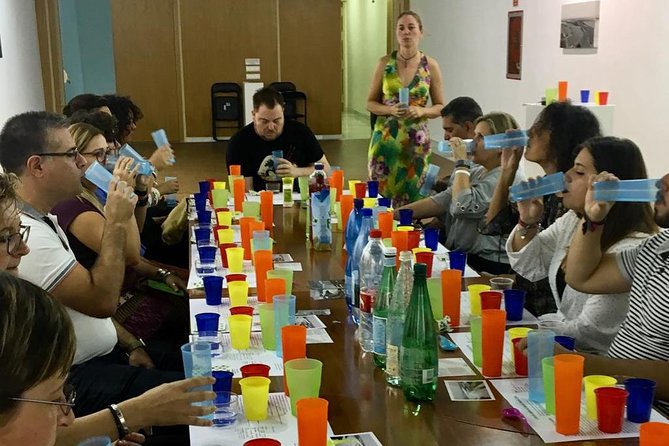
Then comes the main event: tastings of different olive oils from Cordoba varieties. The guide explains how to enjoy the oils on your palate, and you’ll be guided through comparisons from mild and fruity to stronger, more intense profiles.
One reason this tour earns such high praise is the way it handles flavor progression. Reviews mention moving from mild and fruity oils toward stronger ones with peppery finishes. That kind of structured comparison is how you actually learn to taste.
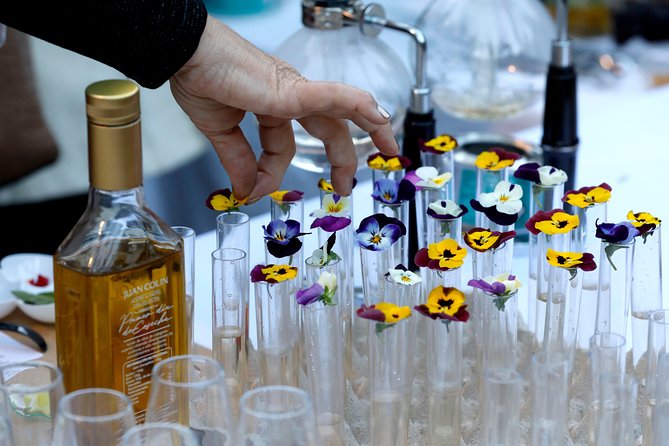
Some oils offered during the tasting may include infused olive oils. Infused oils can be a fun twist because they add aromatic layers beyond what you’d expect from plain oil alone. If you like experimenting, this is where you’ll get a little extra excitement.
And yes, you can usually ask questions throughout. In review after review, guides like Barbara, Mara, and Adrian are described as passionate and helpful at answering what people want to know: how olives are picked, how processing affects taste, and how to interpret what you’re tasting.
What to pay attention to while you taste
You’ll get the guidance, but here are a few things you can mentally track as you go:
- Smell first, then sip: the nose tells you more than you think.
- Notice the finish: some oils leave a gentle fruitiness, others end with a peppery kick.
- Compare textures: certain oils feel rounder, others feel more sharp.
- If bread is in the mix, pause and try one tasting without immediately chasing it with a dip.
The goal is not to become an oil critic. It’s to leave with a better sense of what you like and why.
Where the experience shines (and who it fits best)
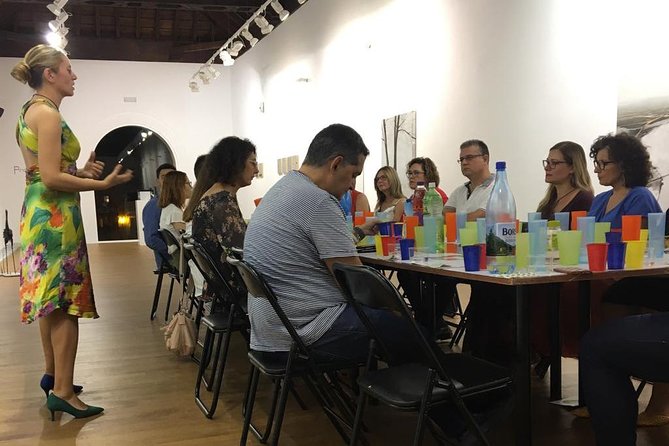
This tour’s biggest strength is that it’s short, personal, and teaching-focused. With a max group size of 10, you’re less likely to feel like one of a crowd. That format helps a lot when you’re learning a taste skill.
You’ll likely enjoy it most if you:
- Love food tours that explain production and pairing logic
- Want a break from big sightseeing and prefer hands-on culture
- Are curious about why Spanish olive oil tastes different from what you find at home
- Like meeting locals through their everyday traditions
The best part is that even if you think you “just like olive oil,” you might still be surprised. Multiple reviews point out that olive oil is not one flavor. It’s a spectrum, and Cordoba has its own personality.
This is also a nice “half-day reset” activity. It’s about 1 hour 15 minutes, so it won’t steal your whole day. You can fit it before lunch plans and still have time to wander.
Possible drawbacks: small market, light breakfast, and the basement factor
Let’s be honest about where this can frustrate people.
The breakfast may feel small
Several comments land on the same theme: the breakfast isn’t a full meal. You’re offered bread and olives with tea or coffee, plus olive oil tasting. If you expected a bigger brunch, you might feel underfed.
The market can be limited
The market stop is described as small. If stalls are closed or there are fewer open spots that day, the market portion can feel like more of a short walkthrough than a full market experience.
The tasting space can be simple
One review mentioned the tasting area being an apartment lower level and described it as less glamorous. That doesn’t change the tasting itself, but if you want a fancy setting, manage your expectations.
If your primary goal is tasting purity
Because bread dipping is part of the format, it can affect how clearly you taste certain oils. If you want strict, oil-only tasting, you might prefer a store tasting elsewhere. But if you want the culture-meets-taste teaching approach, this tour still delivers.
Value for $25.34: when the price makes sense
At about $25.34 per person for roughly 1 hour 15 minutes, the value hinges on what you want.
You’re getting:
- A market walk
- Guided olive and olive oil tastings
- A traditional mill-worker-style breakfast experience
- A small group cap (max 10)
- English-language guiding
- A teaching component that helps you understand differences
That combination is hard to beat for the price, especially because tasting sessions can cost more when they’re longer or larger groups.
One thing to know from reviews: some guides offer the chance to purchase olive oils afterward. However, shipping home may not be available. If you plan to buy bottles, budget time and plan how you’ll transport them.
Also, this tour appears popular enough that it’s often booked in advance (around 14 days on average). If you’re visiting in peak season, book early so you get the slot you want.
Should you book the Olive Oil tasting breakfast & Tour in Córdoba?
Book it if you want a compact morning activity that teaches you how to taste olive oil like a local, not just like a tourist. The small group size and guided comparisons are the big wins. If you like authentic food traditions, you’re in the right place.
Skip it or consider pairing it with something else if:
- You need a substantial breakfast for dietary reasons
- You’re expecting a large market with lots of stalls
- You want oil tasting without bread affecting the comparison
- You mainly care about scenery and atmosphere over food education
My practical call: book this as your olive oil “intro lesson.” Then, if your interest grows, you can always do a deeper tasting elsewhere later in the trip. That strategy lines up well with how people describe the experience: it’s informative, fun, and short, with breakfast that’s more tradition snack than full brunch.
FAQ
How long is the Olive Oil tasting breakfast & Tour in Córdoba?
It lasts about 1 hour 15 minutes.
What price is it, and what’s included for that price?
The price is $25.34 per person. The experience includes olive and olive oil tastings, a market stop, and a breakfast in Molinero style.
How many people are in the group?
The tour is capped at a maximum of 10 travelers.
Is the tour offered in English?
Yes, it is offered in English.
Where does the tour start?
It starts at Things to Do Córdoba, C. Carlos Rubio, 11, local, Centro, 14002 Córdoba, Spain.
What should I expect for breakfast?
Breakfast is in Molinero style, described as a traditional mill-worker break. You’ll have tea or coffee and bread plus olives, along with olive oil tastings.
What happens if the weather is bad?
The experience requires good weather. If it’s canceled due to poor weather, you’ll be offered a different date or a full refund.