REVIEW · CORDOBA
Guided Tour to the Popular Patios of Cordoba
Book on Viator →Operated by Arte De Cordoba S.L. · Bookable on Viator
Córdoba’s patios are living rooms, not postcards. This small English guided walk (about 2 hours) takes you through the courtyards that helped make the Popular Patios of Córdoba famous. I love how the tour ties the flowers to older traditions, including the idea that the floral love goes back to ancient Roman times.
I also like the relaxed pace and the fact that it’s designed for real conversations with the people who keep these spaces going. In the hands of guides such as Alejandro Muñoz, Olivia, Patricia, Antonio, and Maria, you’re more likely to get context than just “pretty views,” and you may even be routed at calmer moments for photos.
One consideration: the look of the patios changes with the season. In winter you may see fewer patios or less greenery, and in hotter months you can face crowding and heat—or in October, flowers may be past their peak.
In This Review
- Key Things to Know Before You Go
- Why Córdoba’s Popular Patios Feel Like Real Life
- The 2-Hour Walking Route: What You’ll Do on the Ground
- What to watch for while you’re there
- How the Tour Explains Courtyards Through Tradition (Not Trivia)
- Meeting Owners and Seeing the Patio as a Living Space
- Price and Value Check for $18.10
- Season and Crowds: When Patios Look Best (and When They Don’t)
- Winter
- Summer
- October and late season
- Meeting Point and How to Keep Logistics Stress-Free
- Who Should Book This Patio Tour (and Who Should Skip It)
- Short FAQ
- FAQ
- How long is the guided Patios of Córdoba tour?
- Is the tour in English?
- What does the tour price include?
- Where do we meet for the tour?
- Is there a limit on group size?
- Can I cancel and get a full refund?
- Should You Book This Patio Tour?
Key Things to Know Before You Go
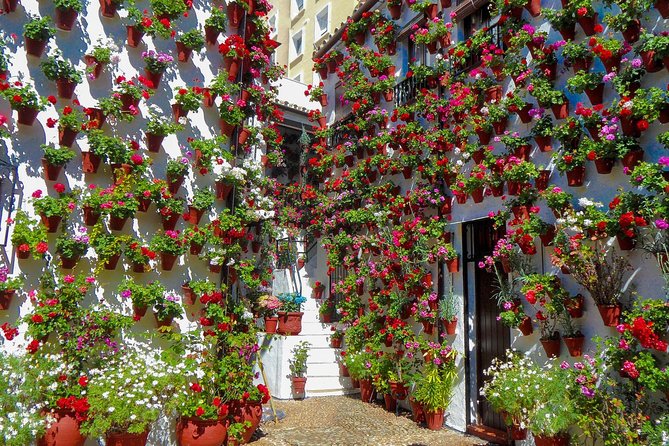
- UNESCO-grade tradition, explained in plain language: you’ll learn why the Popular Patios became an Intangible Heritage and what people have been doing for generations.
- Roman-era floral roots: the tour connects courtyard plants and seasonal rituals to older history, not just modern décor.
- Tenement-house ideas, with a human angle: you’ll hear about the courtyard concept and how it ties to everyday life and shared homes.
- Courtyard owners and their stories: your guide frames the patios as lived spaces, and you may meet the people who maintain them.
- Season can change what you see: winter and late-season months often mean fewer flowers, while summer means more heat and possibly more crowd pressure.
- Small group feel (up to 25): it’s not a cattle-call tour, so questions and slower viewing are more realistic.
Why Córdoba’s Popular Patios Feel Like Real Life
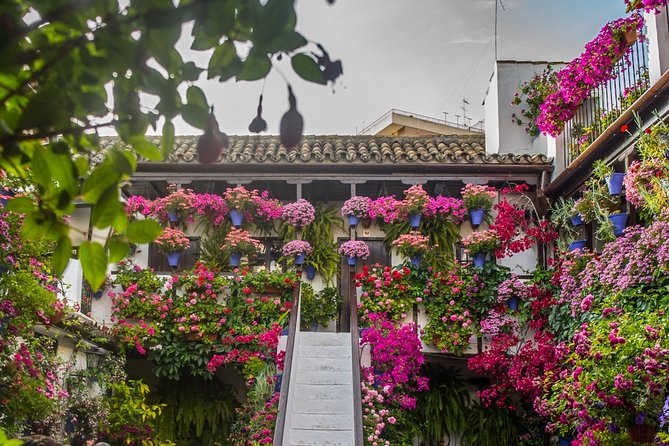
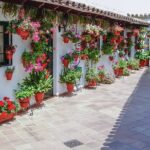
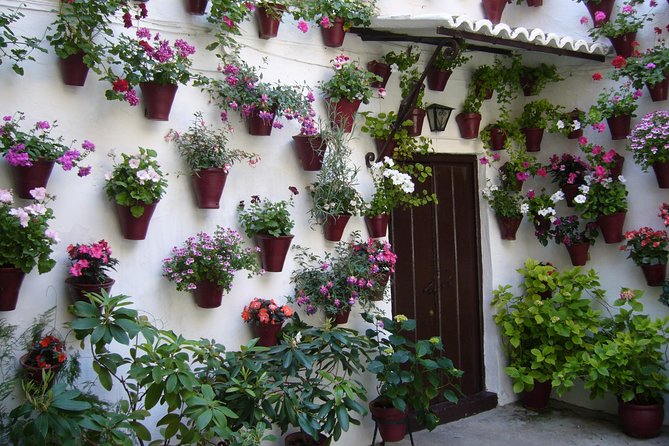
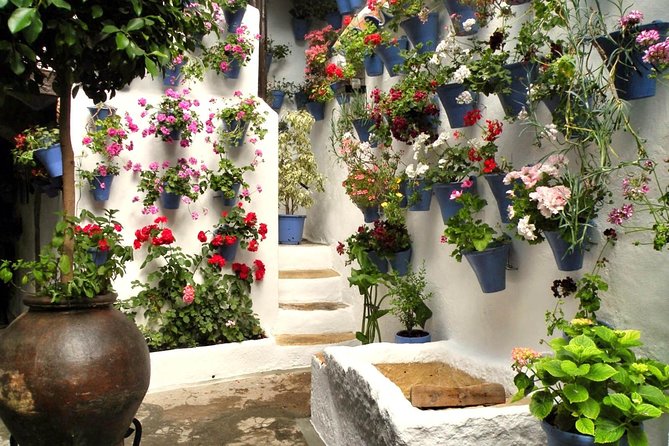
Córdoba’s patios are special because they’re not just scenery you look at from the street. These are interior courtyards—semi-private spaces that spill beauty into daily life, from spring blooms to carefully tended greenery. And the best part is that the tour explains why people do this, not just what to photograph.
This guided experience focuses on the Popular Patios tradition and the evolution of the Cordoban courtyard over time. You start with the big idea—this tradition is tied to UNESCO recognition—and then your guide brings it down to human scale: why courtyards matter, how they’re maintained, and what role plants and flowers play in the local rhythm.
I like that the tour doesn’t reduce the patio story to one floral moment. The approach you’ll get is that the patios aren’t only a May-flower thing. The goal is to describe and show the courtyard culture as it exists across a lot of the year, as long as the plants are available.
You can also read our reviews of more guided tours in Cordoba


The 2-Hour Walking Route: What You’ll Do on the Ground
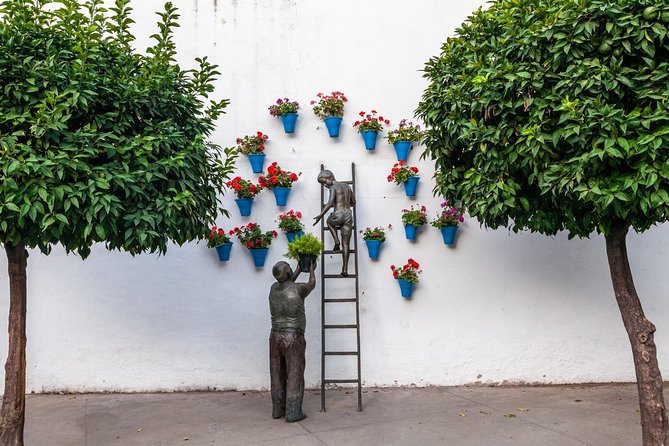
The tour is built as a guided walk through Patios of Córdoba, with a focus on interpretation and pacing. The time window is about 1 to 2 hours, so you’re not stuck wandering forever—but you also get enough time to step into the thinking behind the design.
In practice, you can expect a loop-like city stroll that leads you from one courtyard to the next. At each stop, your guide helps you notice patterns: how courtyards are arranged, what plants get emphasized, and how people use these shared interior spaces to shape daily comfort.
Stop 1 is essentially your orientation moment: you begin at the Patios de Córdoba hub idea, and your guide frames what you’re about to see. From there, you’re walking and learning as the patios change around you—more like a guided gallery route than a single landmark photo-op.
What to watch for while you’re there
Even if you’re not a plant person, you’ll get a lot by paying attention to three things:
- The courtyard layout: think of it as an indoor-outdoor room, often shaped by family living patterns.
- The plants’ role: flowers aren’t random; they’re part of seasonal identity.
- The human care: what owners and neighbors do—timing, pruning, watering—makes the space.
How the Tour Explains Courtyards Through Tradition (Not Trivia)
This is where the tour gets its value. You’re not just handed a list of things to look at. The guide uses the patios to teach how Córdoba thinks about home life, shared spaces, and seasonal beauty.
A standout theme is the historical evolution of the courtyard. The tour is described as a journey toward origins, helping you understand how the Cordoban courtyard changes across the years. That matters because it turns “pretty gardens” into a cultural system—one that has long-term roots and local rules.
You’ll also hear about the tenement house concept. That sounds like an architecture term, but it’s really about people. The idea ties courtyard living to everyday life in shared building structures—how families interact with a central space and why the courtyard becomes the heart of the home.
And then there’s the floral tradition. The tour highlights the tradition as beginning in ancient Roman times. Whether you treat that as cultural memory or historical influence, the point is clear: plants and flowers have deep symbolic weight here, not just decorative value.
Meeting Owners and Seeing the Patio as a Living Space
A big part of what makes this experience feel authentic is that you’re pointed toward the people who maintain the patios. The format is set up so you learn owners’ history and the peculiarities of the spaces—not as distant storytelling, but as a conversation-style cultural walk.
You may even get a moment to meet patio owners. The guides also tend to handle the etiquette of stepping into someone’s world respectfully. That part matters. Courtyards can look like public attractions, but they’re still tied to real homes and real work.
This is also why calm timing helps. Some guides, like Alejandro Muñoz and Patricia (names that come up in guide feedback), are noted for aiming for quieter viewing moments, which can mean better photos and less rushing. If you love gardens but hate crowds, that’s a real advantage.





Price and Value Check for $18.10
At $18.10 per person, this isn’t a budget “wander in alone” activity—but it also isn’t trying to be a premium extravaganza. You’re paying for three things you can’t easily replicate solo: a professional guide, a guided route through patios, and an included ticket.
The tour includes:
- a professional art historian guide
- a ticket (admission included)
- the guided experience in English
- a mobile ticket
That combination can be great value if you want meaning while you’re looking. If you only want photos and don’t care about the story, you could save money by buying entry on your own—some people have mentioned that approach as a cheaper alternative. But the guided part is what helps you notice what you’d otherwise miss: why plants and courtyard layout carry meaning, and how the tradition persists beyond the peak bloom window.
So my take: it’s worth it when you’re curious and want context. It’s less worth it if you want a lot of patios without guidance and you’re fine doing the reading yourself. The duration also matters—if you’re expecting a long, multi-stop crawl all day, this one is intentionally short and focused.
Season and Crowds: When Patios Look Best (and When They Don’t)
Your best experience depends on when you go, and you should plan around that reality.
Winter
In winter, some people have said it can still be beautiful—but greenery may be reduced and you might see fewer patios. If you book in colder months, I’d mentally shift expectations from full bloom fireworks to a more structural look: courtyard shapes, thoughtful plant choices, and the craft of keeping things alive when growth is slower.
Summer
Summer can be gorgeous for patios that keep going, but it also brings heat and sometimes heavier foot traffic. If you go in the hottest part of the year, wear light layers, bring water, and expect that you’ll want shade pauses. A relaxed pace helps here, and the “small group feel” up to 25 people can make it more tolerable.
October and late season
October can be a mixed bag. One issue mentioned is that flowers may be past their peak, so you might see more greenery than bloom—or less of both depending on the year. If your top priority is maximum floral impact, aim for the prime season and check what you’ll realistically get.
Meeting Point and How to Keep Logistics Stress-Free
The meeting point is Calle Caballerizas Reales, Centro, 14004 Córdoba. It’s also described as only a short walk from public transportation, which is ideal if you’re building your day around bus or tram connections.
Because the tour is a city walk, a few practical habits will pay off:
- Arrive a bit early so you can settle in without feeling rushed.
- Dress for sun and bring water in warm weather.
- Expect you’ll be moving at a walking pace for the full session, since the point is hopping between courtyards.
The tour runs in English and uses a mobile ticket, which is handy if you don’t want to fuss with paper vouchers. Service animals are allowed, and most people can participate.
Who Should Book This Patio Tour (and Who Should Skip It)
This tour is a strong fit if you:
- want context behind the flowers and courtyard culture
- like slower, small-group walks rather than bus tours
- enjoy architecture-by-experience, where courtyards teach you how people live
- appreciate respectful home-visit etiquette and a guide who keeps it moving at an easy pace
You might skip it if:
- your main goal is just a handful of patio photos and you don’t care about the story
- you’re going in a season where blooms may be limited and you’re counting on peak floral visuals
- you’re planning around specific extras you saw advertised elsewhere, since what’s included can differ from expectations
If you’re the type who loves a place more when you understand it, you’ll likely feel satisfied.
Short FAQ
FAQ
How long is the guided Patios of Córdoba tour?
It runs for about 1 to 2 hours.
Is the tour in English?
Yes. The tour is offered in English.
What does the tour price include?
The price includes a professional art historian guide and a ticket (admission included). Tips and food and drink are not included.
Where do we meet for the tour?
You meet at Calle Caballerizas Reales, Centro, 14004 Córdoba, Spain, and the tour ends back at the meeting point.
Is there a limit on group size?
Yes. The tour has a maximum of 25 travelers.
Can I cancel and get a full refund?
Yes. You can cancel up to 24 hours in advance for a full refund.
Should You Book This Patio Tour?
I’d book it if you want Córdoba’s patio tradition explained in a way that helps you see details instead of just snapping pictures. The included ticket, the art-historian guide, and the focus on courtyard culture (including the tenement-house angle and the floral tradition thread back to Roman-era ideas) make it feel like a short but meaningful experience.
But book with seasonal realism. If you’re chasing peak blooms, timing matters. And double-check any expectations about add-ons if you’ve seen different listings elsewhere—what you get here is a guided patio experience with admission and context, not a guaranteed meal stop.
If your goal is to understand why these courtyards matter—and to see them at a sensible pace—this is a good value way to spend your time in Córdoba.