REVIEW · MADRID
10 Tapas Cooking Class Experience in Madrid with Sangria
Book on Viator →Operated by A Punto Cooking School · Bookable on Viator
Madrid nights taste better when you cook. In this small-class tapas setup, you’ll make Spanish dishes step by step and then sit down to a home-cooked dinner you helped create. One big win for me is the focus on real technique with a pro chef (often Gustavo, aka Gus), and another is the food payoff: you end up eating multiple tapas instead of just watching.
You’ll also get a hands-on kitchen rhythm. Think stations, teamwork, and plenty of active roles, with the group kept to 15 people. One thing to plan for: the menu isn’t fully vegetarian, and dietary needs aren’t handled by swapping the whole spread, so you’ll want to check carefully if you avoid meat.
In This Review
- Key things I’d bet on
- A 4:00 pm Madrid Dinner You Cook Yourself
- Price and What You Actually Get for $82
- Meet Your Chef Team and the Small-Group Setup
- Kitchen reality check (in a good way)
- From Salmorejo to Patatas Bravas: The 10 Tapas Flow
- Salmorejo: The cold-tomato intro
- Idiazabal lollipops: cheese with a gimmick (that works)
- Coca: mini pizza energy, Balearic roots
- Ajillo shrimps: garlic + olive oil as the backbone
- Horchata torrijas: dessert with a regional twist
- Spanish omelette: potatoes first, your preference second
- Gilda skewers: olives and anchovy style bites
- Squid sandwich: Madrid street-food energy
- Patatas bravas: the spicy tomato sauce moment
- The sangria station: fruit and spices, not just sugar
- Sangria Pairing and the Not-So-Boring Drink
- Timing, Pace, and How the Stations Really Work
- What You’ll Take Home: Skills, Apron, and Recipe Confidence
- Who This Class Fits Best (and Who Should Skip)
- Should You Book This Tapas Cooking Class?
- FAQ
- What time does the class start?
- How long is the cooking class?
- How many people are in the group?
- Is the class in English?
- Where do I meet for the class?
- What’s included in the price?
- Is hotel pickup included?
- Is there a vegetarian option?
- Can you handle dietary requirements?
- What are the age limits for the class and alcohol?
Key things I’d bet on
- Small group (max 15) means you’re not stuck on the sidelines.
- Up to 10 tapas dishes plus sangria makes this more like a full dinner than a snack class.
- Chef-led tips often led by Gustavo (Gus) with extra support from the team.
- Hands-on station work so you’ll cook, not just assemble.
- Homemade sangria is part of the experience, not a canned afterthought.
A 4:00 pm Madrid Dinner You Cook Yourself
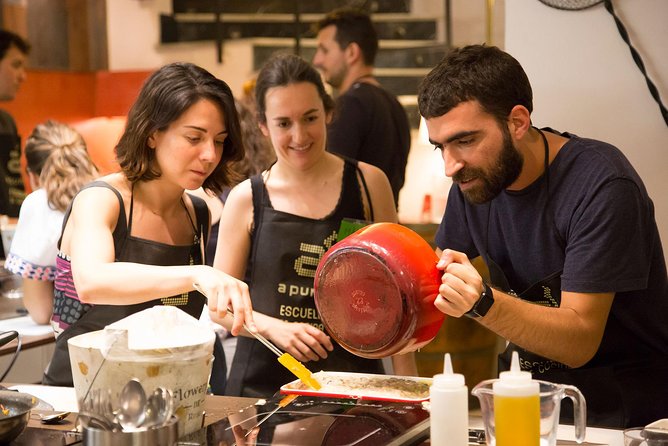
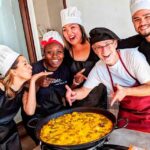
This is a late-afternoon cooking class in central Madrid, starting at 4:00 pm and running about 2.5 hours. Instead of ending your day with tapas from a bar stool, you finish with a meal you made yourself—warm, messy (the good kind), and very satisfying.
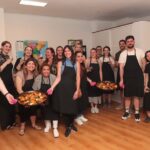
What makes it especially appealing is the structure. You’ll join your group, get clear instructions, and then work at stations so everyone contributes. The chef and assistants keep it moving, and you don’t spend the whole time waiting for your turn.
You can also read our reviews of more cooking classes in Madrid
Price and What You Actually Get for $82
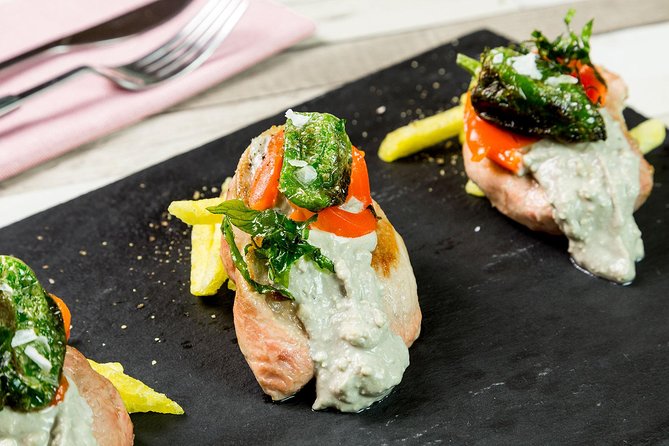
At about $82.24 per person, this doesn’t feel like a budget activity. But it also isn’t paying for a tiny tasting. You’re paying for a real cooking session with all ingredients included, plus a full home-cooked dinner and free sangria.
If you compare this to what a tapas crawl costs in time and meals, this can be good value—especially because your evening is handled. No figuring out what to order, no decision fatigue, and no long waits between bites. Also, you’ll receive a souvenir apron, which sounds small until you realize you’ll probably want one kitchen keepsake from Madrid.
The only price-related wrinkle is if you don’t drink alcohol. One guest who needed a non-alcoholic replacement didn’t love the soft drink option, and the provider noted their non-alcoholic variety is limited. So if sangria matters to you, great; if you’re skipping alcohol, plan to check what you’ll get instead.
Meet Your Chef Team and the Small-Group Setup
The experience runs in English and caps at 15 travelers, which is a sweet spot for hands-on work. You’ll also get a mobile ticket, and the meeting point is C. de la Farmacia, 6, Centro (28004 Madrid). There’s no hotel pickup, but it’s near public transportation, so you can arrive without a big transit plan.
In many sessions, the chef instructor is Gustavo (Gus), and the assistants can include people like Carmencita or Sandra. You might also run into teachers such as Rosa depending on the day. Across the feedback, the theme is consistent: the teaching style is practical, and the team is quick to answer questions so you’re not left guessing in a hot kitchen.
Kitchen reality check (in a good way)
- This is not a sit-and-watch demo.
- Each person is expected to handle at least one task.
- With lots of dishes going at once, you should be ready for a bit of a faster pace early on.
From Salmorejo to Patatas Bravas: The 10 Tapas Flow
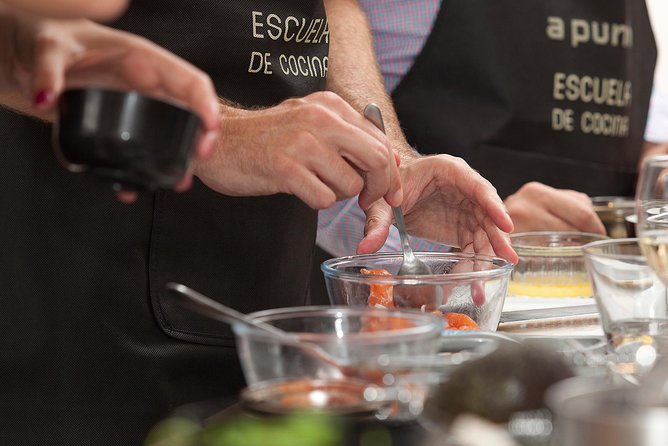
The core of the class is cooking up to ten tapas dishes. You’ll learn techniques that make Spanish food taste like Spanish food: simple ingredients treated with care, good timing, and smart flavor building. The menu you may cook includes (sample menu):
- Salmorejo (starter)
- Idiazabal lollipops (starter)
- Coca with sobrasada or vegetables (starter)
- Ajillo shrimps (main)
- Horchata torrijas (dessert)
- Spanish omelette with potatoes and with or without onion (main)
- Gilda skewers (starter)
- Squid sandwich with alioli (starter)
- Patatas bravas (main)
- Sangría (drink)
Here’s what each one teaches you and why it matters for eating like a local.
A few more Madrid tours and experiences worth a look
Salmorejo: The cold-tomato intro
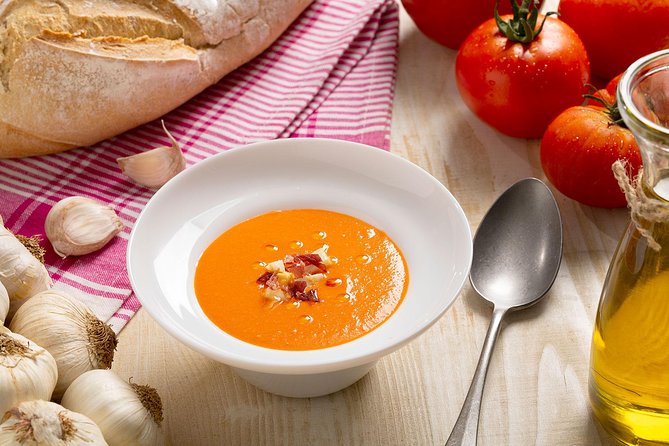
Salmorejo is a thick, cold tomato soup from Spain. It’s the perfect first lesson because it teaches texture and seasoning discipline. When you make it, you get a feel for why Spanish cold soups don’t taste bland—they’re usually balanced, creamy, and bold.
Idiazabal lollipops: cheese with a gimmick (that works)
You’ll learn to form Idiazabal lollipops, made with one of Spain’s well-known sheep cheeses. This is less about a “lollipop” shape and more about handling cheese correctly so it melts or sets the way you need. It’s also a fun station, and it tends to make people pay attention.
Coca: mini pizza energy, Balearic roots
Coca comes across like Spanish pizza, and in this class it may be topped with sobrasada or vegetables. This teaches you how to think of dough and toppings together rather than building flavor in separate steps.
Ajillo shrimps: garlic + olive oil as the backbone
Ajillo shrimps are shrimp cooked with garlic and a lot of olive oil. It’s a classic idea: don’t hide the main flavors under heavy sauces. You’ll see how quickly garlic can go from sweet to burned, so timing matters here.
Horchata torrijas: dessert with a regional twist
Horchata torrijas are a twist on French-toast style comfort food, using horchata (a Levante drink made from horchata ingredients). This station teaches how to soak and cook without turning bread into mush. It also shows how regional Spanish flavors can turn familiar formats into something new.
Spanish omelette: potatoes first, your preference second
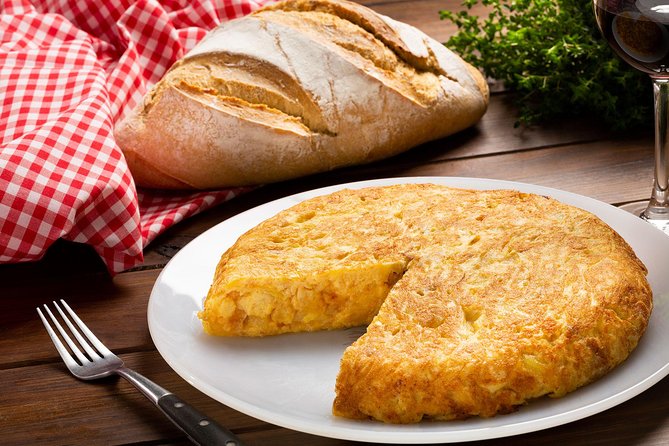
You’ll make Spanish omelette with potatoes, and you can choose with or without onion. This is one of the most practical lessons you’ll get, because it’s basically the Spanish home-cooking test: good texture, good oil work, and no rushing.
Gilda skewers: olives and anchovy style bites
Gilda skewers bring together olives, anchovies, and more. The value here is learning how salty and briny flavors fit together with the “bite size” format. It’s also an easy tapas win when you’re out later—now you’ll recognize the logic of those classic combinations.
Squid sandwich: Madrid street-food energy
Squid sandwich is very “Madrid bar” in spirit: fried squid with alioli sauce. This teaches batter/frying basics and how sauces change the whole vibe. If you’ve ever thought squid can be either boring or amazing, this helps you aim for the amazing side.
Patatas bravas: the spicy tomato sauce moment
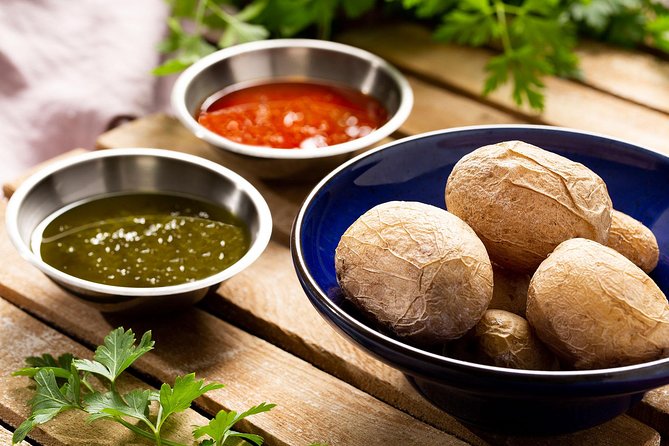
Patatas bravas are potatoes with a special spicy tomato sauce. This station is all about sauce balance—heat, acidity, and body—so you’re not just eating fries. It’s the dish that makes people understand why tapas land as real food, not just snacks.
The sangria station: fruit and spices, not just sugar
The class includes homemade sangria made with fresh fruit and spices. You’ll taste how it works as a dinner companion: it’s meant to be refreshing, not overpowering. Also, because it’s homemade, the flavors feel less like a generic drink and more like part of the menu.
Sangria Pairing and the Not-So-Boring Drink
Sangria is included, and the class is designed around it. You’ll get it as part of the evening flow, so you’re not stuck waiting for “the drink moment” after you finish cooking.
If you don’t drink alcohol, the course does provide a non-alcoholic replacement—but one guest felt it was a letdown compared to sangria. The provider also said they don’t have a huge variety of non-alcoholic drinks. My practical advice: if alcohol isn’t in your plans, message ahead so you know what the swap will be for your specific booking.
Timing, Pace, and How the Stations Really Work
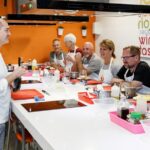
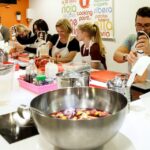
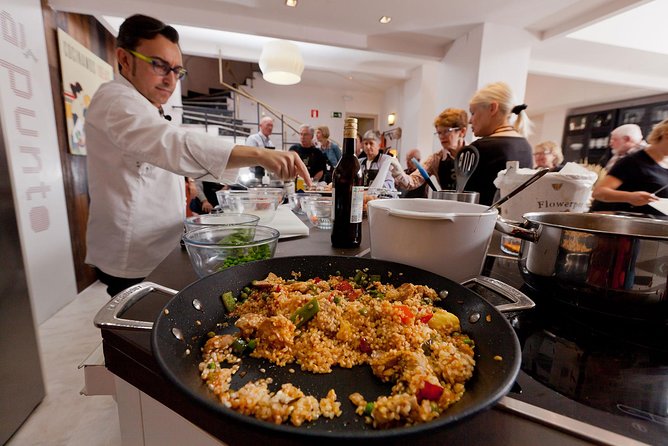
This is a station-based class, and with up to ten tapas, the schedule can feel energetic. One thing I liked from the feedback pattern is that the setup keeps people involved: groups work on different tasks while the chef supervises and assistants keep things clean and stocked.
Here’s how to make it feel smooth:
- Pick the station you care about most and pay attention there.
- Don’t worry if you get a smaller task in another dish—those tiny jobs add up to a full meal.
- Expect some quick instructions early. If you’re the kind of person who likes to take notes mid-stir, ask questions right away.
The upside of the larger kitchen setup (including an L-shaped layout in at least one version) is that multiple dishes can move at the same time. The tradeoff is the chef may move a bit fast when explaining because so much is happening.
What You’ll Take Home: Skills, Apron, and Recipe Confidence
You’ll go home with a souvenir apron, and more importantly, with real confidence. This type of class works because it teaches you the logic of each dish: sauce structure, frying control, and how simple ingredients become memorable when cooked with intent.
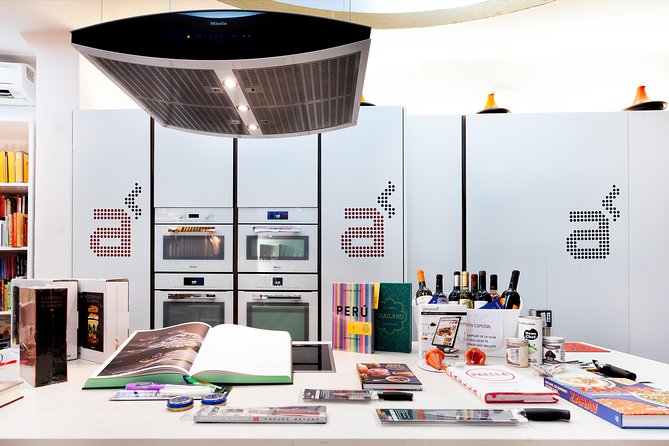
A practical bonus: one guest noted there are cookbooks for sale upstairs, and it’s worth a look if you like continuing the Madrid food theme after your class. Even if you don’t buy, browsing helps you spot what recipes you’ll actually want to recreate.
One more note: the class doesn’t claim every dietary swap is possible. They ask you to advise dietary requirements at booking, but they do not adapt the whole menu to restrictions. Also, there’s no full vegetarian option for the entire spread, even though almost half of the tapas proposed are vegetarian. If you’re vegetarian or have allergies, plan your expectations accordingly and contact the operator before you commit.
Who This Class Fits Best (and Who Should Skip)
This fits best if you want:
- A fun, social Madrid evening activity with a small group
- Hands-on cooking rather than a tasting-only experience
- A chance to learn classics like patatas bravas, ajillo, and Spanish omelette
- An English-friendly class taught in a clear, step-by-step way
It may not fit as well if:
- You need a fully vegetarian menu (the spread isn’t designed to be vegetarian end-to-end)
- You’re very sensitive to non-alcoholic drink substitutions
- You’re expecting hotel pickup or a door-to-door experience (there isn’t one)
If you’re celebrating, there’s also a clear rule: no parties allowed, and they ask you not to book if you’re planning a more than 5-person celebration. That’s worth respecting because a small class needs a calm vibe to work.
Should You Book This Tapas Cooking Class?
I’d book it if you want a real meal in Madrid that teaches you something, not just food. The value comes from the combination: up to ten tapas, a structured station format, professional teaching (often Gustavo and team), and a finished dinner that includes homemade sangria.
Skip or ask extra questions if your diet is complicated, because the class doesn’t adapt the whole menu and there isn’t a full vegetarian version. Also, if you don’t drink, it’s smart to confirm what you’ll get instead of sangria so you’re not surprised.
If you match the vibe—hands-on, social, and ready to cook—this is the kind of evening you can talk about later. You’ll leave with a stronger sense of how Spanish tapas are built, and you’ll have the dishes to prove it.
FAQ
What time does the class start?
The experience starts at 4:00 pm in Madrid.
How long is the cooking class?
It runs for about 2 hours 30 minutes.
How many people are in the group?
The tour has a maximum of 15 travelers, so it stays small.
Is the class in English?
Yes, it’s offered in English.
Where do I meet for the class?
Meet at C. de la Farmacia, 6, Centro, 28004 Madrid. The activity ends back at the meeting point.
What’s included in the price?
Included are the cooking class and all ingredients, the home-cooked dinner, free sangria, and a souvenir apron.
Is hotel pickup included?
No. Hotel pickup and drop-off are not included.
Is there a vegetarian option?
There is no vegetarian option for the whole menu. Almost half of the tapas proposed are vegetarian, but not the entire spread.
Can you handle dietary requirements?
You should advise any specific dietary requirements at booking, but they do not adapt the whole menu to dietary restrictions.
What are the age limits for the class and alcohol?
The minimum age is 14. The minimum drinking age is 18. Service animals are allowed.