REVIEW · MADRID
Medieval Madrid: Discover Legends & History
Book on Viator →Operated by Trip Tours Madrid · Bookable on Viator
Madrid’s legends start before sunset. In 2.5 hours, you’ll walk through classic landmarks, hear the stories that shaped the city, and end with the surprise of an Egyptian temple at Templo de Debod. Along the way, Plaza Mayor sets the tone, with the kind of “people watching plus history talk” combo that makes Madrid click fast.
I love that this is led by an expert guide—our guide Marik was friendly and fired up about the details, which keeps the whole walk from feeling like a lecture. I also like the practical add-ons: you get printed material plus didactic tools along the route, and there’s a link for personalized ideas for what to do next.
One thing to consider: the tour depends on good weather, so if skies are ugly, you’ll want a flexible plan for your evening.
In This Review
- Key Highlights You’ll Actually Feel
- Medieval Madrid on Foot in 2 Hours 30 Minutes
- Plaza Mayor: Where Madrid’s Crowd Energy Comes From
- What can be a drawback?
- Calle de la Cava Baja: Tapas Street, Properly Explained
- Quick tip for ordering later
- El Madroño and Madroño Liqueur: Madrid’s Strawberry Tree Symbol
- Why this stop is worth it
- Real Basilica de San Francisco el Grande: A Huge Dome Story
- Possible drawback
- Puente de Segovia: The Viewpoint for Royal Palace Photos
- Why this stop works for first-timers
- Plaza de Oriente: Royal Palace Gardens, Slow Down Moment
- Templo de Debod: The Egyptian Temple Moment at Golden Hour
- Price and Value: A Private Walk That Feels Like a Bargain
- Who Should Book This Walk (and Who Might Want Something Else)
- Should You Book Medieval Madrid: Discover Legends & History?
- FAQ
- What is the duration of the tour?
- How much does it cost and how large is the group?
- Is this tour private?
- Where do we meet, and what should we look for?
- What time does the tour start, and where does it end?
- What language is the tour offered in?
- What’s included in the price?
- Are entrance tickets, food, or drinks included?
- What if the weather is bad, or I need to cancel?
Key Highlights You’ll Actually Feel
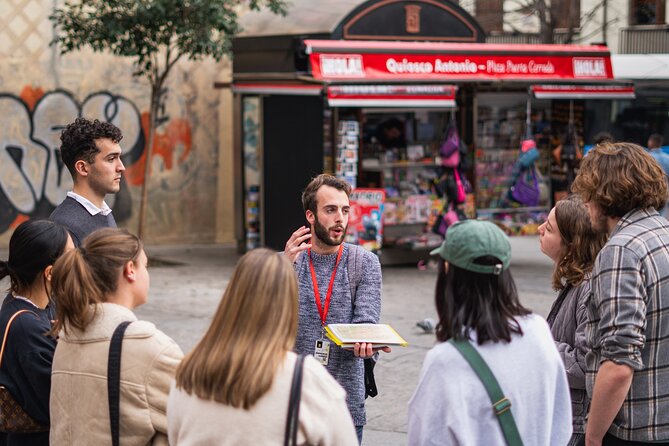
- Private group, up to 6 people so you get real conversation time instead of just walking behind a crowd
- A sunset-friendly start at 5:00 pm that lines up nicely with the big photo moments
- No entrance tickets needed since you’re not going inside the sites
- Tapas street + Madrid’s strawberry tree: you’ll connect food culture with city symbolism
- Big views from Puente de Segovia toward the Royal Palace and Almudena Cathedral
- Egypt in Madrid at Templo de Debod with stories about how the temple arrived here
Medieval Madrid on Foot in 2 Hours 30 Minutes
This is a short, focused evening walk—about 2 hours and 30 minutes total, with roughly 20 minutes per stop. That time structure matters. It’s long enough to learn meaningful stories at each location, but not so long that you’ll feel trapped. You’ll move at a comfortable walking pace, and you can keep your energy for the last leg when the light gets good.
The experience is private for your group. That means the guide can adjust the pace and answer questions instead of rushing everyone through. It’s also offered in English, so you won’t have to piece together the meaning of plaques and signs on your own.
Logistics are simple: you meet near Plaza Mayor at Casa de la Carnicería (Pl. Mayor, s/n, Centro, 28012), and you look for a full yellow umbrella. The walk ends at the Temple of Debod (C. de Ferraz, 1, Moncloa – Aravaca, 28008). The route is near public transportation, which is helpful if you’re coming from another neighborhood.
One more practical note: since you’re out walking and stops are close enough to make sense, wear shoes that can handle uneven sidewalks and cobblestones. You’ll be standing for views and listening for stories, so comfort beats fashion.
You can also read our reviews of more historical tours in Madrid


Plaza Mayor: Where Madrid’s Crowd Energy Comes From
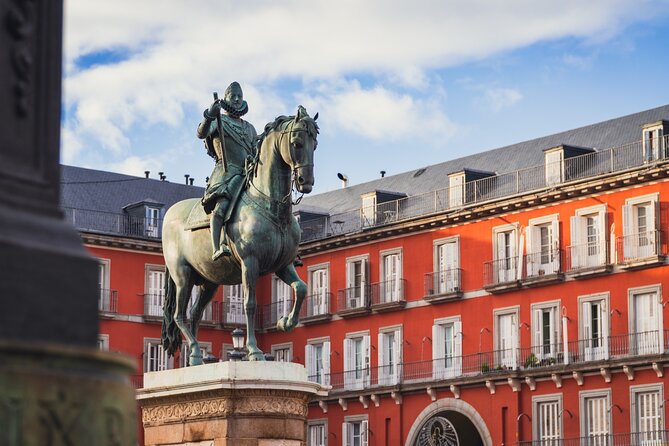
Plaza Mayor is the kind of square that makes you understand how cities organize themselves. Even before the stories land, you can feel it: this is a stage. You’ll talk about market days and public spectacles, and how the square acted like a town center long before modern conveniences existed.
What I like here is that the guide’s storytelling doesn’t keep it abstract. You’re not just hearing dates; you’re getting a sense of how people moved through the city—where they gathered, what they watched, and why this space mattered. It’s a fast way to build context for everything else you’ll see later.
Practical tip: arrive with your phone charged. You’ll likely take photos, but you’ll also want it for maps and follow-up reading later. The square is easy to orient to, so even if your timing is off by a few minutes, you won’t lose the plot.
What can be a drawback?
If you prefer quiet corners and you’re tired from a full day of sightseeing, Plaza Mayor can feel busy. The upside is that the guide uses that energy as part of the lesson, not something you have to fight.
Calle de la Cava Baja: Tapas Street, Properly Explained
Calle de la Cava Baja is famous for its tapas scene, but the real value of this stop is how the guide connects food with the past. You’ll learn about the street’s storied past and how everyday eating became part of Madrid’s identity.
This is where the tour gets more human. You’re walking a narrow street built for conversation and quick meals, and the stories make you think about what tapas meant historically: fast, social, and tied to neighborhood life. Even if you don’t plan to buy food during the walk, you’ll come away understanding why people still treat this area like a living tradition.
Practical reality check: food and alcoholic drinks aren’t included. You can still plan to snack on your own if you want, but the tour is designed around walking and learning rather than turning into a meal experience. Gratuities for the guide are also not included, and you’ll give them at the end if you feel the service was worth it.
Quick tip for ordering later
If you do decide to grab a tapa here after the tour, keep it simple: pick one place, ask what’s good, and don’t try to do five stops in a row. This street rewards focus more than speed.





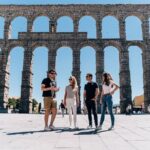
El Madroño and Madroño Liqueur: Madrid’s Strawberry Tree Symbol
Then you hit a stop that feels instantly Madrid. The strawberry tree, El Madroño, is celebrated here, and the guide explains why this symbol sticks in people’s minds.
If you’ve ever seen Madrid’s coat-of-arms imagery, you already know the strawberry tree matters. This stop gives you the meaning behind the symbol, not just the fact. It’s a clever change of pace too. After squares and streets, you get a quick, memorable landmark story tied to local identity.
You may also have a chance to sample local Madroño liqueur. Since alcoholic beverages aren’t included, treat this as an optional taste at your own expense. Even one sip can make the symbol feel less like a random emblem and more like something people actually enjoy.
Why this stop is worth it
A lot of history tours stop at monuments. This one adds a piece of cultural identity you can connect to what people buy, drink, and talk about today.
Real Basilica de San Francisco el Grande: A Huge Dome Story
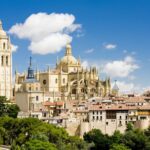
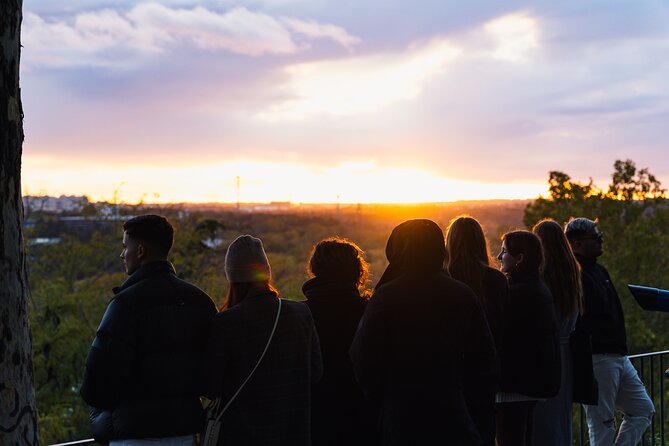
Real Basilica de San Francisco el Grande is the kind of church stop that sounds dramatic on paper—one of Christianity’s largest domes, plus art connected with major painters like Goya. On the walk, you’ll learn why the dome is a big deal and what you should notice about the basilica’s place in Madrid’s story.
Because entrance tickets aren’t part of the experience, you’re not relying on timed entry or ticket logistics. That keeps the evening running smoothly. You’ll still get the meaning of the dome and the art references while you’re in the right place to make the conversation feel grounded.
Practical tip: look up. Domes are meant for that, and it’s an easy way to turn a quick stop into something memorable even if you’re not going inside.
Possible drawback
If you were hoping for a full interior visit with long time inside the church, this experience is set up for viewing/learning rather than ticketed entry. You’ll get the core stories, but the format is designed to keep the walk moving.
Puente de Segovia: The Viewpoint for Royal Palace Photos
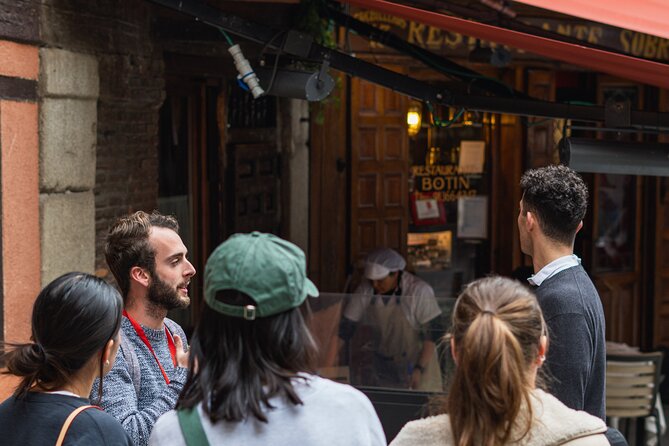
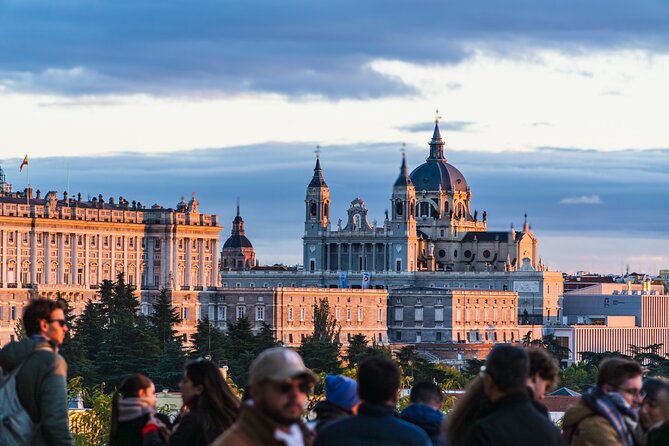
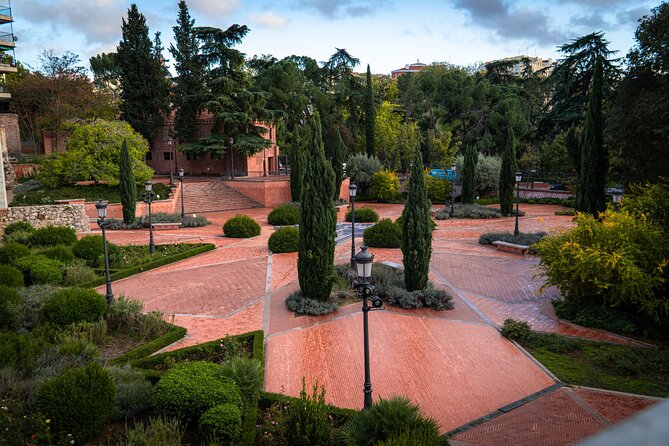
Puente de Segovia is a classic Madrid photo stop. The payoff is the panorama: you’ll get views toward the Royal Palace and Almudena Cathedral.
This is also one of the best spots for sunset-style photos, and the 5:00 pm start helps. As the sky shifts, the bridge becomes a natural frame. You’ll hear what you’re looking at and why the view matters, so you’re not just taking pictures—you’re learning what lines up and what the city’s layout is doing.
Practical tip: bring a light layer. Evening air can change fast, especially when you’re standing still for photos and listening. Also, pause before you shoot. One minute of looking first usually makes your photos better.
Why this stop works for first-timers
Madrid can feel spread out. This viewpoint gives you an organized mental map in minutes, which helps the rest of your trip feel less random.
Plaza de Oriente: Royal Palace Gardens, Slow Down Moment
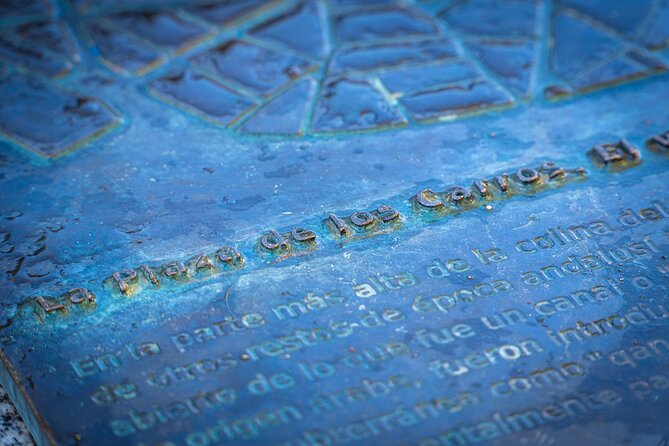
After the big view from the bridge, Plaza de Oriente is a quieter pause. It sits by the Royal Palace gardens, so the mood shifts from street-to-views into a more reflective break.
This stop is useful because it resets your senses. You’ll hear royal history context and get a calmer moment before the final walk to the Egyptian temple. Think of it as the tour’s “take a breath” segment—still informative, but less intense than the earlier crowd-focused areas.
Practical tip: if you’re tired, this is the time to rest your legs while you still stay engaged. You’ll likely be able to stand comfortably and take in details without feeling rushed.
Templo de Debod: The Egyptian Temple Moment at Golden Hour
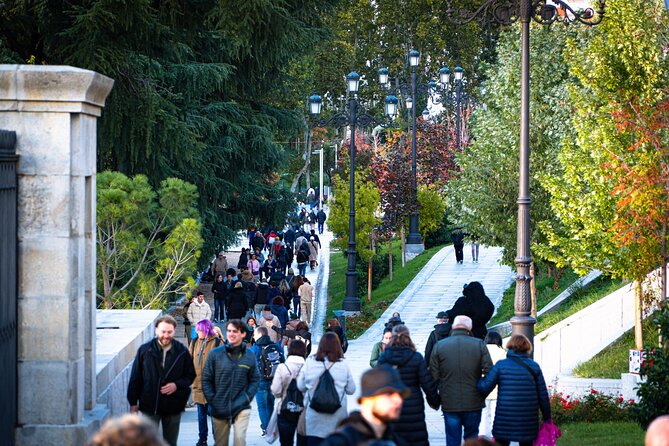
Ending at Templo de Debod is the best kind of plot twist. You’re in Madrid, and then you’re standing in front of an ancient Egyptian temple. The guide will explain its journey from Egypt to Spain, and you’ll understand how an object like this can travel and still keep its identity.
This is also where the evening feel comes together. Sunset is often the star here, and it’s the kind of atmosphere that makes people stop talking and just look. It’s one of those places where the story matters because it changes how you see the structure.
If you’re the type of traveler who likes your history fun and slightly surprising, this is your payoff stop. You started in a medieval-era public square and ended with an ancient temple in the middle of a modern city. That contrast is exactly what makes the walk memorable.
Practical tip: give yourself a few minutes at the end. Don’t rush out the second the final story is done. Let the light shift a bit more, and you’ll usually get better photos.
Price and Value: A Private Walk That Feels Like a Bargain
The price is listed as $2.64 per group (up to 6). That’s unusually low for a private, guided, 2.5-hour walking experience, especially one that includes printed materials and didactic tools.
Here’s why it feels like real value:
- You’re paying for an expert guide who connects multiple stops with stories you can’t reliably piece together from signage.
- You get material printed plus teaching tools along the route, which helps the information stick.
- You don’t have to deal with entry tickets for the stops. The experience is set up so you’re not adding extra ticket costs or waiting times.
What’s not included is also clear, which helps you plan:
- No food or alcoholic drinks are included.
- Gratuities aren’t included, so you decide the amount at the end.
- Entrance tickets aren’t needed because you’re not entering the sites.
The smart way to think about it: you’re buying a guided route that gives you context fast. Then you can spend your money on the parts you choose—tapas, a drink, or a museum visit later—rather than being forced into a fixed itinerary format.
Who Should Book This Walk (and Who Might Want Something Else)
This tour is a great fit if:
- you’re new to Madrid and want your first evening to make sense
- you like “story stops” more than strict museum time
- you want a private group experience that keeps it interactive
- you enjoy views and want a sunset-friendly schedule
It may be less ideal if:
- you hate walking or standing for long stretches
- you specifically want interior access to major sites, since you’re not buying entrance tickets and the focus is on learning outside/at the locations
- you’re only interested in one or two famous monuments and don’t care about streets and symbols
If you’re traveling as a small group of up to six, this format can be especially good. You can keep the conversation going, ask questions, and get a guide’s take on what to do after the tour using the personalized recommendations link.
Should You Book Medieval Madrid: Discover Legends & History?
I think you should book it if you want an efficient, story-driven introduction to Madrid that ends with something surprising. The stop sequence has a reason: you start in the core public square, move into food culture, pick up a symbol that reads like a local signature, then shift to a dramatic dome and major viewpoints, and finish with the Egyptian temple at Templo de Debod.
Book it especially if you like guided moments that change how you see what you’re looking at. The guide-led legends make the city feel connected rather than scattered.
The main reason to pause is the weather requirement. If your evening forecast is questionable, keep a flexible mindset and be ready to adjust. But if the weather cooperates, this is one of those small-group walks that pays you back quickly with context, photos, and a real sense of place.
FAQ
What is the duration of the tour?
The tour lasts about 2 hours 30 minutes.
How much does it cost and how large is the group?
It costs $2.64 per group, up to 6 people.
Is this tour private?
Yes. It’s a private tour/activity, and only your group participates.
Where do we meet, and what should we look for?
Meet at Casa de la Carnicería, Pl. Mayor, s/n, Centro, 28012 Madrid. Look for the umbrella in full yellow.
What time does the tour start, and where does it end?
The start time is 5:00 pm. The tour ends at the Temple of Debod, C. de Ferraz, 1, Moncloa – Aravaca, 28008.
What language is the tour offered in?
The tour is offered in English.
What’s included in the price?
Included are the expert guide, printed material and didactic tools along the route, and a link for personalized recommendations for what to do in Madrid.
Are entrance tickets, food, or drinks included?
No. Entrance tickets are not needed because you are not entering the sites, and food and alcoholic beverages are not included.
What if the weather is bad, or I need to cancel?
The experience requires good weather. If it’s canceled due to poor weather, you’ll be offered a different date or a full refund. You can cancel for a full refund up to 24 hours in advance of the experience start time.