REVIEW · MADRID
Madrid Historic Centre Food Tour with Authentic Tapas & Wines
Book on Viator →Operated by Secret Food Tours · Bookable on Viator
Madrid tastes better with a small group. This Historic Centre food tour pairs tapas and wines with real sights like Plaza Mayor and Km 0, plus a guided path through old-school bakeries, delis, and taverns. I particularly love the tight group size (max 15), which keeps the pace friendly and the guide’s attention high, and I love how the menu stacks classic Madrid staples instead of just one or two token bites. One thing to consider: you do a fair amount of walking and you’ll be standing for tastings, so comfy shoes and a flexible schedule help.
Menu and stops can change based on availability and weather, and you should plan to be adaptable about what you taste on the day. If you want a smooth visit, eat lightly beforehand and bring your appetite, because the tastings add up fast over 2 to 3 hours.
In This Review
- Key things I think are worth your attention
- Calle Mayor start: how this tour sets you up for Madrid
- The pastry opener: where Madrid’s food culture starts
- Iberian ham, oil, and cheese: what to look for on the tasting
- The squid sandwich moment: a Madrid classic that lands fast
- One tapa, a bottle of cider, and vermouth: the Madrid bar logic
- Patatas bravas, tortilla, and peppers: the comfort-food core
- The 18th-century finale: tortilla plus the Secret Dish
- 2 hours vs 3 hours: what changes when you upgrade
- Price check: is $78.36 good value for Madrid tapas?
- Where the route shines: history that supports the food
- Guides make it: small group, big attention
- Who this tour is for (and who should think twice)
- Should you book the Madrid Historic Centre Food Tour?
- FAQ
- How long is the Madrid Historic Centre Food Tour?
- What does the tour cost?
- Where do we meet and where does the tour end?
- What food and drinks are included?
- Can you accommodate dietary needs?
- Is the tour offered in English?
- Is it a small group tour?
- FAQ
- Is there free cancellation?
Key things I think are worth your attention
- Small group size (up to 15): easier conversation, easier seating, less rushing.
- Plenty of tastings, not just snacks: you’ll move through pastry, ham and cheese, tapas, and a final meal.
- Vermouth and cider are part of the rhythm: drinks show up alongside the food, not as an afterthought.
- Finish in an 18th-century restaurant: you end in a setting that matches the history theme.
- Secret Dish is truly day-of: you don’t get to preview it, and that keeps the finale fun.
- 2-hour vs 3-hour trade-off: the 3-hour option adds extra bites and drink choices.
Calle Mayor start: how this tour sets you up for Madrid
Most Madrid days start with a map and wishful thinking. This one starts with a simple location: Calle Mayor 10 in the Centro area. It’s a practical meeting point because it’s central, easy to find, and it ends back at Calle Mayor 10, just about 200 meters from where you started.
What I like about this format is that it anchors the experience in the part of town you’ll actually want to revisit later. You’re not just eating inside; you’re also seeing the geography that shapes how people stroll, shop, and snack. And because it runs in English, you can focus on the flavors and the story without spending your time translating in your head.
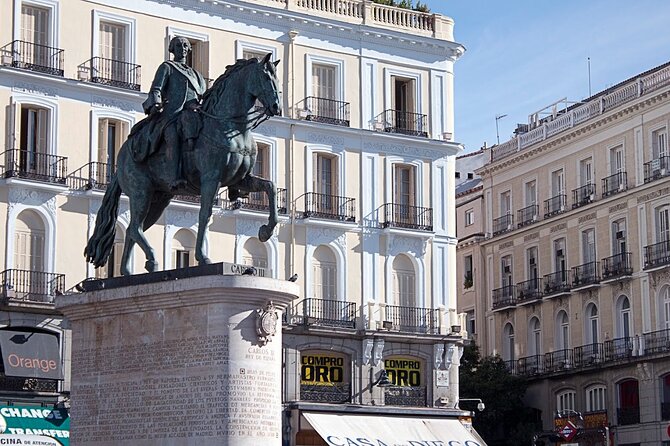
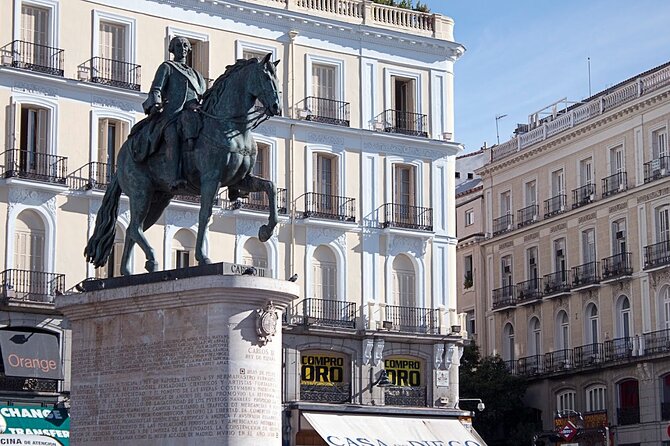
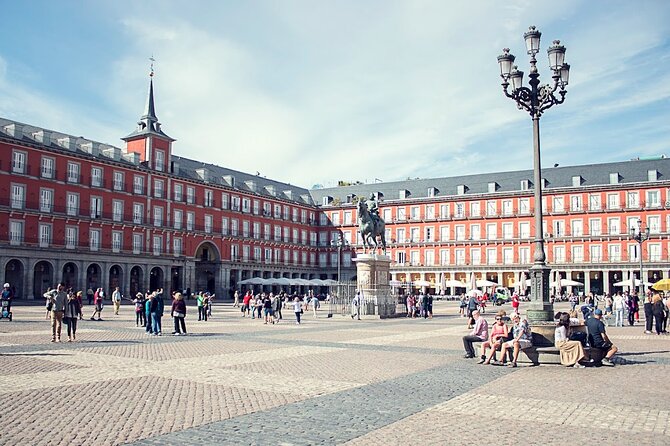
The route also passes big landmarks like Plaza Mayor and the Km 0 area, plus the central market nearby that lots of people use as a base for exploring. Even if you’ve seen photos, it helps to experience the squares from ground level, while your guide ties them back to daily life and food traditions.
One practical note: this tour is designed for a range of people, and the tour provider lists that most people can participate. Still, it involves enough walking that you should treat it like a light city hike. Comfortable shoes aren’t optional here.
You can also read our reviews of more food & drink experiences in Madrid



The pastry opener: where Madrid’s food culture starts
The first tastings are classic and intentional. You begin at a historic pastry shop for a seasonal pastry—one that’s picked to fit the day’s local selection. It’s a good opener because it sets the tone: Madrid eating isn’t only about bars and plates. There’s a strong pastry-and-coffee culture that feeds the day before lunch really starts.
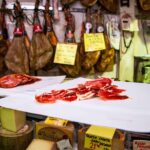
After that, you move to a deli with a history of over 180 years, and that’s where the tour really turns into a tour of taste. This is the moment when you’re not just tasting food—you’re learning why those ingredients show up again and again in Madrid kitchens and tapas menus.
You’ll sample:
- Two types of Iberian ham
- Manchego cheese
- Extra virgin olive oil
If you’ve ever wondered why Spaniards talk about olive oil like it’s a personality trait, this stop explains it in bites. Ham and cheese also matter here because they’re the building blocks behind a lot of tapas logic: salty + rich + fatty + balanced with something simple.
The likely drawback at this stage is pace. Food tours move fast by design, and early on you might feel like you’re stacking flavors quickly. If you’re sensitive to strong tastes, slow down between tastings and take water sips so you can actually taste the differences.
Iberian ham, oil, and cheese: what to look for on the tasting
This stop is about more than eating. It’s a short crash course in how Madrid builds flavor without overcomplicating it.
When you try Iberian ham, pay attention to the differences between the two varieties offered that day. Even without fancy vocabulary, you can often notice changes in salt level, aroma, and texture as the ham warms slightly in your mouth.
The manchego cheese is there to show how regional ingredients carry their own character. Manchego tends to feel firm and robust, and it gives you a base for the other bites that follow. Pairing it with extra virgin olive oil helps you understand why olive oil is treated like an ingredient with its own job—rounding edges and making the whole bite feel complete.
This is also a good stop for first-time Madrid eaters because it teaches you what to order later. After this, you’ll be more confident ordering ham-and-cheese pairings, and you’ll know to look for olive oil that’s actually part of the dish, not poured as an afterthought.
The squid sandwich moment: a Madrid classic that lands fast
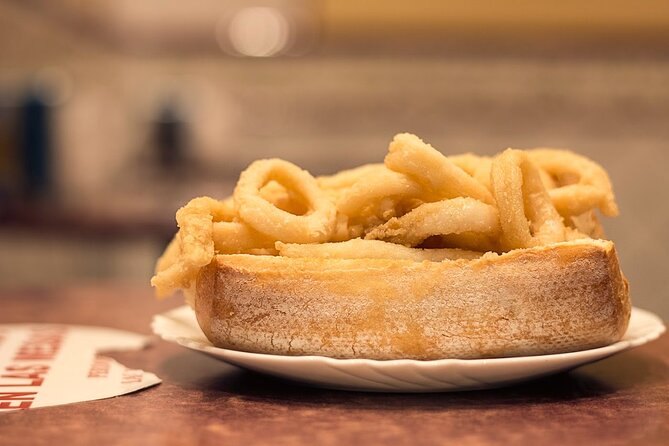
Then comes a local favorite that many people come to Madrid specifically for: a classic deep-fried squid sandwich.
It’s exactly the kind of bite that makes food tours worth it. You’re not hunting down the right place at the right time on your own, and you’re not stuck with an overly touristy version. This stop gives you a benchmark—what the dish is supposed to feel like when it’s done well.
Expect texture. The sandwich is built around crisp frying, with squid that’s meaty enough to hold its own. It’s also salty, so you’ll want your drink pairing to do some work here.
And that’s where the tour’s drink rhythm helps. You’re not just offered alcohol as a separate service. You’re tasting alongside food, and the guide’s pacing keeps the pairing feeling intentional.
If you’re not into fried seafood, you might still try a small bite first and see how you feel. The good news: the overall menu includes other classics too, including tapas and tortilla later.
One tapa, a bottle of cider, and vermouth: the Madrid bar logic
After the ham and squid, you’ll move through tapas-style eating. The tour includes:
- One outstanding tapa
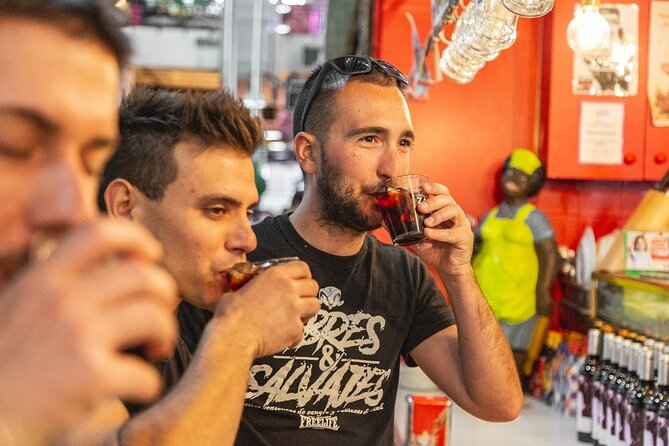
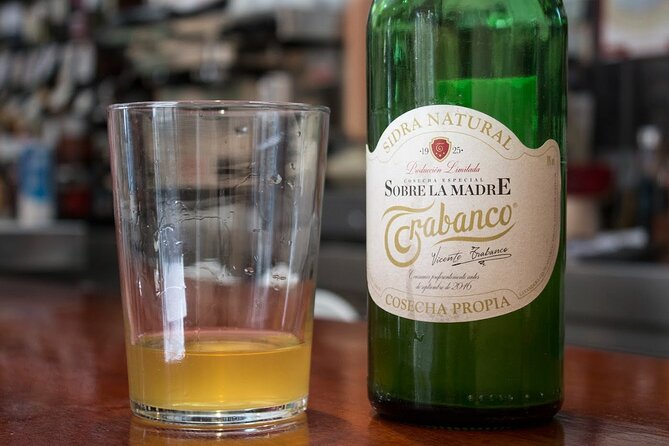
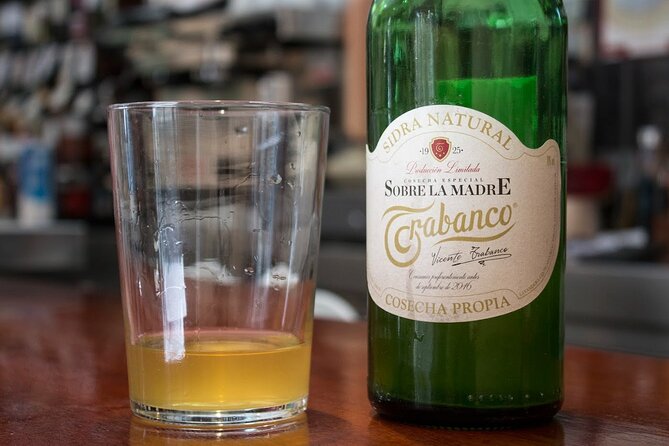
- A shared bottle of Spanish cider
- Vermouth with the tapa of the day
This is where the experience becomes genuinely Madrid. Spain’s city center isn’t just about meals. It’s about the bar routine: a drink that sets the mood, followed by a bite that matches it.
Vermouth is the key word here. The tour explicitly includes tasting it with the tapa that day, and that matters because vermouth isn’t just something you sip alone. It’s meant to partner with salty, savory foods and to keep the whole flavor arc moving.
The shared Spanish cider bottle adds a social element. You’re eating with a small group, and the drink encourages you to talk instead of focusing only on your plate.
One consideration: if you choose to prioritize non-alcoholic options, the tour data says you can also go with soft drinks for included drinks. It’s worth letting the operator know what you prefer in advance so the guide can plan tastings accordingly.
A few more Madrid tours and experiences worth a look



Patatas bravas, tortilla, and peppers: the comfort-food core
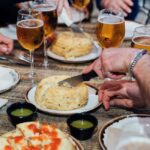
A good Madrid tapas day needs the staples that show up everywhere for a reason. This tour includes classic items like:
- Marinated olives
- Patatas bravas
- Classic Spanish tortilla
- Padrón peppers
These dishes are smart to include because they’re not only tasty—they’re teachable. Once you taste patatas bravas on this route, you’ll know what kind of sauce and heat levels to look for when you order them again later.
Spanish tortilla (the classic egg-and-potato style) is also a useful anchor. Even if you think you already know what it tastes like, the version you get on a guided route often feels more grounded in local approach.
And Padrón peppers are a great finish within the meal flow: they bring a mix of mild and occasionally spicy bites that keep people from getting bored.
The 18th-century finale: tortilla plus the Secret Dish
You end in a restaurant inside an 18th-century building, and that’s more than atmosphere. A final stop like this helps you transition from quick tapas bites into a proper, satisfying close.
You’ll have:
- Classic Spanish tortilla
- The Secret Dish, which changes every day
The fact that the Secret Dish is different each day is part of the fun. It gives your last stop a sense of surprise without requiring you to make decisions. It also helps you leave with a memory that feels specific to that date, not a generic tour script.
A final tasting also gives the guide a chance to wrap up with practical next steps—what to try if you want more jamón, where vermouth fits into your schedule, or how to pace another tapas crawl on your own.
If you’re prone to arriving hungry and then overeating everywhere, this is the moment to slow down. The tour includes a lot of food, and the goal is to enjoy every bite, not speed-run the last dish.
2 hours vs 3 hours: what changes when you upgrade
You’ll see two main lengths: 2 to 3 hours. The shorter version still packs solid tastings, but the 3-hour full tour adds extra value.
In the expanded option, you get additional items such as:
- Selection of Iberian ham, chorizo, salchichón, and lomo
- Olive oil tasting
- An extra tapa of the day in a local bar
- Extra drink option: you can choose between sangria or local beer
If you’re the type who wants a full sampler of Madrid cured meats and bar culture, the 3-hour option makes sense. If you’re short on time or you know you’ll eat your way through the city anyway, the 2-hour tour might feel like the cleaner choice.
Either way, you’re not guessing what you’ll get: the menu structure is built around classic Madrid categories—pastry, cured meats and cheese, tapas, and a finale.
Price check: is $78.36 good value for Madrid tapas?
At $78.36 per person, this tour isn’t a budget “just for fun” add-on. But it also isn’t priced like a fancy meal where you pay mostly for table service.
You’re paying for a planned sequence of multiple tastings plus drinks, including:
- Crispy fried squid sandwich
- Patatas bravas, tortilla, Padrón peppers
- Manchego and ham
- Local wine, Spanish vermouth, or soft drinks
- Spanish cider shared during the route
- And then a final Secret Dish
When you view it this way, the cost starts to look like a convenience fee plus a tasting guarantee. You’re trading the stress of finding places, waiting for service, and hoping you picked the right order for a guide-led flow that brings you to partner spots.
The strongest value argument is the structure: you get a lot of bites in a short time, and the guide helps you understand what each item represents. For many people, that saves time and improves the quality of what they choose later on their own.
Where the route shines: history that supports the food
The tour isn’t only about eating. It’s also about placing food in the city.
You pass major public spaces like Plaza Mayor, which you can see as the heart of old Madrid. You also go by Km 0, the point that anchors Spain’s radial road network. And you hit the central market area near Plaza Mayor, which helps you understand why this neighborhood works as a hub for both locals and visitors.
That matters because tapas in Madrid aren’t random snacks. They’re shaped by location, daily routines, and what’s easy to buy and serve. When you see those squares and walk the center, the meal logic makes more sense.
In the end, the route helps you do two things at once: get your bearings fast and learn what to order next without guesswork.
Guides make it: small group, big attention
The guide experience is a consistent theme in the tour feedback, and it shows up in practical ways.
Many groups get a guide like Jorge, Ignacio, Diego, or Jo, and the common thread is attention to the group. You’re not left alone while the tour just moves from one door to the next. The guide talks through food choices and helps keep the experience moving at a pace that feels manageable for the walking time.
There’s also evidence that guides handle real-life issues, like street closures during local events, by adjusting routes so the tour still runs well. That kind of flexibility matters in Madrid’s center.
If you care about more than just eating, and you want the stories behind what you’re tasting, this is where the tour earns its place.
Who this tour is for (and who should think twice)
This works best for you if:
- You want a structured tapas intro without spending hours researching.
- You like learning while you eat, especially about Spanish food habits.
- You want a small group size so you can ask questions and hear explanations.
- You plan to eat again later and want smarter ordering tips.
Think twice if:
- You don’t like standing and quick bar-style service.
- You’re very sensitive to seafood or fried foods (the squid sandwich is a core stop).
- Your schedule is so tight that weather-based changes would stress you out.
Also, keep in mind that the tour provider notes the itinerary and menu can change based on locations’ availability and weather. That’s normal in real cities, but it’s still smart to stay flexible.
Should you book the Madrid Historic Centre Food Tour?
Book it if you want a fast, guided way to taste classic Madrid foods in the central neighborhood—pastry, cured meats, squid sandwich, tapas, vermouth, and a memorable finale inside an 18th-century setting. The price becomes easier to justify when you look at how many tastings and drinks you get in a short time, plus the fact that you’re supported by a guide who can keep the experience flowing.
Skip it only if you hate walking, dislike fried seafood, or prefer to build your own tapas route from scratch with zero structure. For most people visiting Madrid’s historic center, this is one of the easiest ways to turn a few hours into real flavor knowledge and a city feel you can carry into every next meal.
FAQ
How long is the Madrid Historic Centre Food Tour?
It runs for about 2 to 3 hours, depending on the option you choose.
What does the tour cost?
The price is $78.36 per person.
Where do we meet and where does the tour end?
The meeting point is Calle Mayor, 10, Centro, 28005 Madrid. The tour ends at Calle Mayor, 10, Centro, around 200 meters from the meeting spot.
What food and drinks are included?
The tour includes items like marinated olives, crispy fried squid sandwich, patatas bravas, Spanish tortilla, Padrón peppers, manchego cheese, and a seasonal pastry. Drinks included can be local wine, Spanish vermouth, or soft drinks, and cider is included during the route. The Secret Dish is revealed on the day.
Can you accommodate dietary needs?
You’re asked to contact the tour operator in advance for dietary requirements so they can cater as best as possible.
Is the tour offered in English?
Yes, it’s offered in English.
Is it a small group tour?
Yes. It has a maximum group size of 15 travelers.
FAQ
Is there free cancellation?
Yes. You can cancel up to 24 hours in advance for a full refund.