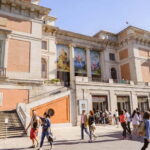
Madrid clicks into focus fast. This 2 hours 20 minutes walk strings together big landmarks from Puerta del Sol to Teatro Real, with clear outdoor stops that help you understand the city’s layout without museum fatigue. I especially like the tight, street-level pacing (short stops at major sights) and the guide style, which often mixes facts with jokes and quick direction for what to do next. One thing to plan for: you’ll mainly view places like the Almudena Cathedral and the Royal Palace from the outside—entry tickets aren’t included.
You’ll meet at Puerta del Sol and finish in Plaza de Isabel II near Teatro Real, in a small group (up to 25). It runs in English, uses a mobile ticket, and includes printed teaching tools plus a link to personalized recommendations after the walk. And yes, it’s priced low, but it’s still a guided experience—bring a little flexibility for tipping your guide if you felt it deserved it.
In This Review
- Key highlights you’ll feel right away
- Price and logistics: what $3.62 really buys
- Puerta del Sol: the start where Madrid starts talking
- Plaza Mayor: classic faces and the feel of an old square
- Sobrino de Botín: food history you can smell and see
- Mercado San Miguel: a quick taste of market life
- Plaza de la Villa: medieval facades at a quick glance
- Almudena Cathedral museum exterior: what you see without entry
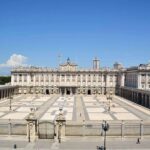
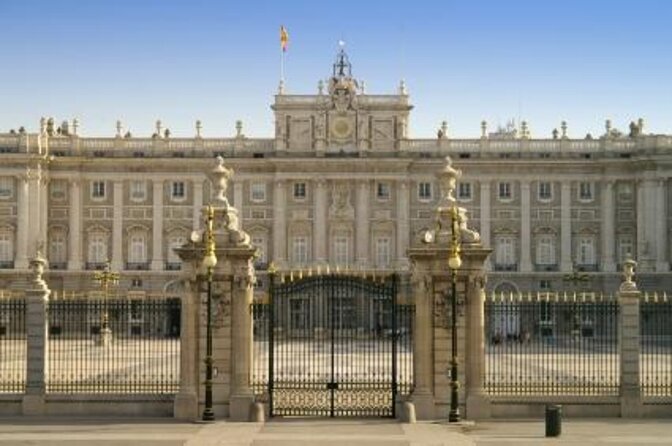
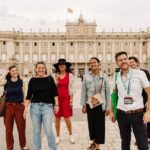
- Royal Palace area: the wow factor without the ticket
- Teatro Real finish: where your walk naturally hands you off
- Guides, pace, and why the best ones make you feel at home
- Who should book this walk (and who might want a different option)
- Should you book Madrid Historical Walking Tour?
- FAQ
- How long is the Madrid Historical Walking Tour?
- What’s the meeting point and where does the tour end?
- Is the tour offered in English?
- Are there any site entries included?
- What should I know about weather?
- Is it easy to join if I have limited mobility or use a service animal?
Key highlights you’ll feel right away
- Historic Centro orientation without sprinting: major squares and iconic facades, done at a walkable pace.
- Outdoor viewing, no entry pressure: most stops are outside, so you’re not stuck buying tickets.
- A guide you can text after the tour: personalized follow-up recommendations, not just a goodbye.
- Food landmarks built into the route: you pass classic institutions like Sobrino de Botín and Mercado San Miguel.
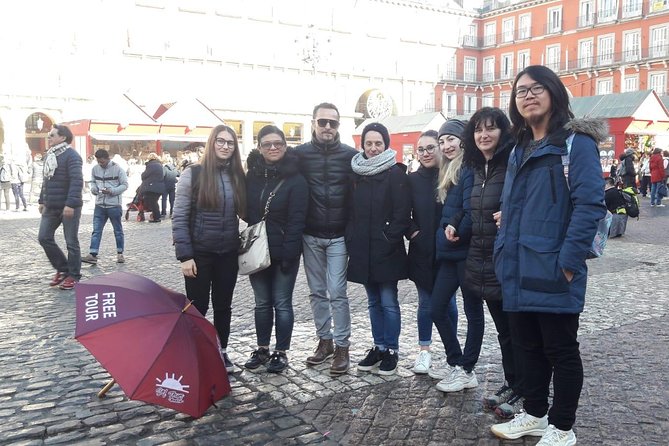
- Small-group feel: a maximum of 25 travelers helps keep questions from getting lost.
- A route that ends near Teatro Real: easy to continue on to nearby streets when you’re done.
Price and logistics: what $3.62 really buys
Let’s talk value, because the price looks almost unreal. The rate you pay now is described as the platform’s rate for a free-tour style experience. In practical terms, you’re paying to reserve your spot and make sure you get a guide-led walk, with mobile ticketing and printed materials ready.
Then, at the end, you’ll be in the world of free walking tours: your guide’s work is what matters, and tips are the mechanism that typically supports it. Some participants specifically note guidance like having cash on hand for the end of the walk (amounts mentioned are often in the 15–20 euro range). That’s not a rule you should memorize—but it’s a good mindset. If you show up late, disengage, or keep your questions to yourself, you’ll likely feel less “paid back” by the experience. If you show interest, it tends to pay off.
The walk is listed as about 2 hours 20 minutes, and it’s offered in English. It’s also designed for typical mobility—service animals are allowed, and it’s near public transportation. The group cap (25) matters because it makes it easier to hear the guide and ask questions without waiting your turn for a long time.
Finally, the tour needs good weather. If conditions are poor, you’ll be offered a different date or a refund. That’s worth keeping in mind if you’re visiting Madrid during a rainy stretch—pack accordingly, and don’t assume you can “tour no matter what.”
You can also read our reviews of more walking tours in Madrid

Puerta del Sol: the start where Madrid starts talking
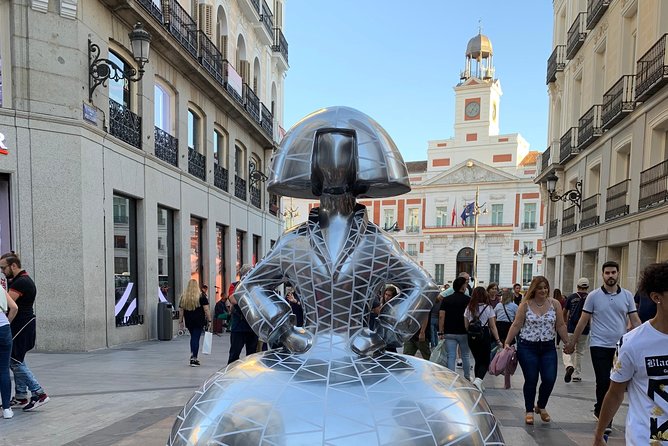
The walk begins at Puerta del Sol, and that’s a smart choice. This is where people naturally orient themselves, and your guide uses it as a launchpad for the rest of Centro.
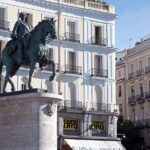
You’ll see several instantly recognizable landmarks clustered around the Royal Post Office area, including the Bear and Madroño, the Tío Pepe sign, La Mariblanca, a Statue Carlos III, and Km 0. Even if you’ve only seen photos online, this is one of those places where the real thing feels more grounded. It’s a “now I get where I am” moment.
Time on this stop is about 25 minutes, and it’s long enough to get context without turning into a lecture. This is also where the guide’s energy really matters. The best guides don’t just point—they connect the dots between street corners and bigger themes, so you start recognizing patterns before you leave the square.
Two practical tips for this first section:
- Arrive a few minutes early so you’re not rushed when the guide starts talking.
- Look up as much as you look ahead. A lot of what you’ll notice here is on facades and signs, not just at ground level.
One possible drawback: since Puerta del Sol is crowded, your view may be partially blocked at times. That’s not the guide’s fault. If you find a spot where you can actually see, hold it for a minute rather than constantly moving your position.
Plaza Mayor: classic faces and the feel of an old square
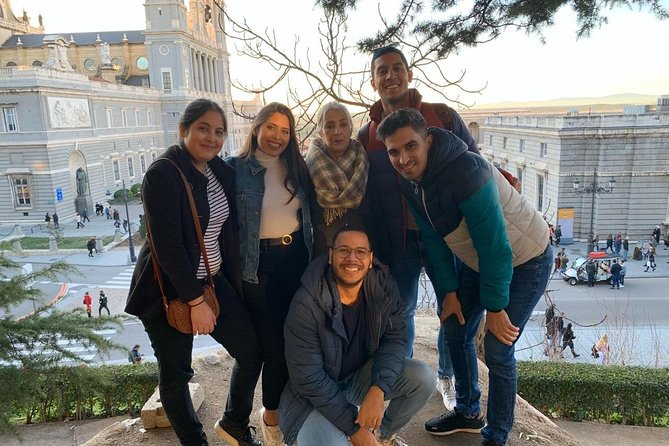
Next up is Plaza Mayor, with time around 20 minutes. This stop leans into the classic Madrid square vibe—tight, symmetrical sightlines and the kind of facades that make you want to stand still and look.
You’ll hear about and spot the Bakery House and the Butcher’s House, plus the Statue of Felipe III. You’ll also pass Toledo Street, which helps transition the walk from “big square postcard” into “real city streets.”
Plaza Mayor is also where the tour’s style shows. Some guides keep moving you quickly from point to point, and others spend more time in one place. There’s no right way—just know that if you’re the type who wants to cover more ground, you might prefer a guide who doesn’t overstay any one photo spot. If you’re the opposite—if you like to slow down and absorb details—Plaza Mayor is a good match.
A small, helpful move here: take a moment to imagine how you’d use this square later. It’s the kind of place where you’ll want a reference point for meeting friends or figuring out directions. By the time you leave, you should feel like you can find your way back by landmarks rather than relying on your phone every time.
Sobrino de Botín: food history you can smell and see
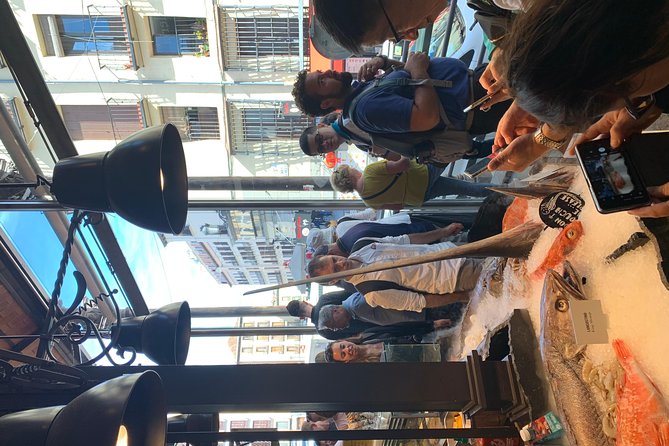
The route then brings you to Sobrino de Botín, billed as the oldest restaurant in the world. You’re not going inside (entries aren’t required), but you can still feel why this kind of stop works on a walking tour.
Time on this spot is about 25 minutes, which is a big clue: the guide isn’t just dropping a name; they’re using it as a story anchor. When a tour takes the time to pause near a famous eatery, it usually means the guide will connect the restaurant to Madrid’s everyday life—tradition, people-watching, and the long memory of a neighborhood.
This stop also helps you pace mentally. After the squares, you get a break from facades and monuments and back into the idea of Madrid as a place where meals are part of the culture, not just fuel.
If you want to make this moment count, do it like this:
- Watch the flow of people outside.
- Think about which meal you’d want to repeat later: lunch vs. late dinner, depending on your schedule.
No entry is included, so don’t come expecting a guided interior visit. Come expecting context and atmosphere.
Mercado San Miguel: a quick taste of market life
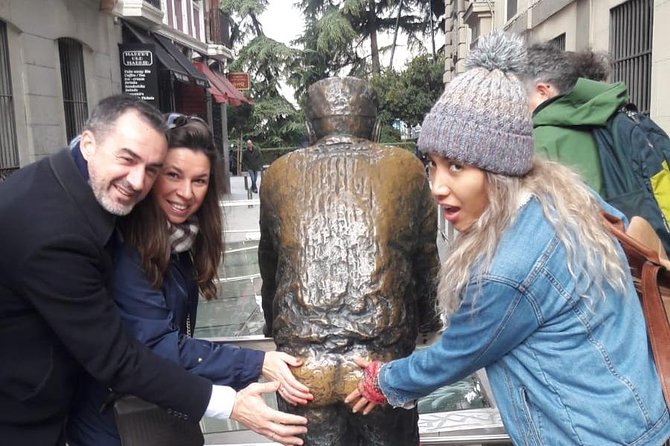
After Sobrino de Botín, you hit Mercado San Miguel for about 10 minutes. This is shorter, so it’s more of a “quick stop with purpose” than a market tour.
You’ll be shown the market as a gastronomic destination—complete with references to Iberian hams and freshest seafood—and you’ll feel the energy that makes Mercado San Miguel a must-see for first-timers. Even if you don’t buy anything, just standing inside a market like this helps you understand how Madrid mixes food, tourism, and daily routines.
What I like about including this on the route: it breaks the “sightseeing loop.” You’re not bouncing from statue to statue. Instead you get a sensory interlude—smell, color, movement—so the whole walk doesn’t feel like a textbook.
Potential drawback? Ten minutes goes fast. If you want to taste things, you’ll likely need to plan a separate visit on your own afterward. The tour gives you direction, not time for a full snack crawl.
You can also read our reviews of more historical tours in Madrid


Plaza de la Villa: medieval facades at a quick glance
Next is Plaza de la Villa, with only about 5 minutes. But small stops can be useful. You’ll focus on the main facades of medieval buildings, and even with minimal time, the shift in architectural mood can help you understand how layers of Madrid stack up over time.
Five minutes sounds too short—until you realize the tour is doing math. It’s trying to keep momentum while still giving you variety:
- big modern crowd squares
- classic royal/old-food stops
- market energy
- then medieval facades to reset your brain
If you’re into architecture, aim for a spot where you can actually see more than one facade. If you’re in a tight group, you may get better visibility by stepping slightly sideways rather than trying to stand dead center in the busiest spot.
Almudena Cathedral museum exterior: what you see without entry

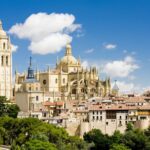
Then comes Museo de la Catedral de la Almudena, specifically Almudena Cathedral, for about 5 minutes. Importantly, admission isn’t included for this stop, so you shouldn’t plan on going in with the group.
The value here is orientation. You learn where the cathedral is, how it sits in the city, and what it looks like in context with the streets around it. Even if you later decide to enter, the earlier exterior view makes your second visit feel sharper and more intentional.
If you care about interiors (and who doesn’t?), take note of what your guide is directing attention to. Then, after the walk, you can decide if you want a separate ticketed visit. The tour sets the stage; it doesn’t try to replace the full museum/cathedral experience.
One small caution: since time is short and entries aren’t included, your best experience comes from paying attention during the stop, not from hoping for “extra time inside.”
Royal Palace area: the wow factor without the ticket
The next major segment is the Royal Palace of Madrid, for about 15 minutes. Again, admission isn’t included, so this is mostly an exterior look and positioning.
This is one of those stops where you don’t need a long visit to feel something. The scale and presence land even in a quick glance. It’s also a key transition point: after you’ve seen Puerta del Sol, Plaza Mayor, and older streets, the Royal Palace area shifts your sense of Madrid toward monarchy, power, and official grandeur.
If you later plan to visit inside, this tour acts like a preview. You’ll already know where you are and roughly what you’re aiming for.
A practical tip: use these 15 minutes to decide what kind of Royal Palace visit you want. If you’re trying to keep the trip light, a quick exterior stop may be enough. If you want the full experience, you’ll need separate tickets and time.
Teatro Real finish: where your walk naturally hands you off
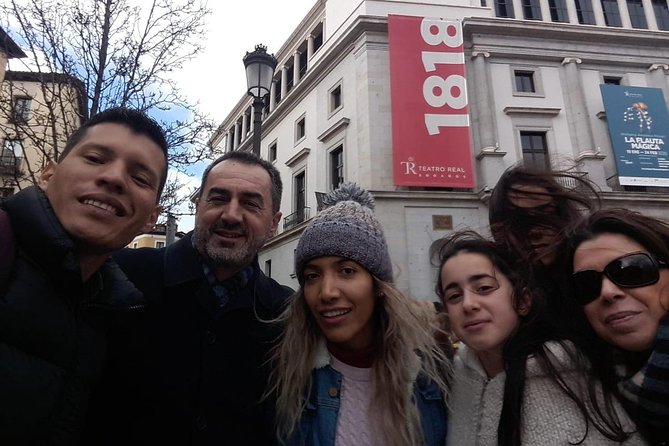
The walk ends at Teatro Real in Isabel II Square, for about 15 minutes. Admission is listed as free for this stop, and the focus is the Royal Theater.
Finishing here is a smart travel move. Teatro Real is central and well-connected. After the tour, you’re not dropped in a random alley where you have to reorient from scratch. You’re in a place where you can continue walking, grab a snack, or make a plan for later sights.
Also, this is a good moment to use the guide’s follow-up help. The included materials mention a link to personalized recommendations plus attention from the guide after the tour. If you got even basic direction from your guide, your remaining days in Madrid usually get easier.
Guides, pace, and why the best ones make you feel at home
One of the strongest signals from past experiences with this tour style is guide energy and presentation. Names that show up in the guides you might encounter include Glenn, Jean, Marta, Thomas, Javier, Mirka, Fiori, and Gleb. The recurring praise isn’t just for facts—it’s for how the guide keeps the walk lively and clear.
What that means for you: you’ll want to lean in during the talk. If you ask a question—about where to go next, which neighborhood suits you, or how to avoid tourist traps—you get more from the walk.
Pace is the other big factor. Most stops are short, and the total route is designed to fit a first-day overview feel. But there are also notes that some parts can involve extra standing in one place. If you’re traveling with older legs or you just hate lingering, speak up kindly if you want the group moving sooner. Good guides will adjust, especially because group size is capped.
Rain is another real-world variable. The experience requires good weather, so if forecasts look rough, don’t build your whole day around this being outdoors no matter what. Plan something flexible for backup, and keep an umbrella handy.
Who should book this walk (and who might want a different option)
This is a great fit if you:
- want a first-time orientation in Madrid’s Centro
- like guided stories that connect landmarks rather than strict museum touring
- prefer outdoor viewing over ticket lines
- value a guide you can ask for follow-up recommendations
It may be less ideal if you:
- only care about interior museum time (cathedral and palace entries aren’t included)
- want a totally unstructured food crawl (market time is short)
- get frustrated by standing and prefer rapid movement every minute
Still, even if you plan to add ticketed stops later, this walk helps you understand what you’re looking at and where it all sits. That makes later visits smoother, not just more interesting.
Should you book Madrid Historical Walking Tour?
Yes, if you want a smart overview that doesn’t overwhelm you. For the price, you’re getting a real guide-led route linking major Centro landmarks—from Puerta del Sol and Plaza Mayor to Sobrino de Botín, Mercado San Miguel, and the finish near Teatro Real. The stop mix also gives you variety: squares, classic institutions, market atmosphere, and royal-area scale.
Book it if you like practical context and you’ll be active during the walk—ask questions, take photos at each stop, and use the guide’s post-tour recommendations. Consider it only if you’re okay with outside viewing for Almudena Cathedral and the Royal Palace, since entry tickets aren’t included. And if weather is questionable, keep a backup plan ready.
If you’re arriving in Madrid and trying to make your first day feel organized, this is a strong start.
FAQ
How long is the Madrid Historical Walking Tour?
It’s listed at about 2 hours 20 minutes.
What’s the meeting point and where does the tour end?
The start is Puerta del Sol (Centro, Madrid). The end is Plaza de Isabel II at Teatro Real (28013 Madrid).
Is the tour offered in English?
Yes. The tour is offered in English.
Are there any site entries included?
Most stops are free from an entry standpoint since the tour does not require you to enter sites. Almudena Cathedral (Museo de la Catedral de la Almudena) and the Royal Palace of Madrid are listed as not included for admission.
What should I know about weather?
The tour requires good weather. If it’s canceled due to poor weather, you’ll be offered a different date or a full refund.
Is it easy to join if I have limited mobility or use a service animal?
Service animals are allowed, and most travelers can participate. The tour is also near public transportation.