REVIEW · MADRID
Prado Museum Guided Tour with Skip the Line Ticket in Madrid
Book on Viator →Operated by Julia Travel S.L · Bookable on Viator
The Prado can feel overwhelming fast. This guided skip-the-line visit turns a giant museum into a clear, story-led walk through the works most people come for. What I like most is the priority entry that helps you start strong instead of standing around, plus the guide’s highlight route that gives context for the big names.
I also like the practical setup: you get admission and a radio headset system, which makes it easier to hear explanations even when the rooms get packed. And the tour focuses on recognizable, high-impact masterpieces, from Bosch to Goya, in a sensible chronological flow.
One thing to keep in mind: skip-the-line doesn’t mean zero crowd pressure—security and museum crowding can still slow things down, and some visitors note it can be hard to see closely in peak times.
In This Review
- Key highlights you’ll feel right away
- Why Prado skip-the-line actually matters (and what it can’t fix)
- The 90-minute to 2-hour highlight route: what you’re really buying
- Stop-by-stop: how the Prado highlights connect
- Starting outside: getting your bearings before the maze
- Bosch: surreal moral drama you can actually follow
- El Greco: style shifts that change how you “read” the figures
- Velázquez: the moment you realize you’re in Western art history
- Goya: political realism with a personal edge
- After the tour: you can stay and keep exploring
- The radio headset system: why it’s not a gimmick
- The Prado crowd reality: how to have a good viewing experience anyway
- Price and value: is $40.98 worth it?
- Who this tour fits best (and who should consider alternatives)
- Practical details that can affect your day
- Should you book the Prado guided skip-the-line tour?
- FAQ
- How long is the guided tour?
- Is the tour offered in English?
- Does this include skip-the-line admission?
- Where do I meet the guide?
- What’s included with the ticket price?
- Are photos and videos allowed inside the museum?
- What if a painting planned for the route isn’t available?
- What happens if the Prado closes unexpectedly?
- Can I cancel for free?
Key highlights you’ll feel right away
- Priority access that gets you inside faster, starting outside the museum with your guide
- Radioguided system so the stories land even in noisy, busy galleries
- A focused highlight route built around major artists and landmark paintings
- A guided chronological path that helps you connect styles, eras, and themes
- Museum reality checks: crowd flow and room crowding can affect how close you get
- Small-group size (max 30) for easier pacing through a maze of rooms
Why Prado skip-the-line actually matters (and what it can’t fix)
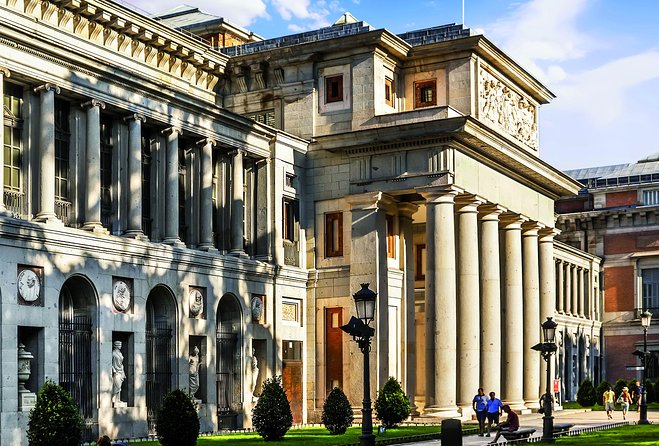
The Prado is one of those museums where “I’ll just wander” turns into a half-finished plan. The building is huge, the collection is deep, and you can burn an entire visit trying to find one painting. This guided format helps because it gives you a route, a time plan, and a reason to look closely instead of passing through.
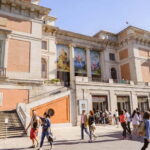
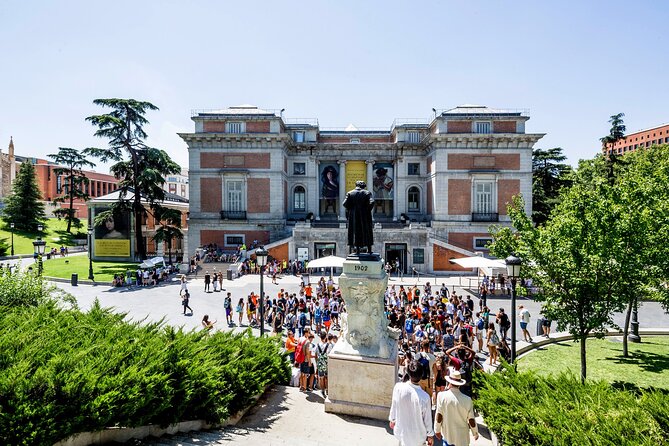
I like how the experience starts outside the museum. You meet your guide at the Madrid City Tour Information Center next to the Prado, then you use your priority-access admission to get into the galleries with less waiting than standard entry. That first win matters if you only have a limited time window in Madrid or you’re trying to avoid a long, draining queue.
That said, I wouldn’t oversell skip-the-line. The Prado can get very busy, and crowds or security protocols can still create delays. The goal here is less “instant entry” and more “start the museum efficiently,” so you spend your energy looking at art instead of standing still.
A few more Madrid tours and experiences worth a look


The 90-minute to 2-hour highlight route: what you’re really buying
On paper, this sounds like a short museum tour. In practice, it’s a “greatest hits with explanations” package designed for first-timers. Your guide takes you through the museum’s top works in a chronological order, so you get a sense of how European art shifts across periods—and why certain Spanish masters became so influential.
The route targets major artists and specific works such as:
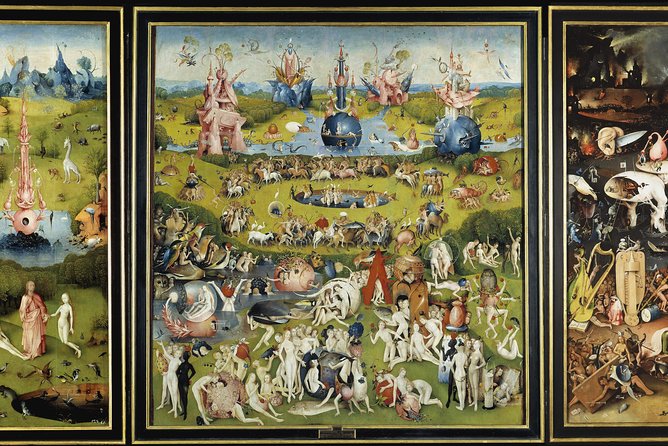
- Bosch, including The Garden of Earthly Delights and The Seven Deadly Sins
- El Greco, including The Annunciation
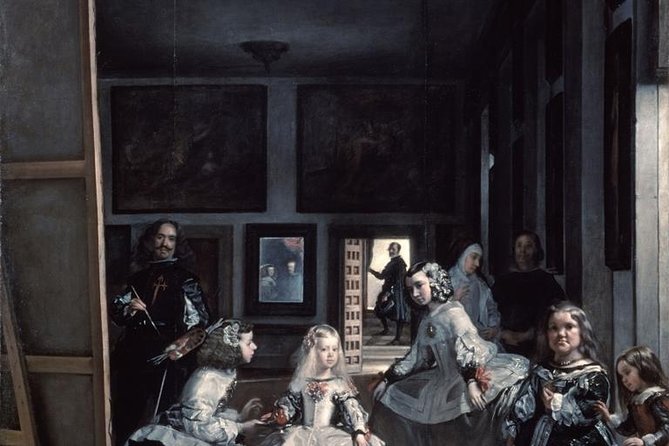
- Velázquez, including Las Meninas (spelled Las Meninas)
- Goya, including The Family of Carlos IV, which includes an image of the artist himself
You also get the bigger-picture museum story: the Prado was commissioned by King Charles III in the late 18th century, and the collections grew faster than the original space, leading to later expansions. If you’ve ever wondered why this building became such a long-term art home, that context helps you understand the museum’s shape and focus.
Stop-by-stop: how the Prado highlights connect
Starting outside: getting your bearings before the maze
Before you enter, your guide sets up the visit. Even if you’ve seen the Prado’s photos, inside the museum is different: multiple wings, long corridors, and rooms that feel like they were built for careful pacing. Starting outside lets you get oriented fast, so when you walk in, you’re not immediately thinking about logistics.
You’ll check in about 15 minutes in advance. This matters because timed museum access can shift, and crowded entry points can create bottlenecks. Build in a little buffer and you’ll feel calmer.
Bosch: surreal moral drama you can actually follow
Your tour begins with Hieronymus Bosch, and the guide uses his work as a doorway into late medieval and early Renaissance thinking—full of symbolism, odd characters, and moral themes. Bosch is the kind of artist where a short explanation can make the difference between seeing figures and understanding what the painting is doing.
If The Garden of Earthly Delights feels chaotic at first, that’s normal. With a guide, you start noticing recurring ideas: temptation, consequences, and how viewers were expected to read the scenes. And The Seven Deadly Sins gives a more direct framework, so you don’t just look—you interpret.
You can also read our reviews of more guided tours in Madrid





El Greco: style shifts that change how you “read” the figures
Next comes El Greco, and this is where the Prado tour earns its keep. El Greco isn’t only a painter; his artistic output included sculpture and architecture too, and his style has a recognizable twist—elongated forms, dramatic composition, and a sense of spiritual intensity.
The standout on this route is The Annunciation. A guide can point out how the setting and figures convey a mood, not just a story. It’s especially helpful if you’re not used to religious art, because you’re guided to what to watch for: posture, expression, and composition choices that would otherwise be easy to miss.
Velázquez: the moment you realize you’re in Western art history
Then you hit Velázquez and one of the Prado’s most famous works: Las Meninas. Even people who don’t consider themselves art fans often recognize the painting’s name, but seeing it in person can still feel like a shock because of the visual complexity and the “what am I looking at?” effect.
A good tour doesn’t try to explain everything at once. It helps you break the painting into pieces: the arrangement of figures, the presence of mirrored space, and the way the scene keeps tugging your attention. It’s also a great moment for your guide to connect the work to court culture and artistic ambition, because the painting sits right at the crossroads of observation and performance.
Goya: political realism with a personal edge
The tour ends with Francisco Goya, highlighted by The Family of Carlos IV. This is one of those paintings where the details add up to something bigger than just portraits. You’re shown how power, family image-making, and political image all collide on canvas.
The review-style story emphasis here is that the painting includes an image of the artist himself, which would have been unexpected at the time it was painted. That kind of “why would he do that?” detail helps you see Goya as more than just a famous name—you see him as someone making choices with consequences.
After the tour: you can stay and keep exploring
Once the guided part ends, you’re inside the museum and can continue at your own pace. That’s valuable because a guided tour can only hit a limited number of works. The best plan is to use the tour route as your map, then decide what grabs you most once you’re no longer being led by time.
The radio headset system: why it’s not a gimmick
This tour includes an individual radioguided system, which means you won’t have to strain your ears as groups shuffle through rooms. In museums, sound issues are common: headsets reduce the “didn’t hear that” moments, especially when you’re near other tours.
A practical note: photography and filming are not permitted inside the exhibitions. So if you rely on phone video for later, you won’t be able to. Use the headset and pay attention now; it saves you from wishing you’d captured something later.
The Prado crowd reality: how to have a good viewing experience anyway
The Prado can be packed, and your tour time overlaps real demand. The most useful expectation to set is this: crowds can limit how close you get to specific works. Skip-the-line improves arrival, but it doesn’t erase museum flow.
Here’s how to protect your experience:
- Arrive early for check-in so you’re not stressed by late entry points.
- Stay patient if you move room to room quickly; a guide may have to adjust pacing when rooms are full.
- Focus on what the guide points out rather than trying to get the perfect photo spot.
- If a room is swarming, give yourself 30 seconds of calm. Sometimes the group shifts and you get a better angle.
There’s also a small chance the specific paintings in the route may be unavailable for reasons like temporary exhibition assignments. If that happens, the museum replaces them with another work of similar artistic value—so you still get the intent of the highlight sequence.
Price and value: is $40.98 worth it?
At about $40.98 per person, this is not the cheapest way to enter the Prado. But it’s also not overpriced when you look at what’s included: admission, an art guide, and a radio headset system, plus a route built for first-timers.
I think it’s strong value if any of these are true for you:
- You want to see major works without building a self-made game plan.
- You like art stories that connect artists, themes, and era changes.
- You’re visiting during peak times and want a smoother start with priority access.
- You prefer a small-group pace (max 30) rather than rushing solo.
It’s less ideal if you already know the Prado well and you prefer total freedom. In that case, you might be happy paying for a standard ticket and spending the time exactly how you like. But if this is your first Prado trip, a guided highlight approach is usually the best way to avoid “I saw it, but I didn’t really get it.”
Who this tour fits best (and who should consider alternatives)
This works especially well for:
- First-time Prado visitors who want a guided map through the museum’s most famous works
- People who appreciate clear explanations while they stand in front of the art
- Families and small groups who like structure (the tour is designed for group pacing)
- Anyone visiting on a day when lines and crowding are likely
It may feel frustrating if you:
- Hate being in group flow and want silence and total control
- Expect skip-the-line to guarantee uncrowded viewing close up
- Are extremely sensitive to audio volume (headsets help, but audio intensity can vary)
If you’re visiting with teens, the guided pacing and big-name works can work well, as long as everyone is willing to pause and listen for short bursts.
Practical details that can affect your day
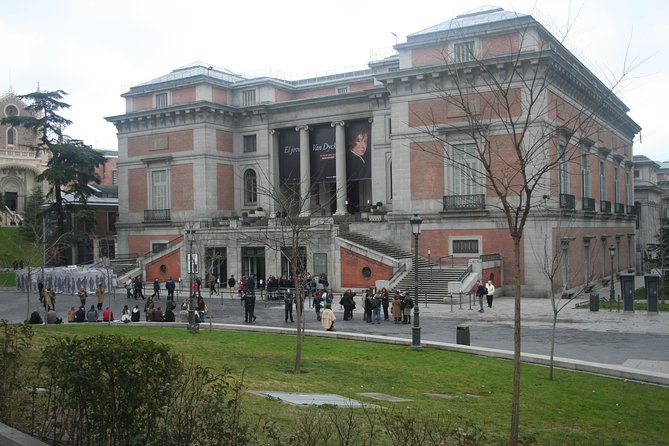
A few things can change your experience day-of:
- Access times may shift by about an hour, and museum management can adjust entry based on crowd control.
- On rare occasions, the Prado may close with little notice due to private functions; then the provider offers an alternative date or a full refund.
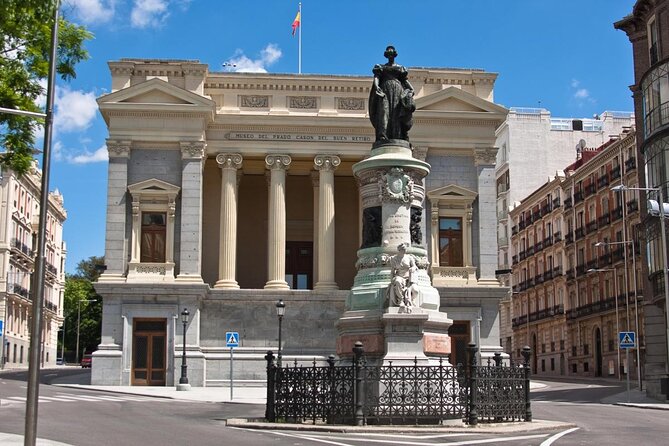
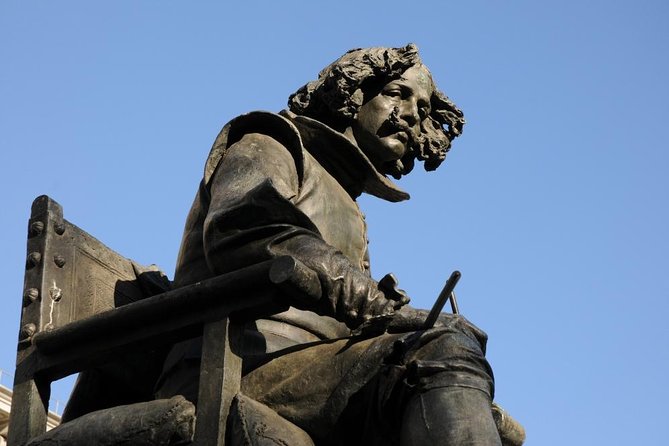
- Meeting point details matter. The start location is listed at Calle de Felipe IV (28014 Madrid) near the info center. From 01 November, the meeting point moves to next to the Goya Monument on Felipe IV Street.
- For children, admission staff may request age documentation; without it, the adult rate difference can apply.
The upside: most travelers can participate, it’s near public transportation, and service animals are allowed.
Should you book the Prado guided skip-the-line tour?
Yes, I’d book it if you want a first-time Prado visit that feels efficient and meaningful. The biggest reason is the combination of priority entry plus a short, focused route through the museum’s most famous works, with context you’d never pick up by speed-walking the galleries. And the radio headsets help you actually hear the stories when the rooms get crowded.
I would book with a realistic mindset: this isn’t a private viewing. It’s a guided highlight walk inside one of Europe’s most in-demand museums, so you’ll still share space with other art lovers. If you can accept crowd flow as part of the deal—and you’re open to listening for the best moments—you’ll leave with clearer understanding and stronger memories of Bosch, El Greco, Velázquez, and Goya.
FAQ
How long is the guided tour?
Expect about 1 hour 30 minutes to 2 hours.
Is the tour offered in English?
Yes. The experience is offered in English, and the guide format can be monolingual or bilingual depending on the option selected.
Does this include skip-the-line admission?
Yes. You receive priority-access admission to enter with less waiting, but crowds and security protocols can still cause delays.
Where do I meet the guide?
You meet near the Prado at the Madrid City Tour Information Center next to the museum area. The listed start address is Calle de Felipe IV / Felipe IV Street, 28014 Madrid. From 01 November, the meeting point is next to the Goya Monument on Felipe IV Street.
What’s included with the ticket price?
You get Prado admission, a guided tour, and an individual radioguided system.
Are photos and videos allowed inside the museum?
No. Photography and filming are not permitted inside the exhibitions.
What if a painting planned for the route isn’t available?
On rare occasions, a specific painting may be unavailable due to its assignment for an exhibition. If that happens, it will be replaced by another painting with similar artistic value.
What happens if the Prado closes unexpectedly?
If the Prado closes with little notice due to private functions, impacted bookings will be offered an alternative date or a full refund.
Can I cancel for free?
Yes. You can cancel up to 24 hours in advance for a full refund.