REVIEW · MADRID
Madrid: Reina Sofía Museum Entrance Ticket
Book on GetYourGuide →Operated by Distributor: GetYourGuide Tours & Tickets GmbH · Bookable on GetYourGuide
One painting can change your mood. At Madrid’s Reina Sofía, 20th-century art feels like a live puzzle, mixing paintings with photos, film, sound, and even dance across a huge museum flow.
I love the emotional punch of Guernica—it’s the reason most people show up, and it earns the hype. I also like how the museum places Dalí and Miró within easy reach, so you can compare styles and ideas without hopping across Madrid.
One drawback: the museum can feel hard to navigate, and sometimes some areas or floors may not be available, so you’ll want a flexible plan rather than a rigid checklist.
In This Review
- Key things to know before you go
- Madrid’s Reina Sofía: when 20th-century art feels personal
- Ticket value: what $14 really buys you
- Where to enter: Nouvel Courtyard, Ronda de Atocha nº2
- A practical route: Guernica, Dalí, and Miró without wasting time
- Step 1: Make time for Guernica first
- Step 2: Compare Dalí’s surrealism with Miró’s color language
- Step 3: Spend the rest of the day on 20th-century Spanish art
- How to pace a full-day visit in a museum this large
- Crowds and free hours: timing that actually matters
- Opening times and closure dates (so you don’t plan a ghost visit)
- Museum rules that can affect your day
- Audio guide vs. self-guided: what’s worth the extra €4.50?
- Comfort notes: bathrooms, stairs, and the cafe break
- Who this Reina Sofía ticket fits best
- Should you book this Reina Sofía entrance ticket?
- FAQ
- Is the audio guide included with the ticket?
- Where do I access the museum with this ticket?
- What is included in the full-day ticket price?
- How long is the ticket valid for?
- What are the main opening hours?
- What items are not allowed inside?
Key things to know before you go
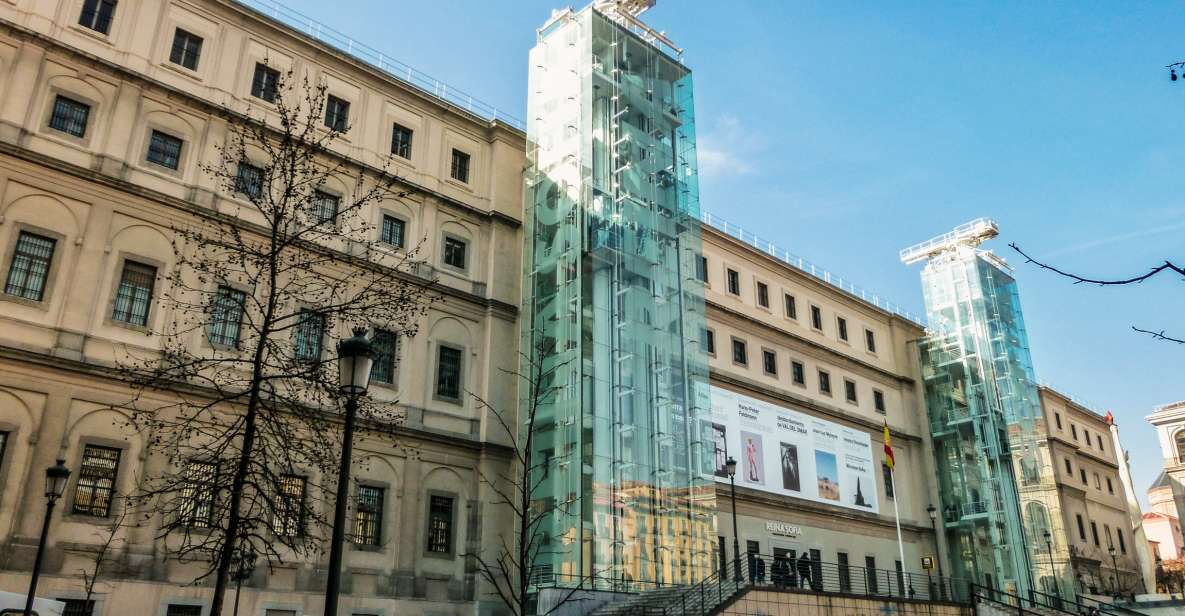
- Skip-the-line access for your day and time: you get ticketed entry without the same scramble as walk-up lines.
- Guernica is the anchor: plan to see it early, when you have the energy to really look.
- 21,000+ works means pacing matters: you’re not seeing everything—choose a smart route.
- Temporary exhibitions are included: your ticket covers the main galleries plus rotating shows.
- Audio guide is optional but useful: it costs extra, but it can help you read what you’re seeing.
- Crowds spike around free-entry windows: timing your visit can save your sanity.
Madrid’s Reina Sofía: when 20th-century art feels personal
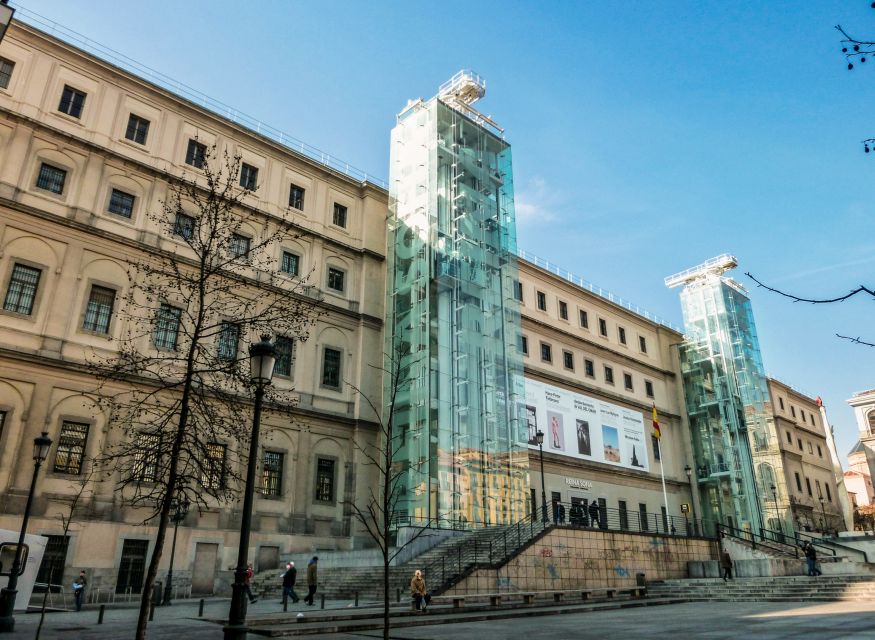
If you only know one artwork from Spanish modern art, chances are you know Picasso’s Guernica. In the Reina Sofía, it’s not just a painting on a wall. It’s the center of gravity for the whole building, and it shapes the way you read everything around it.
What I like about this museum is the way it treats art as a conversation across time. You won’t only move through one style or one movement. You’ll see how ideas shift—cubism, surrealism, political art, and more—while the museum’s presentation mixes genres like photography and film alongside traditional painting.
A few more Madrid tours and experiences worth a look


Ticket value: what $14 really buys you
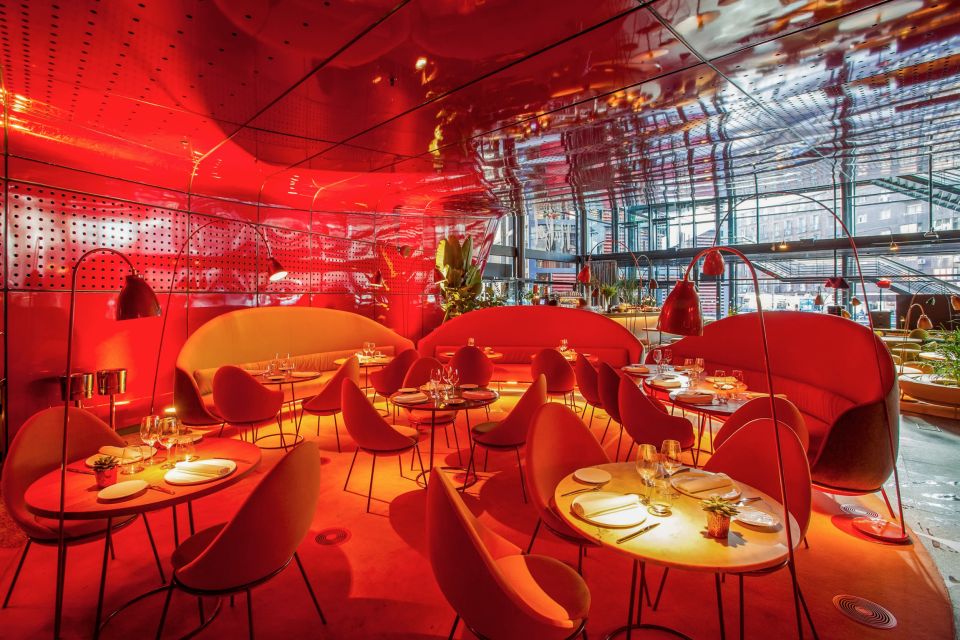
For about $14 per person, you’re paying for full-day admission to the museum and the temporary exhibitions that are running on your visit date. That inclusion matters, because some museums make temporary shows feel like add-ons. Here, the ticket is the key that unlocks the whole day.
Two costs to keep in mind:
- Audio guide is not included. You can buy it inside the museum for €4.50.
- If you were hoping for a guided group tour, this ticket does not include a tour guide inside the galleries.
Is it worth it? If you’re visiting during peak hours or you want to protect your time, the “get in and go” benefit tends to make the ticket feel like a bargain. If your schedule is very flexible, you can sometimes visit during free hours—but that’s a different kind of plan and usually means managing crowds.
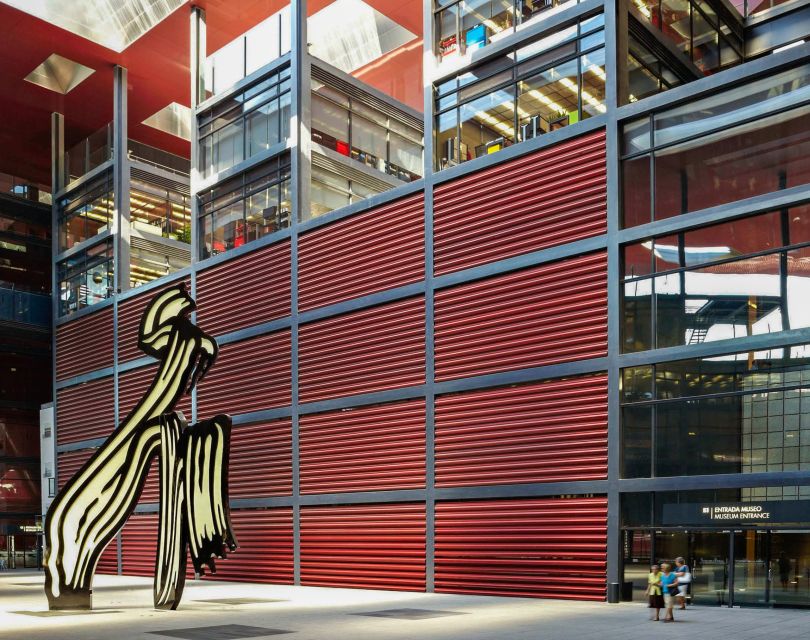
Where to enter: Nouvel Courtyard, Ronda de Atocha nº2
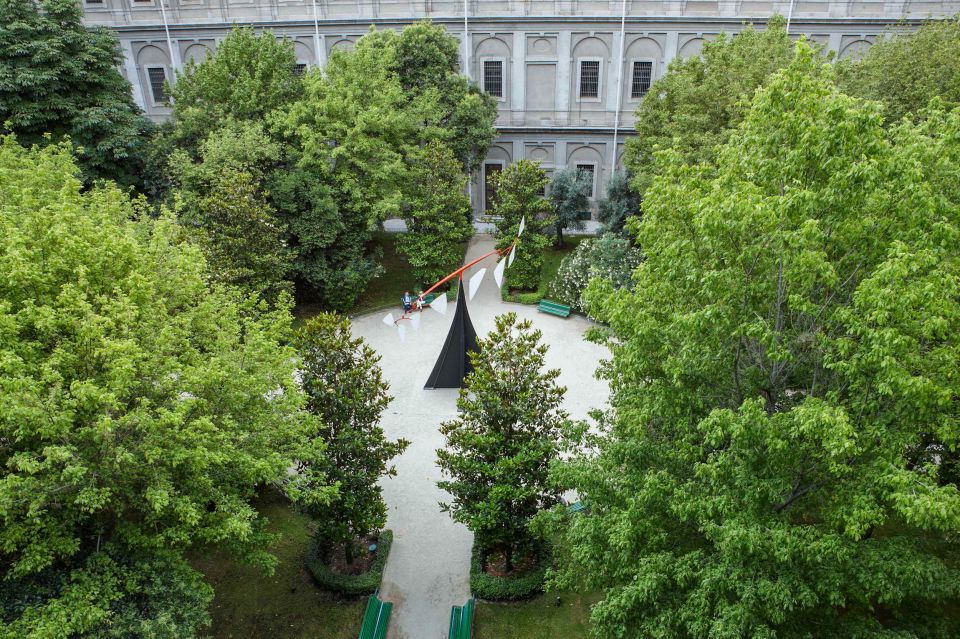
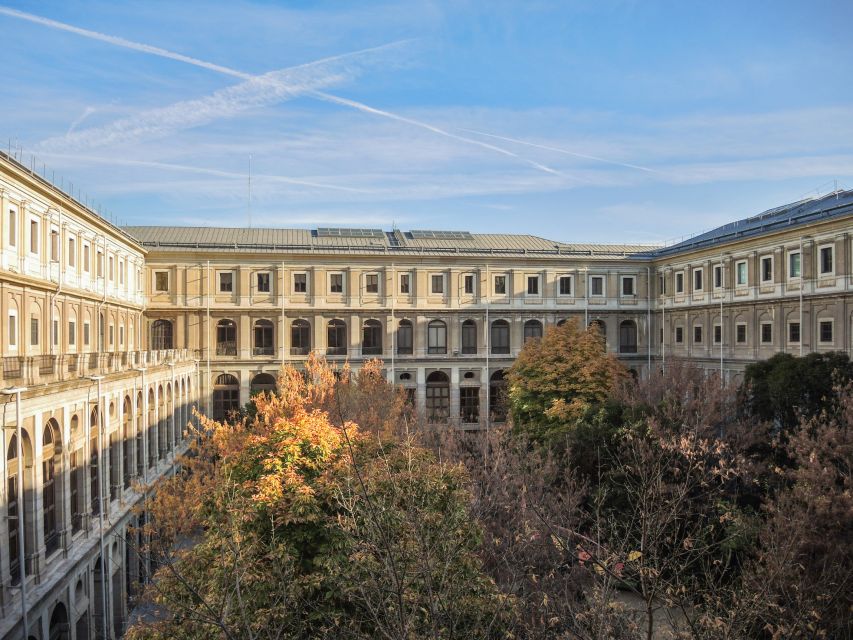
Your access point is through the Nouvel courtyard at Ronda de Atocha nº2. This is useful to know because the museum sits in a busy area, and being off by even a few minutes can mean looping around while other people crowd toward entrances.
Once you’re inside, you’ll still want a quick “orientation minute” before you start moving fast. The museum is big, and the easiest way to enjoy it is to set yourself a clear order: anchor first (Guernica), then the big comparative stops (Dalí and Miró), then everything else at whatever pace you want.
A practical route: Guernica, Dalí, and Miró without wasting time
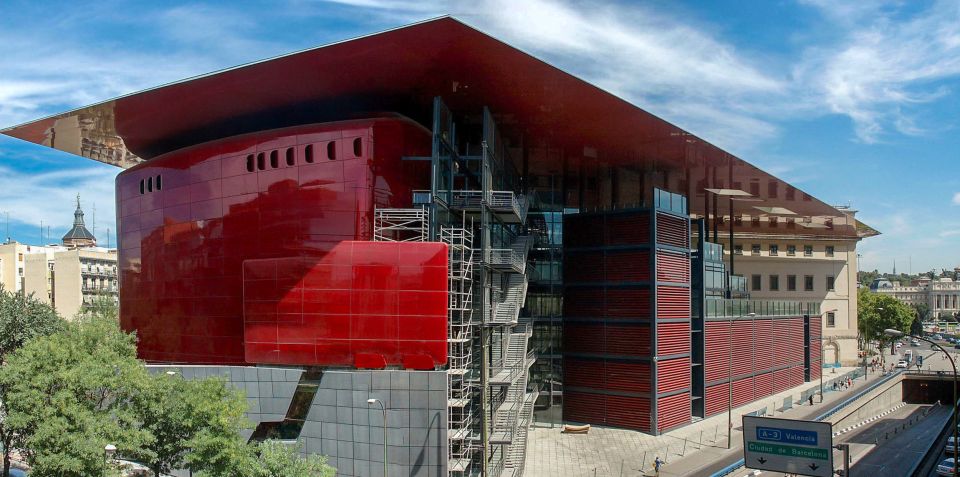
The museum’s collection is vast—more than 21,000 works on view in the main building with a full-day ticket. So yes, you could spend all day chasing everything. But most people get the best experience by building a route around a few “anchor artists,” then letting your curiosity take over.
Step 1: Make time for Guernica first
Start with Guernica. It’s the emotional centerpiece, and it’s also the artwork that helps the rest of the museum click into place. If you go later, you might still see it—but it’s harder to fully feel it when you’re tired from wandering.
Also, plan for people. You’ll likely see lots of visitors taking photos right in front of it. If you want the calmest view, look for a moment when the crowd shifts and use the time to step in, look closely, then step back.
You can also read our reviews of more museum experiences in Madrid


Step 2: Compare Dalí’s surrealism with Miró’s color language
After Picasso, go after the Surrealist and the color-leaning contrasts:
- Look for around 20 canvases by Salvador Dalí, including his surrealist painting El gran masturbador.
- Then shift your eyes to Joan Miró, known for bright primary colors and a playful, symbolic way of building images.
The value here isn’t just seeing famous names. It’s comparing how different artists handled similar big questions—dreams versus reality, politics versus symbolism, chaos versus control—using completely different visual “tools.”
Step 3: Spend the rest of the day on 20th-century Spanish art
Once you’ve got those anchors in your head, you’ll enjoy the broader sweep of 20th-century Spanish artists. The museum is designed for discovery across movements, not just a highlight reel.
You might also run into temporary exhibitions tied to themes like posters or social commentary. Since your ticket includes temporary exhibitions, it pays to keep one open slot in your plan for whatever special show is happening that day.
How to pace a full-day visit in a museum this large
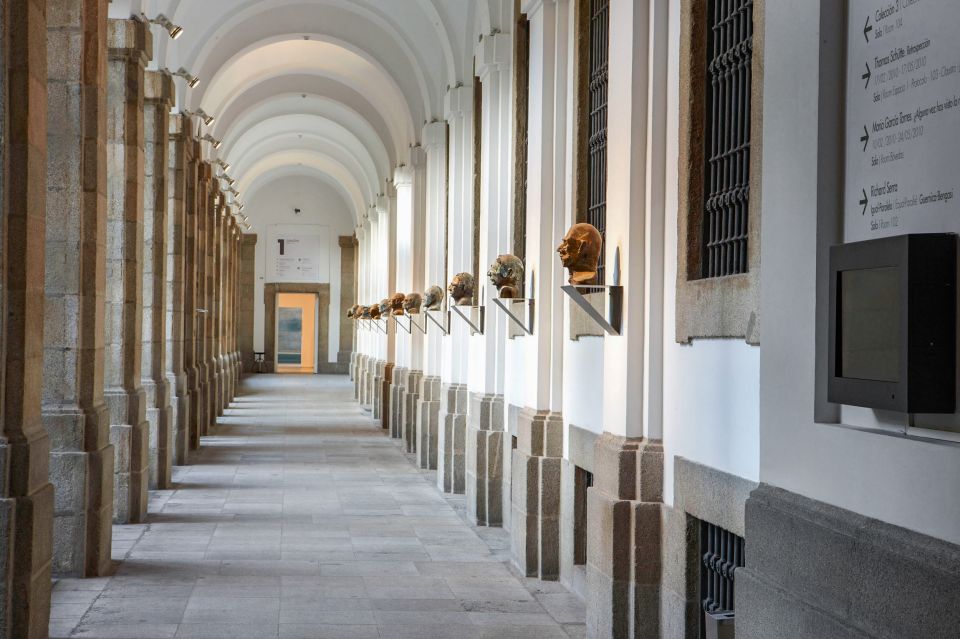
A full-day ticket sounds like “see everything.” Reality is messier. With a collection this big, you’ll get the best experience by working in loops.
Here’s a pacing approach that usually works in museums like this:
- Front-load the big three (Guernica, then Dalí and Miró).
- Choose one theme path after that: politics, surrealism, or Spanish 20th-century developments.
- Leave time for slower looking where the museum’s mix of media appears—photography, film, sound, and dance-adjacent presentations can make the museum feel less like a warehouse and more like a story.
Some visitors spend around 4 hours, while others stretch to 7 hours when they read labels carefully and linger. If you’re the kind of person who likes to actually process artwork, aim for the longer side. If you want the highlights plus a few favorites, a half-day to full-day still works.
Crowds and free hours: timing that actually matters
The museum has free-entry windows, and crowds can spike because of them. The key times to know:
- Monday to Saturday: free 7 PM–9 PM
- Sundays and public holidays: free 12:30 PM–2:30 PM
So if you’re not chasing the free hours, you’ll usually enjoy the museum more by avoiding those peaks. One practical idea: arrive earlier in the day so you can see Guernica and your anchor artists before the rush thickens around midday.
If you do visit near free times, keep your expectations realistic. Even with a ticket, the museum atmosphere can get louder around the most popular artwork areas.
Opening times and closure dates (so you don’t plan a ghost visit)
You’ll want to build your schedule around the museum’s regular rhythm:
- Mondays: 10 AM–9 PM
- Wednesdays to Saturdays: 10 AM–9 PM
- Sundays: 10 AM–2:30 PM
- Closed every Tuesday, and occasionally on Sundays
It’s also closed on specific dates, including:
- 1 and 6 January
- 1 and 15 May
- 9 November
- 24, 25, and 31 December
Because the ticket is for one day, the date matters. Double-check the day of week before you lock anything in.
Museum rules that can affect your day
This is the kind of museum where rules shape comfort. Plan around them so you don’t waste time sorting belongings at the entrance.
Not allowed:
- Pets (assistance dogs are allowed)
- Food and drinks
- Luggage or large bags
- Sharp items like knives, scissors, tools, and similar items
- Toys, balls, or entertainment items
Bag guidance:
- Permitted bags have a recommended size of 40x30x10 cm
- Only closed folding umbrellas are allowed
One small planning tip: if you’re traveling with extra gear, leave it at your accommodation. You’ll spend less time on bags and more time looking at art.
Audio guide vs. self-guided: what’s worth the extra €4.50?
The ticket is self-guided. If you want help connecting the dots, the audio guide costs €4.50 and is available inside the museum.
When it’s worth it:
- If you like context, the audio guide can help you understand what you’re seeing without hunting for every label.
- If you’re moving fast, it gives you a structure so you don’t get lost in famous-name rooms and skip the rest.
When you might skip it:
- If you’re strong at reading museum text and you prefer your own pace, you might be fine without it—though you may miss some subtler connections.
Also, the museum signage can feel confusing for some visitors. If you don’t read Spanish well, don’t count on staff to always guide you in English. Having the audio guide can reduce that stress because you’ll have your own explanation system.
Comfort notes: bathrooms, stairs, and the cafe break
This museum is a full-day walk. That means logistics matter.
- The toilets can feel inadequate when the building is busy, so don’t wait until you’re desperate.
- There’s a cafe downstairs, but it can be disorganized when lines form, so treat it as a break option, not part of a tight schedule.
If you need a breather, take it. A 10-minute reset helps you see more art with less fatigue.
Who this Reina Sofía ticket fits best
This ticket is a great match if:
- You want Guernica without bargaining with confusing logistics.
- You like comparing major modern artists in one place—Picasso, Dalí, and Miró in the same day.
- You prefer a flexible schedule over a fixed guided route.
It’s also fine for first-timers to Madrid modern art. This museum gives you the broad 20th-century picture without forcing you to book multiple days.
If you’re traveling with kids, the museum recommends children stay under adult supervision. And because it’s a large building, plan on calm breaks rather than expecting young visitors to “power through” every room.
Should you book this Reina Sofía entrance ticket?
Book it if you want a smooth entry and you’re visiting during busy hours. For most people, the value comes from protecting your time: you’re paying to get into the museum on your chosen day and then spend the day on your own pace.
Skip it only if all of these are true:
- Your dates are flexible and you’re okay working around free-entry crowds.
- You don’t care about lines.
- You’re comfortable building your own route without any extra structure.
If you’re thinking Guernica is the one thing you came for, this ticket is an easy yes. The museum is big, but the heart of your visit will land fast—especially once you’ve seen how the Picasso anchor changes the way you read everything after it.
FAQ
Is the audio guide included with the ticket?
No. The ticket includes museum entry and temporary exhibitions, but the audio guide is an add-on you can purchase inside the museum for €4.50.
Where do I access the museum with this ticket?
You access the museum through the Nouvel courtyard at Ronda de Atocha nº2.
What is included in the full-day ticket price?
Your ticket includes entrance to the Reina Sofía Museum and access to temporary exhibitions, plus the booking and handling fee.
How long is the ticket valid for?
The ticket is valid for 1 day. You should check available starting times to match your visit plan.
What are the main opening hours?
The museum is closed every Tuesday. Mondays and Wednesdays through Saturdays run 10 AM–9 PM. Sundays run 12:30 PM–2:30 PM. It is also closed on listed holiday dates.
What items are not allowed inside?
Food and drinks aren’t allowed. Pets aren’t allowed. Large luggage is not allowed, and sharp objects are prohibited. Permitted bags have recommended dimensions of 40x30x10 cm, and only closed folding umbrellas are allowed.