REVIEW · MADRID
Madrid: Half-Day Spanish Cooking Class
Book on GetYourGuide →Operated by Cooking Point · Bookable on GetYourGuide
A market bag makes paella taste like Madrid. What I like most is hands-on cooking from start to finish, with a chef guiding you step-by-step, then letting you enjoy the meal you made.
I also like the chance to meet ingredients at a real Madrid market on paella mornings, with chef-hosts like Angel and Eduardo explaining what to look for.
One consideration: you stay active the whole time because cooking happens in pairs, so it’s not a relaxed sit-and-watch activity.
In This Review
- Key highlights worth your time
- A Four-Hour Madrid Menu You Cook and Actually Eat
- Morning Paella With Mercado Shopping: From Market Cart to Skillet
- Evening Tapas Workshop: Five Tapas, One Dessert, and Sangria
- How the Chefs Teach You: Pair Cooking, Clear Steps, Real Tips
- What You’ll Make, and Why Spanish Techniques Travel Well
- Paella and gazpacho: warm and cool in the same menu
- Tapas: learning to cook for variety
- Value in Practice: What $100 Buys (And What It Doesn’t)
- Who This Cooking Class Fits Best in Madrid
- Should You Book This Madrid Cooking Class?
- FAQ
- How long is the Madrid Spanish cooking class?
- What’s included in the morning paella option with the market visit?
- What’s included in the evening tapas option?
- Is the market tour included for both class options?
- What language is the instruction in?
- Can I join if I’m traveling solo?
- Can the class accommodate dietary needs or allergies?
- Is hotel pickup included?
Key highlights worth your time
- Market shopping on paella mornings: you buy groceries first, then cook with what you picked up.
- Two menu formats: paella + gazpacho + sangria (morning) or five tapas + Catalan crème + sangria (evening).
- Chef-led, hands-on structure: you cook your own dishes with clear instructions and real technique.
- Built for different parties: couples, solo visitors (with a partner assigned), and families with kids.
- Everything ends at the table: lunch or dinner is included, so you’re not just tasting small bites.
A Four-Hour Madrid Menu You Cook and Actually Eat
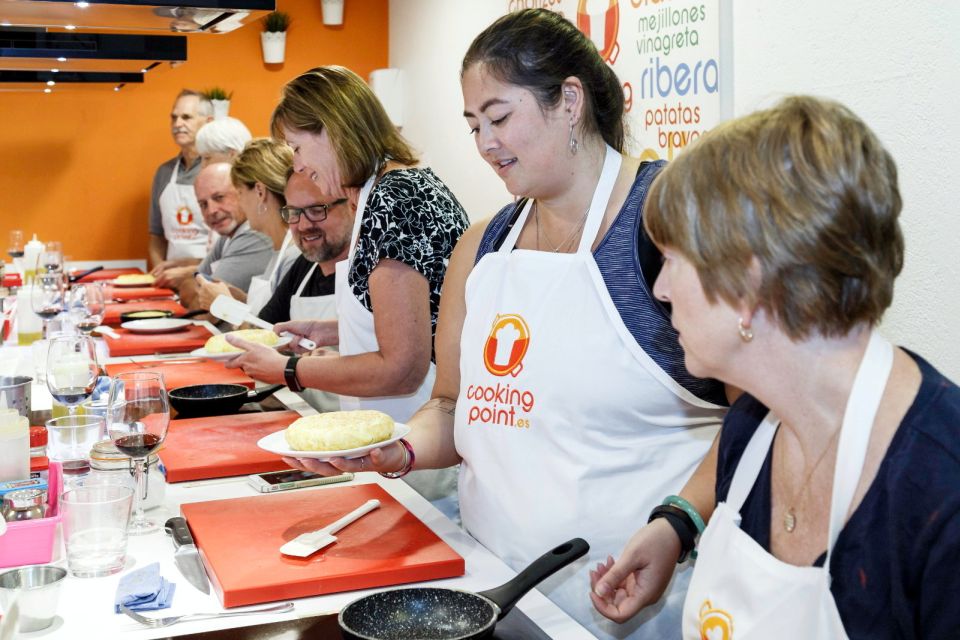
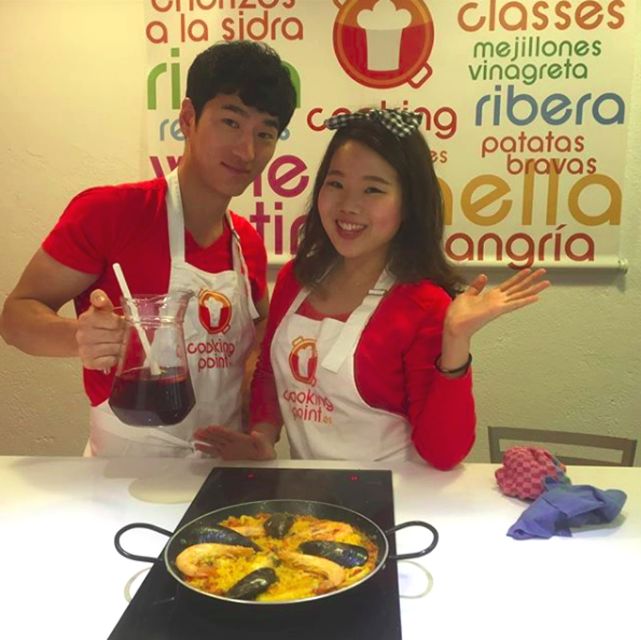
Madrid can be great for food without much effort, but this class adds one smart twist: you don’t just order a meal and call it done. You’re the cook. You’ll prepare your dishes, follow the chef’s direction, and then sit down to eat what you made with your cooking group.
The format is straightforward and efficient. The class runs about 4 hours, and the pace is built around getting you producing food quickly: chopping, mixing, frying, assembling, and cooking, all with guidance. By the end, your plate is the payoff.
I especially like that it feels social without being chaotic. In the dining portion, you share the same meal and talk through what you learned, which makes it more fun than a quiet cooking demo. Reviews also highlight a clean, well set-up kitchen and an atmosphere where kids and adults can both manage it.
This is also an English-instructor class. If you’re nervous about language barriers, that helps a lot. And since dietary needs and allergies can be accommodated, it’s not a one-size-fits-all experience.
You can also read our reviews of more cooking classes in Madrid
Morning Paella With Mercado Shopping: From Market Cart to Skillet
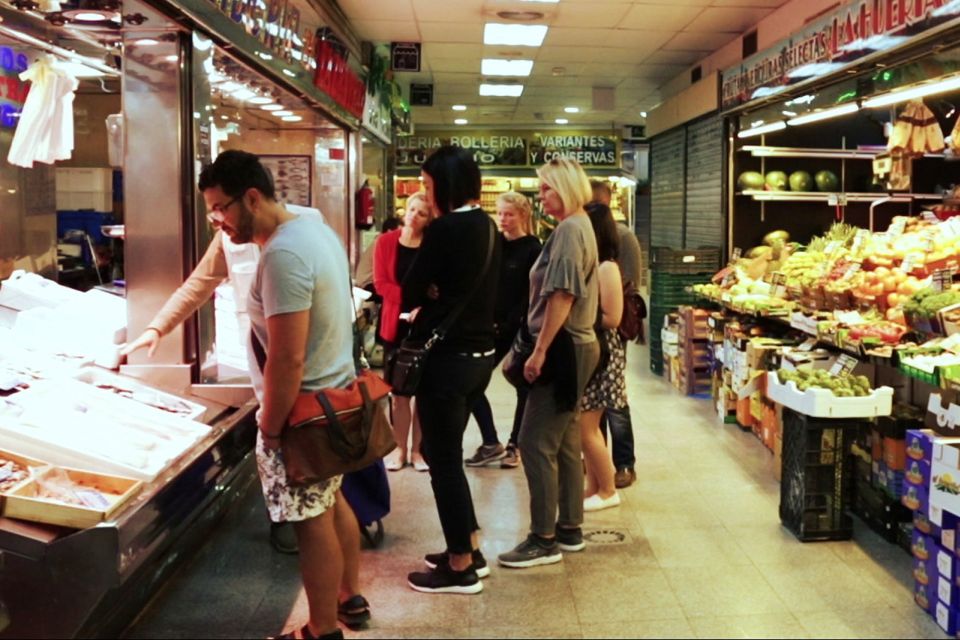
If you pick the morning option, the day starts with a market visit. You’ll shop for ingredients with the chef guiding you on what to buy and why. This is more than a photo stop. You’re learning how locals shop: what’s fresh, what each product is for, and how shopping connects to cooking results.
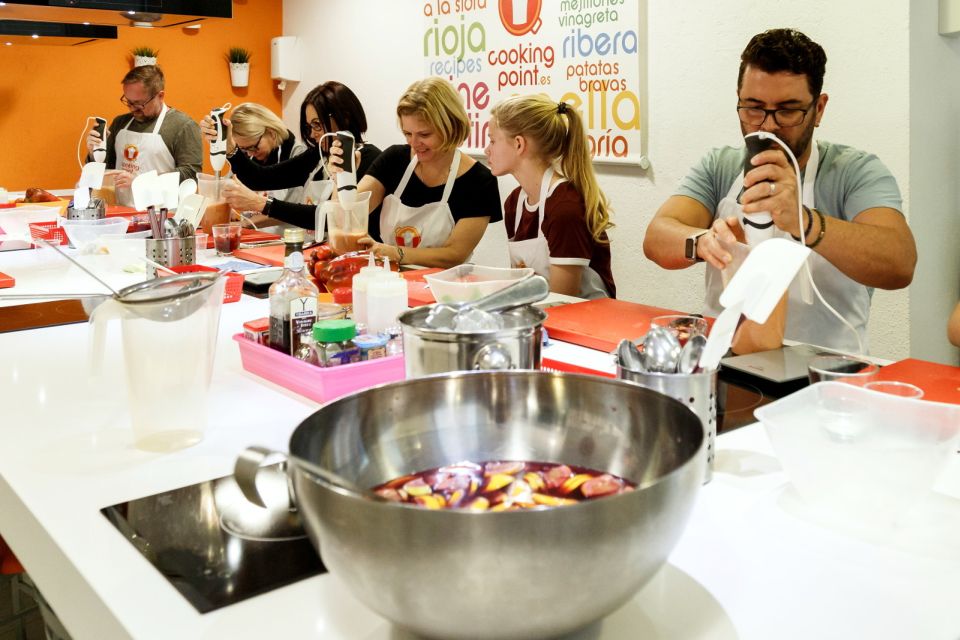
After you return to the school, you cook a mixed paella with chicken and seafood. The paella element matters here, because paella is often misunderstood. People think it’s only about the pan, but it’s really about timing and seasoning balance. You also make gazpacho, the cold tomato soup that brings a refreshing, tangy counterpoint to the warm pan food. Then you finish the morning with sangria, served as part of the meal.
Why this option works well: you’re connecting the ingredients to the final flavor. When you’ve bought the tomatoes, seafood, or other staples yourself, the dish has more meaning on your plate. It also gives you confidence if you try paella at home later, because you know what you were looking for when you shopped.
A small drawback to consider: shopping adds time and movement. If you’re in Madrid for only a day or two, the morning start can feel like a commitment. But for food people, it’s usually the best part because it teaches you how the raw ingredients turn into a finished dish.
Evening Tapas Workshop: Five Tapas, One Dessert, and Sangria
The evening option shifts from one big centerpiece (paella) to a Spanish bar-style spread. Instead of one main dish, you build a set of tapas, designed for sharing and casual eating.
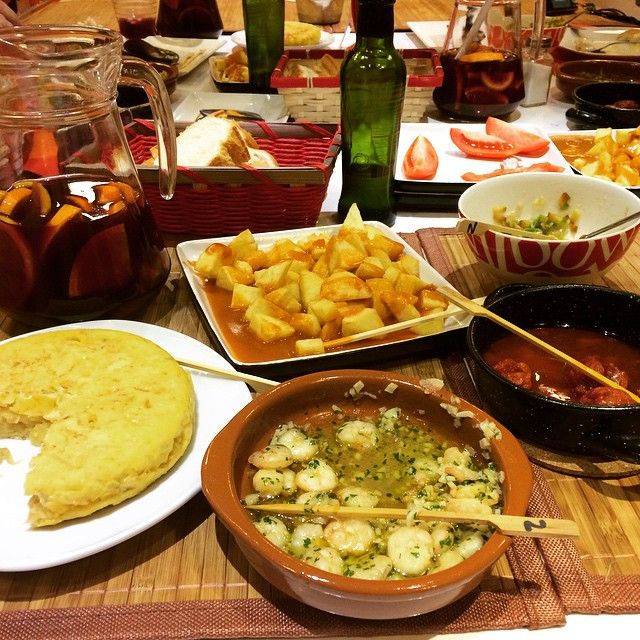
In this class you cook a menu of 5 tapas, plus one dessert and sangria. The tapas list is specific:
- Spanish potato omelet
- Garlic shrimp
- Chorizo in apple cider
- Patatas bravas
- Tomato bread with ham
And the dessert is Catalan crème.
This is a great choice if you want variety without worrying about one complicated centerpiece. The tapas format also lets you practice multiple techniques: frying and crisping, sautéing, balancing salty and sweet notes (apple cider with chorizo does that nicely), and assembling quick bites like tomato bread with ham.
One practical benefit for beginners: tapas recipes often use simple ingredients and repeatable methods. That means you can actually carry the techniques home, not just remember flavors. Reviews mention that the instructions are easy to follow even if you’re not an experienced cook.
This option is also a strong fit for people who prefer a later start. If your mornings are packed with museums or day trips, an evening class turns dinner time into a learning session.
How the Chefs Teach You: Pair Cooking, Clear Steps, Real Tips
Cooking classes can fail in two ways: either the chef talks at you, or the kitchen turns into a scramble. This one is designed to avoid both.
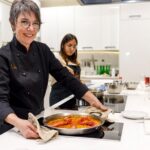
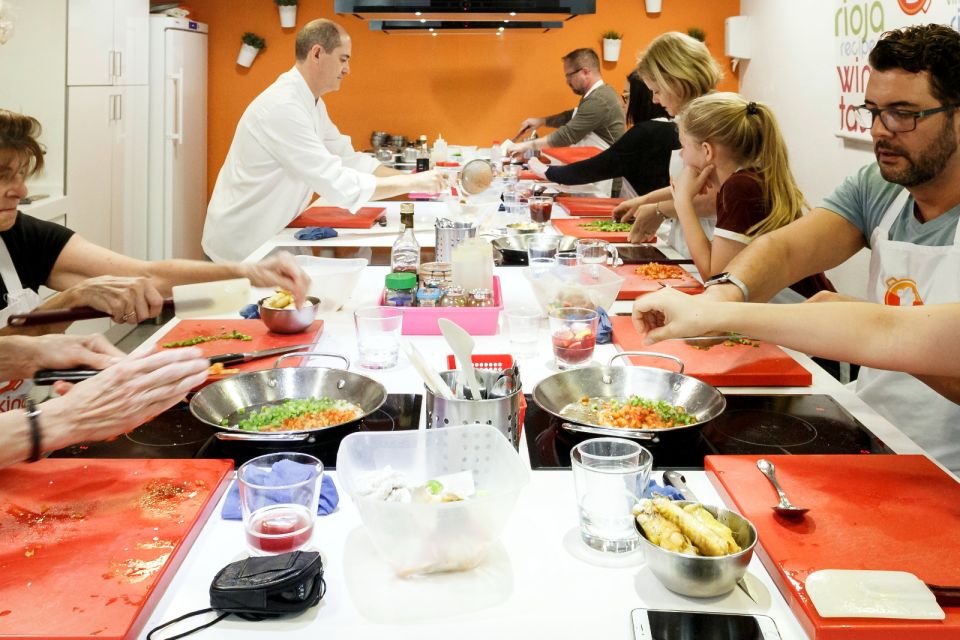
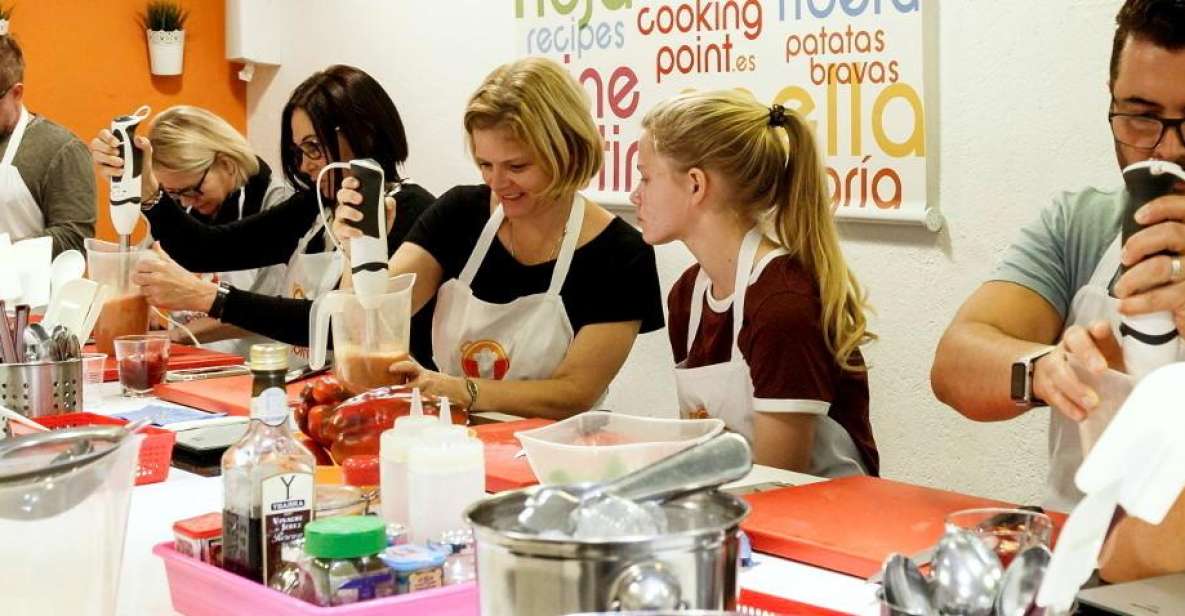
You’ll cook in pairs. If you book alone, the provider assigns you a cooking partner, so you’re not stuck standing around. That matters because hands-on cooking works best when someone is right there to pass ingredients, take turns, and keep the workflow moving.
The teaching style seems consistent across chef-hosts. Names that show up in experiences include Angel, Eduardo, Teresa, Elisa, and Maria, and the common thread is clear, step-by-step instruction in English. Reviews also mention a warm, organized approach with humor and relaxed energy, which can make the time feel shorter than the clock suggests.
And you’ll likely pick up small prep tips that make the difference between okay and great. One example that comes up is learning how to prep seafood properly, like knowing how to devein prawns. It’s the kind of detail that’s hard to learn from a recipe alone.
What to expect during class:
You’ll start with directions for the menu you chose. Then you work through each dish, stage by stage, while the chef keeps an eye on timing, texture, and seasoning. Finally, you get seated to eat your meal together, so there’s no awkward moment where the food is gone before you get to taste it.
What You’ll Make, and Why Spanish Techniques Travel Well
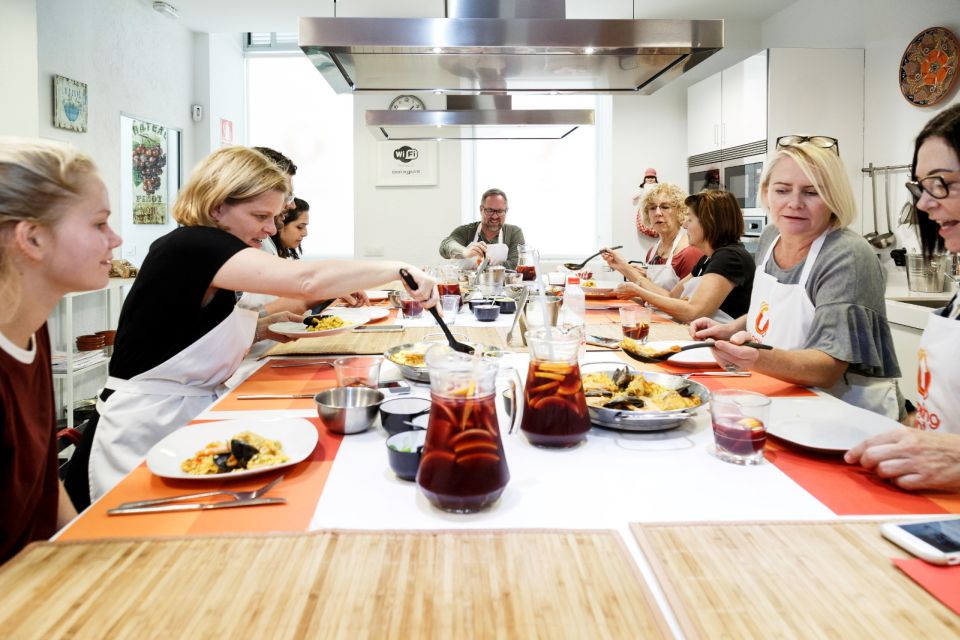
Whether you choose paella or tapas, you’re really learning Spanish cooking habits: how to use straightforward ingredients, how to build flavor with seasoning, and how to keep cooking focused on timing.
A few more Madrid tours and experiences worth a look
Paella and gazpacho: warm and cool in the same menu
On paella mornings, the menu creates contrast on purpose. Paella (warm, savory) needs structure and time to cook through. Gazpacho (cold, acidic) balances richness with tomato tang and fresh cooling effect. Then sangria rounds out the flavor with sweetness and fruit notes.
This balance is the part that makes the meal feel like Spain instead of just a random cooking lesson. If you replicate it at home, you’ll get the same satisfying rhythm: one hot plate, one cold starter, and one drink to tie it together.
Tapas: learning to cook for variety
On tapas nights, you’re training your brain to think in bites, not just in meals. The potato omelet teaches comfort and slicing-ready structure. Garlic shrimp helps you learn quick heat and seasoning control. Chorizo in apple cider adds a sweet-savory twist. Patatas bravas is about crunch and sauce balance. Tomato bread with ham teaches assembly and texture contrast, since the point is quick, flavorful bites.
The dessert, Catalan crème, is a classic way to end the cooking session with something that feels distinctly Spanish and not too complicated after a long kitchen day.
The big takeaway for you: you’ll leave with practical know-how. Not just recipes, but methods you can repeat.
Value in Practice: What $100 Buys (And What It Doesn’t)
At $100 per person for a roughly 4-hour experience, you’re paying for three things at once: instruction, ingredients, and a full meal at the end. In other words, you’re not buying a tasting flight. You’re buying a chance to cook and then eat.
Here’s what’s included:
- All ingredients and drinks
- A recipe booklet
- Lunch or dinner (depending on the time option)
- Market tour for the paella-morning option
- Instructor in English
What’s not included is pretty simple: no hotel pickup or drop-off. You’ll need to get yourself to the meeting point, which can vary by the option you book.
So is it worth it? It usually is if you want more than a meal. If you like learning techniques, cooking alongside someone, and eating what you make, this is exactly that. If you just want to taste Spanish food with zero kitchen effort, you might feel it costs more than you needed.
Reviews also suggest good value in practice because the meals are substantial and the class keeps everyone involved. People mention cooking a lot during the session and then eating everything at the table, which is the best kind of included meal.
Who This Cooking Class Fits Best in Madrid
This works for a surprising range of travelers.
- First-time cooks: the structure and step-by-step guidance help you follow along without feeling lost.
- Foodies who want something real: the market stop on paella mornings adds context, not just flavor.
- Families: reviews mention kids doing well and enjoying the hands-on parts.
- Solo travelers: since cooking is done in pairs and a partner is assigned, you won’t be left alone at a station.
- People with dietary needs: accommodations are available, which is a big deal when you’re traveling and trying to eat responsibly.
If you’re short on time, consider which menu makes your day easier. Paella morning + market is perfect if you want a full food story in one go. Evening tapas is better if your mornings are packed and you want to turn dinner into a lesson.
And if you strongly prefer watching over doing, you might find the kitchen time demanding. The point here is participation.
Should You Book This Madrid Cooking Class?
Book it if you want a hands-on Madrid food experience where you cook your own menu and then eat a real lunch or dinner. The paella-morning option is especially good if you enjoy markets and want to learn ingredients in the real shopping environment, not just in a classroom.
Choose the evening tapas class if you want variety, smaller-bite techniques, and a menu that feels like Spanish casual dining. It’s a nice way to experience Spanish flavors without needing to master one big centerpiece.
If you hate kitchen work or you need a totally hands-off tour, skip it. Otherwise, this is a solid value: you pay for a structured cooking lesson, drinks, and a full meal, and you take home a recipe booklet that actually matches what you cooked.
FAQ
How long is the Madrid Spanish cooking class?
The class runs for about 4 hours.
What’s included in the morning paella option with the market visit?
You shop at a local market, then cook a mixed paella (with chicken and seafood), gazpacho (cold tomato soup), and sangria. Lunch is included.
What’s included in the evening tapas option?
You cook 5 tapas, plus 1 dessert (Catalan crème) and sangria. Dinner is included.
Is the market tour included for both class options?
No. The market tour is included only with the morning paella class.
What language is the instruction in?
The instructor teaches in English.
Can I join if I’m traveling solo?
Yes. Cooking is done in pairs, and if you go alone the provider assigns you a partner.
Can the class accommodate dietary needs or allergies?
Yes. Food allergies, intolerances, and dietary requirements can be accommodated.
Is hotel pickup included?
No. Hotel pickup and drop-off are not included.