REVIEW · MADRID
From Madrid: Gems of Andalusia 6-Day Sightseeing Tour
Book on Viator →Operated by Julia Travel S.L · Bookable on Viator
Andalusia in six days, minus the hassle. This Madrid-to-southern-Spain circuit is a smart way to hit the big names—Roman ruins, Moorish masterpieces, and iconic neighborhoods—without you stitching together bus lines and ticket counters on your own. Key sights come with set entrances, and you travel by coach between comfortable hotel bases.
What I really like is the saved time built into the program. Córdoba’s Mosque/Cathedral, Seville Cathedral, and the Alhambra + Generalife Gardens are included, so you’re not scrambling for the hardest reservations when you arrive.
One drawback to plan for: it’s still a bus tour, and Spain’s cities mean steep hills and cobblestones plus a pace that can feel tight. A few departures also seem to run larger mixed-language groups than the advertised max, so you’ll want to be ready for that reality and keep your expectations flexible.
In This Review
- Key Things to Know Before You Go
- Madrid Departure: The 8:30am Start and Why It Sets Your Whole Trip
- Mérida First: Roman Ruins That Still Feel Incredibly Alive
- Córdoba: Mosque-to-Cathedral Magic Plus Jewish Quarter Wandering Time
- Seville Cathedral, Santa Cruz, and Plaza de España: The Big Three in One Day
- Ronda: Valley Views and the Old Bullring Camera Moment
- Costa del Sol: A Modern Rest Stop With a Tourist-Base Feel
- Granada: Alhambra + Generalife Gardens, and Why the Timing Is Everything
- Cáceres UNESCO: Medieval Streets in a City Built for Walls
- Hotels, Breakfast, and the Logistics of a Group Schedule
- Optional Flamenco and Extra Activities: Where Costs Can Sneak Up
- Who This Tour Is Best For (and Who Should Skip It)
- Price and Value: What You’re Actually Paying For
- Should You Book This Gems of Andalusia 6-Day Tour?
- FAQ
- What is the starting point and start time?
- How long is the tour?
- What cities are included on the route?
- Is the tour offered in English?
- What major entrances are included?
- Are meals included?
- What about hotel accommodations?
- How big are the groups?
- How much luggage can I bring?
- What is the cancellation refund window?
- What fitness level is required?
Key Things to Know Before You Go
- Included entrances at the top sights: Córdoba, Seville, and Alhambra/Generalife are part of the package.
- Seville’s best hits in one guided pass: Cathedral, Santa Cruz, María Luisa Park, and Plaza de España.
- Ronda’s “stop-and-see” view game: valley outlook time plus a camera-ready bullring area.
- Granada is the centerpiece day: Alhambra + Generalife, with an optional evening flamenco option.
- A UNESCO medieval-city detour may be included: Cáceres shows up in the tour highlights.
- Walking matters more than you think: hills, cobblestones, and time pressure can add up.
Madrid Departure: The 8:30am Start and Why It Sets Your Whole Trip
The day kicks off at 8:30am from Aloft Madrid Gran Via (C. de Jacometrezo, 4). That early start is actually useful. You get on the road while the day is still calm, and you’re not trying to squeeze a long-distance drive into the evening.
This trip is built around a simple rhythm: coach transfer, guided visit, then downtime where you can choose how you want to spend the rest of the day. You’ll also have a bilingual tour director (English and Spanish) and transportation by luxury coach, plus travel insurance. In practice, that means you spend less time on logistics and more time on the places.
Bring two things that make a big difference: comfortable shoes and patience with group timing. Even when the schedule is well-run, Andalusia doesn’t move like a flat, car-friendly museum day. And yes, you should travel light. The tour notes allow one regular suitcase and one handbag per person, and extra luggage may be charged.
You can also read our reviews of more tours and experiences in Madrid.


Mérida First: Roman Ruins That Still Feel Incredibly Alive
Your first full sightseeing day begins with a drive west toward Mérida, the capital of Extremadura. Mérida is a World Heritage Site and one of the best places in Spain to feel how Roman city life was laid out. The emphasis here is on well-preserved Roman ruins, including the Roman theater, amphitheater, and the Roman bridge, with other sights woven into the same area.
Why this stop works: it’s a strong palate cleanser. After Madrid, Mérida doesn’t try to sell you romance. It shows you infrastructure—how a city was built, how crowds gathered, how the landscape shaped the plan.
Also, Mérida’s timing is friendly for photos. You’re not rushing straight into the mega-tourism crush that shows up later in Seville and Granada. If you like history but hate “check-the-box” tours, Mérida is a great start.
Córdoba: Mosque-to-Cathedral Magic Plus Jewish Quarter Wandering Time
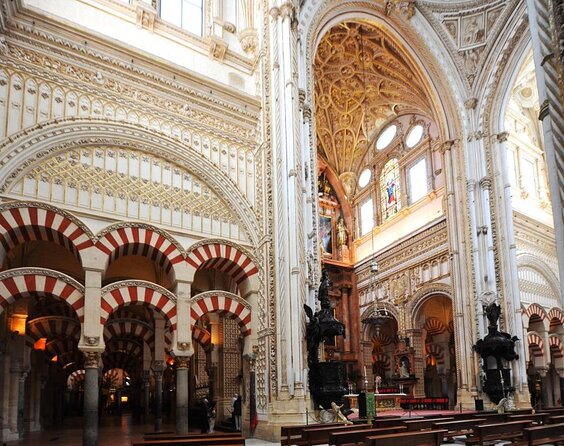
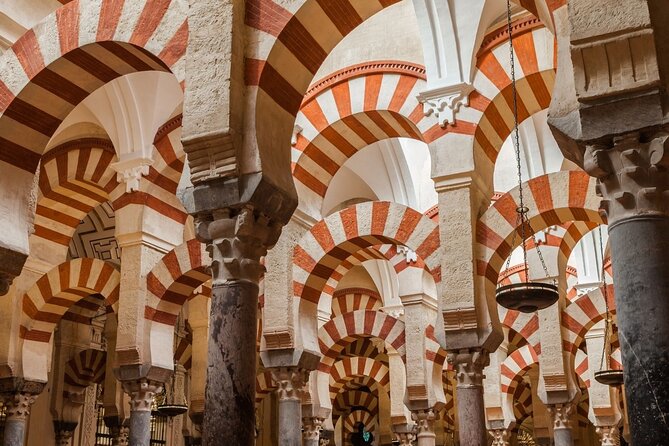
After breakfast, you get a guided look at Córdoba’s Mosque, which today functions as a cathedral. This is one of those places where you don’t need a lecture to understand the impact. The setting is famous, but the real value is how it’s guided: how the different eras layered into one space, and how the building reads differently the longer you’re in it.
Then you get help with the surrounding streets: a walk through the Jewish Quarter area and the narrow lanes that make Córdoba feel like it was made for slow wandering. This is where you can either speed through for a photo or slow down and notice details in doorways, courtyards, and street corners.
One practical note from the way these tours operate: Córdoba can feel photo-friendly, but if you want the Roman bridge stroll and extra time for cafés, you’ll be happier if you plan to use free time efficiently. Some past groups have wished they had more minutes to fully enjoy every angle.
Seville Cathedral, Santa Cruz, and Plaza de España: The Big Three in One Day
Seville is built into the tour with a serious guided day. You’ll visit the Seville Cathedral (not just the building from the outside) and you’ll also spend time in Barrio de Santa Cruz, the neighborhood tied to the myth world of Carmen and the story legend of Don Juan. That storytelling angle matters because it helps you look at landmarks as more than postcards.
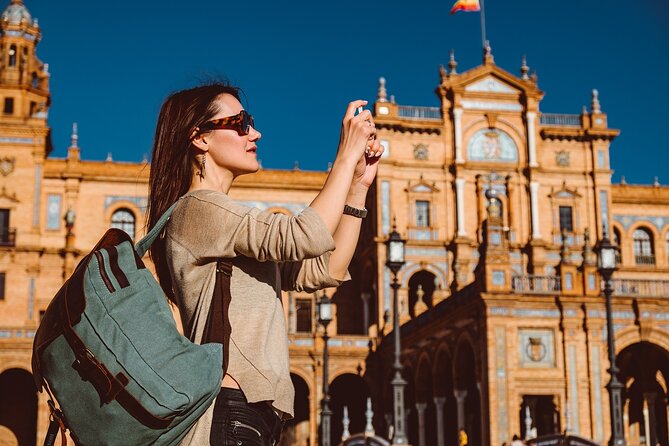
The schedule also includes María Luisa Park and Plaza de España. These two places are the payoff for the Seville look people dream about—the open spaces, the geometry, the tilework, and that feel of the city stretching out. The guided portion gives you the context; the free afternoon helps you pick your own pace.
A couple of helpful reality checks based on experience on similar departures:
- You’ll likely do a good amount of walking on uneven ground.
- If you’re a “ticket-hunt on arrival” traveler, you’ll be glad that the cathedral entrance is included, but you’ll still want to be ready for lines and timing once you’re in the area.
Ronda: Valley Views and the Old Bullring Camera Moment
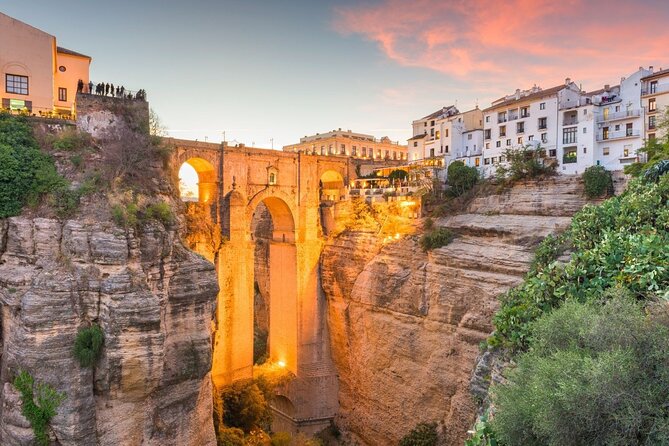
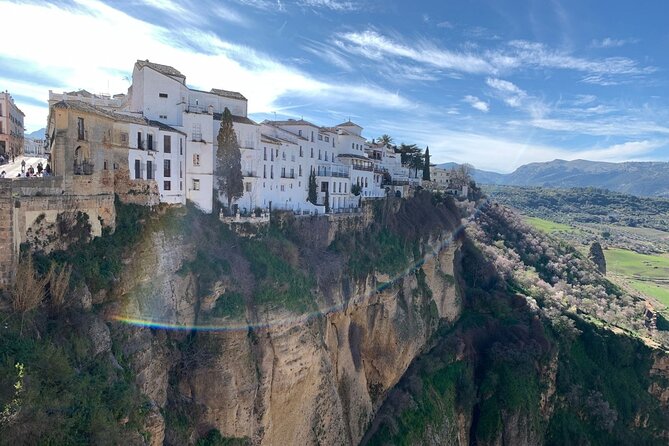
Ronda is your “slow down and look” day. After breakfast, the coach heads south past typical villages and then you arrive with time to admire the valley and mountain views. This is one of those towns where you feel the geography instantly—cliffs, drops, and that dramatic sense of being perched above a deep landscape.
Ronda also gives you a signature photo setup: Spain’s oldest bullring. Even if you don’t go inside for a full bullring visit, the area is visual and photogenic, and you’ll have time to shoot your camera roll full of Ronda angles.
What you should know: Ronda’s charm comes from walking the viewpoints and edges. If you’re sensitive to hills or long distances on uneven pavement, plan your route carefully and don’t treat it like a quick photo stop.




Costa del Sol: A Modern Rest Stop With a Tourist-Base Feel
The tour includes Costa del Sol as a stop, with afternoon downtime and an overnight base. This is not the Moorish-alley magic of Granada or the Roman grandeur of Mérida. It’s more of a practical anchor: a place to reset, sleep, and recharge.
Why it still has value: it can break up the intensity. After big historic days, having an afternoon to decompress can make the next sightseeing day feel more enjoyable instead of exhausting.
One word of caution: Costa del Sol is a wide zone. Your hotel location can affect how much you need to walk or how quickly you can access the sights. Some groups have mentioned hotel location being more out of the way than expected, so pack your patience and keep local transport options in mind once you’re there.
Granada: Alhambra + Generalife Gardens, and Why the Timing Is Everything
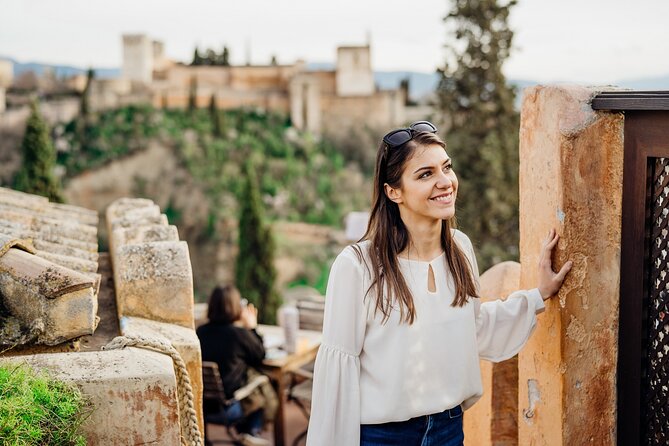
Granada is the headline day. After breakfast, you drive to Granada, described as the last stronghold of the Moorish kingdoms until 1492. The heart of your visit is the Alhambra complex and the Generalife Gardens.
Here’s the value: this isn’t just “go see a palace.” The Alhambra is one of Europe’s most famous cultural sites, and the experience works best when you have guided context plus enough time to move through calmly. The tour includes entrance to both the Alhambra and Generalife, which matters because these are the places where last-minute planning can get stressful.
You also have a built-in optional evening idea: an Alhambra-inspired flamenco Zambra show (optional). If you do one flamenco performance in Andalusia, Granada is a strong contender because the setting and style can feel perfectly matched to the architecture day you just had.
Two practical things to consider:
- Granada is hilly and can feel like a lot in one day.
- If your evening plans depend on getting back to the hotel on time, double-check your schedule once you’re there so you’re not racing in the dark.
Cáceres UNESCO: Medieval Streets in a City Built for Walls
The tour highlights include Cáceres, a UNESCO-listed medieval city. If this stop is included in your departure, it’s a very different energy from the palace-and-ruins focus elsewhere in the route.
Cáceres is about atmosphere: stone walls, old streets, and a sense of a city that was designed to be defended. It’s a great reminder that southern Spain wasn’t only about Moorish palaces or Roman infrastructure. The Middle Ages also shaped how people lived and how cities functioned.
If you can, use the time to wander beyond the first obvious viewpoint. This is the kind of place where side alleys and small courtyards can be the most memorable parts, especially when you’re not hurrying to the next main entrance.
Hotels, Breakfast, and the Logistics of a Group Schedule
Hotels are included, with breakfast provided five times. Food and drinks beyond breakfast are not included unless specified, so you should plan your own meals for lunch and dinner. That’s actually good news for you if you like real local food rather than buffet-style comfort-food repeats.
The trade-off is that you’re on a group timetable, not your own. A few past departures have complained about hotel quality variation and, in some cases, check-in chaos. One recurring theme: some groups faced delays during check-in, and room access processes may involve handing over passports to receive room keys. That’s not something you should assume on every trip, but it’s worth being ready for with your documents organized and accessible.
Also note: bus comfort can vary. Some feedback calls out issues like uncomfortable seating or air-conditioning problems. The tour aims for a luxury coach, but group size and maintenance can still affect the ride.
Optional Flamenco and Extra Activities: Where Costs Can Sneak Up
You have at least one optional add-on opportunity: flamenco in Granada (Flamenco Zambra show). Beyond that, some departures offer paid local excursions and side experiences that cost extra and may require cash.
This matters because it changes how you plan your budget. Some groups have reported that certain add-ons needed cash transactions and that the total cost could add up quickly for families or friends traveling together. If you want to do extras, I suggest you:
- Carry some cash just in case, especially for optional tours.
- Decide in advance which add-ons are “must” for you and which are “nice if time allows.”
- Don’t assume every guided day covers every top site inside every time slot. Some guided city walks are more about orientation and less about deep entry-level touring.
If you’re the kind of traveler who likes to plan tightly, you’ll probably get the most value by booking a flamenco show and leaving the rest as flexible.
Who This Tour Is Best For (and Who Should Skip It)
This tour fits best if you:
- Want to see the main hitters of southern Spain without renting a car.
- Prefer guided context at the big-ticket places (Alhambra, Cathedral of Seville, Mosque/Cathedral of Córdoba).
- Are okay with a schedule that moves and a day that includes some walking.
It may be less ideal if you:
- Struggle with steep hills and cobblestones. Granada and Seville areas can feel like nonstop uphill effort.
- Get unhappy when the group gets too large or mixed-language. The tour is offered in English with a bilingual director, but some departures have seemed to include larger merged groups.
- Expect a calm pace with lots of unscheduled roaming. Even with free time, the flow is structured.
If you’re traveling with kids or you’re a first-time group traveler, you might love the convenience and the built-in rhythm—just set expectations about walking and meeting times.
Price and Value: What You’re Actually Paying For
At $1,189.45 per person, you’re not paying only for transport and hotel beds. You’re paying for the built structure that makes the trip work:
- Luxury coach transportation between multiple regions
- Hotel nights with breakfast
- A bilingual director
- Entrances included for the toughest anchor sights: Córdoba Mosque, Seville Cathedral, and Alhambra + Generalife
That’s the real value. If you tried to arrange these entrances yourself—especially Alhambra in peak season—and then line up a coach itinerary across several cities, you’d spend time and probably still end up with a similar cost once tickets, transfers, and organized guiding are included.
What can reduce value for some people is variability: hotel standard can vary by departure, and bus comfort or group size can affect the day-to-day feel. If you’re price-sensitive, compare your personal priorities: if you care most about those main entrances, the package tends to make sense.
Should You Book This Gems of Andalusia 6-Day Tour?
I’d book it if you want a guided hit-list approach and you like history plus standout architecture days. Granada and Seville alone justify a lot of the planning effort, and the included entrances remove the scariest booking friction.
I wouldn’t book it if you’re hoping for a relaxed, low-walking trip or a perfectly small-group feel every day. This is a coach route with real time pressure, and some past departures show that group size and on-the-ground organization can vary.
My practical decision rule:
- If your “must see” list is Córdoba, Seville, and Granada, this tour is a strong match.
- If you hate uncertainty around pace, luggage handling, or bus comfort, consider a more flexible plan with fewer cities per trip.
If you go, pack for walking, keep your schedule flexible, and use free time strategically—your best Andalusia moments often happen when you slow down for 30 minutes in the right neighborhood, not when you rush to the next entrance.
FAQ
What is the starting point and start time?
The tour starts at Aloft Madrid Gran Via, C. de Jacometrezo, 4, Centro, 28013 Madrid, Spain, with a start time of 8:30am. The tour ends back at the same meeting point.
How long is the tour?
It runs for about 6 days.
What cities are included on the route?
The route includes stops in Mérida, Córdoba, Seville, Ronda, Costa del Sol, and Granada, with the tour starting and ending in Madrid. The highlights also mention Cáceres.
Is the tour offered in English?
Yes. The tour is offered in English, and the tour director is bilingual (English and Spanish) throughout the journey.
What major entrances are included?
Included entrances cover the Mosque of Córdoba, Seville Cathedral, and the Alhambra and Generalife Gardens.
Are meals included?
Breakfast is included (5 breakfasts). Food and beverages are not included unless specified.
What about hotel accommodations?
Hotel accommodation is included for the tour nights.
How big are the groups?
The tour has a maximum of 40 travelers.
How much luggage can I bring?
You can bring one regular suitcase and one handbag per person. Extra luggage may be charged.
What is the cancellation refund window?
You can cancel up to 6 days in advance of the experience for a full refund. If you cancel 2–6 full days before, you get a 50% refund. If you cancel less than 2 full days before, the amount paid is not refunded.
What fitness level is required?
The tour requires a moderate physical fitness level, since the schedule includes walking.