REVIEW · MADRID
Madrid Tapas Crawl ️Tour by FLT
Book on Viator →Operated by Picoteo Lover Tour by Food Lover Tour · Bookable on Viator
Tapas taste better when you skip the crowds. This Madrid tap-as crawl in Chamberí is built around family-owned bars and a guide who links each bite to the local food culture, not just a script. I like the small group size (max 12) because it keeps the night social and easy to hear, and I’ve seen it run smoothly with guides like Amara and Alberto.
What I really loved is how the menu leans Spanish classics: croquettes, a proper Spanish omelette, ham and cheese, plus extra-harvest olive oil tasting. You also get a serious lineup of drinks that goes beyond the touristy stuff, including sangría, vermouth, and local beer from Madrid’s long-timers.
One thing to keep in mind: a few people found the experience a bit short-walked and the portions smaller than expected for the price. If you’re the type who wants a huge, sit-down dinner, you may leave wanting more.
In This Review
- Key Takeaways Before You Go
- Chamberí Start Point: A Madrid Neighborhood Night, Not a Checklist
- The 2.5-Hour Rhythm: How the Evening Actually Flows
- Stop 1 in Chamberí: Fried Bites, Olive Oil, and That First Wow
- Stop 2: Ham, Cheese, and the Spanish Comfort Classics
- Stop 3: Pork Belly and Spanish Omelette Power
- Stop 4: Sangría, Vermouth, and Local Beer from 1890
- Guides Make the Difference: Amara, Alberto, Raoul, and Ioanna
- Price and Value: Is $107.68 a Good Deal?
- Who This Fits Best (and Who Should Rethink)
- Tips to Get More Out of Your Tapas Crawl
- Should You Book This Madrid Tapas Crawl?
- FAQ
- How long is the Madrid tapas crawl?
- Where does the tour start?
- How many travelers are in the group?
- Is the tour offered in English?
- What’s included in the food and drinks?
- Do I need to bring a paper ticket?
- Is transportation included?
- Can I cancel for a refund?
Key Takeaways Before You Go
- Chamberí location: you’ll be eating in a neighborhood that feels more lived-in than the big-name tourist zones.
- 4 tapas stops in about 2.5 hours: fast pacing, short walks, and multiple bites instead of one heavy meal.
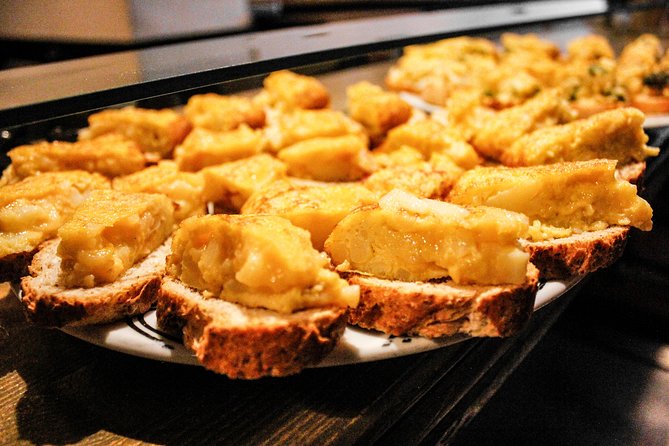
- Signature tastes: expect classics like calamari with ali-oli, ham croquettes, manchego, pork belly, and Spanish omelette.
- Madrid drinks: sangría (not watered down), vermouth, and local beer from a brewery dating back to 1890.
- Max 12 people: a group size that makes conversation and questions actually work.
Chamberí Start Point: A Madrid Neighborhood Night, Not a Checklist
This tour begins at Calle de José Abascal, 18 in Chamberí, then you head out on foot and come back to the same starting area. Chamberí matters because it’s a different vibe from the most famous old-town streets—more locals doing normal things, more small bars, and less feeling like you’re queuing for an attraction.
I also like that it’s practical: it’s offered in English, you get a mobile ticket, and it’s described as near public transportation. That combo helps if you’re juggling dinner plans with museum time, or if your day runs late.
And yes, the guides really shape the experience. People mention hosts like Amara, Alberto, Raoul, and Ioanna bringing energy and making the group gel fast. That’s a big deal on a food crawl because you’re standing, walking, and tasting in quick cycles—good hosting keeps it fun instead of awkward.
You can also read our reviews of more tours and experiences in Madrid.



The 2.5-Hour Rhythm: How the Evening Actually Flows
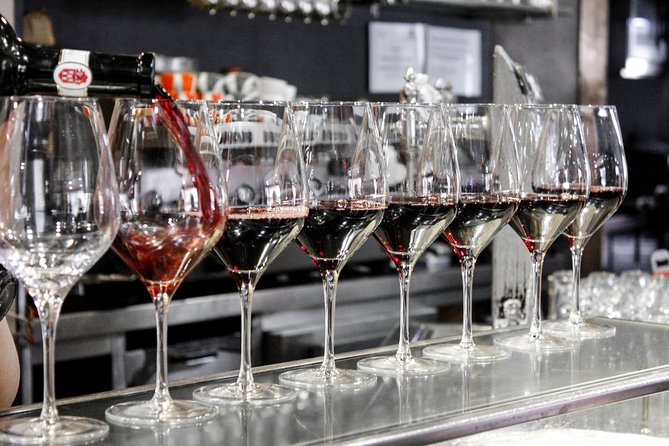
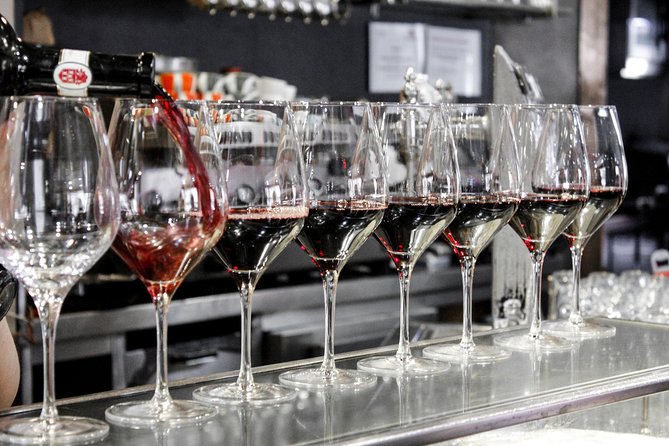
The timing is roughly 2 hours 30 minutes, and the tour fits a walking-food-dunk rhythm rather than a long meal. You’ll hit multiple official tapas places, and the walks between stops are short enough that you can keep the momentum without feeling wiped out.
You should plan to arrive hungry-ish. You’re getting multiple tapas items and alcoholic beverages (and it’s designed to be dinner-like for many people), but it’s still a crawl—not a full course banquet. If you go in with a full lunch, you may find yourself slowing down early, and then you miss the fun of the later bites.
Also, keep the group size in mind. With a maximum of 12 people, you’ll get more of a real conversation with your guide and the people at your table. On the flip side, with a small group, the guide’s style shows up even more—most guides sound like they crush it, but one bad fit can feel more noticeable.
Stop 1 in Chamberí: Fried Bites, Olive Oil, and That First Wow
Stop 1 is in Chamberí and lasts about 15 minutes, with an admission ticket included. This is where the night sets the tone: you’re not just ordering; you’re tasting through a guide-led sequence that explains what you’re eating and why it matters locally.
On the menu you’ll commonly see deep-fried calamari in olive oil with ali-oli (garlic mayo). You may also start with a Spanish chorizo pincho and Padron peppers—simple ingredients, but the flavors are what make them work.
And this is where the early-harvest olive oil tasting can hit you like a lightbulb moment. Extra virgin olive oil in Spain isn’t just a condiment; it’s a flavor topic and a point of pride. An early harvest oil tends to taste sharper and more aromatic than the bottles you’re used to, and that can make the whole evening feel more focused.
This first stop is also a good moment to remember one practical tip: if you drink, go slow. Alcohol is included, and the goal is to enjoy each place—not to white-knuckle it until the end.
Stop 2: Ham, Cheese, and the Spanish Comfort Classics
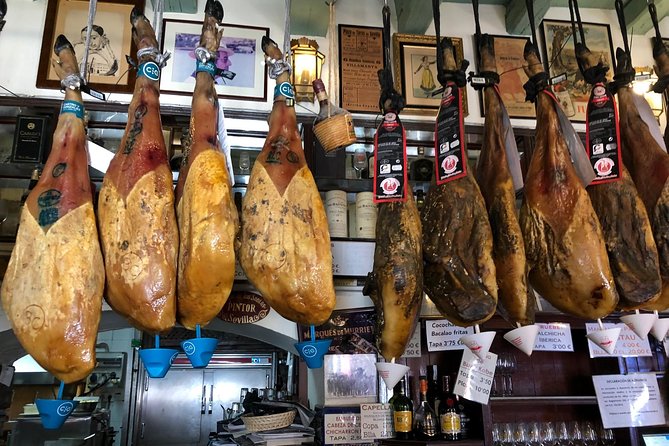
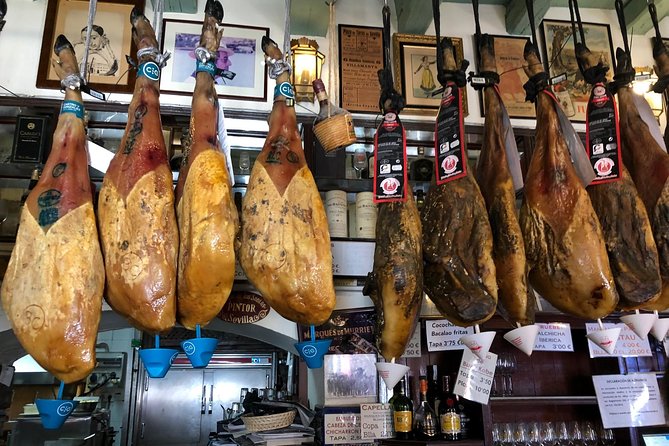
As the crawl moves on, the food leans into cured meats and cheese—stuff Spain does with a serious sense of craft. You’ll be offered items like Iberian ham tapa, Manchego cheese, Iberian salami, and lacón, plus more tapas options as part of the included spread.
Why this stop matters: it helps you read Spanish flavor the way locals do. Ham and cheese aren’t just snacks here—they’re part of a whole language of salt, aging, fat, and balance. If you’ve only had cured meat from a supermarket back home, this is a fast way to understand why people in Spain take their bread-and-tapa routines so seriously.
If you’re the type who likes structure, this is the moment where your guide’s storytelling pays off. Guides named in the experience details—like Alberto and Ioanna—are described as mixing food with history and culture. That’s not trivia for trivia’s sake; it makes you taste more deliberately.
Potential drawback for this stop: if your body wants variety fast, too much salt and richness back-to-back can feel heavy. If that’s you, pace your bread and ask for the best order to try first.
Stop 3: Pork Belly and Spanish Omelette Power
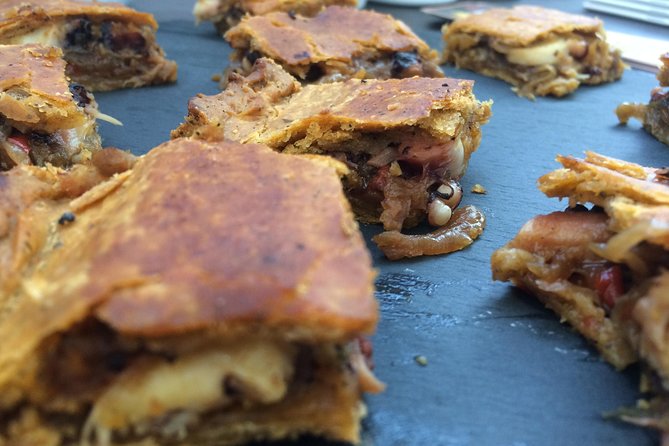
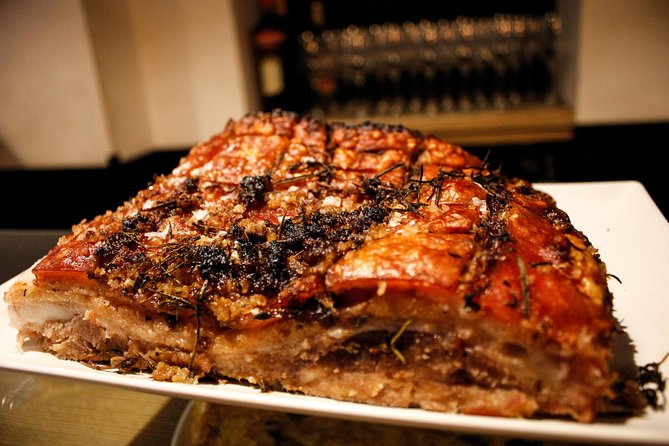
This stop is where “tapas crawl” turns into actual comfort food. Expect hearty classics such as marinated slow-cooked crispy pork belly and Spanish king-of-tapas energy from the Iberian style cooking.
You should also look forward to Spanish omelette—homemade, fresh, and part of Spain’s everyday reputation game. If you’ve ever had a sad, watery omelette somewhere else, you’ll understand why the Spanish version gets so much love. The texture and potato quality matter, and eating it on the spot in a bar context makes the difference feel obvious.
Some people in the feedback mention the tour as filling enough to feel like dinner. Others mention smaller portions, so your takeaway may depend on your appetite and how much you snack before you start. Either way, this mid-to-late stop is usually where the night feels like more than just four bites in four rooms.
Practical note: if you’re sharing with your group, it can help to try one bite “straight” before adding anything (if offered). Spain’s default flavors often don’t need extra work.




Stop 4: Sangría, Vermouth, and Local Beer from 1890
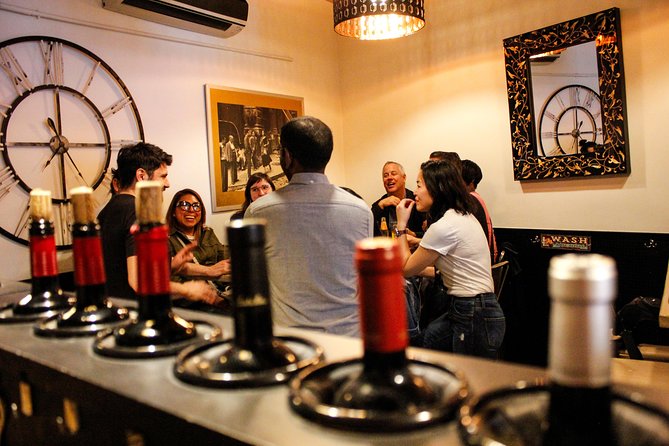
By the final stop, you’re finishing on drinks that feel distinctly Madrid. Your included menu can include sangría, vermouth, and local beer described as fresh and creamy, with roots going back to 1890.
This is where the tour tries to separate itself from the tourist version of sangría. One key detail in the overview is that you’ll get sangría that isn’t the kind tourists usually drink. That likely means better balance and a more bar-authentic serving style, not a pre-mixed party cup.
Also, vermouth fits perfectly with the tapas pacing. It’s aromatic, slightly bitter, and made for small bites and conversation. If you tend to avoid very sweet drinks, you might find vermouth a better match for the salty pork and cured meats.
If you want a simple strategy: take a sip, then eat. Taste the drink on its own first, then watch how it changes with each bite. That’s the kind of tiny experiment that makes a tapas crawl feel like learning, not just consuming.
Guides Make the Difference: Amara, Alberto, Raoul, and Ioanna
On this tour, the guide is the glue. Several names come up in the experience details—Amara, Alberto, Raoul, and Ioanna—and people talk about their style in a consistent way: fun energy, solid explanations, and flexibility.
One stand-out example from the feedback: Alberto is described as accommodating for dietary needs. A participant who was pregnant and couldn’t have alcohol and certain foods said the guide adapted thoughtfully and even offered to get more food later if needed. That’s a real quality signal, because it means the guide is paying attention to the person, not just the program.
Most guides also help break the ice. A common theme in the feedback is laughter and a group that connects fast, helped by the host’s hosting skills. With only up to 12 people, you’ll feel it when the guide sets a comfortable tone.
One caution: there is at least one complaint about a guide arriving late, with less informative commentary than expected and portion generosity that felt off. That doesn’t mean every run is like that, but it does mean you should arrive early enough to avoid losing confidence if the meeting time slips.
Price and Value: Is $107.68 a Good Deal?
At $107.68 per person for about 2.5 hours, this tour sits in the higher-but-not-crazy range for a tapas crawl. The value comes from what’s included: multiple tapas items and alcoholic beverages, guided food culture context, and the fact that the stops are designed to be off the main tourist lanes in Chamberí.
If you price it like a local would: you’d spend money on each tapa and drink anyway. Here, you’re buying the convenience of a guided route, the social setup, and curated ordering that gets you a strong cross-section of Spanish staples (cured meats, cheese, omelette, pork belly, calamari, and more). In plain terms, you’re paying for someone to get you to the right places and make you try the right things.
But balance matters. A couple of people said the portions felt small and that the stops were close together, which can make the experience feel less like a broad neighborhood tour and more like a short run. If you’re expecting a big feast and a lot of district roaming, you may feel the price tag more than someone with a lighter appetite.
My practical take: if you want a guided Spanish food night in Chamberí, with drinks included and you like the idea of trying several items without planning, the price can feel fair. If you want long walks and maximum food volume per minute, you might want to compare with other Madrid food tours first.
Who This Fits Best (and Who Should Rethink)
This is a strong fit if you:
- Want a small-group night with a social vibe
- Like Spanish staples and want to learn what to look for (olive oil, cured meats, omelette texture)
- Prefer local-feeling bars over the most flashy tourist counters
- Are okay with short walking segments and a pace that keeps tasting and drinking moving
It may be less ideal if you:
- Want a full dinner course set-up with big portions
- Expect a long “see the neighborhood” walking route rather than a short crawl
- Need very strict dietary handling, because while one guide was described as accommodating, that isn’t stated as a universal policy in the provided details (so you’ll want to ask ahead)
If you’re traveling solo, this can still work well because you’re with a small group and the guides tend to get people talking. If you’re with friends, it’s a fun way to split roles: one person listens for food history, another person focuses on drink pairings.
Tips to Get More Out of Your Tapas Crawl
Bring comfortable shoes. You’ll be moving between bars on a schedule, and the tour is designed for quick tasting cycles.
Arrive a bit early at Calle de José Abascal, 18 so you’re not rushed. One missed minute can throw off the rhythm because the evening is timed.
If you drink alcohol, pace yourself. Alcohol is included, and you’ll likely want to enjoy it with food instead of feeling tipsy too early.
If you have dietary needs, use the booking channel to say clearly what you can’t have. The feedback includes an example of a guide handling restrictions thoughtfully, so it’s worth asking directly.
Should You Book This Madrid Tapas Crawl?
If your ideal Madrid night is Chamberí tapas, multiple classic bites, and a guide-led food and drink experience in English, this tour is an easy “yes.” The high rating and the repeated praise for guides like Amara, Alberto, and Ioanna point to a consistent strength: people feel they experienced Madrid like locals, not like tourists hunting stamps.
I’d only hesitate if you’re expecting huge portions and lots of neighborhood roaming. A few negative notes mention smaller-than-expected portions and very short distances between stops. If that’s your top priority, compare other tours with longer routes or more food volume.
Overall: it’s a fun, well-paced way to eat and learn, and it’s priced in a way that makes sense when you treat it as guided dinner plus drinks—not just a snack run.
FAQ
How long is the Madrid tapas crawl?
It runs for about 2 hours 30 minutes.
Where does the tour start?
The meeting point is Calle de José Abascal, 18, Chamberí, 28003 Madrid, Spain, and the tour ends back at the meeting point.
How many travelers are in the group?
The tour has a maximum of 12 travelers.
Is the tour offered in English?
Yes, it’s offered in English.
What’s included in the food and drinks?
Included items can include Padrón peppers, Spanish omelette, Iberian ham, tender calamari, manchego cheese, ham croquettes, fried chorizo, olive oil tasting, pork belly, plus other tapas like Iberian salami and lacón. Alcoholic beverages such as wine, local beer, sangría, and vermouth are also included.
Do I need to bring a paper ticket?
No. It uses a mobile ticket.
Is transportation included?
No, transportation is not included.
Can I cancel for a refund?
Yes. Free cancellation is available up to 24 hours in advance for a full refund.