REVIEW · MADRID
Madrid: Street Art Tour with Local Graffiti Hunter
Book on GetYourGuide →Operated by Cooltourspain · Bookable on GetYourGuide
Madrid’s walls tell stories on foot. In 2 hours you’ll glide through Lavapiés, Embajadores, and La Latina with a local graffiti writer, learning how stencil and sticker art fit into Spain’s underground street scene.
You’ll get insider context tied to the neighborhood, and you’ll walk to named spots where the art is the point, not an afterthought.
Two things I like right away: the tour’s focus on specific landmarks (like La Tabacalera and Esta es una Plaza), and the way the guide turns the walk into a conversation with questions along the route.
One possible drawback: no beverages are included, so plan for water on a warm day.
In This Review
- Key takeaways before you step outside
- Where Lavapiés, Embajadores, and La Latina make graffiti make sense
- Start at Teatro Valle Inclán: how to get there and what the first minutes feel like
- Lavapiés and Embajadores: graffiti, stencils, stickers, and the neighborhood vibe
- Calle Argumosa to Embajadores: the walk that brings you to La Tabacalera
- Esta es una Plaza and Plaza del Sombrerete: reading murals like a local
- Calle Sombrete: where new talent shows up next
- Free workshops in the mix: the practical side of street art culture
- English guide, small-group feel, and how guides like Ester and Julian shape the experience
- Price and value: is $29 a fair deal for two hours in Madrid?
- Who should book this street art walk (and who might skip it)
- Should you book this Madrid street art tour?
- FAQ
- How long is the street art tour?
- How much does it cost?
- Where do I meet the group?
- What is the nearest metro station?
- Is the tour guided in English?
- Are beverages included?
- What should I bring?
- Is the tour wheelchair accessible?
- Is there free cancellation?
Key takeaways before you step outside
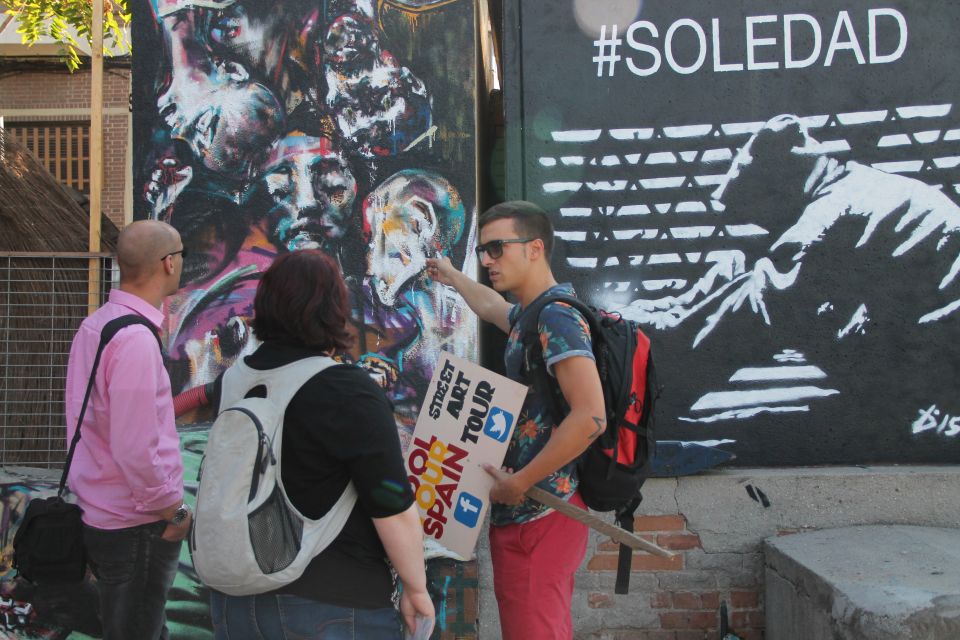
- Local graffiti writer perspective: You’re not just looking—you’re learning how writers read walls and why it matters.
- La Tabacalera former tobacco factory walls: One of the strongest “where street art lives” stops in central Madrid.
- Named plazas with artist stories: You’ll visit areas like Plaza del Sombrerete and learn what you’re seeing.
- Veteran vs newer talent: The route points out both established hands and up-and-coming work around Calle Sombrete.
- Madrid Center’s biggest mural moment: The walk includes the chance to see a major mural in the Center District.
- Small-group pacing and Q&A: Based on what I’ve seen from guides like Ester and Julian, the timing stays relaxed.
Where Lavapiés, Embajadores, and La Latina make graffiti make sense
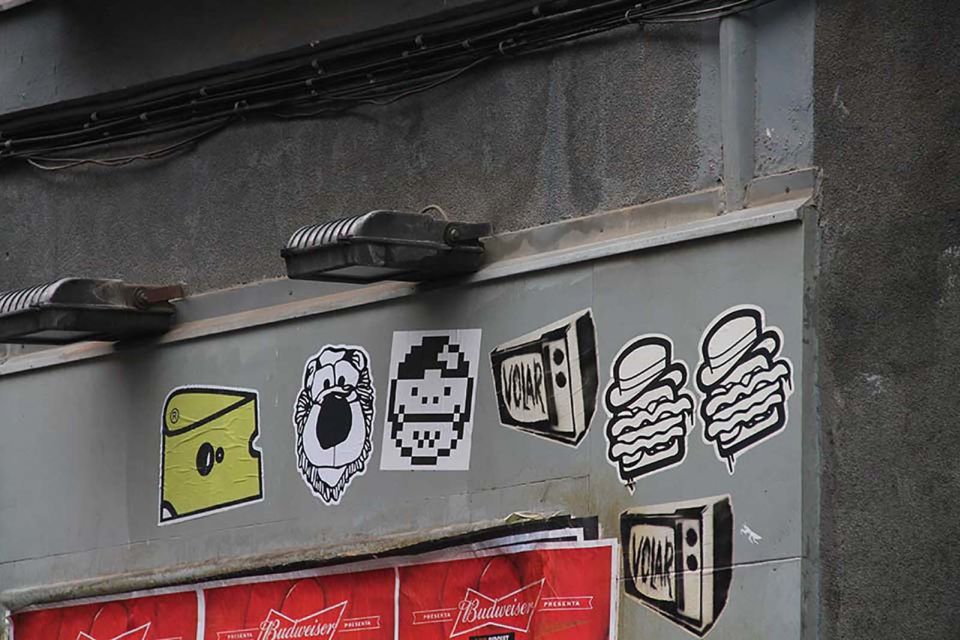
Street art in Madrid isn’t only about the artwork. It’s also about the neighborhoods that let it grow. This walk threads three areas—Lavapiés, Embajadores, and La Latina—so you can see how style and attitude change block by block.
Lavapiés and Embajadores are the heart of the route. Expect graffiti walls, stencils, and sticker art, but also the cultural backdrop behind the scenes. Part of the value here is that your guide isn’t treating street art like a random collection of images. They connect it to local spaces and community energy, including how artists and events overlap in Madrid.
Also, the tour is led by people who work in the world they’re talking about. The description specifically notes that the graffiti writer collaborates with festivals including CALLE Lavapies, Urvanity, and Muros Tabacalera. That kind of involvement usually shows up in the way the guide tells stories—less lecture, more “here’s why this exists.”
A few more Madrid tours and experiences worth a look
Start at Teatro Valle Inclán: how to get there and what the first minutes feel like
You’ll meet at the entrance of Teatro Valle Inclán, Calle de Valencia, 1, 28012 Madrid. The nearest metro station is Lavapiés.
Why this meeting point matters: it puts you right where the walk begins, instead of dragging you across town to start the “fun part.” And since the tour is only 2 hours, it helps to lose as little time as possible.
Right at the start, you can expect an orientation that sets you up to look differently. In past departures, guides have mixed neighborhood history with street-art technique—so you’re not just spotting tags and murals, you’re also learning how styles work and what different forms try to say. Names you may see leading groups include Ester and Julian, and other guides have been described as funny, animated, and very easy to hear even across the street.
One practical note: wear comfortable shoes. This is a walking route, and you’ll want your feet happy more than your outfit perfect.
Lavapiés and Embajadores: graffiti, stencils, stickers, and the neighborhood vibe
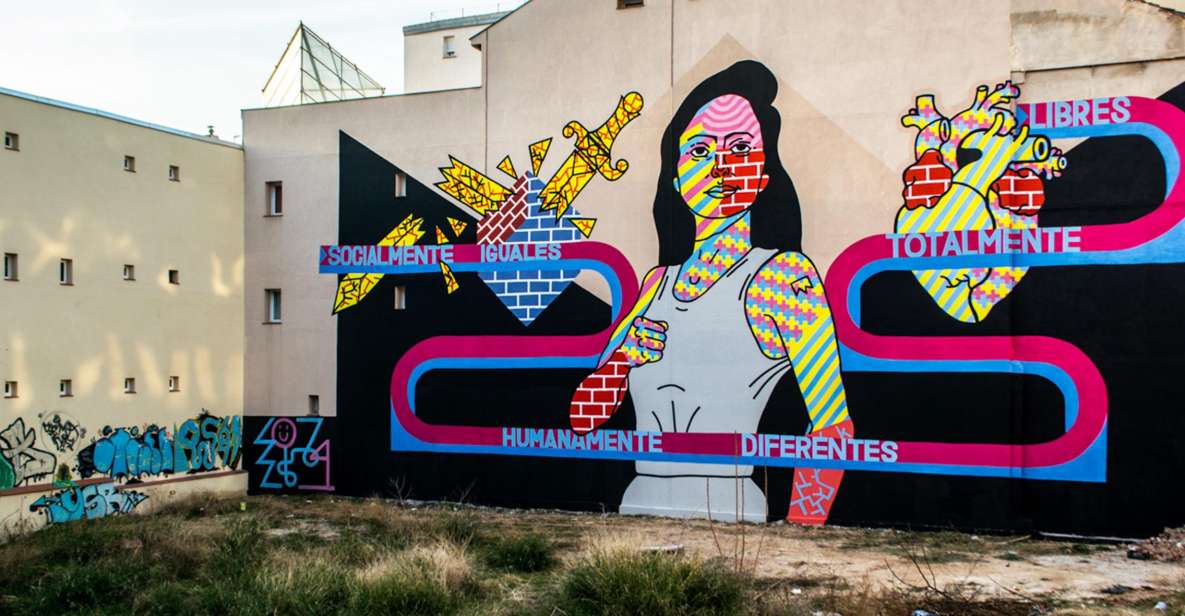
This is where the tour earns its title. You’ll stroll through Lavapiés to see graffiti art by urban artists, then continue toward Embajadores. The description calls out Calle Argumosa and Calle de Embajadores as key streets along the way, where you’ll keep spotting different types of street art.
What to look for beyond the obvious:
- Notice how the line styles and lettering change between pieces. Tag-style writing often signals speed and identity, while larger pieces tend to show planning and space control.
- Pay attention to how stencils and stickers behave on a wall. These formats often feel like they belong to the street’s rhythm—quick to place, easy to repeat.
- Listen to the guide’s explanations of why the work appears where it appears. The best street art tours help you connect the art to the block.
The tour also leans into the neighborhoods’ multicultural side. That doesn’t mean it turns into a history class. Instead, it gives you a reason to understand why the art styles and themes feel the way they do in this part of Madrid.
From guide styles described in bookings, you’ll likely get a group pace that doesn’t feel rushed. One participant even pointed out that the guide’s voice carried clearly across the street while they wandered to take photos—so the tour doesn’t require you to stand shoulder-to-shoulder at every stop.
Calle Argumosa to Embajadores: the walk that brings you to La Tabacalera
A big anchor of the route is the former tobacco factory—La Tabacalera. The itinerary specifically has you going down Calle Argumosa and Calle de Embajadores to reach the urban art on the factory walls.
This is the kind of stop that changes how you think about street art. A factory wall isn’t neutral. It has weight: history, scale, and an existing place in the city’s identity. When street artists take over a huge exterior surface, the art stops being a “street-only” thing and becomes part of the neighborhood’s public face.
Expect more than one moment to stand and stare. The tour highlights that you’ll see urban art on the walls of La Tabacalera, and given the way the walk is paced, you’ll get time to look closely at layers—how pieces sit next to each other, what gets repeated, and what gets left alone.
If you like photographing murals, this is likely your best area for that. Big walls also help you see how artists scale up their ideas: bigger letterforms, bolder color choices, and more complex compositions.
Esta es una Plaza and Plaza del Sombrerete: reading murals like a local
One of the tour’s standout highlights is learning an insider guide to Esta es una Plaza and Plaza del Sombrerete. This is where the tour shifts from “look at art” to “learn how artists think.”
You’ll get pointers on veteran artists’ work—how they build meaning over time and how the street art culture in Madrid treats the wall like a long-running conversation. Guides have described this as including social context and how people interpret pieces, and one participant even noted themes tied to ethics and community discussion (especially when the group included teens).
Here’s what I’d do if I were in your shoes: slow down at these plaza moments. Stop asking only what the art shows. Ask what the art does—does it mark place, call out issues, celebrate identity, or simply claim space with beauty?
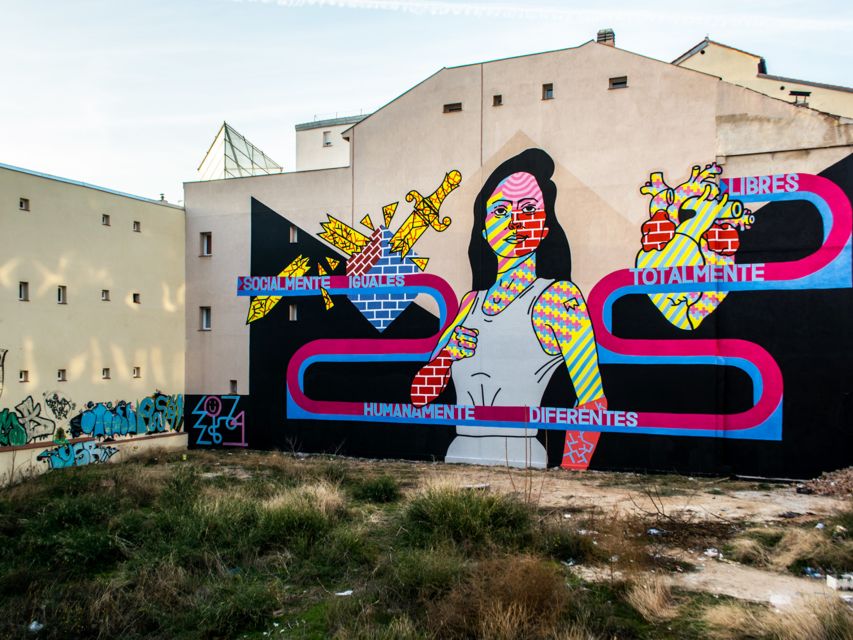
This is also one of the moments that includes a real “wow” factor. The tour description says you may have the chance to see the biggest mural in Madrid’s Center District. That matters because scale affects your brain. When you see a major piece in a neighborhood context (not behind museum glass), you understand why street art can feel public in the best sense.






Calle Sombrete: where new talent shows up next
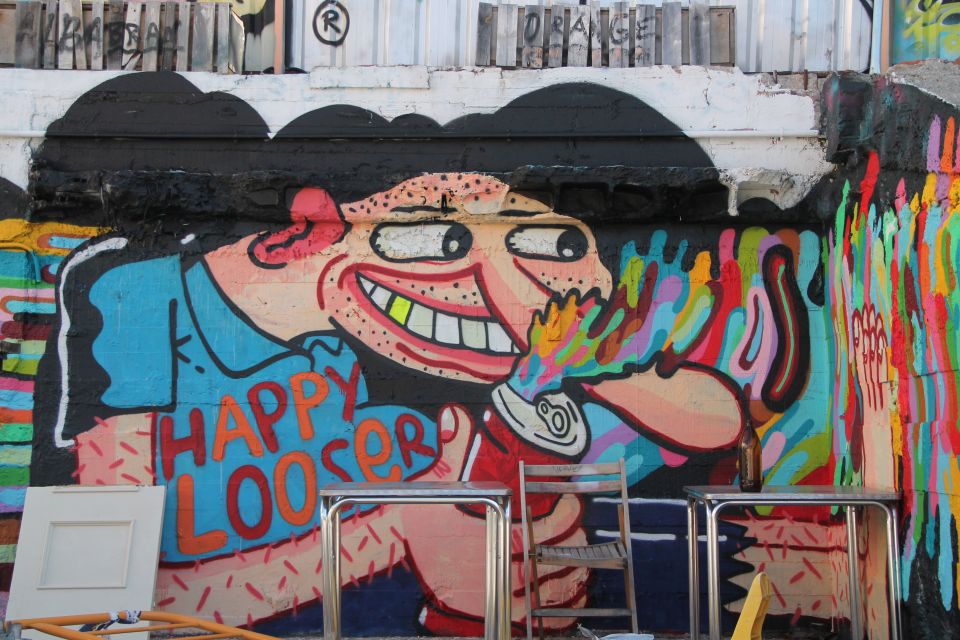
After the plaza stops, the tour includes Calle Sombrete, with a highlight that you’ll learn about up-and-coming new talents as well as the street art of veteran artists earlier on.
This part of the walk is valuable because it prevents a common mistake: only admiring street art as a finished product. When you see newer work discussed alongside older pieces, you start to notice how style evolves—how artists borrow techniques, how communities respond, and how the street changes over time.
It’s also a place where your guide’s street connections can turn theory into real-world color. One booking mentioned seeing an artist painting a new mural during the tour (TeTous was named), which is the kind of bonus that makes the city feel alive and current. You shouldn’t count on an artist showing up every day, but you can see how the tour is set up to be close to the action.
Free workshops in the mix: the practical side of street art culture
You’ll also learn about free workshops offered in areas that connect to creative life: photography, dance, yoga, cycling, longboarding, and more. This isn’t random trivia. It’s a clue that street art in this area isn’t only for spectators.
Why this matters for you: if you end your trip thinking about what you saw, these workshops give you a way to carry that energy forward. You don’t need to be an artist to join. And even if you don’t attend, the info helps you understand how the neighborhood keeps building creative outlets.
The tour doesn’t turn into a class schedule. It’s more like a “here’s what’s going on nearby” layer, offered while you’re walking through the street-art spaces.
English guide, small-group feel, and how guides like Ester and Julian shape the experience
This is an English-speaking tour with a live guide. Wheelchair access is listed as available, and the walking format suggests you should still plan for outdoor time and streetscapes.
The guide quality is a major part of why the tour scores so high—4.8 out of 5 from 270 reviews. In descriptions from past participants, guides have been praised for clear explanations, a lively sense of humor, and the ability to keep people engaged whether they already love street art or are seeing it for the first time.
Names that have come up include Ester, Julian/Julien, and others like Hector, Ana, Mario, Maria, and Santiago. The consistent thread is that they don’t just point. They connect artwork to neighborhood history and explain technique in ways you can actually use while looking at walls on your own later.
If you’re the type who likes asking questions, this tour seems set up for that. Several participants highlighted time for questions and discussions, and one noted the pacing never felt rushed.
Price and value: is $29 a fair deal for two hours in Madrid?
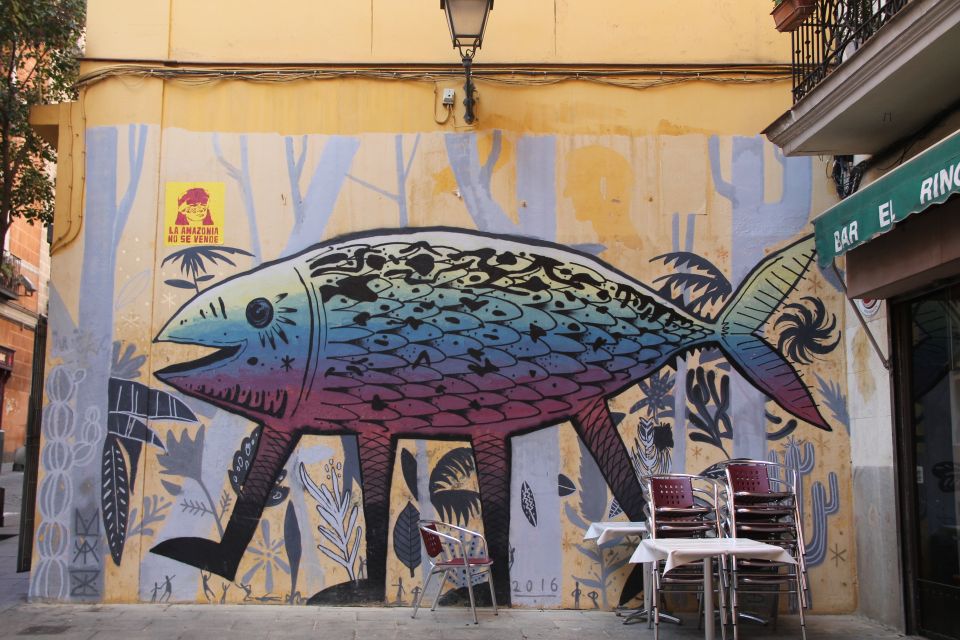
At $29 per person for 2 hours, this tour sits in the range of what you’d expect for a focused, guided neighborhood experience. The bigger question is value: what’s included, and what’s the return on your time?
Included:
- English-speaking guide
Not included:
- Beverages
So you’re paying mainly for interpretation and access—someone to teach you how to see. And that’s where this tour feels like more than a casual “walk and point.” You’re covering multiple street-art zones in a short time, hitting named cultural spaces like La Tabacalera, and getting a guide who has ties to street-art festivals.
If you only care about the “pretty murals” and nothing else, you might feel like you could do it on your own. But if you want to understand what you’re seeing—stencils vs stickers vs graffiti styles, veteran vs newer work, and how the neighborhood context changes the meaning—then $29 for two hours in these specific districts can feel like a smart use of limited time.
Who should book this street art walk (and who might skip it)
This tour is a great fit if:
- You like street art as culture, not just decoration.
- You want to see areas beyond Madrid’s classic postcard core.
- You enjoy walking, but still want a guide to keep it organized and meaningful.
- You’re curious about technique and context: why murals are placed where they are, and how artists build their messages.
You might consider another option if:
- You hate walking in cities or want a mostly indoor experience.
- You expect a museum-style route with ticketed access. This tour is about outdoor public art.
- You’re sensitive to the English-only format. The tour is operated in English, so plan around that.
Should you book this Madrid street art tour?
Yes—if your goal is to understand Madrid through its walls, this is one of the better ways to do it without wasting time. The route is tight, the stops are specific, and the guide angle is rooted in the street-art ecosystem rather than just general sightseeing.
Book it especially if you enjoy questions, technique talk, and seeing how art shifts from Lavapiés to Embajadores to La Latina. Just bring comfortable shoes and plan for hydration since no beverages are included. If you want a two-hour “street art education” that also feels like a neighborhood walk, this one is worth your place.
FAQ
How long is the street art tour?
The tour lasts 2 hours.
How much does it cost?
The price is $29 per person.
Where do I meet the group?
You meet at the entrance of Teatro Valle Inclán, Calle de Valencia, 1, 28012 Madrid.
What is the nearest metro station?
The nearest metro station is Lavapiés.
Is the tour guided in English?
Yes. The tour is operated in English and includes an English-speaking guide.
Are beverages included?
No. Beverages are not included.
What should I bring?
Bring your passport or ID card and wear comfortable shoes.
Is the tour wheelchair accessible?
Wheelchair accessibility is listed as available.
Is there free cancellation?
Yes. Free cancellation is available up to 24 hours in advance for a full refund.