REVIEW · MADRID
Madrid: 10 Tapas 2.5-Hour Cooking Class
Book on GetYourGuide →Operated by A Punto Cooking School · Bookable on GetYourGuide
A 2.5-hour tapas class can turn into a full-on Spain lesson. This Madrid cooking experience takes you through 10 regional tapas, with real technique, real ingredients, and a professional chef keeping things moving in an English-led kitchen.
I love the hands-on setup: you’re not watching from the sidelines. I also love that you end up eating a full meal of what you cooked, paired with Spanish sangría.
One thing to consider: you cook with others in group stations, so you won’t personally make every single tapa start-to-finish. If your group is larger, it can also mean you share the chef’s attention across multiple tasks happening at once.
In This Review
- Quick take: what makes this Madrid tapas class worth your time
- Madrid’s 10 Tapas cooking class: hands-on food education, not a demo
- Where to meet on Calle de la Farmacia (and how to not miss it)
- The 2.5-hour flow: small groups, multiple stations, one final meal
- The tapas you’ll actually remember: gilda, pan tumaca, and a classic Spanish omelette
- Why the chef matters: English instruction with real personality
- The meal part: sangría included, and yes, you’ll eat a lot
- Price and value: $80 for skills, dinner, and a take-home recipe kit
- Vegetarian option: helpful, but don’t count on swapping plates
- Group setup: you’ll cook, but not everything will be yours
- Practical tips before you go to A Punto
- Should you book this Madrid tapas cooking class?
- FAQ
- How long is the cooking class?
- What is the price?
- Do I need to know how to cook before I arrive?
- Is the class taught in English?
- Is there a vegetarian option?
- Can vegetarian plates be swapped for non-vegetarian ones?
- Do we cook everything ourselves?
- Is wine included?
- Are children allowed?
Quick take: what makes this Madrid tapas class worth your time
- 10 regional tapas, mapped by region so you start seeing Spain’s food like a patchwork of local styles
- Small groups of about 3–4 so you stay involved instead of standing around
- Chefs with personality, with many sessions led by Gustavo and others like Homer, Diego, Eosa, Anette, and Omero
- You eat your work right there, with sangría included and plenty of food at the end
- Take-home recipe set plus an apron, so you can reproduce the results at home
Madrid’s 10 Tapas cooking class: hands-on food education, not a demo
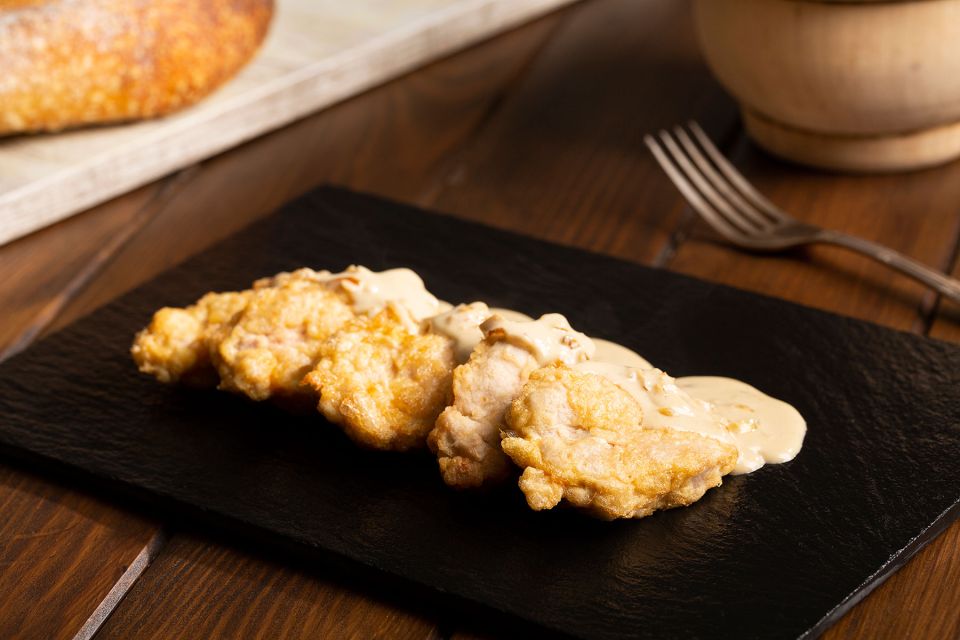
If you’ve ever thought tapas are just bar snacks, this class will fix that fast. Tapas are Spain in miniature: small plates that reflect local ingredients, history, and habits around the table. The best part here is that you don’t just learn the idea. You practice the skills.
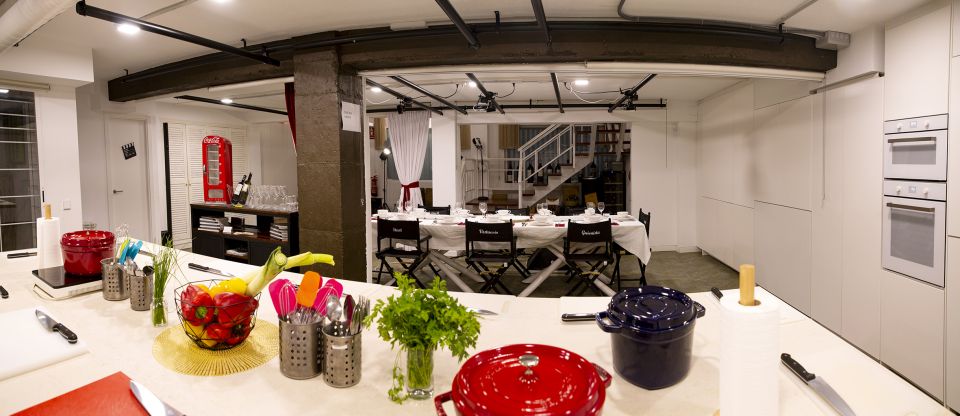
You’ll work in a fully equipped kitchen and make 10 different tapas representing multiple regions of Spain. The point isn’t to “collect recipes.” It’s to understand how technique changes from one region to the next—whether it’s how you assemble a skewer, how you build a tomato-based base for bread, or how you approach a classic egg dish.
This is also a practical class for real life. No fancy prep required before you arrive. And it’s structured so you’re doing cooking tasks, not just chopping while someone else does the important steps.
You can also read our reviews of more cooking classes in Madrid
Where to meet on Calle de la Farmacia (and how to not miss it)
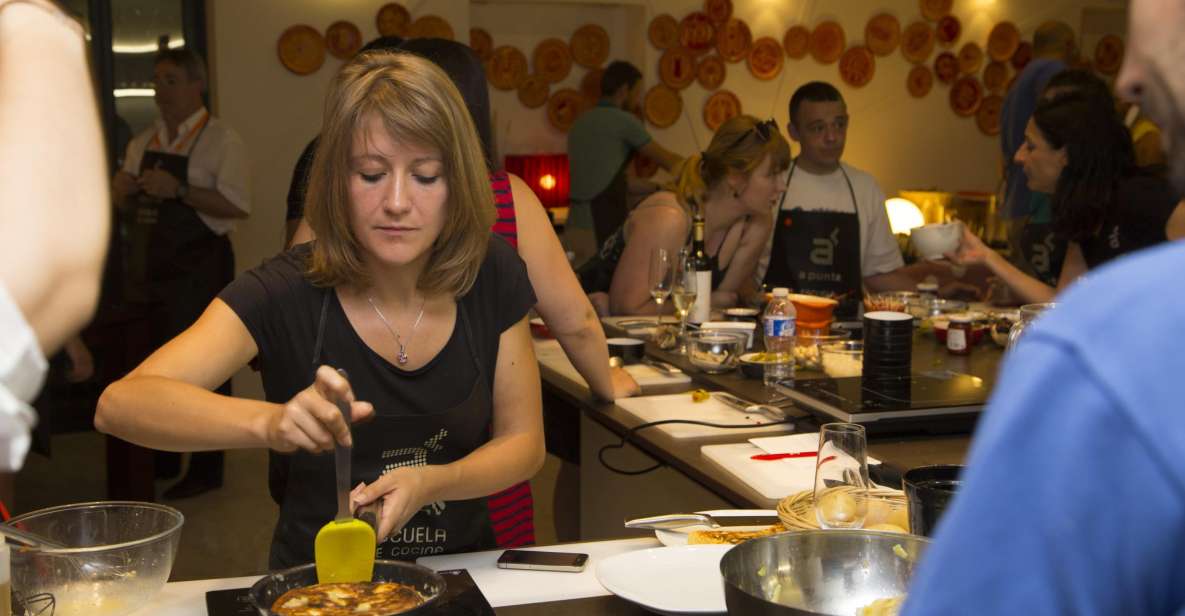
Meet outside the shop at Calle de la Farmacia, 6. Street level. Not inside the building. The meeting point is described as a Punto shop.
That detail matters. Madrid can be a little maze-y on foot, and if you head inside the wrong door, you’ll lose minutes you could be prepping. I’d suggest you use your phone maps to get to the exact street number, then look for the shop at street level and wait outside.
Also plan to arrive a bit early. Even with a tight 2.5-hour class window, you’ll want time to find the kitchen entrance setup and get comfortable before tools start moving.
The 2.5-hour flow: small groups, multiple stations, one final meal
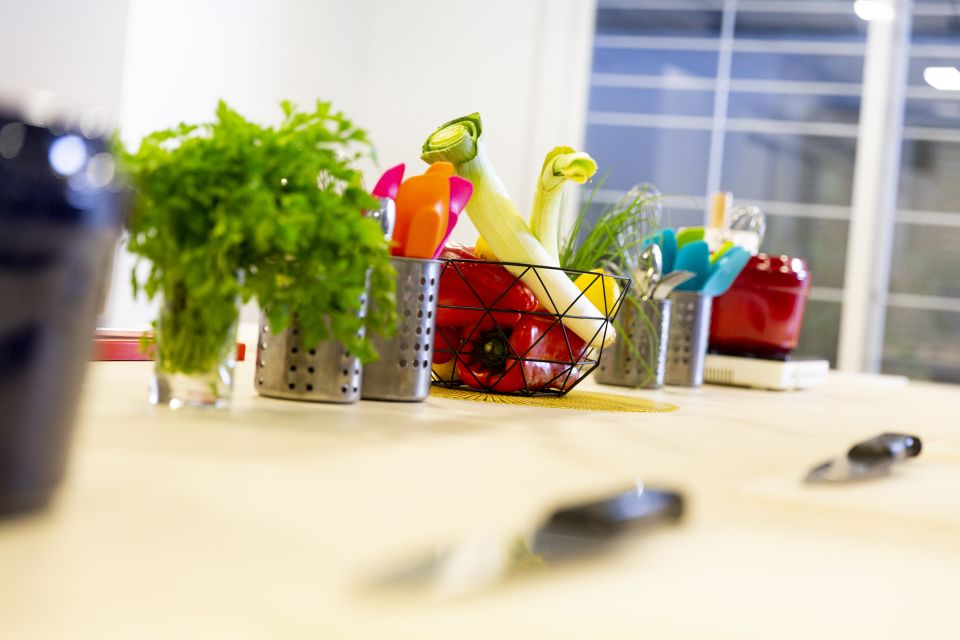
The class runs 2.5 hours, led in English. No previous cooking experience is needed, which makes it a nice choice if you’re on a “learning vacation” and not trying to prove culinary credentials.
Here’s the rhythm you can expect, based on how these sessions tend to run:
- Briefing and technique setup
You’ll get taught what’s happening and what to do at your station. In several classes, the chef also talks through the cultural logic behind each tapa—how Spaniards think about ingredients and timing.
- Group cooking in parallel
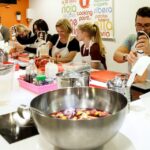
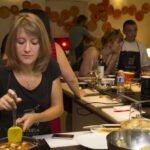
You work in small groups of about 3–4 people. That means different teams handle different components while the kitchen keeps moving. This is efficient (and usually fun), but it also explains why you won’t personally make all 10 tapas.
- Finish and sit down to eat
At the end, you enjoy the fruits of your labor as a shared meal. You’ll also get sangría with your meal, and that combo turns the class from “activity” into a proper dinner experience.
That parallel-station setup is a big part of the value. You don’t spend the whole time waiting. But it does mean your job list will feel like teamwork, not a solo cooking show.
The tapas you’ll actually remember: gilda, pan tumaca, and a classic Spanish omelette
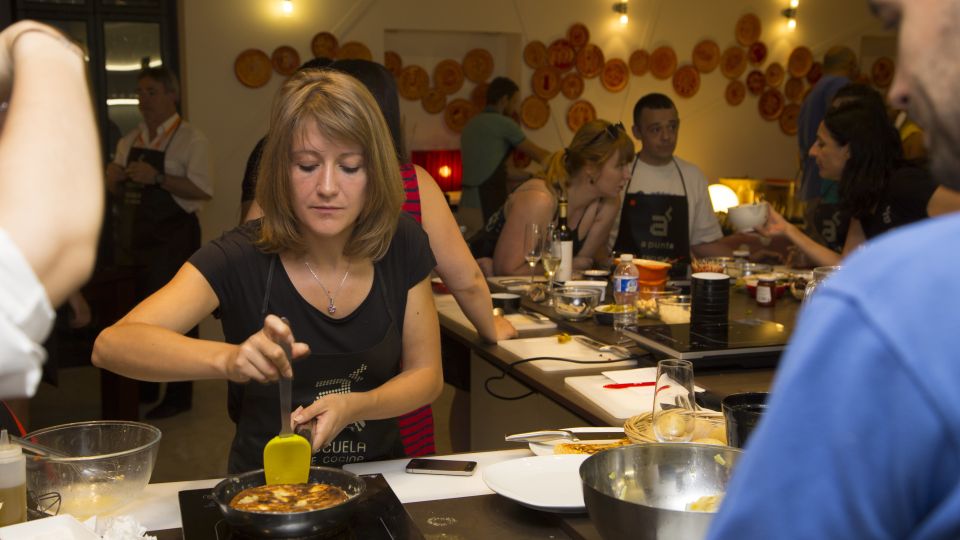
You’ll make 10 tapas, and the menu includes specific standouts that help you grasp regional character. Two examples given are:
- Gilda (Basque Country): pepper and anchovy skewers
Even if you’re new to anchovies, this is the kind of tapa that teaches you how salty meets bright. Skewers also force you into clean assembly—bite-size, neat, and meant for hands.
- Pan tumaca (Catalonia): tomato bread or bruschetta-style preparation
This teaches the “tomato on bread” logic that shows up across Spain, but with regional flavor and technique. Expect you to focus on how the topping interacts with bread—texture matters as much as taste.
One more dish you’ll commonly see in these classes is a Spanish omelette. In reviews, people specifically mention learning the right way to make it, which is a smart anchor recipe: technique-driven, egg-based, and very representative of Spanish comfort food.
For the other tapas in the full set of 10, you’ll likely notice a similar pattern: each dish is chosen to show off a different regional habit, not just a random assortment of snack foods. That’s what makes the class feel like a guided tasting through Spain instead of a cooking workshop with no narrative.
Why the chef matters: English instruction with real personality
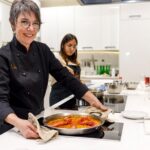
This class leans hard into the teaching side. A professional chef runs the show, and most sessions are described as warm, engaging, and hands-on.
A lot of the feedback centers on the instructor’s ability to keep things organized while still making the room feel relaxed. Gustavo comes up repeatedly as an especially engaging host, with many people praising his explanations and upbeat energy. Other names also appear in different batches—Homer, Diego, Eosa, Anette, and Omero—but the common thread is clear: you’re meant to feel comfortable asking questions and doing the work.
If you’re the kind of person who learns better by hearing the “why,” you’ll probably enjoy the cultural notes. Several comments also mention the instructor breaking tasks down clearly so each person understands what they’re doing, even in a group setting.
A few more Madrid tours and experiences worth a look
The meal part: sangría included, and yes, you’ll eat a lot
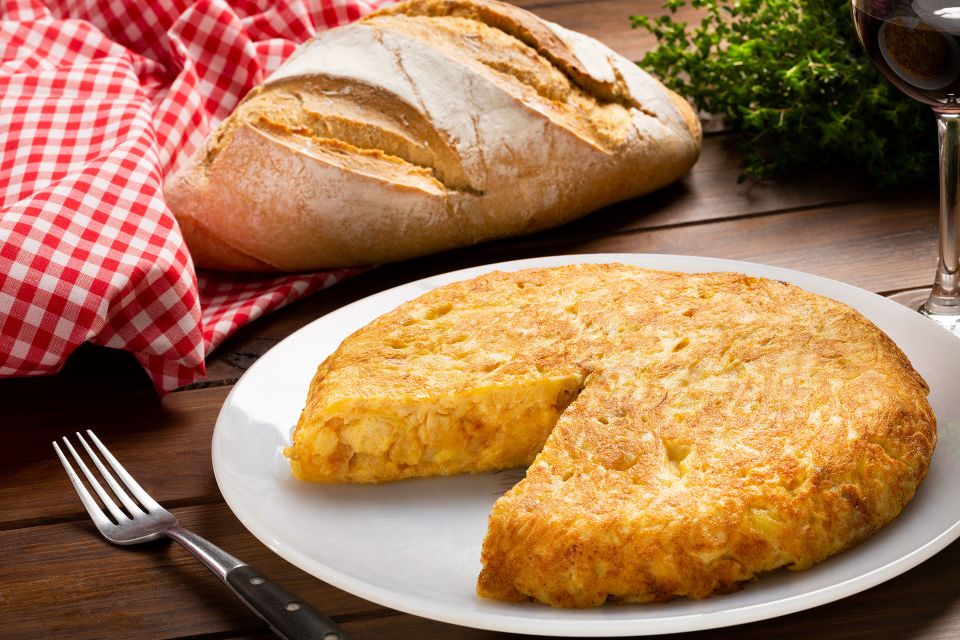
The class includes the meal of the tapas you cooked, plus Spanish sangría. This is important for value and for pacing. You’re not paying $80 just to chop and then go hungry. You finish with food in front of you, and because it’s what you made, it feels more like dining with a story than eating someone else’s cooking.
Many people also talk about leaving with plenty of food. For a tapas-focused experience, that’s a great sign. Tapas are small by definition, so the only way to avoid disappointment is to ensure the total volume is enough. The structure here aims to do that by using 10 dishes.
And sangría is the obvious pairing. It fits the tapas setting and makes the whole experience feel like an evening, not a short lesson.
Price and value: $80 for skills, dinner, and a take-home recipe kit
At $80 per person for a 2.5-hour class, it’s not the cheapest thing to do in Madrid. But it can still be good value because you’re getting several things packaged together:
- A professional chef teaching technique (not just a background talk)
- 10 tapas across regions, not a single-dish workshop
- A meal that includes sangría
- A take-home copy of the recipes
- A souvenir apron
When you compare that to buying ingredients and trying to replicate tapas at home, you’re basically paying for coaching plus multiple finished dishes. And you get the recipe set to help you actually cook them later, not just admire them for a photo.
One small note: the class includes sangría, but wine is not included. Some reviews suggest it’s easy to add wine yourself if you want, but your ticket isn’t designed around unlimited wine. Still, if you like pairing, you can plan ahead and budget for it.
Vegetarian option: helpful, but don’t count on swapping plates
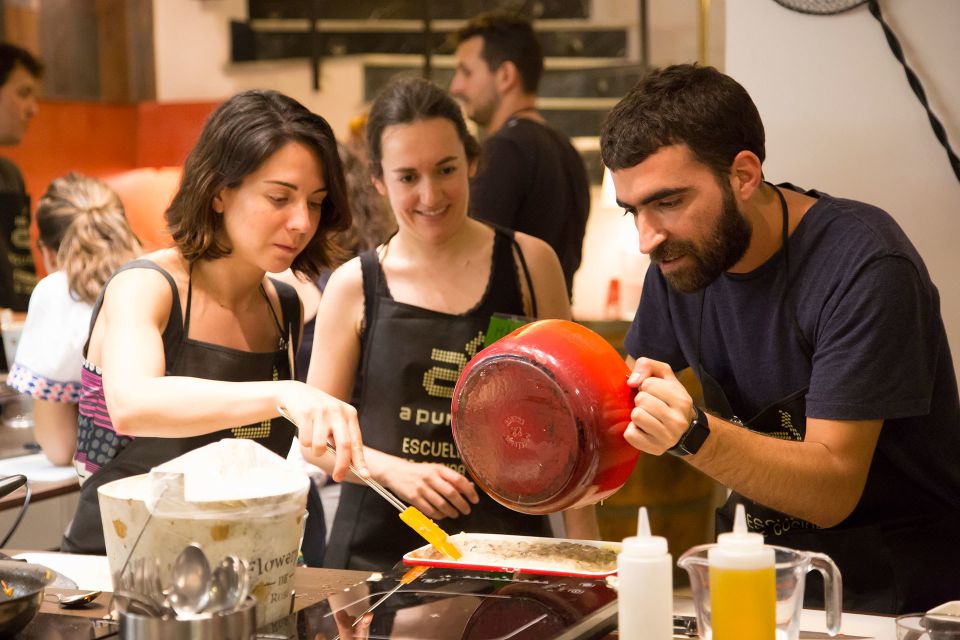
If you eat vegetarian, this can work well. The class offers a vegetarian meal option because half of the menu is vegetarian.
But there’s an important limitation: the plates cannot be changed. So you’ll want to set expectations before you go. In other words, you might not get a custom vegetarian remix of every tapa. You’ll get the vegetarian portion of the menu that’s built into the class structure.
Also, the class setup is group-station based, so people with dietary needs tend to do best when they choose the provided vegetarian option rather than hoping for substitutions on the fly.
Group setup: you’ll cook, but not everything will be yours
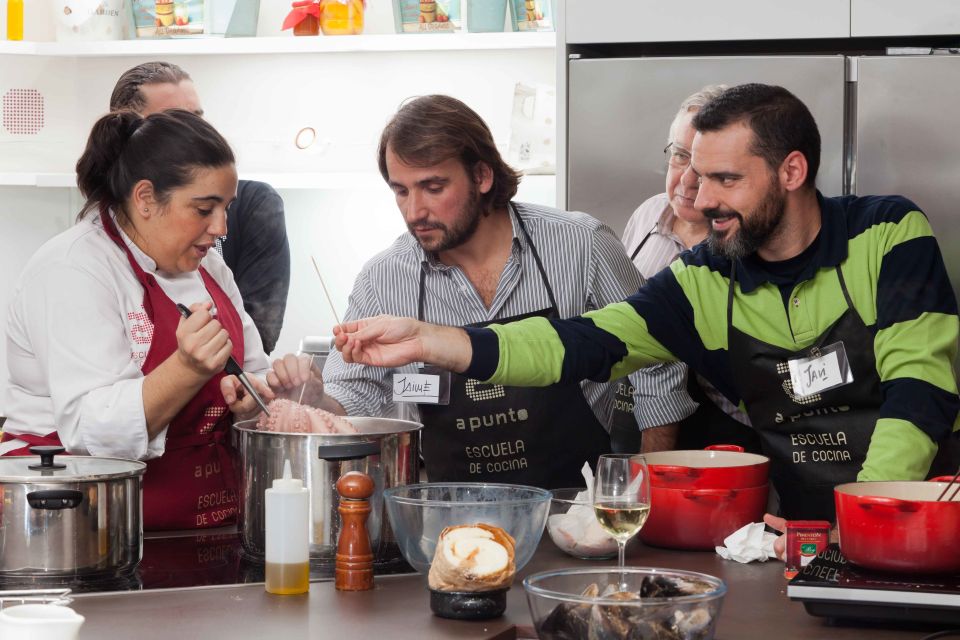
A lot of people enjoy the teamwork angle. You work in small groups of 3–4, and multiple dishes progress in parallel. The tradeoff is time: you won’t personally prepare every component of all 10 tapas.
If you’re hoping to be the star of the kitchen, you might feel slightly frustrated by the shared workflow. Some reviews also mention attention can be spread thin when the group is larger, since several stations are active at once. That’s the cost of efficiency.
The good news is that, for most people, it still feels interactive. You’re actively involved enough to come away with confidence, not just a seat at a table.
Practical tips before you go to A Punto
Here’s how to make the experience smoother once you’re standing on Calle de la Farmacia:
- Plan to arrive at the street-level meeting point, not inside. If you’re early, wait outside the shop.
- Expect a working kitchen. You’ll be doing tasks, and a clean start matters. One review even called out washing hands before beginning, which is exactly the right vibe for a cooking class.
- Bring your appetite. Tapas are small, but you’re making a full set of 10, then eating them as a meal with sangría.
- Know the rules: no smoking, no audio recording, and no baby strollers/baby carriages.
- Kids: this isn’t for little ones. No children under 14.
If you want the most fun from the experience, show up ready to chat. The room is set up for interaction—part of the point is learning from the chef and from the group process.
Should you book this Madrid tapas cooking class?
You should book if you want:
- A hands-on food experience in Madrid that ends as a real meal
- A structured way to learn Spanish tapas by region
- An evening that includes sangría, recipes, and an apron take-home
- An English-led class with no experience required
You might skip it if:
- You need a more solo, one-person-at-a-time cooking experience
- You’re hoping for custom dietary plate swapping beyond the provided vegetarian option
- You’re sensitive to the idea that multiple stations run simultaneously
For most people, this class lands in the sweet spot: it’s practical, social, and skill-focused, with enough regional variety that you can actually taste the difference between parts of Spain instead of just collecting dishes.
FAQ
How long is the cooking class?
The class lasts 2.5 hours.
What is the price?
It costs $80 per person.
Do I need to know how to cook before I arrive?
No. No previous experience is required.
Is the class taught in English?
Yes. The instructor teaches in English.
Is there a vegetarian option?
Yes. A vegetarian meal option is available, because half of the menu is vegetarian.
Can vegetarian plates be swapped for non-vegetarian ones?
No. The plates cannot be changed.
Do we cook everything ourselves?
No. You cook in small groups of 3–4 people, and work is shared across the stations.
Is wine included?
No. Wine is not included (sangría is included with the meal).
Are children allowed?
No. No children under 14 are allowed. Also, baby strollers/baby carriages are not allowed.