REVIEW · CORDOBA
Córdoba: Jewish Quarter, Mosque, and Alcázar Tour
Book on GetYourGuide →Operated by CÓRDOBA A PIE · Bookable on GetYourGuide
Córdoba stacks faiths like time-lapse layers. I love the skip-the-line access and how a monolingual guide turns the Mezquita-Catedral into a place you can actually understand. I also like the guided stroll through the Judería, with synagogue and Caliphal Baths, but one thing to factor in is the Alcázar schedule since it’s closed until March 1 and changes what you’ll see.
You’re looking at a focused 4-hour walk in Andalusia (or 3 hours before March 1), and it’s priced at $48 per person for a bundle of major sites. Expect a guide who stays in one language, plus audio headsets for bigger groups, so you’re not stuck shouting over centuries of crowds and echo.
One small but important moment: if the tour includes the Iglesias Fernandinas, you must request your church ticket before the visit ends, or you won’t be able to enter. Wear comfortable shoes. And skip hats—Córdoba has rules, and you’ll want to move fast.
In This Review
- Key highlights worth planning around
- Why this Córdoba walking tour works (even if you think you know the sights)
- Entering the Mezquita-Catedral: the two-colored arches and the “inside-out” story
- Jewish Quarter streets that teach you how Córdoba changed
- Synagogue time plus Iglesias Fernandinas: a careful ticket moment
- Caliphal Baths: luxury with a daily-life mood
- Alcázar of the Christian Monarchs: what you’ll see after March 1 vs before
- Price and time: why $48 can feel fair for this lineup
- What to expect day-of: guides, pace, and the small operational details that matter
- Who should book this Córdoba tour (and who should choose another plan)
- Final verdict: book it, especially if your priority is understanding
- FAQ
- How long is the tour?
- How much does the tour cost?
- What’s included in the tour?
- Is the Alcázar of the Christian Monarchs included?
- Where does the tour start?
- What languages are available?
- Is this tour suitable for everyone?
Key highlights worth planning around
- Skip-the-line entry so you spend time looking, not queuing
- Monolingual guide narration (no switching mid-sentence)
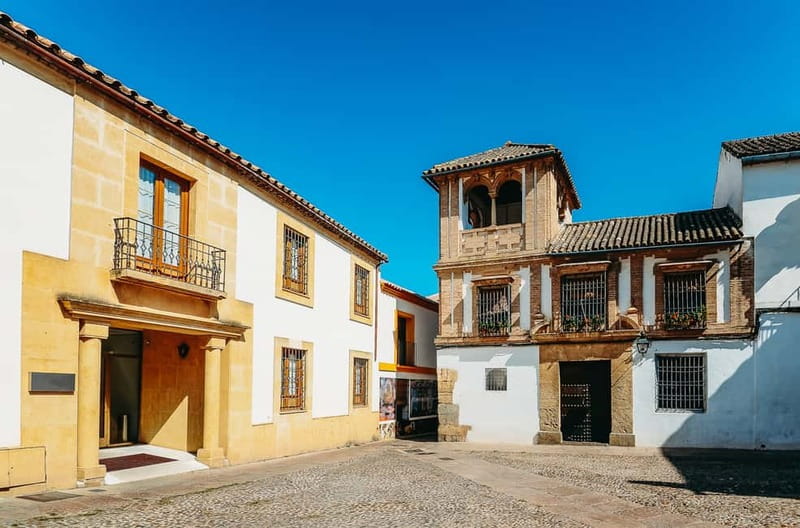
- Judería walking route including Calleja de la Hoguera and the Maimónides connection
- Synagogue + Caliphal Baths for a more everyday look beyond monumental walls
- Alcázar of the Christian Monarchs timing changes until March 1
- Iglesias Fernandinas ticket timing matters more than you’d think
Why this Córdoba walking tour works (even if you think you know the sights)
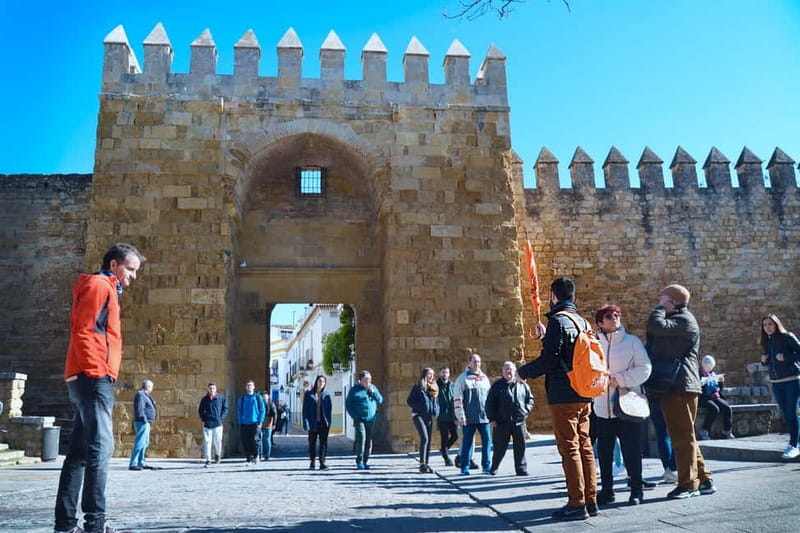
Córdoba can feel like a greatest-hits album: one icon, then the next. This tour is different because it explains what you’re seeing while you’re still standing inside it—or right beside the street that shaped it. The result is that the big monuments don’t stay as postcard objects. They become a chain of cause-and-effect: how faith, power, and neighborhoods changed over time.
Two things make this especially practical for your first day (or your only day): you get guided entry to several sites in one loop, and you’re not guessing where to look. Guides on this format are often the kind of people who can connect dots fast—names you may hear include Jamie, Susanna, Ruben, and Sonia—so you’re not just collecting facts, you’re building understanding.
The only real drawback is the moving target around the Alcázar. Until March 1, the tour drops that stop and runs shorter, which means you need to check what version you’re booking before you commit.
You can also read our reviews of more tours and experiences in Cordoba.
Entering the Mezquita-Catedral: the two-colored arches and the “inside-out” story
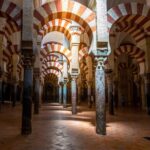
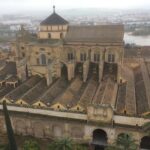
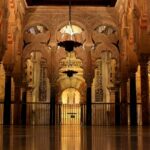
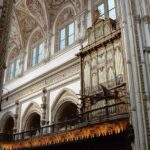
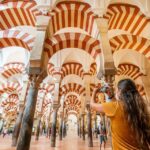
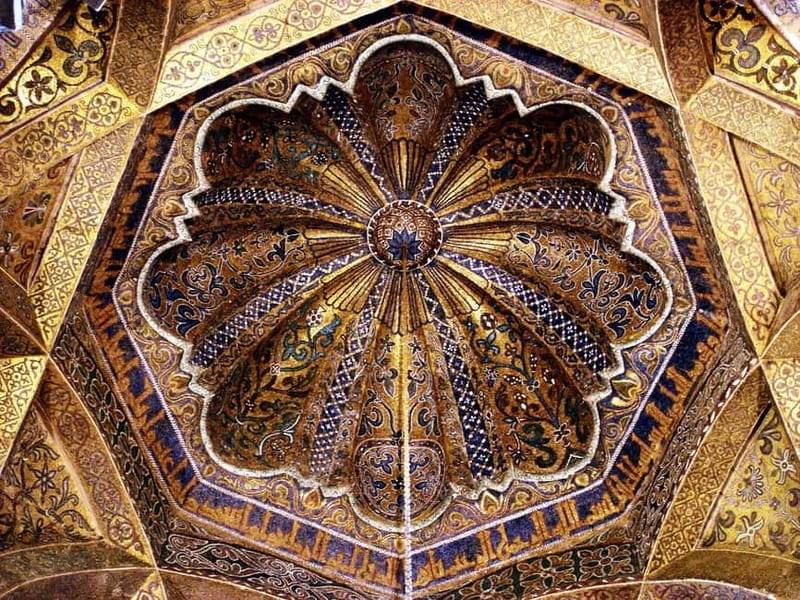
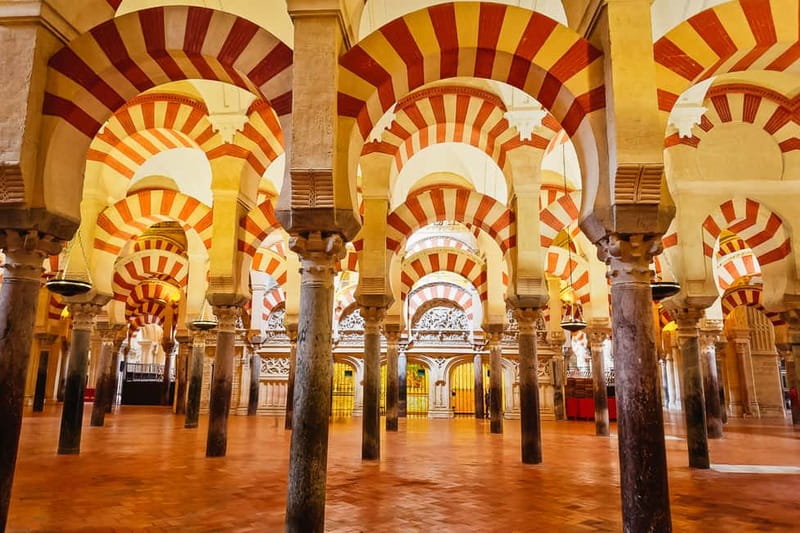
If you’re coming to Córdoba, the Mezquita-Catedral de Córdoba is the centerpiece. What makes it unforgettable is the way it blends Islamic architecture with the later cathedral inserted inside. The guide’s job here is to help you notice that blend instead of letting it blur into one huge room.
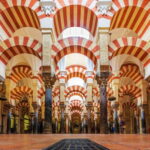
Expect about 1.5 hours with a guided visit. You’ll focus on the iconic two-colored arches, then the guide will explain how the cathedral was added within the mosque space. That’s the key “aha” moment: this place wasn’t built in one straight line. It’s layered, and the layers still show—arches, columns, and the sense that multiple eras left their fingerprints.
This is also where the tour’s style shows up. A monolingual guide keeps the narration clean and consistent. You’ll hear the story in one language, through audio equipment (for groups over 10), which is useful because the Mezquita is both crowded and echoey. In a few cases, people have noted the audio isn’t perfectly clear at every moment—so keep earplugs in mind, and don’t expect opera-level crispness through every headset.
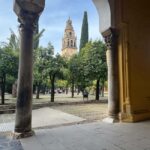
One more practical detail: the Bell Tower entry isn’t included, so plan on enjoying the main interior without adding that extra stop.
Jewish Quarter streets that teach you how Córdoba changed
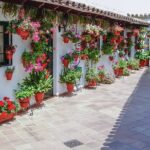
After the Mosque-Cathedral, the tour shifts into the medieval heart of the city: the Judería de Córdoba. This is where you start connecting architecture to people—how neighborhoods shaped daily life, and how communities were organized city to city.
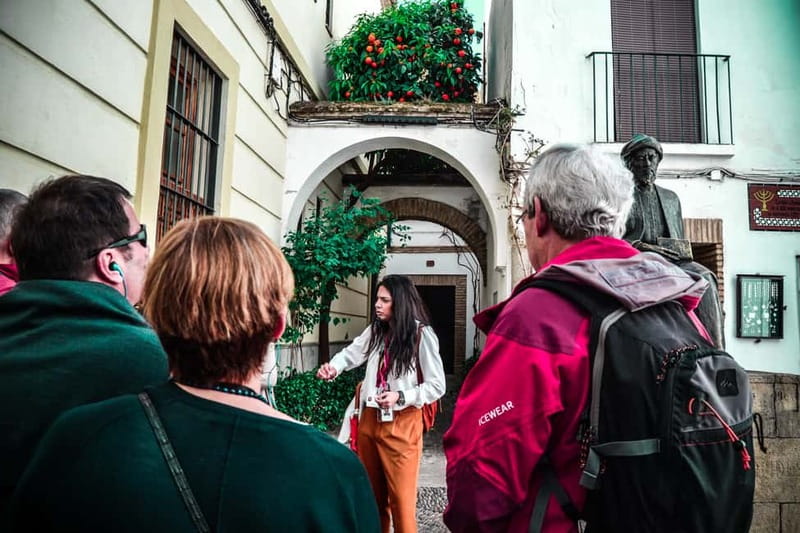
You’ll get about 1 hour here with a guided walk. The highlights include Calleja de la Hoguera, where your guide shares the origins of Jewish culture in Spain and why the street matters for Córdoba. You’ll also hear how the neighborhood functioned as a lived-in space, not just a museum set.
Then you’ll move through the atmosphere of the old markets, including the souk area and a stop connected to Maimónides (including the statue). Even if you’ve read a little about Jewish thinkers and medicine, the guide’s perspective makes this more grounded. You’ll understand it as part of Córdoba’s practical history: learning, trade, and influence moving through real streets.
One small tip from how this tour is structured: take your photos, but don’t rush to freeze every moment. When your guide is pointing out details, you’ll get more by listening first and photographing second.
Synagogue time plus Iglesias Fernandinas: a careful ticket moment
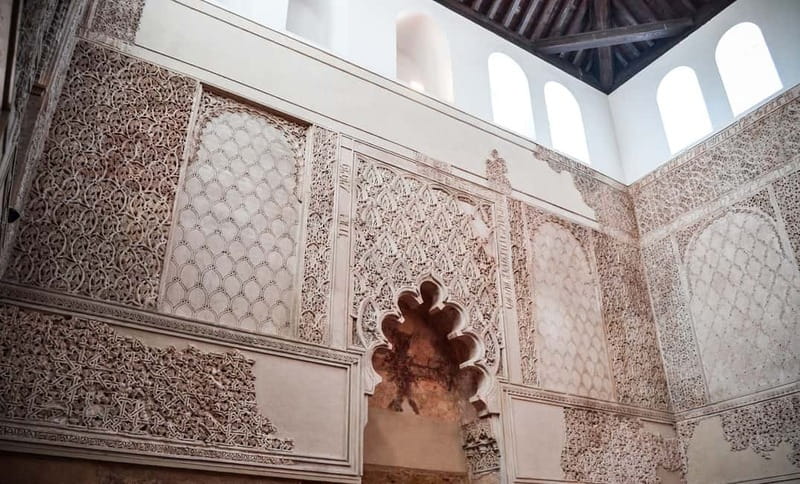
The tour includes entry to a preserved synagogue, which is often the “wow, I didn’t know that existed” stop. The best part of this section isn’t only the building—it’s the context you’ll get right before and right after it, tying the synagogue to the surrounding Judería streets.
A second layer is the Iglesias Fernandinas entry. This is where you need to pay attention to timing. If you want to go inside, you must request your ticket from your guide before the end of the visit. If you miss that window, you won’t be able to enter because the guide can’t come back later with tickets.
If you do nothing else: listen when the guide says the request moment is happening. It’s brief, but it’s the difference between “nice exterior views” and a real interior experience.
Also be aware that in some cases you may be handed off to another guide for the later portion after the Mosque-Cathedral section. That’s not bad—it can keep pacing smooth—but it means you should clarify the Iglesias ticket request with the guide who’s actively managing your group for that segment.
Caliphal Baths: luxury with a daily-life mood
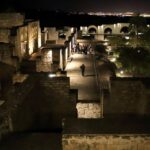
Next comes the Caliphal Baths. This is a great counterbalance to the big monument energy of the Mosque-Cathedral. Baths tell a different kind of story: how people moved through routines, how spaces were designed for cleanliness and comfort, and how architecture served the body as well as the spirit.
You’ll get about an hour in this part of the experience (depending on the timing of the day and how the group flows). The guide’s narration helps you notice details that you might otherwise treat as decorative—like the overall layout and the logic of the spaces you move through.
If you’re the kind of traveler who likes history that feels like everyday life, these baths will likely be one of your favorite stops. They’re also a good “rest your brain” segment after concentrated monuments—still fascinating, but calmer in pace and tone.

Alcázar of the Christian Monarchs: what you’ll see after March 1 vs before
The Alcázar of the Christian Monarchs is a major reason this tour sounds so complete. But here’s the reality check: until March 1, the Alcázar is closed, so the tour changes.
Before March 1, your loop becomes shorter: the duration is 3 hours, and the Alcázar isn’t included. You’ll still visit the Mosque-Cathedral, the Jewish Quarter, the synagogue, and the Caliphal Baths. The discount is applied to the price for that version.
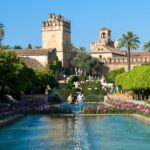
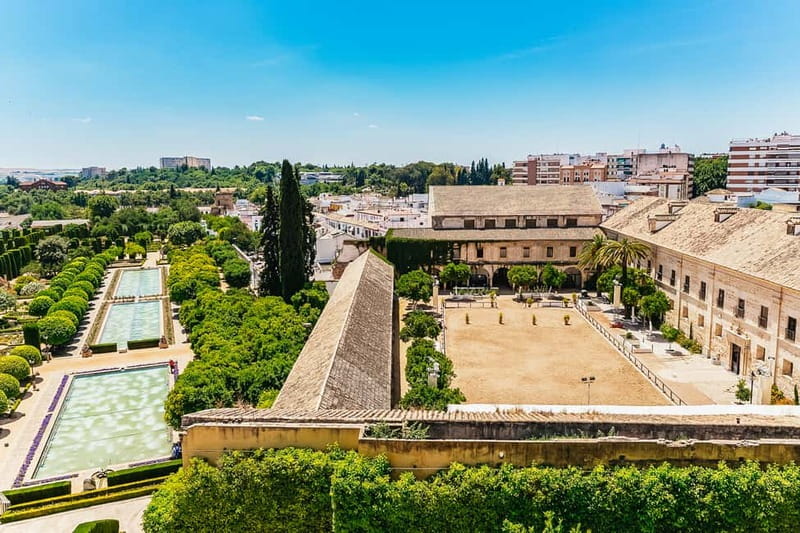
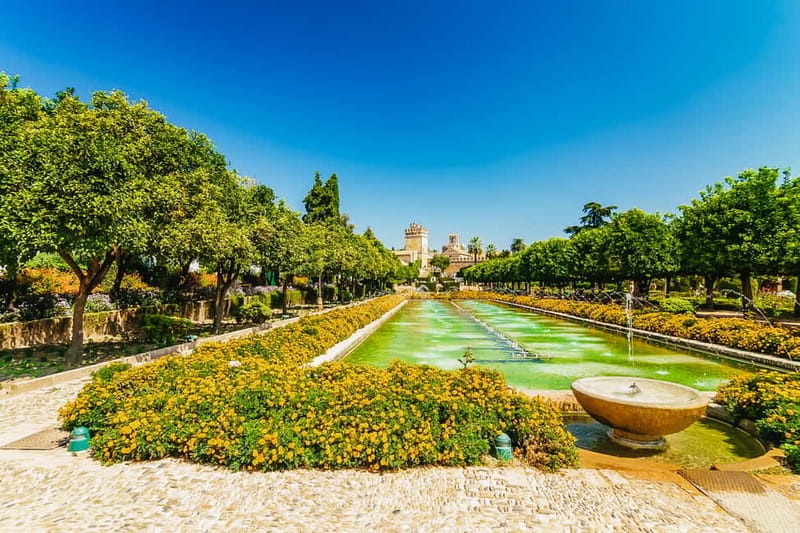
After March 1, you should expect the full classic plan with the Alcázar stop added back in. When it’s open, the guide will explain why the Alcázar mattered in Córdoba’s history and how it played different roles over time. And yes—the gardens are a big part of the appeal when accessible.
So your decision depends on your timing. If you’re traveling in January or February, you’ll still get an excellent core Córdoba experience. You’ll just trade away the Alcázar component that gives this tour its full “Christian monarchs + Islamic Córdoba + Jewish quarter” arc.
Price and time: why $48 can feel fair for this lineup
At $48 per person for a tour that includes entry to the Mosque-Cathedral, synagogue, Caliphal Baths, and Iglesias Fernandinas, plus skip-the-ticket-line access, you’re paying for more than a guide. You’re paying for time saved and friction reduced at big sites.
You’re also not paying “extra” for the core sites one-by-one. If you tried building your own day, you’d spend more time deciding routes, timing entries, and figuring out which sites are worth your energy right now. This tour compresses that work into a simple plan.
One more value angle: skip-the-line entry matters most at the Mezquita-Catedral. When you’re inside the main sites, that line time becomes the difference between a rushed experience and a guided one.
If you book the version before March 1, the price discount and shorter duration make sense because one major stop is missing. You still get a strong set of monuments, just without the Alcázar.
What to expect day-of: guides, pace, and the small operational details that matter
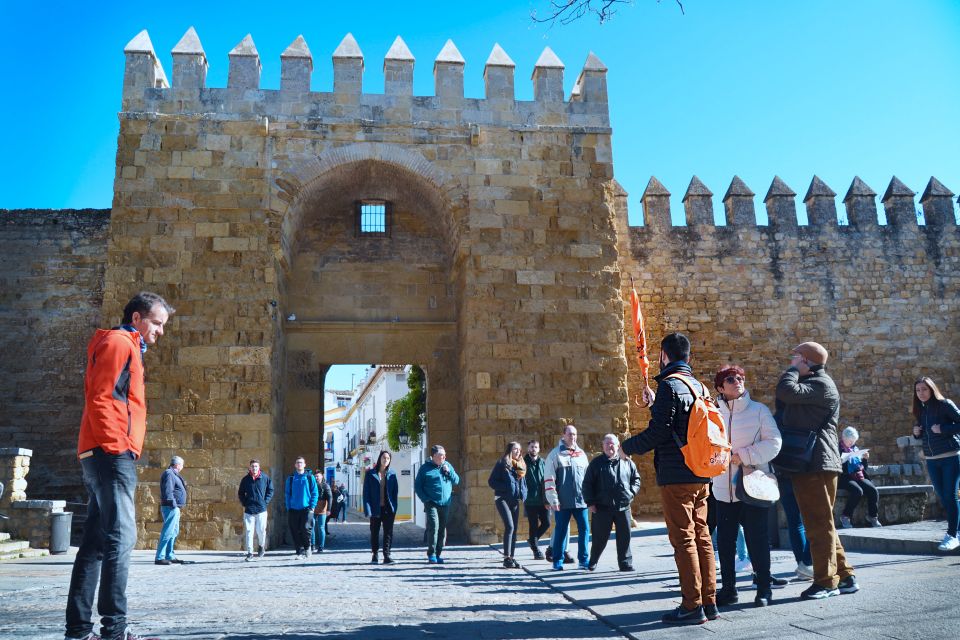
This tour is built around a guided pacing that stays comfortable for most people. Many people highlight how the guide keeps things moving without feeling like a sprint, and how the explanations connect the monuments to Córdoba’s bigger story.
You’ll also get audio equipment for groups larger than 10, which is helpful in a place where voices bounce off stone. If you’re picky about sound, bring earplugs or use what’s provided. In a few comments, people said the transmission wasn’t super clear with background noise, so don’t assume every headset will feel like a studio mic.
Language-wise, you’ll have a guide who stays in Spanish, English, or French for the group, and they don’t keep swapping languages mid-sentence. That’s more comfortable than it sounds, especially if you’re paying attention to names, dates, and architectural terms.
And then there are the “don’t miss this” rules:
- Comfortable shoes are a must. This is a walking tour format.
- Baby strollers aren’t allowed.
- Hats aren’t allowed.
- If you’re counting on Iglesias Fernandinas entry, ask for the ticket before the end of the visit.
Finally, this tour isn’t suitable for people with mobility impairments, so if that’s your situation, look for an alternative route with less walking and more accessibility.
Who should book this Córdoba tour (and who should choose another plan)

You should book if you want:
- A guided path through the Mosque-Cathedral, Judería, synagogue, and Caliphal Baths without juggling separate tickets and timing.
- Explanations that help you see the “why,” not just the “what.”
- A guide-led pace that makes it easier to notice details while you’re moving through tight historic streets.
You might want to skip—or at least reconsider—if:
- You strongly want the Alcázar experience and you’re traveling before March 1. You’ll miss it because it’s closed.
- You need step-free or minimal-walking options. This one isn’t set up for mobility impairments.
- You dislike audio headsets or you’re very sensitive to background noise during tours. It’s included for larger groups, but audio clarity can vary.
This tour tends to suit first-time Córdoba visitors who want structure and context more than a solo wandering day.
Final verdict: book it, especially if your priority is understanding
If you want Córdoba that makes sense—Mosque-Cathedral to Judería to synagogue to baths—this tour is a strong bet. The skip-the-line entry is a real quality-of-life improvement, and the guided narrative helps the monuments feel connected instead of separate stops.
My main caution is the Alcázar issue. Check whether you’re booking for a date before or after March 1. If you’re in the pre-March window, you’ll still get a powerful Córdoba day, just without the Alcázar stop.
FAQ
How long is the tour?
The standard duration is 4 hours. Until March 1, the Alcázar is closed, and the tour becomes 3 hours.
How much does the tour cost?
The price is $48 per person. Until March 1, a discounted price is applied because the Alcázar is not included.
What’s included in the tour?
You get an official tour guide, entry to the Mosque-Cathedral, Caliphal Baths, and the synagogue, plus entry to Iglesias Fernandinas. You also get skip-the-line access, and audio equipment is provided for groups with more than 10 people.
Is the Alcázar of the Christian Monarchs included?
Until March 1, the Alcázar of the Christian Monarchs is closed and not included. After March 1, it becomes part of the tour again.
Where does the tour start?
Depending on the option, meeting points may include Puerta del Perdón – Mezquita-Catedral de Córdoba or Calle Caballerizas Reales.
What languages are available?
The live tour guide offers Spanish, English, and French.
Is this tour suitable for everyone?
It’s not suitable for people with mobility impairments. Baby strollers and hats are not allowed. Also, children under 10 won’t be provided with audio equipment.