REVIEW · CORDOBA
Cordoba Mosque-Cathedral: Skip-the-Line Guided Tour
Book on GetYourGuide →Operated by ARTENCORDOBA · Bookable on GetYourGuide
A forest of arches tells a big story. This Skip-the-Line Guided Tour turns the Mosque-Cathedral of Cordoba into a clear timeline, so you can see how one monument gathered power, faith, and art across centuries.
What I like most is the art historian approach, where you’re not just looking—you’re learning what each stage was trying to do. I also love how the guide connects the names and rulers you hear—Abd al-Rahman I, Almanzor, and Fernando III—to specific design choices, including the double arches that were considered revolutionary. One possible drawback: at 1.5 hours, you’ll have to accept a brisk pace if you want a long, slow wander or lots of extra time to sit and stare.
In This Review
- Key things that make this tour worth it
- A Monument You Can’t Really Understand Alone
- How an Art Historian Guide Changes What You Notice
- The Starting Layer: Visigoth Roots Beneath the Mosque-Cathedral
- Abd al-Rahman I and the Birth of a Rival Mosque
- Almanzor’s Extensions: When Growth Becomes a Political Statement
- The Double Arches Moment: Why Height Felt Revolutionary
- Reconquista Conversion Under Fernando III: A Hard Turn in Meaning
- What Happens in the 1.5-Hour Visit (and How to Use It Well)
- Price and Value: Does $35 Make Sense?
- Who This Tour Suits Best (and Who Might Prefer DIY)
- Should You Book This Mosque-Cathedral Skip-the-Line Tour?
- FAQ
- How long is the Mosque-Cathedral skip-the-line guided tour?
- Does the tour include entry to the Mosque-Cathedral?
- Is there an art historian guide?
- What languages are available?
- Where do we meet?
- Is hotel pickup included?
- Is it wheelchair accessible?
- Is free cancellation available?
Key things that make this tour worth it
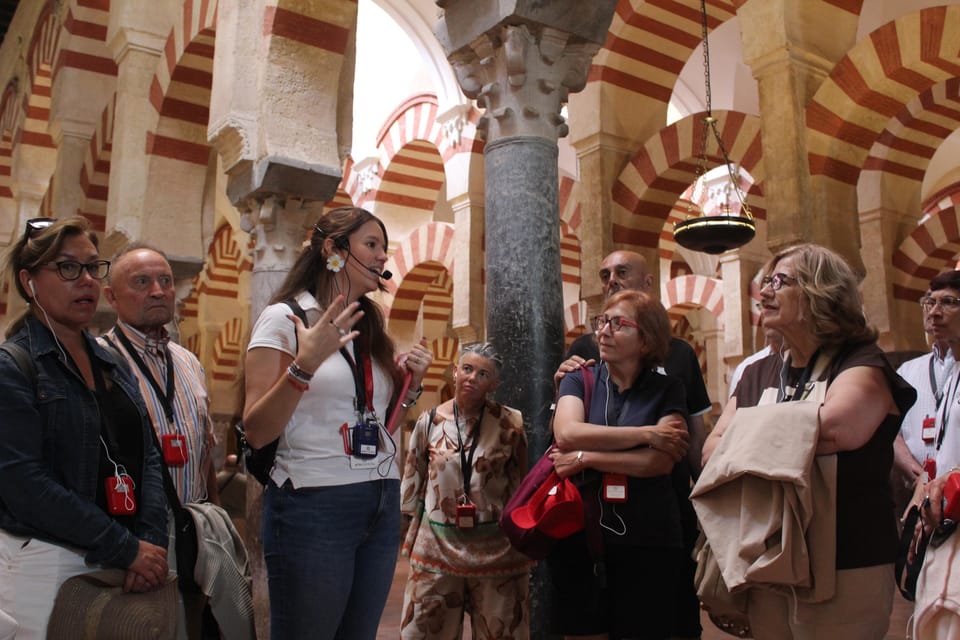
- Skip-the-line entry plus a guided route so you spend your time reading the building, not fighting crowds
- Art historian guidance that explains why changes happened, not just what you’re looking at
- Cordoba’s ruling cast of characters, from Abd al-Rahman I to Almanzor to the Christian conversion under Fernando III
- Architectural “why it matters” moments, especially the double arches and how they changed height and effect
- A mixed architectural mindset, showing how eastern and western influences share the same space
- Multilingual live guides (English, French, Spanish) to keep the story clear in your own language
A Monument You Can’t Really Understand Alone
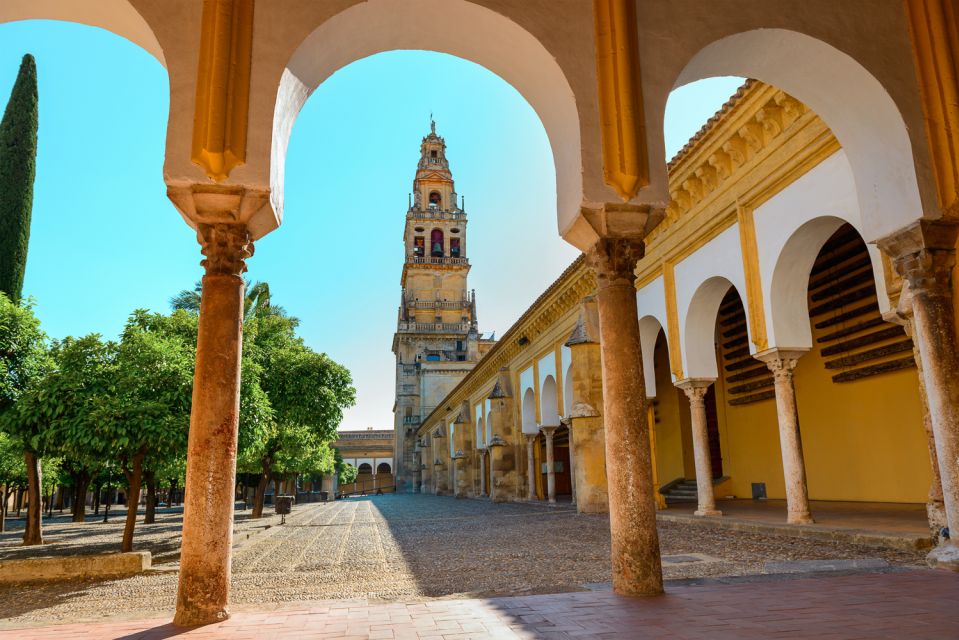
The Mosque-Cathedral of Cordoba is the kind of place where your eyes get busy fast. Arches, scale, and shifts in style can blur together if you’re walking in “just looking mode.” With this tour, I like the fact that you’re given a story spine—so the building stops feeling like a random collection of impressive parts.
The core value is that you’re guided through a chain of eras that actually explain what you’re seeing. You start with the older spiritual site behind the monument, then move into the Umayyad-era mosque phase, followed by later expansions, and finally the Reconquista-era conversion. That order matters, because each period didn’t simply add decoration. It shaped the monument’s purpose, engineering, and visual language.
And because the guide is an art historian (not just a general guide), you get analysis on motifs and construction logic. That means you can look up at the structure and understand why it was built that way, not just that it looks striking.
You can also read our reviews of more guided tours in Cordoba
How an Art Historian Guide Changes What You Notice
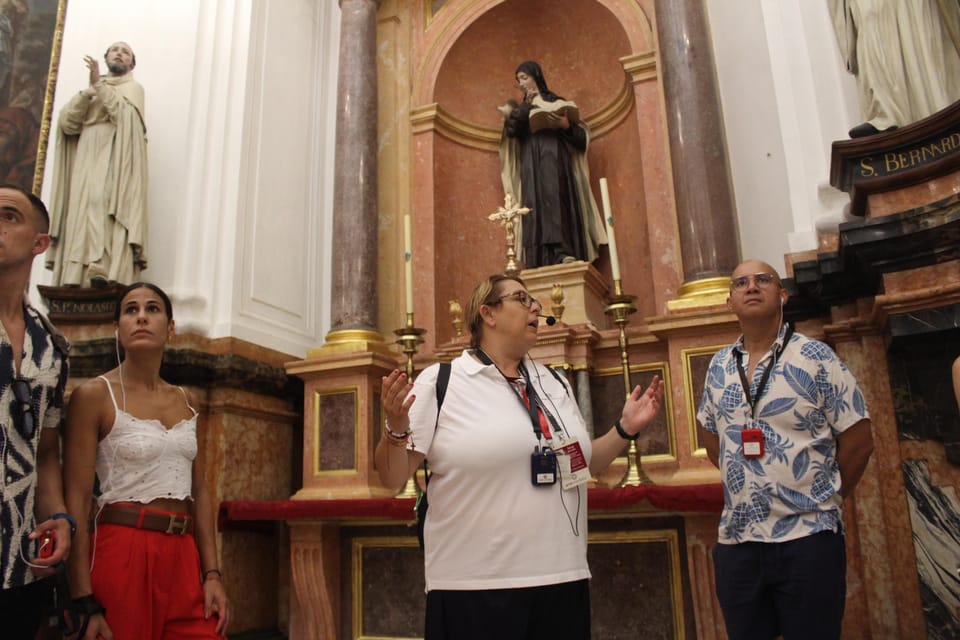
A good museum guide can tell you dates. A strong art historian guide helps you read choices—like how engineering supports meaning. On this tour, the guidance is built around the Mosque-Cathedral’s construction stages and architectural motifs, so you’re constantly turning details into understanding.
You’ll also notice the “keep it human” side of the best guides. Past guides connected the story to the guide’s own hometown pride, and they used clear, structured explanations rather than rambling. Names that have popped up in excellent experiences include Fatima (highlighted as an art historian), Patricia, Maria, Ana, and Olivia. The common thread is that the story is organized enough to follow, even when the building is visually overwhelming.
One practical benefit: you learn how to move through the space respectfully. The tour format helps you understand the monument’s expectations and protocols, which can matter a lot in a site with living religious history. If you’ve ever felt awkward in a big historic church-mosque hybrid, this kind of guidance is genuinely useful.
The Starting Layer: Visigoth Roots Beneath the Mosque-Cathedral
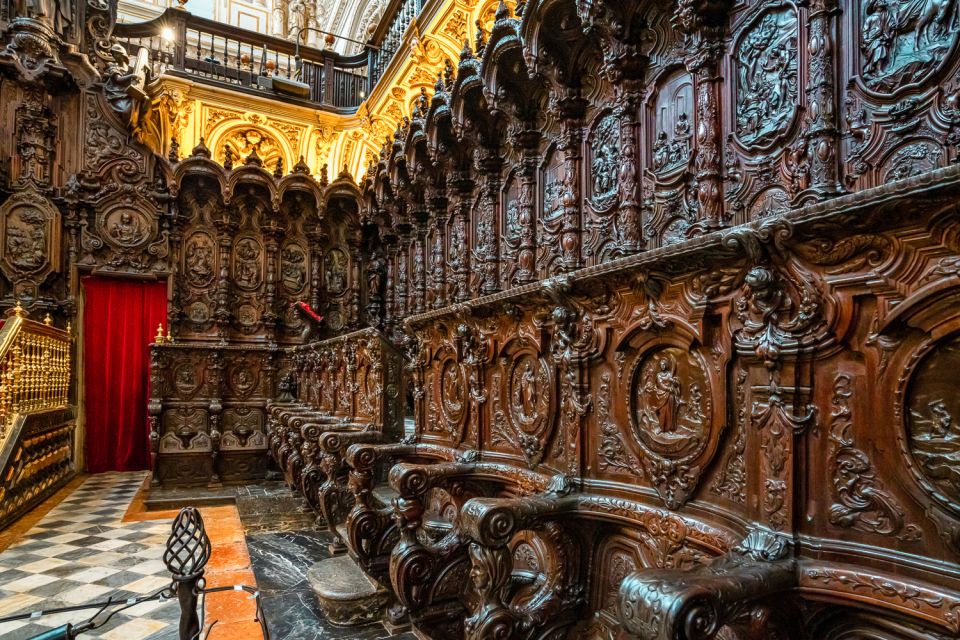
Before you even reach the main mosque space, you’re set up to understand what came earlier. The tour frames the monument as layered history, not a single time period.
You’ll hear about the old Basilica of San Vicente, built during the Spanish Visigoth empire. That detail changes how you process the site. Instead of thinking of the Mosque-Cathedral as starting “from scratch,” you start seeing it as inheriting a location that already mattered spiritually and politically.
Then the story shifts to the beginning of the mosque phase under Abd al-Rahman I, first caliph of Cordoba. This is where the tour’s timeline approach really pays off: it gives you a reason for the monument’s growth. You understand that the building wasn’t frozen. It evolved with rulers, ambitions, and architectural ideas that traveled across the wider Mediterranean and Islamic world.
Abd al-Rahman I and the Birth of a Rival Mosque
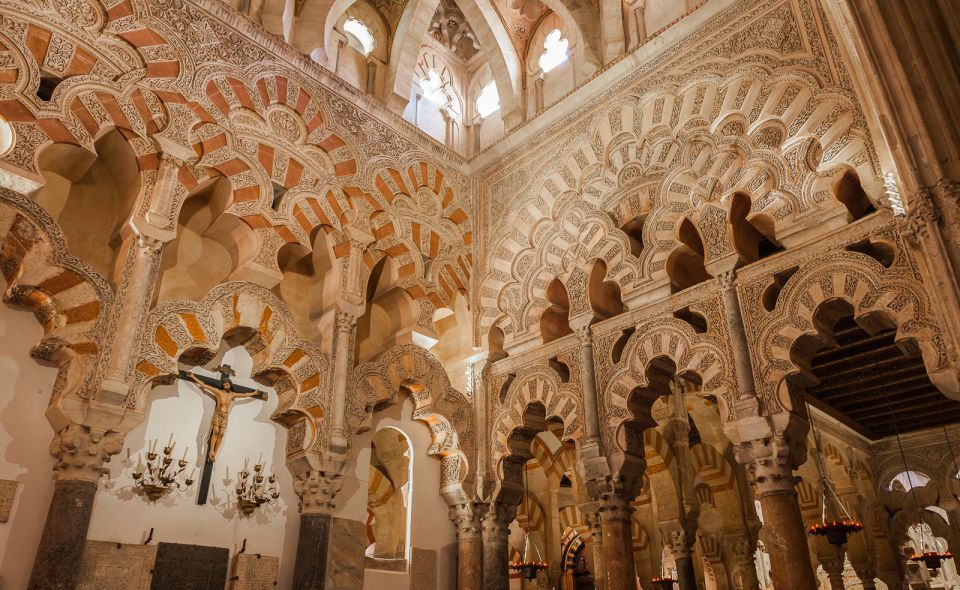
The heart of the experience is hearing how Abd al-Rahman I established the mosque as a rival to the great mosques of the East. That framing makes the early mosque phase feel strategic, not just religious.
You’re guided through the “primitive mosque” concept—meaning the initial design and intentions before later expansions reshaped it. When the guide explains this early stage, you can start distinguishing between what looks like an original foundation and what seems like it was added to meet new needs.
This part of the tour is also the best moment to slow down mentally. Even if you physically keep moving, the guide’s job is to help you organize what you’re seeing. When you know you’re looking at an early phase built to compete with other major Islamic monuments, the architecture starts to feel purposeful—an answer to a question of power and prestige, built in stone and engineering.
Almanzor’s Extensions: When Growth Becomes a Political Statement
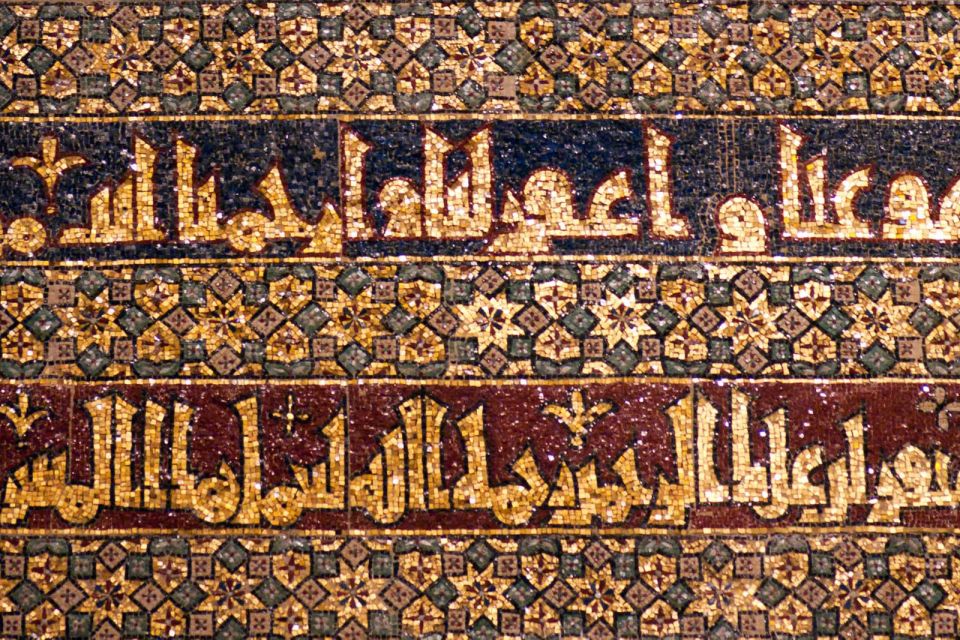
As the tour moves forward, you reach successive extensions through the time of Almanzor, ruler of Muslim Iberia under the Umayyad Caliphate of Cordoba. This is a key chapter because it explains how monuments expand when politics and patronage expand too.
Here’s the practical value: if you visit on your own, expansions can look like “more of the same” when you’re staring at a busy interior. On this tour, the guide keeps pointing back to why changes happened. You’re guided through the logic of additions—how each wave of building reflects the ruler’s place in history and the needs of the community at that time.
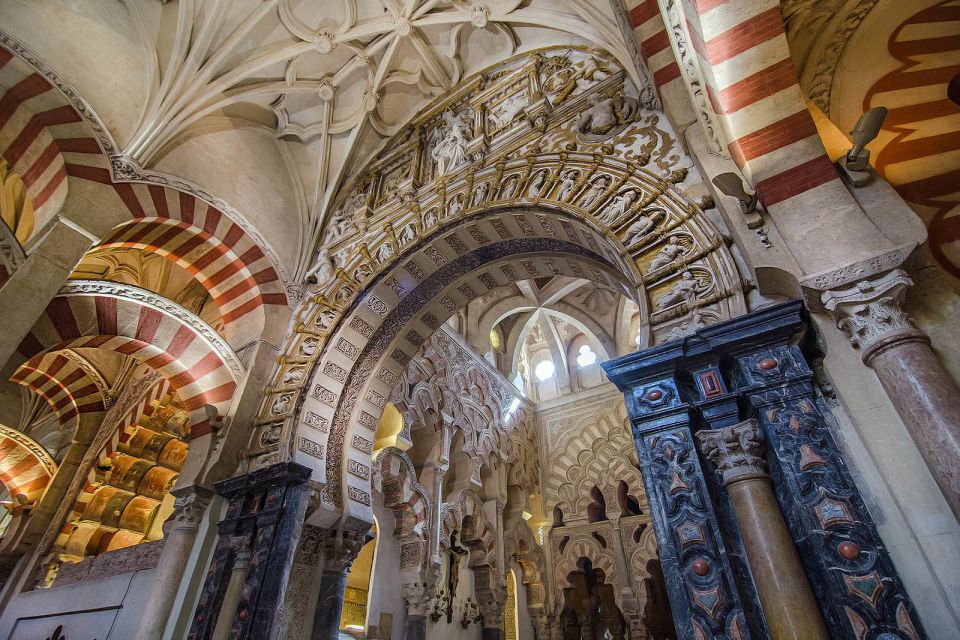
This is also where the tour’s focus on mixed influences becomes tangible. The highlights promise “impressive features that mix eastern and western architecture,” and the Almanzor period is one of the places where that blend becomes easier to interpret. You’re not just noticing stylistic shifts—you’re learning how different architectural worlds can coexist inside one monument.
A few more Cordoba tours and experiences worth a look
The Double Arches Moment: Why Height Felt Revolutionary
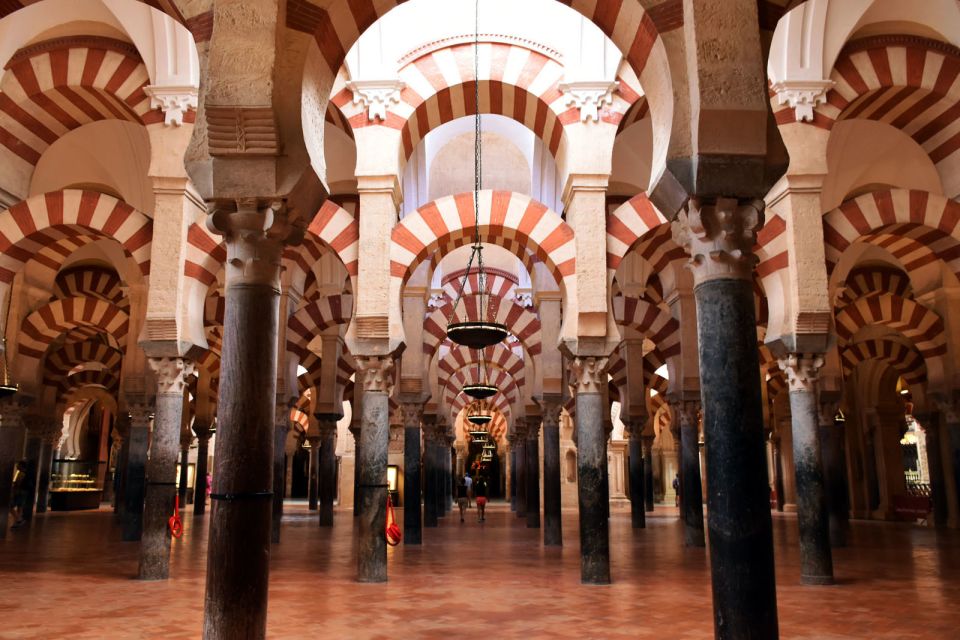
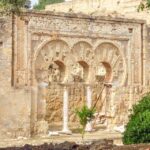
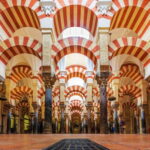
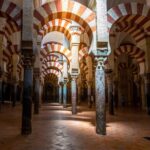
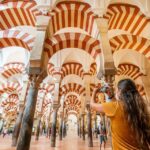
One detail the tour emphasizes is double arches, explained as a motif that helped give the building height and was seen as revolutionary in its time. Even if you don’t speak the language of architecture, you can still grasp the idea when it’s presented clearly.
The tour helps you understand that this wasn’t only a decorative decision. Arches are structural tools. They affect how space feels and how the building handles load. When you learn that the double-arch approach contributed to height, you start reading the interior as engineering, not just ornament.
This is the kind of “aha” point that makes a guided tour worth it. Without a guide, you’d likely register the effect (it’s impressive), but you might never know the design was considered a breakthrough. With the explanation in front of you, the motif becomes a clear marker of a specific architectural ambition.
Reconquista Conversion Under Fernando III: A Hard Turn in Meaning
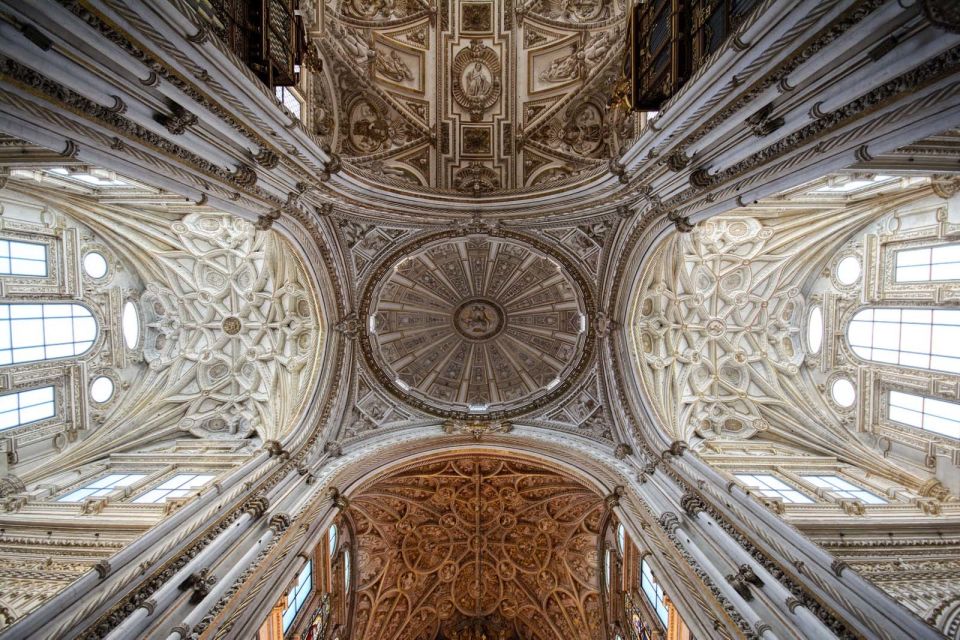
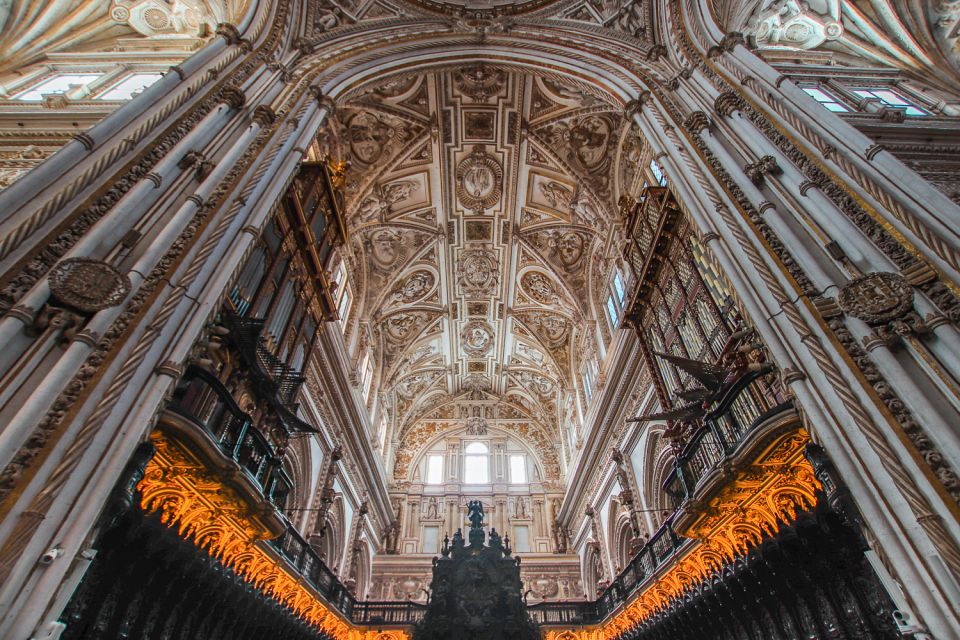
The Mosque-Cathedral story changes tone when the guide brings in the Reconquista of Cordoba by the Christian armies of Fernando III and the conversion of the mosque into a cathedral.
This section is important because it explains the transition you’re physically walking through. You’ll learn what changed in the monument’s role and meaning when it became part of Christian Spain. The tour doesn’t treat this as a side note. It’s presented as a real turning point.
What helps is that the guide treats the Islamic design with respect while still being direct about the impact of the Reconquista. That balance matters. You should come away understanding that this monument is a meeting point of civilizations—and also a record of conquest and cultural change. It’s okay if that feels heavy. The building is, too.
What Happens in the 1.5-Hour Visit (and How to Use It Well)
The total duration is 1.5 hours, with live guides available in English, French, and Spanish. That’s a fast window, so the tour works like a guided lecture that you can see as it speaks. Expect an organized route through the monument’s major story beats: early context (San Vicente), Abd al-Rahman I, later expansions under Almanzor, and the conversion under Fernando III—along with attention to key motifs like the double arches.
You’ll also benefit from the built-in pacing. Even with crowds, the best guides keep groups together and hit the right points rather than wandering aimlessly. Several excellent experiences highlighted that guides can manage groups in busy conditions, which is exactly what you want in Cordoba’s top attraction.
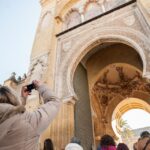
One more practical tip: bring your curiosity, not just your camera. In this building, the camera can distract you from what the guide is teaching. If you can, pause briefly when something feels like the guide is emphasizing a motif or a timeline connection. That’s when the building stops being a photo-op and starts becoming a story you can repeat later.
Price and Value: Does $35 Make Sense?
At $35 per person, you’re paying for three things rolled into one: a live art historian guide, a guided experience, and an entry ticket. You’re also getting the big practical win of skip-the-line access.
Is that a lot or a bargain? It depends on how you like to travel. If you’re the type who reads plaques and gets lost in your own pace, you might think a guided tour is unnecessary. But if you want to understand why the building evolved—who drove each change and what architectural decisions meant—this price tends to feel fair. You’re buying interpretation, not just entry.
Also, the overall rating is strong: 4.7 with thousands of reviews. High ratings don’t automatically mean every tour will be perfect, but they do suggest that the structure and guide quality are consistently on point.
Who This Tour Suits Best (and Who Might Prefer DIY)
This tour fits best if you want:
- a clear timeline that links rulers to construction stages
- explanations of design ideas, including double arches and how they relate to height
- a respectful, historically aware approach to the mosque-to-cathedral conversion under Fernando III
- language options in English, French, or Spanish
If you’re traveling with kids or you hate long explanations, you’ll still likely enjoy it, but you may want to mentally prepare for a lecture-style experience inside a moving monument. If you’re a hardcore architectural detail hunter, the short duration may leave you wanting more space to revisit sections at your own pace after the tour.
And if you’re someone who loves solitude, note the format is guided and time-boxed. That can be great for understanding fast, but it’s less ideal for quiet wandering.
Should You Book This Mosque-Cathedral Skip-the-Line Tour?
I’d book it if you want your visit to feel like it makes sense fast. The Mosque-Cathedral can be overwhelming, and this tour gives you the structure to read it: San Vicente as the starting point, Abd al-Rahman I and the early mosque phase, Almanzor’s expansions, and the Fernando III conversion that changes the monument’s meaning.
It’s also a smart choice if you care about architectural motifs and want context for why specific design choices were seen as revolutionary. At $35 for 1.5 hours with entry included and skip-the-line help, you’re paying for an experience designed to get you from wow to understanding.
If you’d rather explore completely at your own speed, consider DIY plus a separate plan to learn the timeline elsewhere. But if you want the building to click while you’re standing inside it, this guided option is a very solid bet.
FAQ
How long is the Mosque-Cathedral skip-the-line guided tour?
The tour lasts 1.5 hours.
Does the tour include entry to the Mosque-Cathedral?
Yes. Entry ticket to the Mosque-Cathedral of Cordoba is included.
Is there an art historian guide?
Yes. The tour is guided by an art historian guide.
What languages are available?
The live guide is available in English, French, and Spanish.
Where do we meet?
The meeting point may vary depending on the option booked.
Is hotel pickup included?
No. Hotel pickup and drop-off are not included.
Is it wheelchair accessible?
Yes. The tour is wheelchair accessible.
Is free cancellation available?
Yes. You can cancel up to 24 hours in advance for a full refund.