REVIEW · MALLORCA
Mallorca: Discover Scuba Diving from the beach
Book on Viator →Operated by Avispa Labs S.L. · Bookable on Viator
Beach-to-underwater is the whole point here. This Mallorca experience turns a calm shoreline into your first setup for beach entry with certified instructors like Tony and Raul keeping things clear and calm. The big plus is how hands-on it feels, with patient coaching while you practice in shallow water. One thing to plan for: this is very beginner-level and stays at just 2 to 3 meters, so you’re not signing up for huge reef scenery.
You get a short theory intro, then practical exercises in shallow water before your first underwater time. Expect a small group (max 8) and a guided session that does not lead to scuba certification. You’ll be done in about 2 hours and back at the same meeting point.
If you’re sensitive to logistics, note that you should not fly for at least 24 hours after. Snacks aren’t included, and the experience is offered in English, so it helps to be comfortable communicating at that level.
In This Review
- Key highlights I’d bank on before you book
- Beach-to-scuba basics: what the 2 hours actually looks like
- From gear fitting to insurance: the value in what’s included
- The shallow-water practice that makes first-timers feel safe
- Your first underwater time at 2–3 meters: what you’ll probably see
- Instructors matter: the teaching style you’ll feel in the water
- Price and logistics: why this one is priced the way it is
- Language and expectations: how to avoid the one bad mismatch
- Practical tips for going home after you try scuba
- Should you book this Mallorca beach scuba intro?
- FAQ
- How deep do you go during the experience?
- Is this a scuba certification course?
- What happens during the session before you go underwater?
- Is scuba equipment included?
- Is diving insurance included?
- Are snacks provided?
- Where is the meeting point in Mallorca?
- What is the maximum group size?
- Should I avoid flying after the session?
Key highlights I’d bank on before you book
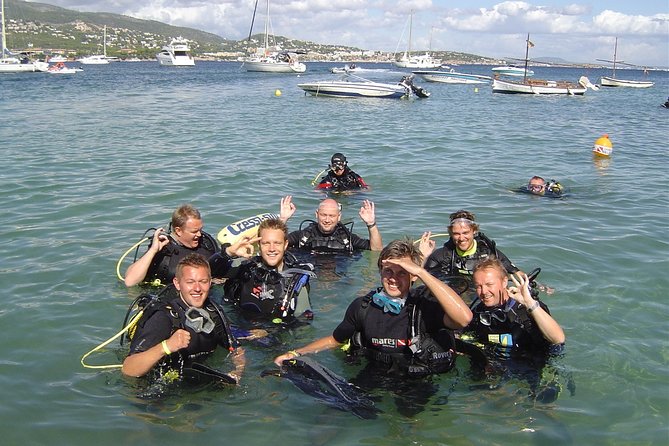
- Beach entry straight from Palmanova’s shoreline so you skip the long “get there and gear up” feeling
- Training at just 2–3 meters with hands-on exercises in shallow water
- Scuba equipment + diving insurance included which makes the price feel more fair
- Small group size (up to 8) for more attention during the steps that matter
- No certification outcome so treat it as an introduction, not a course
- Beginner photo rules mean you shouldn’t count on underwater souvenir photos taken for you
Beach-to-scuba basics: what the 2 hours actually looks like
This experience is designed for first-timers who want to try scuba without turning it into a full certification project. You’ll start at Big Blue Diving in Palmanova (Carrer Martín Ros García, 6, 07181). The activity ends back at the same spot, so you’re not dealing with transfers or a separate return plan.
Right after you meet, the group focuses on getting ready and understanding how the gear works. The program includes a short theoretical introduction first, then practical exercises in shallow water. That order matters. You’re not figuring everything out while you’re already underwater. You practice the key movements where it feels safe and you can stand or keep your footing.
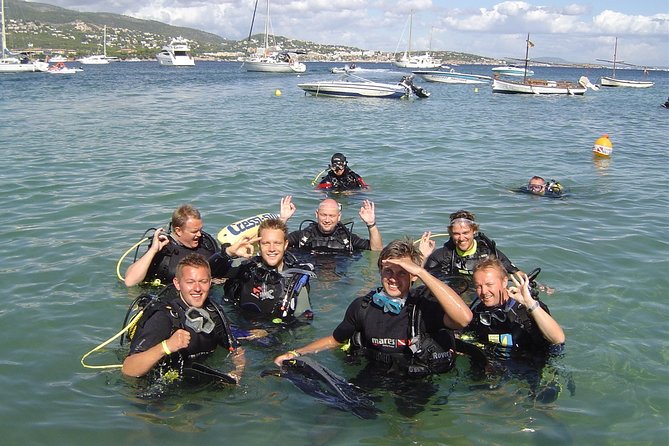
After that shallow-water practice, you’ll go in from the beach and head down to about 2 to 3 meters. This is the part that feels magical because it’s real scuba gear, real breathing practice, and real underwater viewing—but still at a depth where the instructor can keep things controlled and close.
And just to set expectations: this program is not a certification course. You’re gaining comfort and experience, not paperwork or official qualification.
You can also read our reviews of more scuba diving tours in Mallorca

From gear fitting to insurance: the value in what’s included
The price is $120.68 per person for about 2 hours. For many people, the value comes from what’s already in the package: scuba equipment, diving insurance, and shallow-water training.
Scuba equipment being included is a big deal. Renting the right gear can be confusing, and buying it outright is a lot for a first try. Here, you show up and you’re kitted out for the session. It also reduces the “did I bring the wrong size?” stress that can ruin the first few minutes of any hands-on activity.
The insurance piece matters too. You’re not guessing about what’s covered during an underwater activity. It’s included as part of the experience, which is exactly how you want it on a first outing.
One small catch: snacks aren’t included. If you tend to get hungry quickly, grab something before you go or bring a plan for afterward. Also, the session is short, so your focus stays on the water training rather than stopping for long breaks.
The shallow-water practice that makes first-timers feel safe
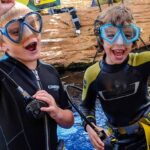
This is not the type of experience where you’re thrown into deep water and told to figure it out. The session includes shallow water training, and the format is built around getting you comfortable with your equipment and your breathing rhythm.
In real terms, here’s what that typically means for you: you learn how to manage the basics before you’re under pressure. You practice movements where mistakes are fixable right away. You also get used to the feel of the gear and the instructor’s guidance in a calm environment.
The reviews back up this teaching approach. People liked how instructors took their time and checked that everything was OK while you’re in the water. Names that came up include Tony and Raul, and also instructors like Tim, Mateus, and Liliane. The common thread: clear explanations and patient support. If you get nervous when you don’t know what comes next, this kind of step-by-step setup is a relief.
There’s also a practical safety advantage to shallow training: instructors can correct small technique issues faster. That helps you enjoy the underwater moment more instead of worrying about the next step.
Your first underwater time at 2–3 meters: what you’ll probably see
Once the shallow practice is done, you’ll enter the water from the beach and reach a depth of roughly 2 to 3 meters. This is where you get the “I’m actually doing it” feeling.
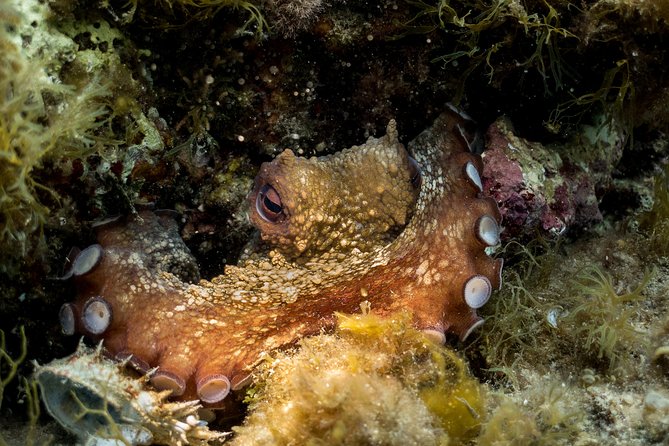
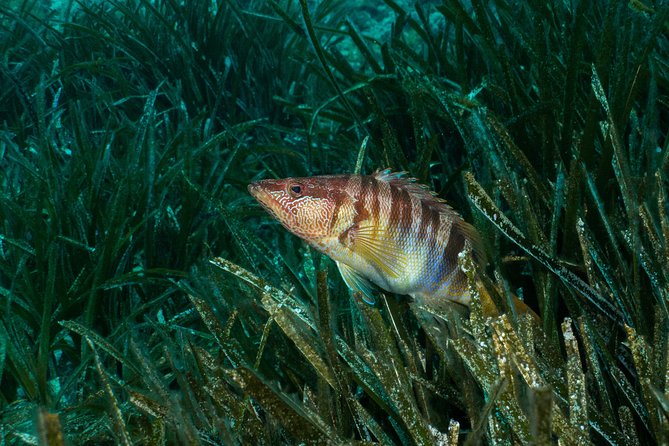
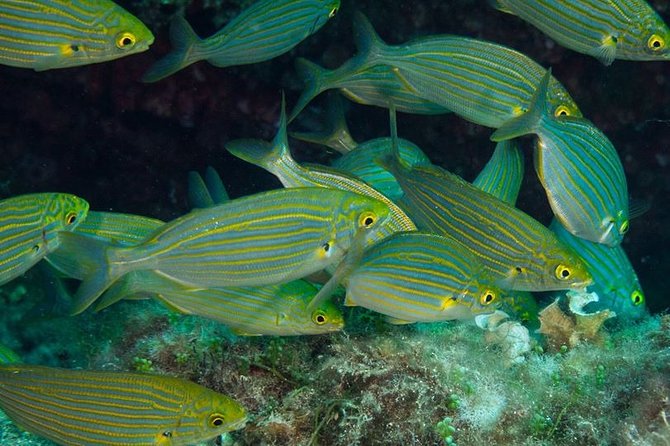
At this depth, you’re not searching for grand wall-to-wall reef views. You’re looking at what’s close, what’s active near the shoreline, and what shows up in calm conditions. In the feedback people describe seeing things like fish, sea cucumbers, and even the occasional tiny octopus. You might also spot starfish, sea urchins, or crabs depending on what the site and conditions are doing that day.
So here’s my honest framing for you:
- If you want a gentle, safe first taste, this works well.
- If you want a heavy-hitter reef excursion, you’ll feel underwhelmed.
One review pointed out that the experience is very beginner-level and that the underwater life isn’t a big show. That doesn’t mean it’s bad. It just means you should book it for the right reason: learning scuba basics and getting comfortable underwater, not chasing dramatic scenery.
Instructors matter: the teaching style you’ll feel in the water
The quality of this kind of intro session lives or dies by the instructor. The pattern in the feedback is consistent: instructors explain clearly, move at a pace that matches your comfort, and stay present while you’re underwater.
People specifically praised the way instructors guided them step by step and stayed attentive when someone was struggling. That’s huge for first-timers. When you know exactly what the next moment should feel like, the nerves fade faster.
You’ll also notice a focus on supervision. In one case, someone wished for underwater photos, but the operator explained that for safety, staff can’t take photos of beginners underwater. The logic is straightforward: no distractions means you stay focused, and supervision stays 100%.
If you’re the kind of person who learns best through reassurance, this environment is built for you. If you want an action-heavy, camera-first experience, you may need to adjust your expectations.





Price and logistics: why this one is priced the way it is
At $120.68 for about 2 hours, you’re paying for a guided intro, instructor time, training space, insurance, and equipment. You’re not paying for a long day-trip or a multi-site route.
Is it good value? For most first-timers, yes—because equipment and insurance are covered. You also get a small group cap (up to 8), which usually means your instructor can spend more time with you rather than managing a crowd.
The biggest “price reality check” is your goal. If your goal is to see the most dramatic underwater world possible, a shallow introductory program may feel expensive for what you see. If your goal is to get over the fear, learn the basics, and find out whether scuba is for you, the cost-to-time ratio makes a lot more sense.
Also, it’s not a course that grants certification. So if you’re aiming for a license, you’ll likely want a different format after this try.
Language and expectations: how to avoid the one bad mismatch
Most people seem to leave happy, especially those who want a controlled, beginner-friendly introduction. But one negative review described a mismatch between what was expected and what happened—language (Spanish vs mostly English), group setup, and the plan for where the session would take place.
You can’t control everything that happens on the day, but you can control your clarity ahead of time. If language is important for you, confirm what language the instructor will use. If you have specific expectations about the session depth or format, ask directly what the program includes and what it does not.
This is a beach-based shallow program. If you’re imagining something different, get it straight before you show up. That one step prevents disappointment faster than any negotiation afterward.
Practical tips for going home after you try scuba
Here are the practical details I’d plan around, based on the info you’re given for the activity:
- Don’t fly for at least 24 hours after your session. This is a real safety guideline for underwater activities, so don’t treat it as optional.
- Wear comfortable beach-ready clothing beforehand and plan to get changed after. There’s a locker provided in the feedback, which helps keep your stuff secure.
- Bring what you need for sun and comfort. The experience is short, but Mallorca sun is quick.
- If you’re hoping to bring home underwater photos taken by staff, set expectations. For safety reasons, guides don’t take beginner underwater photos.
Weather can also play a role. This type of coastal activity depends on conditions. If it’s canceled due to poor weather, you’ll be offered another date or a full refund. And if plans change, the experience supports free cancellation up to 24 hours in advance.
Should you book this Mallorca beach scuba intro?
Book it if you want a calm, beginner-friendly introduction to scuba with gear and insurance included, plus training in shallow water before your first time underwater at about 2–3 meters. It’s a great option for couples, solo travelers, and anyone who wants to test the sport without committing to a certification path.
Skip it or rethink your expectations if you’re hunting for a big reef-style wildlife spectacle or if you need a very specific language setup. In that case, do a quick confirmation before you pay, and be honest with yourself about what a shallow, intro session can realistically deliver.
If you’re new to scuba and you want the nerves managed for you with patient coaching, this is one of the more sensible ways to try it—straight from the beach, with instructors focused on keeping you safe and comfortable.
FAQ
How deep do you go during the experience?
You’ll dive to a depth of 2 to 3 meters.
Is this a scuba certification course?
No. It’s an introductory program and does not lead to obtaining a diving certificate.
What happens during the session before you go underwater?
You get a short theoretical introduction, followed by practical exercises in shallow water.
Is scuba equipment included?
Yes. Use of scuba equipment is included.
Is diving insurance included?
Yes. Diving insurance is included.
Are snacks provided?
No. Snacks are not included.
Where is the meeting point in Mallorca?
The meeting point is Big Blue Diving, Carrer Martín Ros García, 6, 07181 Palmanova, Illes Balears, Spain.
What is the maximum group size?
This activity has a maximum of 8 travelers.
Should I avoid flying after the session?
Yes. You should not fly for at least 24 hours afterward.