REVIEW · TENERIFE
PADI Discover Scuba Diving Course in Tenerife
Book on GetYourGuide →Operated by TRAVEL SUB DIVE CENTER · Bookable on GetYourGuide
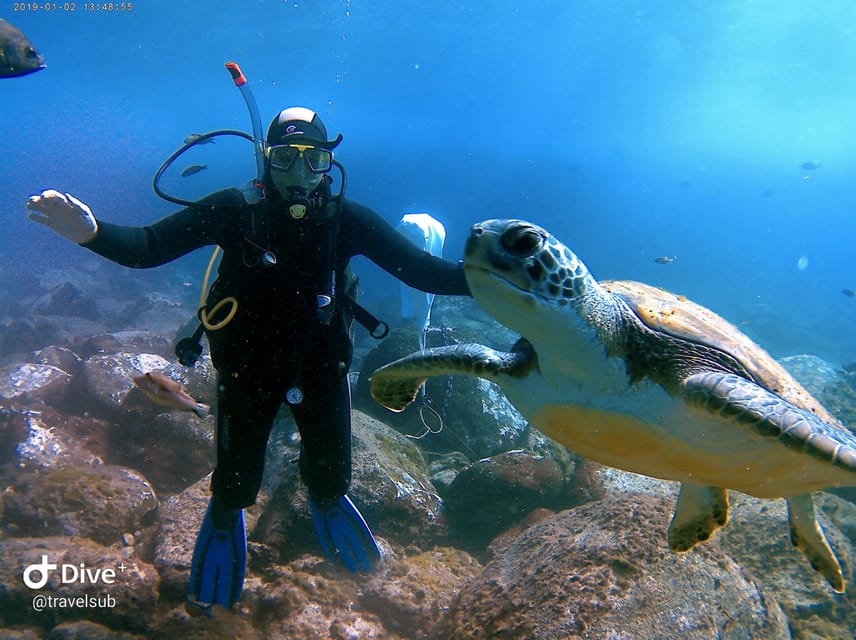
First-time scuba usually sounds scary. Here in Puerto Colón, it feels practical: you get PADI coaching on land, then a guided drop to 12 meters with patient instruction. What I like most is the small-group pace and the way you’re prepared ahead of time with online PADI study, so you walk in knowing what to do. One thing to keep in mind: seeing sea turtles is not guaranteed.
You’ll start at Travel Sub Dive Centre at the Escuela Náutica building by pier 5, then head out by speedboat for the underwater spot. After your session, there’s time to stick around, relax, and swap stories with fellow first-timers. It’s a short 3-hour experience, but it’s built to make you feel safe, get you comfortable with the gear, and give you that first real look at colorful fish up close.
In This Review
- Key things I’d bet money on
- Puerto Colón is a smart first stop on Tenerife
- The 3-hour flow: meet, train shallow, then go down to 12 meters
- 1) Meet at Travel Sub Dive Centre (Escuela Náutica by pier 5)
- 2) Safety briefing and prep on land
- 3) Confined water training at shallow depth
- 4) Speedboat ride to the underwater spot
- 5) Underwater session up to 12 meters
- 6) Return and downtime
- What you actually learn (and why it keeps you safe)
- Equipment basics that prevent panics
- Buoyancy control you can feel right away
- Safety procedures that aren’t just theory
- Respectful marine-life behavior
- Gear and the glasses problem you should solve before you go
- Price and value: $129 for a real beginner certification path
- Who this is best for, and who should skip it
- Best fit
- Not suitable for
- After the water: certification and the beginner story exchange
- Practical planning tips so your session feels smooth
- Should you book this PADI Discover Scuba course in Tenerife?
- FAQ
- How long is the PADI Discover Scuba course in Tenerife?
- Do I need any previous scuba experience?
- How deep will I go?
- Is there time to practice before going deeper?
- What’s included in the price?
- What should I bring with me?
- Can I wear glasses with the mask?
- Who is the activity not suitable for?
Key things I’d bet money on
- Small group limit (max 4): more instructor attention and less waiting around.
- E-learning + PADI account: you can preview the basics before you ever touch the gear.
- Safety briefing before you go in: clear health checks and rules so you know what matters.
- Guided underwater time up to 40 minutes: enough water time to feel the rhythm, not just a quick try.
- All gear included: mask, fins, wetsuit, tank, plus full insurance during the activity.
- Family-friendly from age 10: a real beginner program, not just a snorkel trip.
Puerto Colón is a smart first stop on Tenerife
If you’re new to scuba, location matters. Puerto Colón is set up for beginner-friendly coastal experiences, and Tenerife’s waters are typically described as warm and calm for an intro level program. That combination is exactly what you want: you’re learning buoyancy control and comfort, so you do better when conditions cooperate.
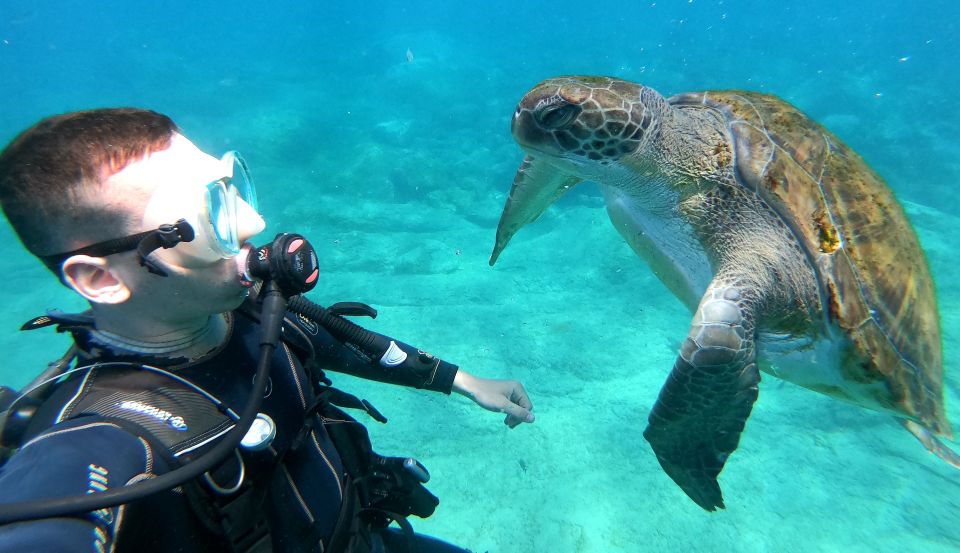
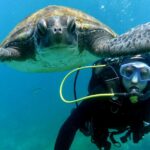
The underwater experience is focused on what you can actually see when you’re just starting—colorful fish and a chance at sea turtles. The best part is that your instructor isn’t just watching from a distance. You’ll get real-time guidance so you can concentrate on your body position, breathing, and staying relaxed.
One note you should take seriously: while sea turtles may show up, the program doesn’t guarantee them. Plan your mindset around the skills and the underwater scene, not one specific animal.
You can also read our reviews of more scuba diving tours in Tenerife
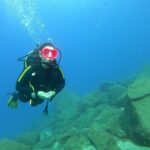
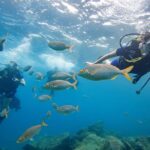
The 3-hour flow: meet, train shallow, then go down to 12 meters
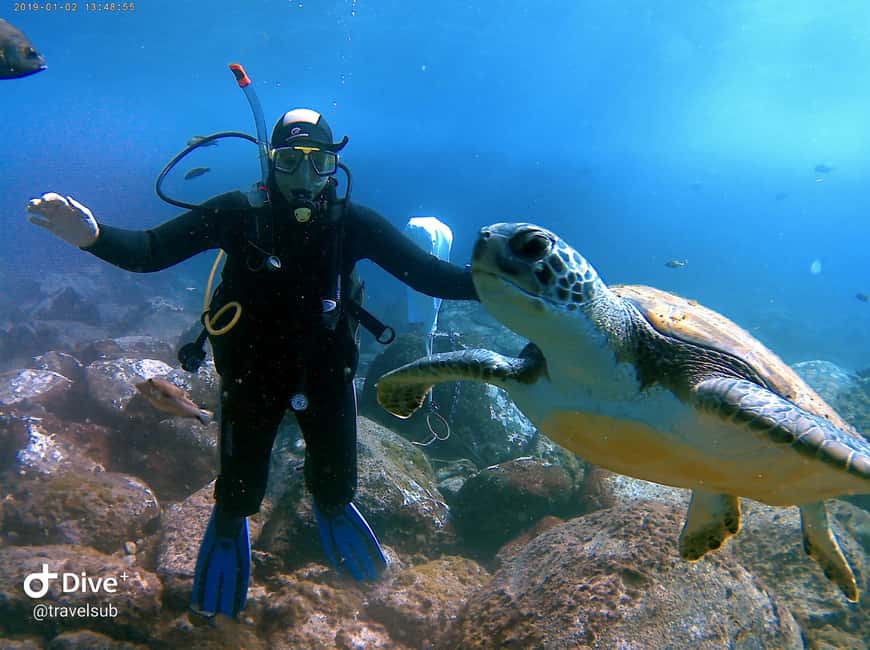
This experience is built around a tight timeline that still leaves room to learn.
1) Meet at Travel Sub Dive Centre (Escuela Náutica by pier 5)
You meet at the reception of Travel Sub Dive Centre inside the Escuela Náutica building, in front of pier 5, on the private parking side at Puerto Colón. I like this kind of meeting setup because it’s straightforward: you’re not hunting a boat in a maze. Come inside the building and find reception.
2) Safety briefing and prep on land
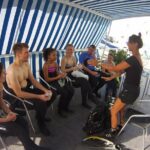
Before any water time, you get a thorough briefing (about 30 minutes). This is where they set expectations: how you’ll use the equipment, what you’ll do step-by-step, and how safety rules work in practice.
You may also be asked health questions and your situation is closely watched. One guest praised how the team pays sharp attention to health info before the experience begins, which matches how serious a beginner course should be.
3) Confined water training at shallow depth
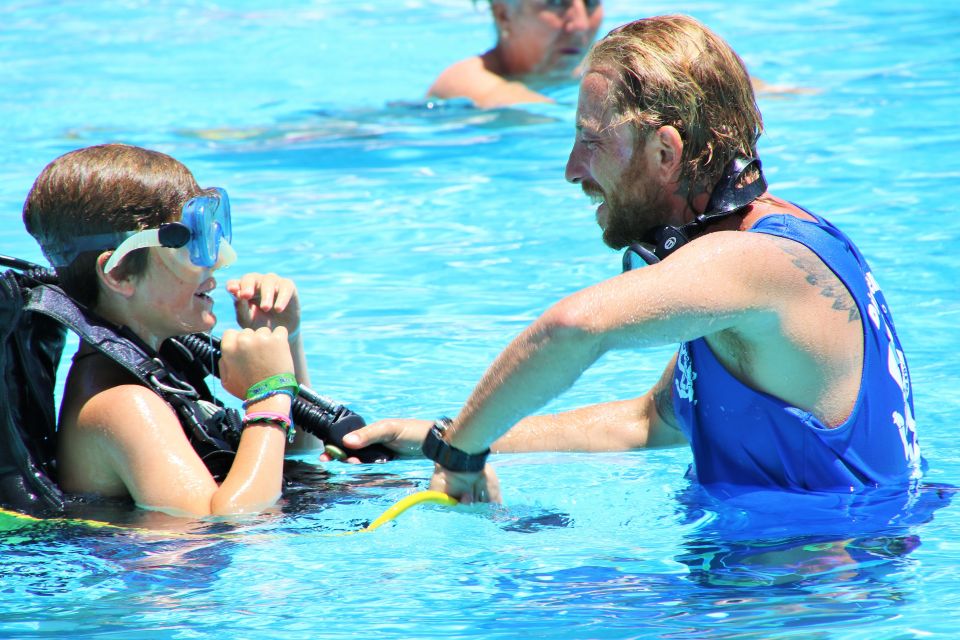
You’ll start in shallow water with exercises designed for first-timers. Think of this stage as your practice runway. You learn:
- how to handle the scuba equipment safely
- basic buoyancy control
- core safety procedures
- what it means to move slowly and stay calm underwater
This part matters because it’s where your instructor helps you feel confident before you ever go deeper.

4) Speedboat ride to the underwater spot
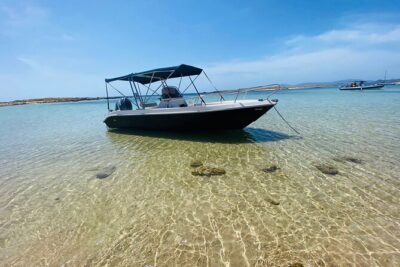
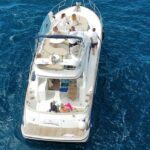
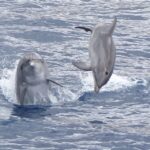
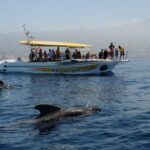
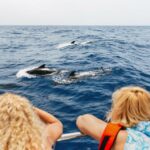
Next comes the boat transfer (about 15 minutes each way). The boat ride is short, but it changes the feel of the day. You’re not just in a pool-like setup anymore—you’re heading out along Tenerife’s coast, and it’s a nice break before the main underwater time.
5) Underwater session up to 12 meters
Your guided underwater session is supervised and lasts up to 40 minutes, with a maximum depth of 12 meters. That’s deep enough to feel like real scuba, but not so deep that beginners get overwhelmed.
A pattern you’ll see in the feedback: people mention how the guide stays close and helps them stay confident. Instructors named Max and Toby come up in reviews for being calm and patient, and that aligns with what you should want on your first attempt.
6) Return and downtime
After the underwater portion, you head back by speedboat and then finish at the dive center. The experience also includes a chance to relax with other divers afterward and compare notes.
What you actually learn (and why it keeps you safe)
This is a PADI introductory program, and the value isn’t only the underwater time. It’s the foundation.
Equipment basics that prevent panics
Before you head down, you learn how to use the gear safely. That includes learning the equipment in a way that doesn’t rush you. For first-timers, the biggest risk is trying to move too fast—so your instructor’s job is to keep things slow and clear.
Buoyancy control you can feel right away
You’ll practice basic buoyancy control in shallow water. This is the skill that makes everything else easier. Once you can hover calmly and adjust your position without fighting the water, the whole experience gets more enjoyable fast.
Safety procedures that aren’t just theory
You’ll go over safety procedures before you get wet, then apply them during the training. Even if you’re nervous, having a consistent routine helps you relax. One guest said the instructor explained everything clearly and made it feel easy and safe, and that’s the point of a structured beginner course.
Respectful marine-life behavior
You’ll also get guidance on interacting with marine life safely and respectfully. That’s practical advice for beginners: stay controlled, don’t chase animals, and let the underwater world come to you.
Gear and the glasses problem you should solve before you go
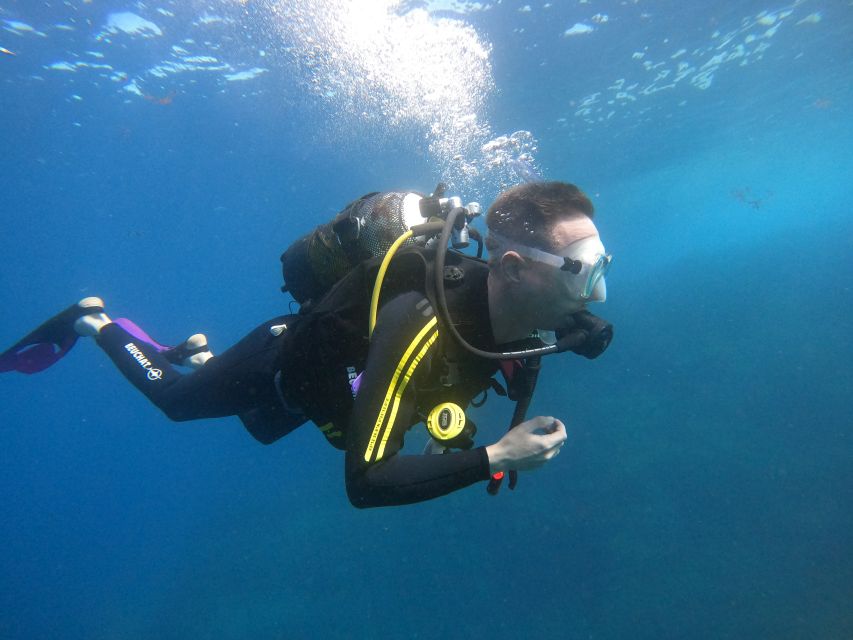
The course includes full equipment: mask, fins, wetsuit, and tank. You don’t need to rent anything extra, and that saves real money versus DIY attempts.
But there’s one detail you should handle early: it’s not possible to use the diving/snorkeling mask with glasses. The program notes that you’ll need contact lenses, or you’ll need to remove your glasses for the experience. If you rely on glasses for vision, plan that ahead. You don’t want to show up thinking you can just adapt on-site.
Also, expect the water to feel cooler than you might assume if you’re used to warm beaches. One guest specifically mentioned that Atlantic water feels fresh, even with a wetsuit. So bring the right mindset: you’re going in dressed for it, and once you’re moving comfortably, it’s fine.
What to bring is simple:
- swimwear
- a towel
- sunscreen
Price and value: $129 for a real beginner certification path
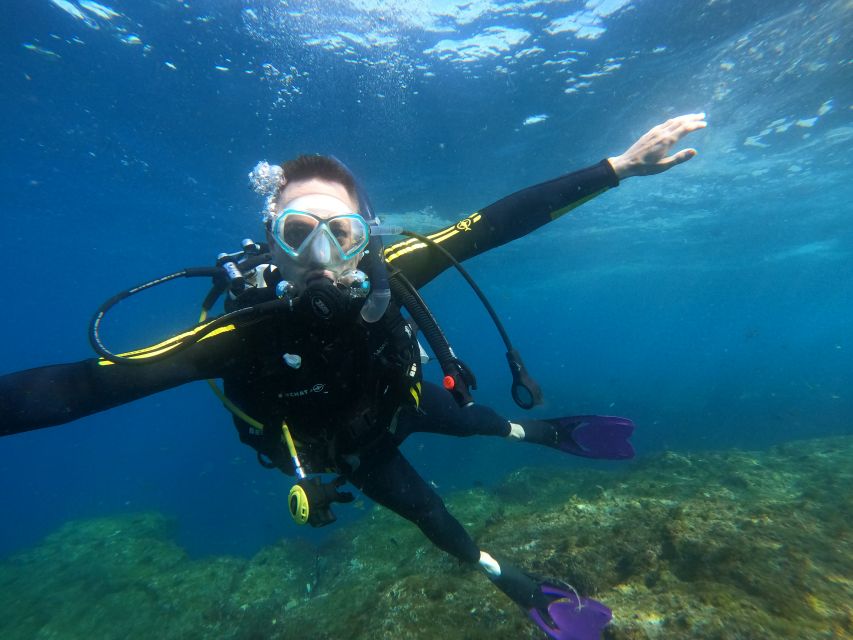
At $129 per person for about 3 hours, this course is priced like a focused intro, not a barebones taster. The value comes from what’s included:
Included highlights:
- PADI-certified instructor
- E-learning study materials and access to a PADI account
- boat ride to the dive site (and back)
- confined shallow exercises
- guided underwater session (up to 40 minutes)
- certification as Discover Scuba Diver
- full kit of diving equipment
- full insurance
- water on the boat
What I like about this mix is that it reduces the risk of spending money and then discovering you still need to figure out gear, insurance, and training structure.
What’s not included:
- photos or videos
- prescription diving mask
A guest noted paying an extra €30 for videos/photos, so if you care about keeping the memory, ask ahead about options. You can also skip it and spend the saved money on a great meal afterward.
Who this is best for, and who should skip it
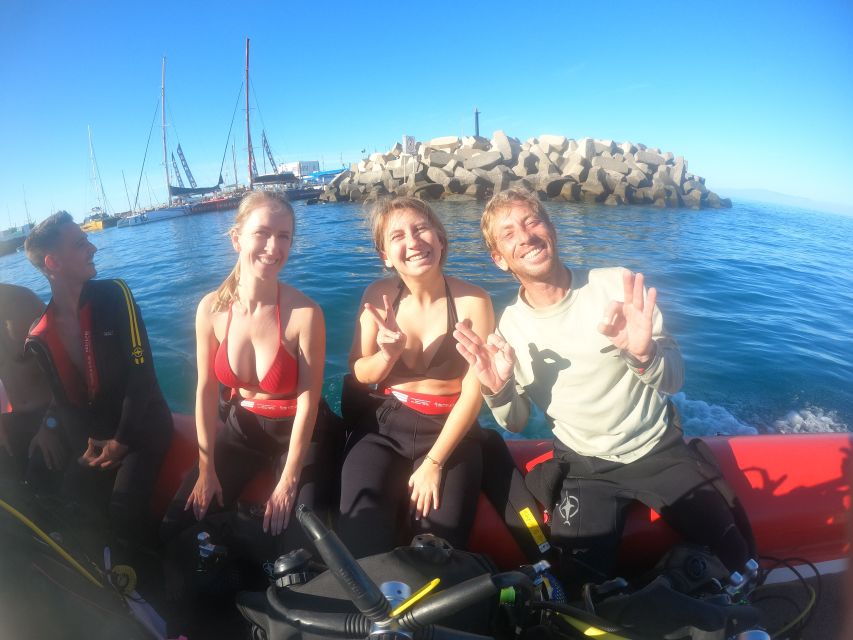
This program is clearly aimed at first-timers. It’s described as suitable for children aged 10 and up, and you’ll get Discover Scuba Diver certification after completion. If you’re traveling as a couple, solo, or family, the small-group limit (max 4) usually means you get more personal attention.
Best fit
- beginners who want structure and safety
- families with kids 10+
- travelers who don’t want to handle planning or gear logistics
- people who want a short Tenerife activity with real underwater results
Not suitable for
The activity lists several “do not” categories:
- children under 10
- pregnant women
- people with heart problems
- people with diabetes
- people with pre-existing medical conditions
If any of those apply to you, don’t guess. Ask a medical professional and follow the activity’s safety guidance.
Minors also need adult supervision on the boat, and there’s a cost for that activity support.
After the water: certification and the beginner story exchange
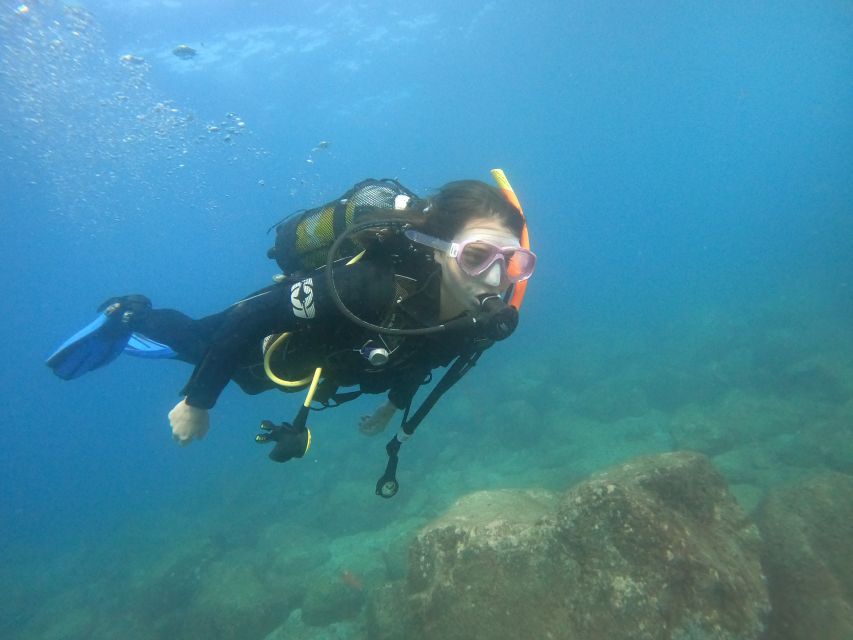
One of the underrated parts of a beginner scuba program is the moment after it ends. You’re buzzing, you’re a little proud, and you’ve got lots of questions. This experience includes time to relax with the dive community and share stories afterward.
More importantly, you leave with a certification card for Discover Scuba Diver. That’s not the same as full Open Water training, but it’s a real milestone. It also helps you decide whether you want to progress, because you’ll know what the equipment and breathing feel like in open water.
If you’re hoping for turtles, keep expectations flexible. If you see them, great. If you don’t, you still come away with skills, confidence, and a close look at fish and coastal marine life.
Practical planning tips so your session feels smooth
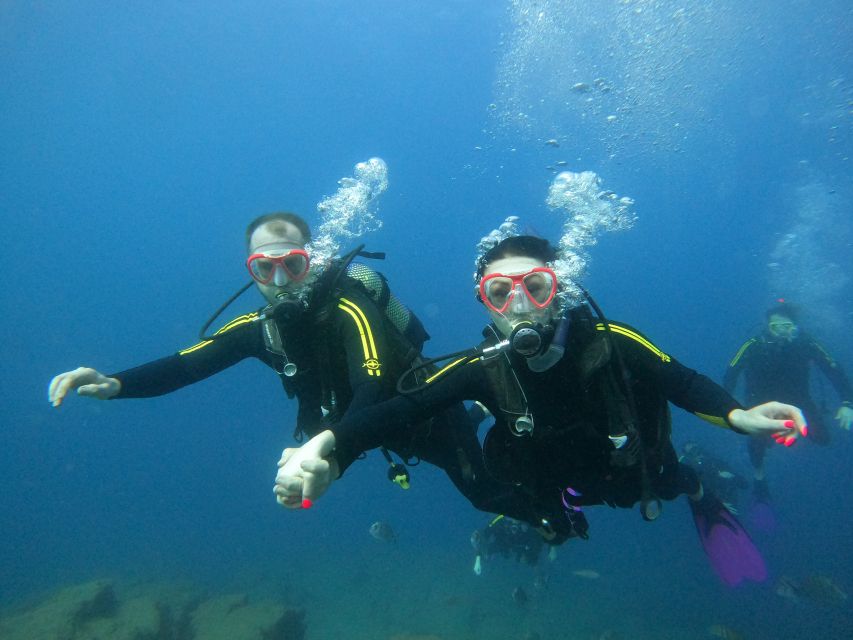
A few things make a big difference on the day:
- Don’t fly or go to high altitude for at least 12 hours after the experience. This is listed as important after diving activity.
- Make peace with the glasses mask rule. Contact lenses or no glasses is the plan.
- Plan your day so you’re not rushed afterward. You’ll be tired in a good way, but first-timer bodies often feel it.
- Instructors work in multiple languages (English, Russian, French, Spanish, Italian, Dutch). If you want a specific language, check availability when you book.
And if you’re the type who likes to know what to expect, take the pre-course e-learning seriously. One review mentioned getting an information link ahead of time that helped them feel prepared. That kind of prep turns nervous energy into focus.
Should you book this PADI Discover Scuba course in Tenerife?
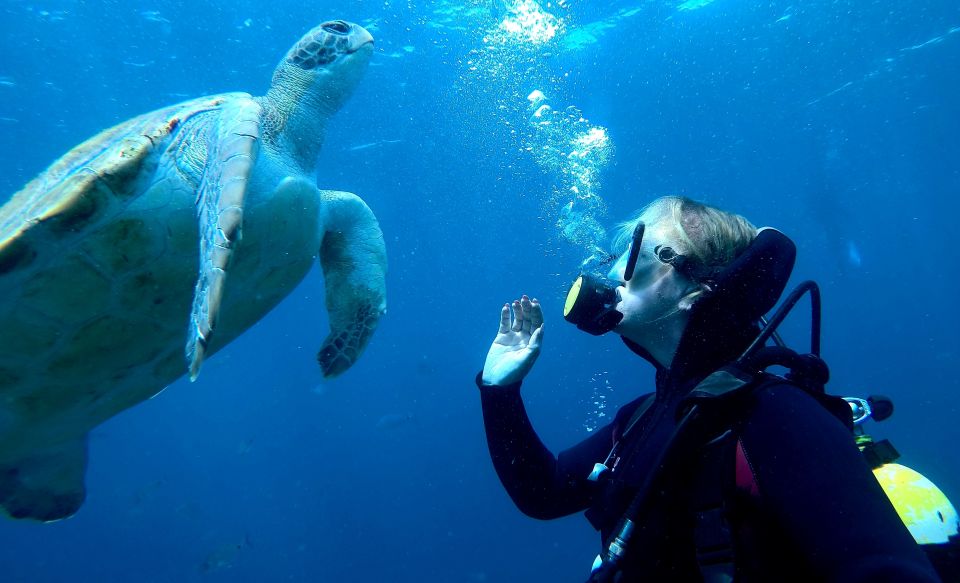
If you’re a complete beginner and you want a structured, safety-first way to experience real scuba in Tenerife, I’d say yes—especially because the group is limited to 4 and the program includes equipment, insurance, and guided supervision all in one package.
I’d think twice only if:
- you require a glasses solution (the mask can’t be used with glasses)
- you fall into any medical restrictions listed by the provider
- you’re expecting turtles as a must-do item (it isn’t guaranteed)
For most first-timers, this is a solid value: you’re not just paying for the “cool factor,” you’re paying for instruction, practice shallow, a guided underwater session up to 12 meters, and a Discover Scuba Diver certification at the end.
FAQ
How long is the PADI Discover Scuba course in Tenerife?
The experience lasts about 3 hours.
Do I need any previous scuba experience?
No. It’s designed for beginners with no prior experience required.
How deep will I go?
You’ll do a guided underwater session with a maximum depth of up to 12 meters.
Is there time to practice before going deeper?
Yes. You’ll start with confined water exercises at shallow depth before the guided underwater session.
What’s included in the price?
Included are e-learning materials and access to a PADI account, a PADI certified instructor, the boat ride, confined water exercises, the guided underwater session (up to 40 minutes), Discover Scuba Diver certification, full diving equipment, full insurance, and water on the boat.
What should I bring with me?
Bring swimwear, a towel, and sunscreen.
Can I wear glasses with the mask?
No. It isn’t possible to use the mask with glasses. You’ll need contact lenses or to remove glasses for the experience.
Who is the activity not suitable for?
It’s not suitable for children under 10, pregnant women, people with heart problems, people with diabetes, or people with pre-existing medical conditions.