REVIEW · O GROVE
Ría de Arousa: Boat Ride to Mussel Farm with Tasting
Book on GetYourGuide →Operated by TURIMARES S.L. · Bookable on GetYourGuide
The sea farming view beats any food photo. This guided boat trip along the Ría de Arousa takes you past the working bateas where mussels, oysters, and scallops grow, and it ends with a real tasting instead of a sample-sized snack. I especially like the mix of hands-on learning and food you can taste while it’s still clearly fresh.
Two things I’d put at the top: the chance to watch cultivation parks up close with a guide, and the added bonus of seeing the seabed through the boat’s underwater vision. The mussel tasting is also a highlight, with steamed mussels served with wine, water, or a soft drink. One thing to consider: the tour language is Spanish, and the narration (including any audio) may be hard to catch over boat noise if you don’t speak Spanish.
In This Review
- What You’ll Actually Experience on This 75-Minute Cruise
- Key Highlights Worth Marking on Your Map
- From Port of O Grove to the Working Rías
- How the Boat Ride Makes the Farm Feel Real
- Bateas Cultivation Parks: Mussels, Oysters, and Scallops
- Steamed Mussels Tasting: What “Included” Feels Like
- Underwater Vision: Seeing the Sea Bed Without Getting Wet
- Pricing and Value: Is $23 a Good Deal?
- Language, Seating, and the Small Logistics That Matter
- Weather and Plan B: What If the Sea Turns Messy?
- Who This Tour Suits Best (and Who Might Skip It)
- Quick Booking Advice: What to Do Before You Go
- Final call: Should you book this mussel-farm boat ride?
- FAQ
- Where does the boat ride start?
- How long is the experience?
- What does the tour cost?
- What food is included?
- What drinks come with the tasting?
- Is there a guide?
- What language is the tour in?
- Is the experience wheelchair accessible?
- What should I bring?
- Can the schedule change due to weather?
- Final call: Should you book this mussel-farm boat ride?
What You’ll Actually Experience on This 75-Minute Cruise
In 75 minutes, you get a compact overview of how Galicia’s shellfish farming works—then you eat what the sea is producing. I like that it’s not just a scenic ride; you’re shown the gear, the growing method, and the farm layout while you cruise. You’ll also get a practical taste of local pairing, especially with the wine option.
The main drawback is simple: if you’re hoping for lots of English, plan for more limited understanding. Also, seating outdoors can be a tight game if you show up late for boarding. If you want the best views, arrive early.
Key Highlights Worth Marking on Your Map
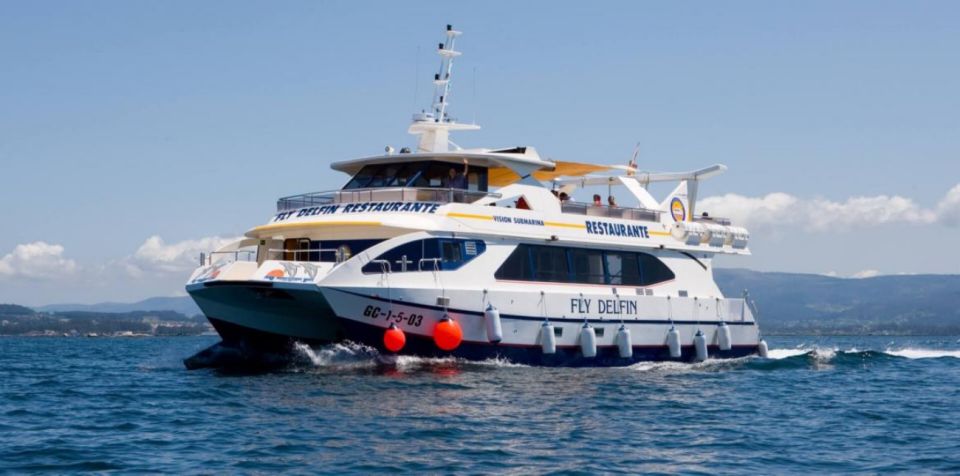
- Ría de Arousa scenery from the water with an up-close view of working coastline
- Bateas cultivation parks where mussels, oysters, and scallops are farmed
- Steamed mussel tasting served with wine plus water or soft drink
- Underwater vision on the boat so you can see the seabed firsthand
- Spanish-only experience, with narration that can be tough over sea noise
You can also read our reviews of more food & drink experiences in O Grove
From Port of O Grove to the Working Rías
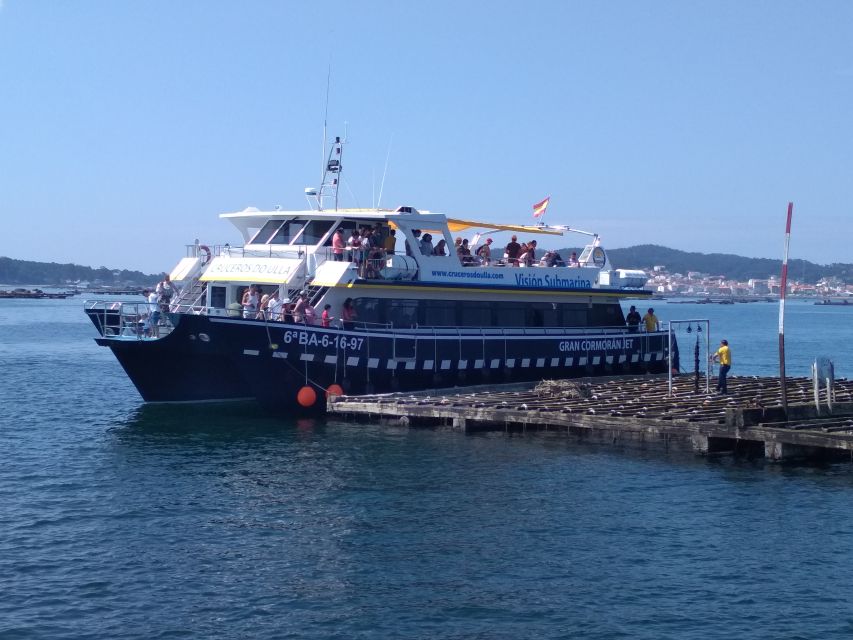
This tour starts in the Port of O Grove and uses the boat as your classroom. You’ll cruise along the Ría de Arousa while a guide helps connect what you’re seeing—water, structures, and farm layout—to how mussels and other shellfish are cultivated.
Why this matters: shellfish farming can sound abstract until you’re looking at the actual gear and spacing. From the boat, the scale makes more sense fast. In less than two hours, you should leave with a mental map of how the farm operates and where the food you’re about to eat comes from.
Practical tip: the timing is tight enough that boarding order matters for views. If you care about sitting outside on the upper deck, arrive with enough buffer that you’re not rushed.
How the Boat Ride Makes the Farm Feel Real
You’re not just taken to a destination and dropped off. The cruise is part of the story. As you travel out and back, you’re given context for what the cultivation areas look like and how the farms are organized.
I like that the pacing stays friendly. You get time to look, time to learn, and time to eat without feeling like you’re being rushed along a checklist. It’s also the kind of activity that works well when you want something “special” but don’t want a full half-day commitment.
The one caution: weather can change plans. The trip may be altered, modified, or canceled if atmospheric conditions or force majeure prevent completion. So keep your schedule flexible when possible.
Bateas Cultivation Parks: Mussels, Oysters, and Scallops
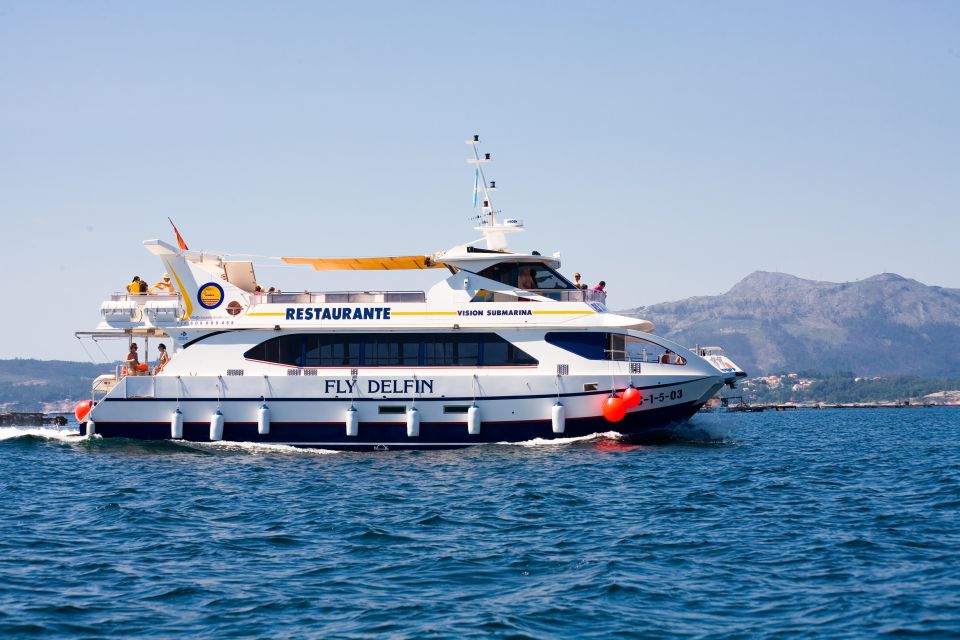
The heart of the experience is the guided look at the cultivation parks, often called bateas. This is where you learn the basics of how mussels are cultivated, and you’ll also hear how oysters and scallops fit into the broader farming picture.
What makes this valuable is the clarity. Shellfish farming is more than “strings in the water.” When you see the farm structures and how they’re arranged, you start to understand why local product tastes the way it does and why seasonality matters.
Also, the guide experience is a real plus. The atmosphere stays upbeat, and the crew focuses on keeping things fun while you learn. Even if your Spanish isn’t perfect, visual explanations plus a friendly guide can carry you surprisingly far.
If you’re hoping for deep technical answers, you might find the level is more tour-friendly than academic. But for most people, that’s exactly what you want: useful and understandable, not overwhelming.
Steamed Mussels Tasting: What “Included” Feels Like
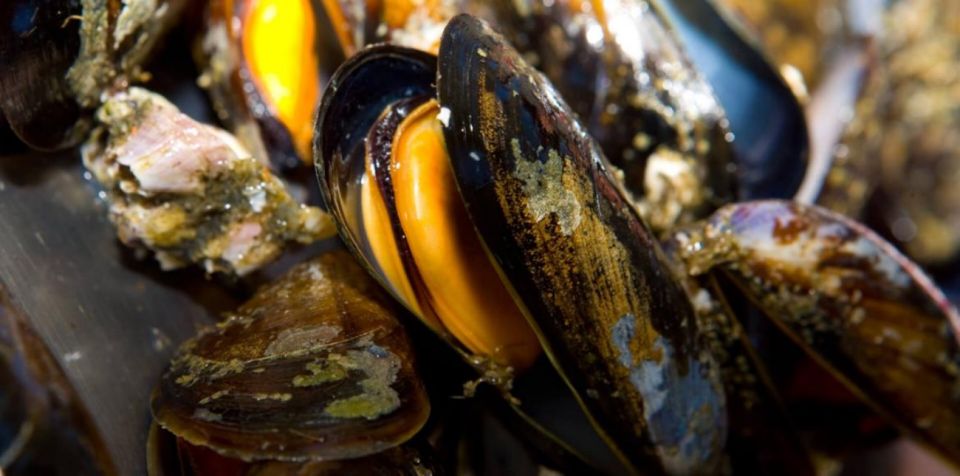
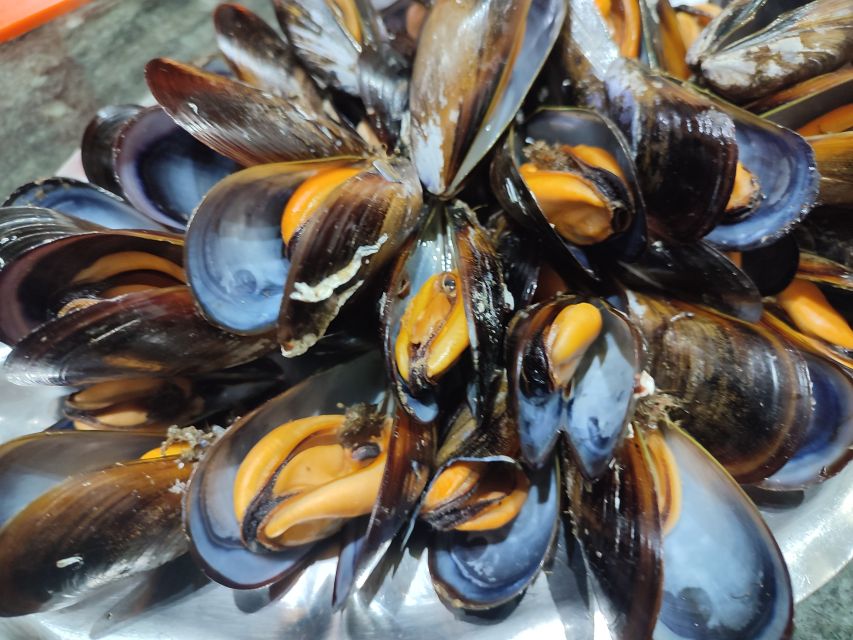
Food is where this tour earns its keep. The tasting includes steamed mussels, served with wine and also available with water or soft drink. The timing is smart: you eat after seeing the farm, so it clicks immediately.
Here’s what to expect from the meal format. You’re served an actual portion, not a tiny tasting cup. One person noted that the mussel portion was bigger than expected and was served twice, which suggests they’re not skimping on volume.
Wine pairing is part of the experience. In at least one instance, a bottle of Albariño was served along with water and soft drink. Even if you choose a non-alcohol option, the pairing idea is still there—Galician seafood and local drink is the theme.
A small reality check: it’s still a tasting, not a full seafood dinner. If you’re traveling with serious appetite expectations, you may want to plan a proper meal later in town. But for a $23 outing, the seafood + learning combo is strong value.
Underwater Vision: Seeing the Sea Bed Without Getting Wet
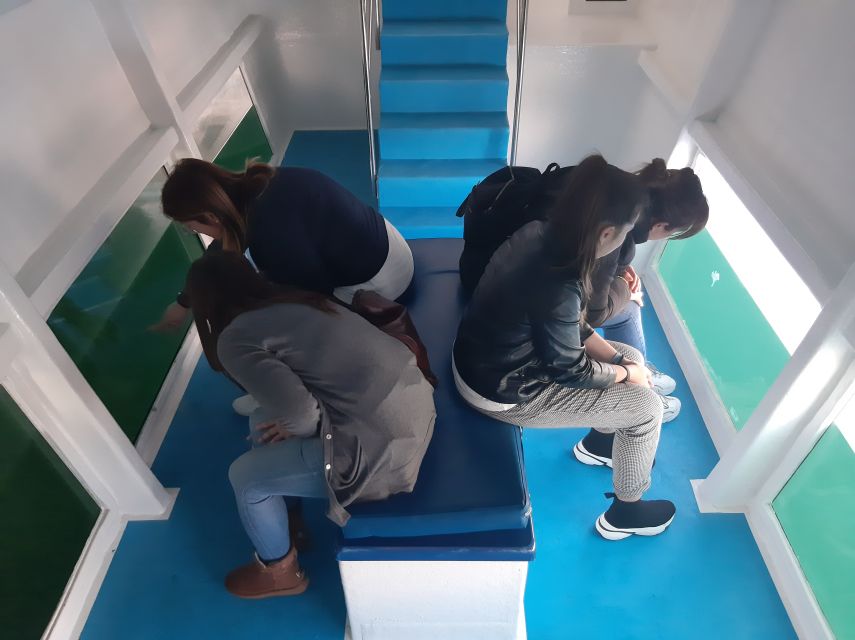
One of the more memorable features is the boat’s underwater vision system. It lets you explore what’s below the surface while you’re cruising and/or waiting during the program.
Why I’d prioritize this: it turns “I think I get it” into “I can see it.” Even if you’ve read about seabed conditions or farm placement, the visual component makes the whole operation feel tangible. It’s a neat contrast to the on-deck learning.
This is especially useful if you’re the type who learns with eyes, not just words. If Spanish narration is tough for you, the visuals keep the experience from feeling like you’re missing everything.
Pricing and Value: Is $23 a Good Deal?
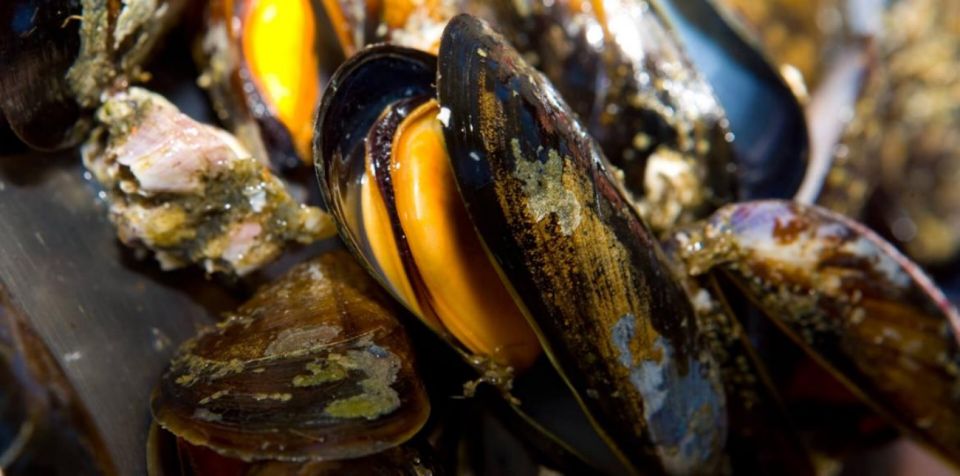
At about $23 per person for a 75-minute guided boat ride plus a shellfish tasting, this is priced as an affordable “do-it-now” activity. The value comes from three areas working together: the guided farm viewing, the included food, and the boat-based add-ons like underwater vision.
If you were paying for only the boat time and scenery, it might feel like a nice tour but not a standout. If you were paying for just the mussels, it would still be decent but less interesting. Here, you get both, and the learning makes the tasting more meaningful.
So for cost-conscious travelers, it’s a good match. You get a focused experience without spending all day traveling or hunting for a separate tour and separate meal.
Language, Seating, and the Small Logistics That Matter
This is a Spanish-led experience. A live tour guide is part of the program, and there may also be Spanish narration that functions like an audio track. Either way, you should assume English won’t be a big part of the explanations.
Two practical lessons from real-world experience with this kind of tour:
- If Spanish is limited, focus on the visuals. Underwater vision and the bateas layout do a lot of the teaching.
- If you want the best views, board earlier than the last-minute rush.
There’s also a simple “meeting point reality” to keep in mind. Some people found directions and maps not super clear, which can add stress when you’re on a timeline. The fix is easy: give yourself extra time to locate the port area before your departure.
What to bring is straightforward: bring a passport or ID card.
Weather and Plan B: What If the Sea Turns Messy?
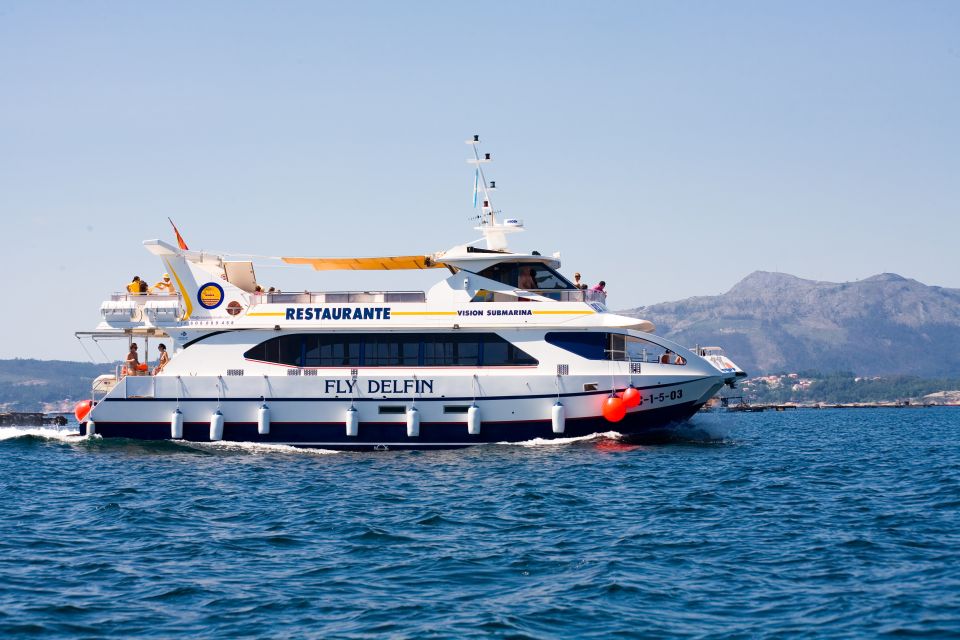
The tour can be altered, modified, or canceled due to atmospheric conditions or force majeure. That’s not unusual on the coast, but it’s worth planning around.
If you’re traveling in a season where rain or wind can pop up, keep this tour toward the middle of your day, not as your last plan. That way, if it shifts, you still have options.
The bright side: the activity is short enough that rescheduling within the same trip rhythm is usually easier than with long tours.
Who This Tour Suits Best (and Who Might Skip It)
This is ideal if you want a compact coastal experience that blends food with understanding. You’ll likely enjoy it if:
- You like learning through what you can see, not just a lecture
- You want a practical seafood experience in Galicia without a full-day time hit
- You’re comfortable with Spanish as the primary language (or you can work around it with visuals)
You might skip it if:
- You need detailed English interpretation throughout
- You’re picky about seafood and want a lot of menu variety (the included tasting is built around steamed mussels)
- You hate any chance of schedule changes due to weather and need ironclad timing
Quick Booking Advice: What to Do Before You Go
If you book this, here are the smartest prep moves:
- Arrive early to improve your odds of outside upper-deck seating
- Bring your passport or ID
- Wear layers. Boat wind can change how warm you feel
- Have a plan for a real meal after. The tasting is satisfying, but not an all-day food event
If you’re staying in or near O Grove, this is also a great “low-effort, high-reward” coastal outing.
Final call: Should you book this mussel-farm boat ride?
I’d book it if you want an efficient, genuinely local experience: cruise the Ría de Arousa, see working bateas, then eat steamed mussels with local wine in about 75 minutes. The pricing feels fair for the combination of boat time, guided learning, and actual seafood tasting.
I’d think twice if English interpretation is a dealbreaker for you or if you get stressed by weather-related changes. If Spanish is workable enough and you’re happy leaning on visuals, this one has a lot going for it.
FAQ
Where does the boat ride start?
The tour departs from the Port of O Grove.
How long is the experience?
It lasts about 75 minutes.
What does the tour cost?
The price is listed as $23 per person.
What food is included?
You’ll get a tasting of steamed mussels.
What drinks come with the tasting?
Wine is included, plus water and soft drink.
Is there a guide?
Yes, there is a live tour guide who speaks Spanish.
What language is the tour in?
Spanish.
Is the experience wheelchair accessible?
Yes, it’s listed as wheelchair accessible.
What should I bring?
Bring your passport or ID card.
Can the schedule change due to weather?
Yes. The trip may be altered, modified, or canceled due to atmospheric or force majeure causes that prevent completion.
Final call: Should you book this mussel-farm boat ride?
Book it if you want a short, well-paced Galicia experience that mixes Ría views, hands-on farm learning, and an included mussel tasting for a reasonable price. If you rely on English or hate any weather risk, choose another plan.