REVIEW · SEVILLE
Seville Aquarium Admission Ticket
Book on GetYourGuide →Operated by Acuario de Sevilla · Bookable on GetYourGuide
Sharks in Seville is a surprise worth planning. This aquarium is built around Magellan’s circumnavigation story, so your walk feels like a route through oceans rather than a random collection of tanks. I especially love the 9-meter shark tank you can see from below, and I also can’t miss the axolotl installation focused on conservation.
Plan for a mostly self-paced visit that runs about 90 minutes, so if you’re expecting an all-day mega-aquarium, this one may feel a bit tight on time.
In This Review
- Key highlights at a glance
- Seville Aquarium: A self-guided voyage, not just fish tanks
- Entering the Magellan-themed route: Five zones in order
- Guadalquivir: Seville’s only sea, right where you are
- Atlantic and Amazon: Ocean creatures plus rainforest-style twists
- Pacific and Indo-Pacific: where the main tanks do the heavy lifting
- The 9-meter shark tank: walking beneath the action
- The axolotl installation: a conservation stop with real substance
- What you’ll see: jellyfish, rays, turtles, and more
- Timing and route flow: how to plan your 90 minutes
- Getting there in Seville: bus, metro, bike, or parking
- Price and value: is $20 worth one day?
- Food and shop: keep it simple, don’t expect a full day of dining
- Who should book this aquarium ticket?
- Should you book Seville Aquarium?
- FAQ
- How long does a visit to Seville Aquarium take?
- What is the admission price?
- What is included with the ticket?
- Is a guide included with the admission ticket?
- How is the aquarium organized?
- How deep is the shark tank?
- How many tanks and species can I expect?
- What time does the ticket office close?
- Is Seville Aquarium wheelchair accessible?
Key highlights at a glance
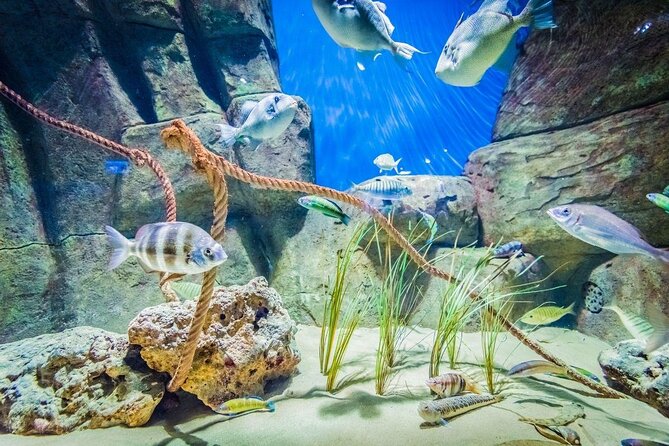
- Magellan route-inspired layout across five themed areas (Guadalquivir, Atlantic, Amazon, Pacific, Indo-Pacific)
- 40 aquariums with 400+ species and 7,000+ animals
- Underwater viewing from the seabed, including the deepest shark tank in the Iberian Peninsula at 9 meters
- Jellyfish, rays, turtles, sharks and more, spread across the big main viewing tank plus smaller exhibits
- New axolotl installation with regeneration facts and a clear conservation message
- A practical indoor break from heat or rain, with English-and-Spanish style signage
Seville Aquarium: A self-guided voyage, not just fish tanks
Seville Aquarium is designed like you’re following a journey. The idea is simple: instead of moving station to station, you move through themed zones that map to the big “first circumnavigation” story connected to Magellan and Elcano. That theme matters because it gives your brain a path to follow, even if you’re just popping in for a short escape from the city.
You’ll also see a lot of variety for one ticket. The aquarium is home to more than 7,000 animals across more than 400 species, all in a setting with 3,000+ cubic meters of water. That’s why the place works well for both quick visitors and people who slow down to read the signs.
And yes, the most famous moment is the shark viewing. But the real win is that the route keeps you moving and makes the exhibits feel connected.
A few more Seville tours and experiences worth a look


Entering the Magellan-themed route: Five zones in order
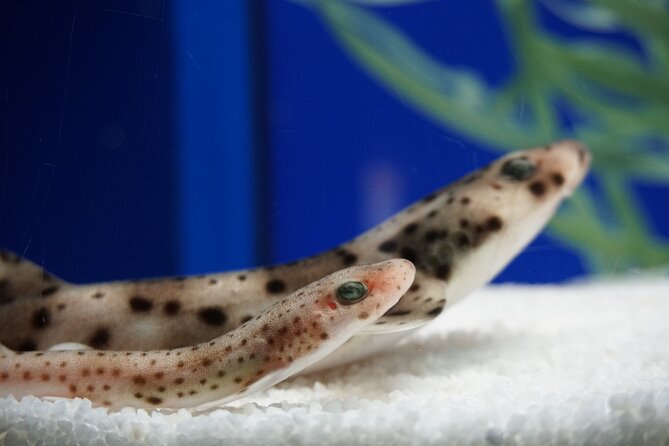
You’ll walk through five themed areas: Guadalquivir, Atlantic, Amazon, Pacific, and Indo-Pacific. Even though you’re indoors, each zone changes the feel—lighting, exhibit styling, and the kind of creatures you’re shown.
What I like is that it’s not only decoration. The route follows the same broad concept as the circumnavigation route, which turns the aquarium into a history-meets-nature experience. If you enjoy travel stories that connect places, this layout makes the aquarium more memorable.
Practical tip: go in with a small plan. I’d pick one “must-see” per zone (main tank view, jellyfish area, axolotl stop), then let the rest surprise you. Otherwise, you can end up zigzagging too much and missing the best viewing platforms.
Guadalquivir: Seville’s only sea, right where you are
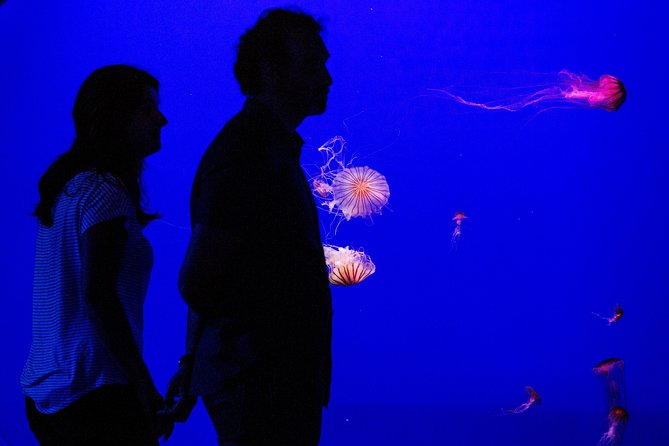
The Guadalquivir zone is the one that grounds the experience in Seville. The aquarium leans into the idea of “the only sea in Seville,” which sounds like marketing until you’re actually looking at how the exhibit is staged like a river-to-ocean story. It’s a smart way to get you into the theme immediately.
This is also a good start zone because you’re still fresh and focused. The early areas help you understand how the aquarium organizes its story, which makes the later zones easier to appreciate. If you arrive a little tired from walking around Seville, starting here helps you “get it” fast.
Atlantic and Amazon: Ocean creatures plus rainforest-style twists
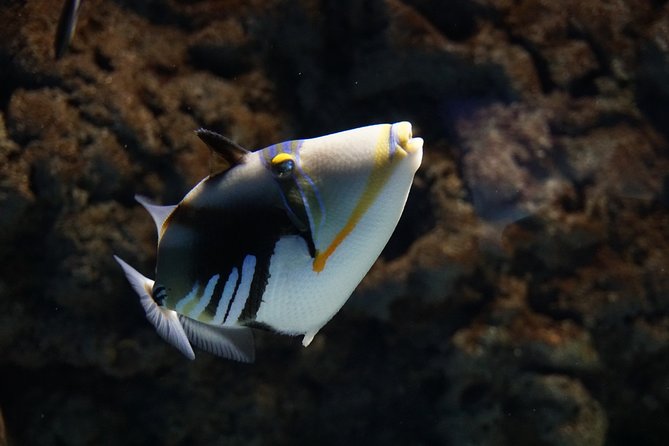
As you move from the Atlantic to the Amazon, the aquarium widens its lens. You’re still in marine-focused territory, but you’ll notice the exhibits don’t only mean fish. Expect to see creatures that feel like they belong to different ecosystems, including rainforest-themed displays.
One thing I appreciate: the place doesn’t treat the ocean story as only distant. It keeps reminding you that living creatures are part of a larger system—rivers, coasts, and warmer water zones all connect through migration, climate, and food webs.
If you’re visiting with kids, this zone is often where their attention widens. They tend to settle in when the aquarium moves beyond “small fish in a tank” and adds animals with faces and movement that feel more alive at a glance.
Pacific and Indo-Pacific: where the main tanks do the heavy lifting
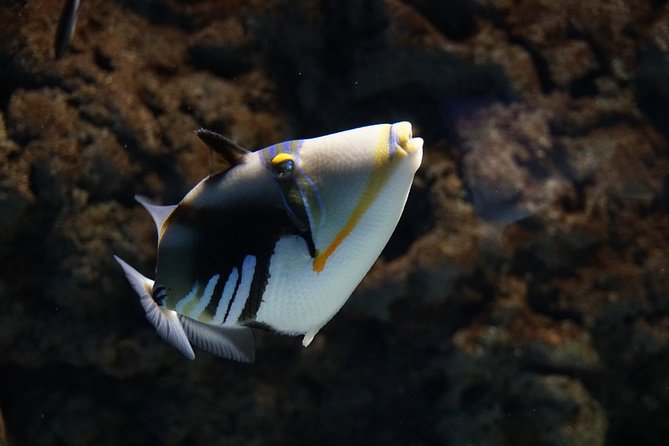
By the time you reach the Pacific and Indo-Pacific sections, the layout pushes you toward the biggest viewing experiences. This is where you start spending more time hovering in front of larger tanks and multi-level viewing windows.
A lot of the wow-factor comes from the main display setup: one huge tank with multiple viewing windows and platforms. From here you can pick up a range of animals—from smaller fish to rays and even small sharks—depending on the current display context.
The Indo-Pacific side also tends to feel like the aquarium’s “big finale” mood. If you only have energy for one slow moment, I’d save it for the largest tank view here or for the shark-tank section later when you’re ready for the most dramatic underwater perspective.
A few more Seville tours and experiences worth a look
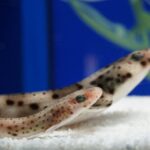
The 9-meter shark tank: walking beneath the action
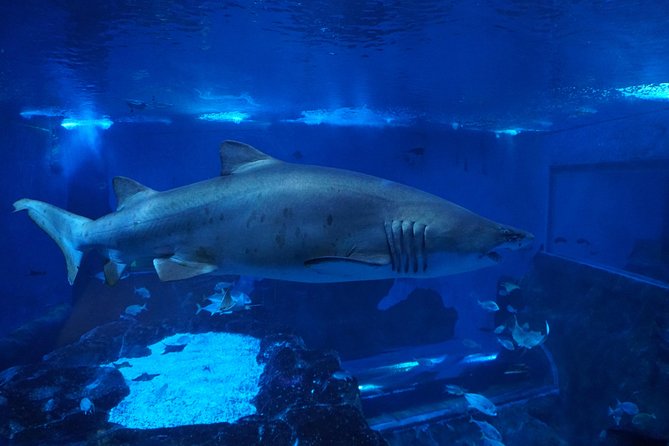
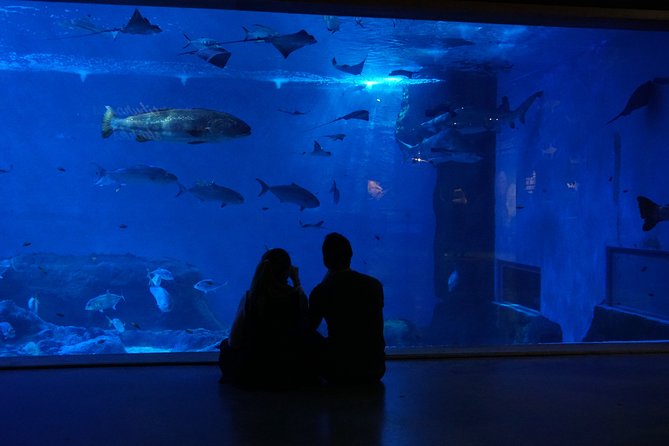
This is the signature experience. You can walk along the seabed level, passing beneath the deepest shark tank in the Iberian Peninsula, built to about 9 meters deep. Seeing sharks and other animals through a large underwater window from below is one of those moments you understand instantly—your brain expects depth, and the aquarium delivers it.
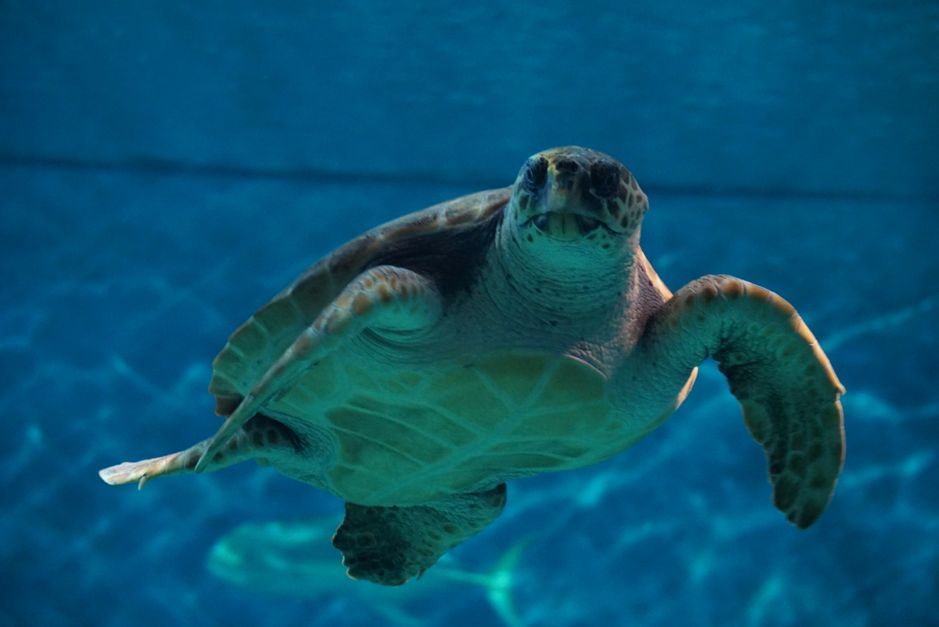
You’ll typically spot iconic species in that tank setting, including sea turtles and sharks. The angles matter: viewing from under the waterline gives you a sense of scale that side windows can’t match.
How to do it well: don’t rush this section. Let your eyes adjust to the darker water and watch for movement patterns. Sharks and rays often don’t change direction quickly, so slow watching pays off. If there’s an animal-feeding moment scheduled, keep your eyes open—but don’t plan your whole visit around it since the aquarium can modify programming via special activities.
The axolotl installation: a conservation stop with real substance
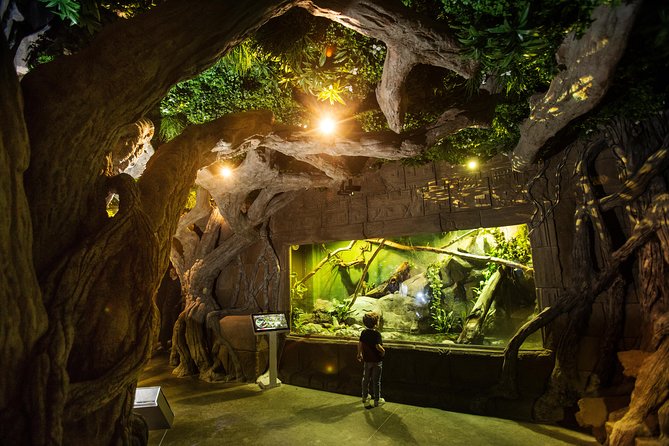
If you want more than entertainment, the axolotl installation is the place to pause. The aquarium highlights this critically endangered amphibian and explains its most famous traits—its ability to regenerate limbs and even parts of its organs and brain.
I like that the aquarium doesn’t just show an animal; it connects that animal to what conservation means in practice. You’re encouraged to think about how supporting conservation efforts helps species that face real threats.
Also, axolotls are easy to remember. They have a distinct, almost “myth creature” look, and the exhibit frames them like a guardian of the secrets of water. Even if you usually skip amphibians in zoos and aquariums, this one is worth your time because it sticks in your mind after you leave.
What you’ll see: jellyfish, rays, turtles, and more
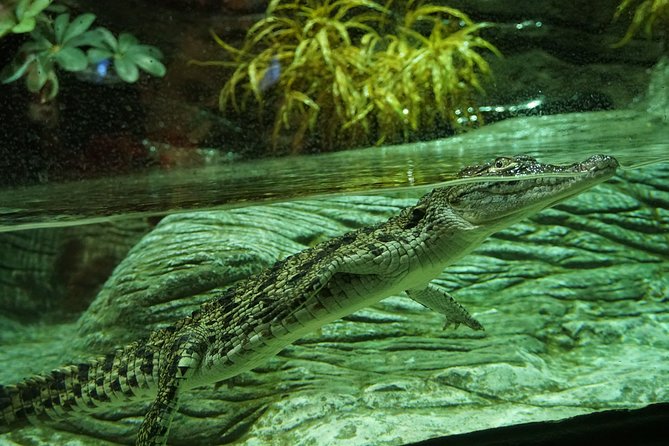
Seville Aquarium gives you more variety than you’d expect from the name alone. Along the route you’ll likely encounter animals such as jellyfish, seahorses, octopus, stingrays, and piranha-style fish displays (the aquarium’s collections span across multiple zones). You may also see other non-marine creatures like frogs and snakes depending on the exhibits running in that area.
A strong pattern in the displays is that you get both close look windows and bigger “stare-at-it” viewing spaces. The jellyfish area tends to work especially well as a mood break, giving you that slow, hypnotic motion while the rest of the aquarium keeps moving.
If you’re a photo person, you’ll want to bring a patient stance. Some tanks have lighting and reflections that make pictures tricky, but the payoff is in seeing the animals in motion rather than collecting perfect shots.
Timing and route flow: how to plan your 90 minutes
A good target is about 90 minutes for a comfortable loop. Many people can do it in about an hour, but 90 minutes lets you pause for the big tanks and gives you time to read enough to make the Magellan theme land.
Also, pay attention to the pacing. This place is built so you naturally flow from one themed area to the next. If you fight the layout, you’ll end up backtracking and walking extra.
Two timing notes that matter in real life:
- The ticket office closes 1 hour before the aquarium closes, so don’t wait until the last minute to swap or sort out anything.
- The aquarium and its special activities can affect schedules, so if you’re traveling during peak season, build in a little buffer.
Getting there in Seville: bus, metro, bike, or parking
You can reach the aquarium several ways, and it’s set up to be pretty easy.
- Bike: there’s a bike rack at the entrance, and the aquarium connects to Seville’s bike lane network.
- Bus: routes 3, 6, and 34 stop at La Palmera.
- Metro: the nearest stop is Puerta Jerez, about a 15-minute walk away.
- Car: there’s a public underground car park next to the aquarium, with access from Av. Molini.
If you’re already walking around central Seville, the metro-plus-walk option is often the cleanest. If you’re doing a “hot afternoon indoor break,” hopping by bus can be faster than weaving through streets on foot.
Price and value: is $20 worth one day?
At around $20 per person, Seville Aquarium is priced like a mid-range attraction. The value depends on what you want from the day.
Here’s the honest tradeoff: you’re paying for a compact but high-impact circuit. The highlight moments—especially the 9-meter shark tank and the axolotl installation—justify the price if you enjoy hands-on animal viewing and conservation messaging. You’re also getting a lot in one visit: 40 aquariums and 400+ species sounds big for a space that doesn’t swallow your entire day.
It may not be the best buy if you’re chasing a huge multi-hour aquarium experience with endless wing-to-wing exploring. But for many visitors, this is exactly right: a reliable indoor activity with real wow moments, and a clear reason to go beyond just looking at fish.
Food and shop: keep it simple, don’t expect a full day of dining
There’s a gift shop, and you can pick up souvenirs after your visit. The shop hours run from 10:30 until the aquarium closes.
For food, you should plan on light options: the aquarium offers coffee, soft drinks, and snacks. In at least some visits, the restaurant can be closed, and the snack setup can feel limited, so it helps to treat food as a quick pit stop rather than a full meal plan.
If you want something more substantial, I’d plan to eat in Seville after. That way you avoid the “we’re hungry and stuck with snack machines” feeling.
Who should book this aquarium ticket?
This is a great fit if you:
- Want a rainy-day or heat-break activity that stays comfortable indoors
- Like travel themes that connect animals to place and story
- Appreciate a mix of big-ticket viewing (sharks and turtles) and smaller conservation-focused exhibits (axolotls)
- Are traveling with kids who enjoy watching animals move through glass tunnels and viewing windows
It’s also a good choice if you have limited time in Seville and want one ticket that covers a lot of different scenes.
Should you book Seville Aquarium?
I’d book it if you want a focused, high-visual aquarium with a clear theme and standout moments. The 9-meter shark tank viewing is the kind of thing that makes photos less important than the actual experience, and the axolotl exhibit gives you something educational that lasts after the lights go back on.
I wouldn’t book it if you’re the type who needs an all-day attraction or you already feel underwhelmed by smaller aquariums. In that case, you might want something larger—but for most people visiting Seville for a day, this is a smart, efficient use of time.
FAQ
How long does a visit to Seville Aquarium take?
The visit takes about 90 minutes.
What is the admission price?
The ticket price is about $20 per person.
What is included with the ticket?
Admission to the Seville Aquarium is included.
Is a guide included with the admission ticket?
No guide is included.
How is the aquarium organized?
It’s divided into five themed areas: Guadalquivir, Atlantic, Amazon, Pacific, and Indo-Pacific.
How deep is the shark tank?
The deepest shark tank is about 9 meters deep, and you can walk along the seabed beneath it.
How many tanks and species can I expect?
There are 40 aquariums with more than 400 different species, and more than 7,000 animals.
What time does the ticket office close?
The ticket office closes 1 hour before the aquarium closes.
Is Seville Aquarium wheelchair accessible?
Yes, it is wheelchair accessible.