REVIEW · ROSES SPAIN
Roses: Cap de Creus & Port Lligat Boat Tour w/ Cadaqués Stop
Book on GetYourGuide →Operated by Els Blaus de Roses · Bookable on GetYourGuide
Cap de Creus looks wilder from the water. This is a 4-hour sail from Roses that mixes rugged coast with a real stop in Cadaqués, plus an audio guide to keep the sights make sense. I especially like the way the boat lets you see the headland’s rock shapes up close, and I also love having actual time on foot in Cadaqués instead of just speeding past it. One thing to plan around: weather can affect whether you get into the cave area, and 1.5 hours in town can feel short if you want to linger.
You’ll cruise along the Gironan coast of the Cap de Creus Nature Park, with stops for viewpoints, photos, and getting off the boat for a proper browse. The outing runs about 4 hours total and includes the boat, crew, and an audio guide in several languages. Since you’re on a boat and walking in town is part of the fun, it’s not suitable for people with mobility impairments.
In This Review
- Key Points at a Glance
- Roses to Cap de Creus: Why This Boat Route Works
- Getting Oriented on the Sail: Cala Jóncols, Cap Norfeu, and The Cat
- The Cap de Creus Lighthouse and Rugged Headland Views
- Coastal Caves: What You Can Expect and What Might Change
- Cadaqués on Foot: 1.5 Hours to See the Fishing Town Vibe
- Audio Guide in 8 Languages: How to Get More Than Just Sights
- Timing and Route Logic: How the 4 Hours Add Up
- Price and Value: Is $53 a Fair Deal for This Mix?
- Who Should Book This Boat Tour?
- Should You Book It? My Straight Answer
- FAQ
- How long is the boat tour?
- Where do I meet for the tour in Roses?
- Is food included on the tour?
- How long do you stop in Cadaqués?
- What languages are available for the audio guide?
- Is the tour suitable for people with mobility impairments?
Key Points at a Glance
- Cap de Creus coastal scenery from the water, including the lighthouse area
- A Cadaqués stop with 1.5 hours to walk (not just a drive-by)
- Weather-dependent cave access (Tamariu Cave, if conditions allow)
- Audio guide in 8 languages, great for turning views into understanding
- Route highlights include Cala Jóncols, Cap Norfeu, and the rock called The Cat
- $53 per person for a packed route you can’t easily stitch together as fast
Roses to Cap de Creus: Why This Boat Route Works
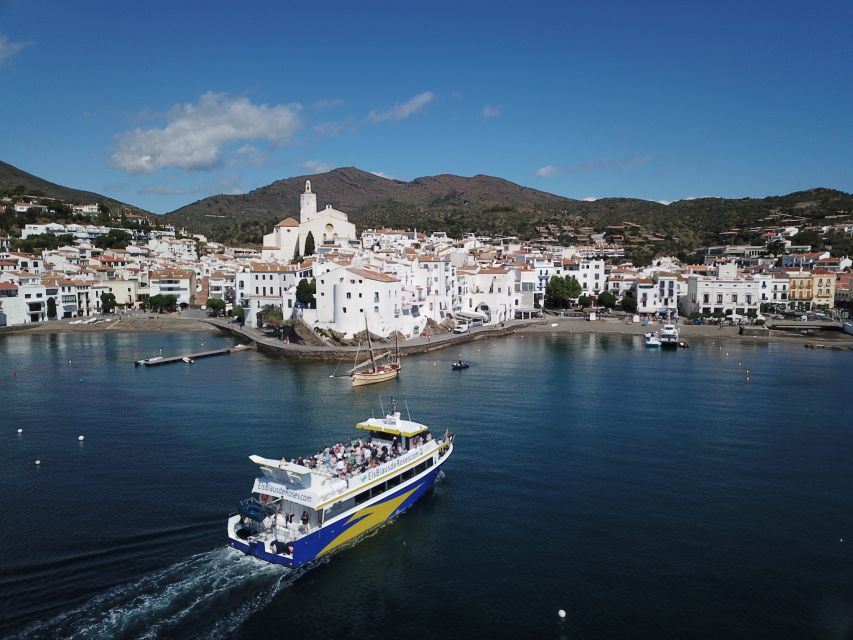
If your mental picture of Costa Brava is all about postcard towns and pretty beaches, this outing adds the other side: the raw, rocky geology of Cap de Creus. The whole trip is built around the idea that the coast looks different at sea—promontories, chasms, and coves make more sense when you’re sliding past them on water.
I like that this is a two-place combo in one ticket: the Cap de Creus Nature Park sights by boat, then a real town visit in Cadaqués. It’s a practical choice if you want dramatic coastline without spending half your day figuring out how to connect transport.
You also get an audio guide to keep things from turning into only photo stops. When the information is timed well, you end up looking at the rocks with a purpose—like noticing how the coves line up with the slate structure—rather than just aiming your phone and moving on.
You can also read our reviews of more boat tours in Roses Spain
Getting Oriented on the Sail: Cala Jóncols, Cap Norfeu, and The Cat
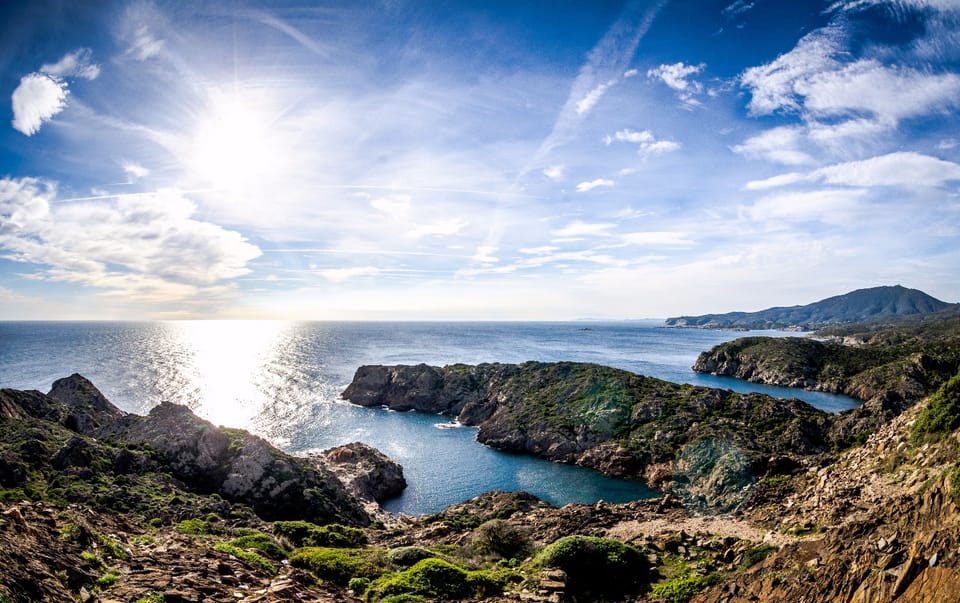
The tour starts in Roses (Girona), with two possible meeting points depending on which option you booked: Avinguda de la Bocana, 2 or Av. de Rhode, 139. From there, you head along the coast toward the Cap de Creus headland area.
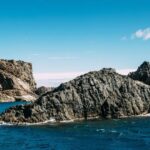
Early on, you pass the coastal areas that help set the scene: Cala Jóncols and Cap Norfeu. These are the kind of spots you’d miss if you were only doing land views from a distance. The water-level perspective makes the coastline look carved rather than simply rocky.
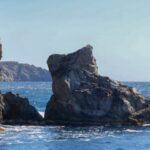
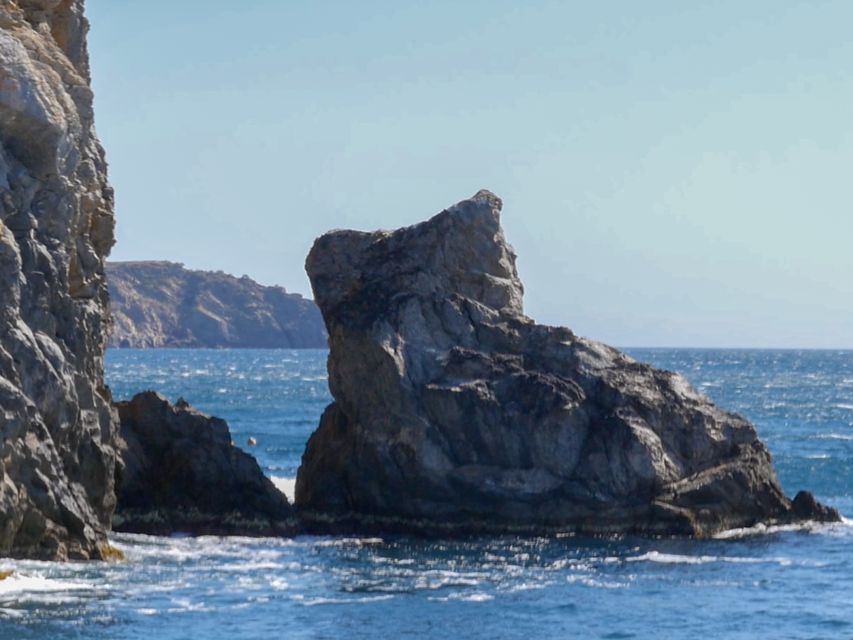
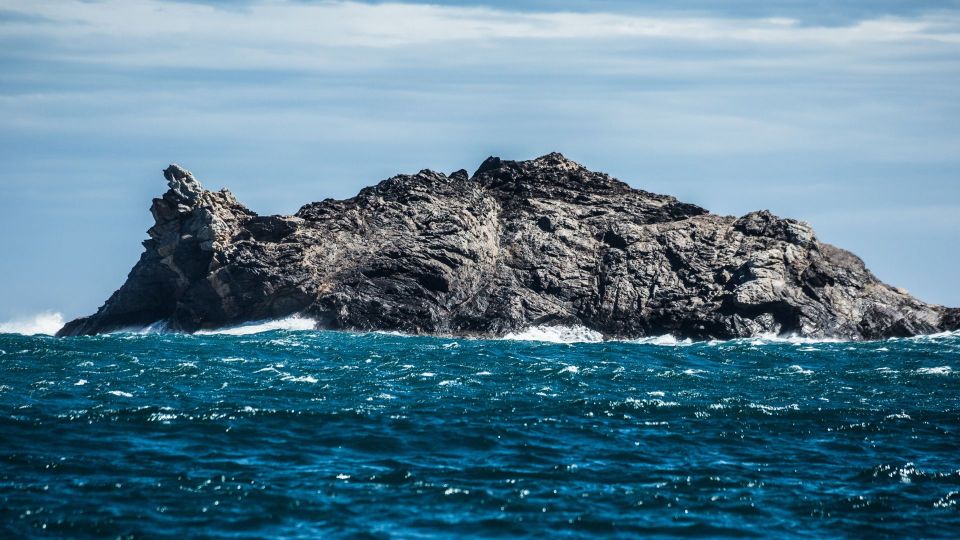
One of the fun details is the rock called The Cat. It’s the kind of landmark that becomes a natural photo target, and it also gives you something easy to remember later when you’re looking back at your pictures. If you like “named spots” that help anchor a route, you’ll appreciate how the tour points you toward specific features.
The Cap de Creus Lighthouse and Rugged Headland Views
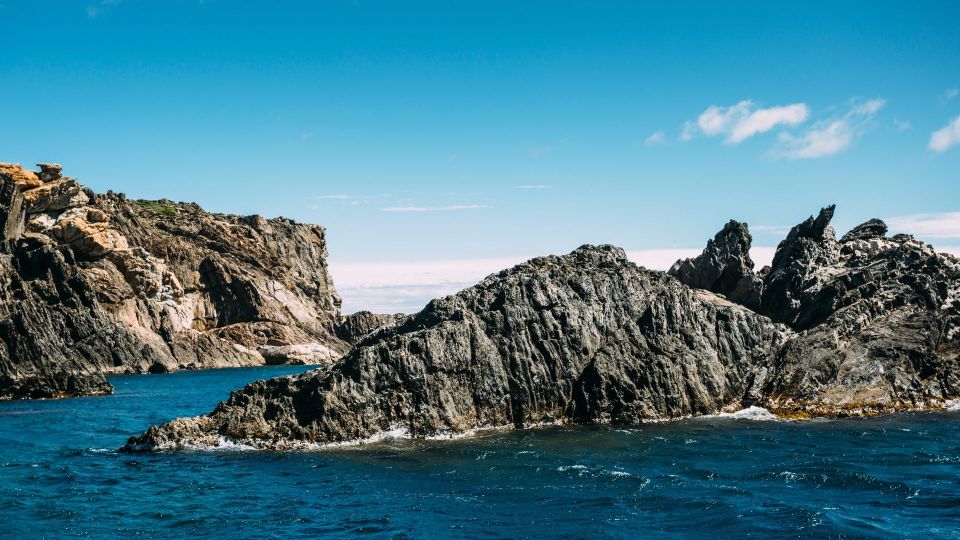
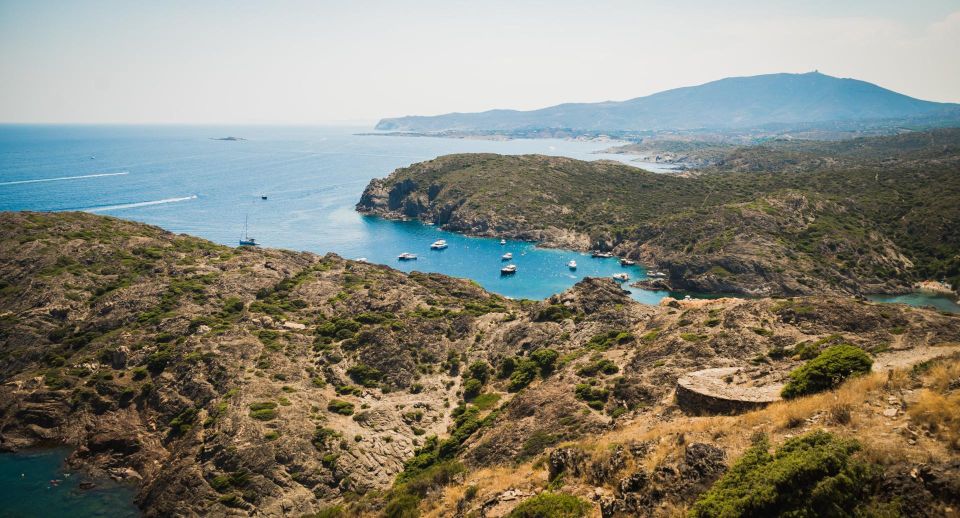
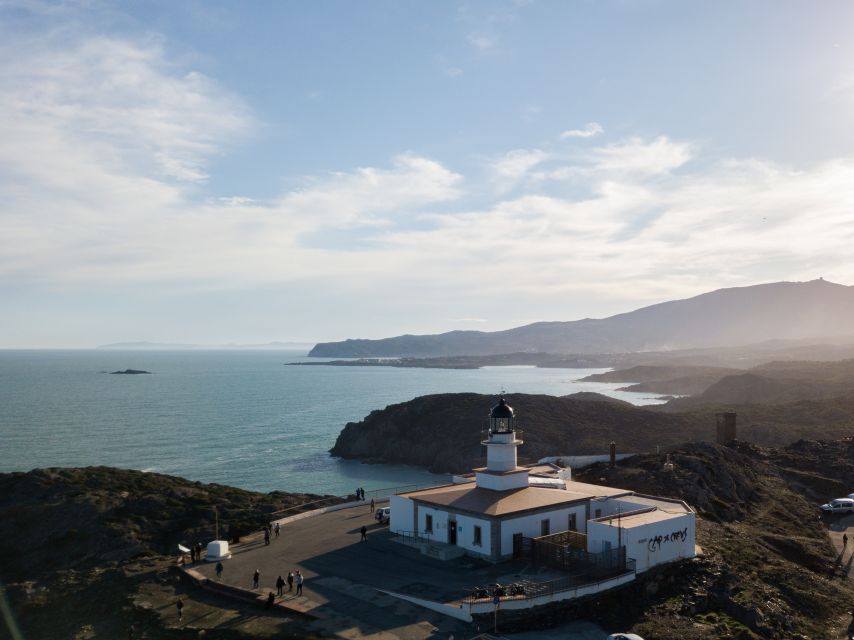
Cap de Creus is not gentle coastline. It’s a rugged headland rising to 672 meters above the Mediterranean, shaped by countless chasms and small coves that follow the coastline’s slate structure. From the boat, those details pop more clearly because you’re not just looking at the silhouette—you’re seeing how the cuts and curves relate to each other.
The tour’s timing typically brings you to the lighthouse area after cruising past the early highlights. This is a good moment to slow down with your camera (or phone) and really look. Lighthouse views tend to work best from the water because you get the full geometry: the way the headland drops toward the sea and the way coves tuck in on the far side.
Also, if you enjoy coastal geography, this is a trip where your eyes start doing “reading.” You’ll catch how the land breaks into coves and how the rock seems layered and fractured. It’s the kind of scenery that’s dramatic without requiring an explanation to be pretty—and the audio guide makes it even more satisfying.
Coastal Caves: What You Can Expect and What Might Change
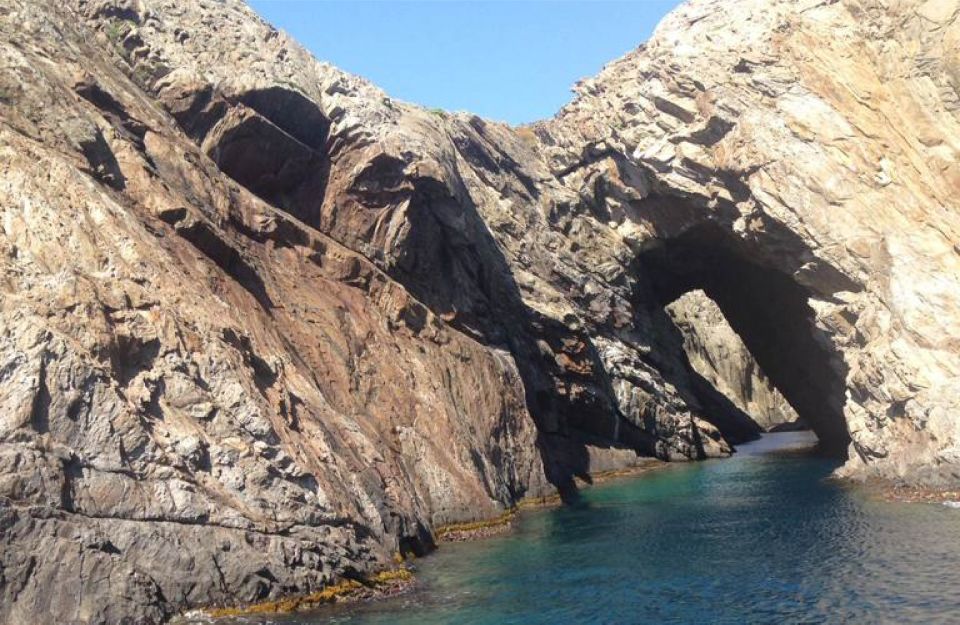
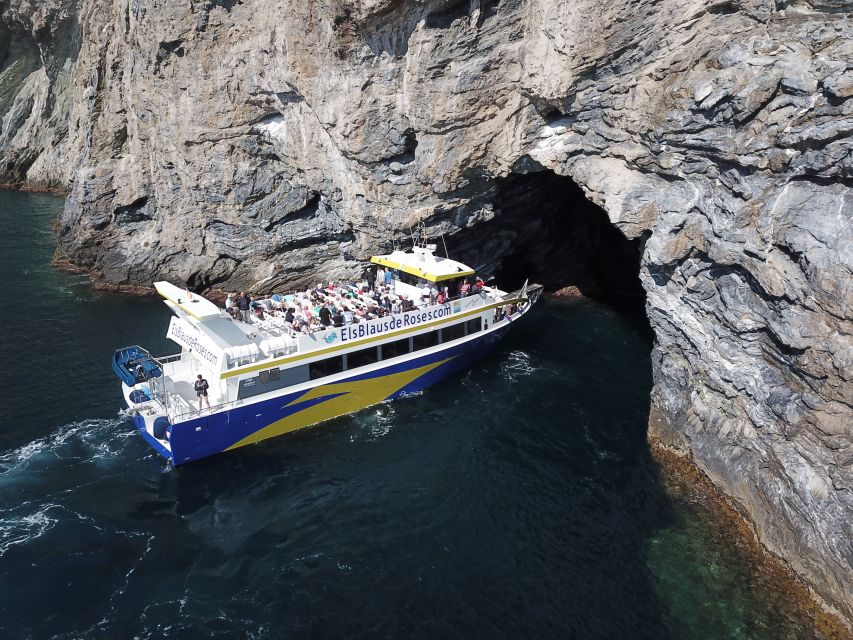
A big part of this outing is the chance to experience coastal cave scenery. The plan includes the possibility of entering Tamariu Cave if weather permits. That “if” matters. In calm conditions, you may be able to go inside the cave area and get a closer, darker, more atmospheric view than you’d get from outside.
If you don’t get into the cave section, you’ll still see plenty of rugged coast, including coves and rock formations along the way. So the tour doesn’t fully hinge on one cave moment—but it does help explain why some days feel more “adventurous” than others.
This is where I suggest thinking like a sailor, not like a tourist who expects every box to be checked. The coastline is what you’re paying for, and the cave access is the bonus. If you’re flexible and you’re comfortable with sea conditions driving the exact route details, you’ll get the most out of the experience.
Cadaqués on Foot: 1.5 Hours to See the Fishing Town Vibe
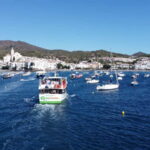
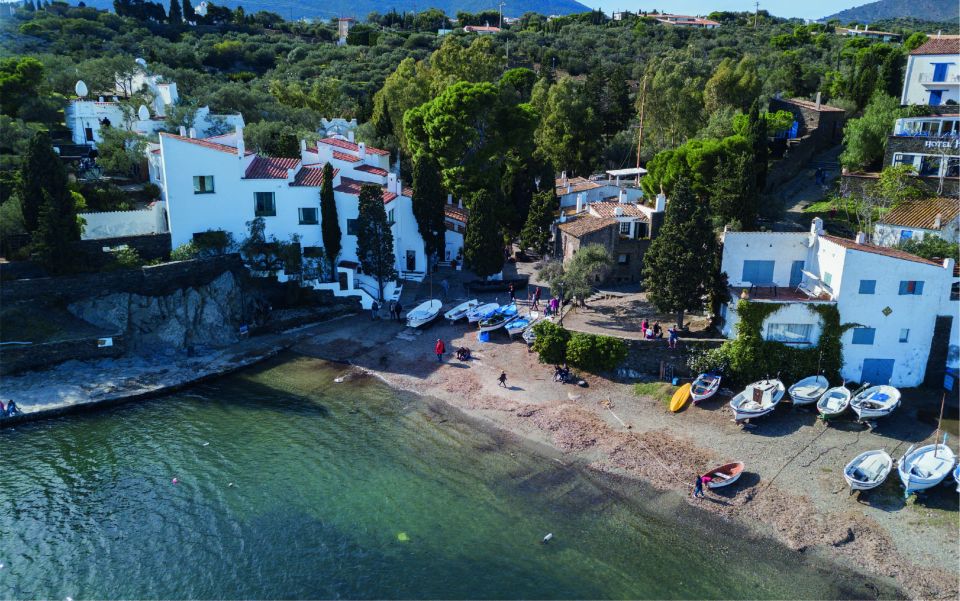
Then comes the part you’ll probably remember most for its atmosphere: Cadaqués. The boat stops for 1.5 hours, which is enough time to walk, take photos, and feel what kind of place it is—without turning the day into a full-day mission.
Cadaqués is described as a picturesque Mediterranean fishing town, and that’s exactly the vibe you should hunt for while you’re ashore. Think small streets, sea-facing views, and the general rhythm of a working coastal town rather than a resort only built for visitors.
Here’s my practical advice for making 1.5 hours work: once you get off the boat, pick a direction and commit. Don’t try to “cover everything.” Instead, aim for the most obvious town views first (the parts that look directly toward the sea), then circle back for a couple of slower stops—like an easy viewpoint or a quick coffee if you’re trying to unwind.
Also, plan your photos early. The stop includes photo moments as part of the overall rhythm of the outing, and the town time can go faster than you expect. If you’re the type who likes to sit and people-watch, you might want to keep your snack plans simple so you’re not spending your only time watching your watch.
The upside? You’re not just riding by. You get to walk around a typical Mediterranean fishing village, which changes the feel of the trip from scenic cruise to actual place experience.

Audio Guide in 8 Languages: How to Get More Than Just Sights
The tour includes an audio guide, with languages listed as Spanish, French, English, German, Catalan, Russian, Dutch, and Italian. That’s a strong range, and it matters because it lets you follow what you’re seeing without needing internet or guesswork.
One tip: listen when the audio starts giving explanations. There’s a note that the explanations may be delivered early rather than continuously throughout the crossing. So don’t treat it like background noise. When the boat is moving smoothly and the coast is opening up, that’s when the information is most useful.
If you like learning in motion, you can use the guide to “name” what you’re seeing: lighthouse, cave areas, specific coves, and landmark rock formations like The Cat. That turns the outing into something you can talk about afterward—not just a bundle of photos.
Timing and Route Logic: How the 4 Hours Add Up
At 4 hours total, this is a tight itinerary, which is part of the appeal. You’re in and out, and you’re getting multiple zones of the coast rather than sitting in one area all day.
You’ll go from Roses to the Cap de Creus side along the coast, with sights spaced through the sail. After reaching the Cadaqués stop, you have about 1.5 hours free time to explore. Then you head back to your drop-off location.
The key reason this timing works is that boat travel covers distance while you’re getting views. If you tried to do Cap de Creus and Cadaqués with only buses or private drives, you’d likely lose time and spend more effort than you gain.
The tradeoff is also clear: you can’t do Cadaqués like locals do it with a whole afternoon of wandering. You’re there to taste it, not to master it. If you want slow travel, you may want to pair this with an extra night in the area.
Price and Value: Is $53 a Fair Deal for This Mix?
At $53 per person, you’re paying for a lot of moving parts: boat time along a protected coast, a stop in Cadaqués with actual walking time, crew attention, and an audio guide included.
Is it cheap? No. But the value is in the combination. You’re getting dramatic coastline views plus a town stop in one organized block. If you tried to recreate this on your own, you’d be paying in time—fuel, transport stress, scheduling—or both.
There’s also one consideration: at least some people feel the price could be lower. I get that reaction, especially when you’re only in Cadaqués for 1.5 hours. My take is this: if you’re aiming for the boat experience as the main event and you’re comfortable treating Cadaqués as a short taste, the price makes sense. If you want a long town day with minimal cruising, you’ll probably feel the limits of the 4-hour format.
Who Should Book This Boat Tour?
This outing fits best if you:
- Want coastline views that are hard to replicate from shore
- Like photo-focused stops, plus one meaningful walk stop in a real town
- Prefer a structured route that gives you named features to look for
- Don’t want to spend your day juggling separate transport pieces
It’s less ideal if you:
- Need mobility-friendly access (the tour states it’s not suitable for people with mobility impairments)
- Are determined to do a long, slow exploration of Cadaqués (1.5 hours is the allotted town time)
- Plan for cave entry as a must-have (Tamariu Cave is weather dependent)
Should You Book It? My Straight Answer
Yes, I’d book this tour if your goal is a quick, scenic package: Roses to Cap de Creus by boat, then a genuine walk in Cadaqués. The mix is what makes it work—coastline drama from the water plus enough town time to feel like you actually arrived somewhere, not just looked from a distance.
I’d hesitate only if you’re especially sensitive to weather changes or if you expect a long Cadaqués day. In that case, consider adding extra time on land before or after this outing.
FAQ
How long is the boat tour?
The duration is about 4 hours.
Where do I meet for the tour in Roses?
There are two possible starting locations depending on what you book: Avinguda de la Bocana, 2 and Av. de Rhode, 139. Drop-off uses those same locations.
Is food included on the tour?
No. Food and drinks are not included.
How long do you stop in Cadaqués?
The boat stop in Cadaqués is about 1.5 hours.
What languages are available for the audio guide?
The audio guide is available in Spanish, French, English, German, Catalan, Russian, Dutch, and Italian.
Is the tour suitable for people with mobility impairments?
No. The tour is not suitable for people with mobility impairments.