REVIEW · SAN LORENZO DE EL ESCORIAL
Royal Site of San Lorenzo de El Escorial Entrance Ticket
Book on GetYourGuide →Operated by Distributor: GetYourGuide Tours & Tickets GmbH · Bookable on GetYourGuide
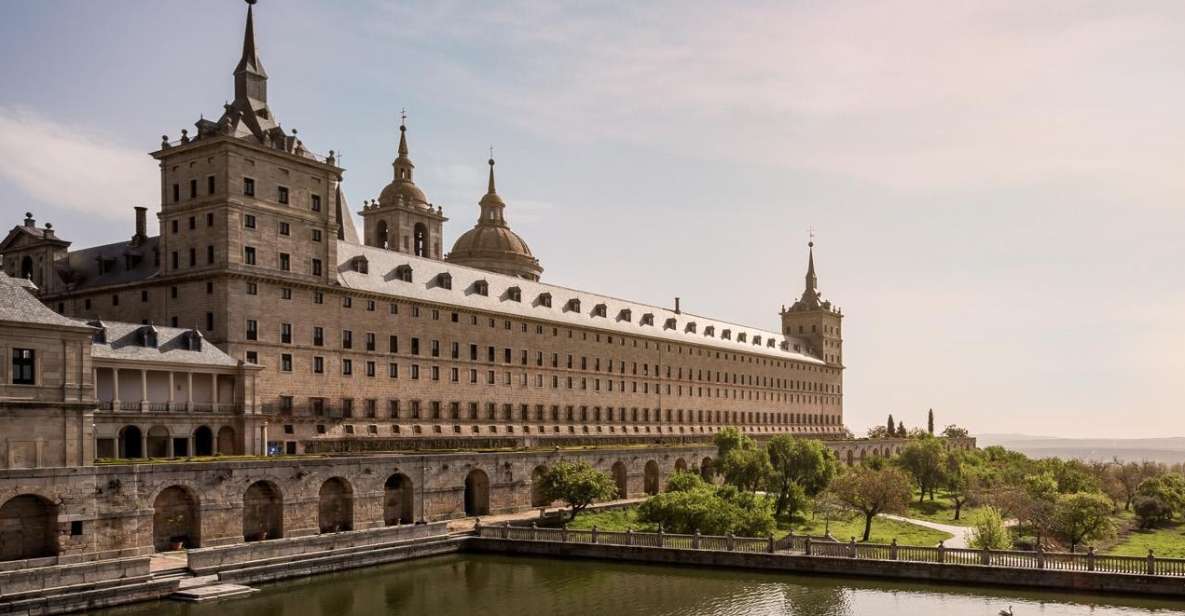
A monastery that looks like a fortress is surreal. Inside San Lorenzo de El Escorial, you get Philip II’s Spanish Golden Age made physical, with standout art and architecture tied to the era—plus the work associated with architect Juan de Villanueva.
I also love the contrast: the inside feels alive with frescoes and royal-style decoration, while the exterior can read almost severe. One caution: this is an admission-only entry ticket, so you’ll need to be comfortable exploring on your own (and a few people reported confusion about entry instructions).
In This Review
- Key things that make this ticket worth your time
- Royal Site Basics: Why San Lorenzo de El Escorial still feels powerful
- Getting There from Madrid: Train first, then the uphill walk
- Ticket Value and What’s Actually Included (and not)
- Entering the Monastery Complex: St. Jerome roots and Charles V’s orbit
- The Renaissance spaces you shouldn’t rush: library, palace, and the Basilica built in 1574
- Gardens, chapels, and courtyards: where the Golden Age changes pace
- The outside vs inside contrast: that fortress look is part of the charm
- The royal crypt: when the story turns personal
- How to plan your self-guided walk so you don’t miss the best parts
- Who should book this entrance ticket (and who shouldn’t)
- Should you book this Royal Site of San Lorenzo de El Escorial entrance ticket?
- FAQ
- How long is the Royal Site of San Lorenzo de El Escorial entrance ticket?
- What’s included with this activity?
- Is a guide included?
- Does the ticket help you skip the line?
- How much does it cost?
- When do I get ticket confirmation after purchase?
- Is this activity refundable if I cancel?
- Is the Royal Site ticket suitable for people with mobility impairments?
- Where is this experience located?
Key things that make this ticket worth your time
- Express security check helps you get moving faster than a standard queue
- Renaissance buildings you can actually walk through in a layout that still feels intact
- Frescoes, chapels, and palace spaces that connect art to Spanish royal power
- Gardens kept up well, with views that can be dramatic on clear days
- Royal burial space (crypt) that adds a personal, human scale
Royal Site Basics: Why San Lorenzo de El Escorial still feels powerful
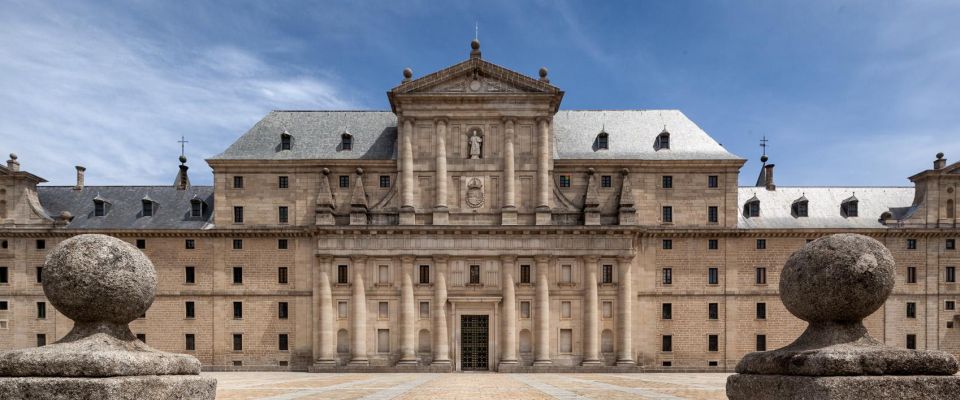
The Royal Site of San Lorenzo de El Escorial isn’t just a pretty stop. It’s a huge statement by the Spanish crown—part monastery, part royal residence, part cultural project—built during the reign of Philip II. Walking through it, you can feel the ambition behind Spain’s Golden Age, and you can also spot how Italian and Flemish artistic forms were part of the mix.
What makes it interesting for your visit is that this place works like a time capsule. The layout is largely unaltered, so you’re not only looking at monuments—you’re moving through a system of spaces that were designed for specific roles. That’s why so many people end up taking longer than planned.
And yes, Juan de Villanueva is a name worth keeping in mind here. Even if you’re not studying art history, his association with the site’s creative tradition is one more thread tying the monastery to Spain’s longer architectural story.
You can also read our reviews of more tours and experiences in San Lorenzo De El Escorial.

Getting There from Madrid: Train first, then the uphill walk
The practical part is pretty good. You can get from Madrid to El Escorial by train in under an hour, which keeps the day from turning into a travel slog.
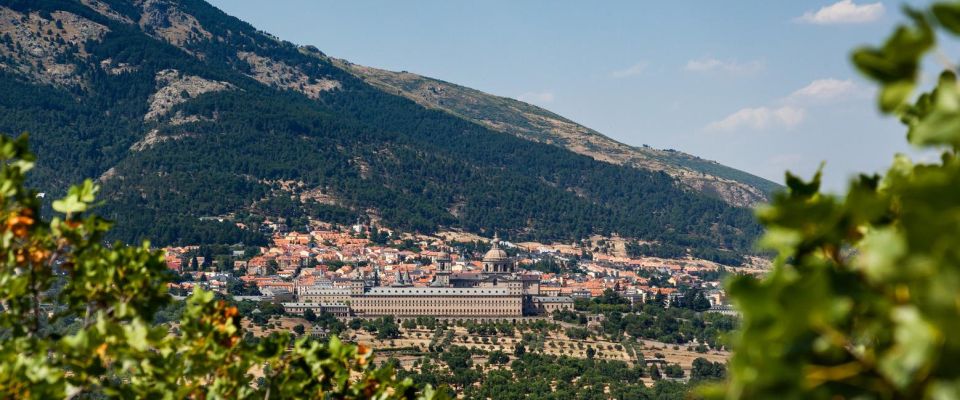
Then comes the 25–30 minute walk uphill from the train station to the monastery. It’s described as pleasant, but that uphill matters—especially in winter fog or cold weather. If you’re visiting on a gray day, dress for it, and plan to take your time on the climb so you arrive with energy left for the interior.
A tip that comes straight from experience-based advice: start early. Even with the express security check, arriving before peak crowds makes the whole flow less stressful.
Ticket Value and What’s Actually Included (and not)
This ticket is straightforward: you’re paying for admission. There’s no guide included, and that shapes what you should expect.
The good news is the ticket includes skip-the-line access via an express security check. That can save real time, especially when you’re dealing with a large complex where everyone wants to enter at once.
The tradeoff is that you won’t get an on-the-spot person narrating the meaning of what you’re seeing. If you want the full story—why specific spaces were built, what certain artworks signify, and how the politics of Philip II show up in stone—plan on reading signage carefully or consider pairing the entry ticket with a guided option.
A few people reported ending up queuing or dealing with entry confusion because the meeting instructions weren’t clear. The safest move is simple: keep your confirmation details handy and arrive early enough that you don’t feel rushed if you have to figure things out at the entrance area.
Entering the Monastery Complex: St. Jerome roots and Charles V’s orbit
Once inside the Royal Site, the place reveals itself as a multi-purpose complex. It began as a monastery for monks of the Order of St. Jerome, and that religious purpose is part of the architecture and the way spaces relate to each other.
You’ll also see the royal layer. The building has connections to Emperor Charles V and his wife, who once lived there. Even if you don’t know the details before you go, this is one of those sites where knowing that royals were present helps you read the spaces differently. You start to notice where grandeur is placed and where function dominates.
What I like most about walking here without rushing is that the layout helps you understand the concept of the site. You’re not jumping between random attractions—you’re moving from one role to another: religious, residential, cultural, and ceremonial.
The Renaissance spaces you shouldn’t rush: library, palace, and the Basilica built in 1574
A highlight is the sequence of key areas you can explore inside. You’ll move through spaces that include the library, palace areas, and the Basilica. The Basilica was erected in 1574, and it’s one of the anchor points of the whole visit.
Take your time with the Basilica because it’s where you’ll feel the scale of the years-long effort that went into the artwork. Even if you aren’t an art specialist, standing in the right space helps you understand that this wasn’t a quick decorative project—it was a long-term cultural goal.
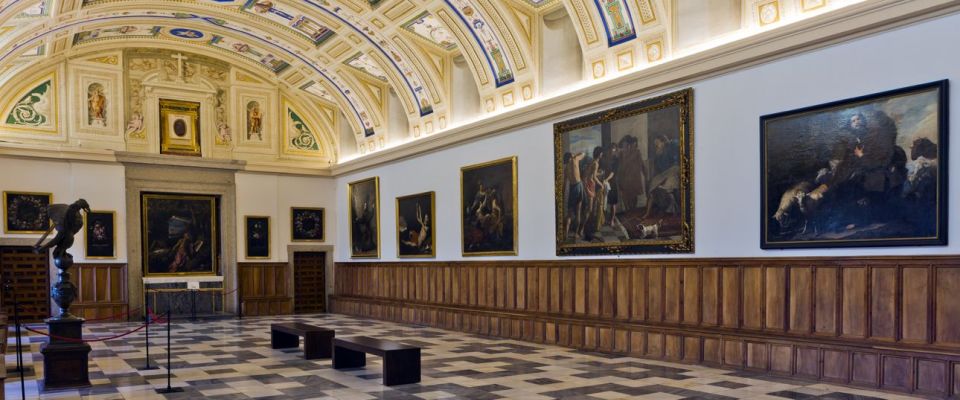
Also keep an eye on the décor and frescos. The overall feeling visitors describe is that the interior is richly decorated with royal-style visuals, and that interior experience is where the monastery transforms for many people. From the outside, some people expect something plain or stern; inside, it’s far more colorful.
One practical note: because this is a complex, you’ll do better with patience than with speed. If you try to check everything off like a museum quiz, you’ll miss the way spaces “talk” to each other.
Gardens, chapels, and courtyards: where the Golden Age changes pace
The visit isn’t only about indoor rooms. The gardens and outdoor sections matter because they change your rhythm.
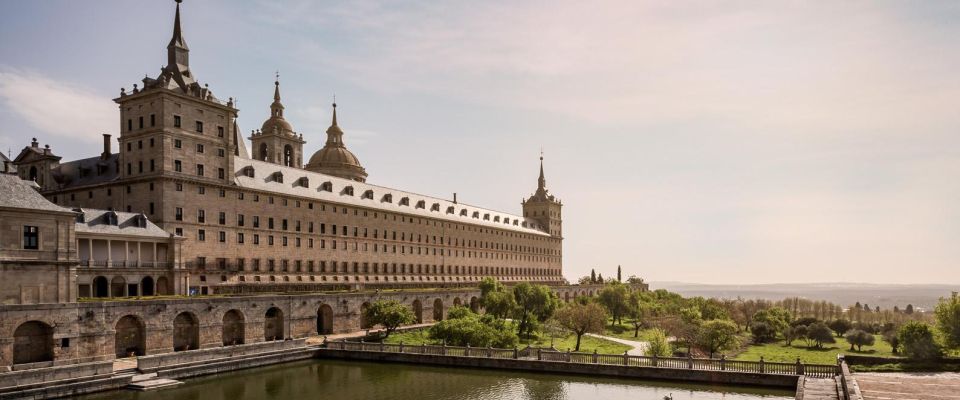
The site has gardens and town-square-like open areas that connect the religious and royal design to everyday movement. They’re described as beautifully presented and well maintained, which is a big part of why the outdoor stops don’t feel like an afterthought.
This is also where the scenery starts to creep in. On a clear day, you can get epic views over the surrounding region, including sightlines connected to the Sierra de Guadarrama mountain range. Even if the weather isn’t perfect, you’ll still get that sense of being placed against a wider geographic story.
And don’t ignore the reference point to the Valley of the Fallen’s basilica. The experience includes seeing it as part of the surrounding views from the area, which adds an extra layer to your understanding of Spain’s monumental landscape across centuries—religious, royal, and then later political memory.
The outside vs inside contrast: that fortress look is part of the charm
If you’ve only seen photos, you might expect the exterior to look more ceremonial. Some visitors describe the outside as almost prison-like in its severity.
The best part is that the inside flips the mood. Frescoes and royal decoration create a strong emotional contrast, and that juxtaposition becomes part of the charm. You walk in thinking one thing, then reality changes when you reach the richly decorated interiors.
One reason this matters for your planning is psychological. If you arrive prepared for a stern exterior and set your expectations toward an art-filled interior, the whole experience lands better. You stop expecting the building to “look friendly,” and you start appreciating it as an expression of authority and devotion.
The royal crypt: when the story turns personal
Among the standout interior experiences is the crypt, described as housing royals who once lived there. That detail changes the site from something remote into something human.
When you see burial spaces connected to the crown, you understand that this was never just an architectural project. It was tied to actual lives, families, power, and legacy.
Even if you’re not into tombs, the crypt is worth slow attention because it often becomes the emotional anchor of the visit. It’s the kind of stop where you naturally lower your pace and let the setting do the talking.
How to plan your self-guided walk so you don’t miss the best parts
Since no guide is included, the key is choosing a route and using your time smartly. The monastery is big enough that you can spend hours and still feel like you left something important behind.
Here’s a simple approach that works well:
- Start with the Basilica area first, so the main structure is fresh in your mind.
- Then work outward to the library and palace-related spaces, focusing on decoration and the sense of how these areas were meant to function.
- Save the gardens and viewpoints for later in the day, when you can better judge weather and light.
If you want more historical context, don’t force yourself to learn everything inside. Instead, treat it like a conversation: look at the spaces, note what feels important, then spend your downtime reading whatever signage you can find. That’s often more satisfying than trying to “power through” every fact.
And if you’re the kind of traveler who loves explanations, you may be happier with a guided option that adds context to Philip II’s ambitions and the blend of artistic influences. The self-guided format still delivers the core experience, but a guide can sharpen what your eyes already catch.
Who should book this entrance ticket (and who shouldn’t)
This is a strong fit if you want a big, walkable monument and you’re okay exploring at your own pace. It suits people who like Renaissance architecture, art-filled interiors, and sites connected to royal power.
It’s also ideal if you value time savings. The express security check can make a big difference, especially on a busy day.
On the other hand, it’s not suitable for people with mobility impairments. Given the nature of a large complex and the uphill approach from the train station, you should treat accessibility as a deciding factor.
If you’re visiting with limited time, you’ll still enjoy it, but you’ll want to be selective. Aim to see the Basilica area, the most decorated interiors, and at least one outdoor section with views.
Should you book this Royal Site of San Lorenzo de El Escorial entrance ticket?
I’d book it if your goal is to experience the monastery’s interior—frescoes, royal decoration, and the full Renaissance-feeling layout—without waiting around. The combination of admission access plus express security check is a good value for a one-day outing, especially since Madrid to El Escorial is under an hour by train.
I wouldn’t book it as your only “learn-everything” plan. There’s no guide included, so if you need a detailed narration to connect Philip II, St. Jerome roots, Charles V connections, and Juan de Villanueva’s artistic links, consider adding a guided experience or doing extra prep before you arrive.
FAQ
How long is the Royal Site of San Lorenzo de El Escorial entrance ticket?
The duration is listed as 1 day. You’ll want to check availability to see starting times.
What’s included with this activity?
It includes an admission ticket.
Is a guide included?
No. A guide is not included with this ticket.
Does the ticket help you skip the line?
Yes. It includes skip-the-line access through an express security check.
How much does it cost?
The price is listed as $21 per person.
When do I get ticket confirmation after purchase?
You receive a booking confirmation from the activity provider within 48 hours.
Is this activity refundable if I cancel?
No. The cancellation policy states the activity is non-refundable.
Is the Royal Site ticket suitable for people with mobility impairments?
No. It is listed as not suitable for people with mobility impairments.
Where is this experience located?
It’s in the Community of Madrid, Spain.