REVIEW · MALLORCA
Small-Group Cova de Coloms Sea Caving Tour in Mallorca
Book on Viator →Operated by Experience Mallorca S.L · Bookable on Viator
That’s not a typical beach day.
I like this tour because it mixes open-water swimming with guided cave exploration, all run in a small group. Seeing it through guides like Patrick and Jose (from the field) also comes with a clear focus on staying safe.
What I really like is the way you get to experience Cova de Coloms up close: swim to the cave mouth, then move through chambers with headlamps, rock passages, and underground water features. One drawback to plan for: this trip is physical, and your comfort depends on swimming confidence and sea conditions, not just your love of caves.
In This Review
- Key Things to Know Before You Go
- Mallorca Sea Caving: What You’re Signing Up For in 4.5 Hours
- Pickup, Meeting Point, and Getting There Without Stress
- The Swim Start: Wetsuit On, Ocean First
- A practical note on sea life
- Inside Cova de Coloms: What You’ll See Underground
- The Hike to the Beach (and Why Shoes Matter)
- Back to Dry Land: The Return and Post-Cave Recovery
- Guides, Safety, and Why This Tour Feels “Well Run”
- Price and Value: Is $96.79 Worth It?
- Who This Tour Suits Best (and Who Should Skip It)
- Should You Book Cova de Coloms Sea Caving?
- FAQ
- How long is the Small-Group Cova de Coloms sea caving tour?
- Is pickup included?
- What’s the group size?
- What’s included in the tour price?
- What should I bring?
- What’s the minimum age?
- Is the tour in English?
- What happens if sea conditions are dangerous?
- Is free cancellation available?
Key Things to Know Before You Go
- Small group size (max 16) helps you move with less crowd pressure in tight cave sections.
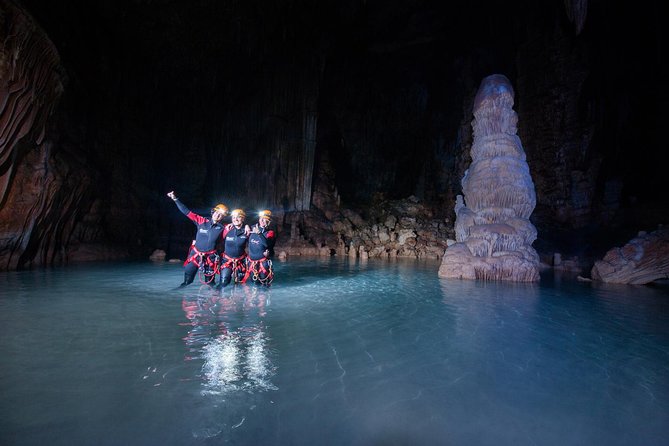
- Wetsuits, life jackets, helmets with light, and swim shoes are part of the safety setup.
- You start with the water: to reach the caves, you swim from the shoreline into the entrance area.
- A real workout is built in: walking/hiking out to the beach area plus crawl-and-climb moments underground.
- Sea conditions can change the plan: if conditions are dangerous, the team may switch to an alternative cave.
- Bring a serious lunch-and-water plan: food and drinks aren’t included, and you need at least 2 liters of water.
Mallorca Sea Caving: What You’re Signing Up For in 4.5 Hours
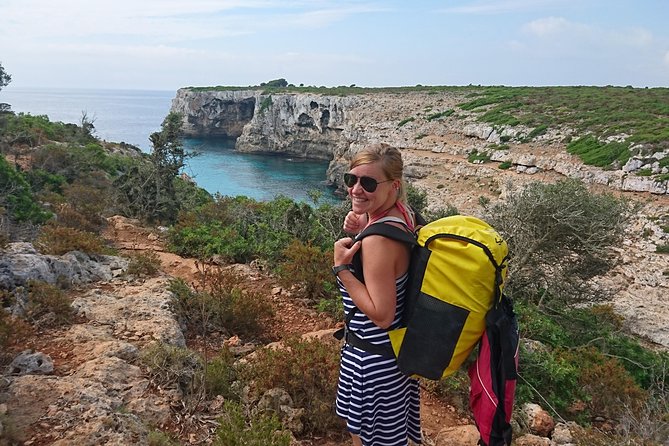
This is a half-day style adventure built around one big idea: you don’t just look at the caves from above. You reach Cova de Coloms the way real sea caves work—by going from the Mediterranean into the cave entrance, then navigating the rock world inside.
The schedule is roughly 4 hours 30 minutes on the activity window, but the operator also describes it as a 6-hour guided sea caving experience, so think of it as a longer, outdoorsy flow rather than a quick “tour-and-photos” stop. You’ll start at 10:00 am, with an air-conditioned minivan pickup offered, and you’ll finish back at the meeting point.
The tour is sized for teamwork. Maximum group size is 16, which matters because sea caving isn’t like museum touring; you’re sharing narrow areas, shared timing windows, and changing-room reality.
You can also read our reviews of more tours and experiences in Mallorca.


Pickup, Meeting Point, and Getting There Without Stress
The main meeting point is Passeig Estany d’en Mas, 44b, 07680 Cala Anguila-Cala Mendia, Illes Balears, Spain. If you’re on a Palma cruise day, plan carefully: the notes say you should make sure the ship’s earliest return time back is 17:45, since the pickup and timing need to work with port schedules.
Pickup is offered, and they mention other Palma pickups as well. One key limitation: they do not collect from Fincas and do not collect from the Tramuntana range. If you’re staying outside Palma and aren’t sure, it’s worth asking before booking so you don’t end up scrambling on tour day.
The trip starts with a ride along the coastline, then you’ll meet your guide, get sorted, and head to the shore area where the wetsuit and water part begins.
The Swim Start: Wetsuit On, Ocean First
Your day kicks off with the coastal approach, then the working moment: getting into your wetsuit and moving to the water’s edge. You’ll wade along the seashore toward the cave area, and at the entrance you need to start swimming to access the prehistoric parts of the network.
This isn’t a “float in shallow water” setup. In the wild sea environment, you’re dealing with waves and current. Even with safety gear, the experience relies on you being able to swim confidently for the swim segments.
What you get makes a difference:
- Wetsuit (you’ll usually be carrying parts of your kit until you reach the water)
- Life jacket
- Helmet with light
- Swim shoes (and safety equipment)
If you’re wondering about comfort: plan on the wetsuit being snug, warm in the wrong moments and cool in the right ones. And yes, you may get sweaty while suiting up before the water.
A practical note on sea life
One review experience mentioned jellyfish in the water and at the cave entrance. You can’t control nature, but you can control preparedness. If you’re sensitive, keep your expectations realistic and follow the guide’s instructions closely about where you swim and when you move.
Inside Cova de Coloms: What You’ll See Underground
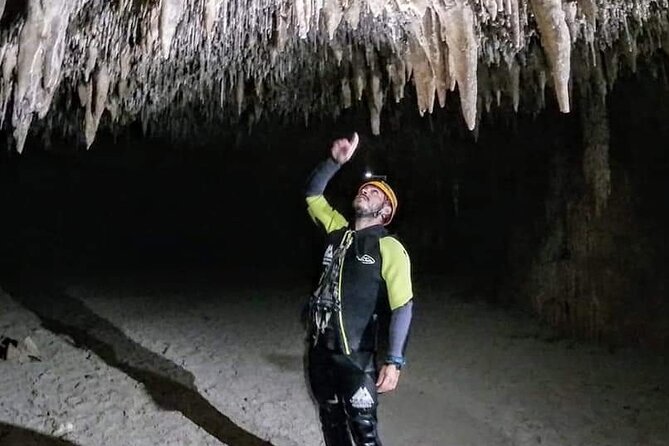
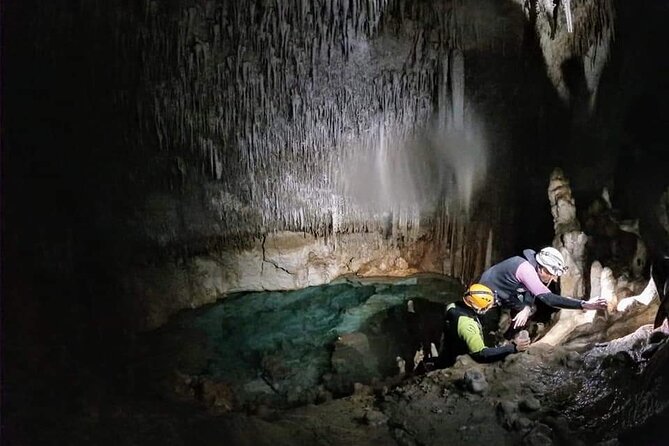
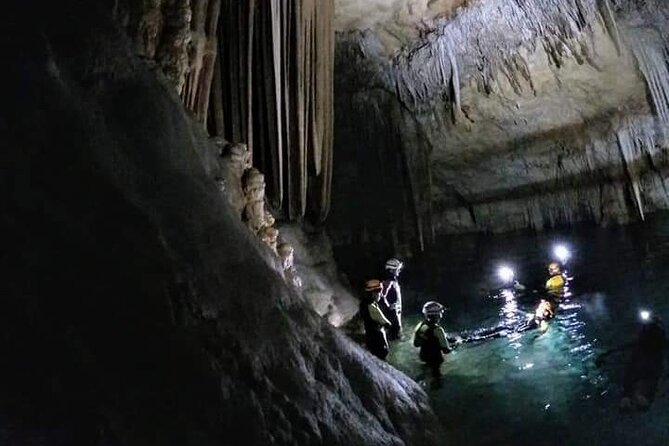
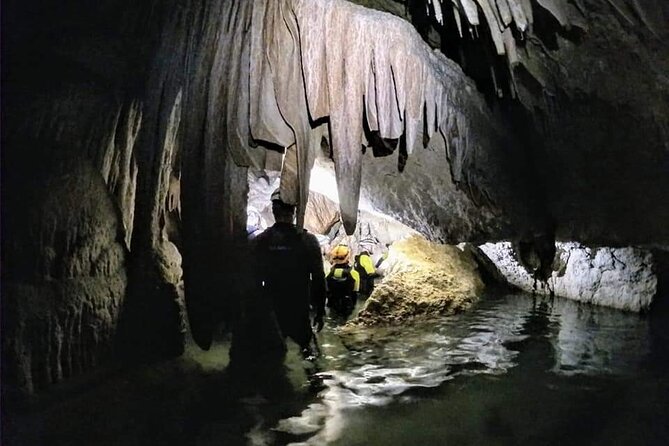
Once you reach the cave mouth, the tour shifts from open-water effort to cave movement. Inside, expect a mix of crawling, walking, and swimming through connected passages. The lighting is minimal without your headlamp, so your guide’s pacing is part of the safety plan and part of the fun.
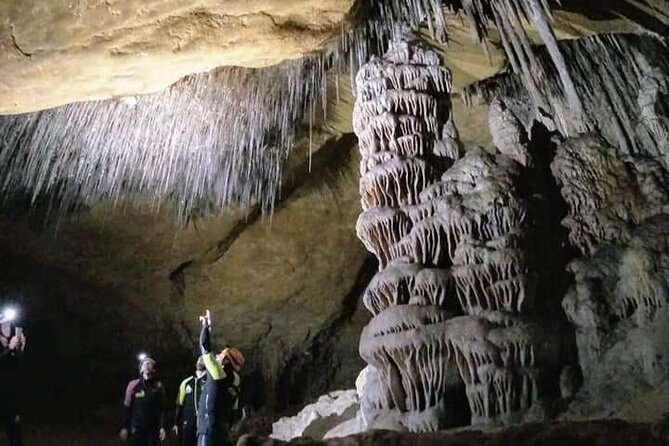
The geology is the star. You’ll see rock formations formed over millions of years, and you’ll get close to features like:
- underground lakes
- stalagmites and other broken rock shapes
- red mineral deposits (not just plain gray stone)
- dark chambers where the headlamp makes textures pop
This is also not a “single hallway.” People describe it as a labyrinth, with tighter spots that require slower movement and better balance. Some routes include sections where you’re on hands and knees through narrow holes before you rejoin the larger spaces and water passages.
You might also get optional moments, like a cliff jump before swimming to the cave entrance if conditions allow. That can shorten the swim and add a rush, but it’s optional and weather-dependent.

The Hike to the Beach (and Why Shoes Matter)
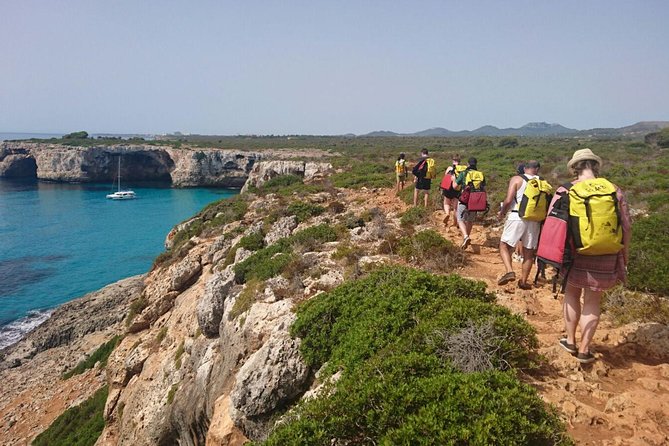
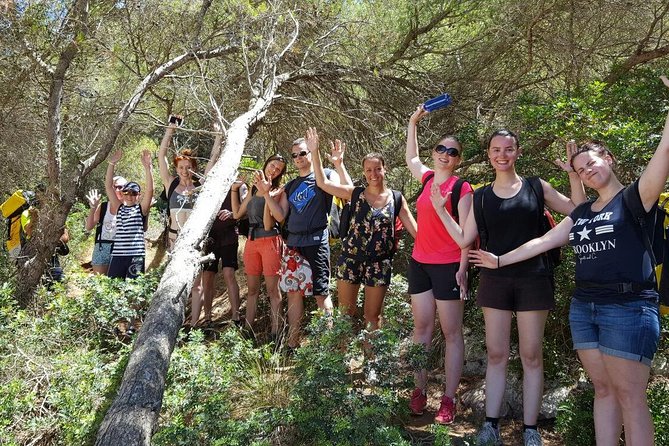
Even though this is a sea cave tour, the hike is a big part of the day. Before you reach the beach area, you’ll do a walk/hike that can last around 40 minutes one way. It’s not a gentle stroll. The notes say to wear comfortable clothes and sport shoes, and the guidance is clear that footwear matters.
From the way the tour is described and how people report it feeling, the terrain can include loose rocks and scrubby plants. That means:
- your feet do work before you ever hit the water
- you need traction for the uneven ground
- long pants can help with jagged bushes, though it’s not strictly required
Bring a towel and plan to have a place for your stuff. In the experience reports I saw, people mentioned leaving belongings near the beach area while they explore the caves, which makes sense because you don’t want to keep carrying extra stuff into the cave route.
Back to Dry Land: The Return and Post-Cave Recovery
After exploring the caves, the tour returns to the beach area and you’ll change out of wetsuits. Then you hike back toward the meeting point.
The return walk is usually less taxing than the way out, but it’s still part of the physical picture. You’ll leave with a clear sense that you’ve done something active and unusual: ocean swimming, cave movement, then hiking again.
It also helps to think of this as a “full-body event.” Even if the cave sections are the most impressive visually, the combination of swimming, balance, and climbing is what makes it memorable.
Guides, Safety, and Why This Tour Feels “Well Run”
This type of tour lives or dies on the guide. The good part here is the consistent emphasis on safety gear and guided timing. People name guides like Patrick, Jose, Luis, Mario, Alba, Zala, Connie, Nyara, Miguel, and Oscar, and the common thread is that the tour is structured, paced, and not chaotic.
You also get support from the gear setup:
- life jacket for buoyancy in open water
- helmet with light so you can move through dark cave spaces
- wetsuit to keep you comfortable enough for the water exposure
One practical detail you should watch for: the team may adjust the cave plan if conditions are unsafe. If the sea is too dangerous, the tour may switch to an alternative cave, and the notes mention an alternative “with water for safety.” That’s a good sign operationally, but it does mean your exact cave route may not match what you imagined from photos.
Price and Value: Is $96.79 Worth It?
At $96.79 per person, this isn’t a budget bus trip. You’re paying for the whole safety-and-guiding package: local guides, wetsuits and protective gear, and access to a specific caving environment that requires trained handling.
Food and drinks are not included, so your real cost depends on what you bring. You’ll need to bring:
- sun screen
- at least 2 liters of bottled water
- your own lunch
- a bathing suit and a towel
- sport shoes / comfortable clothes
To me, the value is in the “you don’t have to source anything” part. For sea caving, gear matters. Getting a life jacket, helmet light, and swim shoes included keeps you from showing up underprepared and makes it more likely you’ll enjoy the day instead of fighting equipment issues.
If you’re the type who wants a hands-on nature experience—safely guided, physically active—this price can feel fair. If you want caves without swimming or without any crawling, then you may want a different style of Mallorca cave tour.
Who This Tour Suits Best (and Who Should Skip It)
This experience is best for people who can handle a mix of:
- moderate hiking and uneven terrain
- open-water swimming
- moving through tight cave sections (including crawling)
Minimum age is 12, which suggests the tour is designed for teens and adults who can follow instructions and handle the physical nature of the day.
If you’re a confident swimmer with decent mobility, you’re likely to feel the excitement people describe: the surge of reaching the cave mouth, the strange beauty underground, and the physical satisfaction of finishing a tough route.
If swimming comfort is uncertain, or you dislike feeling exposed in open water, be realistic. Reviews describe rougher days as more intense, and one person noted it can be scary to try to swim out when conditions are choppy. You can still do it with the life jacket, but fear doesn’t vanish just because gear exists.
Should You Book Cova de Coloms Sea Caving?
Book this if you want a real outdoor challenge and you like nature that forces you to move. The best part is the way the day connects ocean to cave, then back to hiking—so you’re not just watching geology, you’re interacting with it.
Pass (or reconsider) if your ideal Mallorca day is mostly easy walking, museum vibes, or staying dry. Sea caving is physical by design, and your comfort will depend on conditions and your own swimming confidence.
If you do book, pack like a pro: bring that 2+ liters of water, wear the right sport shoes, and show up ready to move. And when the guide gives safety instructions, treat them like a game plan, not a suggestion.
FAQ
How long is the Small-Group Cova de Coloms sea caving tour?
The duration is listed at about 4 hours 30 minutes.
Is pickup included?
Pickup is offered. The activity also notes that there are Palma pickup options, and cruise passengers should plan for an earliest return time of 17:45.
What’s the group size?
This tour has a maximum of 16 travelers.
What’s included in the tour price?
A local guide is included, along with all safety equipment and water shoes.
What should I bring?
You should bring sunscreen, bottled water (minimum 2 liters), your own lunch, a bathing suit, and a towel. They also advise wearing comfortable clothes and sport shoes.
What’s the minimum age?
The minimum age is 12 years.
Is the tour in English?
The tour is offered in English. The notes also say that guides may not all speak English and Spanish, even though they do their best to provide the requested language.
What happens if sea conditions are dangerous?
If conditions are dangerous, the cave may change to alternative caves for safety, including one alternative with water.
Is free cancellation available?
Yes. Free cancellation is available up to 24 hours in advance for a full refund, and if the experience is canceled due to poor weather you’ll be offered another date or a full refund.