REVIEW · TENERIFE
Sunset and Stars at Teide National Park
Book on Viator →Operated by Stargazing Tenerife · Bookable on Viator
Sunset at Teide feels like a switch flips. This tour strings together a sunset viewpoint and then a second stop inside Teide National Park for guided stargazing, with a glass of cava at golden hour. I also like the hands-on astronomy angle, with a 12-inch Dobsonian telescope, laser-pointing, and plenty of time spent showing you how to find key objects like Polaris and Andromeda.
The only real drawback to plan around is crowding at the public sunset stage. Even when the sunset is gorgeous, the viewpoint can get busy, and that can also affect how calm your sky session feels once you get set up.
In This Review
- Key things to know before you go
- How the Teide sunset pickup works from South Tenerife
- Golden hour with cava: what you’ll really see at the first viewpoint
- Moving above the clouds: Teide National Park stargazing with a 12-inch Dobsonian
- What you might see: Moon focus, planets, and deep-sky targets
- Guide-led sky time: how the sessions feel in real life
- Photos under the stars: the Milky Way souvenir and what’s included
- Comfort checklist: warm clothes, timing, and practical gotchas
- Value for $72.59: what you’re paying for (and why it can be worth it)
- Who this tour is best for, and who should think twice
- Should you book Sunset and Stars at Teide National Park?
- FAQ
- How long is the Sunset and Stars at Teide National Park tour?
- Is hotel pickup included?
- What areas are pickup points from, and where is pickup not available?
- Are alcoholic drinks included?
- What stargazing equipment is provided?
- How do the guides help you find what to look at?
- What can we see in the sky?
- Is dinner included?
- Are photos included?
- What if the weather is bad?
Key things to know before you go
- Private pickup and transfers included, so you skip taxi wrangling
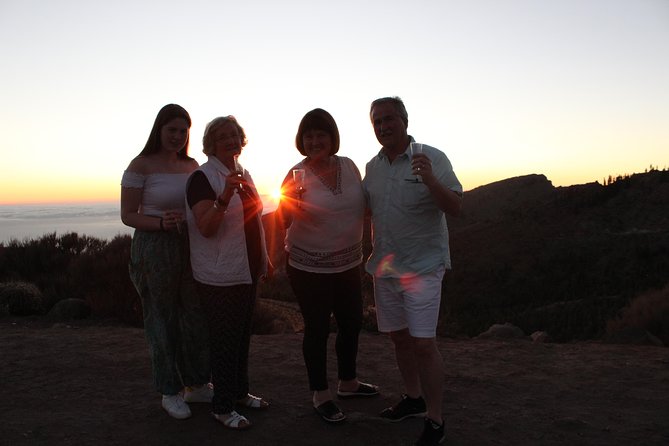
- Cava at sunset (or a non-alcoholic drink) as you watch the light change
- 12-inch Dobsonian telescope plus tripods, meant for real viewing, not just a quick look
- Laser pointers and sky navigation, including Polaris and Andromeda
- Astrophotography souvenir photos taken individually for you to download later
- Limited where you can set up, since stargazing runs from designated miradors/viewpoints
How the Teide sunset pickup works from South Tenerife
You’ll start with hotel pickup from the south coast of Tenerife, generally along the TF1 corridor. The pickup zone runs on or near the coast between El Médano and Los Gigantes, and it does not include inland towns away from TF1. Some areas are also excluded, including Costa del Silencio, Las Galletas, and Palm-Mar (Arona municipality).
Why I think this matters: if you’re staying in the tourist strip, this kind of setup saves you time and hassle. Also, you’re riding in an air-conditioned vehicle, which helps when you’re starting in the heat of the day and shifting toward cooler mountain air.
You can also read our reviews of more evening experiences in Tenerife
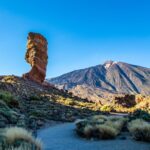
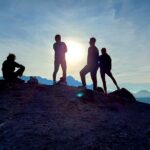
Golden hour with cava: what you’ll really see at the first viewpoint
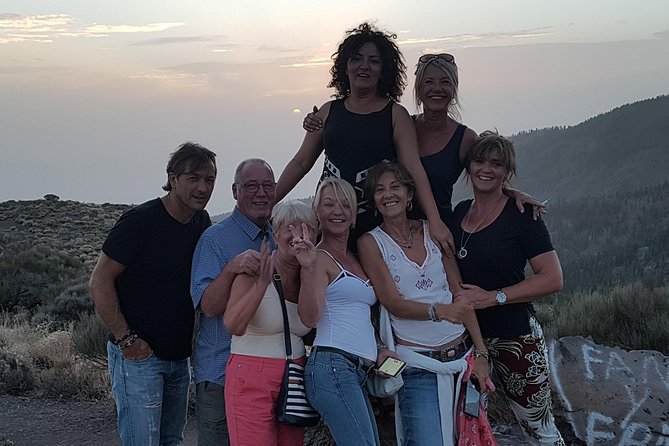
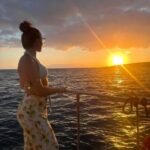
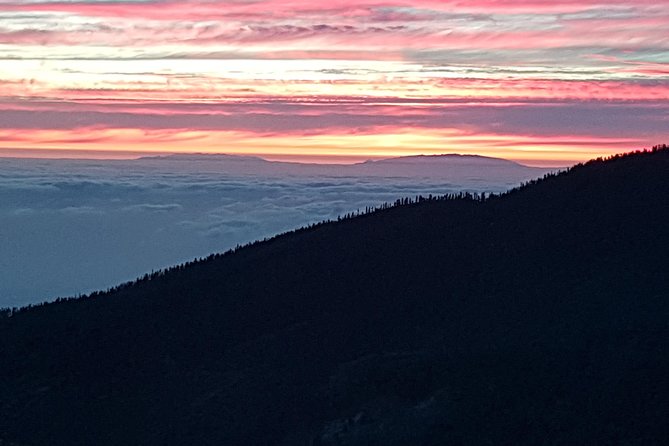
The first stop is a scenic viewpoint where you watch the sunset over the islands of La Palma, La Gomera, and El Hierro. You’ll get a glass of cava (Spanish sparkling wine) while the sky does its slow color shift, or a non-alcoholic drink if you prefer.
This stop is the emotional hook of the tour. It’s also where you’ll notice the tradeoffs: it can be busy, since this is a public-style mirador and you’re sharing the scene with other groups. One common theme from people who were disappointed is that they wanted something more intimate here, and the crowd can take the edge off.
If clouds roll in, you may not get the clean sunset you hoped for. When that happens, the team typically still moves you to the stargazing spot because the whole point is to keep the night experience alive.
Moving above the clouds: Teide National Park stargazing with a 12-inch Dobsonian
After sunset, you transfer to another viewpoint in Teide National Park for stargazing. This is where the vibe shifts from scenery to science, with guides using a telescope setup designed for night-sky viewing rather than quick sightseeing.
The telescope is a 12-inch Dobsonian, and the guides also supply telescopes and tripods so you can take a turn. One practical thing to know: these are protected areas with designated viewpoints, so you’re not choosing your own “perfect dark sky spot.” That means the night experience depends on the weather and the allowed setup areas.
Once you’re there, the guides use laser pointers to guide you around the sky. They also explain how to find Polaris (the North Star) and how to locate Andromeda, plus they tie it to Greek mythology. If you like feeling like you’re learning a skill, not just staring upward, this part is where the tour earns its keep.
What you might see: Moon focus, planets, and deep-sky targets
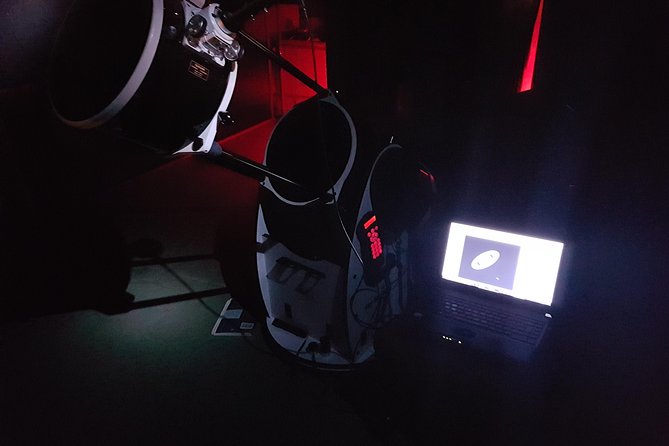
What’s visible changes by season and by the night’s conditions, but the tour is built around the most common targets people actually want. You’ll get different highlights depending on timing, especially the Moon phase.
Here’s what you can expect as the tour’s usual focus:
- The Moon, especially in the days before full moon, since it’s bright enough for detailed viewing through the telescope.
- Beautiful star fields and deep-sky objects like star clusters, and nebulae and galaxies when conditions allow.
- In winter, you may see the Pleiades, also called the Seven Sisters, in the constellation of Taurus.
People often mention seeing classic bright planets like Saturn and Jupiter when the conditions line up. You might also catch the Milky Way with the naked eye from higher viewpoints, which is a major moment for first-time Tenerife stargazers.
Guide-led sky time: how the sessions feel in real life
The guides really shape the experience, and you’ll find a consistent pattern: they talk you through what you’re looking at, then show you how to find it yourself. Names that come up often in feedback include Jaime, Filipe, Alessandro, Steven, Daniele, Mike, and Phil, plus a few other guide pairings depending on the night.
The best nights feel organized without rushing. You’ll get explanations tied to the constellations you’re facing, and the laser pointers help you map the sky fast instead of guessing. Some people feel the flow can be slightly less coordinated on very busy nights or after weather shifts. That’s not a dealbreaker, but it is worth knowing if you’re picky about tight schedules.
Also, don’t judge the tour only by telescope time at the start. One reason some people expected more is that they arrived hoping for long, uninterrupted viewing. On nights like this, there’s always a tradeoff between showing objects for groups and keeping everyone engaged.
Photos under the stars: the Milky Way souvenir and what’s included
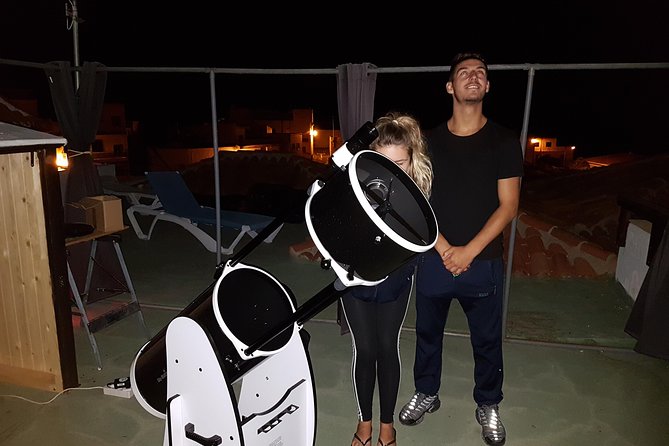
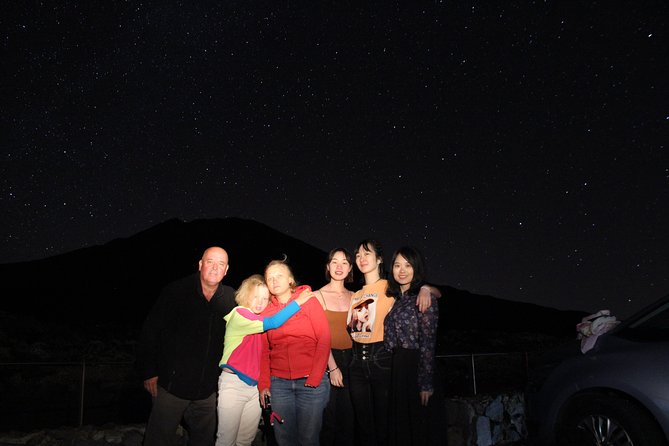
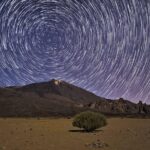
One of the smartest “value boosters” here is the individual astrophotography approach. The guides take photos of you using astrophotography techniques designed to show the blanket of stars above you. These images are meant to be downloaded later from the provider’s Facebook page.
What to manage in your expectations: the high-resolution picture is not included, so what you receive is likely sized for download rather than a full print-ready file. Still, for most people this becomes the one keepsake you don’t have to make yourself. It’s also nice when the sunset is clouded, because you still leave with something dramatic from the night sky.
A heads-up from real experience: the photo stage can take a while when there are many people in line for individual shots. If you hate slow endings, arrive mentally ready for a longer wrap-up.
Comfort checklist: warm clothes, timing, and practical gotchas
This is an outdoor tour where temperatures can drop fast after sunset. You’ll want very warm clothes even if you’re starting in the south. Wind can make it feel colder, and several people mention borrowing warm jackets on the tour. Even with a jacket, bring layers you trust.
There’s also altitude to consider. You’re moving into higher ground in Teide National Park, and you might feel altitude effects like ear pressure. It’s not guaranteed, but it’s smart to be prepared.
Toilets are the other practical issue. There often aren’t restroom facilities at these kinds of viewpoints, so plan like you’ll be outdoors for several hours. Since it’s not a dinner excursion, it’s common to be tempted to snack, and you’re allowed to bring snacks to eat during the tour. Just remember: eating isn’t allowed in the buses.
Finally, communication matters. You’ll need to provide a WhatsApp number to receive updates, and the exact pickup time and place are sent the morning of the tour. If you like stress-free travel, save the WhatsApp message when it comes in and confirm your pickup point before you head out.
Value for $72.59: what you’re paying for (and why it can be worth it)
At about $72.59 per person for roughly 4 hours 30 minutes, you’re not just buying a ride plus a telescope. You’re paying for three things that are hard to DIY:
- Private transport to higher viewpoints without you navigating mountain roads in the dark.
- A guided sky lesson using laser pointers and a proper telescope setup.
- A sunset experience with cava included, plus the photo souvenir option afterward.
Max group size is 20 people, which is a meaningful detail. You still share the viewpoints with other cars and groups in the area, but it’s not an enormous cattle-call. People who rated it highly often say the guides answer questions well and make the sky feel learnable.
Where the value debate shows up is in mismatch. If you expect a quiet, private stargazing pod with unlimited telescope time, you may feel let down when the group rotates through. If clouds hit the first sunset viewpoint, you might also feel like you lost your money on the earlier segment even though the night viewing may still improve after the move.
Who this tour is best for, and who should think twice
This tour is ideal if you:
- Want a one-day Tenerife combo: sunset scenery plus a real stargazing session the same evening
- Enjoy guided explanations and learning how to locate things in the sky
- Want the convenience of pickup from the south coast and don’t want to figure out transport timing yourself
- Like a souvenir photo option that’s more than a random snapshot
You should think twice if:
- You hate waiting around and want a perfectly smooth timeline with minimal standing
- You need a very quiet, uncrowded spot at the sunset stage
- You’re traveling with very young children. Kids under 5 aren’t allowed, and booster seats are the standard approach for younger children (seating is available for children older than about 6–7 years with a booster).
If you’re comfortable dressing for cold mountain wind and you’ll treat stargazing as a shared, weather-dependent experience, this will feel rewarding.
Should you book Sunset and Stars at Teide National Park?
I’d book it if you want one of the best ways to see Teide after dark without logistics stress. The combo of cava at sunset, a move into Teide National Park, and a laser-guided telescope session is exactly the kind of Tenerife night experience that feels bigger than the sum of its parts.
Skip it (or at least adjust expectations) if your priority is a totally private viewpoint or long uninterrupted telescope time. This is a night out with shared setups, and weather can influence what you see. If you can roll with that, you’ll likely leave with clear sky memories and a guide-led sense of how the constellations fit together.
FAQ
How long is the Sunset and Stars at Teide National Park tour?
It runs about 4 hours 30 minutes.
Is hotel pickup included?
Yes. Pickup is offered from listed pick up points near the south coast of Tenerife.
What areas are pickup points from, and where is pickup not available?
Pickups are collected on or near the coast between El Médano and Los Gigantes. Inland towns away from the main TF1 highway are not picked up, and Costa del Silencio, Las Galletas, and Palm-Mar (Arona municipality) are not included.
Are alcoholic drinks included?
Yes. You’ll receive a glass of cava at sunset, with a non-alcoholic drink option as well.
What stargazing equipment is provided?
The tour supplies telescopes and tripods. The telescope is a 12-inch Dobsonian, and guides run the viewing from the designated viewpoints.
How do the guides help you find what to look at?
They use laser pointers and explanations to help you locate items like Polaris and Andromeda, along with constellations and related stories.
What can we see in the sky?
It depends on the time of year and conditions. The tour focuses on the Moon (especially before full moon), and you may also see objects like the Pleiades, plus galaxies, nebulae, and star clusters.
Is dinner included?
No. Dinner is not included, and you can bring snacks, but eating is not allowed in buses.
Are photos included?
You’ll have individual astrophotography photos taken. You can download them from the provider’s Facebook page. High-resolution photos are not included.
What if the weather is bad?
The experience requires good weather. If it’s canceled due to poor weather, you’ll be offered a different date or a full refund. Free cancellation is available up to 24 hours in advance.