REVIEW · TENERIFE
Tenerife: Mount Teide Observatory Astronomical Tour
Book on GetYourGuide →Operated by Volcano Teide · Bookable on GetYourGuide
Mount Teide turns astronomy into a real-life show. This Teide Observatory tour pairs a guided look at the world’s largest solar observatory with proper nighttime stargazing tools.
Two things I like a lot: the mix of solar science in the afternoon plus hands-on looking at the sky at night, and the way guides keep it organized in a small group. When I see names like Lucas and Micaela show up as standouts, it tells me you’re not just getting a generic talk.
One consideration: the experience depends on conditions. If visibility is poor, you’ll get extra support (including a virtual sky explanation) and the telescope setup may change.
In This Review
- Key highlights worth planning for
- Mount Teide After Dark: why this works for real sky lovers
- Teide Observatory in the afternoon: solar viewing up close
- Sunset viewpoints on volcanic ground: the tone-setting stop
- Night stargazing: from unaided eyes to long-range telescopes
- How the small-group transport keeps the day from feeling rushed
- What to wear (and why Teide nights can bite)
- Value check: $121 for 8 hours of equipment + expert guidance
- Who this tour suits best (and who should skip it)
- Should you book the Tenerife Mount Teide Observatory astronomical tour?
- FAQ
- What languages are the guides?
- How long is the tour?
- Is food included?
- What if the weather won’t allow good star visibility?
- What should I bring to Mount Teide?
- What clothing is not allowed?
- Where can pickup happen in north Tenerife?
Key highlights worth planning for
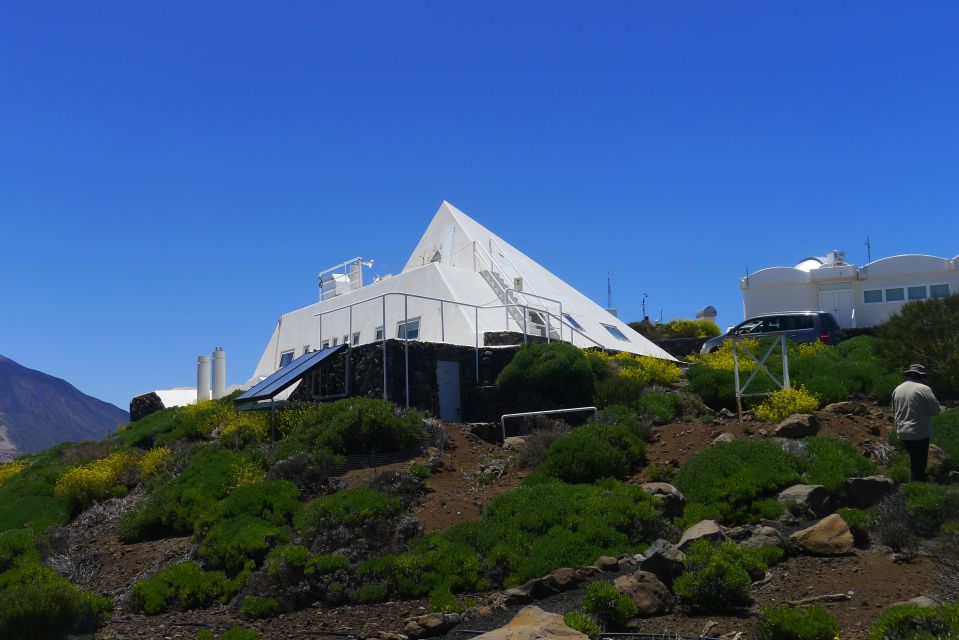
- Guided visit to Teide Observatory, with expert instruction tied directly to what you’re seeing
- Solar viewing in the afternoon at the world’s largest solar observatory
- Sunset viewpoints from volcanic terrain, timed to the season
- Night sky viewing with powerful telescopes, plus unaided-eye stargazing
- Small-group transportation to reduce chaos and keep the pace smooth
- Weather backup plan: if stars can’t be properly seen, you’ll switch to additional telescopes and audio-visual help
Mount Teide After Dark: why this works for real sky lovers
Mount Teide is one of those places where the sky feels closer. The air is typically crisp up high, and the itinerary is built around that fact: daylight science first, then sunset, then a long stretch of night observing.
What makes this tour click is the flow. You’re not just “going to look through a telescope and leaving.” You learn the basics of what you’re seeing during the day at the observatory, then you carry that understanding into the night, where constellations and prominent objects become easy to spot.
The small-group setup matters, too. You’ll have less waiting around, and it’s easier for the guide to answer questions when your group is not too big.
Finally, this tour is clearly designed for people who want the equipment to do the heavy lifting. If you’re hoping for a quick photo stop, you might feel a bit short-changed. If you want the science angle and the guided viewing, you’ll likely enjoy it a lot.
You can also read our reviews of more tours and experiences in Tenerife.
Teide Observatory in the afternoon: solar viewing up close
The afternoon portion is the star here, even if you’re mainly thinking about nighttime stars. You go to the largest solar observatory and get a guided visit to the observatory itself, not just a viewpoint outside it.
Solar astronomy is different from night astronomy. Instead of hunting for distant dots, you’re watching the Sun’s surface activity and how it shows up through specialized solar telescopes. In the feedback you’ll see people getting excited about seeing solar activity in real time, like solar flares, which gives the afternoon a sense of urgency and wonder rather than being purely lecture-based.
You’ll also get expert context for what you’re looking at. That matters because solar images and telescope views can look like abstract patterns until someone explains what’s what. A guided visit turns the experience from interesting to understandable.
Practical note: the observatory and viewing areas are at altitude, so even if it’s warm at your hotel, you should expect it to feel cooler as the day moves toward evening.
Sunset viewpoints on volcanic ground: the tone-setting stop
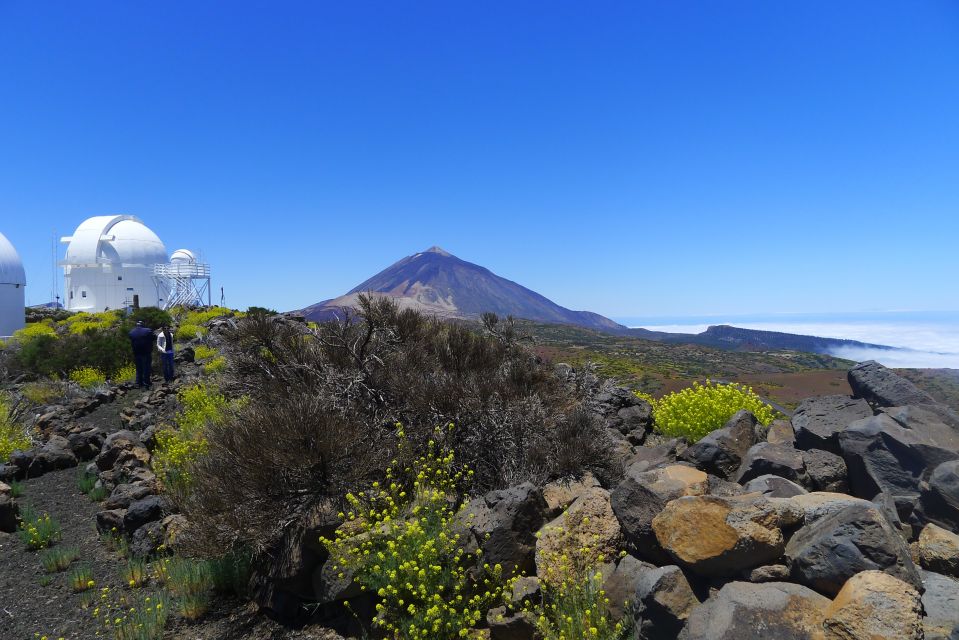
After the observatory time, the tour shifts to the volcanic side of Tenerife. You’ll watch an unforgettable sunset from one of the volcanic mountain viewpoints, which is more than a scenic pause.
Sunset works as a mental reset. You go from studying bright solar phenomena to changing gears into night mode. That timing is helpful because once it gets dark, your eyes need a little time to adjust, and you want to start the stargazing phase with momentum.
Also, the volcanic setting isn’t random decoration. Mount Teide’s terrain gives you a stark, dramatic backdrop, and it makes the contrast between daylight brightness and night sky depth feel bigger.
If winds pick up or temperatures drop fast (it can happen), this viewpoint stop is exactly where you’ll feel the weather. That’s why the clothing requirements are not optional details—they’re part of making the sunset and nighttime portion enjoyable.
Night stargazing: from unaided eyes to long-range telescopes
Once darkness arrives, the experience becomes the thing most people picture: staring up while the guide helps you spot what’s really there.
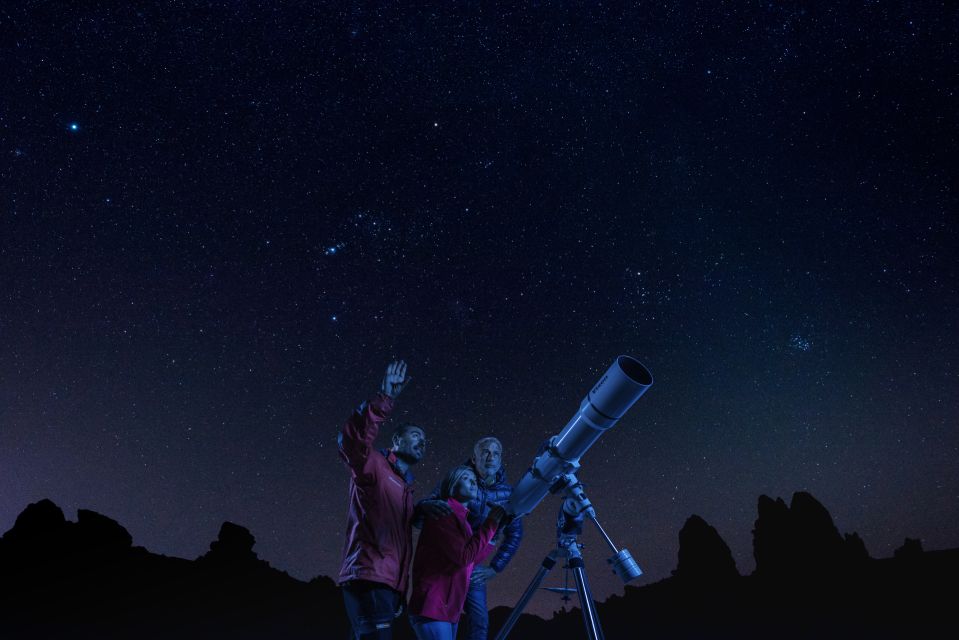
The tour includes astronomical observation using a long-range telescope, plus stargazing opportunities that start with the unaided sky. That’s a smart order. You can learn the sky patterns by eye first, then use the telescopes to “zoom in” and confirm what you’re already finding.
You’ll use powerful equipment at the observatory area, and you’ll be guided on identifying constellations and prominent objects. For people who enjoy hands-on learning, this is often where the tour feels most worth it—especially when the guide stays upbeat and answers follow-up questions.
Weather matters here. If visibility is threatened, you may use additional observing setups. The plan also includes an audio-visual virtual tour if proper stars can’t be seen through the solar telescopes (or if the night sky viewing is compromised). That means the evening doesn’t fully collapse into a waiting game.
In other words, you still get astronomy, just with the tools adjusted to the conditions.
How the small-group transport keeps the day from feeling rushed
You get transportation for small groups, and pickup is possible from select hotels in north Tenerife. The pickup list includes places such as Parque San Antonio, GF Noelia, Hotel Magec, Hotel Concordia, Tucán, Coral Teide Mar, Riu Garoé, CC La Cúpula, and Kiosko Paragüitas.
Why this is more important than it sounds: Mount Teide day tours can feel like a shuffle. This one aims to reduce that by coordinating a small group and structuring the day around sunset timing, not just a fixed clock.
Pickup time changes with the season and sunset time. So you’re not just getting an 8-hour block and hoping it lines up. The timing is part of the experience because the observatory visit and sunset need to land at the right moments for light levels and night viewing.
If you want to keep the day smooth, plan for a solid door-to-door window. You’ll have enough actual observing time to enjoy it, but the day still runs like a true field trip.
What to wear (and why Teide nights can bite)
This tour is strict about clothing, and for good reason: the observing happens at altitude and often in windy, cold air once you’re near evening.
Bring:
- Warm clothing
- Long-sleeved shirt
- Long pants
- Closed-toe shoes
- Comfortable clothes you can move in
Not allowed:
- Sandals or flip flops
- Shorts or short skirts
- Sleeveless shirts
- Pets
The best advice here is to pack like you’ll need real warmth, not just a light layer. One set of feedback talked about strong winds and temperatures dropping a lot near the cable car station compared to hotel conditions. Even if that exact temperature swing doesn’t happen for you, colder and windier than you expect is the safer assumption.
Also, the tour isn’t recommended for children under 8, and it’s not suitable for people with mobility impairments. That’s mostly about the physical demands of getting around in volcanic and nighttime conditions, and it’s better to choose a different format if you’re unsure you’ll handle it.
Value check: $121 for 8 hours of equipment + expert guidance
At $121 per person for an 8-hour day, the value makes sense only if you care about the specific thing this tour provides: guided access to the Teide Observatory experience plus real telescope time.
A self-guided option can be cheaper, but you’d be giving up several parts at once:
- the guided observatory visit
- structured viewing help (constellations and prominent objects)
- the included long-range telescope observing time
- the small-group transport that gets you to the right places at the right times
When you add all that together, you’re paying for coordination and interpretation. Astronomy tours can be hit-or-miss if you’re left guessing what to look at. This one is designed to prevent that, and the high ratings reflect that people felt the guidance mattered.
Food and drinks are not included. That’s the one area where you need to plan ahead. If you arrive hungry, you might end up scrambling, and you could lose time during the parts of the day you want to focus on.
My practical tip: carry snacks or easy-to-pack supplies so you can stay comfortable through the day, especially if the schedule leaves fewer chances to grab food once you’re up near Teide.
Who this tour suits best (and who should skip it)
This is a strong match if you:
- love astronomy and want structured learning (not just sightseeing)
- want both solar observation and night sky viewing in one day
- like expert guides who explain what you’re seeing
- prefer a small group pace
It’s also a good choice for first-timers. You don’t need to already know the sky, because the tour is built to guide you from basic recognition to telescope-assisted viewing.
Skip or reconsider if:
- you’re traveling with kids under 8
- you have mobility impairments
- you hate cold/wind and don’t want to follow strict clothing rules
If your main goal is a relaxing day with minimal gear and minimal waiting, look at other Tenerife activities. But if your idea of a great evening is learning the sky while you look through real instruments, this is the kind of tour that makes that happen.
Should you book the Tenerife Mount Teide Observatory astronomical tour?
Book it if you want a science-first, sky-focused day on Tenerife that actually uses the Teide Observatory setting and then carries that learning into nighttime stargazing. At this price point, you’re paying for expert guidance, small-group transport, and included telescope observing time—so it’s worth it when you care about astronomy.
Pass if you’re not comfortable with cold evenings, strict dress rules, or the fact that weather can change the observing plan. The good news is there’s a built-in backup approach with extra telescopes and audio-visual sky explanations when visibility is limited.
If you’re on the fence, decide based on this: are you here for the Sun and the stars with help from working astronomers, or are you here mainly for scenic photos? This tour is built for the first group.
FAQ
What languages are the guides?
The tour offers a live guide in Spanish and English.
How long is the tour?
The experience lasts about 8 hours.
Is food included?
No. Food and drinks are not included, so plan for snacks or a meal on your own.
What if the weather won’t allow good star visibility?
If star visibility is limited, the plan changes. You may visit 2 nocturnal telescopes instead of 1, and your guides will use audio-visual equipment for a virtual tour of the night sky and constellations.
What should I bring to Mount Teide?
Bring warm clothing, long pants, a long-sleeved shirt, and closed-toe shoes. Children should bring a passport or ID card to confirm age.
What clothing is not allowed?
Sandals or flip flops are not allowed, and you also can’t wear shorts, short skirts, or sleeveless shirts.
Where can pickup happen in north Tenerife?
Pickup is listed for hotels and areas in north Tenerife including Parque San Antonio, GF Noelia, Hotel Magec, Hotel Concordia, Tucán, Coral Teide Mar, Riu Garoé, CC La Cúpula, and Kiosko Paragüitas.