REVIEW · TENERIFE
Tenerife: Teide Stargazing with an Astrophysicist
Book on GetYourGuide →Operated by A donde vamos hoy · Bookable on GetYourGuide
Teide turns the sky into a classroom. I love how the astrophysicist, often led by Adal, explains what you’re looking at in plain language, with humor and real science behind it. I also love the practical payoff: a 8-inch (20 cm) telescope aimed right at the night sky, so you aren’t stuck with guesses and vague directions.
One possible drawback: this is a cold, high-mountain outing where weather can affect conditions, and the experience isn’t a good fit for younger kids (it’s not suitable for children under 8).
In This Review
- Key Things I’d Focus On
- Teide Stargazing’s Real Advantage: You Learn the Night, Not Just Look Up
- Where You Start: Parador de Cañadas del Teide and Why It’s the Right Base
- The Guide Role: What Adal (and This Setup) Tends to Do Best
- What Happens During the 1.5 Hours: A Tight Night Program
- What you’ll likely do first
- Telescope Time: Why an 8-inch (20 cm) Matters Under Teide Stars
- Constellations, Myth, and Modern Research: The Best Way to Make Sense of the Sky
- Weather and Cold: The Real Factor That Determines Your Comfort
- Price and Value: $47 for a Telescope-Led Night in a Top Stargazing Zone
- Who This Tour Fits Best (and Who Might Want a Different Option)
- Quick Planning Checklist (So Your Night Doesn’t Get Cut Short)
- Should You Book the Teide Stargazing With an Astrophysicist?
- FAQ
- Where is the meeting point?
- How long is the experience?
- What group size should I expect?
- Which languages are offered?
- What telescope size is used?
- Is transport included from Tenerife?
- Are food and drinks included?
- What should I bring for the night?
- What if weather shuts the tour down?
- Is it suitable for children?
Key Things I’d Focus On
- Small group size (max 10): more chances to ask questions and get the telescope time you came for
- Astrophysicist guide-led night: explanations that work for beginners and enthusiasts
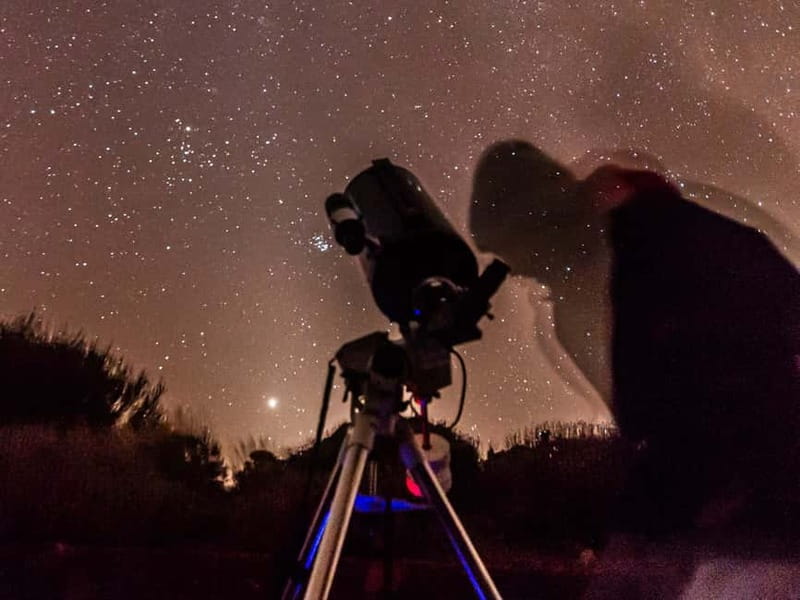
- 8-inch (20 cm) telescope views: targets like the Moon, Jupiter, Saturn’s rings, and more on clear nights
- Telescope setup + “how to see” basics: you learn the gear, not just the sky
- Teide’s stargazing conditions: far above the lights, with a sky that tends to show more stars
Teide Stargazing’s Real Advantage: You Learn the Night, Not Just Look Up
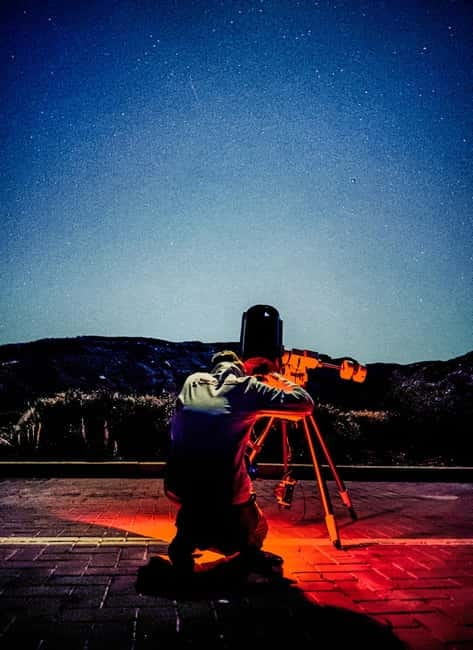
Teide National Park sits at serious altitude, and that changes everything. The air tends to be clearer, the stars show up sharper, and the sky feels less like scenery and more like data you can understand.
What makes this outing different from a basic “point and shoot” stargazing event is the science teacher in charge. You’re not just told what’s in the sky—you’re shown how it works and how to interpret what the telescope reveals. That’s why the small-group format matters so much. In a group capped at 10, the guide can slow down when you want to ask something.
The other big win is the telescope size: 8-inch (20 cm). That’s big enough to make classic targets feel crisp and worth the cold.
You can also read our reviews of more tours and experiences in Tenerife.
Where You Start: Parador de Cañadas del Teide and Why It’s the Right Base
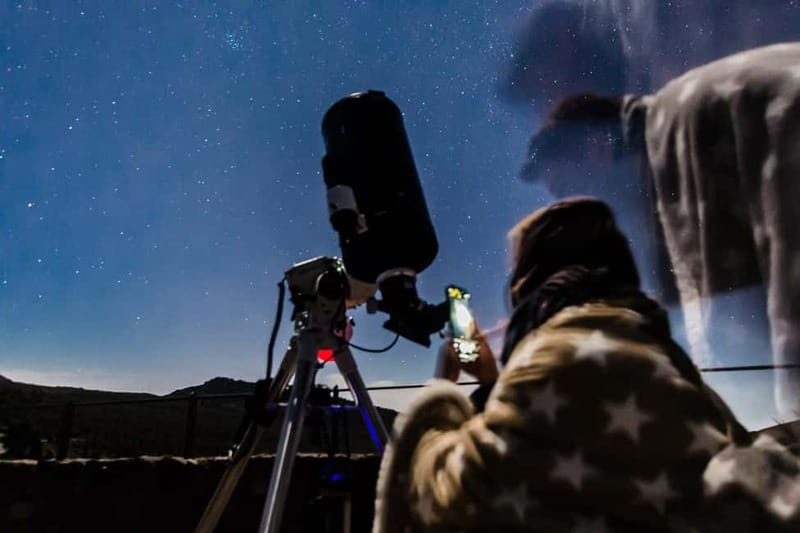
You meet at the entrance/outdoor patio of the Parador de Cañadas del Teide (Las Cañadas del Teide). Sessions run around this base, including regular departures on Tuesdays and Fridays.
This matters for two reasons. First, you’re already in the Teide area, so you don’t waste time hauling everyone around in the dark. Second, the meeting spot makes it easier to organize the group quickly and move as conditions allow.
One practical note: transport isn’t included. You’ll need your own car or arrange a taxi to get you to the meeting point.
The Guide Role: What Adal (and This Setup) Tends to Do Best
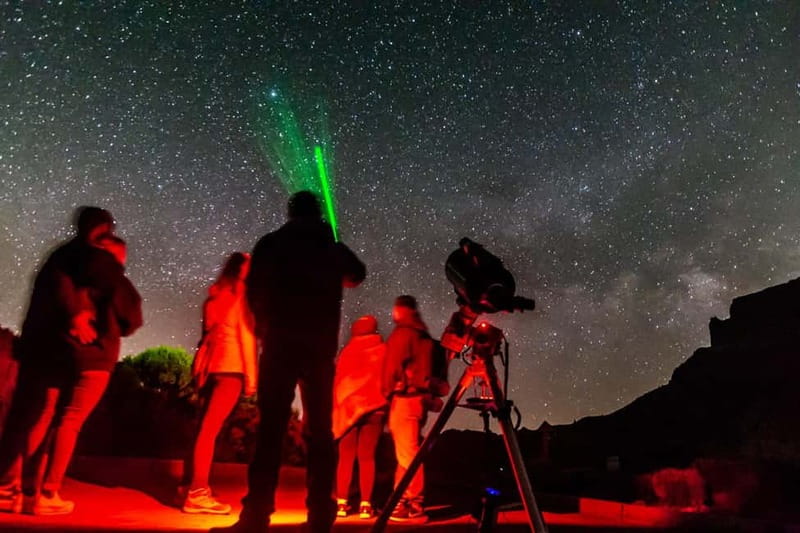
A recurring theme is the guide’s energy and the way he adjusts to the group. Guides associated with this experience—most commonly Adal—explain astrophysics in a way that stays fun and doesn’t talk over you.
I like that the focus isn’t only on naming constellations. You also learn how the telescope is used, including setup, what you should expect to see, and how the equipment affects the view. That turns the experience into something you can carry home.
The tone is also question-friendly. In the examples shared, the guide doesn’t brush off even small or “silly” questions. That’s a big deal if you’re traveling with someone who wants to learn but doesn’t want to feel awkward asking.
What Happens During the 1.5 Hours: A Tight Night Program
The experience runs about 1.5 hours from the Parador. Expect a smooth flow: you gather, the guide sets expectations, then you move through sky objects and telescope views one by one.
The format is designed to fit real nighttime conditions. You don’t stand around indefinitely waiting for the “perfect” moment. Instead, you get an organized tour of what’s up there, plus time for the telescope to do its job.
Also, the tour includes a lantern and a laser-guided experience. That helps with the two problems stargazers always face: (1) finding what the guide is talking about, and (2) keeping everyone oriented without wrecking night vision.
What you’ll likely do first
You’ll typically start with the “how to look” part: telescope basics and constellation orientation. Then the guide points to key targets and brings them into view.
Telescope Time: Why an 8-inch (20 cm) Matters Under Teide Stars
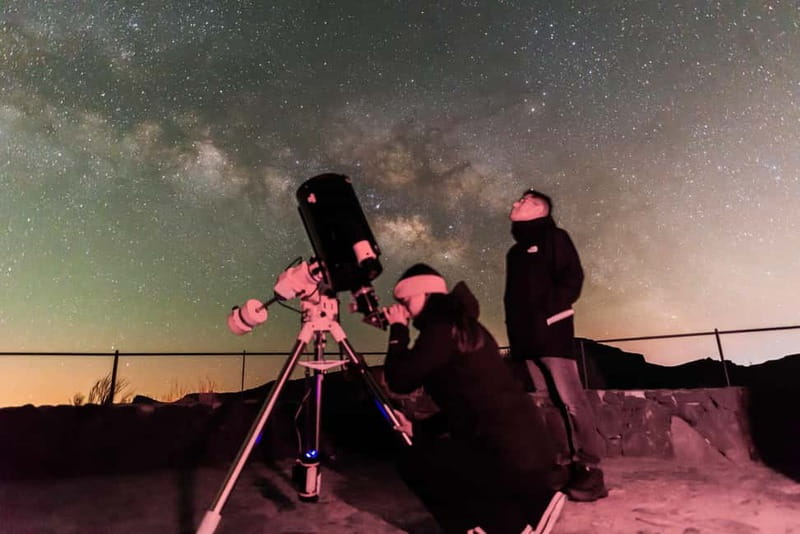
Here’s the truth: most stargazing feels disappointing when the telescope is too small. With an 8-inch (20 cm) instrument, you get real contrast and detail—enough that you’re not just seeing bright dots.
From the examples associated with this experience, the telescope targets often include:
- The Moon, including visible crater details
- Jupiter and Saturn, with Saturn’s rings and some moons referenced in clear-view nights
- Neptune (on appropriate nights/conditions)
- Star clusters and multiple “family” groupings
- Binary star views (including cases described as false binary systems)
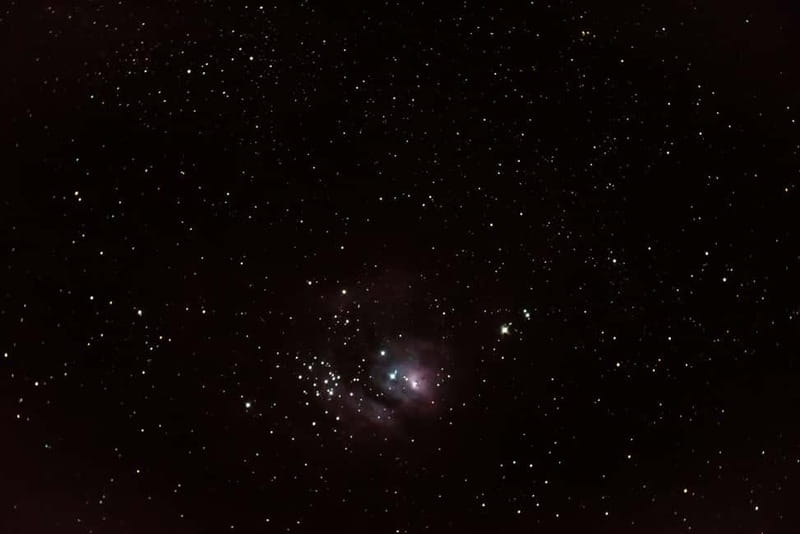
- Nebulae and even a galaxy mentioned in experiences during some nights
You shouldn’t assume you’ll see every object every night. Weather, atmospheric clarity, and what’s up in the sky that evening all matter. But this gives you a strong idea of the range you can hope for—and it’s a range that’s hard to replicate with smaller instruments.
The other thing you gain is confidence. Once you understand why the guide uses certain magnifications and how objects shift as time passes, the night makes more sense. That’s the “learn the gear” part that keeps this from feeling like a one-off show.
Constellations, Myth, and Modern Research: The Best Way to Make Sense of the Sky
This experience mixes two ways of understanding the sky:
1) Constellations and mythology—the human stories that came long before telescopes
2) Current astrophysical research—how modern science studies the same sky using physics
I like this pairing because it solves a common problem. If you only get myth, you might feel like the tour is cultural trivia. If you only get science, it can feel too technical for a cold night. Here, you get both, and the science stays approachable.
The guide also teaches what’s happening “behind the view.” That includes why telescopes show different levels of detail, and how you can interpret what you’re seeing rather than memorizing a list of objects.
Weather and Cold: The Real Factor That Determines Your Comfort
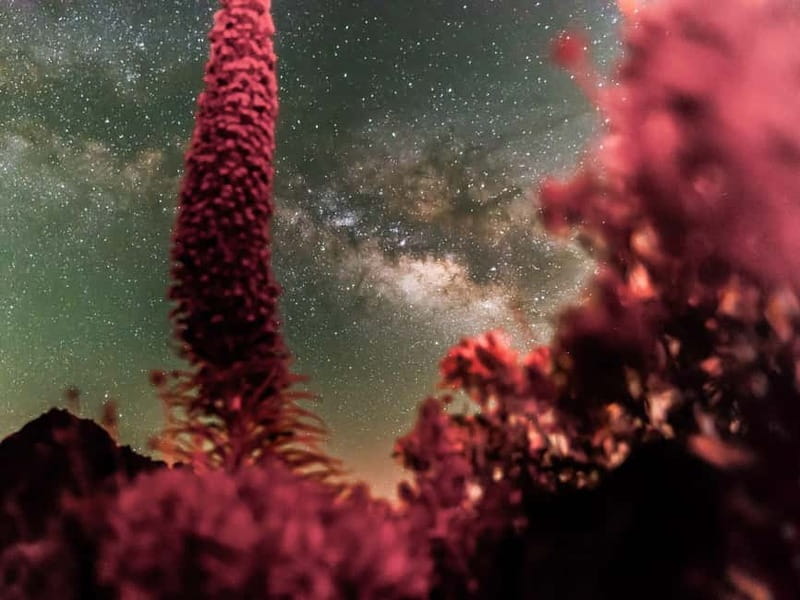
Teide nights can be genuinely cold. The guidance is clear: bring warm clothing. For October to March, it can be around 0–4ºC, and from April to September, it can be about 10–15ºC. You’ll want thermal layers and warm shoes.
Also bring water and comfortable shoes. Even though the tour is short, it takes place in a mountainous setting and you’ll likely be standing and walking a bit as the guide sets up and repositions.
One more practical point: this can be canceled due to weather conditions. The experience notes that refunds are handled if the provider cancels, which helps if you’re planning around other Tenerife activities.
Price and Value: $47 for a Telescope-Led Night in a Top Stargazing Zone
At about $47 per person for 1.5 hours, this isn’t an impulse buy, but it’s also not priced like a private observatory session. The value comes from three concrete things you can feel:
- a real astrophysicist / certified guide leading
- a meaningful telescope size (8-inch / 20 cm)
- the small group cap (max 10), so you’re not lost in the dark
You do have extra costs to think about. Transport and food/drinks aren’t included, so factor in how you’ll get to the Parador area. If you’re already driving near Teide, the price feels more straightforward. If you’re coming from farther away, the “all-in” cost depends on your taxi or car plan.
But if your goal is to learn something and get real telescope views, this price sits in the sweet spot.
Who This Tour Fits Best (and Who Might Want a Different Option)
This experience is aimed at adults and older kids. It isn’t suitable for children under 8, and it also isn’t aimed at babies.
It works well for:
- couples who want a shared “wow, then explain it” night
- solo travelers who want guided structure and question time
- families with older kids who can handle cold standing and want to learn how the telescope works
- amateur astronomy fans who enjoy explanations, not just viewing
If you’re very budget-tight, you could skip a guided telescope night. But if you want your stargazing to feel more like a lesson—with equipment and an astrophysicist behind it—this one makes sense.
Quick Planning Checklist (So Your Night Doesn’t Get Cut Short)
If you want this to feel smooth, plan for the basics that matter at altitude:
- Warm clothing (thermal layers) and warm shoes
- Comfortable shoes for standing outside
- Water
- Your own vehicle or a taxi plan to reach Parador de Cañadas del Teide
- Expect that weather can change plans
Also, if you’re the type who hates feeling rushed, you’ll probably like this format. The group size and telescope-centered approach usually makes it easier to slow down for questions.
Should You Book the Teide Stargazing With an Astrophysicist?
Yes—if you want more than a casual night sky look. This is a well-structured small-group stargazing session with an astrophysicist guide, using an 8-inch (20 cm) telescope and clear teaching on both the science and the sky stories.
I’d skip it only if cold nights and weather uncertainty would ruin your trip mood, or if you’re traveling with kids under 8. For everyone else, it’s a smart use of time in Tenerife: short enough to fit your schedule, detailed enough to leave you understanding what you saw.
FAQ
Where is the meeting point?
You meet at the entrance/outdoor patio of the Parador Cañadas del Teide Hotel in Las Cañadas del Teide, Santa Cruz de Tenerife.
How long is the experience?
It lasts about 1.5 hours.
What group size should I expect?
The group is limited to a small group of max 10 participants.
Which languages are offered?
The live tour guide runs in English and Spanish.
What telescope size is used?
The experience includes an 8-inch telescope (listed as 20 cm in the overview).
Is transport included from Tenerife?
No. Transport isn’t included, so you’ll need your own car or arrange a taxi to reach the meeting spot.
Are food and drinks included?
No. Food and drinks aren’t included.
What should I bring for the night?
Bring comfortable shoes, warm clothing, thermal clothing, and water. Dress for the expected temperatures and wear weather-appropriate gear.
What if weather shuts the tour down?
The activity may be canceled due to weather conditions. If canceled by the provider, you receive a 100% refund.
Is it suitable for children?
It’s not suitable for children under 8, and it’s also not suitable for babies under 1 year. The experience also notes that due to high-mountain conditions, it may not be appropriate for kids under about 7–9 years old.