REVIEW · TENERIFE
Try Scuba Diving in a turtle area (boat)
Book on Viator →Operated by Zero Gravity · Bookable on Viator
Turtles are on the radar in Tenerife. This try-scuba experience pairs a small-group boat trip from Costa Adeje with guided snorkeling and a first underwater breath in calm, shallow water.
I love the personal instructor setup. Every participant is accompanied moment-to-moment, so you’re not left guessing what to do when the bubbles start.
The main thing to weigh is that turtle and animal sightings aren’t guaranteed. If you’re unlucky with the day’s conditions, you may see plenty of fish but fewer headline moments—and souvenir photo quality can vary.
In This Review
- Key things to know before you go
- Costa Adeje’s turtle waters are the hook, not the gimmick
- From Av. de Colón to the water: what the 2.5 hours really feel like
- The try session in shallow, calm water (and why it matters)
- Snorkeling safari after the first breath: what you might see
- Boat vs. shoreline: the format that affects your animal sightings
- Instructor style: calm rules, freedom to explore, real safety focus
- Price and value: what $84.66 covers (and what it doesn’t)
- Who should book this try-scuba experience (and who might hesitate)
- Should you book? My practical take
- Quick checklist before you go
- FAQ
- What’s the duration of the try scuba experience?
- What’s included in the price?
- What should I wear?
- What’s the minimum age to participate?
- Does this activity start from a boat or the shore?
- Is it offered in English?
- When should I avoid this activity because of travel or altitude?
Key things to know before you go
- Maximum 10 people keeps the pace personal and the coaching easy to follow.
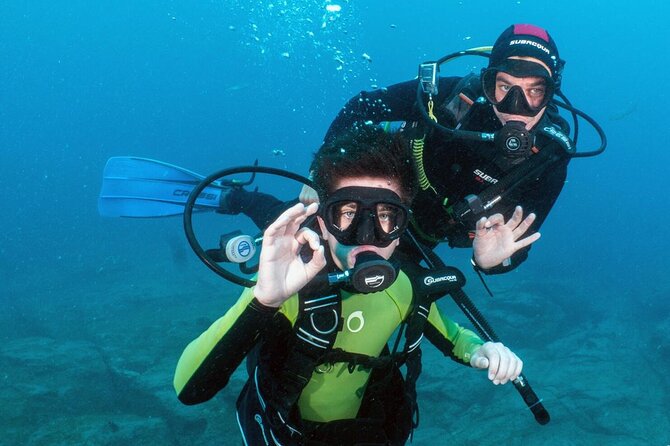
- One instructor per participant means hands-on help during your first underwater steps.
- Boat-based start from the port area (Port Colón) is the usual format for the try session.
- Calm, shallow water in the south of Tenerife is chosen for first-timers.
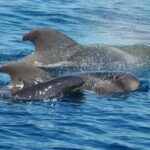
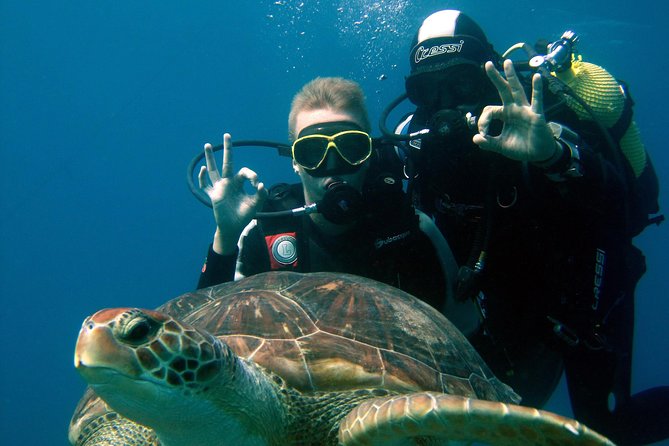
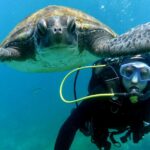
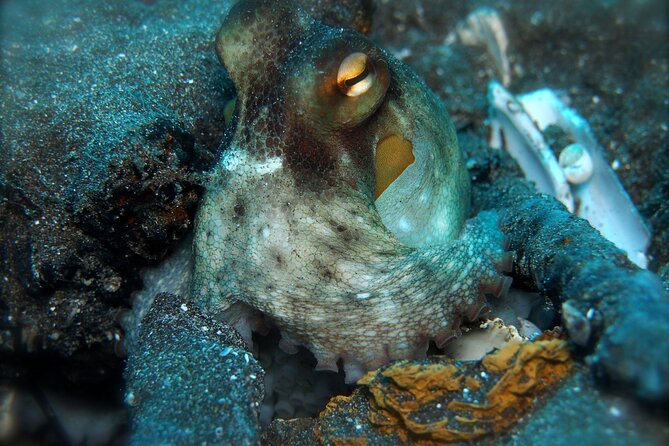
- Snorkeling safari vibe: you might see cuttlefish, octopus, rays, and sometimes turtles.
Costa Adeje’s turtle waters are the hook, not the gimmick
Tenerife has a reputation for warm-water wildlife spotting, but what makes this tour appealing is how practical it is for a first try. You’re not dropped into deep, complicated conditions. Instead, the plan focuses on a quiet, shallow area in the south—exactly the kind of setting that helps you learn faster and feel safer.
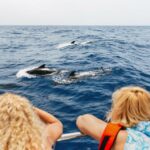
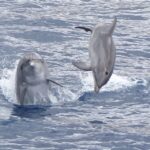
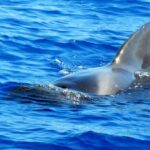
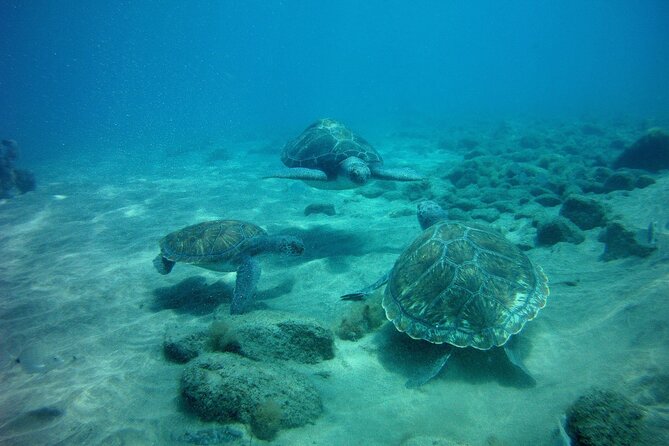
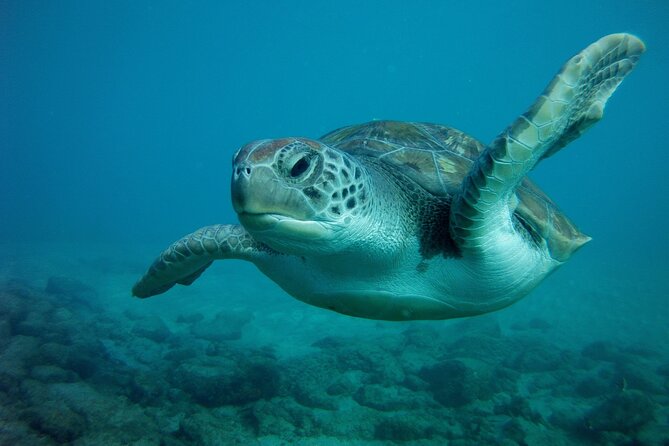
The turtle theme is real, but you should treat it like wildlife spotting, not a show with scheduled performers. The experience is set up around a “try scuba + snorkeling safari” day, so even if you don’t see turtles, you’ll still be underwater watching sea life close up. That’s where the value is: it’s not just the equipment and breathing lesson; it’s the chance to experience marine creatures in their own habitat.
Two things also stand out from the way the team is described: the staff attention and the comfort level. People talk about feeling at ease—especially first-timers and families—because the guidance is clear and the instructors stay tuned into how you’re doing in the water.
One more reason I’d put this on your shortlist: the format keeps the underwater time purposeful. You get the first-scuba moment, then you’re guided through animal-spotting while the water conditions allow.
You can also read our reviews of more boat tours in Tenerife
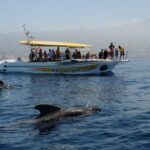
From Av. de Colón to the water: what the 2.5 hours really feel like
The day starts at Av. de Colón, 130, 38660 Costa Adeje. That’s handy because it’s in the Costa Adeje area with near public transportation, so you’re not stuck hunting for a remote drop-off.
From there, your time is built around one core goal: getting you comfortable quickly. The session lasts about 2 hours 30 minutes (approx.), which is long enough to teach basics, get you used to breathing underwater, and still have time for wildlife-focused swimming.
Most importantly, this is a small-group activity (maximum 10 participants). In real terms, that means you spend less time waiting and more time doing. For a first try, waiting can feel awkward. Here, the pace is designed to keep you moving through instructions, equipment setup, and the water time without long gaps.
You’ll also be wearing swimwear (dress code). That’s one of those “small” details that matters more than you’d think. It reduces friction so you can change and get settled fast—especially if the operation needs flexibility depending on wind and sea conditions.
If you’re a family or you’re traveling with mixed comfort levels, this timing tends to work well. You’re not stuck for hours in one stretch of uncertainty; you have a structured arc, then you’re back near the original meeting point.
The try session in shallow, calm water (and why it matters)
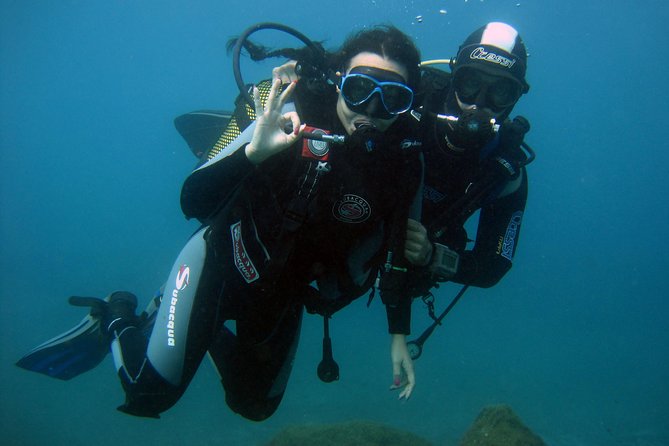
Your first scuba moments happen in a quiet and shallow area in the south of Tenerife. That choice is not accidental—it’s the whole point for beginners.
In shallow water, you can:
- practice breathing and buoyancy with less stress
- keep the movements simple
- recover quickly if you feel unsure
The plan is centered on making the underwater experience feel achievable. You’ll get personal instructions and support from the scuba team, and you’re accompanied by a dedicated instructor during your try moment. That matters because first-time anxiety usually isn’t about courage—it’s about not knowing what’s coming next.
You’ll also complete a health questionnaire before diving, and your instructor will help make sure your participation is appropriate. The tour notes that some conditions can prevent you from scuba, including things like asthma, heart conditions, diabetes, blood pressure problems, and lung problems—so if anything in that list applies to you, it’s smart to talk with your doctor first.
Another practical factor: timing with travel. The tour advises against a scuba session within 12 hours of flying, and it also recommends avoiding going up the Teide or high altitudes for 12 hours after your scuba session. That’s the kind of real-world guidance many people overlook when they pack a busy itinerary.
Snorkeling safari after the first breath: what you might see
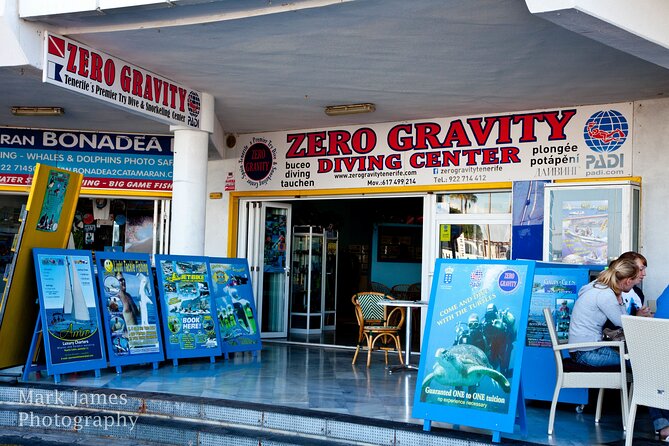
This is designed as more than a “learning pool test.” It’s a snorkeling safari in the same underwater zone, with a chance to spot wildlife.
The experience specifically mentions the possibility of seeing:
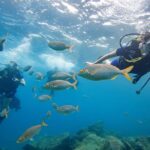
- schools of fish
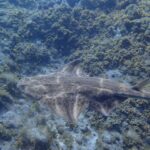
- cuttlefish and octopus
- crabs
- rays
- and sometimes turtles
In plain language: you’re learning scuba in a place where there’s enough life to make it feel worth it. If you only saw bubbles and training gear, it could feel like a chore. But when the water holds creatures—especially ones you can observe calmly rather than chase—it turns into an actual memory.
There’s also a useful “comfort” angle from the way the experience is run. The instructors help you focus on what to watch, not just what to do. One person noted that their instructor gave clear attention to points to watch and stayed attentive in the water. That kind of guidance helps you spot wildlife instead of constantly checking your own gear.
Should you expect turtles every time? No. But the route is chosen with the turtle area concept in mind, and the overall setup increases your chances compared to random, unguided snorkeling.
Boat vs. shoreline: the format that affects your animal sightings
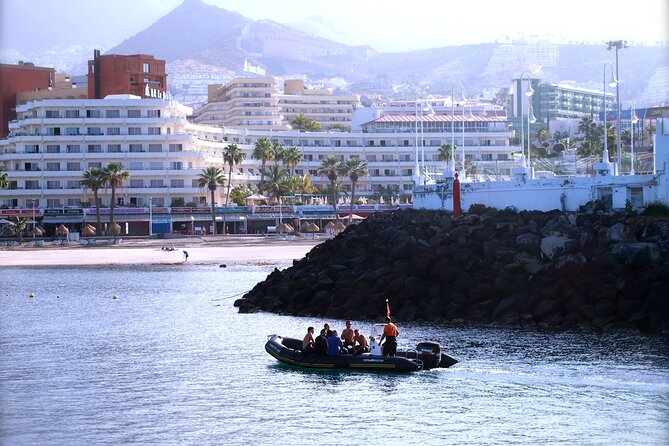
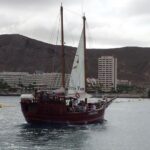
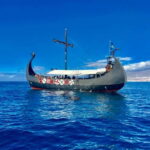
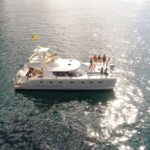
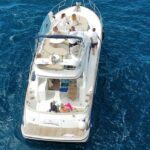
This is a boat-based experience. The whole concept is set up to get you into the right waters without forcing everyone to rely on shoreline conditions.
There’s one practical detail worth taking seriously: the usual format is run from the boat, especially because the operation is inside the port area (Port Colón). Shore-based starts are described as possible only with special request.
Why does this matter for your experience? Because staying near rocky shoreline can limit what you see. Deeper or more open water tends to be where wildlife shows up more reliably. If you’re comparing options, boat access is usually a big advantage for first-time underwater sessions.
If you strongly care about maximizing wildlife chances, it’s worth arriving on time and being clear with staff that you’re set up for the standard boat format (not a shoreline alternative).
You can also read our reviews of more scuba diving tours in Tenerife
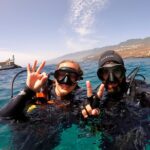
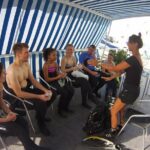
Instructor style: calm rules, freedom to explore, real safety focus
The standout theme across the experience details and feedback is how supportive the instruction is. You’re not just “given gear” and sent off.
You’ll get personalized coaching on:
- what to do during your try moment
- how to handle your body in the water
- what to watch for
- and when to pause or ask for help
Importantly, you’re also not treated like a passenger. You’re a participant with your own instructor. That matters for two reasons: safety and confidence.
A few named instructors come up as being especially effective with first-timers and kids—Christina and Carmen are both mentioned as people who explain clearly and keep things friendly. The lesson learned here is that the team’s strength is communication. Good scuba instruction isn’t just technique; it’s reducing confusion so you can focus on the underwater environment.
One additional practical point: the group stays small, and the staff can adjust timing based on conditions. There’s an example of staff moving the time earlier to avoid wind, which is exactly the kind of flexibility you want in a marine setting.
Price and value: what $84.66 covers (and what it doesn’t)
At about $84.66 per person, this try-scuba experience isn’t the cheapest activity in Tenerife. But for beginners, price comparisons can be misleading because the real question is what’s included versus what you’d pay elsewhere.
Here’s what you get included:
- professional guide
- insurance
- equipment
- all taxes, fees, and handling charges
What’s not included:
- parking fee
- food and drinks
- souvenir photos (available to purchase)
Value-wise, the equipment + insurance + instructor coaching bundle is the key. Many low-cost options can look cheaper on paper but end up charging extra for gear, safety coverage, or structured instruction.
Also, you’re not just doing a half-hour taster. The overall session is about 2 hours 30 minutes, and it includes both the try scuba moment and the snorkel safari component. That’s why I think the pricing makes sense for first-time visitors who want a guided, confidence-building day rather than a DIY plan.
If you’re budgeting carefully, plan for food/drink on your own. And if you care about photos, consider that souvenir photo and video packages are optional, and quality can vary.
Who should book this try-scuba experience (and who might hesitate)
This works best if you:
- want a true first-time scuba experience with step-by-step help
- prefer small groups (max 10)
- like wildlife spotting more than technical training
It’s also a good fit for families. The tour notes a minimum age of 10. Children up to 15 must be accompanied by an adult, so this isn’t a “drop the kids and hope” kind of day.
You should also have moderate physical fitness. That doesn’t mean athletes only—just that you should be comfortable getting in and out of the water, staying calm underwater with coaching, and following instructions.
If you have any medical considerations, be ready for the questionnaire. Conditions like asthma, heart issues, diabetes, blood pressure problems, or lung problems can prevent participation, so it’s worth speaking to a doctor ahead of time if you’re unsure.
Also, if your trip itinerary is tight with flight schedules, keep the 12-hour rules in mind. They’re not meant to be annoying. They’re meant to protect you.
Should you book? My practical take
I’d book this if you’re coming to Tenerife for a first scuba experience and you want it done in a safe, guided, small-group way with wildlife spotting built in. The personal-instructor approach is the biggest reason to choose this over a larger, less controlled option.
Don’t book it expecting guaranteed turtles. Book it expecting a well-organized try moment in calm water plus a snorkeling safari where the sea life can be the star.
If you care about maximizing time in the water and seeing more than just shoreline scenery, choose the standard boat format and show up ready in swimwear. And if you’re curious about photos, treat that as an optional add-on—not part of the core experience.
Quick checklist before you go
- You meet the age rules (10+; under 15 with an adult)
- You can answer the health questionnaire safely
- You’re not within 12 hours of flying
- You can avoid Teide/high altitudes for 12 hours after
FAQ
What’s the duration of the try scuba experience?
It runs for about 2 hours 30 minutes (approx.).
What’s included in the price?
The price includes a professional guide, insurance, equipment, and all taxes, fees, and handling charges.
What should I wear?
The dress code is swimwear.
What’s the minimum age to participate?
The minimum age is 10 years. Children up to 15 must be accompanied by an adult.
Does this activity start from a boat or the shore?
It’s a boat-based try scuba experience. The usual format is from the boat in the port area (Port Colón), while shoreline-only starts are described as special requests.
Is it offered in English?
Yes, it’s offered in English. A multi-lingual guide may operate as well.
When should I avoid this activity because of travel or altitude?
The tour advises not to schedule scuba within 12 hours of flying, and not to go up the Teide or other high altitudes within 12 hours after the scuba session.