REVIEW · VALENCIA
Valencia: Hortensia Herrero Art Center Ticket or Guided Tour
Book on GetYourGuide →Operated by Hortensia Herrero, Fundación de la Comunidad Valenciana · Bookable on GetYourGuide
Art and archaeology share the same rooms. In Valencia, the Hortensia Herrero Art Center turns a palace setting into a powerful place to look closely at contemporary art and the older city beneath it. It’s a smart pick when you want art that’s connected to place, not just hung on walls.
I especially love the Valeriola Palace setting: original structural details, plus the way the building’s history frames what you see. I also like how you get both major international contemporary artists and site-specific work created for these rooms, so it feels like the artworks were made to live here.
One possible drawback: the visit is built as a compact 1.5-hour experience, so if you expect a slow, long sit with every piece, you might feel rushed or left wanting more.
In This Review
- Key highlights worth planning around
- Inside the Valeriola Palace in Valencia
- What the main hall teaches you about the space
- The 17 exhibition spaces: how the collection moves through your visit
- Major contemporary artists, shown in a place with weight
- Archaeology in the same walking route (Roman circus, Jewish quarter, and more)
- Guided tour vs. entry ticket: how to get more out of 1.5 hours
- Accessibility and pacing for different travel styles
- Value check: is it worth about $14?
- Who this art center suits best
- Should you book the Hortensia Herrero Art Center?
- FAQ
- FAQ
- How long is the Hortensia Herrero Art Center experience?
- What ticket options are available?
- How much does it cost?
- Where is it located?
- How big is the art center?
- What kinds of art can I expect to see?
- Which artists might be featured?
- Is there archaeology included in the visit?
- What languages are available for the host or guided tour?
- Is the site wheelchair accessible?
Key highlights worth planning around
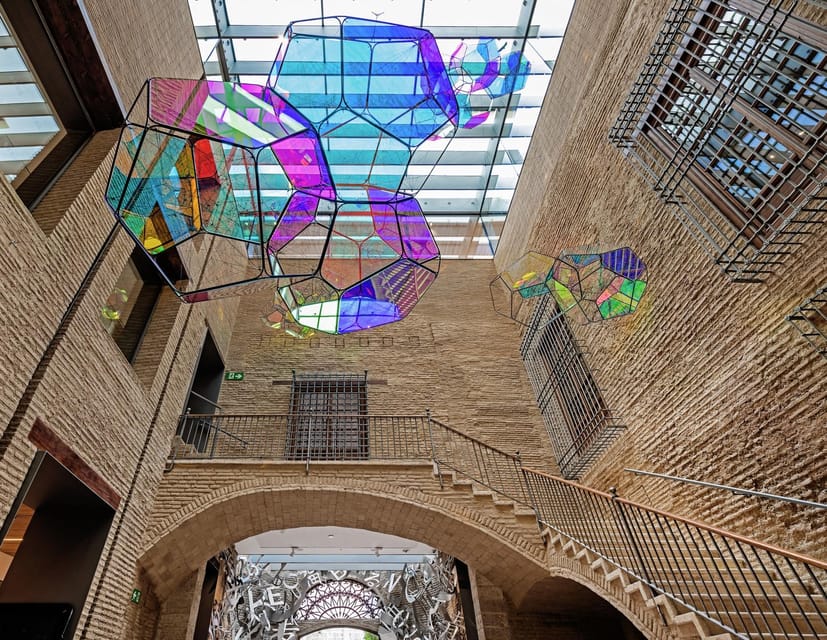
- Valeriola Palace setting: a 17th-century palace turned museum, with historic materials you can spot as you go.
- 17 exhibition spaces in 3,500 square meters: two four-story buildings, so the layout rewards curiosity.
- Works connected to the site: pieces made specifically for the palace spaces and a private collection of Hortensia Herrero.
- Big names in contemporary art: you may see works by Andreas Gursky, Anselm Kiefer, and Georg Baselitz, plus others.
- Archaeology on the same ticket: Roman circus remains, a Jewish quarter alley, a medieval oven, and an Islamic fountain.
- Choose your pacing: entry ticket on your own or add a guided tour in English, Spanish, French, Italian, or Catalan.
Inside the Valeriola Palace in Valencia
The Hortensia Herrero Art Center sits in the historic center of Valencia, in the Valeriola Palace, which helps explain why this visit feels different from most museum stops. You’re not just moving from room to room. You’re walking through an old building that still has its own story in the walls.
This place spans two four-story buildings, totaling about 3,500 square meters and 17 exhibition spaces. That size matters because it keeps the experience from feeling like a quick photo stop. You’ll have enough variety to stay interested, even if you only have an hour and a half.
The museum setting also gives you a built-in contrast: modern art meets visible traces of older Valencia. So even before you get to any major works, your eyes are already “trained” to look at layers of time.
A few more Valencia tours and experiences worth a look



What the main hall teaches you about the space
One of the first things I like is the sheer physical honesty of the building. The main hall includes original wooden beams and ceramic masonry—details you’d normally only notice if you’re the type to look up and around.
Those architectural elements aren’t just decoration. They set a tone for the art: contemporary works here feel like they’re reacting to a real, older structure, not floating in a white box. If you enjoy buildings that have character, you’ll get extra enjoyment from watching how the rooms shape light and sightlines.
Because the center operates in multiple exhibition spaces across several floors, you’ll also get a natural rhythm: look at a room, move through another, then come back to compare how the art changes with the setting. Even if you skip the guide, the building does some of the “explaining.”
The 17 exhibition spaces: how the collection moves through your visit
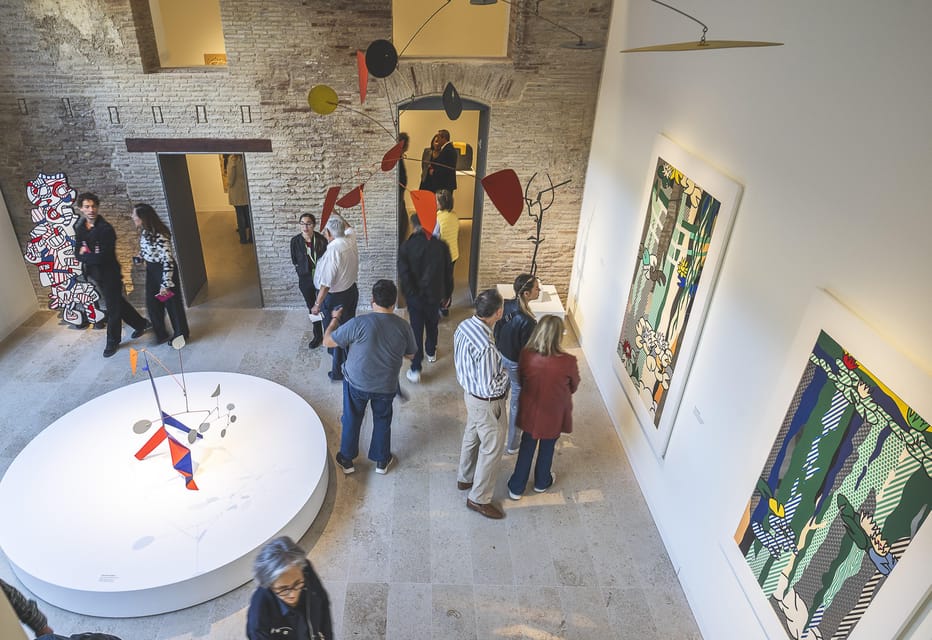
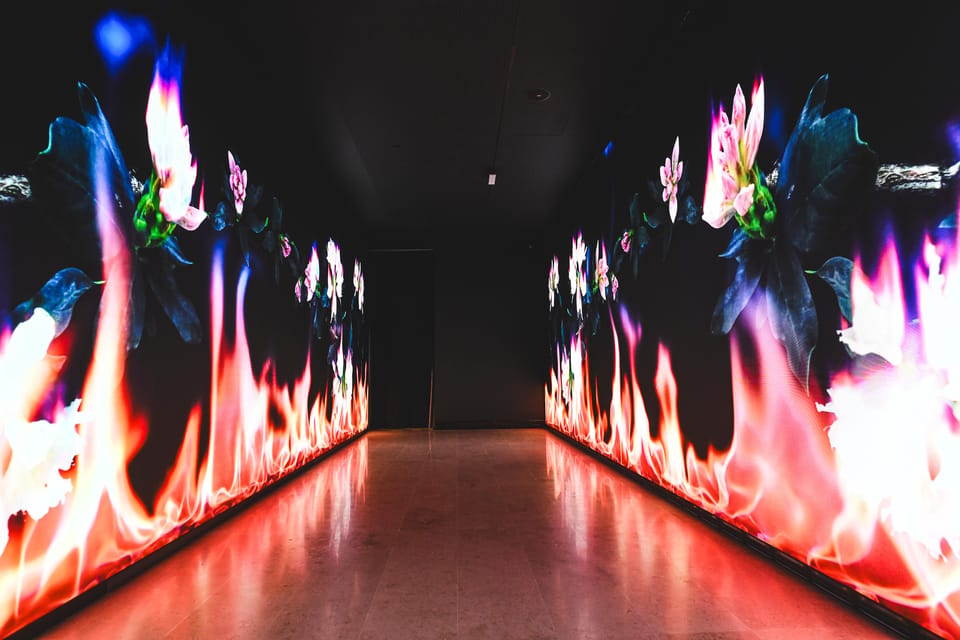
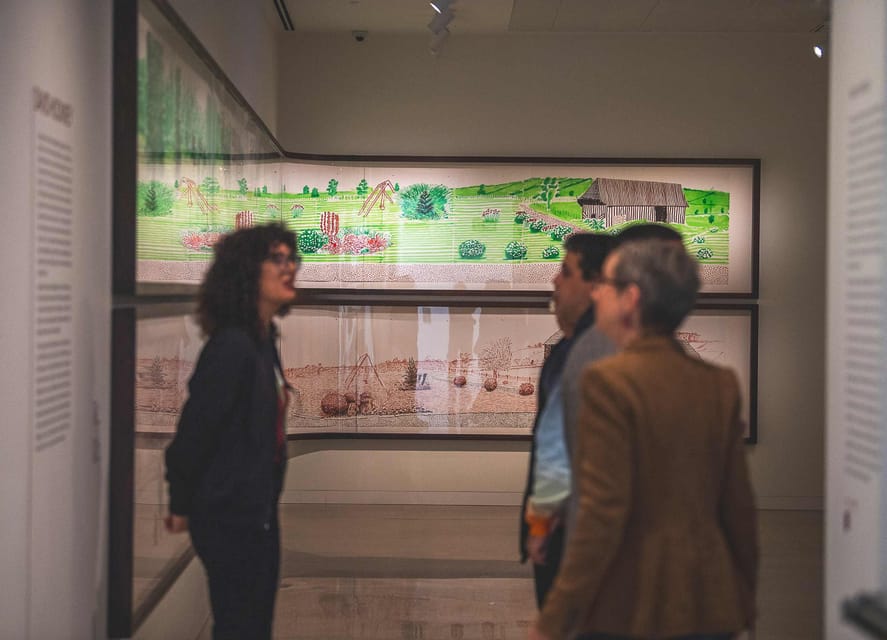
The museum layout is designed so you can build meaning by moving. With 17 exhibition spaces, you’re unlikely to see everything in the exact same way twice, and that’s the point. Different rooms can push you toward different kinds of looking: images, video, installations, or works made to be experienced in context.
Expect a mix that includes multimedia works and pieces created for specific palace areas. That matters for your planning because site-specific art can feel more powerful when you’re in the exact space it was designed for. In a typical gallery, you might read the wall text and move on. Here, the room is part of the work.
Also, plan your expectations. This is contemporary art in a historic palace, so not every piece will hit every person the same way. The low-end review on the experience pointed out that the visit conditions didn’t match expectations, and that’s a reminder to be flexible. If you’re going in expecting one single highlight, you may be disappointed. If you go expecting variety, you’ll likely have a better time.
Major contemporary artists, shown in a place with weight
One reason people come back to this center is the chance to see major names connected to contemporary art history. Depending on what’s on view at the time of your visit, you may encounter works by artists such as Andreas Gursky, Anselm Kiefer, and Georg Baselitz.
I like seeing those artists in a palace because their work often benefits from scale and gravity—this isn’t a minimalist box where everything gets flattened. Even when you don’t know the piece’s background, you can still feel how the space changes your reading of it.
You may also see works linked to the private collection of Hortensia Herrero, including artists like Tomás Saraceno, Jaume Plensa, Olafur Eliasson, Cristina Iglesias, Sean Scully, and Mat Collishaw. That range is useful if you’re traveling with different tastes in art. One person might grab onto the architectural thinking behind a work. Another might focus on form, light, or sound. The palace setting gives all of it a common context.
Archaeology in the same walking route (Roman circus, Jewish quarter, and more)
Here’s the part that makes this visit feel like Valencia, not just an art stop: archaeological remains appear within the experience. Instead of “outside” history being a separate ticket, you encounter traces of older city life as you explore.
You can expect to see remains connected to:
- the Roman circus of Valencia
- an alley from the ancient Jewish quarter
- a medieval oven
- an Islamic fountain
That list is more than trivia. It changes how you interpret the art. When you’re looking at contemporary works inside spaces that also hold older layers, you naturally start thinking about continuity—how a city keeps rewriting itself without fully erasing the past.
If you like walking through history, you’ll probably find yourself slowing down here. You’re standing near evidence of daily life from different eras, while the art nearby responds to the same idea: time, memory, and place.
You can also read our reviews of more guided tours in Valencia






Guided tour vs. entry ticket: how to get more out of 1.5 hours
You can do this in two ways: take an entry ticket on your own, or choose a guided tour. The guided option lasts 1.5 hours, and it’s offered with hosts who speak English, Spanish, French, Italian, and Catalan.
For my money, the guided tour is most worth it if you:
- want help connecting contemporary art to the palace architecture and archaeological layers
- enjoy museum context and prefer not to spend your whole time scanning wall text
- are visiting with someone who wants a clearer narrative
If you’re comfortable moving on your own, the entry ticket option still works well because the building does a lot of teaching. Just be intentional: pick a couple of artists or themes you care about, then use the rooms to test your own reactions.
One practical thing: with contemporary art, your enjoyment can swing based on pace. If you’re someone who likes to stand longer, you might do better with the entry ticket so you can linger where you want. If you prefer structure, the guided route helps you avoid getting “lost in looking.”
Accessibility and pacing for different travel styles
The center is wheelchair accessible, which is a big plus if you need an easier route through multiple floors and rooms. The experience spans two multi-story buildings, so it’s smart to think about your pacing either way.
If you’re traveling fast and trying to fit art plus sightseeing into one day, this is a good length at about 1.5 hours. If you’re a slow museum walker, I’d treat it as a focused circuit rather than a full-day deep study.
Also, it helps to remember that contemporary art can be emotional or challenging. The palace setting and the archaeological elements give you context, but your own reaction still matters. Plan to leave time after the visit to regroup with a walk outside the museum and let what you saw “settle.”
Value check: is it worth about $14?
At roughly $14 per person for entry, plus the option to add a guided tour, this is strong value for two reasons.
First, you’re paying for more than paintings in a room. You’re getting a palace interior plus multiple layers of Valencia history—Roman, medieval, and Islamic traces are part of the experience. That’s usually harder to bundle into one stop.
Second, the scale is real: 17 exhibition spaces across 3,500 square meters. For the time investment, it’s not tiny. Even if you don’t love every single work, the variety and setting give you enough to justify the cost.
If you’re visiting with a group, it can also be budget-friendly compared with other major museums that require higher tickets for similar “place-based” experiences.
Who this art center suits best
This is a great fit if you like contemporary art, but you also care about context. The palace and the archaeological remains help you connect the art to a living city.
I’d especially recommend it for:
- art lovers who enjoy installations and multimedia, and don’t mind a mix of styles
- travelers who want one stop that combines art and history
- anyone planning a Valencia day around the historic center and wants a cultural anchor
It may be less satisfying if you want only one or two “signature masterpieces” and you hate variety. Contemporary art is personal, and some people may feel the visit is short for what they wanted. But if you go expecting a guided circuit through a site-shaped collection, you’ll likely get a lot out of it.
Should you book the Hortensia Herrero Art Center?
Book it if you want contemporary art with actual Valencia underneath your feet. The combination of Valeriola Palace architecture, major contemporary artists, and archaeological remains makes it more than a standard museum visit. With a duration of 1.5 hours, it’s also easy to slot into a day without wrecking your schedule.
Skip it only if you’re strictly chasing a long, slow museum experience or you prefer art presentations that are purely modern and separate from old-world layers. If that’s your style, you’ll probably feel the compressed pacing.
My take: this is a high-reward stop for curious travelers who like their culture with a sense of place.
FAQ
FAQ
How long is the Hortensia Herrero Art Center experience?
The visit is about 1.5 hours.
What ticket options are available?
You can book an entry ticket only or upgrade to a guided tour.
How much does it cost?
The price is listed as $14 per person.
Where is it located?
It’s in the historic center of Valencia, inside the Valeriola Palace.
How big is the art center?
It covers about 3,500 square meters with 17 exhibition spaces across two four-story buildings.
What kinds of art can I expect to see?
The center includes multimedia artworks and artworks created for the palace spaces, plus works from Hortensia Herrero’s private collection.
Which artists might be featured?
Artists named in the information include Andreas Gursky, Anselm Kiefer, Georg Baselitz, Tomás Saraceno, Jaume Plensa, Olafur Eliasson, Cristina Iglesias, Sean Scully, and Mat Collishaw.
Is there archaeology included in the visit?
Yes. You can see remains connected to the Roman circus of Valencia, an alley from the ancient Jewish quarter, a medieval oven, and an Islamic fountain.
What languages are available for the host or guided tour?
English, Spanish, French, Italian, and Catalan.
Is the site wheelchair accessible?
Yes, it’s listed as wheelchair accessible.