REVIEW · VALENCIA
Valencia: Bioparc Valencia Admission Ticket
Book on GetYourGuide →Operated by BIOPARC VALENCIA · Bookable on GetYourGuide
Africa, on foot, in the middle of Valencia. I love the clean, natural-feeling exhibits and the close-up design that makes Bioparc feel more like a walking safari than a typical zoo. One consideration: timed entry slots and crowds (especially around families) can make midday a bit louder than you might want.
This park is built around ecosystems, not cages. You’ll move through four African worlds—Savannah, Wetlands, Equatorial rainforest, and Madagascar—and stop for highlights like Kitum Cave and elephant trails that bring you right up to the best viewing angles.
Plan for rules that shape the day. Food and most drinks are not allowed (water in a non-glass container is fine), and you’ll want to keep your camera ready without flash. If you like shade and breaks, you’ll be glad there are places to sit as you go.
In This Review
- Key takeaways before you go
- Bioparc Valencia is a walking safari of habitats
- Ticket value: what you get for the admission price
- Entry times and the QR map: how to make your day feel easy
- Savannah: antelope, giraffes, rhinos, and lions on rock views
- Kitum Cave: burrows, underground action, and a legendary cave recreation
- Wetlands and the elephant trail: hippos, crocodiles, and fish under water
- Equatorial rainforest and Madagascar: gorillas and lemurs in separate worlds
- Rain, heat, and crowds: the real-world stuff that affects comfort
- Planning time: how long you actually need
- Food, coffee breaks, and what the rules mean for you
- Who this is perfect for (and who might want to think twice)
- Should you book Bioparc Valencia admission?
Key takeaways before you go
- Four habitats, one smooth route: Savannah, Wetlands, Equatorial rainforest, and Madagascar are laid out to keep you moving.
- Kitum Cave is a real head-turner: a dedicated recreation tied to the park’s African theme.
- You’ll have lots of viewing angles: many areas are designed so you don’t feel stuck staring from one distance.
- Bring water, skip snacks: park rules limit food/drinks, so plan hydration.
- QR map helps you stay on track: get your bearings fast right at the gate.
- Wet weather isn’t the end of the trip: some animal viewing works through sheltered openings when it rains.
Bioparc Valencia is a walking safari of habitats
Bioparc Valencia is one of those places where the concept matters as much as the animals. Instead of seeing isolated enclosures, you get a route that feels like traveling across Africa, with each zone built around different plants, landforms, and animal behavior.
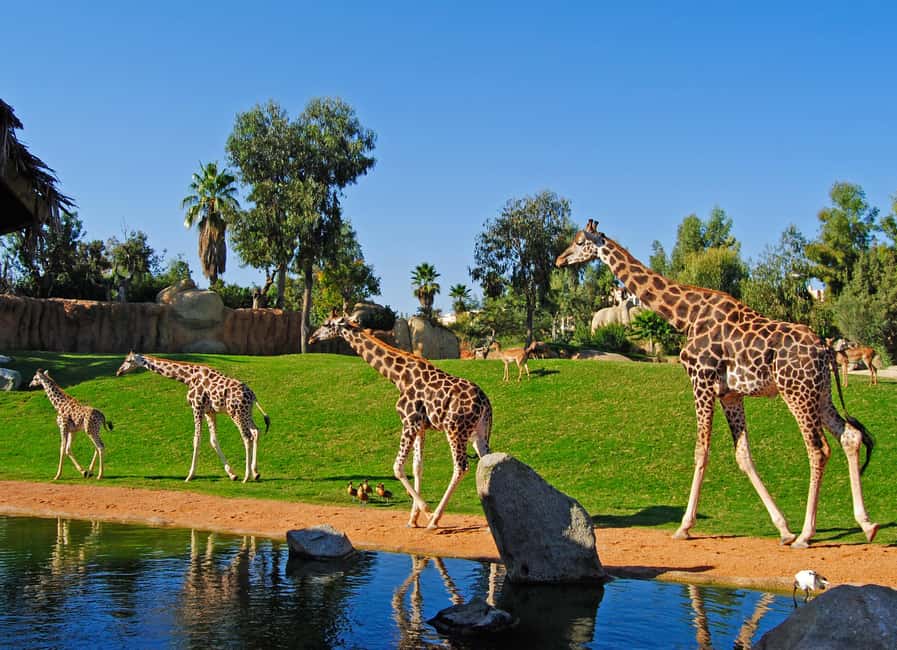
The big payoff for you is how much variety you get in a single day. Lions and giraffes are not an “add-on.” They’re part of the Savannah experience, with higher rock vantage points and open views designed to mimic where you’d expect to watch them in the wild.
You’ll also notice something practical: the layout encourages walking and gives multiple spots to stop and watch. Several people also highlight that it stays clean and well maintained throughout the grounds, which really improves the experience when you spend hours inside.
The downside is simple: it’s popular. On busier days, expect more noise from people calling out, trying to attract animals, or doing the whole touch-and-go thing that you can see a mile away. You don’t need to fight the crowd, but your best viewing will come when you let animals do what they do.
A few more Valencia tours and experiences worth a look


Ticket value: what you get for the admission price
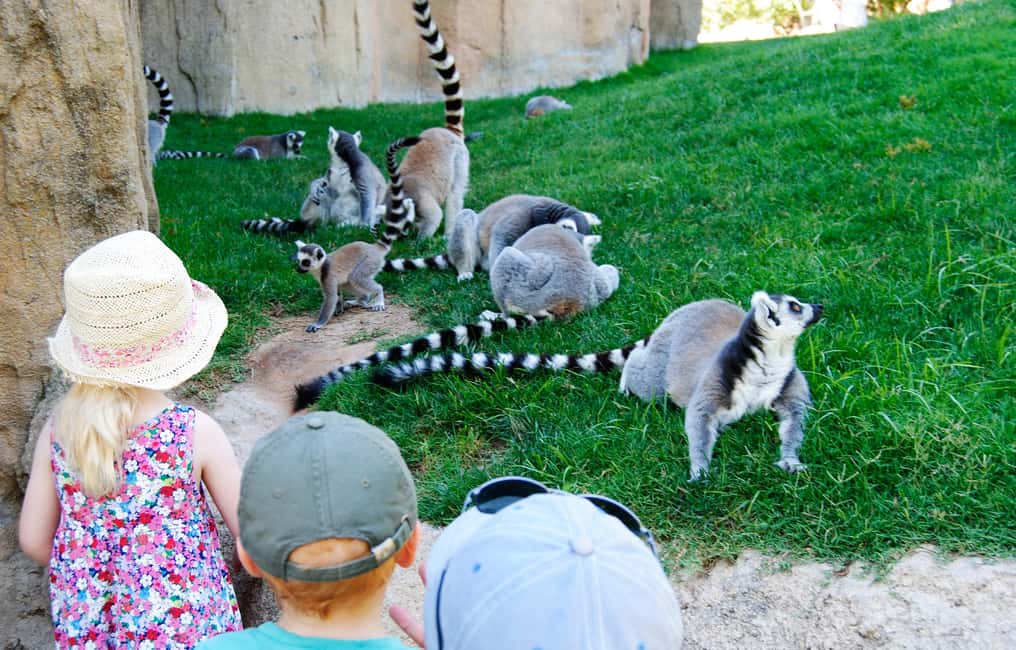
At around $35 per person (for a 1-day visit), you’re paying for more than entry. The admission includes access to a full program of activities like guided tours and a feeding trail, plus animal exhibits and other services inside the park.
That matters because a zoo can be either “walk around until you’re done” or “walk around with structure.” Here, the added activities help break up the day and give you a reason to stop and look longer, especially in zones that might otherwise feel similar at first glance.
Also included in the on-site experience: restaurants, shops, and parking are available (note: the car parking fee is separate). It’s a setup that makes sense for a self-paced visit—grab a meal when you need it, buy what you forgot, then keep moving.
One small caution on cost: if you’re the type who buys photos or souvenirs often, you’ll want to budget for that. Some visitors mention that photos can add up, so go in knowing it’s easy to spend extra if you’re not careful.
Entry times and the QR map: how to make your day feel easy
You pick a time slot when you book, and the park lets you enter within a specific window tied to that slot. For example:
- 10:00 AM slot: you can enter between 10:00 AM and 11:59 AM
- 12:00 PM slot: 12:00 PM to 12:59 PM
- 2:00 PM slot: 2:00 PM to 2:59 PM
- 4:00 PM slot: 4:00 PM to 4:59 PM
- 6:00 PM slot: 6:00 PM until closing
My advice: arrive in that entry window, not way early and not rushing at the last minute. It’s not just about getting in—it’s about getting started with good momentum while you’re fresh.
A practical tip: I’ve seen visitors recommend using the QR code map the park gives you at the gate. That’s smart because the grounds are large and the zoning changes as you go, so a live map helps you avoid zigzagging.
One more rule that affects planning: once you leave, you generally can’t re-enter unless staff authorize an exceptional case or you buy a new ticket. So if you step out for any reason, double-check before you do.
Savannah: antelope, giraffes, rhinos, and lions on rock views
The Savannah area is where the park starts making its case. You’ll walk among spaces themed for herds—think antelope-style settings—and then shift into zones designed for giraffes and rhinos. Lions show up looking out over the plains from elevated rocks, which is key.
Why that matters for you: lions are often hardest to spot in zoos because they hide or move to the back. Here, the design leans into visibility. You’re not just hoping for a sighting; you’re walking through viewing points meant for them.
This is also a good first zone if you want the classic animal highlights early. The park is easiest to enjoy when your expectations match the layout, and Savannah sets that tone fast.
A small camera note: flash photography is not allowed. If you’re trying to capture action shots, use your phone’s natural light mode and aim for the shaded viewing spots where animals are more relaxed.
Kitum Cave: burrows, underground action, and a legendary cave recreation
Kitum Cave is one of the park’s standout “stop-and-stare” moments. You get a themed recreation tied to one of Africa’s most legendary caves, and the area is built to make underground life feel like part of the journey, not an afterthought.
Above ground, you’ll move through the Savannah and into the more layered zones. Below ground, the park focuses on burrows and animals you might not expect to be central in a walking zoo. In the underground spaces, you may see aardvarks, hyenas, and warthogs, plus nests like naked mole rats. The Seba python is also mentioned as a feature tied to the burrow/underground theme.
For you, this is the difference between a typical zoo outing and something more memorable: it uses design to teach you that ecosystems have levels—surface, water, trees, and underground.
If you’re traveling with kids, this is often the zone that turns the day from watching animals into thinking about how they live. Even if you don’t catch every animal, the setting itself is worth the stop.
Wetlands and the elephant trail: hippos, crocodiles, and fish under water
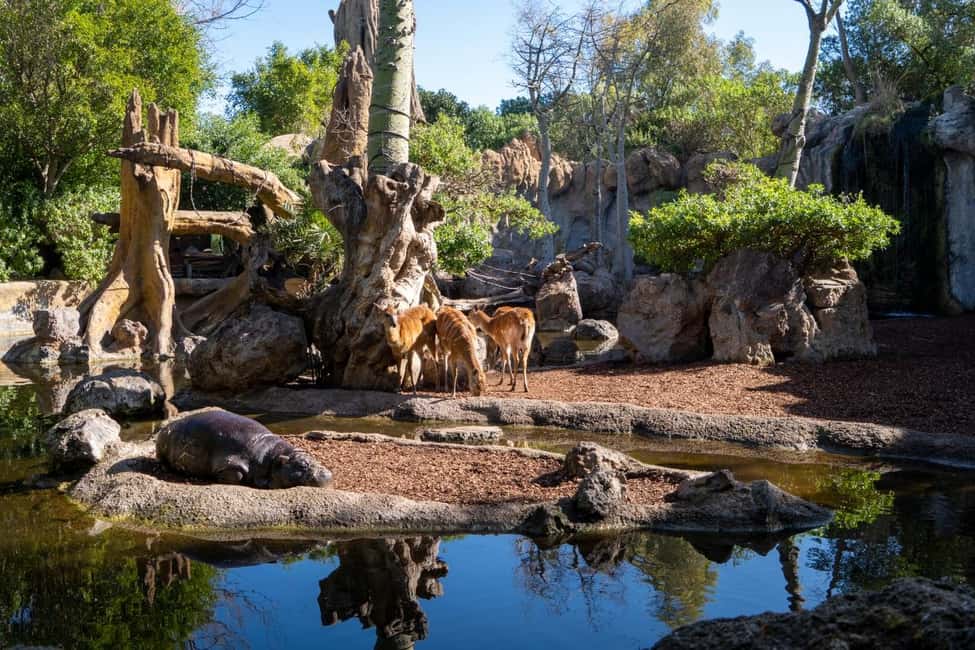
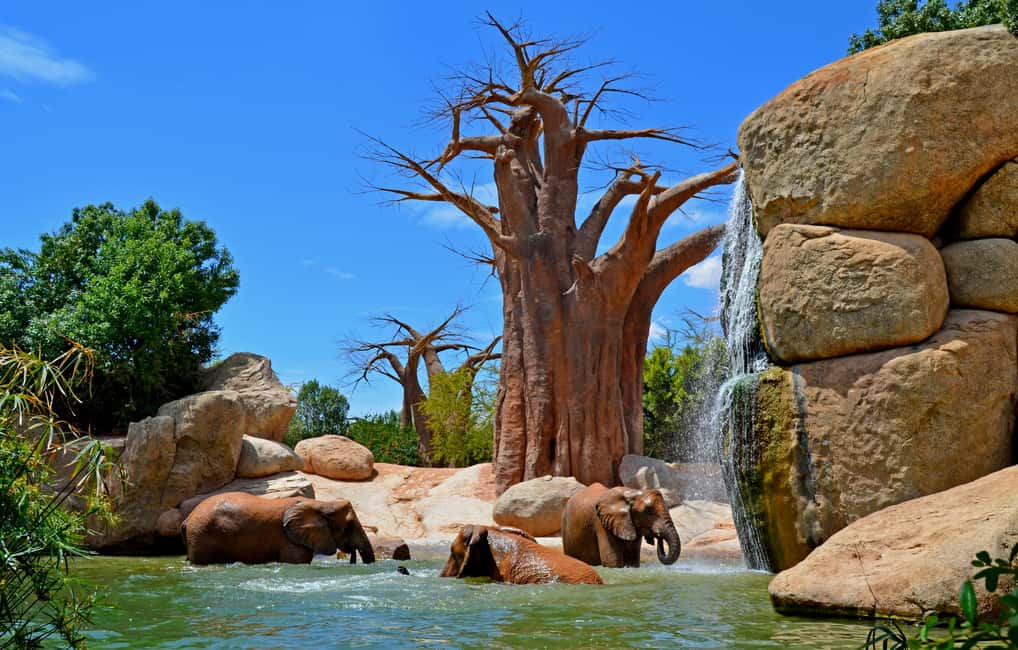
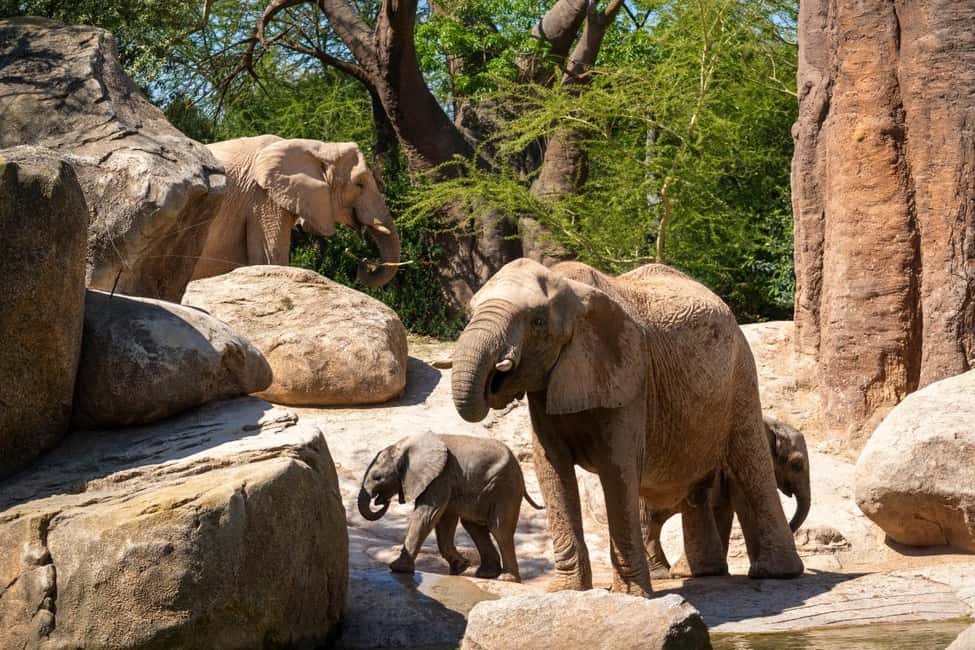
The Wetlands area leans into dramatic animal viewing. You follow an elephant trail to a huge cave dug by the pachyderms, and that cave setup becomes a viewing hub for what comes next.
From there, you get the “water-world” payoff: hippos and crocodiles are part of the experience, and there’s also mention of thousands of colorful fish submerged in the water. That’s the kind of scene that keeps pulling you back to the edge of a viewing point, because it’s not one animal doing one thing—it’s a whole moving system.
Practical tip: give yourself time here. Wetlands can slow your route because it’s visually rich and many animals are active in bursts. If you rush, you’ll spend your time walking instead of watching.
Also, if you’re visiting in rainy weather, you might be glad. Some visitors mention that even when it rains, animals can still be seen resting through side windows. That’s a great reason to stay flexible with your pacing rather than leaving early when the weather turns.
Equatorial rainforest and Madagascar: gorillas and lemurs in separate worlds
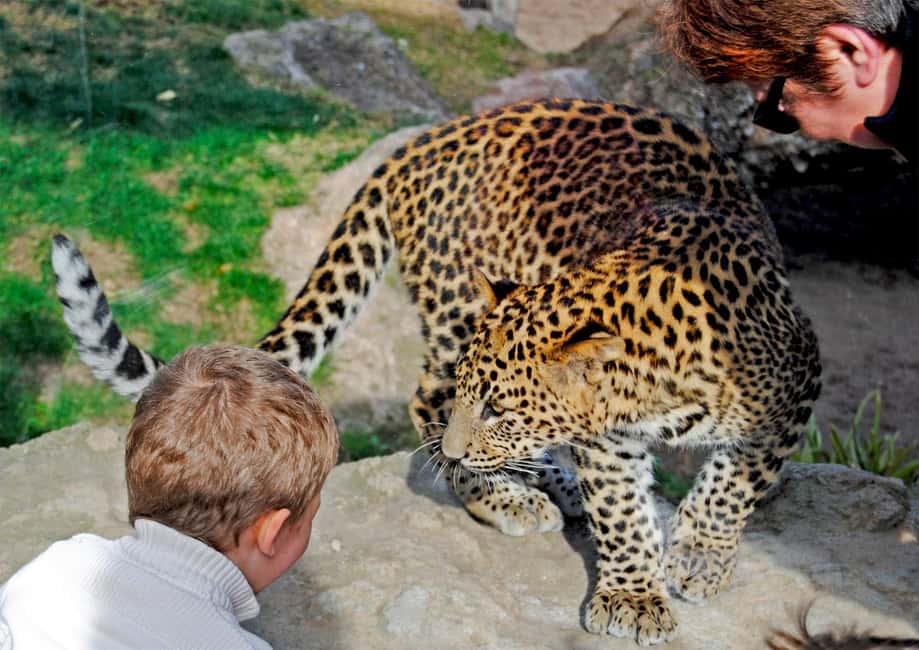
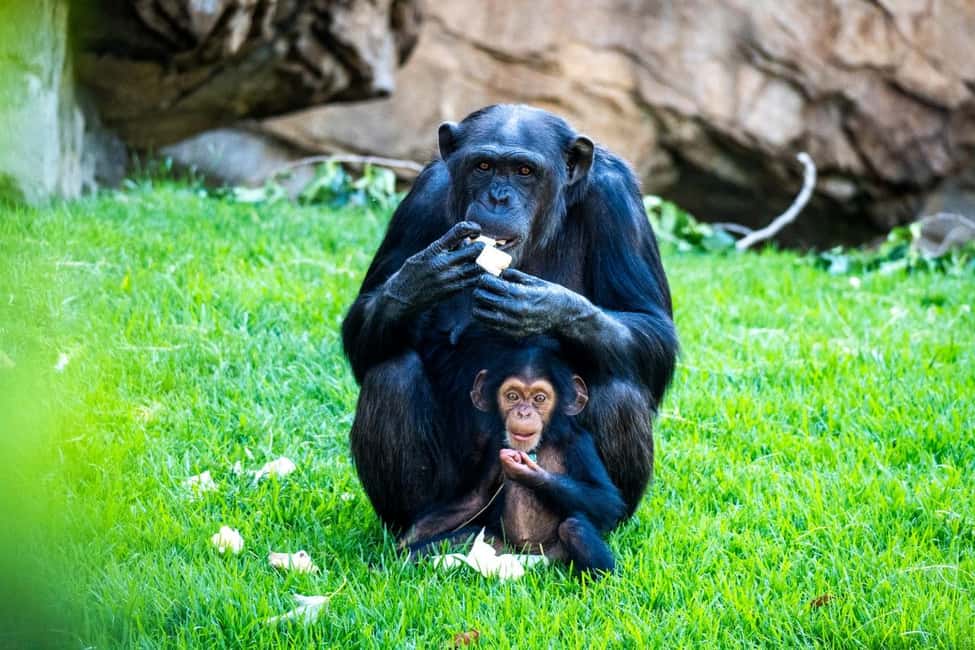
After the water and underground themes, the park shifts again—this time into an equatorial rainforest setting. In this zone, you’re looking for animals tied to dense forest life, including gorillas, red buffalo, and leopards.
The viewing style changes here. Forest zones are often the hardest in zoos because animals blend into the background. Bioparc’s solution is a layout that gives chances to see animals where you’d actually focus your attention in the wild: along paths, at vantage points, and through designed sightlines that respect the environment.
Then comes Madagascar, which is another big emotional win. Lemurs live on an island theme, and people mention seeing lemurs jump close—sometimes right over your head. That’s the kind of moment kids love and adults remember, because it breaks the usual “see from far away” pattern.
If you’re photographing, again: no flash. Use steady hands and let the scene come to you. Animals in this park often feel calmer when you don’t crowd their space.
Rain, heat, and crowds: the real-world stuff that affects comfort
Valencia weather can swing between warm and hot, and the park covers a lot of ground. In summer, expect heat, and plan for shade breaks. Visitors also recommend bringing a fan and cold water to cool down during hot months.
On the crowd side, midday can get busy, and the park is popular with families. One person noted that the park feels relaxing at quieter times, while another mentioned visitors being disruptive—screaming, trying to touch, and even trying to feed animals, which you should avoid.
Do this instead:
- Move with the flow, but pause where the viewing is best.
- Keep voices low and don’t try to get animals’ attention.
- Treat the park like wildlife viewing, not a performance for the animals.
This small mindset shift usually improves what you see, and it protects the experience for everyone behind you.
Planning time: how long you actually need
You have a 1-day ticket, but you don’t need to force a full-day marathon to enjoy the key zones.
From people’s experiences, 2–3 hours can be enough if your goal is to hit the major ecosystems and walk at a steady pace. Many visitors also say 4 hours feels right, especially if you linger for photos and want time for a sit-down meal.
My suggestion: plan for about half a day for the full route, and then decide based on your energy. If you’re enjoying yourself, you can slow down. If you’re not, you can still finish strong without feeling like you wasted the ticket.
Food, coffee breaks, and what the rules mean for you
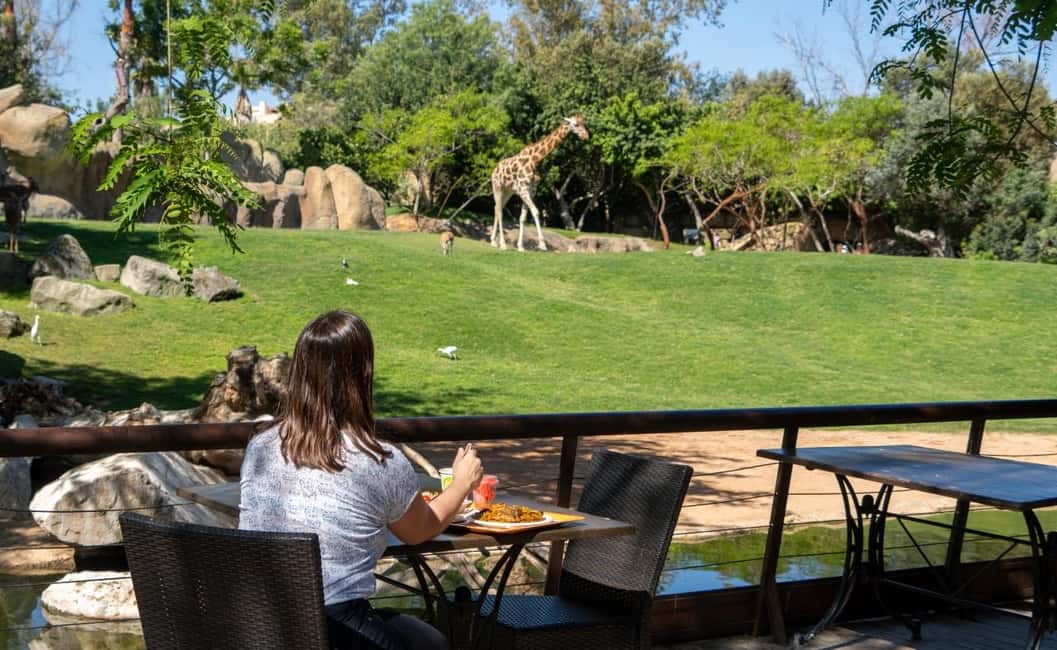
There are restaurants and cafés inside the park, and they’re part of why a longer visit works. Visitors mention a café near the gazelle area that’s a nice break point, and at least one person highlights a breakfast with views over rhinos and giraffes.
The rule to remember: food and drinks are not allowed except water in non-glass containers. That means you’ll likely buy what you eat inside, or you’ll plan water and timing around your meal stops.
One practical note for value: some people report that vending machines for cold drinks weren’t working on a visit. That’s not something to bet on, so bring a reliable plan for hydration (and a non-glass water container) in case you hit an outage day.
Who this is perfect for (and who might want to think twice)
Bioparc Valencia is great for:
- Families who want a single-day route with multiple animal worlds
- Animal lovers who care about design and viewing angles
- People who appreciate an animal setting that feels more natural than standard cages
- Visitors who like shade, seating, and a well-organized park layout
It’s less ideal if:
- You strongly prefer bringing snacks and eating on your own schedule (food rules are strict)
- You hate walking—this is a “walk the park” experience, and it’s large
- You want total silence. On busy days, the noise level can rise when crowds swell
Accessibility is a plus. The park is listed as wheelchair accessible, and there are plenty of spots to rest as you move between zones.
Should you book Bioparc Valencia admission?
If you want a one-day animal experience that feels like you’re moving through Africa—Savannah to Wetlands to rainforest to Madagascar—this ticket is a strong buy. The included activities, the clean, well cared-for feel, and the emphasis on viewing angles make it easier to enjoy even when animals aren’t perfectly active.
Book it if your style fits: you’re okay following park rules, you can handle timed entry windows, and you’ll enjoy a self-paced route with occasional structured moments.
Skip or reconsider if you need to bring your own food, you’re not comfortable walking a large park, or you’re likely to get irritated by the noise that comes with a popular family attraction.