REVIEW · VIGO
Vigo: Walking Tour with local History & Culture
Book on GetYourGuide →Operated by VIGO TURÍSTICO · Bookable on GetYourGuide
Vigo has a way of surprising you fast. This 2-hour walking tour links the old town to the port with real stories, sharp local details, and big views over the Ría de Vigo. I like how it mixes monuments with street-level life, plus it ends with practical recommendations you can actually use that same day. One heads-up: it’s still a walking route with hills and some rough patches, so go in ready shoes and a flexible attitude.
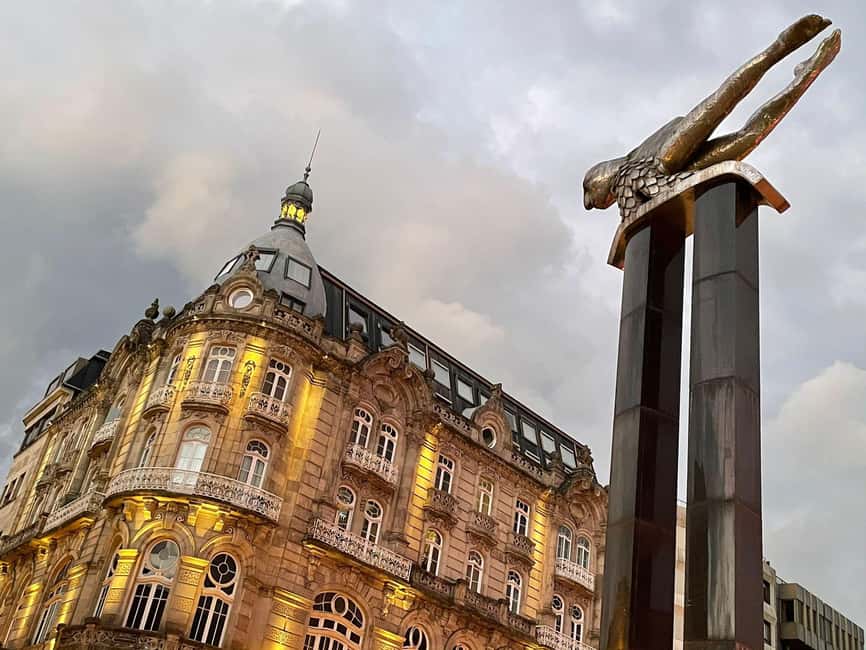
I especially love the start at Praza Porta do Sol, where you meet near the famous El Sireno statue (the man-fish) high above the square. The guided part also pays off with stop-by-stop context, from the Garcia Barbon Theatre area to Castelo de San Sebastián and then down to the harbor. The only drawback to consider is hearing comfort—on bigger groups, you may find it takes effort to stay in front when the guide uses a speaker.
If you want a quick, friendly way to understand Vigo beyond the postcard version, this tour does the job. Guides like José Manuel, Pedro, Jorge, and Omar pop up in different groups, and the common thread is clear: they bring humor, energy, and a real love for the city. Just remember: it’s mostly outside, so weather can change the vibe.
In This Review
- Key Things That Make This Vigo Walk Worth Your Time
- Start at Porta do Sol: El Sireno, the Perfect Vigo Shortcut
- The Old Town Route: Streets, Plazas, and Vigo’s Real Tempo
- Castelo de San Sebastián: Why This View Is More Than a Photo Op
- The Treasure of Rande Thread: Legends That Link Vigo’s Past to the Water
- Down to the Harbor: Nautical Avenues, Sunken-Treasure Legends, and Port Energy
- Food and Local Plans: The Part That Can Save You a Late Dinner Search
- Price and Value: What $22 Buys You in Real Terms
- Pacing, Terrain, and Hearing: The Stuff You Should Know Before You Go
- Language and Guide Quality: English-Friendly, With a Human Twist
- Who Should Book This Vigo Walking Tour?
- Should You Book This Vigo Walking Tour?
- FAQ
- Where do I meet for the Vigo walking tour?
- How long is the tour?
- What languages are offered?
- Is the tour wheelchair accessible?
- What does the price include, and what is not included?
- Is the tour fixed-price or tip-based?
Key Things That Make This Vigo Walk Worth Your Time
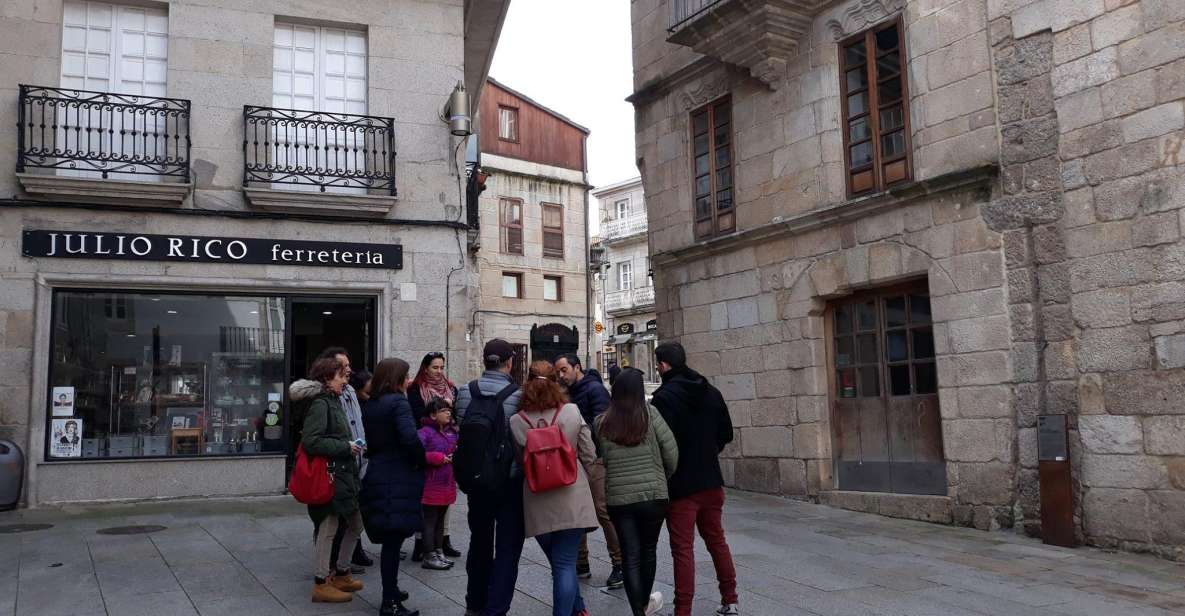
- Meet at Porta do Sol by El Sireno: it’s the easiest landmark to anchor the whole experience.
- Ría de Vigo views most of the way: you’ll see why the harbor matters to everything in Vigo.
- Treasure of Rande story: a local legend thread that ties the old town to the nautical area.
- Practical local plans: you get ideas for where to go next, including Galician food picks.
- City icons in a tight route: theatre, plazas, and the Castelo de San Sebastián viewpoint—without wasting time.
- Guides adapt to people: several guides are known for adjusting pace for mobility needs.
Start at Porta do Sol: El Sireno, the Perfect Vigo Shortcut
Your tour begins in Praza Porta do Sol, right in the middle of Vigo, near the statue called El Sireno (the man-fish). It helps to look up: the sculpture sits high above the ground, so you may need a quick scan of the square before you spot it. When you see a guide with a red umbrella, you’ve found the group.
What I like here is the immediate “get your bearings fast” effect. Vigo can feel a bit spread out when you first arrive, but this start forces you into the center—where the plazas and streets link together logically. It also sets the tone: you’re not just walking past things, you’re learning what they mean in the city’s story.
You can also read our reviews of more tours and experiences in Vigo.

The Old Town Route: Streets, Plazas, and Vigo’s Real Tempo
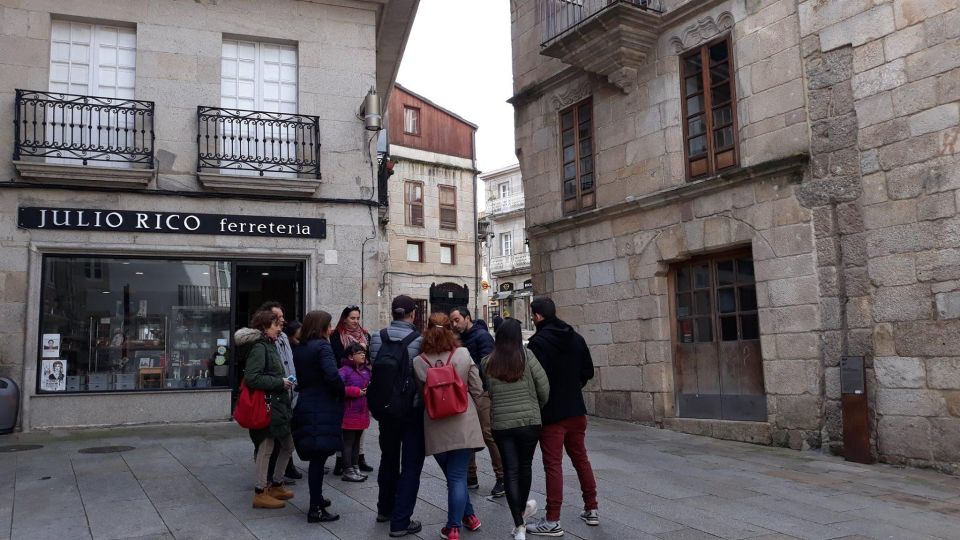
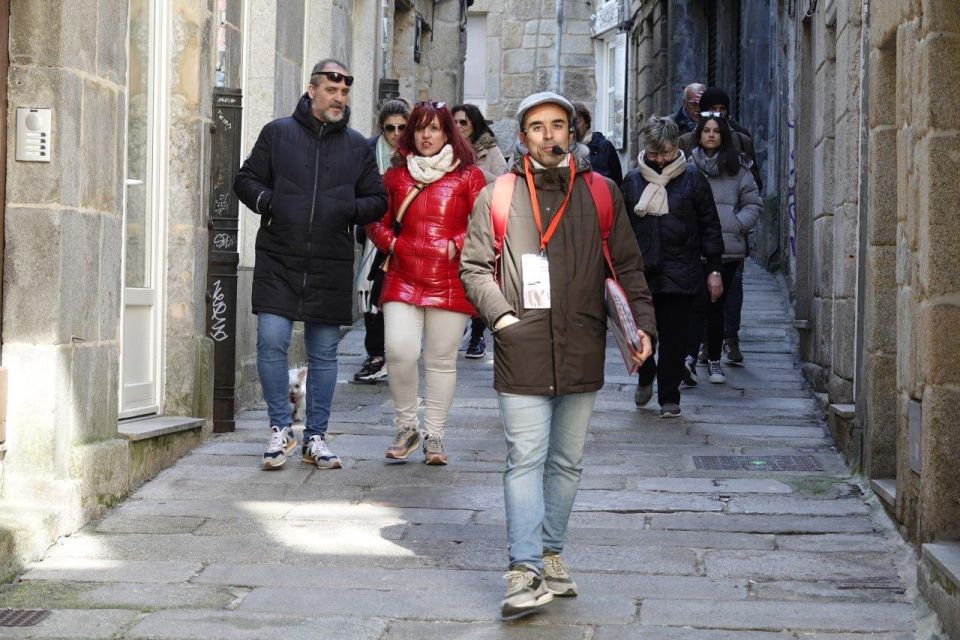
From the plaza, you move through the historic center, where the tour’s pace feels like a guided wander rather than a checklist. You’ll pass key street segments like Rúa Policarpo Sanz and Rúa do Príncipe, with short stops that explain how Vigo’s identity formed around both defense and trade.
One of the biggest wins is the way the guide uses local figures and city history to make the architecture feel personal. Instead of dates only, you get the human angle: why certain buildings mattered, how neighborhoods evolved, and what life looked like in earlier Vigo. The Garcia Barbon Theatre stop is a good example. It’s brief, but it adds a cultural anchor—Vigo isn’t only ships and storms; it’s also arts, public life, and civic pride.
You’ll also hit plazas like Praza da Constituição and Praza da Igrexa. These squares work like outdoor living rooms. Even if you’re short on time, you can understand how people move, gather, and celebrate—then connect that to why the harbor development later became so important.
Castelo de San Sebastián: Why This View Is More Than a Photo Op
One of the most memorable shifts in the route comes when you head toward Castelo de San Sebastián. This is where Vigo’s geography really shows itself: you’re positioned to understand the logic of watching the water, not just admiring it.
The tour includes time for walking up to the viewpoint area and then a guided explanation, so you get more than a quick glance. You learn how the city’s defensive thinking and maritime life overlap. Even if you’re not a history buff, you’ll probably feel the connection because the city layout makes it obvious.
Practical note: this is also the part where the ground can be a bit more challenging. Some guides keep a steady pace, but the route includes hills, and at least one group reported it can be tiring—especially if you have stability concerns. If you need a calmer pace, say something early; many guides are known for adjusting on the spot.
The Treasure of Rande Thread: Legends That Link Vigo’s Past to the Water
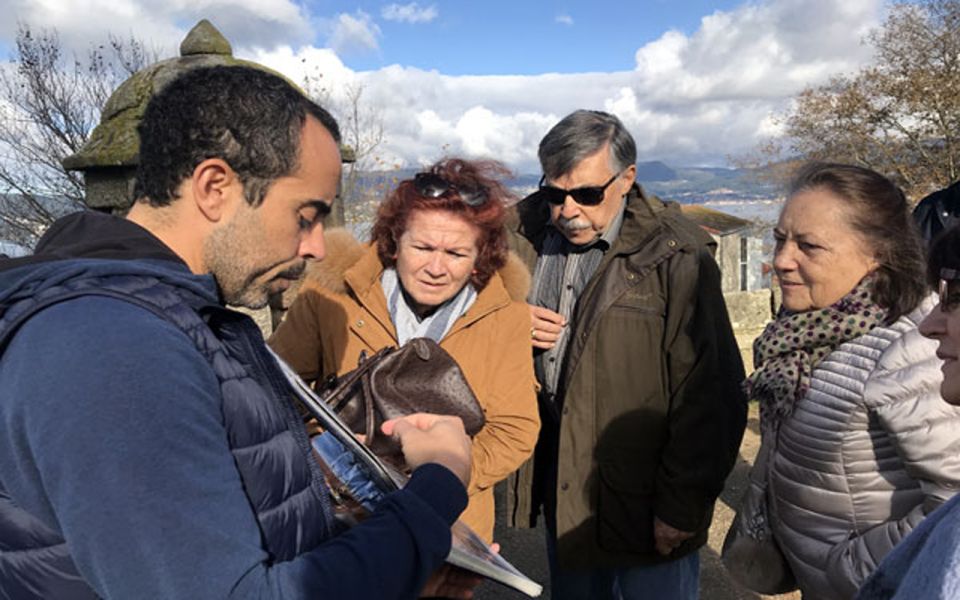
A highlight built into the route is uncovering the secrets behind the Treasure of Rande. This legend works as a storytelling bridge. You go from old streets and monuments to the nautical area, and the guide ties the myths to the real sense of risk and opportunity that sailors and locals felt.
Why this matters: Vigo’s harbor isn’t just scenery. It’s the engine behind the city’s growth, trade connections, and even the way people talk about what might be buried under the water. The tour’s structure makes the legend feel earned, not random. By the time you reach the harbor zone, you’ll understand why people keep spinning stories around ships, lost cargo, and the sea.
If you enjoy hearing Galician sea legends explained in plain language, this is the section that tends to stick in your head.
Down to the Harbor: Nautical Avenues, Sunken-Treasure Legends, and Port Energy
Next comes the shift to the port area, including the landscaped avenues of the nautical zone. This is where the tour’s biggest “wow factor” hits, because the Ría de Vigo views open up and the city starts to look like it’s built around water.
The guide gives context about the port’s development and Vigo’s migratory history—how movement of people and goods shaped the city. There’s also a legend-driven component: stories of sunken treasures and what locals imagine might be out there. It’s a mix of romance and realism, with the guide keeping it grounded in the city’s maritime role.
You’ll finish with a guided stop at the Port of Vigo, where the group gets a focused rundown of what you’re looking at and why it matters. This part is especially useful if it’s your first time in town because it helps you connect the dots between the old center and the modern working harbor.
Food and Local Plans: The Part That Can Save You a Late Dinner Search
Even though the tour is mainly history and street-walking, the guide component often includes solid, practical recommendations for what to do next. Multiple guides are known for suggesting where to eat and what to try in Galician cuisine.
For example, one guide recommendation led a group to O Porco, and the feedback was that it was genuinely good and welcoming. The key isn’t just the restaurant name—it’s the fact that you get local reasoning for the pick and the confidence to follow it.
If you’re arriving with no plan (or you hate making decisions after a long travel day), this tour’s last stretch helps. You walk out with ideas, not just facts.
Price and Value: What $22 Buys You in Real Terms
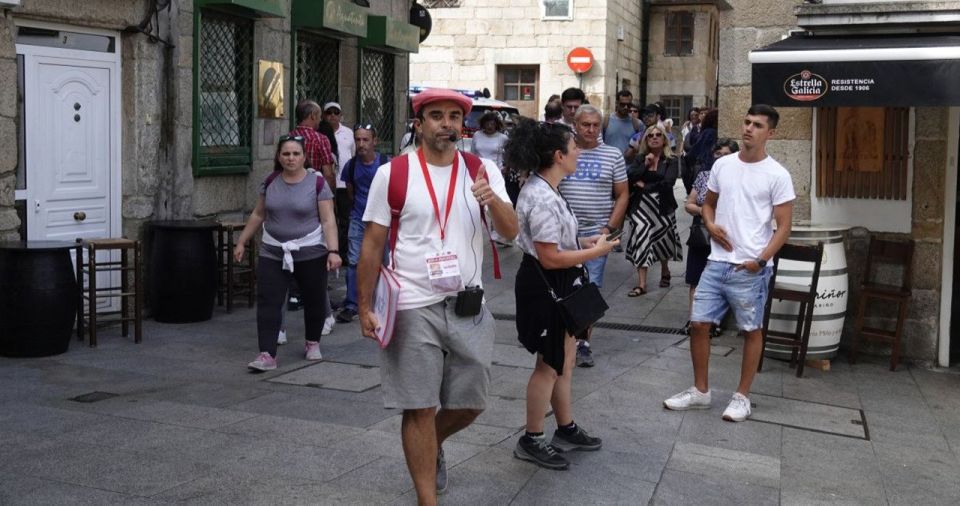
At $22 per person with a tip-based approach paid at the end, you’re buying two things: a curated route and a guide who’ll talk like a person, not a script. For a two-hour tour in Vigo, that’s good value because you cover a compact stretch of top sights without needing to connect everything yourself.
Also, entrance fees are not included, which matters because most major stops on a walking tour are outside or viewpoint-based. So you’re not likely to get hit with extra mandatory ticket costs mid-route.
Where tips come in: think of this as a pay-what-you-think-it’s-worth experience. If you feel the guide adjusted pace, explained clearly, or answered questions, the tip becomes the real lever for fairness.
Pacing, Terrain, and Hearing: The Stuff You Should Know Before You Go
This tour generally runs about 2 hours, and it moves through multiple stops, some with short guided segments and some with walking links. The pace tends to be steady—one guide was praised for checking comfort needs like shade and seating suggestions for someone with slow walking pace. That’s a good sign if you want a tour that doesn’t ignore real bodies.
Still, terrain can be a factor. Hills show up, and at least one review noted rocky patches and difficulty if you have stability problems. You don’t need to be a marathoner, but you should be prepared for uneven ground.
Hearing is another practical point. Some groups get a microphone, which helps. But in a larger group, you might still have to work to stay close enough to hear clearly—so if you can, try to keep your position near the front when the guide speaks.
Language and Guide Quality: English-Friendly, With a Human Twist
Tours run with live guides in English and Spanish. In the real world, language matching can sometimes be messy, and one group reported an English booking where the guide mainly spoke Spanish—then another guide stepped in to help explain in English. That’s not something you can plan on, but it does show the team can be flexible.
Guide personalities stand out across the feedback. José Manuel is described as informative with humor. Pedro was praised for passion. Jorge was called enthusiastic and helpful with questions. Omar showed up as a strong English communicator, and he was also credited with accommodating practice of Spanish.
If you care about storytelling style, Vigo has you covered. These guides don’t just list facts; they tell you why the city feels the way it does.
Who Should Book This Vigo Walking Tour?
This tour is a great fit if you want:
- A first-time overview of Vigo in a short window
- Ría de Vigo context tied to the streets, monuments, and harbor
- Local food direction so you don’t guess at dinner
- A guide-led experience where humor and personality matter
It may be less ideal if:
- You have limited mobility and can’t manage uneven outdoor surfaces, especially with hills.
- You need frequent seating stops (one review specifically wished for seating and tables at each stop).
If you’re traveling with kids, it might work best when the group has good pacing and the guide keeps stories moving. For accessibility needs, plan carefully: the tour is wheelchair accessible, but an accompanying person is required.
Should You Book This Vigo Walking Tour?
Yes—if your priority is a smart, human-guided introduction to Vigo that connects the old streets to the port. I’d book it early in your trip, because the harbor context and food recommendations help you plan the next steps without wasting time.
But don’t treat it like a casual stroll. Wear shoes you trust on uneven pavement, expect hills, and aim to be close enough to hear when the guide talks. If you’re prepared for a lively, outdoors-heavy route, this is one of the easier ways to leave Vigo feeling like you actually understand it.
FAQ
Where do I meet for the Vigo walking tour?
You meet in Praza Porta do Sol square near the El Sireno statue. The statue is high above the ground, and you should look for a guide with a red umbrella.
How long is the tour?
The tour lasts about 2 hours.
What languages are offered?
The tour is guided in English and Spanish.
Is the tour wheelchair accessible?
It is wheelchair accessible, but an accompanying person is required.
What does the price include, and what is not included?
The tour includes an expert local guide, maps and historical documentation with historical photos, and a microphone for larger groups. Entrance fees are not included.
Is the tour fixed-price or tip-based?
The experience is tip-based, paid at the end based on satisfaction. The listed price is $22 per person.