REVIEW · BURGOS
Visit and Wine Tasting at the Territorio Luthier Winery
Book on Viator →Operated by Territorio Luthier · Bookable on Viator
Wine starts in the cellar.
This Territorio Luthier visit in Burgos turns a regular tasting into a small-group look at how the wines are actually made. I love the hands-on feel of the production-room tour, from viticulture choices to fermentation and aging. I also like that the tasting isn’t just a lineup of pours; it connects the wines to the wood and methods behind them. Expect a calm pace in the winery, with nature around you and the chance to taste several reds that reflect the aging style.
One consideration: because this is a smaller, careful operation, bottle prices tend to be on the high side if you decide to buy (which the team is still happy to package for you).
In This Review
- Key things to know before you go
- A Small Winery Visit in Burgos, Built Around Process
- Your 2-Hour Flow: Tour, Snacks, Then a Focused Tasting
- Stop 1: Territorio Luthier Facilities and the Winemaking You Can See
- Viticulture choices that lead to character
- Fermentation tanks: where the style starts
- Aging wood that shapes what you taste
- The Tasting Area: Crianza and Reserva Wines in a Small, Guided Loop
- What you’ll taste (and what to expect)
- Why this tasting structure is a value
- Spanish Oak and Other Wooden Clues You’ll Actually Notice
- Snacks and Aperitif Mode: The Pace That Helps You Stay Sharp
- English-Friendly, but the Real Universal Language Is the Process
- Small-Batch Pricing: When Buying Takes a Different Kind of Value
- Getting There and Making the Time Work (Without Stress)
- Who This Tour Fits Best
- Should You Book Territorio Luthier?
- FAQ
- How much does the Territorio Luthier wine tour cost?
- How long is the visit?
- Is the tour offered in English?
- How many wines are tasted?
- Is transportation included?
- Where does the tour start and end?
Key things to know before you go
- Small group (max 9 travelers) means more time for questions and a personal feel.
- Production-room tour first: viticulture, fermentation tanks, and aging woods come before you sip.
- Rare-variety viticulture is part of the story, including work with strains in danger of extinction.
- Four red wines are normally tasted, often from crianza and reserva categories.
- Sometimes you may also taste white and claret alongside the reds, depending on the group.
A Small Winery Visit in Burgos, Built Around Process
Territorio Luthier is the kind of place where you stop thinking of wine as a finished product and start seeing it as a set of choices. The experience is laid out so you learn the logic first—how grapes are grown, how fermentation is handled, and how aging wood shapes the final flavor—then you test that logic with real glasses in your hand.
This works especially well if you’re the type of traveler who hates tastings where you get three facts and a shrug. Here, the tour moves through different production rooms, and it’s designed to answer the questions you’d otherwise wonder about. Why does this bottle taste the way it does? What’s behind the texture? Why is the wood treatment noticeable? You get those connections.
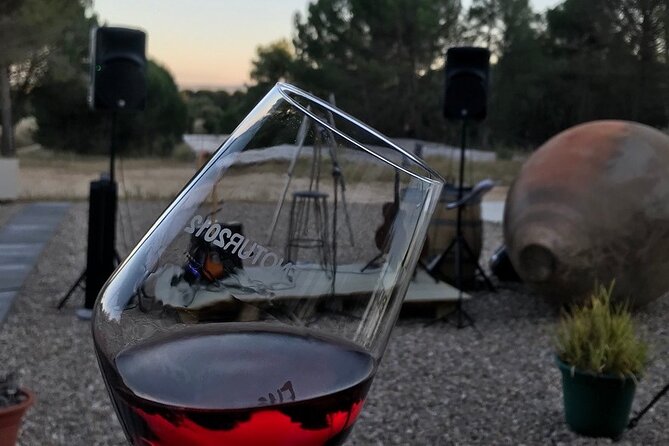
And the setting helps. You’re not doing this between neon signs or inside a massive warehouse. You’re in the countryside, with the activity framed around enjoying wine the way the people making it enjoy it.
You can also read our reviews of more tours and experiences in Burgos.
Your 2-Hour Flow: Tour, Snacks, Then a Focused Tasting
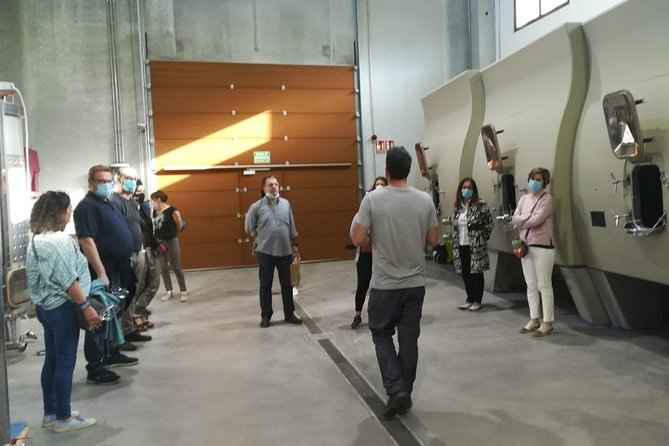
The whole visit is about two hours, give or take. That short duration is a big part of the value: you get a full guided loop without losing half your day. It’s also long enough to go beyond the “cheers, next glass” rhythm.
The pacing typically goes like this:
- Start at the winery facilities for the production-room tour
- Move to the tasting area
- Taste multiple wines, paired with snacks and served with an aperitif
There’s also a practical upside: with a maximum of 9 travelers, you’re not wedged into a big group where the guide can’t adjust pace for late questions or a slower sampler.
Stop 1: Territorio Luthier Facilities and the Winemaking You Can See
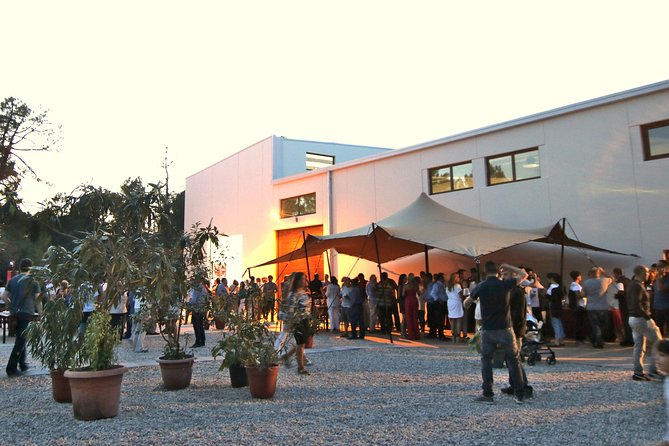
The visit begins at the winery itself, not with a quick meeting point and a rush to the tasting table. You walk through the production rooms and learn what makes Territorio Luthier a different project.
Here’s what stands out in the tour content:
Viticulture choices that lead to character
You’ll hear about techniques used in the vineyard and how the winery works with grape strains that are in danger of extinction. That’s not just a feel-good detail. It’s a hint that the winery is chasing distinctiveness, not uniformity. If you care about how a place expresses itself through grapes, this part matters.
Fermentation tanks: where the style starts
Then comes fermentation. This is where many wines quietly make their key decisions—how the juice transforms into wine and how the process supports the final texture and aroma profile. You won’t just get names of equipment; you’re shown the role these stages play.
Aging wood that shapes what you taste
A major theme is the aging process, including the unusual types of wood used. That’s a direct line to what you’ll notice later in the glass: the way tannins feel, how the wine sits on the palate, and the kind of spice or toast notes you pick up.
If you’re used to thinking of oak as a simple ingredient, this tour gives you reasons to think about which oak (and how it’s used) and how that can become a signature.
Practical tip: During the facility tour, pay attention to the wood and fermentation parts. Those are the segments most likely to connect to what you’ll recognize in the tasting.
The Tasting Area: Crianza and Reserva Wines in a Small, Guided Loop
After the production tour, you head to the tasting area for the crianza and reserva wines. The tasting portion is set up like a guided comparison, not a random selection.
What you’ll taste (and what to expect)
You’ll taste four red wines in most cases. The focus is usually on aging and reserve categories, and the winery also makes white and claret wines. On some occasions, you may have the opportunity to taste those along with the reds.
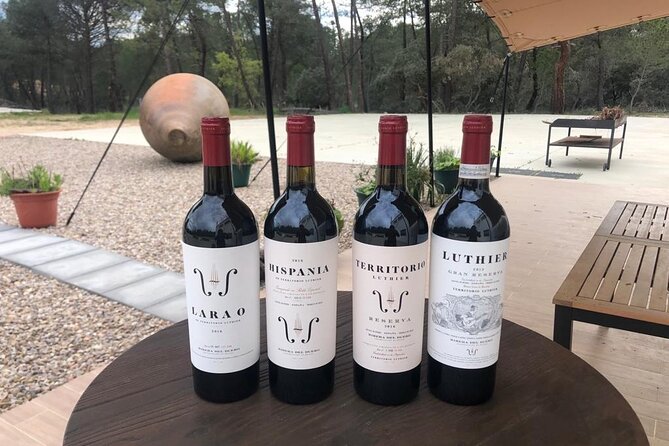
From the sample tasting flow, you’ll commonly see these wines included:
- Crianza de Luthier (served as part of the aperitif/snack setup)
- Reserva de Territorio Luthier
- Hispania Reserva, specifically described as aged in Spanish oak barrels
Because the tasting is said to include four reds normally, you can expect one additional red beyond the three named in the sample lineup, with the exact bottle depending on what the winery is pouring that day.
Why this tasting structure is a value
A tasting is only useful if you can connect it to a process. This one does that. Since you’ve just toured fermentation and wood aging, the wines stop being a blind sampling exercise. You’re tasting with context, which makes the experience better even if you’re not a professional wine nerd.
And since the group is small, the guide can adjust explanations when you ask a question.
Spanish Oak and Other Wooden Clues You’ll Actually Notice
Wine tasting often becomes vague: fruit, spice, finish. Here, the tour sets you up to detect more specific signals, especially from aging in wood.
The winery highlights unusual wood types, and the tasting includes Hispania Reserva aged in Spanish oak barrels. That detail matters because Spanish oak often brings a distinct profile that many people can sense quickly—warm spice notes, a certain kind of toast, and tannins that feel framed rather than sharp.
Even if you’re not fluent in tasting jargon, you’ll likely notice:
- How the wine’s texture shifts from glass to glass
- Whether the oak feels integrated or louder
- How the finish changes with crianza versus reserva styles
Snacks and Aperitif Mode: The Pace That Helps You Stay Sharp
The experience includes snacks, and the wines are served with an aperitif. That matters more than it sounds. Four reds in a short visit can feel intense if your stomach is empty, and pairing with small bites keeps the tasting comfortable.
This is also part of the tone of the day. It’s not a rushed “drink and go” situation. You’re meant to take the wines as a sequence, and food helps you taste more clearly.
English-Friendly, but the Real Universal Language Is the Process
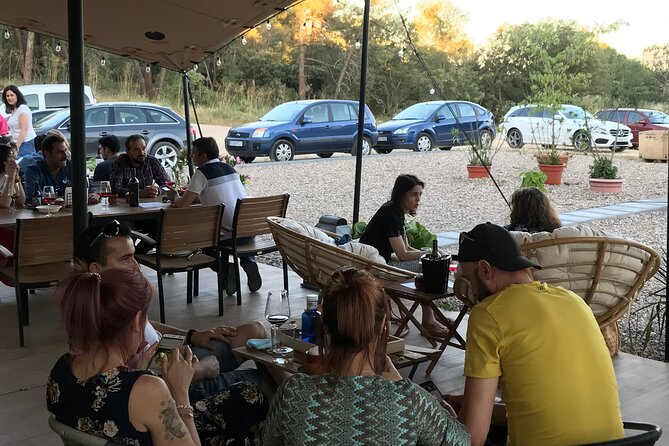
The tour is offered in English, and the format supports anyone who wants a guided explanation without feeling like they’re taking a test.
You’ll notice one theme in the quality of the experience: flexibility and friendliness. One account highlights that even when someone arrived about an hour late after getting lost, the winery still gave the tour. Another praised the care and attention that comes from a smaller-scale bodega.
That personal style is one of the big reasons this feels worth it. You’re not just buying access to wine—you’re getting access to people who care how it’s made.
Small-Batch Pricing: When Buying Takes a Different Kind of Value
If you like what you taste, you may want to buy bottles. Here’s the part to be honest about: because the operation is smaller and not made in huge runs, bottle prices are typically higher than mass-market labels. That’s not automatically “bad.” It can be the price of distinct grapes, careful production, and the ability to work with varieties that aren’t mainstream.
The real value question is simple:
- Do you enjoy the wines enough to care about the small-production approach?
- Are you okay paying more because you’re buying a specific style, not a commodity?
And yes, you can purchase and take wines with you—one write-up specifically notes buying bottles to go.
Getting There and Making the Time Work (Without Stress)
This visit starts at Hotel Montermoso – Aranda de Duero, located on N-1, Km. 163, in 09400 Aranda de Duero, Burgos, Spain. It ends back at the same meeting point.
A couple of practical notes that help you plan:
- The activity runs during a time window of 10:00 AM to 2:00 PM, Monday through Sunday.
- Private transportation isn’t included, so plan on getting yourself to the meeting point.
- The session is listed as about two hours, which is usually a comfortable slot if you’re staying in or near Aranda de Duero.
Also keep your schedule flexible enough to avoid being late. The winery seems willing to work with late arrivals, but you’ll enjoy it more if you arrive on time and start the production tour together.
Who This Tour Fits Best
This is a great fit if you:
- Love winery visits that explain what happens before you taste
- Want a smaller group experience rather than a crowded bus-tour mood
- Care about aging style and how wood can shape a wine
- Prefer something calm and rural, not flashy
It’s less ideal if you:
- Only want a quick pour without a production-room walkthrough
- Expect a huge lineup or a broad supermarket-style tasting menu
- Don’t want any chance of paying higher bottle prices if you fall for a wine
Should You Book Territorio Luthier?
Yes, if you want a wine tasting that has a real spine. The big reason to book is that you don’t just taste crianza and reserva wines—you learn the vineyard choices, fermentation approach, and aging wood decisions that explain why those wines taste the way they do.
Book it especially if you’re visiting the Burgos region and want something authentic and not over-produced. With the small group size and the included snacks, it’s also a solid value for the time you spend.
If you go, come hungry-ish (snacks are included), ask questions during the facility tour, and take notes on what you notice about wood and texture. That’s where this visit turns from “nice tasting” into a memory you can actually explain later.
FAQ
How much does the Territorio Luthier wine tour cost?
The price is $36.28 per person.
How long is the visit?
The tour is approximately 2 hours.
Is the tour offered in English?
Yes, it is offered in English.
How many wines are tasted?
Normally four red wines are tasted, typically from aging and reserve categories. On some occasions you may also have the opportunity to taste white and claret wines.
Is transportation included?
No. Private transportation is not included.
Where does the tour start and end?
It starts at Hotel Montermoso – Aranda de Duero (N-1, Km. 163, 09400 Aranda de Duero) and ends back at the same meeting point.