REVIEW · TENERIFE
Whale Watching and Marine Science Tour
Book on Viator →Operated by BIOSEAN Whale Watching and Marine Science · Bookable on Viator
One boat, two kinds of learning, and real ocean sound. This Tenerife whale watching and marine science tour mixes wildlife spotting with hands-on marine tools, guided by a marine biologist. I love the 10-person cap (it stays conversational, not crowded), and I love that you use a hydrophone and sound recorder instead of just listening to facts. One thing to plan around: there’s no restroom on board, so go before you arrive.
You’ll head out from Biosean in Las Galletas, cruise past volcanic scenery near the Rasca lighthouse and the Malpaís de Rasca protected area, and—on clear days—look toward El Teide. It’s a strong pick if you’re the curious type, or traveling with older kids who want more than a quick wildlife sighting.
In This Review
- Key things to know before you go
- Biosean at Las Galletas: where this Tenerife tour starts
- Rasca lighthouse and Malpaís de Rasca: volcanic scenery with context
- El Teide views when skies are clear: the best extra you can hope for
- Marine biologist + hydrophone: turning whale watching into real science
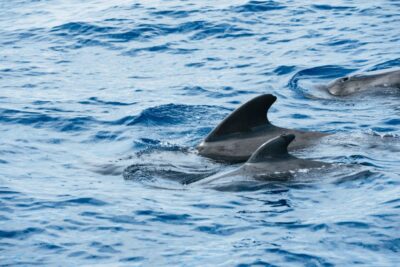
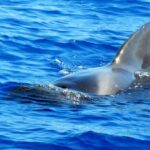
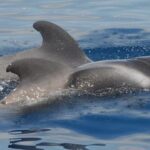
- What you might spot: whales, dolphins, and more life than you expect
- Price and value: what $90.70 buys you in the real world
- Practical tips so your 2.5 hours go smoothly
- Should you book Biosean’s whale watching and marine science tour?
- FAQ
- How long is the whale watching and marine science tour?
- What’s the group size on this tour?
- Is the tour offered in English?
- What’s included in the price?
- Is there a restroom or snacks on board?
- Where do I meet the tour?
- Do I need good weather for the tour?
- What if the tour has to be canceled due to weather?
Key things to know before you go
- Tiny group size (max 10 travelers) keeps the guide interaction personal and question-friendly.
- Marine biologist guidance ties what you see to how ocean life actually uses sound and habitat.
- Hydrophone and sound recorder hands-on science turns whale watching into something you can experience, not just observe.
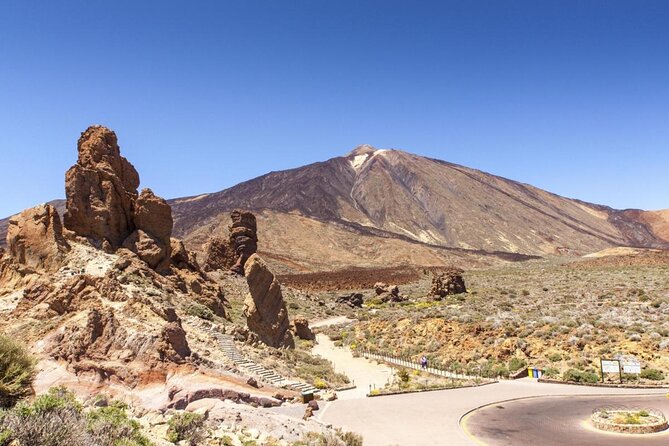
- Two scenic legs include Rasca’s volcanic coastline and possible El Teide views when skies cooperate.
- Real respect for the animals is part of the experience style, so wildlife viewing focuses on behavior, not disruption.
- Plan for the basics: bottled water is included, but there’s no restroom on board and no snacks provided.
Biosean at Las Galletas: where this Tenerife tour starts
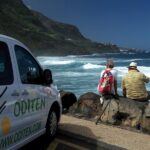
The tour begins at Biosean – Whale watching & marine science, Marina del Sur, Pantalán 4, 38631 Las Galletas (Santa Cruz de Tenerife). The meeting point is near public transportation, which is handy if you don’t want to fuss with parking or transfers.
You’re on the water for about 2 hours 30 minutes. The tour runs in English, and you’ll receive confirmation at booking plus a mobile ticket. That matters because you can keep everything on your phone and avoid the “where’s my paper ticket” scramble when you’re trying to get settled.
At $90.70 per person, this isn’t a budget splurge—but it also isn’t just a sightseeing cruise. You’re paying for a small group, a marine-science focus, and a guide who can answer your questions while you’re actively using ocean-sound tech.
You can also read our reviews of more whale watching tours in Tenerife
Rasca lighthouse and Malpaís de Rasca: volcanic scenery with context
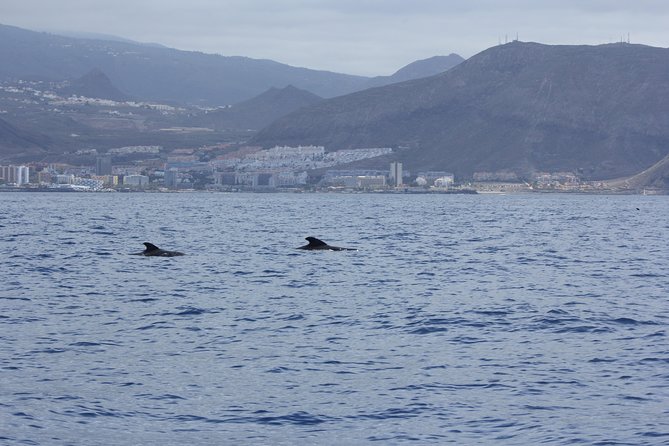
Early in the outing, you’ll pass the southernmost point of Tenerife, including the Rasca lighthouse. From there, you’ll see volcanic formations connected to the protected area called Malpaís de Rasca.
Why this part matters: it sets the stage for what you’re actually studying. Tenerife’s coastline isn’t just “pretty rock.” Volcanic structure shapes where currents move, where prey species gather, and where marine animals choose to travel. Even if you’re not a geology nerd, watching the coast from the water helps you understand the ocean as part of the island, not something separate.
You may also notice how the marine focus changes your attention. Instead of only scanning for fins, you start thinking: where is the habitat, what might be feeding nearby, and how does sound travel in open water versus around rough coastlines?
El Teide views when skies are clear: the best extra you can hope for
During the tour, you can enjoy views of El Teide Volcano if the weather is cooperative. This isn’t a guaranteed “always visible” moment—it depends on clear skies—but it’s a nice reward that gives the cruise another layer beyond wildlife.
This matters for your planning because weather can affect how smoothly the day goes. If you’re choosing between time slots, I’d lean toward the earlier option when you can. One strong piece of advice from past experiences is that an early slot often feels like a better shot at sightings.
Marine biologist + hydrophone: turning whale watching into real science
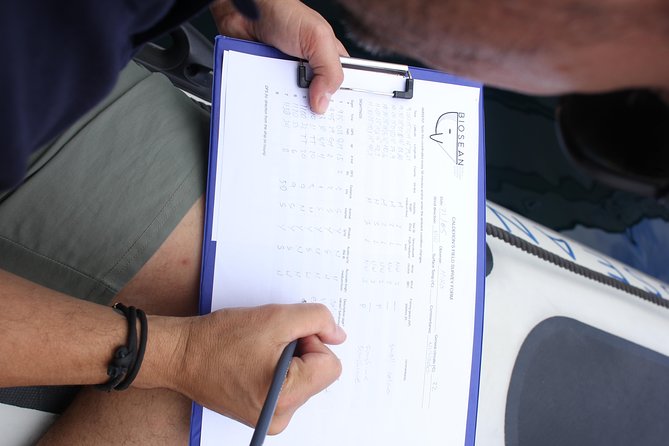
The centerpiece is wildlife spotting with a marine biologist guide, combined with hands-on science tools like a hydrophone and a sound recorder. This is the difference between watching whales and actually understanding how they communicate.
The hydrophone is the big deal. It lets you listen to underwater sound—so instead of only looking, you can sometimes hear activity that’s hard to spot at a distance. Many people find that moment addictive because it turns “maybe there’s something out there” into a more concrete experience.
You’ll also get the kind of explanations that make you better at whale watching. For example, you’re not just being told there are whales—you’re being helped to interpret behavior, movement, and what the animals might be doing in their habitat.
Guide quality is a major reason this tour performs so well. Names mentioned in past outings include Raoul, Misa, and Nico—and the consistent theme is that the guides keep the science accurate while staying friendly and respectful at the same time.
One more plus: this doesn’t feel like an overstuffed lecture. The format leaves room for questions, so you can ask what you actually want to know while you’re on the water.
What you might spot: whales, dolphins, and more life than you expect
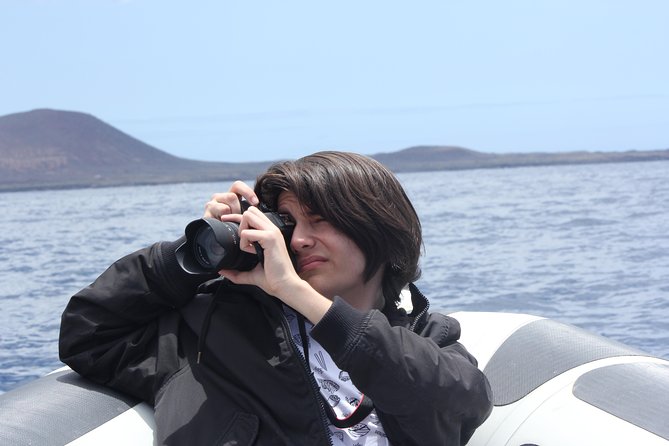
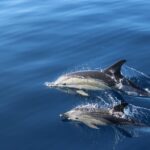
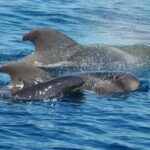
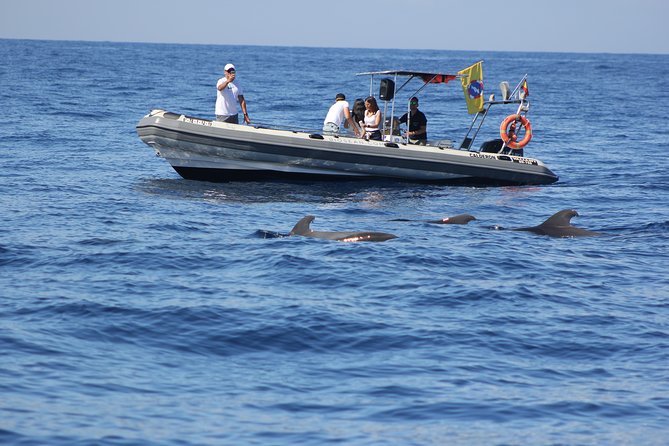
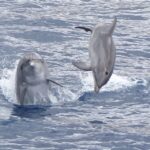
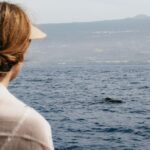
You’re booking for whales and dolphins, and the style of the tour is designed for genuine wildlife observation. Depending on what the ocean decides to show that day, you can hope for sightings like:
- Pilot whales
- Bottlenose dolphins
- Dolphins that race and leap near the boat
- Grind whales
- Occasionally other wildlife such as turtles (including loggerhead sea turtles, based on past sightings)
- Even things like hammerhead sharks and stingrays have come up during outings
That wide range is exactly why the small group matters. When you’re only ten people, it’s easier for the guide to point out what to look for and to keep you informed without turning it into a chaotic scramble.
Also, pay attention to the tone of how the captain and biologist interact with the animals. Past experiences emphasize that the viewing stays tier-friendly—focused on not disturbing marine life and on reading animal behavior instead of forcing closeness.
And yes, there can be other science-y touches beyond hydrophone work. Some outings include activity like briefly getting into the water (short, controlled, and guided), and even guided efforts like picking up marine debris when it’s encountered. Those moments add meaning if you care about ocean health, not just ocean entertainment.

Price and value: what $90.70 buys you in the real world
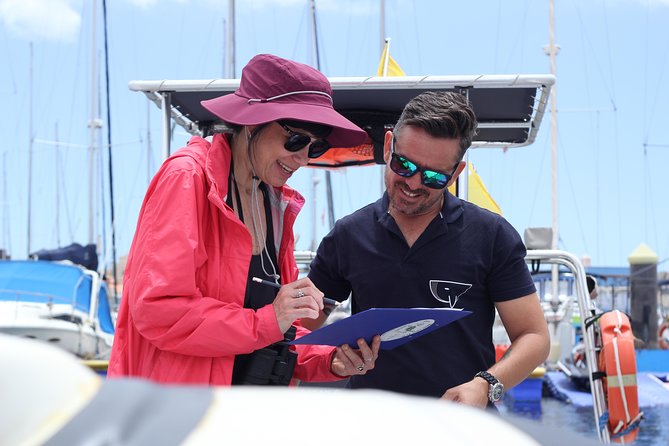
Let’s be honest: you could do a generic whale watching cruise for less. But this one is priced like a specialty experience because you’re not just paying for time on a boat.
Your money covers:
- A marine biologist rather than only a skipper’s narration
- Hands-on sound tools (hydrophone and sound recorder), not just passive viewing
- A max group size of 10, which is where the value really shows. When the boat is small, questions get answered, and the guide can tailor explanations to what you’re currently seeing.
Included basics also help you plan. You get bottled water and all fees and taxes. What’s not included is just as important: there’s no restroom on board and snacks aren’t included. For value, I’d treat this as a morning or early part of the day activity where you eat beforehand and bring small personal comforts (like a snack you trust) even though snacks aren’t part of the package.
One more value clue: this tour is popular enough that it’s commonly booked about 22 days in advance on average. If you’re visiting during a busier period, booking earlier gives you more flexibility with time slots—especially if you want that early departure.
Practical tips so your 2.5 hours go smoothly
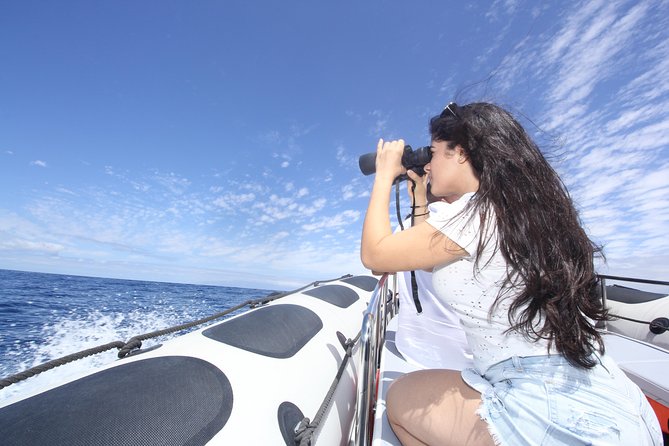
These are the nuts-and-bolts that make the difference between “nice trip” and “I’m glad we did this”:
- Use the restroom before boarding. There isn’t one on board, and a 2.5-hour outing adds up fast.
- Plan for food. Snacks aren’t included, so eat ahead and consider bringing a small snack if that matters for you.
- Bring your curiosity. This isn’t only for hardcore whale watchers. If you like learning, you’ll get more out of it because you’ll be using science tools and asking questions.
- Pick the early time slot if you can. An early departure has been recommended as a smarter move for sightings.
- Dress and prepare for weather dependence. The tour requires good weather, so have a backup plan in case the day is adjusted.
If you’re traveling with older kids, this is a rare kind of family outing where learning feels woven into the experience. Younger kids may still enjoy it, but it tends to land best when children can handle explanations and attention for the full trip.
Should you book Biosean’s whale watching and marine science tour?
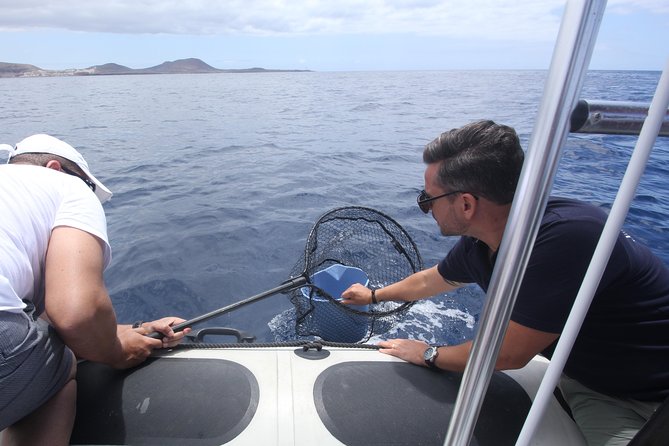
Book it if you want:
- Whale watching with actual marine science, not just a quick scan for spouts
- A small-group format (max 10) where you can ask questions and interact with the guide
- The hands-on sound experience with hydrophone and sound recording
- A tour that values respectful wildlife viewing as part of the mission
Skip it or think twice if:
- You strongly need an onboard restroom and don’t want to plan around it
- You’re only interested in a long, low-effort cruise with no science component
If you’re the type who likes to leave with new skills—like being able to understand whale and dolphin communication through sound—this tour is the kind that sticks with you long after you’re back on land.
FAQ
How long is the whale watching and marine science tour?
It lasts about 2 hours 30 minutes (approx.).
What’s the group size on this tour?
The experience has a maximum of 10 travelers.
Is the tour offered in English?
Yes, it’s offered in English.
What’s included in the price?
The tour includes bottled water and all fees and taxes.
Is there a restroom or snacks on board?
There’s no restroom on board, and snacks are not included.
Where do I meet the tour?
You meet at Biosean – Whale watching & marine science, Marina del Sur, Pantalán 4, 38631 Las Galletas, Santa Cruz de Tenerife, Spain.
Do I need good weather for the tour?
Yes. The experience requires good weather.
What if the tour has to be canceled due to weather?
If it’s canceled due to poor weather, you’ll be offered a different date or a full refund.