REVIEW · GRANADA
Albayzin and Sacromonte Guided Walking Tour in Granada
Book on Viator →Operated by Granada a Pie · Bookable on Viator
Granada gets personal in cave alleys. I love the Alhambra panorama from Albayzín and the chance to see Sacromonte caves up close with a guide who explains what you’re actually looking at. The only catch is that this is a hilly, stair-heavy walk on uneven cobblestones.
You’ll start at Plaza Isabel la Católica around 5:00 pm, which is a nice time for photos and for avoiding the harshest heat. Guides like Irene, Maria, and Marco have earned lots of praise for keeping the pace friendly and for sharing stories that make these neighborhoods click fast.
In This Review
- Key Highlights You’ll Appreciate
- Why Albayzín + Sacromonte Works So Well Together
- Starting at Plaza Isabel la Católica: Granada’s Useful First Landmark
- Paseo de los Tristes by the Darro River: The Walk That Sets Up the Views
- Albayzín on the Hill: Whitewashed Balconies and Moorish-Era Details
- Plaza de San Nicolás: The Famous Balcony Photo Stop
- Sacromonte: Cave Homes, Flamenco, Arts, and Crafts
- How Strenuous Is It, Really? Steps, Hills, and Cobblestones
- Group Size and Hearing the Guide in Tight Streets
- Value for About $16.93: What You’re Actually Buying
- What to Pack and How to Prepare for a 5:00 pm Start
- Should You Book This Tour?
- FAQ
- What time does the tour start?
- How long is the walking tour?
- Where does the tour start and end?
- Is the tour offered in English?
- Is food and drinks included?
- Can I get a refund if I cancel?
Key Highlights You’ll Appreciate
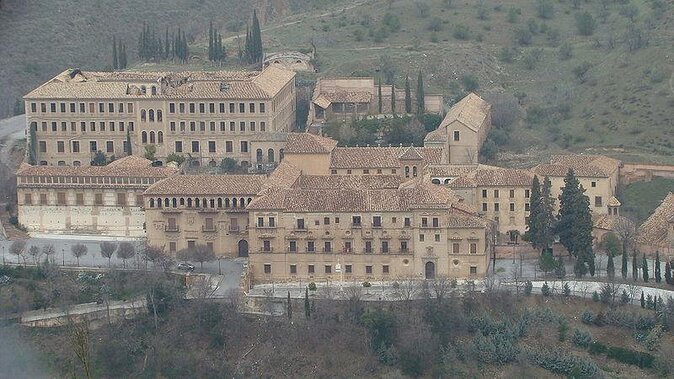
- UNESCO Albayzín lanes: whitewashed houses, churches, squares, fountains, and Moorish remnants
- Alhambra views that feel close: viewpoints along the hillside, including the classic photo balcony
- Sacromonte cave culture: rock-cut cave homes turned into flamenco bars and small cultural spaces
- Small-feeling experience in a max-30 group: many stops are on tight streets where a good guide matters
- Practical storytelling: guides connect 11th-century Albayzín roots with the 15th-century Roma presence in Sacromonte
- Evening timing: the 5:00 pm start helps you enjoy views without baking
Why Albayzín + Sacromonte Works So Well Together
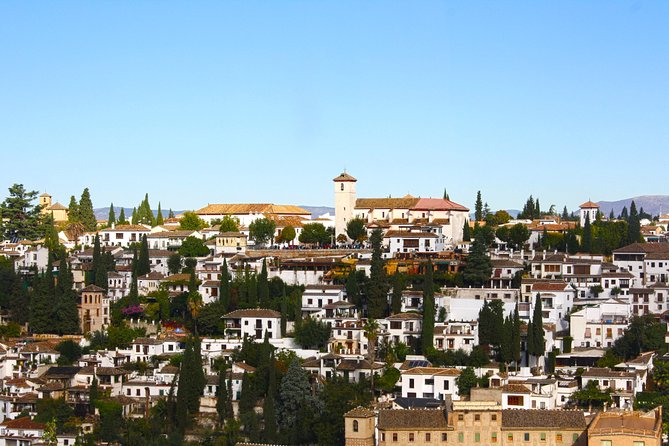
Albayzín and Sacromonte are Granada’s “two sides of the same hill.” One is all winding lanes, Moorish-era architecture, and big panoramas. The other is about cave homes, music, crafts, and the Roma community.
Doing them in one guided walk saves you time and confusion. You get the context for what you’re seeing: why Albayzín looks the way it does, and why Sacromonte’s caves became a cultural center rather than just an old curiosity.
You can also read our reviews of more walking tours in Granada

Starting at Plaza Isabel la Católica: Granada’s Useful First Landmark
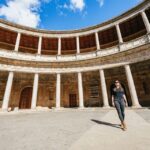
You meet in central Granada at Plaza Isabel la Católica, near the Cathedral area. The tour kicks off from a place that’s easy to find, and it sets the tone right away with a key civic landmark: the Chancillería, the High Court of Justice that dates back to the Catholic Kings era.
From here, you’re not just walking for exercise. You’re building a mental map—what’s nearby, what faces what, and where the old city “turns” as you head toward Albayzín.
Paseo de los Tristes by the Darro River: The Walk That Sets Up the Views
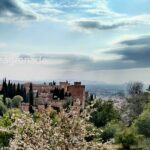
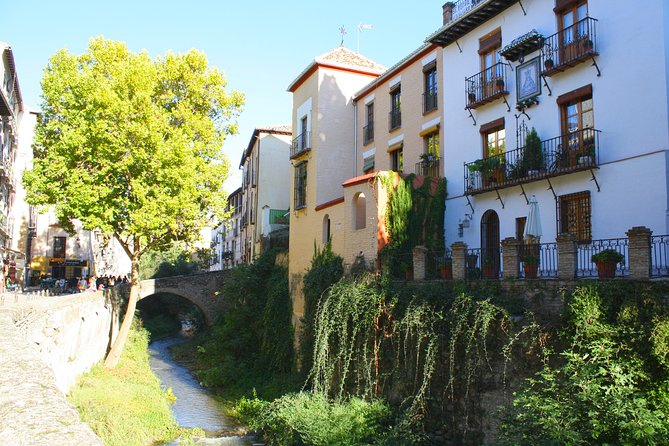
Next you move along the riverfront area, including the pretty stretch known for the Paseo de los Tristes. This section matters because it’s a visual warm-up: you get stunning Alhambra views in the distance while the streets gradually prepare you for the climb.
I like this part because it keeps the energy high before you hit the steep streets. You’re still in town, still seeing Granada in postcard mode, but you’re also getting ready for the older, more labyrinth-like neighborhood above.
Albayzín on the Hill: Whitewashed Balconies and Moorish-Era Details
Once you start working your way up, the Albayzín experience turns into the main event. This is Granada’s old Moorish quarter, protected as part of UNESCO, and it’s packed with the kinds of details you’d usually miss if you were wandering solo.
Here’s what you focus on:
- Whitewashed buildings with flower-filled balconies
- Churches, squares, fountains, and small street corners that feel timeless
- Moorish remnants and old city gates
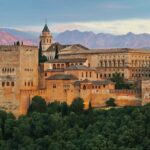
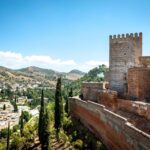
- Panoramic views of the Alhambra Palace from the hill facing it
The guide’s job is crucial on this stretch. Albayzín isn’t just pretty—it’s layered. The tour explains roots reaching back toward the 11th century, so the architecture feels like evidence instead of background.
A note on pace: the climb can feel constant. Guides like Irene have been praised for checking in and offering rest opportunities, which can make a steep neighborhood feel manageable rather than exhausting.
Plaza de San Nicolás: The Famous Balcony Photo Stop
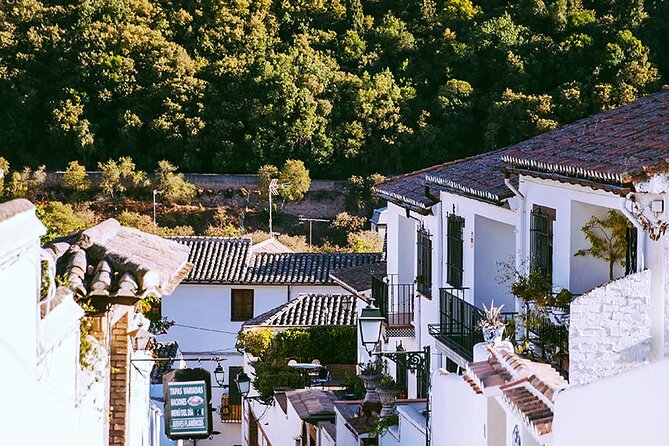
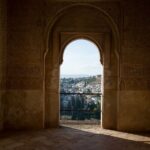
At Plaza de San Nicolás, you get one of the most iconic viewpoints in Granada. This is the “stop for the shot,” with the Alhambra framed from the balcony that people travel across town to see.
Even if you’ve seen photos online, standing there helps. You start to understand the geography of the area—how Albayzín sits above, and how Sacromonte’s side of the city stacks visually against it.
Try to be flexible here. Some guides make this a quick photo moment; others allow a little more time to enjoy the view. If you care a lot about photos, I’d come ready with your best angle before the group starts moving.
You can also read our reviews of more guided tours in Granada
Sacromonte: Cave Homes, Flamenco, Arts, and Crafts
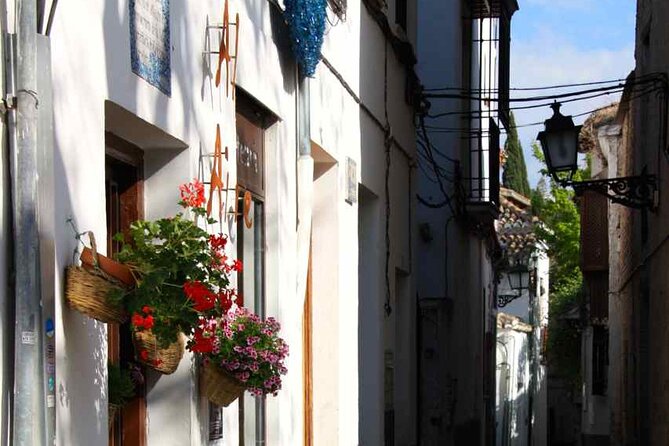
After Albayzín, the tour heads east toward Sacromonte, a district famous for the Roma community and its rock-cut cave homes. The tour framework connects the dots: Roma communities arrived here in the 15th century, and over time the caves evolved into spaces where culture is lived, not just shown.
What you’ll see and learn once you reach Sacromonte:
- Cobblestone paths winding along the hillside
- Traditional cave interiors or cave-style homes you can see up close
- Many caves now used as flamenco bars, plus tiny museums
- Local arts and handicrafts connected to cave-dweller traditions
This is where the walk becomes more than scenery. It turns into a cultural exchange, especially if your guide shares how the area works today—what the caves are used for, and how music and craft fit into daily life.
Guides like Marco have been praised for going the extra mile with special experiences connected to flamenco cave venues (when available), and that can be a real highlight if you love performance culture.
How Strenuous Is It, Really? Steps, Hills, and Cobblestones
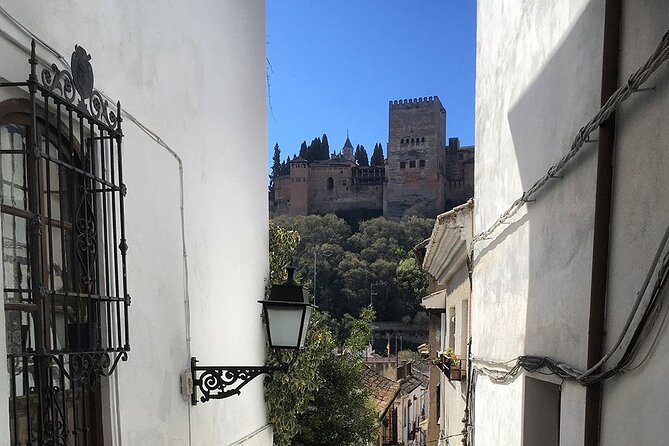
This tour is not a flat stroll. It includes a hill facing the Alhambra and then another move into Sacromonte, with lots of uneven paving and stairs.
From the feedback you’ll see a common theme:
- Expect uphill walking and plenty of steps
- Cobblestones can be tricky underfoot
- A faster guide can leave some people struggling if they don’t like to pause
The good news is that many guides are reported to be thoughtful about pacing. Irene, Maria, and other guides have been praised for checking in, slowing down, and making sure the group can rest when needed.
My practical advice:
- Wear shoes with solid grip and support. Sneaker fashion doesn’t help here.
- Plan for possible soreness the next day—this is part of the deal with Albayzín and Sacromonte.
- If you’re not steady on steep streets, tell the guide early. A good guide can adjust how long you stop and how the group moves.
Group Size and Hearing the Guide in Tight Streets
The group can be up to 30 people. In dense, narrow streets, that can affect how clearly you hear the guide, even when the guide is excellent.
A few people noted that large group sizes made it hard to hear, and that they’d have benefitted from listening help. Also, one review pointed out an English-language mismatch at times, with Spanish used more than expected.
What you can do:
- Choose a spot closer to the guide when you can.
- If you’re sensitive to sound overlap, consider bringing simple earplugs.
- If you’re booking specifically for English, it’s worth double-checking the exact language on your confirmation before you go.
Value for About $16.93: What You’re Actually Buying
At $16.93 per person, you’re paying for a professional guide plus a structured route through two complex neighborhoods. You’re also getting multiple high-impact viewpoints and cultural context that you’d struggle to piece together on your own.
A helpful way to judge value here:
- You get time-saving orientation in Albayzín and Sacromonte
- You get context for buildings, street shapes, and cave culture
- You get photo moments like Plaza de San Nicolás without hunting for them
What you don’t get is also important: food and drinks aren’t included, and there’s no hotel pickup. So budget for water and a snack if you tend to run low on energy on climbs.
What to Pack and How to Prepare for a 5:00 pm Start
This tour runs in all weather conditions. That means you should dress for sun, wind, and possible drizzle.
I’d pack or plan for:
- Comfortable, grippy shoes (non-negotiable)
- A small water bottle
- A light layer for evening breeze
- Your phone/camera with enough battery for viewpoints
- Any blister aid if you’re prone to foot pain on cobblestones
One more small move that pays off: arrive a few minutes early. A calm start helps everyone—especially when the first streets are easy to miss if you’re rushing.
Should You Book This Tour?
Book it if you want the fastest way to understand Granada’s “two faces” in one evening: UNESCO Albayzín on the hillside, then Sacromonte’s cave homes and flamenco-and-crafts culture.
Skip it (or consider a gentler alternative) if:
- You struggle with steep hills and stairs
- Uneven cobblestones are a real problem for your balance
- You know you get worn down quickly without frequent breaks
If you go, go prepared for the walk. The payoff is that Albayzín and Sacromonte stop feeling like two separate neighborhoods and start feeling like one story—told in stone, steps, caves, and views of the Alhambra.
FAQ
What time does the tour start?
The tour starts at 5:00 pm.
How long is the walking tour?
It runs for about 2 hours (approximately), and the experience is described as around a 2.5-hour walk.
Where does the tour start and end?
It starts at Plaza Isabel la Católica in central Granada. It ends at Calle Mirador de San Nicolás in the Albaicín area, though it may finish somewhere else—ask the guide before you start.
Is the tour offered in English?
Yes, it’s offered in English.
Is food and drinks included?
No. Food and drinks are not included.
Can I get a refund if I cancel?
You can cancel for a full refund up to 24 hours before the experience starts. If you cancel later than that, the amount paid won’t be refunded.