REVIEW · GRANADA
Granada: Albaicín and Sacromonte Walking Tour
Book on GetYourGuide →Operated by Special Plans · Bookable on GetYourGuide
Granada feels ancient in every uphill step. This Albaicín and Sacromonte walking tour strings together two of the city’s oldest quarters with stories of the last Muslim kingdom in Spain, plus famous Alhambra viewpoints where you can stop and take in the sweep of the city.
What I love most is how the guide turns postcard corners into context: you’re not just seeing white-walled streets and hillside caves, you’re learning why they look and feel the way they do.
I also love the small-group, question-friendly feel you get on this walk, with stops timed for photos and short breaks. The one consideration is physical: it’s an uphill route with stairs and uneven paving, and it’s not set up for mobility issues or wheelchair users.
In This Review
- Quick hits: what makes this Granada walk worth your time
- Starting at Plaza Isabel la Católica: where the tour gets you oriented
- Plaza Nueva and the early lanes: getting your bearings in Granada’s older core
- Plaza de San Nicolás: the Alhambra view you actually earn
- Old gates and plazas on the way: Puerta de las Pesas and Plaza Larga
- Reaching Sacromonte: flamenco, caves, and the people behind the shapes
- Cuesta del Chapiz and Paseo de los Tristes: slow down, look back, keep listening
- Carrera del Darro and the return: turning the city’s story into one clear line
- Price and value: why $18 feels reasonable for this Granada route
- The guide factor: what you’ll feel during the walk
- What to bring for a smooth 2.5-hour hillside walk
- Who should book this Granada Albaicín and Sacromonte tour
- Should you book this tour?
- FAQ
- Where does the tour meet?
- How long is the walking tour?
- What languages are available?
- What should I bring?
- Is this tour suitable for wheelchair users or limited mobility?
- Is food included?
Quick hits: what makes this Granada walk worth your time
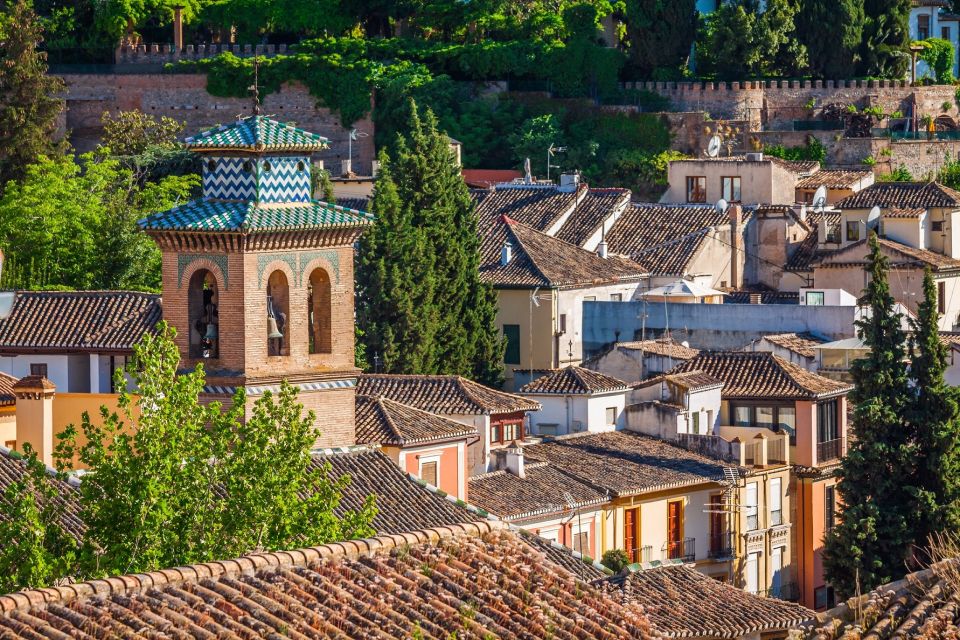
- Albaicín alleys with real context: Moorish-quarter lanes, gates, and plazas explained as you go
- Sacromonte cave quarter + flamenco connection: why people settled in dug-out homes and how culture shaped the area
- Top Alhambra photo moments: especially around Plaza de San Nicolás
- Short story pauses beat aimless wandering: the route is designed so you’re not just walking, you’re learning
- Official guide, one language: English, French, or Spanish depending on your booking
- Good value for the time: about 2 to 2.5 hours with structured stops instead of a self-guided shuffle
Starting at Plaza Isabel la Católica: where the tour gets you oriented
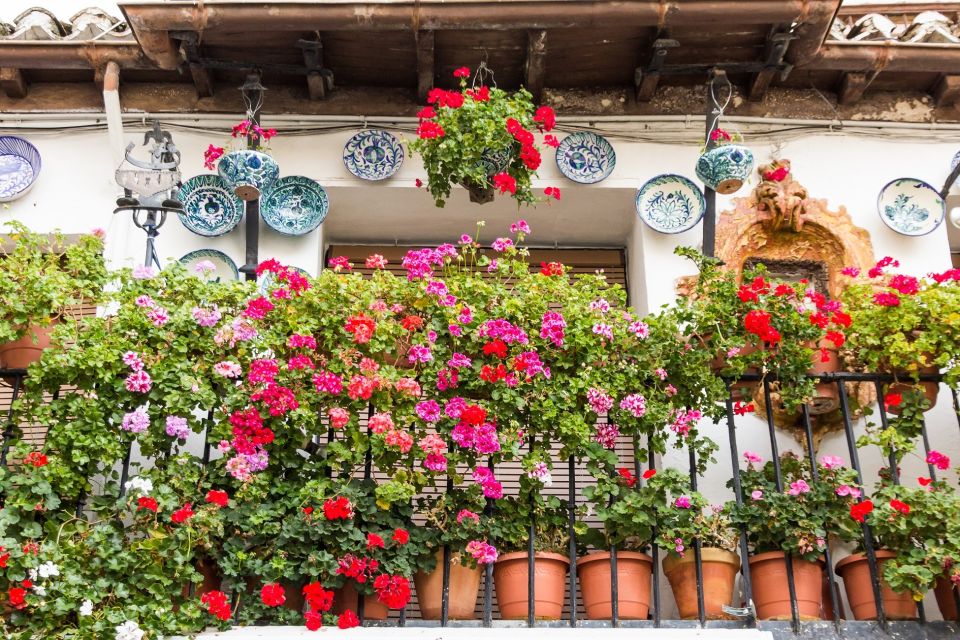
You’ll meet at Plaza Isabel la Católica, right behind the monument tied to the Capitulations, with the statues of Queen Isabella I and Christopher Columbus. It’s a clear, central starting point that makes the whole walk feel organized from minute one.
From the first steps, the guide’s job is to give you a mental map. That matters here because Granada’s hillside quarters don’t work like a grid. Once you understand how Albaicín and Sacromonte fit into the story of the city, the streets start to feel less confusing and more meaningful.
You can also read our reviews of more walking tours in Granada

Plaza Nueva and the early lanes: getting your bearings in Granada’s older core
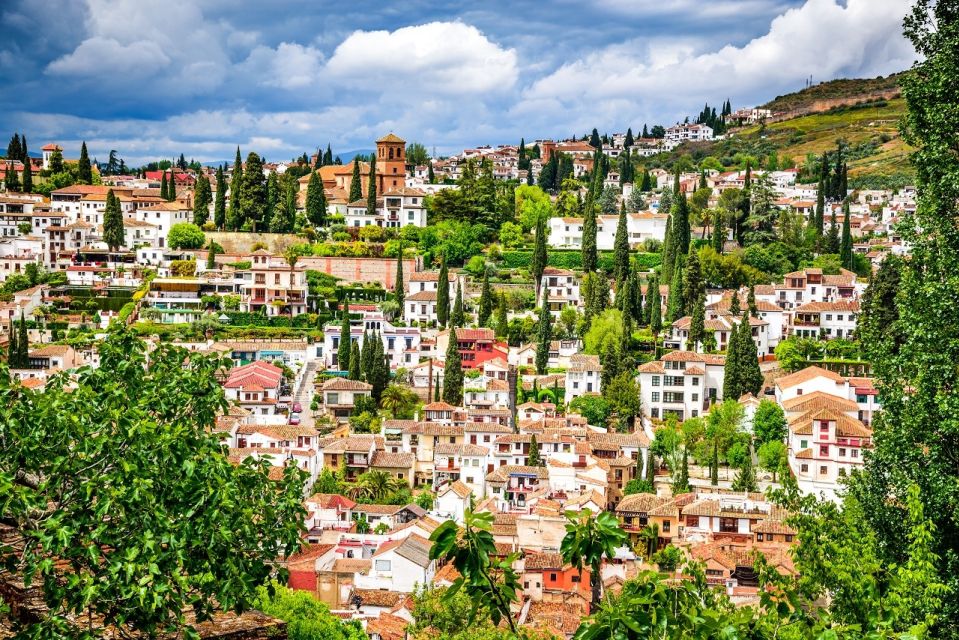
You’ll pass through Plaza Nueva, then start into the narrow lanes. This is where the tour earns its keep: the guide doesn’t just point. They connect the street layout, the changing neighborhoods, and the cultural influences into a timeline you can actually remember.
Then you move into smaller alleys like Callejón del Aljibe de Trillo and Placeta Comino. These are the kinds of spots that are easy to miss if you’re walking solo. With a guide, you learn what to notice—doorways, corners, and the way buildings press against the slope—so you’re looking with purpose, not just for photos.
A small practical tip: since you’ll be walking and stopping frequently, keep your camera accessible but your hands free for balance. The surface can be uneven, and you’ll want your footing when the route turns upward.
Plaza de San Nicolás: the Alhambra view you actually earn
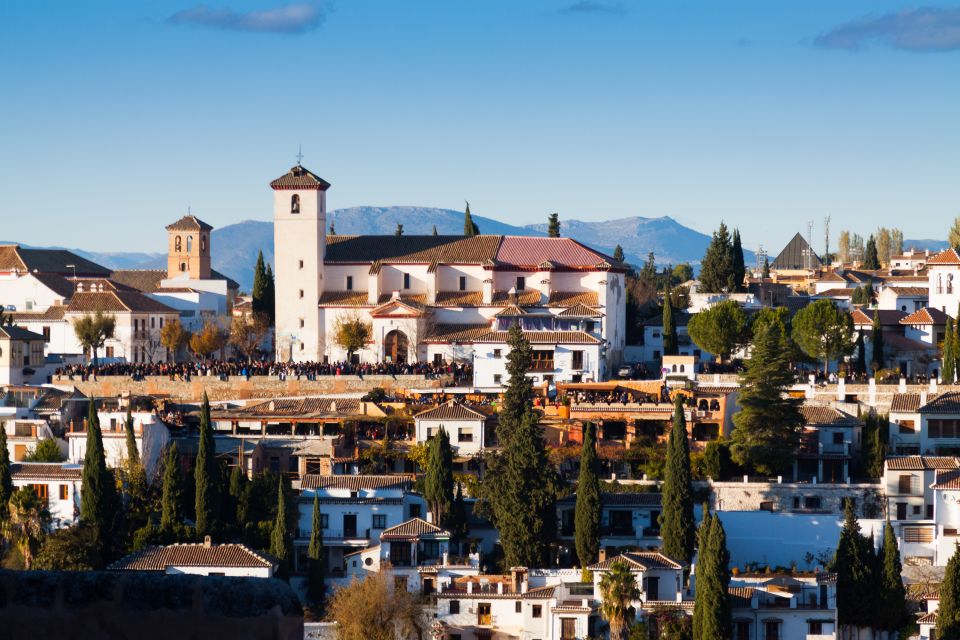
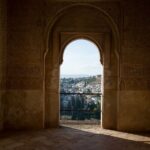
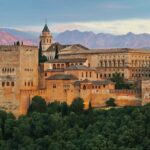
One of the biggest “stop and breathe” moments is Plaza de San Nicolás. This is a photo stop for a reason: this vantage is where the Alhambra views feel most dramatic, especially if the light is good.
What I like here is that it’s not treated like a random scenic break. The guide uses the viewpoint to frame what you’re seeing in the wider historical story. It helps the Alhambra go from a distant sight to a living part of the neighborhoods you’re walking through.
Drawback to consider: this is also the moment when you may feel the climb. Even if you’re steady, it’s smart to take the rest stop offered and hydrate before you push onward.
Old gates and plazas on the way: Puerta de las Pesas and Plaza Larga
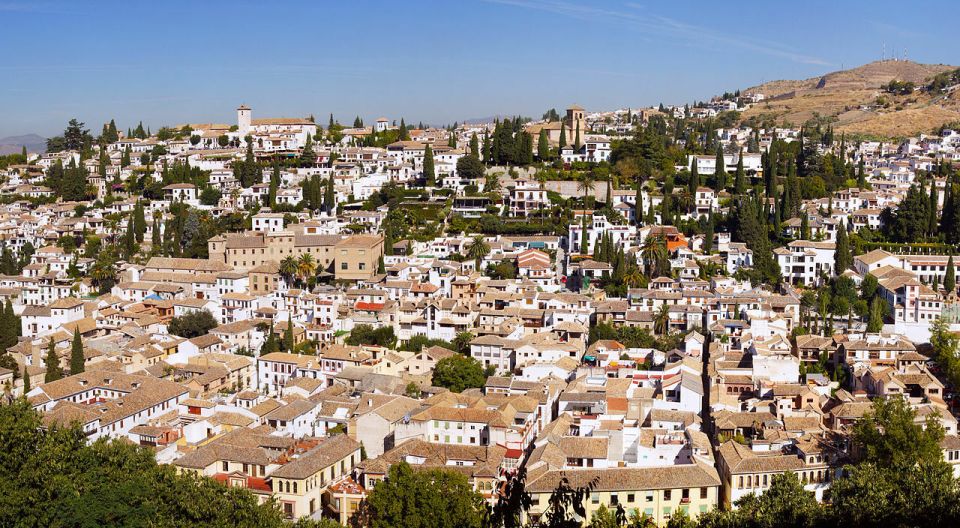
After the early view moment, you’ll continue through places like Puerta de las Pesas, then onward to Plaza Larga. These sound like simple waypoints, but they work as mental anchors. A gate is a boundary; a plaza is where people gather. The tour uses those ideas to help you understand how the neighborhood functioned over time.
You’ll also get a sense of why these quarters feel like different worlds. Even with just walking distance separating the spots, the mood changes—narrow lanes tighten, openings widen into plazas, and the city’s slope constantly reshapes what you see.
If you like walking tours that make the city feel legible, this section is a strong payoff. If you prefer lots of indoor stops or level ground, you’ll likely feel more of the uphill effort here.
Reaching Sacromonte: flamenco, caves, and the people behind the shapes
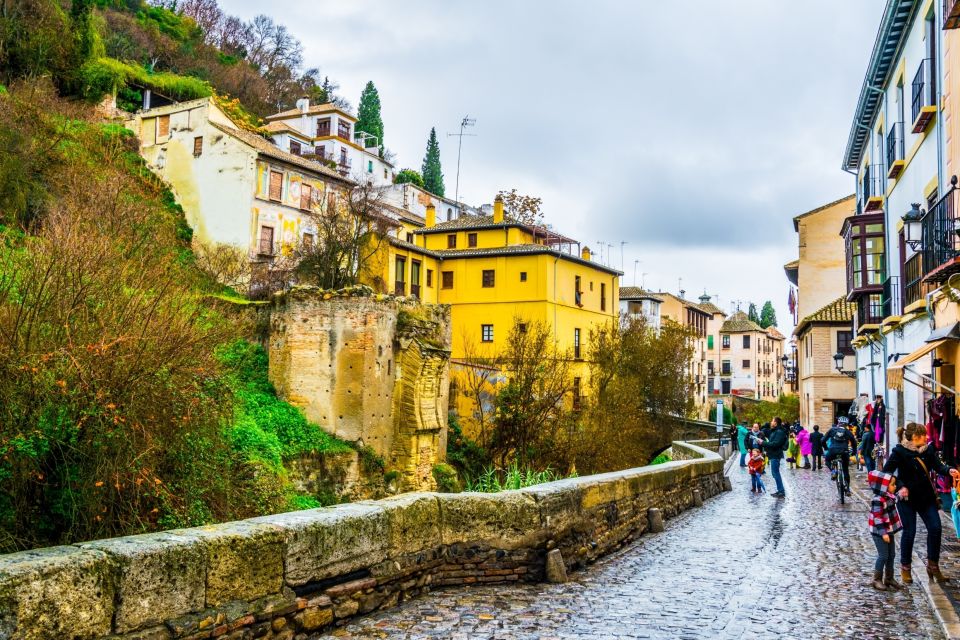
The tour’s heart turns toward Sacromonte, the quarter strongly associated with flamenco, and—most uniquely—the caves dug into the mountain. This is the part you remember later because it looks unlike the rest of Granada.
Here’s what the guide helps you understand: the caves aren’t just a quirky tourist feature. They connect to how communities chose to live, how Gypsy settlements shaped the area, and how culture took root in this landscape of stone and slope.
What you should expect during the Sacromonte stretch is more than scenery. You’ll be guided through the logic of the place—why the caves exist, how the neighborhood developed, and how the area’s identity links to music and dance in Spain.
One consideration: cave areas and hillside streets can feel cooler or windier than the rest of the city, but you’ll still be working up a sweat. Bring water and plan to pause when the guide calls for it.

Cuesta del Chapiz and Paseo de los Tristes: slow down, look back, keep listening
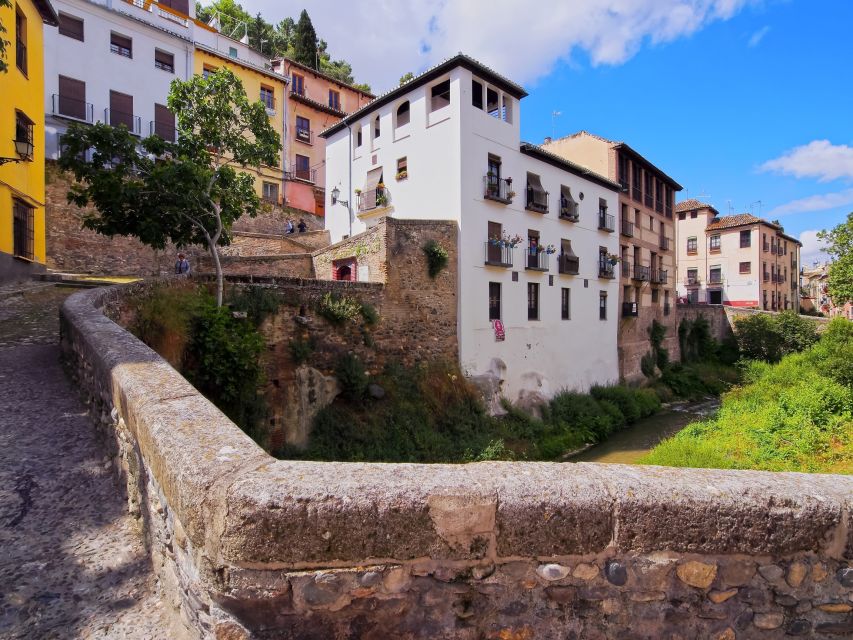
After Sacromonte, the route moves through Cuesta del Chapiz, then along Paseo de los Tristes. These segments act like a transition: you shift from the cave quarter feeling back toward broader city viewpoints.
This is also where the guide’s narrative keeps paying off. The route isn’t only about reaching the next photo spot; it’s about noticing how Granada’s layers overlap—Albaicín’s Moorish quarter identity, Sacromonte’s cave living and flamenco connection, and the way modern streets sit on top of all that.
If you’ve got a low tolerance for stairs, this is the section where you’ll feel it again. The good news is that the tour is structured with stops, so you’re not expected to power through without breaks.
Carrera del Darro and the return: turning the city’s story into one clear line
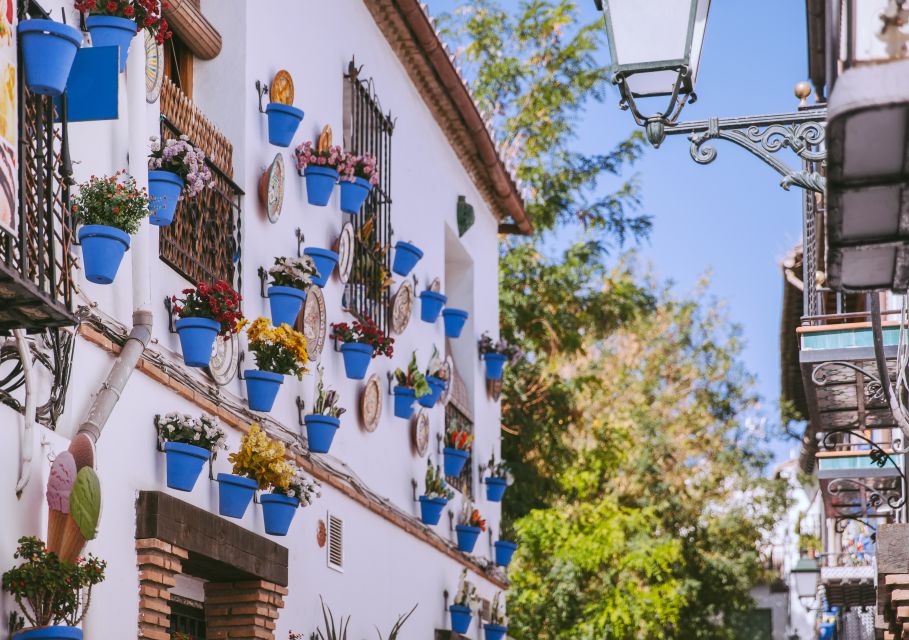
As you near the end, you’ll pass through Carrera del Darro before heading back to Plaza Isabel la Católica. This is the moment when it starts to click: you’ve walked a loop through two historic neighborhoods, and now the guide helps you tie everything together into one coherent picture of Granada.
If you’ve been taking notes mentally, this is where you’ll notice patterns: boundaries, viewpoints, and how culture influenced where people settled and how they built. It’s also a nice reset before you head off to dinner—less “intense sightseeing,” more “I understand what I’m looking at now.”
Price and value: why $18 feels reasonable for this Granada route
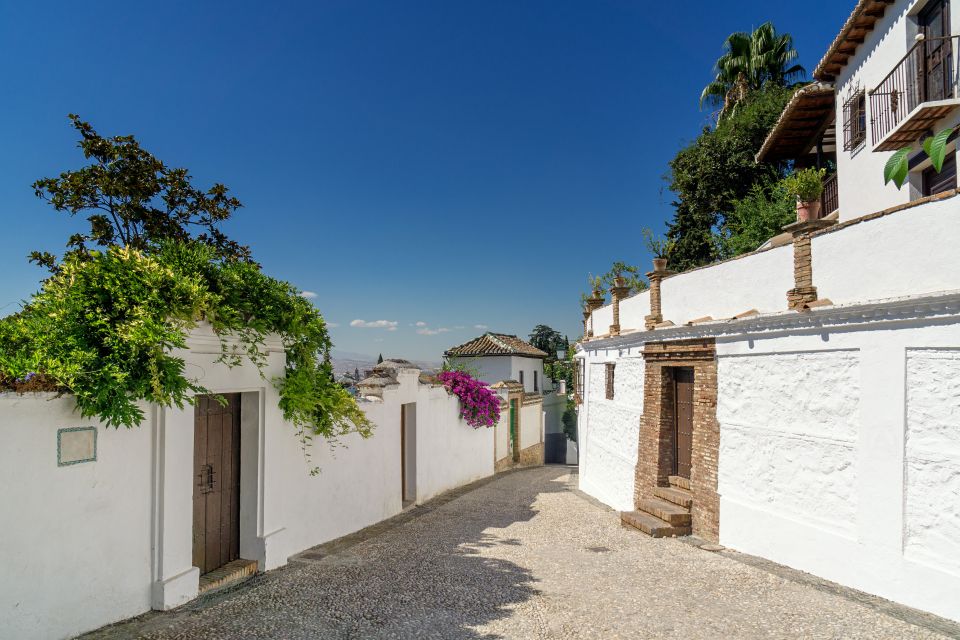
At $18 per person for about 2 to 2.5 hours, this tour can be a smart buy if you want more than surface-level sightseeing. You’re paying for three things that are hard to replicate on your own:
- An official guide (not just a wandering free-for-all). Past guides on this route include names like Alejandra, Lorene, Chema, Francesco, Carmen, Paula, and Maria—and the consistent theme in their feedback is storytelling tied to places.
- A structured route through confusing hillside streets, so you don’t waste time doubling back.
- Viewpoint timing, especially around the Alhambra stop at Plaza de San Nicolás.
In short: the cost is low enough that you can justify doing it even if you’re on a budget, and the payoff is high because the guide fills in the “why” behind the “what.”
The guide factor: what you’ll feel during the walk
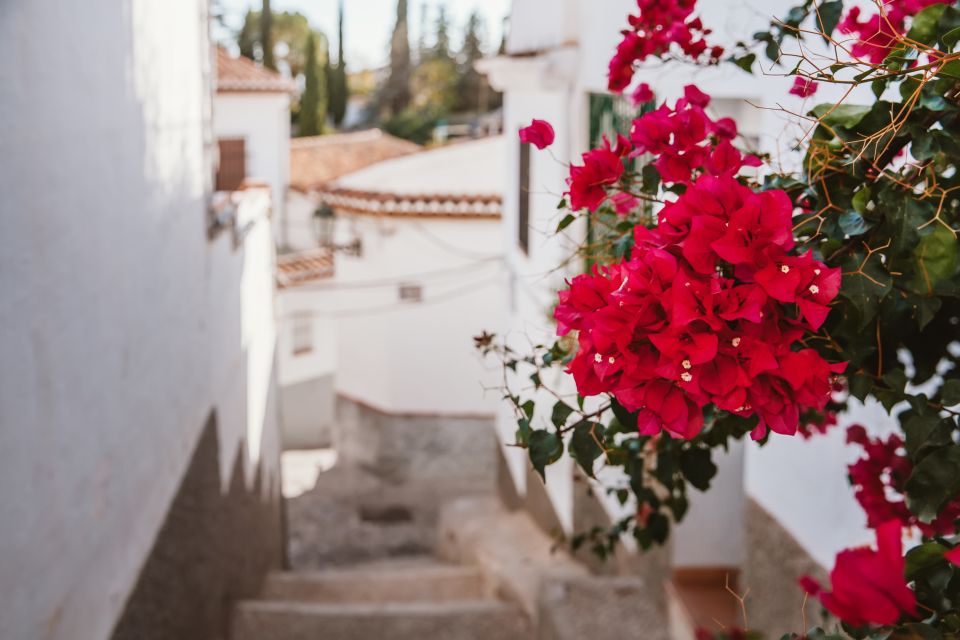
The vibe from the guide experience is consistent: people highlight how guides keep the pacing right for the route, share details you’d miss alone, and encourage questions.
You’ll also get practical cultural tips at the end. Several guides have been praised for recommending where to eat and where to see flamenco, which is handy if it’s your first night in Granada. Some guides even help with photo-taking when the group splits into couples and friends.
One more detail that affects your comfort: the tour runs in one language, based on what you select when you reserve. That keeps communication clear and reduces the awkward “wait, what?” moments on stairs.
What to bring for a smooth 2.5-hour hillside walk
This tour is short, but it’s not easy walking. Do yourself a favor and pack for comfort:
- Comfortable shoes with grip (many parts involve stairs and slopes)
- Water
- Sunglasses, sunscreen, and a sun hat if it’s bright
- Comfortable clothes that handle heat or wind
Not allowed: pets, baby strollers, and luggage or large bags, plus flash photography. If you’re traveling light, great. If you have a daypack, keep it small and manageable.
And yes, it runs rain or shine, so expect weather to change how slick the streets feel. Wet paving on a hillside can turn a “manageable” climb into a careful one—so take your time.
Who should book this Granada Albaicín and Sacromonte tour
Book it if you want:
- A guided way to understand Granada’s cultural mix—Islamic and Gypsy influences are part of the core narrative
- The best Alhambra views without trying to figure out routes on the fly
- A walk that teaches you how to read the neighborhood rather than just ticking off sights
Skip it if:
- You need flat, low-stairs walking. This route isn’t set up for wheelchair users or people with mobility impairments.
- You dislike uphill effort. Even when guides pause for breaks, the climb is still part of the experience.
Should you book this tour?
If you’re in Granada for a short time and want to understand the city beyond the Alhambra ticket line, I’d say yes. For $18 you get an official guide, a route that focuses on two of the most distinctive neighborhoods, and viewpoint time that helps you place the Alhambra in the geography of the city.
Just be honest with yourself about the walking. Bring good shoes, plan for stairs, and use the breaks. When you do, the walk feels like it has a purpose—Albaicín and Sacromonte stop being names on a map and start feeling like places with reasons to exist.
FAQ
Where does the tour meet?
You meet at Plaza Isabel la Católica (18009 Granada), behind the Monument of the Capitulations, near the statue of Queen Isabella I and Christopher Columbus.
How long is the walking tour?
The tour runs about 2 to 2.5 hours.
What languages are available?
The live guide offers tours in English, French, or Spanish, depending on what you select at booking.
What should I bring?
Bring comfortable shoes, water, sunglasses, a sun hat, and sunscreen. Wear comfortable clothes for walking.
Is this tour suitable for wheelchair users or limited mobility?
No. The tour is not suitable for people with mobility impairments or wheelchair users.
Is food included?
No. Food and drinks are not included.