REVIEW · ALICANTE
Alicante: Bullring and Bullfighting Museum Entry Ticket
Book on GetYourGuide →Operated by LAS VENTAS TOUR · Bookable on GetYourGuide
Bullfight culture in a real city ring. This self-guided visit pairs the striking late-19th-century bullring with an audio-guided museum stop, so you can learn at your pace without booking a live escort. I especially liked the way the experience is set up for understanding the place, not just walking through it.
My second favorite part is the behind-the-scenes feel you get when you head to the chapel and other functional spaces like the bull pens and infirmary, then step into the ring area for views over Alicante and the castle. One thing to factor in: the bullring is a multi-use venue, so an event setup (concerts or a stage) can slightly change the experience depending on what’s happening that day.
In This Review
- Key Highlights Worth Planning Around
- Alicante Bullring Entry: A Late-19th-Century Landmark You Can Walk Through
- Your One-Hour Plan: How the Self-Guided Audio Tour Works
- Chapel, Bull Pens, and Infirmary: The Places That Give Context
- Stepping Into the Ring: Views of Alicante and the Castle
- Taurino Museum: Art, Bullfighter Suits, and Local Matadors
- Bullring as a Multi-Use Venue: Timing Tips That Actually Matter
- Price and Value: What $14 Buys You for a 1-Hour Stop
- Who Should Book This (And Who Might Want to Skip It)
- Practical Notes Before You Go
- Should You Book This Bullring and Taurino Museum Ticket?
- FAQ
- How long does the Alicante Bullring and Bullfighting Museum visit take?
- Where do I meet for the experience?
- Is this a guided tour or self-guided?
- What’s included in the ticket price?
- What languages is the audio guide available in?
- What are the opening days and hours?
- Is the experience wheelchair accessible?
- Can I cancel for a full refund?
- Can I reserve now and pay later?
Key Highlights Worth Planning Around
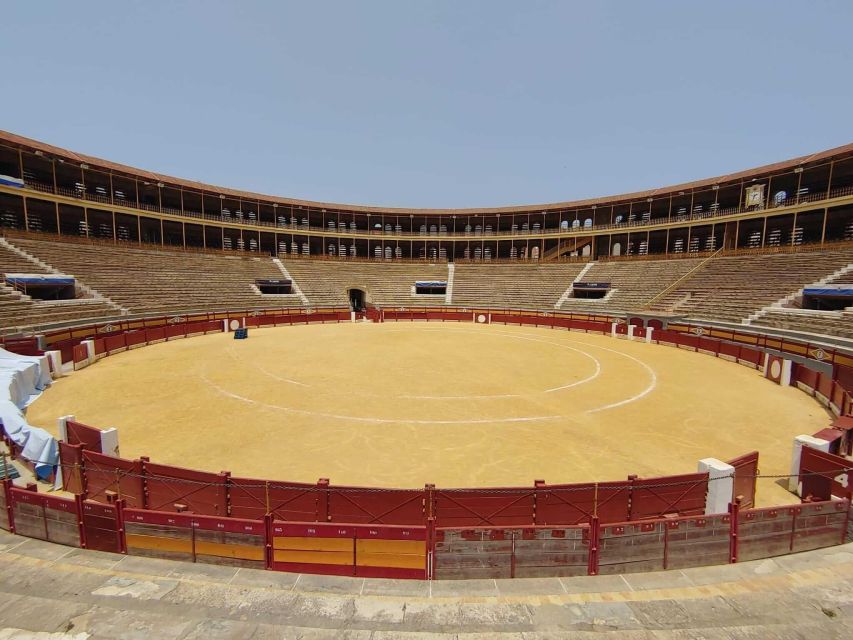
- Late 19th-century bullring you can explore on your own timeline
- Audio guide in 6 languages to make the museum easy to follow
- Chapel + bull pens + infirmary for the practical side of bullfighting
- Time in the ring with stands views over Alicante and the castle
- Taurino Museum art and matador stories, including Alicante names
- Short and focused visit that fits well into a half-day plan
Alicante Bullring Entry: A Late-19th-Century Landmark You Can Walk Through
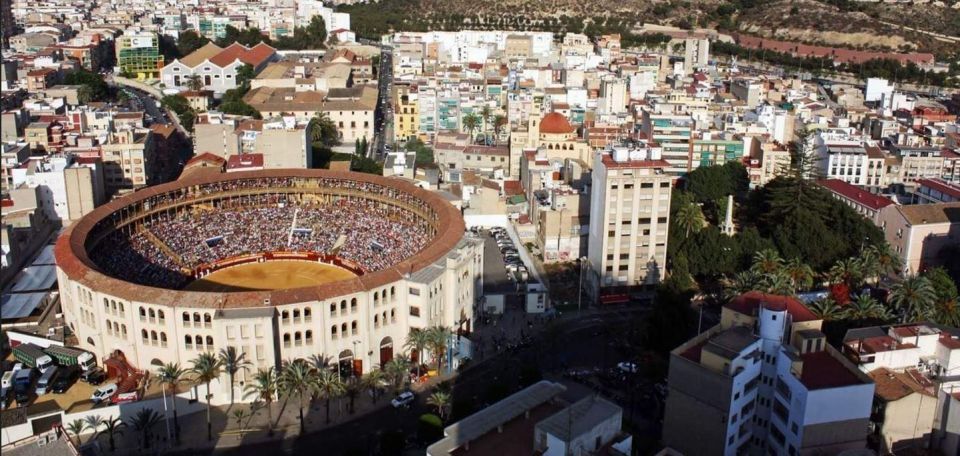
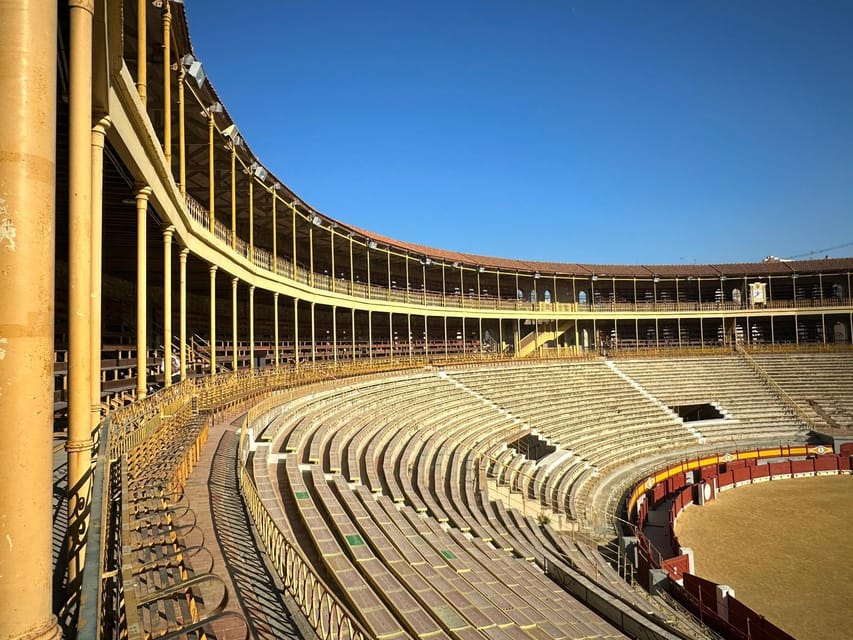
The Alicante bullring is not a dusty, “maybe you’ll learn something” stop. It’s a historical monument you can actually move around in, and it has that classic shape that makes you want to find the best angles fast. Since this ticket covers both the ring and the Taurino Museum, you’re not just peeking at architecture from the outside.
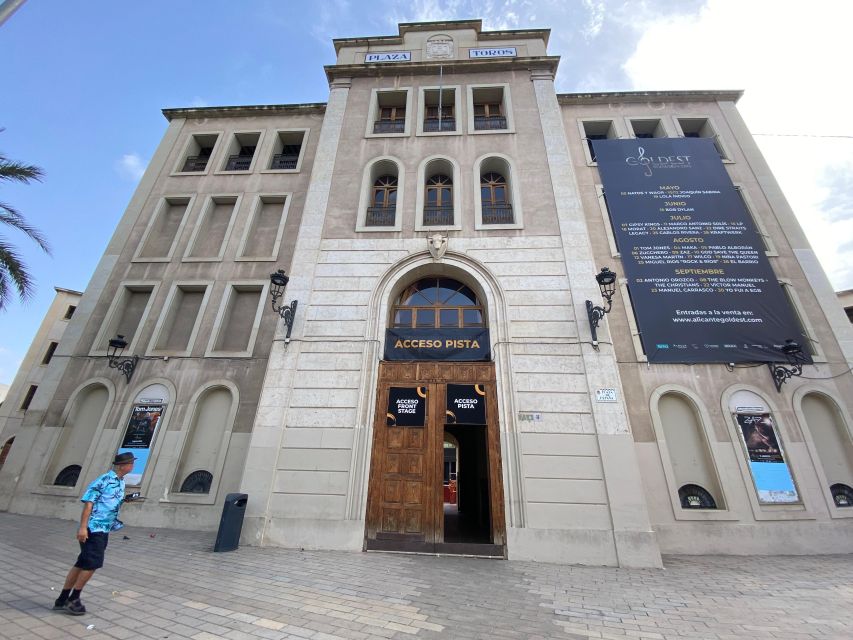
You’ll enter from the main entrance door and then follow your own route. The best way to enjoy it is to treat the bullring like a living building: look for how the spaces relate to each other. Even if you’re not into bullfights specifically, you’ll start to understand why this place mattered so much in local life—because it was designed for a whole routine, with specific areas for people, animals, and staging.
And yes, this ring can host other events too. That matters because the atmosphere can shift. If you’re chasing the feeling of the original venue, timing becomes part of your strategy.
A few more Alicante tours and experiences worth a look

Your One-Hour Plan: How the Self-Guided Audio Tour Works
This is a self-guided experience, which is exactly why it can work so well on a tight schedule. The tour is built around an audio guide, so you won’t be waiting for someone to catch up, and you won’t have to pretend you understand Spanish terminology you’ve never heard before. The audio guide is available in Spanish, English, French, Italian, German, and Polish, letting you match the content to your language comfort level.
Duration is listed as 1 hour. That’s enough time to see the ring spaces, cover the museum highlights, and still have a few minutes for photos from the stands—if you don’t get stuck replaying every art panel. I suggest you start strong: do the ring first, then move into the museum while your bearings are fresh.
You’ll also have videos during the visit. They’re useful because they translate the cultural context faster than reading labels alone. Think of them like the quickest route to understanding the mood and pageantry of the tradition, even if you keep things factual and leave the ethics debate for your own brain.
Chapel, Bull Pens, and Infirmary: The Places That Give Context
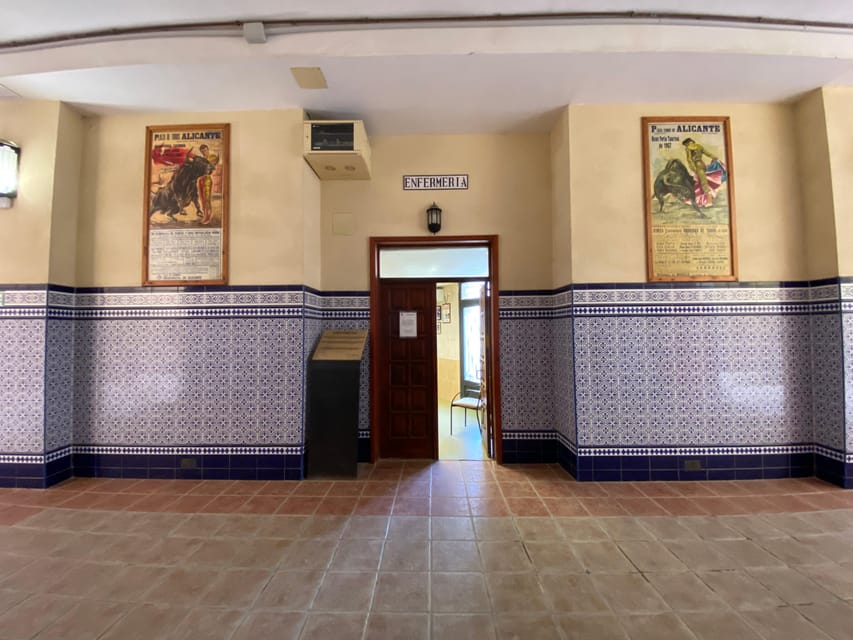
Most bullring visits focus on the ring itself. What makes this one more interesting is that you’re directed to the functional corners too. When you reach the chapel, you’ll see a part of the tradition that people often skip over in casual travel descriptions. It’s a calm space with a clear message: before any bullfight, there’s a ritual side to the job.
From there, you can explore practical areas such as the bull pens and the infirmary. Even if you’re not there to watch a fight, these rooms help you understand why the whole system had to be controlled. The building isn’t just a stage. It’s an operational layout, designed for movement, preparation, and care.
This is where the audio guide really earns its keep. Without it, these spaces might feel like “rooms you walk past.” With it, you start connecting the dots between culture, job roles, and the physical design of the venue.
Stepping Into the Ring: Views of Alicante and the Castle
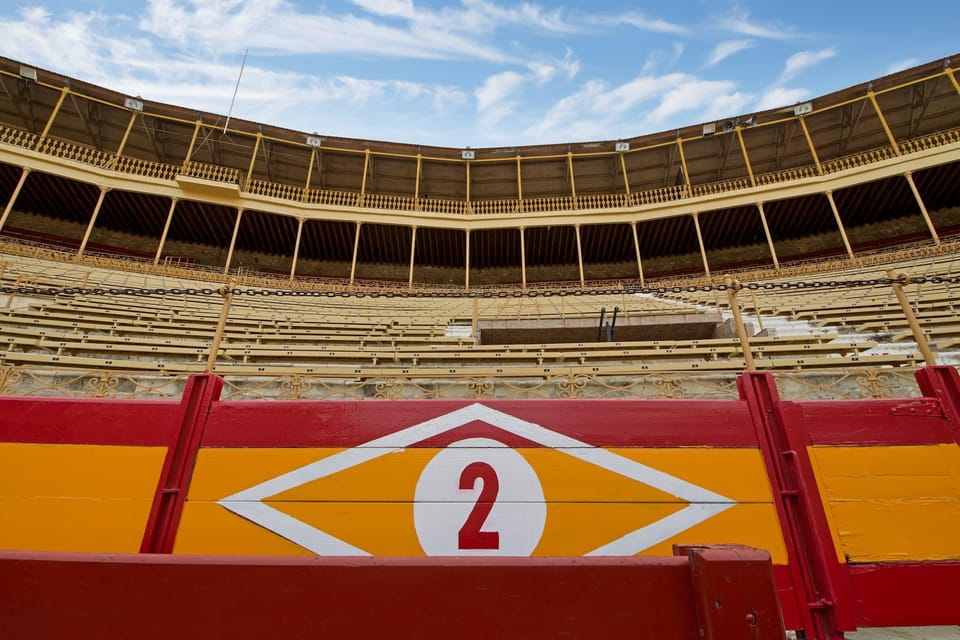
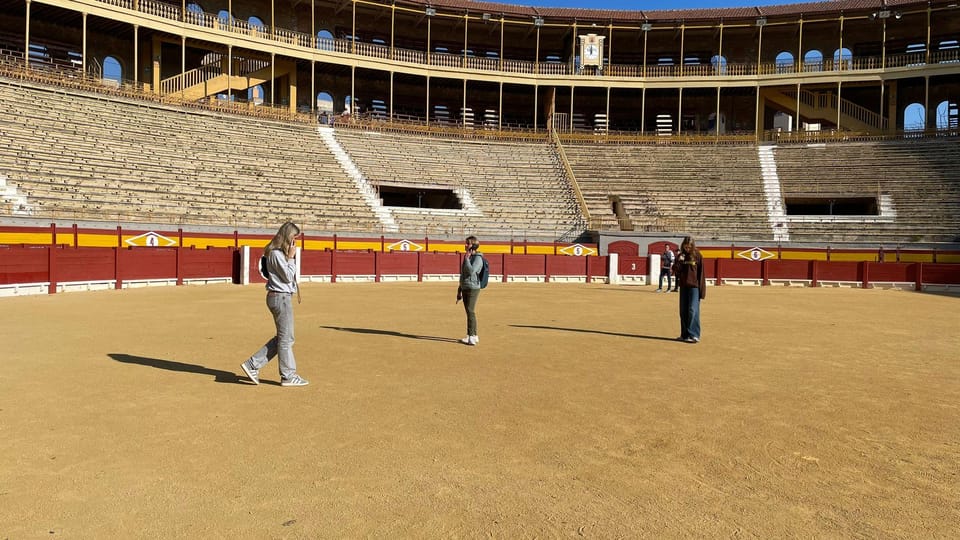
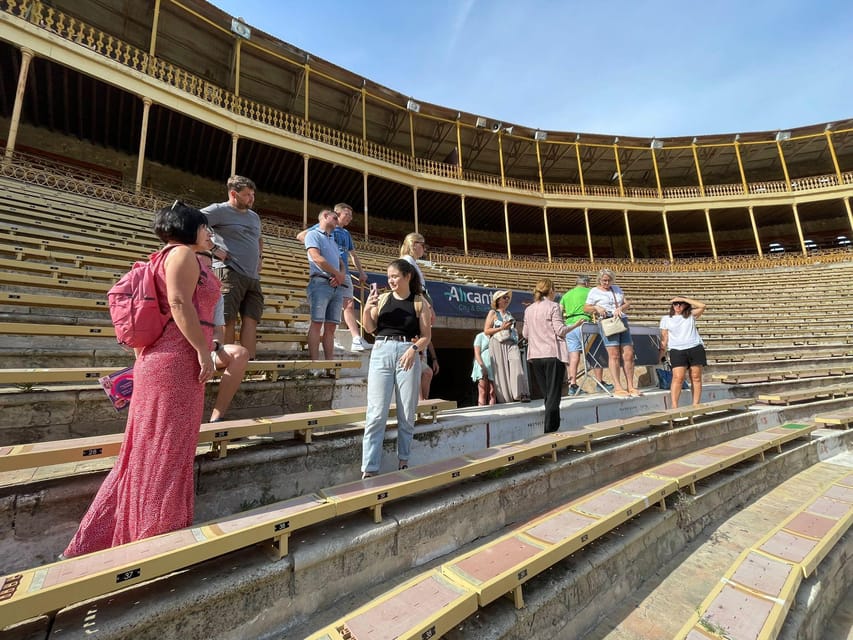
Yes, you actually get that moment where you’re inside the bullring in the same space where the action would happen. The stands give you a different perspective than the museum does. You can feel the scale of the place, and the open sightlines make photos worth the effort.
From the stands, you’ll have stunning views of Alicante and the castle. That view is more than a postcard bonus. It reminds you that this bullring isn’t isolated. It’s part of the city’s identity. You’re learning about a tradition, but you’re doing it in a real urban setting with a real backdrop.
If you’re choosing when to go, this is also the part to consider. A concert stage or event setup can limit your best angles or distract from the ring’s original look. If your priority is pure bullring atmosphere, pick a day/time that feels quieter.
Taurino Museum: Art, Bullfighter Suits, and Local Matadors
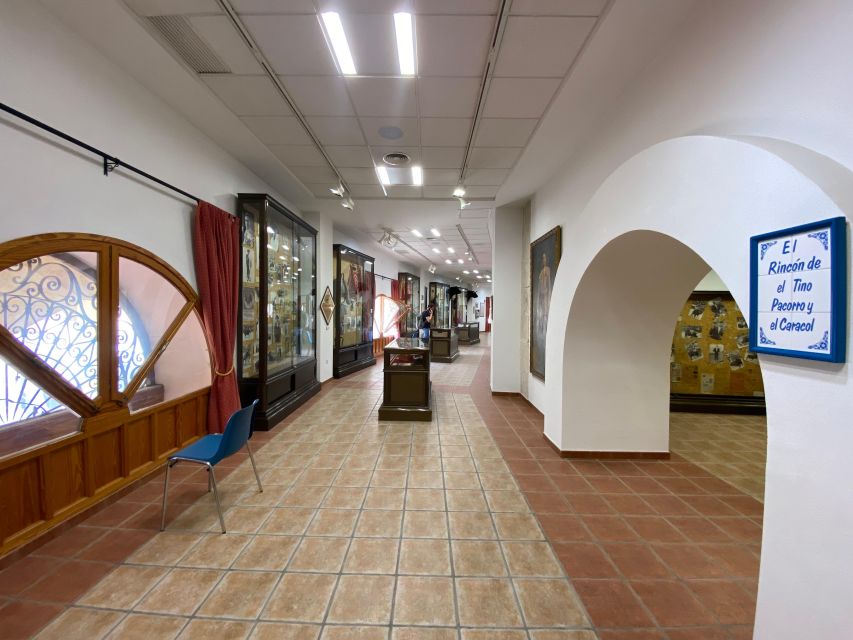
After the ring areas, the Taurino Museum brings the story into focus. This is where you move from the physical building to what the bullfighting world produced: art, uniforms, and personal legends.
The museum includes lots of art pieces and bullfighter suits, which is a surprisingly effective way to understand culture. Costumes aren’t just clothing here. They show rank, identity, and the visual language of the spectacle. You’ll also learn about festival traditions and history connected to the bullfighting world in Alicante.
One of the most fun parts—if you like local detail—is that the museum highlights Alicante’s own matadors, including Vicente Blau, José María Manzanares, Francisco Antón, and Luis Francisco Esplá. Seeing familiar names tied to the city makes the museum feel less like a general topic exhibit and more like an in-place record of local personalities.
You’ll also encounter content about bullfighting festivals and the world of matadors overall, which helps if this tradition is new to you. If you already know some terminology, you can still use the museum to connect names to roles and to understand how the bullring functioned historically.
You can also read our reviews of more museum experiences in Alicante
Bullring as a Multi-Use Venue: Timing Tips That Actually Matter
The bullring isn’t just for bullfights anymore. It’s also used for things like concerts, tennis, and even an ice rink. That makes this ticket a good fit for many types of travelers, but it also means the building’s “feel” can change.
I’d plan around two scenarios:
- If your goal is photography and the original look, consider going earlier in the day when setup work is less likely.
- If you’re okay with a bit of modern crossover, don’t stress. The museum portion still gives the cultural context, and you’ll still get the ring time.
A real clue comes from the dates and opening hours: the site is open Monday to Saturday from 10:00 AM to 4:00 PM. If you want it calmer, I’d aim for a time near opening on a weekday. Quiet visits make the audio guide easier to follow and make it simpler to stop in the chapel or smaller rooms without getting swept along by crowds.
Price and Value: What $14 Buys You for a 1-Hour Stop
At about $14 per person, this is a strong value if you want both the building and the museum in one shot. The price includes:
- Entry to the bullring and museum
- An audio guide (6 languages)
- An information leaflet
For me, the value comes from the combo. A standalone museum ticket can be just “read-and-look.” A bullring visit can be just “walk-and-photos.” Here, the audio guide links the spaces to the meaning, and the museum adds the cultural depth behind what you’re seeing in the ring.
It’s also a practical stop. One hour is short enough that it won’t hijack your entire day. You can fit it before lunch, after a morning walk, or as a cultural option when the weather shifts.
Who Should Book This (And Who Might Want to Skip It)
This works best if you want:
- A cultural and historical understanding of bullfighting in Alicante without committing to a live event
- A self-guided experience where you can move at your own pace
- Language flexibility, thanks to the multi-language audio guide
It might not be your best choice if you only want the ring experience in its most classic form, no interruptions. Because the venue can host other events, there’s a small chance that a stage or setup affects how “pure” your bullring photos look.
Still, even when the ring is used differently, the chapel, pens, and museum sections keep the visit from feeling like a sightseeing detour.
Practical Notes Before You Go
Start with the basics: plan for about 1 hour, follow the entry instructions at the main entrance door, and use the audio guide actively rather than passively. If you tend to tune out audio, give yourself permission to take breaks and do the building first.
Also, because you’ll likely climb to reach parts of the stands, wear shoes that handle steps comfortably. The tour is listed as wheelchair accessible, but you’ll want to judge your own comfort level with indoor routes and any steps you may encounter on site.
Should You Book This Bullring and Taurino Museum Ticket?
Book it if you want a short, meaningful way to understand a controversial-but-important part of Spanish culture in a real Alicante setting. The audio guide in six languages, the chapel plus behind-the-scenes spaces, and the chance to step into the ring and see the Alicante + castle views make it more than a quick stop.
Skip it only if you’re chasing a perfectly “bullfight-only” atmosphere and hate the idea that the venue can host other events. If that’s you, choose your time carefully within 10:00 AM to 4:00 PM, Monday to Saturday, and aim for when it’s calm.
FAQ
How long does the Alicante Bullring and Bullfighting Museum visit take?
The visit is listed as 1 hour.
Where do I meet for the experience?
Go to the main entrance door of the bullring.
Is this a guided tour or self-guided?
It’s a self-guided experience using an audio guide.
What’s included in the ticket price?
Included are bullring and museum entry, an audio guide (available in multiple languages), and an information leaflet.
What languages is the audio guide available in?
The audio guide is available in Spanish, English, French, Italian, German, and Polish.
What are the opening days and hours?
The bullring and museum are open Monday to Saturday from 10:00 AM to 4:00 PM.
Is the experience wheelchair accessible?
Yes, it’s listed as wheelchair accessible.
Can I cancel for a full refund?
Yes. Cancel up to 24 hours in advance for a full refund.
Can I reserve now and pay later?
Yes. You can reserve now & pay later, keeping travel plans flexible.