REVIEW · ALICANTE
Alicante: Small-Group Countryside Wine Tour with 4 Tastings
Book on GetYourGuide →Operated by Ali-Oli Tours · Bookable on GetYourGuide
A vineyard visit beats another museum in Alicante. This is a relaxed small-group wine tour that trades city noise for a scenic countryside drive, a family winery visit, and a guided tasting of four regional wines.
I especially like how the experience is led by certified local wine guides from a family-run company, so the story comes from people who live this wine every day. I also like the structure: you get a guided walk through vineyards and cellar space, then a proper guided tasting session with light snacks and time to slow down.
One thing to consider: the exact winery stop can change based on availability, so if you’re set on a specific estate name, you’ll want to confirm it when you book.
In This Review
- Key highlights at a glance
- Leaving Alicante port: the calm, scenic setup for wine tasting
- The winery walk: vineyards, cellar, and family home atmosphere
- What to watch for on the walk
- A note about which winery you’ll visit
- Tasting four wines: guided pours with time to actually taste
- Drink pacing and why it’s included
- Photo stop and winery shop: where your afternoon budget actually goes
- My advice for shopping time
- How this small-group format pays off (not just feels nice)
- Who this tour suits best
- Before you go: practical tips that make the day smoother
- Should you book the Alicante countryside wine tour?
- FAQ
- How long is the Alicante countryside wine tour?
- What happens during the winery visit?
- How many wines do you taste, and what’s included?
- Is this a small group or a large tour?
- Where do we meet in Alicante?
- Does the tour run in English?
- Can I choose morning or afternoon?
- Is the tour wheelchair accessible?
- Does the tour operate in bad weather?
Key highlights at a glance
- Certified local wine guides guide the whole experience, not just the pour
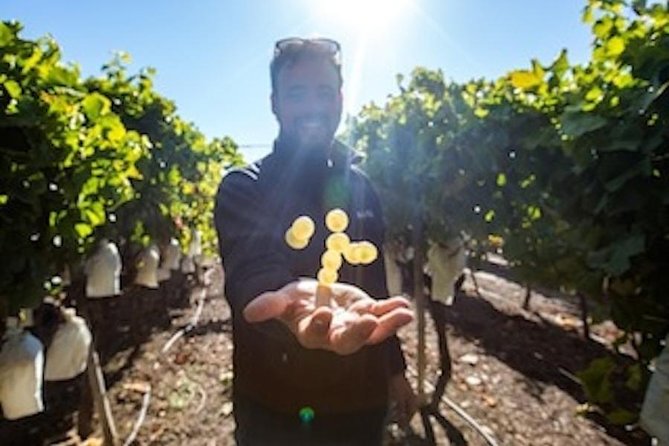
- Boutique family wineries with vineyard walks, cellar access, and estate history
- Four regional wines tasted in a guided session with light local snacks
- Small group size (up to 7) for questions, conversation, and a calmer pace
- Time for photos and shopping at the end of the visit
Leaving Alicante port: the calm, scenic setup for wine tasting
This tour starts where Alicante feels most like a working city: the pickup spot is outside Hotel Meliá Alicante, by the port (P.º del Puerto Viejo, 3). Your guide waits a few minutes before departure, wearing a black or navy polo with the Ali-Oli Tours logo, so you can spot them fast and get moving.
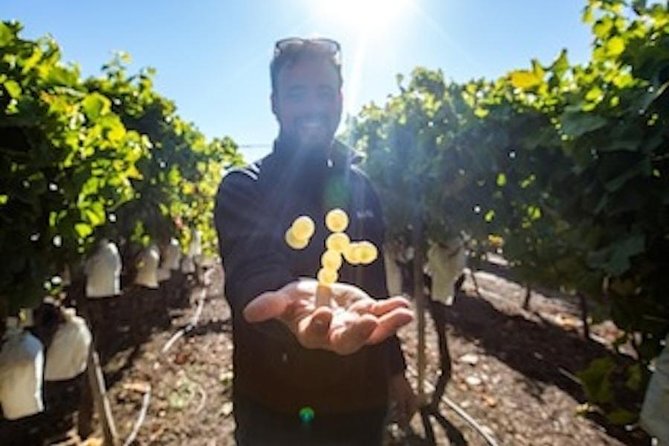
Then it’s into the countryside by private transport. Expect roughly a 30-minute drive through rolling terrain on the way to the winery. What I like about this start is that it sets your headspace. You arrive not rushed, not still bouncing around in traffic, ready to pay attention when the guide starts explaining how Alicante’s sun and sea shape the wine character. And yes, the whole thing is designed to feel unhurried, not like a cattle-call transfer.
If you’re combining this with other Alicante plans, think of it as a “reset button.” Four hours sounds short, but the ride plus structured winery time means you come back with real context, not just a few sips.
You can also read our reviews of more wine tours in Alicante

The winery walk: vineyards, cellar, and family home atmosphere
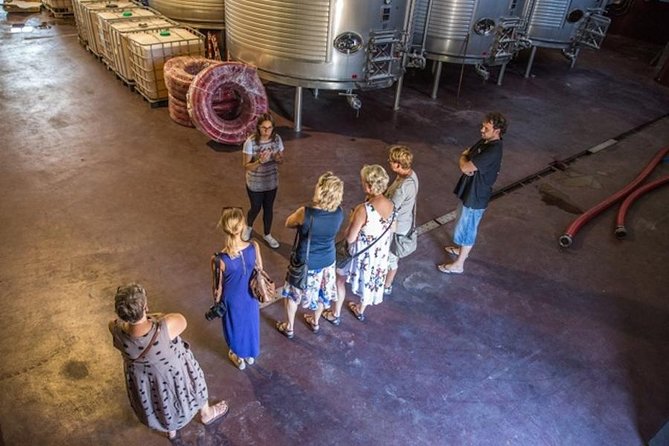
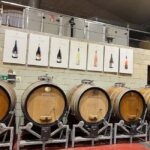
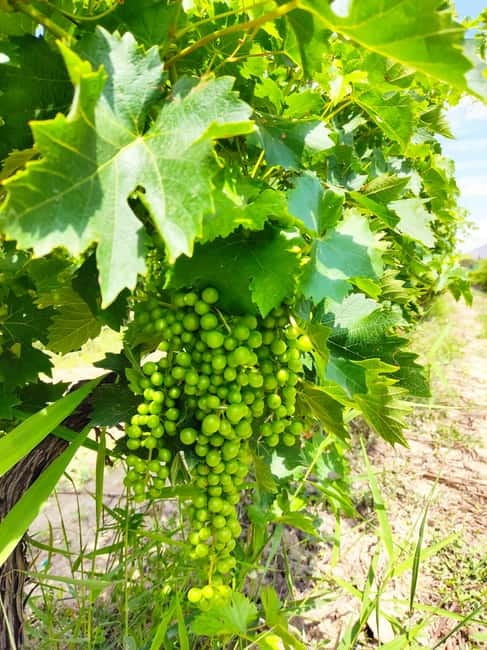
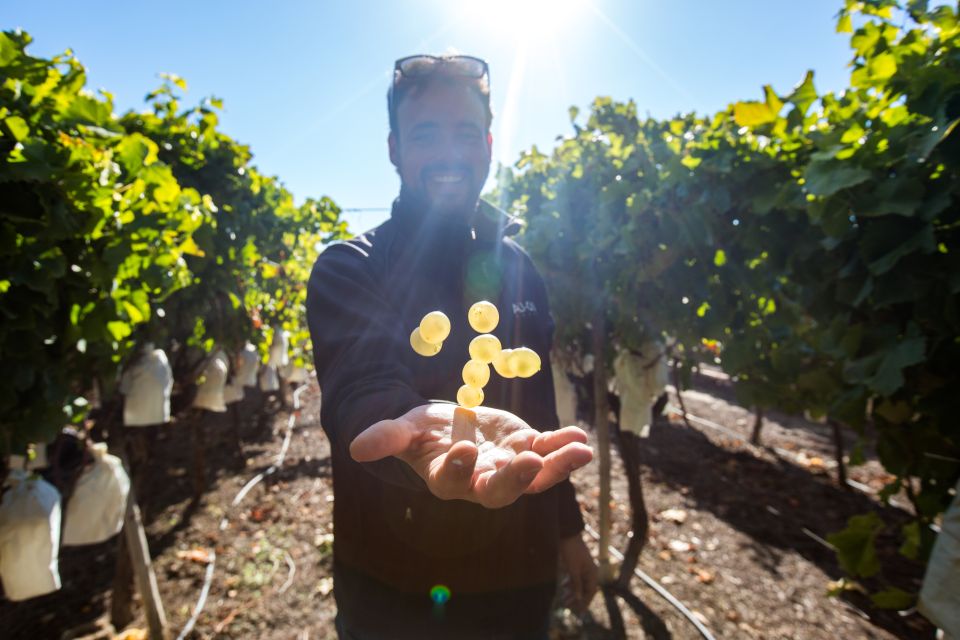
The main event begins with a guided tour that usually runs about 45–60 minutes. You’re not just shown a room. You stroll through the vineyard area, then move into the wine cellar and the family winery/home spaces tied to how the estate operates. That matters because wine is partly land and partly routine. Seeing the layout and hearing the process makes the tasting make more sense later.
You’ll also pick up the “why” behind the wines. Guides focus on how local growing conditions—especially that Alicante sun plus coastal influence—affect flavors, ripening, and the style people expect from the region. This is the kind of explanation that helps you stop guessing what you’re tasting.
Guide quality is a big part of why this tour gets such high marks. Names that show up repeatedly in guide feedback include Alberto, Roberto, and Alejandro. The common thread: they’re friendly, talk at a human pace, and answer questions instead of reciting facts like a textbook. One reason small groups help is simple—you can actually ask something, like why one grape style behaves differently from another, without the whole line falling behind.
What to watch for on the walk
Wear comfortable shoes. Even with a relaxed pace, vineyards and estate paths can be uneven. This tour also isn’t suitable for wheelchair users, so plan accordingly.
A note about which winery you’ll visit
The winery you tour can vary depending on availability, and that’s a real consideration if you have your heart set on one particular estate. Some departures have visited places like Casa Sicilia, which is praised for its historic estate feel. If you’re hoping for a specific winery name, check before you go so there are no surprises.
Tasting four wines: guided pours with time to actually taste

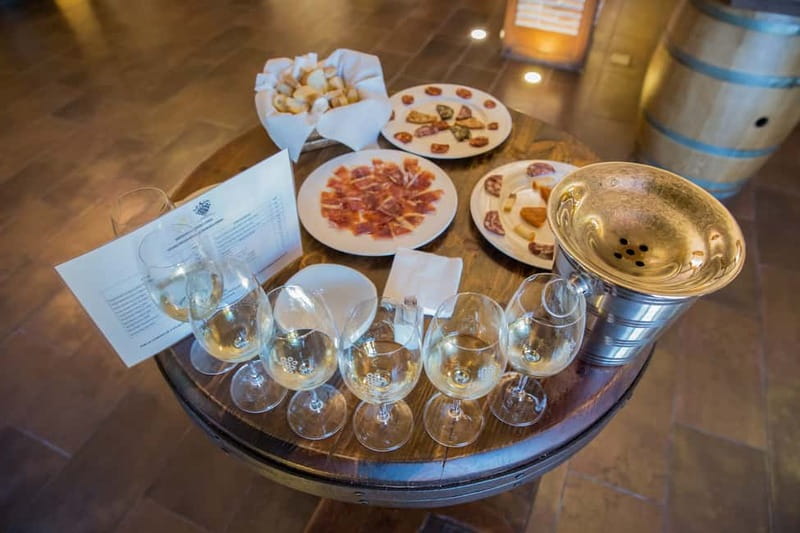
After the tour, you move into the guided tasting of four regional wines, typically paired with light snacks. The tasting segment runs about one hour, so you’re not stuck doing the hurry-up sip. You get enough time to notice differences between the wines instead of letting the guide rush you into the next glass.
The tasting line-up often includes a rosé, a white, and two reds. That mix is smart for beginners because you cover the range quickly: pink for freshness, white for texture and aroma, then reds for body and structure. Even if you’re not a serious wine person, it’s a useful way to learn what Alicante-style wines feel like in practice.
Guides tend to explain what you’re tasting as you go—what to look for in aroma, how the flavors shift across the glasses, and how the winemaking steps connect to what lands in your cup. When the guide does this well, you leave thinking in terms of style, not just personal preference.





Drink pacing and why it’s included
One practical advantage: the tour includes bottled water and entrance fees, plus the light snacks are part of the experience. Since you’re tasting four wines, food and water keep the day enjoyable. You can also buy additional food (like tapas) and wine at the winery after the included tastings, but it’s not forced on you.
If you’re a non-drinker or you want to keep things light, you’ll still get a guided experience that focuses on wine as a product and process. The guide’s job is to help you understand what’s in the glass—whether you choose to taste or not.
Photo stop and winery shop: where your afternoon budget actually goes
Once the tasting ends, you still have time to linger. There’s usually a photo stop and free time, plus around 30 minutes for shopping. This is where the tour shifts from “guided education” into “take home something you enjoyed.”
The winery shop can be a helpful way to bring Alicante flavors home without guessing. If you’ve learned what you like during the tasting, shopping becomes easier: you’re not buying blindly. You can ask the guide or shop staff what pairs well with what you tasted, and you can pick bottles that match your taste (not someone else’s idea of a safe souvenir).
There’s also sometimes on-site food options beyond the included snacks. The key point for your planning: if you want a fuller meal, you’ll need to budget extra. The tour itself is light on extra food by design, because it’s timed to fit the half-day pace.
My advice for shopping time
- Don’t feel pressure to buy right away. Use the photo/free time first.
- If you’re splitting bottles with friends, decide on a plan before you get overwhelmed by the selection.
- If you want extra bottles, confirm what you’re allowed to carry easily and how they package purchases.
How this small-group format pays off (not just feels nice)
This tour limits you to 7 participants. That number changes the vibe fast. In a group that small, you can ask follow-up questions about winemaking, regional styles, and what to look for when you’re shopping later in Alicante.
It also helps with pace. You’re not waiting around while someone figures out where to stand for a photo. And it’s less likely you’ll lose the thread of the guide’s explanations.
The other value lever is “everything included” thinking. For the price—$70 per person—you’re getting:
- a certified wine guide
- private round-trip transportation from Alicante
- entry and guided estate visit
- guided tasting of four wines
- light snacks, water, and entrance fees
That’s the kind of pricing that works best for people who want a guided, structured experience without hunting down tickets, transportation, or a driver. If you like doing things efficiently but still want quality control, this format fits.
Who this tour suits best
You’ll likely love it if you:
- want a half-day wine experience without a full-day commitment
- enjoy getting local context, not just tasting labels
- prefer smaller groups for conversation and questions
- like the outdoors side of wine (vineyards and cellar tour), even if you’re not hiking all day
It may not be the best fit if you want a huge “big tasting room” scene or you dislike walking on estate paths.
Before you go: practical tips that make the day smoother
This is a rain-or-shine operation, so don’t assume you’ll dodge bad weather. Bring weather-appropriate clothing and keep shoes comfortable. The tour includes walking through vineyard and cellar areas, and the terrain can be uneven.
Also plan your timing in Alicante. Because the total duration is about 4 hours, you’ll want to keep lunch or late-afternoon plans flexible so you’re not sprinting across town when you return.
Finally, if you care about the guide’s explanation style, pay attention when they describe Alicante’s wine identity through sun and sea influence. That framing is what turns the tasting from random sips into a clearer picture of what you’re experiencing.
Should you book the Alicante countryside wine tour?
Book it if you want a straightforward, high-value Alicante countryside wine experience with certified local guidance, a vineyard-and-cellar visit, and a guided tasting that actually gives you time to notice the differences between four regional wines. The small-group size is a real plus, not just marketing—your questions and conversation stay part of the flow.
I’d hold off or confirm details first if the specific winery name matters to you, since the estate stop can vary. And if walking on uneven ground is a challenge for you, this one isn’t designed for wheelchair users.
If you match those boxes, this tour is a strong bet for a memorable half-day in Alicante—one where you come back with bottles you understand, and stories you can actually repeat.
FAQ
How long is the Alicante countryside wine tour?
The tour lasts about 4 hours total. That includes travel time from Alicante and back, plus the guided visit and the tasting.
What happens during the winery visit?
You’ll take a guided tour that includes time in the vineyards and the wine cellar, along with estate/family winery areas. It typically runs about 45–60 minutes.
How many wines do you taste, and what’s included?
You taste four regional wines during a guided tasting session, with light snacks included. Bottled water is also provided.
Is this a small group or a large tour?
It’s a small group limited to 7 participants, which keeps the pace relaxed and allows time for questions.
Where do we meet in Alicante?
Meet outside Hotel Meliá Alicante, next to the port (P.º del Puerto Viejo, 3). Your guide will be waiting shortly before departure.
Does the tour run in English?
Yes. The live tour guide speaks English.
Can I choose morning or afternoon?
Yes, you can select morning or afternoon departure times based on availability.
Is the tour wheelchair accessible?
No, it is not suitable for wheelchair users.
Does the tour operate in bad weather?
Yes, it runs rain or shine. Dress for the weather and comfortable walking shoes help.